
Kiyomizu-dera: A Journey Through History and Scenic Beauty

Walking Tour

0.6 km (0.4 miles)

10 min travel time

7 Stops

Kyoto, Japan
Kiyomizu-dera: A Journey Through History and Scenic Beauty

7 places on the map
Explore the map in the DocentPro app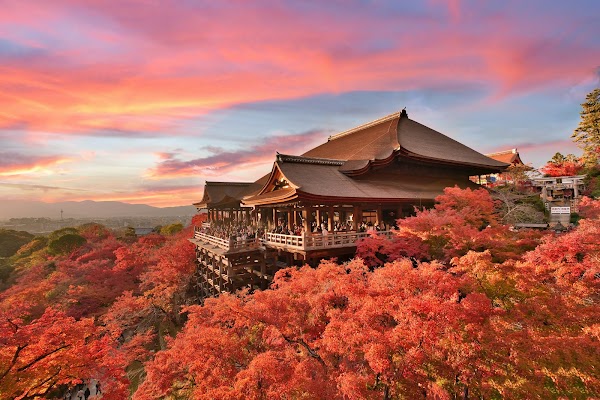
Tour Stops
1
The Stage of Kiyomizu
View on map
2
Kiyomizu-dera Hondo (Main Hall)
View on map
Audio Narrations
English
Introduction
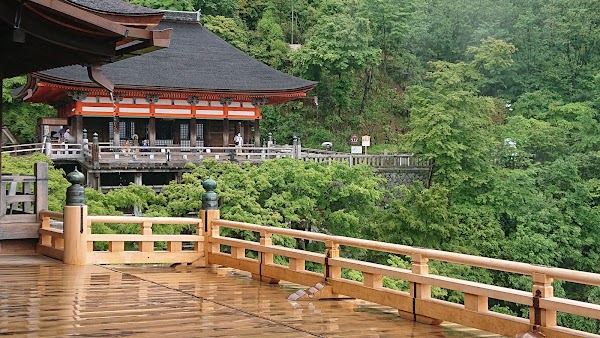
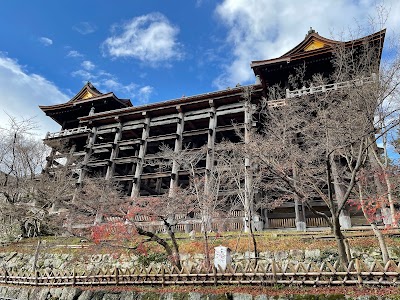
The Kiyomizu-dera Hondo, or Main Hall, in Kyoto, Japan, is a breathtaking architectural masterpiece perched atop a steep hillside, offering stunning views of the surrounding landscape. Built in 1633, the Hondo is renowned for its unique "stage" construction, elevated on massive pillars over a 13-meter-high cliff. This design, inspired by the Phoenix Hall at Byodo-in Temple, creates an illusion of the building floating above the ground, symbolizing its connection to the heavens. The Hondo's interior is equally impressive, adorned with intricate carvings, vibrant paintings, and a magnificent altar dedicated to the eleven-faced Kannon, the goddess of mercy. The altar features a hidden door leading to a secret passage, adding an element of mystery and intrigue to the structure. One of the most fascinating aspects of the Hondo is the "stage of the pure water," a wooden platform extending from the building's main floor. This platform, accessible through a narrow passageway, offers visitors a unique perspective of the surrounding forest and the city below. Legend has it that drinking from the spring beneath the platform grants longevity and wisdom. The Kiyomizu-dera Hondo is a testament to the ingenuity and artistry of Japanese architecture, seamlessly blending natural beauty with spiritual significance. Its unique design, rich history, and captivating legends make it a must-visit destination for anyone seeking a glimpse into the heart of Japanese culture.Wooden Stage Architecture
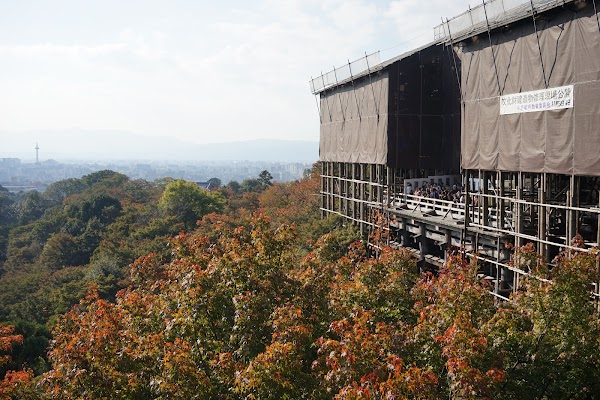
Kiyomizu-dera Hondo: A Masterpiece of Wooden Stage Architecture The Kiyomizu-dera Hondo, or Main Hall, is a breathtaking example of traditional Japanese wooden stage architecture. Perched atop a steep hillside, the structure appears to float above the surrounding forest, offering stunning views of Kyoto. The most remarkable feature of the Hondo is its expansive wooden stage, known as the "butai." This architectural marvel is a testament to the ingenuity and craftsmanship of ancient Japanese builders. The butai is a massive platform supported by 139 thick wooden pillars, each carefully crafted without the use of a single nail. The intricate joinery techniques employed in its construction showcase the remarkable skill and precision of the builders. The stage extends outward from the main hall, offering visitors a panoramic view of the surrounding landscape. The absence of walls allows for a seamless connection with nature, creating a sense of harmony and tranquility. The butai's design is not merely aesthetic; it also serves a practical purpose. The elevated platform allows for natural ventilation, keeping the interior of the Hondo cool and airy. The open design also facilitates religious ceremonies and performances, providing ample space for participants and spectators alike. The construction of the butai without nails is a testament to the deep respect for nature that is ingrained in Japanese culture. The builders understood the importance of working with, rather than against, the natural environment. The use of wood, a renewable resource, further emphasizes this connection with nature. The Kiyomizu-dera Hondo is a masterpiece of wooden stage architecture, showcasing the ingenuity, craftsmanship, and respect for nature that are hallmarks of Japanese culture. The butai is not merely a platform; it is a symbol of the harmonious relationship between humanity and the natural world.Kannon Bodhisattva Shrine
Nestled within the heart of Kiyomizu-dera, the Hondo (Main Hall) stands as a testament to the profound reverence for Kannon Bodhisattva, the embodiment of compassion and mercy. This magnificent structure, perched atop a steep cliff, offers a breathtaking view of Kyoto's cityscape while serving as a sacred sanctuary for devotees seeking solace and spiritual guidance. The Hondo's innermost chamber, known as the nainaijin, houses the revered statue of the eleven-faced, thousand-armed Kannon Bodhisattva. This awe-inspiring image, adorned with intricate details, represents Kannon's boundless capacity to alleviate suffering and bestow blessings upon all beings. Visitors can approach the statue and offer prayers, seeking guidance and solace in times of need. The Hondo's architecture itself reflects the essence of Kannon's teachings. The spacious veranda, known as the Kiyomizu Stage, symbolizes the open arms of compassion, welcoming all who seek refuge. The intricate carvings and delicate ornaments adorning the structure further enhance the spiritual ambiance, creating a space conducive to contemplation and inner peace. Beyond its physical attributes, the Hondo holds immense significance as a site of pilgrimage for devotees of Kannon. Throughout the year, numerous rituals and ceremonies are held within its hallowed walls, each offering a unique opportunity to connect with the divine and experience the transformative power of compassion. Whether seeking solace, guidance, or simply a moment of quiet reflection, the Hondo at Kiyomizu-dera stands as a beacon of hope and a testament to the enduring legacy of Kannon Bodhisattva. Its serene atmosphere and profound spiritual significance continue to inspire countless visitors, offering a glimpse into the boundless realm of compassion and the transformative power of faith.
3
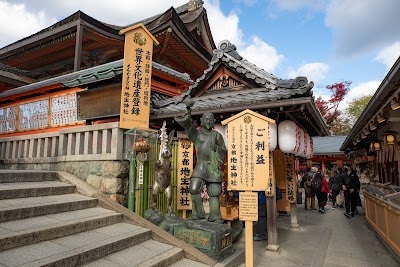
Jishu-Jinja Shrine
View on map
Audio Narrations
English
Introduction
Nestled amidst the verdant foothills of Mount Kurama in Kyoto, Jishu-Jinja Shrine stands as a testament to the enduring power of love and matchmaking. Its origins trace back to the 8th century, when the revered monk Gantei established the shrine to honor the deities of love and marriage, Okuninushi and Izanami. Jishu-Jinja Shrine is renowned for its unique "love fortune" stones, known as "Koi-ura-ishi." Visitors seeking guidance in matters of the heart cast two stones, one representing themselves and the other their desired partner. If the stones collide, it signifies a promising connection, while a miss indicates a need for patience or a change in approach. Beyond its romantic allure, Jishu-Jinja Shrine holds a special significance for those seeking spiritual growth and self-discovery. The shrine's serene atmosphere and intricate architecture invite contemplation and introspection. The "Otome-toiya" or "Maiden's Chamber," a small wooden structure within the shrine grounds, is believed to grant wishes related to love, marriage, and personal fulfillment. Jishu-Jinja Shrine's annual festival, held on the fourth Sunday of October, is a vibrant celebration of love and unity. The festival features traditional Japanese music and dance performances, as well as a procession of the shrine's deities through the streets of Kyoto. Whether seeking guidance in love, spiritual solace, or simply a tranquil escape, Jishu-Jinja Shrine offers a unique and unforgettable experience for visitors from all walks of life. Its enduring legacy as a sanctuary for love and personal growth continues to inspire and captivate those who seek its blessings.Enmusubi Shrine
Nestled amidst the serene hills of eastern Kyoto, Jishu-Jinja Shrine stands as a beacon of hope for those seeking love and harmonious relationships. Revered as one of Japan's most potent Enmusubi Shrines, dedicated to the deities of matchmaking and marital bliss, Jishu-Jinja draws devotees from across the globe. The shrine's origins trace back to the ancient Heian period, when it served as a sacred site for worshipping Okuninushi-no-Mikoto, the legendary deity of love and matchmaking. Over the centuries, Jishu-Jinja has evolved into a vibrant center of faith, attracting countless individuals seeking divine intervention in their romantic endeavors. At the heart of the shrine lies the famed "Koiuranai-no-ishi," a pair of love fortune stones positioned approximately ten meters apart. Legend has it that those who successfully navigate the path between the stones with their eyes closed will be blessed with the fulfillment of their love wishes. This unique ritual has become an iconic symbol of Jishu-Jinja, drawing throngs of hopeful visitors each year. Beyond the love fortune stones, Jishu-Jinja offers a myriad of other rituals and offerings to enhance one's prospects for love and harmonious relationships. Devotees can purchase "en-musubi" omamori, or good luck charms, imbued with the blessings of the deities. These charms are believed to bring good fortune in finding a suitable partner, strengthening existing bonds, and fostering harmonious relationships. The shrine also hosts regular festivals and ceremonies dedicated to love and matchmaking. The annual "Jishu-sai" festival, held in May, is a particularly popular event, attracting large crowds seeking blessings for love and marital happiness. During the festival, participants can engage in traditional rituals, such as offering prayers at the main shrine and writing their wishes on ema, or wooden votive tablets. Jishu-Jinja Shrine's reputation as a potent Enmusubi Shrine has extended far beyond the borders of Japan. Today, the shrine welcomes visitors from all corners of the globe, each with their own unique hopes and aspirations for love and happiness. Whether seeking a soulmate, strengthening an existing relationship, or simply wishing for greater harmony in their lives, Jishu-Jinja offers a sanctuary of hope and spiritual guidance.Jishu-zakura
Jishu-zakura: A Blossoming Symbol of Love at Jishu-Jinja Shrine Nestled within the sacred grounds of Jishu-Jinja Shrine in Kyoto, Japan, lies a botanical treasure known as the Jishu-zakura. This singular cherry tree, a testament to the enduring power of love, stands as a living embodiment of the shrine's reputation as a haven for matchmaking and romantic fulfillment. The Jishu-zakura, also called Mikuruma-gaeshi-no-Sakura, boasts a unique characteristic: its branches bear both single and double blossoms, a rare phenomenon in the world of cherry trees. Legend has it that Emperor Saga, captivated by the tree's beauty during a visit in 811, had his carriage turned around three times to admire its splendor, hence the name "Mikuruma-gaeshi," meaning "the cherry tree that coaxed the return of the imperial carriage." This enchanting tree serves as a focal point for the annual Enmusubi Kigan Sakura Festival, held on the second Sunday of April. During this vibrant celebration, devotees gather to appreciate the Jishu-zakura's delicate blooms while seeking blessings for harmonious relationships. The festival embodies the belief that the Jishu-zakura's presence enhances the shrine's matchmaking powers, drawing couples and individuals yearning for love to its hallowed grounds. Beyond its aesthetic charm, the Jishu-zakura holds symbolic significance. Its dual blossoms represent the harmonious union of two souls, a metaphor for the successful union sought by those who visit the shrine. The tree's resilience, enduring through the seasons, mirrors the enduring nature of love and commitment. For those seeking a deeper connection with the Jishu-zakura, a unique ritual awaits. The "Koiuranai-no-ishi," or love fortune stones, stand sentinel near the inner shrine. Legend dictates that successfully navigating the ten-meter distance between these stones with closed eyes signifies the fulfillment of one's love aspirations. This symbolic journey underscores the belief that faith and determination are key ingredients in finding true love. The Jishu-zakura, with its captivating beauty and symbolic significance, stands as a testament to the enduring power of love and the unwavering faith that draws countless individuals to Jishu-Jinja Shrine. Its presence serves as a reminder that love, like the delicate blossoms of the Jishu-zakura, can bloom and flourish with the right nurturing and unwavering belief.
4
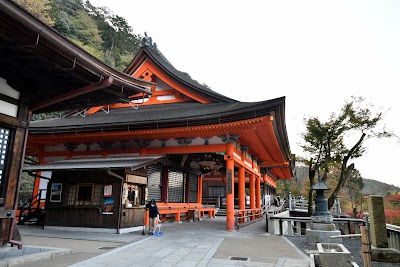
Kiyomizu-dera Amidado
View on map
5
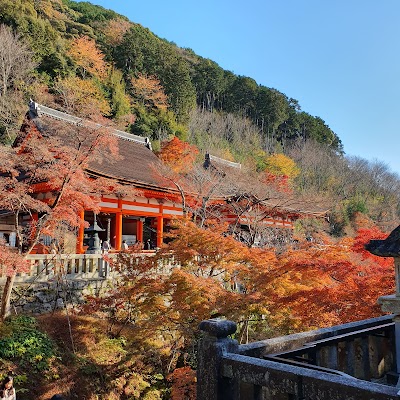
Kiyomizu-dera Okuno-in
View on map
6
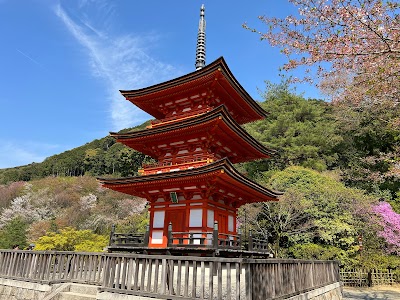
Kiyomizu-dera Koyasunoto Pagoda
View on map
7
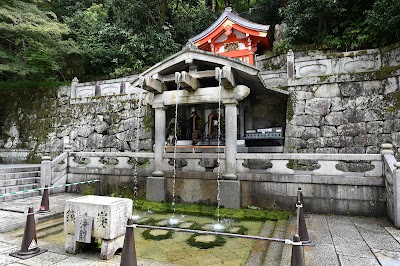
Otowanotaki (Kiyomizu-Dera)
View on map
Experience the Full Tour
Download the DocentPro app to access all tour stops, complete audio narrations in multiple languages, offline maps, and interactive features.