
Kyoto: A Day of Cultural Immersion and Historical Discovery

Walking Tour

3.0 km (1.9 miles)

42 min travel time

10 Stops

Kyoto, Japan
Kyoto: A Day of Cultural Immersion and Historical Discovery
Tour Stops
1
Kiyomizu-dera
View on map
Audio Narrations
English
Introduction
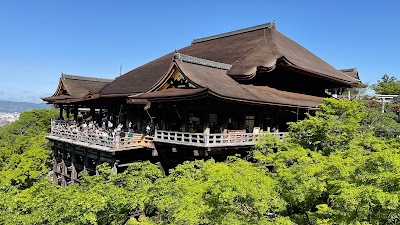
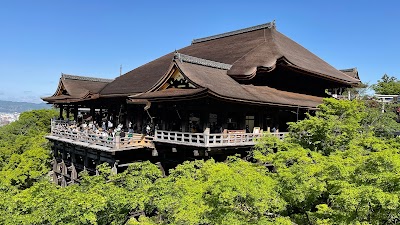
Kiyomizu-dera, perched dramatically on the Otowa hillside in Kyoto, distinguishes itself through its iconic wooden stage, jutting out 13 meters from the main hall. This stage, supported by hundreds of pillars, was constructed without the use of nails, a testament to ancient Japanese carpentry. Beneath the main hall flows the Otowa Waterfall, whose three separate streams are believed to grant different blessings: longevity, success in studies, and a fortunate love life. Visitors traditionally drink from these streams, though choosing wisely is key, as drinking from all three is considered greedy. Beyond the main structures, Jishu Shrine, dedicated to Ōkuninushi, a deity of love and "good matches," is a unique draw. Here, two stones are placed 18 meters apart, and if one can walk from one to the other with their eyes closed, it is said they will find true love. If assistance is needed, it suggests that a mediator will be required in their search. The temple's name, "Pure Water Temple," derives from the spring water that continues to flow, a source of spiritual significance for over a millennium.Kiyomizu-yaki Pottery
Kiyomizu-dera's significance to Kiyomizu-yaki pottery is deeply rooted in history and geography. The Gojōzaka district near Kiyomizu-dera Temple is the traditional origin of Kiyomizu ware, a type of Kyō ware. For centuries, artisans in the Gojo district have crafted Kiyomizu ware, recognized as some of Kyoto's finest stoneware. The name "Kiyomizu-yaki" itself is derived from the temple's vicinity, marking the area as the birthplace of this pottery style. The rise in popularity of tea ceremonies in the 16th century significantly boosted Kiyomizu-yaki. Local artisans began producing tea tools and cups, and influential figures like tea masters, noblemen, and monks favored Kiyomizu ware, increasing its demand and prestige. Historically, the potters in Kyoto focused on producing limited numbers of the highest quality pieces rather than mass-producing cheap goods, reflecting the personal tastes and preferences of their customers. The Kiyomizuyaki Pottery Complex was established in 1962, consolidating many artisans' shops, though the kilns are no longer active there. The slope leading to Kiyomizu-dera Temple, known as "Chawan-zaka," is lined with pottery shops, a testament to the area's long-standing association with ceramics. The annual Kiyomizuyaki no Sato Matsuri, held in October, further celebrates this heritage, showcasing Kiyomizu-yaki alongside other ceramics and offering visitors a chance to learn about and purchase these unique wares.Otowa Waterfall
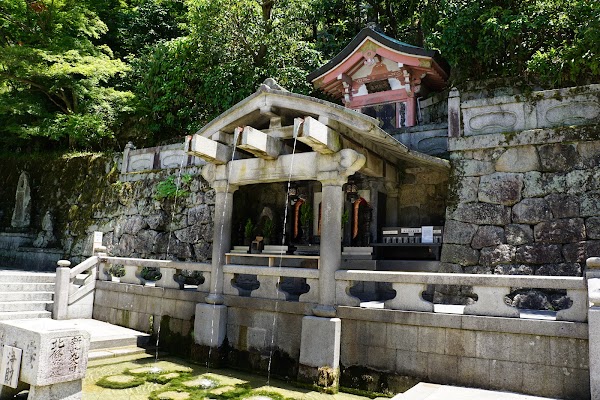
Beneath Kiyomizu-dera's main hall lies the Otowa Waterfall, a focal point where three streams of water cascade into a pond. Visitors gather to drink this water, each stream believed to bestow a different benefit: longevity, success in studies, or a fortunate love life. However, it is considered greedy to drink from all three. The temple's name, "Pure Water Temple," is derived from the waterfall's waters, underscoring its significance. The waterfall is not only a source of spiritual benefit but also a key element in the temple's overall design and visitor experience. The famed Hinoki "floating stage" juts out into the air at the front of the worship hall, offering a view of the Otowa Waterfall. During normal times, long lines of people wait to drink from the falls, highlighting its popularity. The waters are collected using cups attached to long poles, adding to the unique ritual. The waterfall's presence enhances the temple's connection to nature, integrating the sacred waters into the architectural and spiritual experience of Kiyomizu-dera.
2
Sannenzaka
View on map
Audio Narrations
English
Introduction
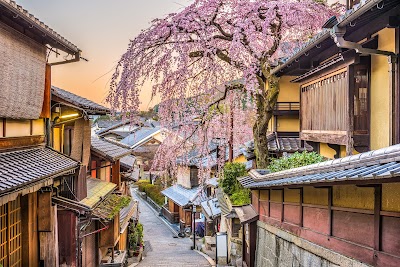
Sannenzaka, a charming stone-paved pedestrian street in Kyoto's Higashiyama district, is a captivating blend of history and tradition. Lined with preserved Kyo Machiya buildings, it transports visitors back to the Edo period. The narrow slope is adorned with around 60 shops and restaurants, offering an array of traditional Kyoto products and delicacies. Visitors can immerse themselves in Japanese culture through hands-on experiences like tea ceremonies and Maiko makeovers. The street's name, meaning "safe delivery hill," stems from an ancient legend where a pregnant empress dreamt of a monk promising a safe birth if she had faith in Kannon. Many women, including Hideyoshi Toyotomi's wife, visited the nearby Kiyomizu Temple to pray for successful childbirths. Sannenzaka's architectural heritage is equally captivating. Designated as a historic preservation district in 1972, it showcases traditional Kyo Machiya buildings designed to withstand Kyoto's changing weather conditions. The street's narrow slope gradually ascends towards Kiyomizu Temple, offering picturesque views of the surrounding area.Walking Path
Stroll along Sannenzaka, a charming stone-paved path that winds through the historic Higashiyama district of Kyoto. This picturesque lane, lined with traditional wooden buildings, transports you back in time to the Edo period. As you ascend the gentle slope, admire the intricate facades of the buildings, many of which house quaint shops and restaurants. Browse for souvenirs, from delicate ceramics to colorful textiles, or indulge in local delicacies like mochi and matcha sweets. The path culminates at Kiyomizu-dera Temple, a UNESCO World Heritage Site known for its iconic wooden stage jutting out from the hillside. Along the way, soak in the vibrant atmosphere as locals and tourists alike mingle, creating a lively and authentic ambiance.Historic District
Sannenzaka, nestled in the heart of Kyoto's historic Higashiyama district, is a captivating pedestrian street steeped in history and architectural charm. Designated as an Important Traditional Building Preservation Area, Sannenzaka transports visitors back in time with its meticulously preserved wooden townhouses, many of which date back centuries. These structures, known as Kyo Machiya, showcase traditional Japanese architecture, featuring sliding paper doors, wooden facades, and intricate latticework. Strolling along the gently sloping cobblestone path, one encounters a vibrant tapestry of shops and boutiques, each offering a glimpse into Kyoto's rich cultural heritage. From exquisite ceramics and textiles to artisanal crafts and souvenirs, Sannenzaka is a treasure trove for those seeking authentic Japanese mementos. The street's unique atmosphere is further enhanced by the presence of teahouses and traditional restaurants, inviting visitors to savor the flavors and ambiance of old Kyoto. Beyond its commercial allure, Sannenzaka holds historical significance. Its name, meaning "three-year slope," is said to have originated from a superstition that those who fall on its steps will pass away within three years. This legend adds a touch of intrigue to the street's charm, making it a popular destination for both locals and tourists alike. As one ascends Sannenzaka, the path leads to Kiyomizu-dera Temple, a UNESCO World Heritage Site renowned for its iconic wooden architecture and panoramic views of the city. Along the way, visitors can admire the beauty of Ninenzaka, a neighboring street with a similar historical ambiance. Together, these two slopes form a captivating promenade that encapsulates the essence of Kyoto's rich past and vibrant present.
3
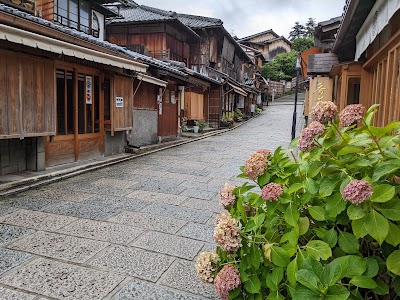
Ninenzaka
View on map
Audio Narrations
English
Introduction
Ninenzaka, a preserved pedestrian street in Kyoto, Japan, distinguishes itself through its tangible embodiment of traditional Japanese aesthetics. Unlike other historical districts, Ninenzaka's charm lies in its meticulously maintained wooden machiya houses, their dark, earthen walls and tiled roofs whispering tales of bygone eras. The gentle slope of the stone-paved street, designed to ease passage, contributes to its unique character, setting it apart from flatter, more modern thoroughfares. Beyond the ubiquitous souvenir shops, Ninenzaka harbors hidden artisan workshops where craftspeople continue age-old traditions. Look closely, and you might spot a calligrapher meticulously practicing brushstrokes or a potter shaping delicate Kiyomizu-yaki ceramics. The street's subtle elevation offers glimpses of the Yasaka Pagoda, a visual anchor that reinforces the area's historical significance. It is rumored that falling on Ninenzaka brings bad luck, specifically shortening one's lifespan, a superstition adding an intriguing layer to the visitor experience. The street’s name, translating to "Second Year Slope," is said to originate from its construction during the second year of the Ninna era (886 AD), though this is debated among historians.Traditional Architecture
Ninenzaka and its sister street, Sannenzaka, exemplify traditional Japanese architecture through their historical context and symbiotic relationship with Kiyomizu-dera temple. These streets, acting as "sahachon"—a collection of souvenir shops around temples—showcase how architecture reflects and shapes the lives of its inhabitants. The old houses lining these slopes embody Japanese identity, drawing tourists and enabling merchants to sustain their livelihoods. This architecture isn't merely planned; it evolves naturally around the temple, embedding Japan's cultural identity into the urban landscape. The tale associated with Ninenzaka and Sannenzaka, where stumbling results in shortened life, underscores the deep-rooted beliefs intertwined with the physical space. This legend, mirroring local folklore, highlights how architecture is imbued with cultural narratives. The architecture here expresses the surrounding land's context, with temples providing a backdrop of tradition. Residents strive to uphold this tradition while catering to tourist demands, creating a unique intersection of history, human needs, and commercial interests. Ninenzaka's architecture thus becomes a living embodiment of Japanese heritage, where the lives of residents, through their traditional offerings and preservation efforts, shape the city's identity. The traditional workshops, tea houses, and eateries contribute to a cohesive architectural identity, making Ninenzaka an emblematic example of how architecture can both preserve and promote cultural traditions.Sahachon
Ninenzaka in Kyoto exemplifies the 'sahachon' concept, a term denoting the collection of souvenir shops and traditional establishments clustered around temples or shrines. Situated along the route from Gion to Kiyomizu-dera, Ninenzaka, along with Sannenzaka, forms an emblematic sahachon catering to visitors of Kiyomizu-dera. These streets are not merely commercial areas but rather a village-like setting where merchants and shopkeepers reside, offering goods and services to pilgrims and tourists. The architecture and traditional goods found in Ninenzaka embody Japanese identity, attracting tourists and sustaining the livelihoods of local merchants. This sahachon-like community has naturally evolved around Kiyomizu-dera, preserving and showcasing Japan's cultural identity. Residents uphold traditions while catering to the demands of tourists, creating a unique intersection of history, human needs, architecture, urban identity, commercial interests, and tourism. The tale associated with Ninenzaka, where stumbling is believed to shorten one's life by two years, mirrors legends from nearby Sannenzaka, further embedding the area in local lore and tradition. This blend of commerce, tradition, and folklore makes Ninenzaka a prime example of a sahachon, reflecting the organic development of communities around religious sites and their role in preserving and promoting Japanese culture. The area's ability to adapt to the needs of both residents and visitors while maintaining its historical character underscores the enduring appeal of sahachons in Kyoto.
4
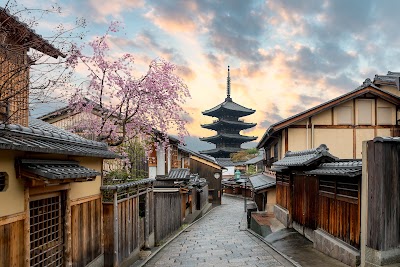
Hokan-ji
View on map
Audio Narrations
English
Introduction
Hokan-ji, more commonly known as Yasaka Pagoda, stands as a striking visual anchor in Kyoto's Higashiyama district, its five stories a testament to enduring architectural traditions. Unlike many temples in Kyoto, Hokan-ji's origins are shrouded in some mystery, with precise founding details debated, adding to its enigmatic allure. What sets it apart is the ability to ascend the pagoda itself, offering a relatively rare opportunity to experience the internal structure of such a landmark and panoramic views of the surrounding cityscape. The pagoda's survival through numerous fires that ravaged Kyoto speaks to its robust construction and the community's dedication to its preservation. Interestingly, the pagoda is not directly affiliated with a major Buddhist sect, operating more independently than many other temples, a characteristic that contributes to its unique atmosphere. The surrounding narrow streets, lined with traditional shops and teahouses, amplify the pagoda's presence, creating a captivating blend of the sacred and the everyday.Historical Significance in Kyoto's Cultural Landscape
Hokan-ji, or Yasaka Pagoda, significantly contributes to Kyoto's historical and cultural identity, standing as a beacon of tradition in the Higashiyama district. Its origins trace back to Prince Shotoku in the 7th century, linked to a vision of the Wish-fulfilling Wheel Avalokitesvara. The current five-story pagoda, reconstructed in the 15th century, preserves the original heart pillar foundation stone, showcasing a unique architectural style with balustrades only on the top tier. The temple's historical connections include figures like Ashikaga Yoshinori, who aided in its restoration, underscoring its regional importance. Within the complex, the Yakushido Hall, enshrining Yakushi Nyorai, and the Taishido Hall, featuring statues of Prince Shotoku, further cement its historical relevance. The Yasaka Inari Shrine and the Chododan tea house add to the temple's cultural richness. Central to the Gion Matsuri festival, Hokan-ji remains an active place of worship, offering a sanctuary amidst Kyoto's vibrant atmosphere. Its presence enriches the Higashiyama District, complementing nearby attractions like Kiyomizudera Temple and Kodaiji Temple’s gardens. Hokan-ji is not merely an architectural marvel but a living component of Kyoto's history and culture, providing a rewarding experience for those seeking to explore the city's soul.Yasaka Pagoda's Architectural Resilience
Hokan-ji, also known as Yasaka Pagoda, exemplifies architectural resilience in Kyoto's Higashiyama district. Standing 46 meters tall, its design incorporates earthquake-resistant features crucial for a seismically active region. The pagoda's five stories are engineered to sway independently around a central wooden beam, a design implemented during its reconstruction in 948 CE to address a precarious tilt. This allows the structure to absorb and redirect seismic shocks, showcasing an early understanding of earthquake-resistant engineering. The pagoda's architectural style, called "honkawara-buki," distinguishes it from other Japanese pagodas with its graceful lines and large roof overhangs. Reconstructed in 1440 by Shogun Yoshinori Ashikaga, the pagoda has maintained its design and architectural elements despite multiple fires and reconstructions throughout its history, preserving its historical integrity. This enduring structure symbolizes the resilience of traditional Japanese architecture and spiritual traditions in Kyoto. The central wooden beam's ability to allow independent swaying is a key component of its resilience, serving as a model for architects in seismic regions. The pagoda stands as a testament to the integration of innovative design and historical preservation, making it a significant landmark in Kyoto's cultural heritage.
5
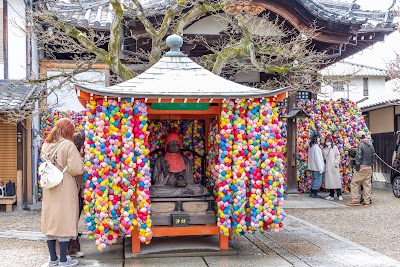
Yasaka Koshindo
View on map
6
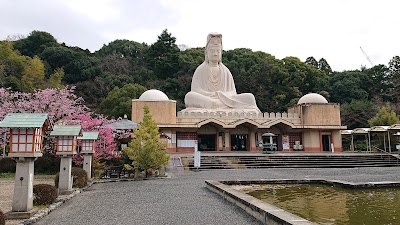
Ryozen Kannon
View on map
7
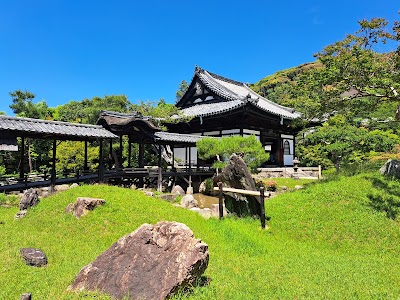
Kōdaiji Temple
View on map
8
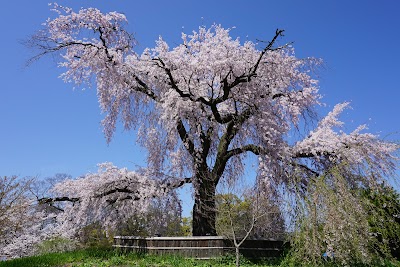
Maruyama Park
View on map
9
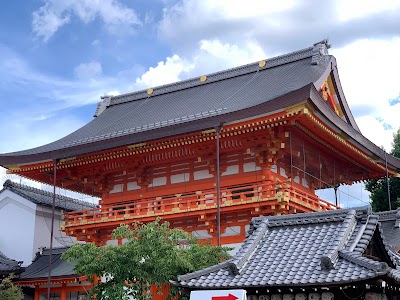
Yasaka Jinja
View on map
Audio Narrations
English
Introduction
Yasaka Jinja, also known as Gion Shrine, is a renowned Shinto shrine in Kyoto, Japan, celebrated for its vibrant history and captivating festivals. Founded in 656, the shrine is dedicated to Susanoo-no-Mikoto, the god of storms and the sea, and his consort Kushinadahime-no-Mikoto. Yasaka Jinja's main hall, constructed in the unique Gion-zukuri style, houses the deities and is adorned with hundreds of lanterns that illuminate the shrine in the evenings. The shrine is particularly famous for its annual Gion Matsuri, held every July. This grand festival dates back over a millennium and features a procession of elaborate floats, known as yamaboko, through the streets of Kyoto. The floats are adorned with intricate decorations representing different neighborhoods, creating a vibrant and captivating spectacle. Beyond the Gion Matsuri, Yasaka Jinja hosts numerous other festivals and events throughout the year, many of which are attended by geisha from the nearby Gion district. The shrine's cultural significance extends beyond its festivals, as it has played a pivotal role in Kyoto's history and traditions. Yasaka Jinja remains a beloved destination for locals and visitors alike, offering a glimpse into the rich cultural heritage of Japan.Yasaka Shrine
Yasaka Shrine, also known as Gion Shrine, is a prominent and revered shrine in Kyoto, Japan. Its history dates back to the 7th century, and it has played a significant role in the city's cultural and religious life. The shrine is renowned for its association with the Gion Matsuri, one of Japan's most famous festivals. During this annual event, the shrine becomes the focal point of a grand procession featuring elaborate floats and hundreds of participants. One of the unique aspects of Yasaka Shrine is its connection to the geisha district of Gion. The shrine is located within walking distance of Gion, and it is not uncommon to spot geisha visiting the shrine, particularly during the Gion Matsuri. This proximity has led to a close relationship between the shrine and the geisha community, adding to its allure and mystique. Another notable feature of Yasaka Shrine is its beautiful architecture. The shrine complex consists of several buildings, including a main hall, a dance stage, and a number of smaller shrines. The main hall is particularly impressive, with its intricate carvings and colorful decorations. The dance stage is used for traditional performances during festivals and special events. In addition to its historical and cultural significance, Yasaka Shrine is also a popular destination for tourists. Its central location and easy accessibility make it a convenient stop for visitors exploring Kyoto. The shrine offers a glimpse into Japan's rich cultural heritage and provides an opportunity to experience the vibrant atmosphere of a traditional Japanese festival.Heian Period
During the Heian Period, Yasaka Jinja emerged as a prominent religious and cultural center in Kyoto. Emperor Ichijō designated it as one of the most important shrines where imperial missives and reports were officially read to the gods. The shrine's prestige soared due to the Gion Festival, which originated as a purification ritual to appease malevolent kami causing summer illnesses. By 970 CE, the festival had become an annual event, attracting vast crowds and showcasing elaborate floats, musicians, dancers, and artistic treasures. Yasaka Jinja's architectural style, known as Gion-zukuri, is a unique feature that emerged during the Heian Period. The main hall's roof extends over both the front shrine and the main hall, creating a distinctive silhouette. This design became a hallmark of shrines in the Gion district. The shrine's association with love and matchmaking also gained prominence during the Heian Period. Enshrined at Yasaka Jinja are the husband and wife gods Susanoo-no-Mikoto and Kushinadahime-no-Mikoto, whose close bond made the shrine a popular destination for those seeking love and harmonious relationships. Visitors would write their wishes on wooden ema votive tablets and hang them on the racks by the torii gate, hoping for divine favor in matters of the heart.
10
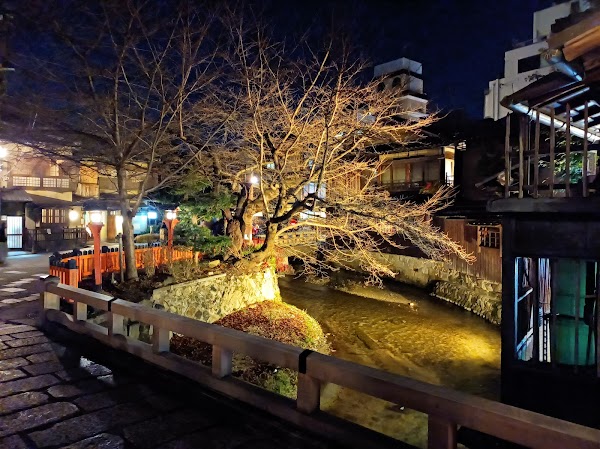
Gion
View on map
Experience the Full Tour
Download the DocentPro app to access all tour stops, complete audio narrations in multiple languages, offline maps, and interactive features.