
Lisbon : Exploring Lisbon's Age of Discoveries: Belém's Historical Tapestry

Walking Tour

4.4 km (2.8 miles)

1h 6min travel time

8 Stops

Lisbon, Portugal
: Exploring Lisbon's Age of Discoveries: Belém's Historical Tapestry
Tour Stops
1
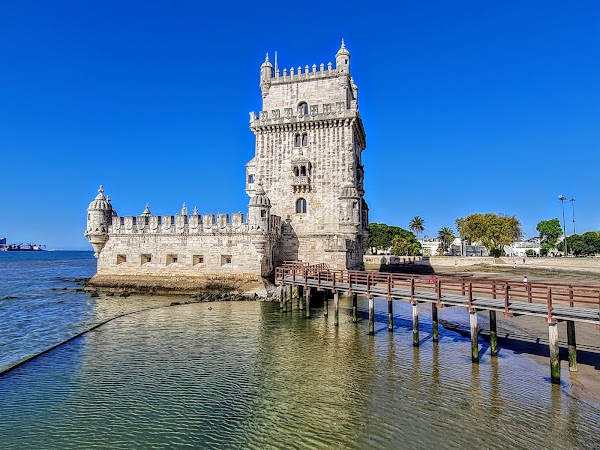
Belém Tower
View on map
Audio Narrations
Introduction
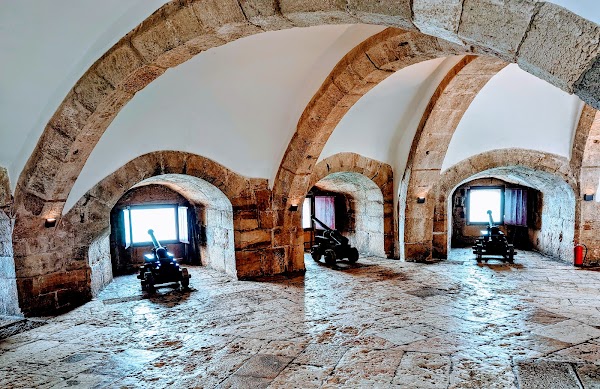
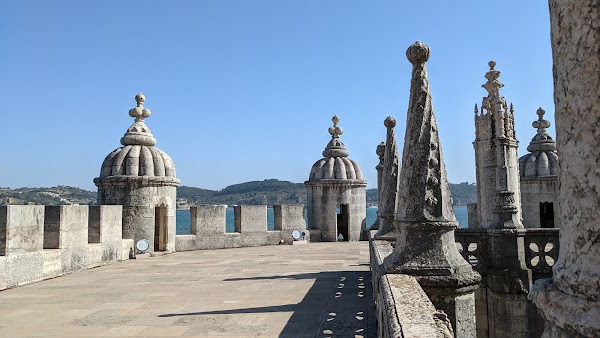
The Belém Tower, a UNESCO World Heritage Site, stands as a testament to Portugal's maritime prowess and architectural ingenuity. Built in the early 16th century, this iconic monument served as a fort, customs center, and lighthouse, guarding the entrance to Lisbon's harbor. Its Manueline style, a blend of Gothic and Renaissance elements, is evident in its elaborate rib vaulting, twisted rope motifs, and armillary spheres. The tower's bastion, featuring 17 cannons, reflects the transitional nature of military architecture, combining medieval and Renaissance influences. Inside, visitors can explore the Governor's Hall, Kings' Hall, Audience Hall, and Chapel, each adorned with intricate carvings and stunning views of the Tagus River. A curious feature is the rhinoceros gargoyle on the western façade, commemorating the first rhino to arrive in Europe from India in 1513. Today, the Belém Tower remains a symbol of Portugal's rich history and a must-visit destination for anyone exploring Lisbon's architectural and cultural heritage.Tourism Icon
Belém Tower, a UNESCO World Heritage Site, stands as a testament to Portugal's maritime prowess and is an iconic symbol of Lisbon. Built in the 16th century, this architectural masterpiece served as a defensive fortress guarding the entrance to the Tagus River. Its unique design blends Manueline and Moorish elements, showcasing intricate stone carvings, turrets, and a prominent bastion. Beyond its historical significance, Belém Tower has become a beloved tourist destination. Visitors can explore its chambers, marveling at the intricate details and imagining the tower's role in Portugal's Age of Discovery. The panoramic views from the top offer breathtaking vistas of the river and the city skyline. One of the tower's most captivating features is its association with the Portuguese explorer Vasco da Gama. Legend has it that da Gama and his crew prayed at the chapel within the tower before embarking on their historic voyage to India. This connection adds a layer of mystique and allure to the monument, making it a pilgrimage site for history buffs and adventure enthusiasts alike. Belém Tower's enduring appeal lies in its embodiment of Portugal's rich maritime heritage and its captivating blend of architectural styles. It stands as a symbol of the nation's past glories and continues to inspire awe and wonder in visitors from around the world.Portuguese Identity
Belém Tower, a UNESCO World Heritage Site, stands as a testament to Portugal's maritime prowess and its enduring national identity. Built in the 16th century during the reign of King Manuel I, the tower embodies the spirit of Portuguese exploration and discovery. Its Manueline architectural style, a blend of Gothic and Renaissance elements, showcases intricate carvings depicting nautical motifs, royal symbols, and the armillary sphere, a symbol of Portugal's global reach. The tower's strategic location at the mouth of the Tagus River served as a defensive outpost, protecting Lisbon from potential invaders while also serving as a ceremonial gateway for Portuguese explorers embarking on their voyages. Today, Belém Tower remains a poignant symbol of Portugal's rich maritime history and its enduring connection to the sea, serving as a reminder of the nation's past glories and its unwavering spirit of adventure.
2
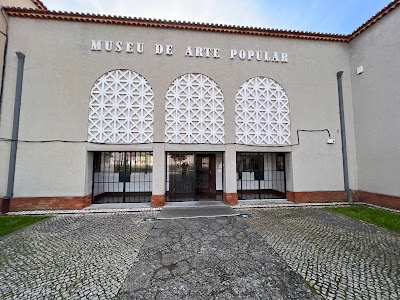
Popular Art Museum
View on map
Audio Narrations
Introduction
The Popular Art Museum in Lisbon, Portugal, is a treasure trove of traditional Portuguese culture. The museum's collection includes a rich array of paintings, sculptures, textiles, and ceramics, spanning centuries of artistic expression. One of the museum's highlights is the collection of "Namban screens," which depict the arrival of Portuguese caravel ships in Japan. These fascinating screens offer a glimpse into the early interactions between Portugal and Japan and showcase the intricate artistry of Japanese craftsmen. Another highlight of the museum is the collection of "ex-votos," small offerings made to deities in gratitude for answered prayers. These ex-votos provide a unique window into the religious beliefs and practices of the Portuguese people. The museum also houses a collection of "gigapixel ethnographic drawings," which offer an incredibly detailed look at traditional Portuguese costumes and customs. These drawings are a testament to the skill and artistry of Portuguese draftsmen. The Popular Art Museum is a must-visit for anyone interested in learning more about Portuguese culture and history. The museum's collection is both beautiful and informative, and it provides a fascinating glimpse into the lives of the Portuguese people.Historical Documentation
The Popular Art Museum in Lisboa, Portugal, stands as a testament to the rich history and cultural heritage of the Portuguese people. Its collection of artifacts and documents provides invaluable insights into the lives and traditions of generations past. One of the museum's most significant contributions to historical documentation is its extensive collection of traditional costumes. These garments, meticulously preserved and displayed, offer a glimpse into the sartorial styles and social customs of different regions and eras. From the vibrant embroidery of the north to the intricate lacework of the south, each piece tells a story of craftsmanship, artistry, and cultural identity. Beyond clothing, the museum houses a wealth of everyday objects that shed light on the domestic lives of ordinary people. Kitchen utensils, agricultural tools, and household furnishings provide tangible evidence of the ingenuity and resourcefulness of past generations. These artifacts offer a window into the challenges and triumphs of daily life, revealing the values, beliefs, and practices that shaped Portuguese society. The museum's collection also includes a significant number of historical documents, including letters, diaries, and official records. These written accounts offer firsthand perspectives on historical events, social movements, and personal experiences. They provide invaluable insights into the political, economic, and social forces that have shaped Portugal's history. Through its diverse collection, the Popular Art Museum in Lisboa serves as a vital repository of historical documentation. Its artifacts and documents offer a rich tapestry of information that illuminates the lives, traditions, and values of the Portuguese people throughout the centuries. By preserving and interpreting these materials, the museum plays a crucial role in safeguarding Portugal's cultural heritage and ensuring its transmission to future generations.Authentic Artifacts
Stepping into the Popular Art Museum in Lisbon is like stepping into a time machine, transporting you to a world where tradition and craftsmanship reign supreme. Here, amidst the vibrant displays of everyday objects, you'll discover a treasure trove of authentic artifacts that whisper stories of Portugal's rich cultural heritage. One of the museum's most captivating features is its collection of intricate embroidery and lacework. Each stitch, meticulously crafted by skilled artisans, tells a tale of patience, dedication, and the enduring power of tradition. The intricate patterns and vibrant colors reflect the unique artistic sensibilities of different regions, offering a glimpse into the lives and customs of generations past. Beyond textiles, the museum houses an array of handcrafted furniture, ceramics, and metalwork, each piece bearing the unique touch of its creator. The rustic charm of hand-painted furniture, the delicate beauty of hand-thrown pottery, and the intricate designs etched on copper and brass all speak to the ingenuity and artistry of Portugal's craftspeople. As you wander through the museum's halls, you'll encounter a fascinating collection of traditional costumes, each representing a specific region or social class. The vibrant colors, intricate embroidery, and unique embellishments offer a window into the sartorial traditions of Portugal, showcasing the country's rich cultural diversity. The Popular Art Museum in Lisbon is more than just a repository of artifacts; it's a vibrant testament to the enduring spirit of Portuguese craftsmanship. Through its collection of authentic artifacts, the museum offers a unique opportunity to connect with the country's cultural heritage, appreciate the skill and artistry of its craftspeople, and gain a deeper understanding of the traditions that have shaped Portugal's identity.
3
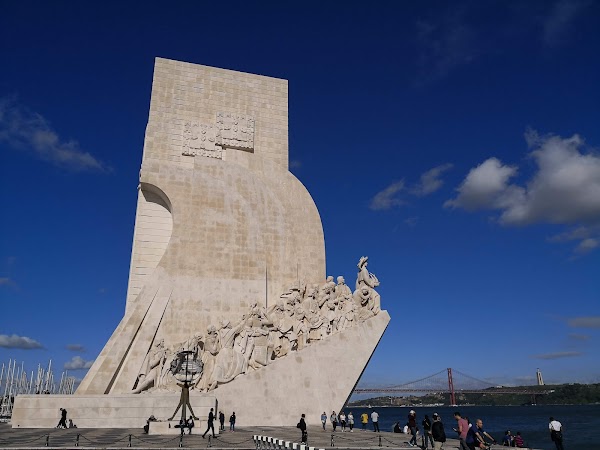
Padrão dos Descobrimentos
View on map
Audio Narrations
Introduction
The Padrão dos Descobrimentos, a monument in Lisbon, Portugal, stands as a testament to the country's Age of Discovery. Inaugurated in 1960, it commemorates the 500th anniversary of the death of Prince Henry the Navigator, a key figure in Portugal's maritime explorations. The monument, designed by José Ângelo Cottinelli Telmo and Leopoldo de Almeida, is a striking representation of a caravel, a type of ship used by Portuguese explorers. At the prow stands the figure of Henry the Navigator, holding a model of a caravel, while 32 other figures representing significant individuals from the Age of Discovery flank him. The monument's observation deck offers breathtaking views of the Tagus River, the Belém neighborhood, and the Jerónimos Monastery, another iconic landmark from the era.Exploration
The Padrão dos Descobrimentos in Lisbon, Portugal, stands as a testament to the nation's rich maritime history and the Age of Exploration. This iconic monument, inaugurated in 1960, commemorates the 500th anniversary of the death of Prince Henry the Navigator, a pivotal figure in Portuguese exploration. The monument's design is a striking representation of a ship's prow, with Prince Henry the Navigator standing at the helm, leading a procession of 32 other notable figures from Portugal's Age of Discovery. These include explorers like Vasco da Gama and Ferdinand Magellan, as well as cartographers, scientists, and missionaries who played crucial roles in expanding Portugal's global reach. At the base of the monument lies a captivating marble mosaic, a gift from South Africa, depicting a world map and the routes taken by Portuguese explorers. This intricate artwork serves as a reminder of the vast extent of Portugal's maritime empire and the profound impact its explorers had on shaping the world as we know it. The Padrão dos Descobrimentos offers visitors a unique opportunity to delve into the history of Portuguese exploration and appreciate the profound impact it had on global knowledge and trade. It stands as a symbol of Portugal's enduring legacy as a maritime nation and a testament to the spirit of exploration that continues to inspire generations.Monument of Discoveries
The Monument of Discoveries in Lisbon, Portugal, known as the Padrão dos Descobrimentos, stands as a testament to the nation's maritime prowess during the Age of Discovery. This colossal monument, towering at 170 feet, is a poignant tribute to Prince Henry the Navigator, whose pioneering spirit propelled Portuguese explorers to traverse uncharted waters. The monument's design is a masterpiece of symbolism. It depicts a ship's prow, with Prince Henry the Navigator at the helm, leading a procession of 33 figures representing explorers, scientists, missionaries, and artists who played pivotal roles in Portugal's golden age of exploration. The intricate details of each figure capture their determination and unwavering pursuit of knowledge. At the base of the monument lies a captivating mosaic compass, a gift from South Africa, which symbolizes the global reach of Portuguese explorers. The compass's 50-meter diameter invites visitors to contemplate the vastness of the oceans navigated by these intrepid adventurers. Ascending to the observation deck offers breathtaking panoramic views of Lisbon's western neighborhoods and the Tagus River. From this vantage point, visitors can appreciate the monument's grandeur and the city's rich maritime history. The Padrão dos Descobrimentos stands as a beacon of Portugal's past achievements and a reminder of the indomitable spirit that drove its explorers to shape the course of history.
4
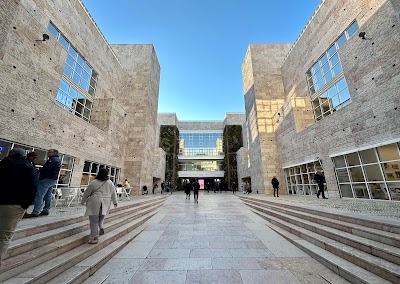
Centro Cultural de Belém
View on map
Audio Narrations
Introduction
The Centro Cultural de Belém (CCB) is a prominent cultural hub in Lisbon, Portugal, situated near the riverfront in the Belém district. Designed by architects Vittorio Gregotti and Manuel Salgado, the CCB is renowned for its striking modern architecture, which contrasts with the historic Jerónimos Monastery nearby. The CCB comprises various venues, including the Museu Coleção Berardo, which houses a notable collection of modern and contemporary art. The center also features auditoriums, exhibition spaces, and a recreational area dedicated to younger audiences. Its outdoor terrace and restaurant offer panoramic views of the Tagus River, making it a popular leisure destination. The CCB has hosted numerous international exhibitions, cultural events, and congresses. It has also been the venue for significant events like the summit meeting of the Organization for Security and Co-operation in Europe (OSCE). The center's unique architectural style, which incorporates courtyards and "patio-squares," has earned it the International Stone Architecture Award at the Verona Fair.Versatility and Diverse Offerings
Centro Cultural de Belém, a multifaceted cultural hub in Lisbon, Portugal, stands as a testament to versatility and diverse offerings. This iconic venue boasts a range of spaces that cater to a multitude of events, from intimate gatherings to grand-scale productions. Its versatility extends to its programming, encompassing a vast spectrum of artistic disciplines, including contemporary art exhibitions, classical music concerts, dance performances, and thought-provoking lectures. The Grand Auditorium, with its soaring ceiling and plush seating, provides an awe-inspiring setting for opera, ballet, and symphony orchestras. In contrast, the intimate Black Box Theater offers a flexible space for experimental performances, workshops, and film screenings. The versatile Studios, equipped with state-of-the-art technology, serve as ideal venues for conferences, product launches, and corporate events. Beyond its performance spaces, Centro Cultural de Belém houses the Berardo Collection Museum, showcasing a renowned collection of contemporary and modern art. The museum's diverse holdings include works by renowned artists such as Pablo Picasso, Salvador Dalí, and Francis Bacon, offering visitors a captivating journey through the evolution of artistic expression. The center's commitment to diversity extends to its educational initiatives. It hosts workshops, masterclasses, and artist residencies, providing opportunities for aspiring artists and the public to engage with the creative process. Its extensive outreach programs bring art and culture to underserved communities, fostering inclusivity and accessibility. Centro Cultural de Belém's versatility and diverse offerings make it a vibrant and dynamic cultural destination. It is a place where artistic boundaries are pushed, new ideas are explored, and the community is engaged in a meaningful dialogue with the arts.Historical Context
The Centro Cultural de Belém, a prominent cultural hub in Lisbon, Portugal, holds significant historical value. Its genesis lies in the Portuguese government's vision to host the Portuguese Presidency of the European Council in 1992. The center's design, a collaboration between Italian architect Vittorio Gregotti and Portuguese architect Manuel Salgado, was selected through an international competition. The center's architectural design is a testament to its historical significance. Its fortress-like structure, reminiscent of ancient castles, reflects the country's rich past. The use of sober and minimalist straight lines, along with a central cube measuring seven and a half meters in length, width, and height, adds to its striking visual appeal. The center's historical significance extends beyond its architectural design. It was built on the site of a former cultural center, the 1940 "Pavilion of the Portuguese in the World" for the Portuguese World Exhibition. This continuity highlights the center's role in preserving and promoting Portuguese culture. Today, the Centro Cultural de Belém stands as a symbol of Portugal's cultural heritage and its commitment to fostering artistic expression. Its historical roots and architectural grandeur make it a must-visit destination for those seeking a deeper understanding of Lisbon's cultural landscape.
5
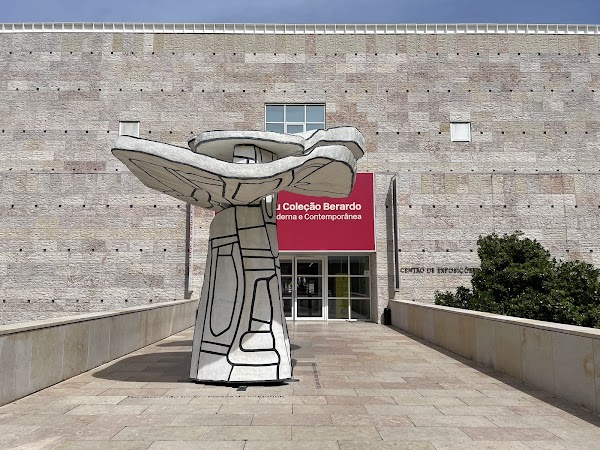
Museu Coleção Berardo
View on map
Audio Narrations
Introduction
The Museu Coleção Berardo, located in Lisbon's Belém district, was a renowned museum of modern and contemporary art. It housed an extensive collection of over 900 artworks, spanning the 20th and 21st centuries. The museum's collection was initially owned by Portuguese businessman Joe Berardo and was valued at €316 million by Christie's auction house in 2006. The museum's permanent collection showcased a diverse range of artistic movements, including Cubism, Surrealism, Pop Art, Minimalism, and Conceptualism. Visitors could admire works by renowned artists such as Pablo Picasso, Marcel Duchamp, Andy Warhol, Francis Bacon, and Paula Rego. The museum also hosted temporary exhibitions featuring both national and international contemporary art. In 2022, the majority of the Berardo Collection was seized by the Portuguese government due to Berardo's outstanding debts. As a result, the Museu Coleção Berardo closed its doors on December 31, 2022. The collection was subsequently integrated into the Museum of Contemporary Art - Centro Cultural de Belém (MAC-CCB), which opened in January 2023. The MAC-CCB now houses the Berardo Collection alongside other contemporary art collections, offering visitors a comprehensive overview of modern and contemporary art in Portugal and beyond. The museum continues to host temporary exhibitions and educational programs, making it a vibrant hub for art and culture in Lisbon.Cultural Center
Museu Coleção Berardo: A Cultural Hub in Lisbon Nestled within the Belém Cultural Center, the Museu Coleção Berardo stands as a beacon of modern and contemporary art in Lisbon. This unique institution boasts a remarkable collection amassed by Portuguese entrepreneur and art patron, José Berardo. Stepping into the museum, visitors embark on a journey through the 20th and 21st centuries, encountering a diverse array of artistic expressions. The museum's collection is a testament to Berardo's discerning eye and passion for artistic innovation. It encompasses over 1,000 works by renowned international artists, including Pablo Picasso, Andy Warhol, Francis Bacon, and Jeff Koons. Alongside these iconic figures, the collection features works by Portuguese artists, offering a glimpse into the nation's vibrant artistic landscape. Beyond its impressive collection, the Museu Coleção Berardo actively fosters cultural engagement. The museum regularly hosts temporary exhibitions, educational programs, and workshops, providing a platform for dialogue and exploration. Its commitment to promoting contemporary art extends to supporting emerging artists through residencies and awards. The museum's location within the Belém Cultural Center further amplifies its cultural significance. Situated alongside other prominent institutions like the Jerónimos Monastery and the Champalimaud Foundation, the Museu Coleção Berardo contributes to the area's rich tapestry of cultural offerings. This proximity fosters collaboration and cross-pollination of ideas, enriching the visitor experience. In conclusion, the Museu Coleção Berardo transcends its role as a mere repository of art. It serves as a vibrant cultural hub, actively engaging with the community and promoting artistic dialogue. Its commitment to showcasing both established and emerging artists, coupled with its dynamic programming, positions the museum as a vital force in Lisbon's cultural landscape.International Collection
Museu Coleção Berardo in Lisbon, Portugal, stands out as a treasure trove of international contemporary art, boasting one of the most significant collections in Europe. Its international focus is evident in the diverse range of artists represented, hailing from across the globe, including Europe, the Americas, Asia, and Africa. This global perspective allows visitors to engage with a rich tapestry of artistic expressions, reflecting the complexities and interconnectedness of the contemporary art world. The museum's international collection is particularly renowned for its holdings of Pop Art, Minimalism, and Conceptual Art. Visitors can marvel at iconic works by Andy Warhol, Roy Lichtenstein, and Robert Rauschenberg, alongside pieces by European masters such as Yves Klein, Lucio Fontana, and Gerhard Richter. The collection also features a significant selection of works by Latin American artists, including Fernando Botero, Lygia Clark, and Cildo Meireles, offering a unique window into the vibrant artistic landscape of the region. Beyond these major movements, the international collection at Museu Coleção Berardo delves into a wide array of contemporary artistic practices, encompassing video art, installation, and performance. This eclectic mix provides a comprehensive overview of the diverse trends and approaches that have shaped the international art scene in recent decades. Through its international collection, Museu Coleção Berardo offers a platform for exploring the global dialogue in contemporary art. Visitors can trace the evolution of artistic ideas across borders, appreciate the unique contributions of individual artists, and gain a deeper understanding of the complex and ever-changing world of contemporary art.
6
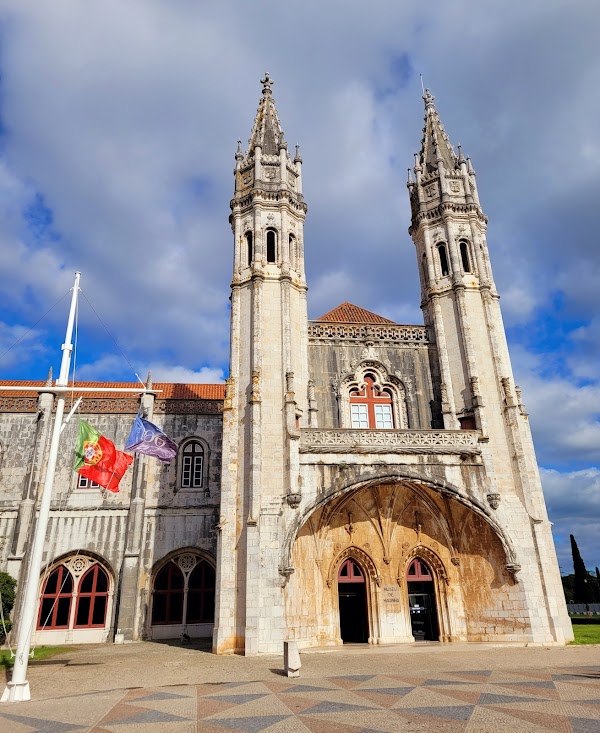
Museu de Marinha
View on map
Audio Narrations
Introduction
The Museu de Marinha, located in Lisbon's Belém district, is a maritime museum dedicated to Portugal's rich naval history. Housed within the neo-Manueline wing of the Jerónimos Monastery, the museum boasts an impressive collection of over 20,000 artifacts, including scale models of ships from the Age of Discoveries, navigation instruments, and maps. Visitors can marvel at royal barges, the Fairey III "Santa Cruz" that crossed the Atlantic in 1923, and the Portuguese Navy's first aircraft, an FBA Type B flying boat. The museum's exhibits also showcase historical paintings, archaeological finds, and a vast collection of astrolabes, offering a comprehensive insight into Portugal's maritime heritage and its pioneering role in world exploration.Nautical Exhibits
Museu de Marinha in Lisbon, Portugal, houses an impressive collection of nautical exhibits that delve into the rich maritime history of the nation. As you step into the museum, you'll be greeted by a captivating display of scale models, showcasing the evolution of Portuguese ships and watercraft. These intricate models provide a glimpse into the ingenuity and craftsmanship of Portuguese shipbuilders throughout the ages. Venture deeper into the museum, and you'll encounter a remarkable collection of royal barges, fishing boats, recreational vessels, and seaplanes. The grandeur of the Royal Barge, built in 1780 for Queen Maria I, is particularly awe-inspiring. Wander around and beneath these vessels or ascend the elevated walkway for a panoramic view, offering a unique perspective on the maritime heritage of Portugal. The museum's collection extends beyond vessels, encompassing a vast array of nautical instruments, maps, and uniforms. These artifacts provide insights into the tools and techniques used by Portuguese navigators and explorers as they embarked on their epic voyages of discovery. Interactive exhibits, such as a mock-up of a ship's bridge, engage visitors of all ages, allowing them to experience the thrill of navigating the high seas. Museu de Marinha is a treasure trove for anyone fascinated by nautical history. Its comprehensive collection, coupled with engaging exhibits, offers a captivating journey through Portugal's maritime past, showcasing the nation's pivotal role in global exploration and discovery.Naval Architecture
Museu de Marinha in Lisbon, Portugal, is a treasure trove for enthusiasts of naval architecture. Its collection boasts an array of meticulously crafted scale models that trace the evolution of Portuguese shipbuilding, from ancient vessels to modern marvels. These models provide invaluable insights into the design, construction, and performance of ships throughout history. The museum also houses a remarkable collection of full-sized vessels, including the replica of Vasco da Gama's caravel "Bérrio." Visitors can explore the intricate details of these ships, gaining a firsthand understanding of the challenges and ingenuity involved in seafaring. Furthermore, the museum's exhibits delve into the scientific and technological advancements that have shaped naval architecture. Visitors can learn about the development of navigation instruments, such as astrolabes and sextants, and the evolution of shipbuilding techniques. The museum's collection is not limited to Portuguese vessels. It also features examples of ships from around the world, showcasing the diversity and cross-cultural influences in naval architecture. This comprehensive approach provides a global perspective on the subject, allowing visitors to appreciate the interconnectedness of maritime history.
7
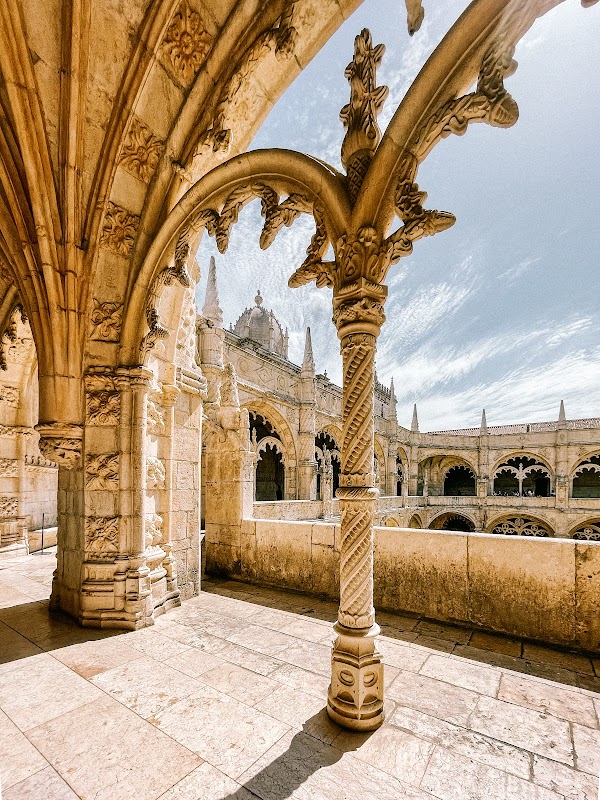
Jerónimos Monastery
View on map
Audio Narrations
Introduction
Jerónimos Monastery, a UNESCO World Heritage Site, stands as a testament to Portugal's golden age of exploration. Built in the 16th century to commemorate Vasco da Gama's voyage to India, it is a masterpiece of Manueline architecture, a unique blend of Gothic and Renaissance styles. The monastery's intricate carvings depict maritime motifs, symbolizing Portugal's seafaring prowess. Inside, the vast nave is supported by six beautifully sculpted columns, creating an awe-inspiring sense of space. The church houses the tombs of Vasco da Gama and Luís de Camões, a renowned poet who chronicled the Age of Discoveries. The two-story cloister is equally impressive, with its delicate ornamentation and symbolism. It offers a serene retreat from the bustling city, inviting visitors to contemplate the monastery's rich history and architectural splendor.Renaissance and Gothic Influences
Jerónimos Monastery in Lisbon, Portugal, stands as a testament to the convergence of Renaissance and Gothic influences. Its construction, initiated in 1501, spanned over a century, allowing for the incorporation of evolving architectural styles. The monastery's facade exemplifies the Manueline style, a unique Portuguese blend that emerged during the reign of King Manuel I. This style seamlessly merges maritime and religious symbolism, with intricate carvings depicting anchors, ropes, and other nautical motifs. The Gothic influence is evident in the monastery's soaring vaulted ceilings, ribbed arches, and pointed windows. The cloisters, a serene sanctuary within the monastery, showcase a harmonious blend of Gothic and Manueline elements. The arches and columns are adorned with intricate carvings of exotic animals and mythical sea creatures, reflecting the era's fascination with exploration and discovery. The interior of the church further showcases the interplay of these styles. The high altar, a masterpiece of the Renaissance, features a rounded colonnade and stunning paintings reminiscent of Italian masters. The Main Portal, located on the south side, exhibits a blend of Gothic and Manueline influences, with its towering spires and intricate sculptures depicting biblical scenes and the life of Saint Jerome. Jerónimos Monastery stands as a testament to the artistic and cultural exchange that characterized the Renaissance and Gothic periods. Its unique blend of architectural styles reflects the confluence of ideas and influences that shaped the era, making it a captivating destination for those seeking to delve into the rich tapestry of architectural history.Manueline Architecture
Jerónimos Monastery in Lisbon, Portugal, stands as a testament to the grandeur of Manueline architecture, a style that flourished during the reign of King Manuel I. Its intricate carvings and maritime motifs pay homage to Portugal's Age of Discoveries, when explorers embarked on daring voyages to distant lands. The monastery's facade is a masterpiece of Manueline artistry, adorned with elaborate stonework depicting nautical symbols, such as ropes, anchors, and sea monsters. The interior is equally impressive, featuring soaring vaulted ceilings and ornate altarpieces. The cloisters, with their delicate arches and columns, are a serene oasis, adorned with carvings of exotic animals and plants. Jerónimos Monastery is a UNESCO World Heritage Site and a must-see for anyone interested in Manueline architecture and Portuguese history.
8
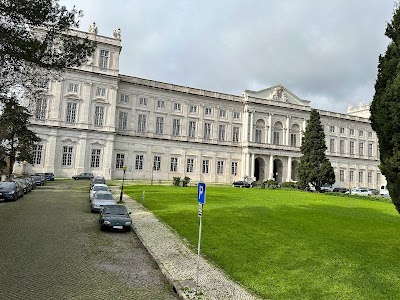
Palácio Nacional da Ajuda
View on map
Audio Narrations
Introduction
The Palácio Nacional da Ajuda, a magnificent neoclassical monument in Lisbon, Portugal, boasts a rich history and captivating architectural features. Originally envisioned as a grand palace, its construction spanned over a century, marked by periods of progress and setbacks. The palace's story began in the aftermath of the devastating 1755 Lisbon earthquake, when King Joseph I sought refuge in a temporary wooden structure on the Ajuda hilltop. This temporary residence, known as the Real Barraca, eventually evolved into a more permanent palace, becoming the royal family's home for nearly three decades. In 1796, King John VI commissioned the construction of a permanent palace on the site. The project, entrusted to renowned architects Manuel Caetano de Sousa, José da Costa e Silva, and Francisco Xavier Fabri, aimed to create a magnificent neoclassical masterpiece. However, financial constraints and political turmoil led to numerous delays and modifications to the original plans. Despite the challenges, the palace gradually took shape. Its imposing façade, adorned with Tuscan and Tuscan-Ionic columns, showcases the grandeur of neoclassical architecture. The interior, with its interconnected halls and grand staircases, reflects the opulence of the royal court. The palace witnessed significant events throughout its history. It served as the official residence of Queen Maria Pia, wife of King Luís I, and hosted numerous state ceremonies and banquets. Following the 1910 revolution, the palace was transformed into a museum, preserving its rich collection of art and artifacts. Today, the Palácio Nacional da Ajuda stands as a testament to Portugal's royal past and architectural heritage. Its elegant interiors, adorned with intricate decorations and exquisite furnishings, offer a glimpse into the lives of the Portuguese monarchs. The palace also houses a renowned museum, showcasing a diverse collection of paintings, sculptures, and decorative arts. A visit to the Palácio Nacional da Ajuda is an immersive journey through time, offering a unique opportunity to explore the grandeur of Portugal's royal history and admire the architectural brilliance of the neoclassical era.Historical Significance
The Palácio Nacional da Ajuda: A Witness to Portugal's Tumultuous History The Palácio Nacional da Ajuda in Lisbon, Portugal, stands as a testament to the nation's turbulent past. Construction began in the late 18th century under the reign of Queen Maria I, seeking refuge from the devastating 1755 Lisbon earthquake. However, the palace's completion was marred by political upheaval and financial constraints, mirroring Portugal's struggles during this period. The palace witnessed the rise and fall of the Portuguese monarchy, serving as the official residence of the royal family from 1861 until the republican revolution of 1910. Within its walls, King Luís I signed the decree abolishing slavery in 1869, a pivotal moment in Portuguese history. The palace also housed the parliament during the early years of the republic, further solidifying its role as a stage for Portugal's political transformations. Beyond its political significance, the Palácio Nacional da Ajuda embodies the artistic and cultural spirit of 19th-century Portugal. Its Neoclassical architecture, adorned with intricate sculptures and decorative elements, reflects the prevailing artistic trends of the time. The palace also houses a vast collection of paintings, furniture, and other artifacts, offering a glimpse into the opulent lifestyle of the Portuguese royalty and the artistic tastes of the era. Today, the Palácio Nacional da Ajuda stands as a museum, preserving the memory of Portugal's past and offering visitors a unique opportunity to delve into the nation's rich history. Its walls whisper tales of political intrigue, artistic grandeur, and the ongoing evolution of a nation. As you explore its halls and admire its treasures, you become a witness to Portugal's journey through time, experiencing the echoes of a tumultuous past that shaped the country's present and future.Fire Damage
The Palácio Nacional da Ajuda in Lisbon, Portugal, a magnificent 19th-century royal residence, has a complex history intertwined with fire. In 1910, a devastating fire ravaged the palace, destroying much of its interior and leaving behind a charred shell. The fire, believed to have been started by a malfunctioning electrical system, quickly engulfed the building, fueled by the abundance of wood and fabric furnishings. The flames raged for hours, causing extensive damage to the palace's opulent rooms, including the Throne Room, the Ballroom, and the Royal Library. The fire also destroyed countless works of art, historical documents, and priceless artifacts. The aftermath of the fire was a tragic loss for Portugal's cultural heritage. The palace, once a symbol of the nation's wealth and power, was left in ruins. The restoration process, which took decades to complete, aimed to preserve the palace's architectural integrity while incorporating modern safety features. Today, the Palácio Nacional da Ajuda stands as a testament to the resilience of the human spirit and the enduring power of art and architecture. The fire-damaged areas have been carefully restored, showcasing the palace's original grandeur and offering a glimpse into its tumultuous past. The scars of the fire serve as a reminder of the fragility of history and the importance of preserving our cultural heritage.
Experience the Full Tour
Download the DocentPro app to access all tour stops, complete audio narrations in multiple languages, offline maps, and interactive features.