
Lyon's Timeless Elegance: A Journey Through History and Culture

Walking Tour

5.6 km (3.5 miles)

1h 22min travel time

10 Stops

Lyon, France
Lyon's Timeless Elegance: A Journey Through History and Culture
Tour Stops
1
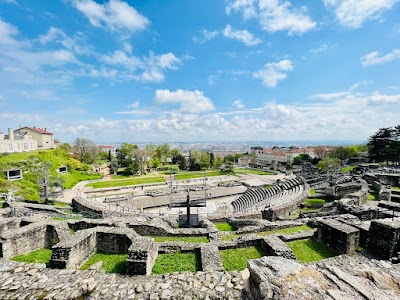
Théâtre Gallo Romain de Lyon-Fourvière
View on map
2
Gallo-Roman Museum of Lyon-Fourvière
View on map
3
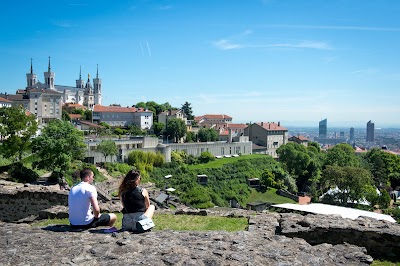
Basilica of Notre Dame of Fourvière
View on map
Audio Narrations
English
Introduction
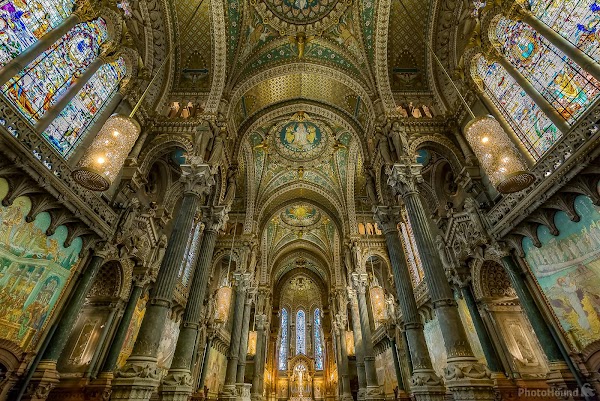
The Basilica of Notre Dame of Fourvière, a magnificent architectural marvel, crowns the Fourvière Hill in Lyon, France. Its construction, spanning from 1872 to 1884, was funded entirely by private donations. The basilica's unique blend of Romanesque and Byzantine architectural styles sets it apart, with its eight lateral chapels showcasing episodes from Mary's life. The six wall mosaics and stained-glass windows further embellish the interior, depicting the Virgin Mary's heavenly reign. Beyond its architectural splendor, the basilica holds a profound religious significance. Dedicated to the Virgin Mary, it is believed to have protected Lyon from the Black Death in 1643. Each year, on December 8th, the city honors Mary with the Fête des Lumières, a spectacular festival of lights. The basilica's location offers breathtaking panoramic views of Lyon, making it a popular destination for tourists and locals alike. Visitors can ascend the hill via the funicular railway, adding to the charm of their pilgrimage. The adjacent Rosary Garden provides a tranquil retreat, inviting contemplation and respite from the city's bustle.Byzantine and Romanesque Architecture
The Basilica of Notre Dame of Fourvière in Lyon, France, is a captivating architectural masterpiece that harmoniously blends Byzantine and Romanesque influences. Its design, conceived by Pierre Bossan, is a testament to the revival of these ancient styles in the 19th century. The basilica's grandeur is evident in its four towering spires, each representing a cardinal virtue, and its opulent facade adorned with intricate carvings and mosaics. The Byzantine influence is particularly pronounced in the basilica's interior, where shimmering mosaics depict scenes from the life of the Virgin Mary. The use of gold and vibrant colors creates a sense of awe and reverence, reminiscent of the great Byzantine churches of Ravenna and Constantinople. The basilica's central dome, adorned with a mosaic of Christ Pantocrator, further emphasizes the Byzantine aesthetic. Romanesque elements are equally prominent in the basilica's structure. The massive stone walls, rounded arches, and sturdy pillars evoke the robust and functional architecture of medieval Romanesque churches. The basilica's crypt, with its low vaulted ceilings and dimly lit atmosphere, provides a glimpse into the origins of Romanesque architecture. The fusion of Byzantine and Romanesque styles in the Basilica of Notre Dame of Fourvière creates a unique and captivating architectural experience. It stands as a testament to the enduring influence of these ancient traditions and the skill of 19th-century architects in reinterpreting them for a new era.Late 19th-Century Architecture
The Basilica of Notre Dame de Fourvière, a prominent landmark in Lyon, France, stands as a testament to the architectural grandeur of the late 19th century. Constructed between 1872 and 1896, this neo-Byzantine masterpiece embodies the revivalist spirit of the era, drawing inspiration from the Hagia Sophia in Istanbul and the Sacré-Cœur in Paris. Its opulent interior boasts intricate mosaics, gilded surfaces, and elaborate stained-glass windows, reflecting the lavish aesthetics of the period. The basilica's massive dome, adorned with intricate carvings and mosaics, dominates the Lyon skyline, symbolizing the city's religious and cultural heritage. As a prominent example of late 19th-century architecture, the Basilica of Notre Dame de Fourvière offers a captivating glimpse into the architectural trends and artistic sensibilities that shaped this transformative era.
4
Musée Cinéma et Miniature
View on map
Audio Narrations
English
Introduction
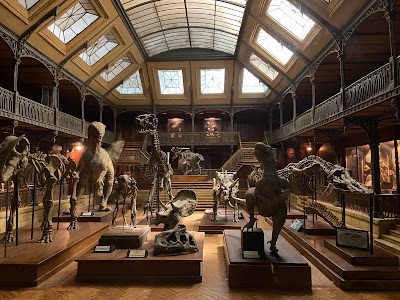
Nestled in the heart of Lyon's Old Town, the Musée Cinéma et Miniature is a captivating destination that transports visitors into the enchanting world of cinema. This unique museum houses an extensive collection of original artifacts, costumes, and props that have graced the silver screen in iconic films such as Star Wars, Indiana Jones, Alien, and Terminator. Beyond its permanent collection, the museum also boasts the world's largest international collection of miniature art, showcasing over a thousand meticulously crafted masterpieces by renowned miniature artists from around the globe. Visitors can marvel at the intricate details of these miniature worlds, which capture the essence of historical events, architectural wonders, and fantastical realms. The Musée Cinéma et Miniature is not just a repository of cinematic treasures; it's an immersive experience that invites visitors to delve into the secrets of filmmaking. Through interactive exhibits and educational programs, the museum unveils the artistry and technical wizardry behind the magic of cinema, inspiring a deeper appreciation for the seventh art.Lyon Heritage
Nestled in the heart of Lyon's Old Town, the Musée Cinéma et Miniature offers a captivating journey through the rich cinematic and miniature art heritage of the city. This unique museum houses an extraordinary collection of over a thousand original costumes, props, and iconic artifacts from legendary films such as Star Wars, Indiana Jones, Aliens, Jurassic Park, and Terminator 2. Beyond its cinematic treasures, the museum showcases the world's largest international collection of miniature art. These intricate masterpieces, meticulously crafted by skilled artisans, depict scenes from history, literature, and everyday life, providing a glimpse into the extraordinary craftsmanship and creativity that has flourished in Lyon for centuries. The Musée Cinéma et Miniature stands as a testament to Lyon's enduring legacy as a center of artistic excellence. Its collection not only celebrates the magic of cinema but also highlights the city's deep-rooted tradition of miniature art, a craft that has been passed down through generations. Through its immersive exhibits, the museum invites visitors to delve into the captivating world of filmmaking and miniature artistry, offering a unique perspective on Lyon's rich cultural heritage.Cultural Landmark
Musée Cinéma et Miniature in Lyon, Auvergne-Rhône-Alpes, France, is a captivating cultural landmark that celebrates the art of cinema and the intricate world of miniatures. Nestled in the heart of Old Lyon, a UNESCO World Heritage site, the museum offers a unique and immersive experience for visitors of all ages. The museum's collection boasts over a thousand original works, costumes, and iconic props that have graced the silver screen in renowned films such as "Star Wars," "Indiana Jones," "Alien," and "Terminator." These artifacts provide a tangible connection to the magic of cinema, allowing visitors to step into the worlds created by legendary filmmakers. Beyond its cinematic treasures, the museum also houses an exceptional collection of miniature art. Meticulously crafted by skilled artisans from around the globe, these miniature masterpieces showcase the extraordinary precision and artistry involved in this specialized field. Visitors can marvel at intricate models of historical landmarks, whimsical scenes, and even miniature versions of famous film sets. As a cultural landmark, Musée Cinéma et Miniature plays a vital role in preserving and promoting the heritage of cinema and miniature art. It offers educational programs, workshops, and exhibitions that foster an appreciation for these creative disciplines. The museum's commitment to showcasing the behind-the-scenes secrets of filmmaking and the artistry of miniatures makes it a must-visit destination for anyone interested in the cultural significance of these mediums.
5
Saint-Jean-Baptiste Cathedral
View on map
Audio Narrations
English
Introduction
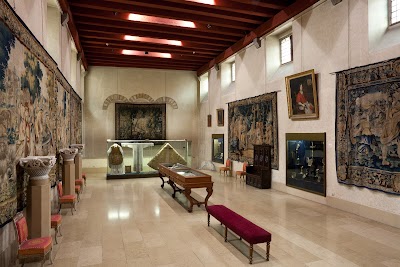
The Saint-Jean-Baptiste Cathedral in Lyon, Auvergne-Rhône-Alpes, France, is a Roman Catholic cathedral dedicated to Saint John the Baptist. Founded by Saint Pothinus and Saint Irenaeus, the first two bishops of Lyon, the cathedral was built on the ruins of a 6th-century church and completed in 1476. It measures 80 meters in length, 20 meters in width at the choir, and 32.5 meters in height in the nave. The cathedral is known as a "Primatiale" due to the title of Primate of All the Gauls granted to the archbishop of Lyon in 1079. Noteworthy features include the two crosses preserved since the council of 1274, symbolizing the union of churches, and the Bourbon chapel, a masterpiece of 15th-century sculpture. The cathedral's astronomical clock, installed in 1661, is a remarkable sight, featuring automated figures and an astrolabe indicating the date and position of celestial bodies.Architectural Masterpiece
Saint-Jean-Baptiste Cathedral, a magnificent architectural masterpiece in Lyon, France, stands as a testament to the city's rich history and artistic heritage. Begun in the 12th century on the ruins of an earlier church, it took over two centuries to complete, resulting in a harmonious blend of Romanesque and Gothic architectural styles. The cathedral's imposing facade features intricate carvings and sculptures, depicting biblical scenes and historical figures. Its grand portal, adorned with delicate tracery and statues, invites visitors into a breathtaking interior. The nave, with its soaring ribbed vaults and stained-glass windows, creates an atmosphere of awe and reverence. One of the cathedral's most striking features is its astronomical clock, a marvel of medieval engineering. Installed in the 14th century, it displays the time, the position of the sun and moon, and the movement of the planets. Its intricate mechanism and colorful figures continue to fascinate visitors to this day. The Bourbon Chapel, built in the 15th century, is a masterpiece of flamboyant Gothic architecture. Its delicate vaulting, intricate carvings, and vibrant stained-glass windows create a sense of ethereal beauty. The chapel houses the tombs of several cardinals and archbishops, adding to its historical significance. Saint-Jean-Baptiste Cathedral is not merely a religious edifice but a testament to the enduring power of human creativity. Its architectural grandeur, artistic treasures, and historical significance make it a must-visit destination for anyone interested in the intersection of faith, art, and history.Symbolic Crosses
Within the hallowed halls of Saint-Jean-Baptiste Cathedral in Lyon, two symbolic crosses stand as silent guardians, their presence imbued with profound significance. These crosses, preserved since the Second Council of Lyon in 1274, serve as a testament to the enduring union between the Eastern and Western churches. Their placement on either side of the altar symbolizes the harmonious convergence of different Christian traditions, a unity that has shaped the cathedral's spiritual legacy. The crosses themselves are exquisite works of art, their intricate carvings and delicate filigree reflecting the skilled craftsmanship of medieval artisans. They are not mere decorative elements but potent symbols of faith and reconciliation, reminding visitors of the cathedral's role as a bridge between diverse Christian communities. As one gazes upon these crosses, a sense of awe and reverence washes over them. They are tangible reminders of the enduring power of faith and the transformative nature of unity. The crosses stand as a beacon of hope, symbolizing the possibility of reconciliation and understanding amidst differences.
6
MAM - Musée des Arts de la Marionnette
View on map
7
Museum of Fine Arts of Lyon
View on map
8
Place des Terreaux
View on map
9
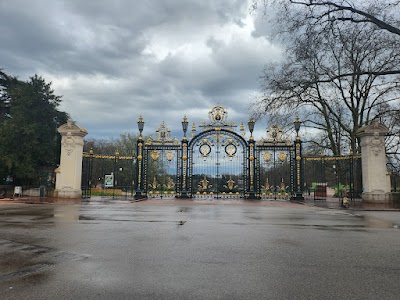
Porte des Enfants du Rhône
View on map
10
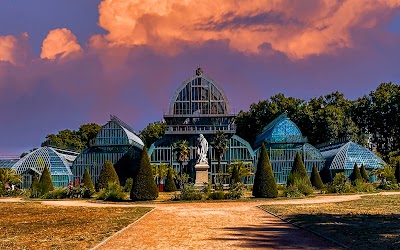
Parc de la Tête d'Or
View on map
Audio Narrations
English
Introduction
Nestled within Lyon's vibrant Auvergne-Rhône-Alpes region, Parc de la Tête d'Or is a verdant oasis spanning 117 hectares. As the city's largest urban park, it boasts a stunning array of attractions, including a botanical garden with over 15,000 plant species, a zoological park housing diverse wildlife, and a picturesque lake where visitors can indulge in boating and fishing. The park's rich history dates back to the 19th century, when it was transformed from a military training ground into a public space. Today, it serves as a beloved destination for locals and tourists alike, offering a tranquil escape from the urban hustle and bustle.Art and Botanical Inspiration
Parc de la Tête d'Or, a verdant oasis in the heart of Lyon, offers a captivating blend of art and botanical inspiration. Its botanical garden, a sanctuary of horticultural diversity, houses over 15,000 plant species, including rare and endangered varieties. Visitors can wander through themed gardens, from the serene Japanese Garden to the fragrant Rose Garden, each offering a unique sensory experience. The park's arboretum boasts a magnificent collection of trees, including majestic cedars, towering sequoias, and elegant weeping willows, providing a picturesque backdrop for artistic contemplation. Beyond its botanical treasures, Parc de la Tête d'Or is also home to several notable works of art. The Grand Rond, a central roundabout adorned with intricate sculptures, depicts scenes from Greek mythology and serves as a focal point for the park's many pathways. The Rose Garden features a charming fountain adorned with bronze sculptures of children frolicking amidst the blooms. The park's numerous statues and monuments, including the iconic "Lion of Lyon," provide artistic accents that complement the natural beauty. Parc de la Tête d'Or has long been a source of inspiration for artists. Its verdant landscapes and diverse flora have captured the imaginations of painters, photographers, and writers alike. The park's serene atmosphere and abundance of natural beauty provide an ideal setting for artistic expression and contemplation. Whether seeking botanical wonders or artistic inspiration, Parc de la Tête d'Or offers a harmonious fusion of nature and art, making it a captivating destination for those seeking a unique and inspiring experience.Wildlife Sanctuary
Nestled within the heart of Lyon, Parc de la Tête d'Or is a haven for wildlife enthusiasts. Established in 1858, this sprawling sanctuary encompasses over 117 hectares of lush greenery, providing a refuge for a diverse array of animal species. As a permanent member of the European Association of Zoos and Aquariums (EAZA), the park adheres to the highest standards of animal welfare, ensuring the well-being of its inhabitants. One of the unique aspects of Parc de la Tête d'Or is its commitment to species conservation. The park actively participates in breeding programs for endangered species, contributing to the preservation of genetic diversity. Visitors can witness the success of these efforts firsthand, observing rare and threatened animals such as snow leopards, red pandas, and Sumatran tigers. Beyond its conservation efforts, Parc de la Tête d'Or offers an immersive wildlife experience. The park's spacious enclosures provide ample room for animals to roam and engage in natural behaviors. Visitors can observe majestic giraffes gracefully striding through the savanna exhibit, while playful monkeys swing effortlessly through the trees. The park's aviary is home to a vibrant chorus of exotic birds, showcasing the beauty and diversity of avian life. Parc de la Tête d'Or is not merely a zoo; it is a sanctuary where animals are treated with respect and compassion. The park's educational programs foster a deep appreciation for wildlife, inspiring visitors to become advocates for conservation. Whether you are a seasoned wildlife enthusiast or simply seeking a day of wonder and discovery, Parc de la Tête d'Or offers an unforgettable wildlife sanctuary experience in the heart of Lyon.
Experience the Full Tour
Download the DocentPro app to access all tour stops, complete audio narrations in multiple languages, offline maps, and interactive features.