
Madrid: A Journey Through History, Art, and Nature #1

Walking Tour

7.5 km (4.7 miles)

1h 41min travel time

15 Stops

Madrid, Spain
Madrid: A Journey Through History, Art, and Nature #1
Tour Stops
1
Puerta del Sol
View on map
Audio Narrations
Introduction
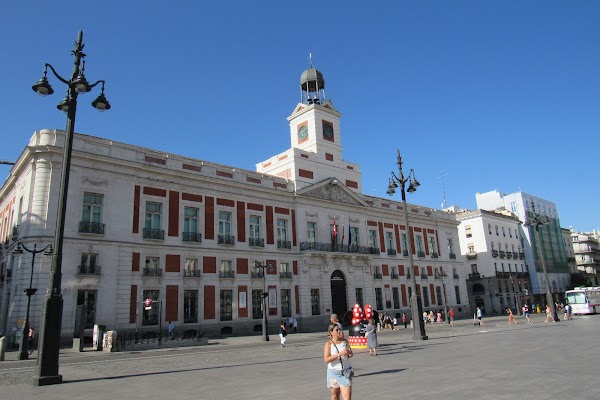
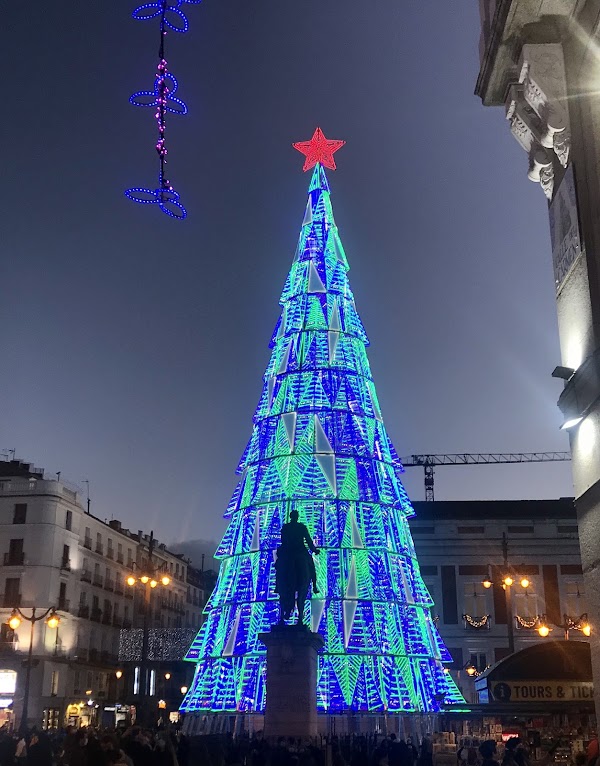
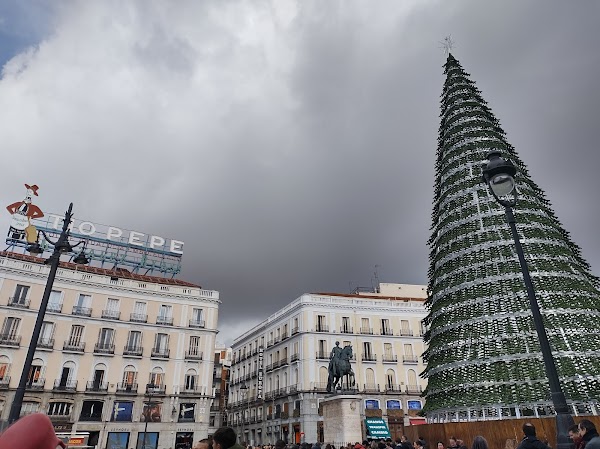
The Puerta del Sol, a bustling square in the heart of Madrid, pulsates with the city's vibrant energy. Its name, meaning "Gate of the Sun," evokes its historical significance as a gateway to the city and a meeting point for centuries. The square's iconic clock, adorned with a bell that chimes every New Year's Eve, has witnessed countless historical events, from the proclamation of the Second Republic to the 15M movement. Beneath the watchful gaze of the bronze statue of King Charles III, locals and tourists alike gather, drawn by the square's lively atmosphere. Street performers entertain the crowds, while vendors offer traditional Spanish delicacies like churros and chocolate. The surrounding buildings, a blend of architectural styles, whisper tales of Madrid's rich history. The Casa de Correos, with its distinctive clock tower, once served as the city's main post office and now houses the regional government. The Real Casa de Postas, a former royal post office, stands as a testament to the city's communication hub status. The Puerta del Sol is not just a physical space; it is a symbol of Madrid's spirit. Its vibrant energy, historical significance, and cultural diversity make it a microcosm of the city itself, a place where history, modernity, and the human spirit converge. As the sun sets over the square, casting long shadows across the cobblestone streets, one can't help but feel the pulse of Madrid beating strong within its walls.Kilometre Zero of Spain
The Puerta del Sol in Madrid, Comunidad de Madrid, Spain, holds a unique distinction as the symbolic center of Spain, marked by the "Kilometre Zero" plaque. This unassuming stone slab, situated on the ground outside the clock tower of the old Post Office building, serves as the starting point for measuring distances on all six national roads radiating outwards from the capital. Beyond its geographical significance, Kilometre Zero at Puerta del Sol carries historical weight. Established in 1857, it has witnessed pivotal moments in Spain's history, including the proclamation of the Second Republic in 1931 and the 15-M Movement demonstrations in 2011. The plaque itself has undergone transformations over time. Replaced in 2009 due to wear and tear, it was initially positioned incorrectly during renovations, only to be rectified later. Today, it stands as a testament to Spain's central point, a silent observer of the city's vibrant life and historical events. For those seeking a deeper understanding of Spain's road network and historical tapestry, Kilometre Zero at Puerta del Sol offers a tangible connection to the country's past, present, and future. It is a reminder that every journey, whether physical or metaphorical, begins at this very spot, where the heart of Spain beats.Symbol of Madrid
Puerta del Sol: The Beating Heart and Enduring Symbol of Madrid Puerta del Sol, the bustling square at the heart of Madrid, is more than just a landmark; it's the city's soul, a living testament to its history, spirit, and resilience. Its name, meaning "Gate of the Sun," evokes the rising sun that once illuminated the eastern gate of the 15th-century city walls. Today, it stands as a vibrant symbol of Madrid's modern identity, a place where history and modernity converge. The square pulsates with life, a meeting point for locals and tourists alike. The iconic clock atop the Casa de Correos, the former post office, marks the annual New Year's Eve tradition of eating 12 grapes with each chime, a ritual broadcast nationwide. The kilometer-zero plaque at its center signifies Puerta del Sol as the starting point for all radial roads in Spain, a testament to its central role in the nation's infrastructure. But Puerta del Sol is more than just a geographical center; it's a cultural hub. The bronze statue of El Oso y el Madroño, the bear and the strawberry tree, is the city's official symbol, a beloved icon that graces countless souvenirs and postcards. The square has witnessed historical events, from protests against the 2004 Madrid train bombings to the 2011 "Indignados" movement, showcasing its role as a platform for social and political expression. Puerta del Sol is a microcosm of Madrid itself, a blend of tradition and modernity, history and progress. Its bustling streets, lined with shops and cafes, reflect the city's vibrant commercial spirit. The square's architecture, a mix of historical buildings and modern structures, speaks to Madrid's continuous evolution. Whether you're a first-time visitor or a seasoned Madrileño, Puerta del Sol is a must-see destination. It's a place to soak in the city's atmosphere, to witness its history unfold, and to feel the pulse of its vibrant heart. It's a reminder that Madrid is a city that never sleeps, a city that constantly reinvents itself while staying true to its roots. So, step into Puerta del Sol, and let the city's energy wash over you. You'll be stepping into the heart of Madrid, a place where the past, present, and future converge in a captivating spectacle.
2
Kilometre Zero
View on map
Audio Narrations
Introduction
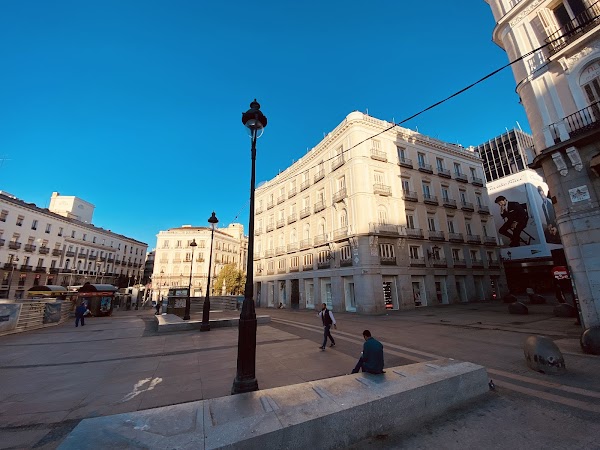
The Puerta del Sol, Madrid's iconic "Kilometre Zero," pulsates with the city's vibrant energy. This bustling square, adorned with the bronze statue of the Bear and the Strawberry Tree, marks the symbolic starting point for all radial roads in Spain. Its history is as rich as the stories whispered by the surrounding buildings. Once a gateway to the city, the Puerta del Sol witnessed the rise and fall of empires, revolutions, and cultural transformations. It was here that the Spanish Republic was proclaimed in 1931, and where the country's first democratic constitution was signed in 1978. Today, the square is a melting pot of cultures, a stage for street performers, and a haven for Madrileños and tourists alike. The iconic clock on the Real Casa de Correos building counts down to the New Year, a tradition watched by millions across the globe. Beneath the surface, a hidden network of tunnels and chambers whispers tales of Madrid's past. The "Kilometre Zero" marker, embedded in the pavement, serves as a tangible reminder of the city's central role in Spain's history and geography. The Puerta del Sol is more than just a square; it's a living testament to Madrid's spirit, a place where history, culture, and modern life converge in a vibrant symphony. As you stand at the "Kilometre Zero," you can't help but feel the pulse of a city that never sleeps, a city that continues to write its own story, one step at a time.Starting Point of National Roads
Kilometre Zero: The Heartbeat of Spain's Road Network Nestled in the bustling Puerta del Sol, Madrid, lies a seemingly unassuming stone slab – Kilometre Zero. This unpretentious marker holds immense significance, serving as the symbolic heart of Spain's road network. From this very point, the distances of all six national roads (A-1 to A-6) are measured, radiating outwards like arteries, connecting the capital to the farthest corners of the country. Kilometre Zero is more than just a starting point; it's a testament to Spain's intricate infrastructure and its historical connection to the concept of centralized travel. It embodies the spirit of exploration and the desire to connect people and places. The marker itself is a simple stone slab, easily overlooked amidst the vibrant energy of Puerta del Sol. Yet, its presence speaks volumes. It reminds us that every journey, no matter how grand or humble, begins with a single step, a single kilometer. For travelers, Kilometre Zero offers a unique opportunity to stand at the symbolic center of Spain's road network, to feel the pulse of a nation on the move. It's a chance to reflect on the journeys undertaken, the distances covered, and the connections forged along the way. Whether you're a seasoned traveler or simply curious about the world around you, Kilometre Zero in Madrid is a must-visit. It's a reminder that every journey, big or small, begins with a single step, and that the road ahead is full of possibilities.Geographical Center of Spain
Kilometre Zero: The Heartbeat of Spain Nestled amidst the bustling Puerta del Sol in Madrid, lies a seemingly unassuming stone slab - Kilometre Zero. This unassuming marker, however, holds immense significance, serving as the symbolic heart of Spain and the point from which all radial roads in the country are measured. More than just a geographical reference point, Kilometre Zero embodies the very essence of Spain's history and culture. Its location in Madrid, the nation's capital, underscores the city's central role in shaping the country's identity. The six major radial roads emanating from Kilometre Zero represent the arteries that connect Madrid to the diverse regions of Spain, symbolizing the nation's unity and interconnectedness. The inscription on the slab, "Kilómetro Cero," serves as a constant reminder of the starting point for countless journeys across Spain. It evokes a sense of adventure and exploration, inviting travelers to embark on their own unique paths through the country's rich landscapes and vibrant cities. Kilometre Zero also holds a special place in the hearts of Madrileños. It marks the starting point for the city's numbered streets, with lower numbers indicating closer proximity to the symbolic center. This subtle detail reflects the deep connection between the city and its geographical heart. Beyond its practical function, Kilometre Zero has become a popular meeting point and a cherished landmark for locals and tourists alike. It serves as a reminder of Spain's rich history, its vibrant culture, and its enduring spirit. Standing at Kilometre Zero, one can't help but feel the pulse of the nation, a sense of connection to the past, present, and future of Spain.
3
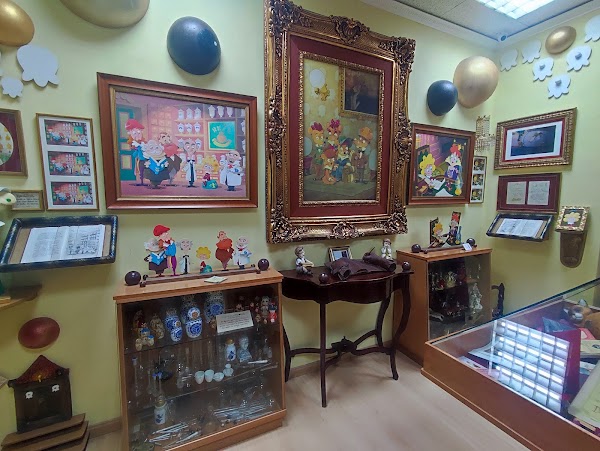
Casita-Museo de Ratón Pérez
View on map
4
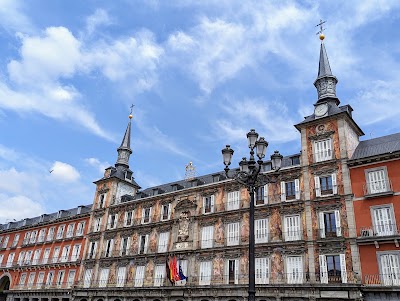
Plaza Mayor
View on map
Audio Narrations
Introduction
Plaza Mayor, the grand central square of Madrid, is a historical gem nestled in the heart of Hapsburg Madrid. Erected on the former Plaza del Arrabal, it was designed by architect Juan Gómez de Mora and completed in 1619. The square has witnessed numerous events throughout history, from bullfights and executions to coronations and beatifications. At one end of the square stands Casa de la Panadería, adorned with exquisite frescoes by Carlos Franco. Across from it is Casa de la Carnicería, once used as a butcher's guild. The equestrian statue of King Philip III, created by Giambologna and Pietro Tacca, stands proudly in the center. Plaza Mayor is surrounded by nine arches, providing entrances to the square. The most well-known arch is the Arco de Cuchilleros, leading to Calle de los Cuchilleros, where knife makers once resided. The square is a popular spot for locals and tourists alike, offering a glimpse into Madrid's rich history and vibrant culture.Nightlife
Plaza Mayor, the heart of Madrid's nightlife, pulsates with an infectious energy as the sun dips below the horizon. The cobblestone square, lined with centuries-old buildings, transforms into a vibrant hub of revelry. The air fills with the sound of laughter, music, and the clinking of glasses. As darkness descends, the square's historic arcades illuminate, casting a warm glow on the lively crowds below. Tapas bars and restaurants spill out onto the cobblestones, their tables adorned with flickering candles. The aroma of sizzling seafood and freshly baked churros wafts through the air, tantalizing the senses. Plaza Mayor's nightlife scene is as diverse as its architecture. Traditional flamenco tablaos echo with the rhythmic stomping of dancers, while modern nightclubs throb with electronic beats. Live music venues host intimate performances by local and international artists, and open-air concerts draw crowds to the square's central fountain. As the night reaches its peak, the atmosphere becomes electric. The square transforms into a dance floor, with locals and tourists alike swaying to the infectious rhythms. The energy is palpable, creating an unforgettable experience that encapsulates the vibrant spirit of Madrid's nightlife.Architecture
Plaza Mayor, a grand square in Madrid, stands as a testament to the architectural prowess of the Baroque era. Its rectangular form, measuring 129 meters by 94 meters, is enclosed by a uniform facade of three-story residential buildings, boasting 237 balconies that overlook the central space. Ten entrances, adorned with nine monumental gates, provide access to the square. The centerpiece of Plaza Mayor is the equestrian statue of Philip III, erected in 1848. The square's architectural harmony is further enhanced by the Casa de la Panadería, its facade adorned with exquisite frescoes depicting mythological figures. This building, once the city's main bakery, now houses the Plaza Mayor Tourist Information Center. The Arco de Cuchilleros, a prominent archway, leads to Calle de los Cuchilleros, where buildings with slanted facades once housed knife makers. The Casa de la Carnicería, opposite Casa de la Panadería, served as the butchers' guild and meat market. Today, it houses the Hotel Pestana Plaza Mayor. Plaza Mayor's architectural significance lies in its harmonious blend of Baroque and Neoclassical elements. The square's enclosed nature, with its uniform facades and monumental entrances, creates a sense of grandeur and order. The use of arches, balconies, and intricate ornamentation adds a touch of elegance and visual interest. Over the centuries, Plaza Mayor has witnessed countless events, from bullfights and soccer games to executions and Christmas markets. Its architectural beauty and historical significance make it a beloved landmark for both locals and tourists alike.
5
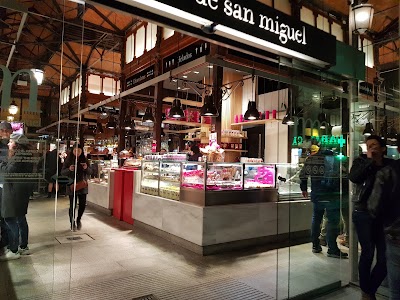
Mercado de San Miguel
View on map
Audio Narrations
Introduction
The Mercado de San Miguel, a culinary haven in the heart of Madrid, is a vibrant market renowned for its exquisite tapas and gourmet offerings. Originally built in 1916, this architectural gem was transformed into a gastronomic paradise in 2009, attracting over 10 million visitors annually. With over 30 vendors showcasing the finest products from Spain, the market offers a tantalizing array of freshly prepared tapas, hams, olives, baked goods, and an endless variety of delicacies. From traditional Spanish dishes to innovative culinary creations, the Mercado de San Miguel is a culinary adventure that delights the senses and immerses visitors in the vibrant food culture of Madrid.Mercado San Miguel History
The Mercado de San Miguel, a culinary gem in the heart of Madrid, boasts a rich history dating back to the 13th century. The original site housed the San Miguel de los Octoes church, where the renowned playwright Lope de Vega was baptized. In 1809, the church was demolished by order of Joseph Bonaparte, paving the way for an open-air fish market. By the late 19th century, the need for a covered market became apparent, and in 1913, construction commenced on the current structure. Designed by Alfonso Dubé y Díez, the market was inaugurated in 1916, showcasing an innovative iron architecture inspired by European markets. It remains the only market of its kind in Madrid, as many others were demolished in the 20th century. In the 1980s, the market faced decline due to the rise of supermarkets. However, in 1999, a group of investors embarked on a restoration project, transforming the market into a vibrant gastronomic center. Today, the Mercado de San Miguel stands as a testament to Madrid's culinary heritage, offering a diverse array of traditional and modern Spanish cuisine within its historic walls.Cultural Heritage
Mercado de San Miguel, a culinary and architectural gem in the heart of Madrid, stands as a testament to the city's rich cultural heritage. Originally built in 1916, this iconic market has undergone a remarkable transformation, emerging as a vibrant hub for gastronomy and cultural exchange. Declared a "Bien de Interés Cultural" (Property of Cultural Interest) in 2000, Mercado de San Miguel seamlessly blends its historical charm with modern amenities, offering a unique and immersive experience for visitors. The market's stunning iron and glass structure, a testament to the architectural prowess of the early 20th century, has been meticulously preserved. Its intricate details and soaring ceilings create an atmosphere of grandeur, transporting visitors back in time. Inside, the market buzzes with activity as vendors showcase their finest products, from artisanal cheeses and cured meats to fresh seafood and delectable pastries. Beyond its culinary offerings, Mercado de San Miguel is also a stage for cultural events and exhibitions. Cooking demonstrations, wine tastings, and live music performances bring the market to life, providing visitors with a glimpse into the vibrant tapestry of Spanish culture. The market's commitment to preserving and promoting traditional crafts and culinary arts further enhances its cultural significance, making it a beloved destination for locals and tourists alike.
6
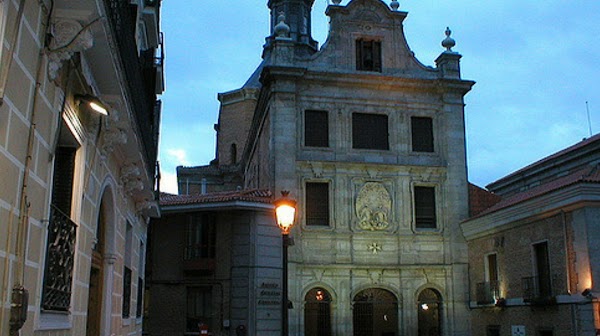
Cathedral Church of the Armed Forces
View on map
7
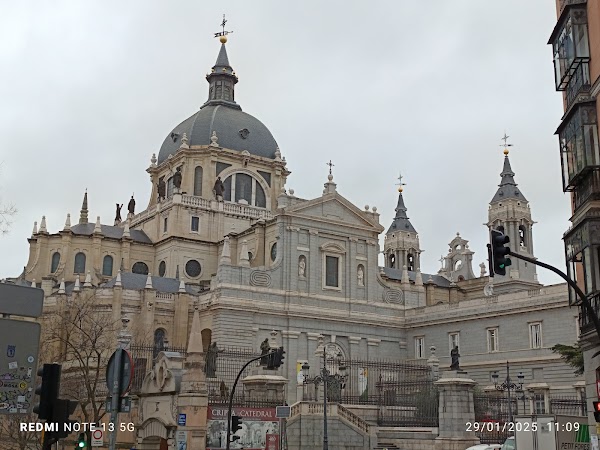
Catedral de la Almudena
View on map
Audio Narrations
Introduction
The Catedral de la Almudena, a Roman Catholic cathedral in Madrid, Spain, is the seat of the Archdiocese of Madrid. Its construction, spanning over a century, began in 1883 and culminated in its consecration by Pope John Paul II in 1993. The cathedral's design, influenced by the Royal Palace opposite it, blends Gothic and Baroque elements, resulting in a unique architectural style. The Neo-Gothic interior features a harmonious blend of contemporary and historical elements, including chapels and statues by renowned artists. The Blessed Sacrament Chapel showcases mosaics by Fr. Marko Ivan Rupnik, while the apse boasts icons painted by Kiko Argüello. The Neo-Romanesque crypt houses a revered 16th-century image of the Virgen de la Almudena. Notable burials at the cathedral include prominent figures, adding to its historical significance. The marriage of King Felipe VI to Letizia Ortiz Rocasolano in 2004 further cemented the cathedral's place in Spanish history.Crypts and Burials
Beneath the grandeur of the Almudena Cathedral lies a captivating realm of history and spirituality—the Crypt. This subterranean masterpiece, designed in the Neo-Romanesque style, mirrors the dimensions of the cathedral above, boasting an impressive Latin cross shape. Its vast interior is adorned with over 400 columns, each adorned with intricate capitals depicting biblical scenes, nature's wonders, and even the iconic symbol of Madrid—the bear and the strawberry tree. Within the Crypt's hallowed halls, 20 chapels radiate outward, each a testament to artistic brilliance. Mosaics gleam in Byzantine splendor, while Gothic-style stained glass windows cast vibrant hues upon the walls. The most revered artwork is the ancient mural of Our Lady of the Fleur-de-lis, believed to date back to the 11th century. The Crypt serves as the final resting place for some of Spain's most illustrious figures. Among them is María de las Mercedes de Orléans, the first wife of King Alfonso XII. Her tomb, along with those of other noble families, adds to the Crypt's aura of historical significance. As you wander through this subterranean labyrinth, marvel at the architectural prowess and artistic treasures that lie hidden beneath the surface of Madrid's iconic cathedral. The Crypt of the Almudena Cathedral is a testament to the enduring legacy of faith, art, and history that continues to captivate visitors to this day.Tourism Destination
Catedral de la Almudena, a modern architectural marvel in the heart of Madrid, stands as a testament to the city's rich history and enduring faith. Completed in 1993, it is a relatively young cathedral compared to its European counterparts, yet its unique blend of architectural styles and historical significance makes it a must-visit destination for discerning travelers. Unlike many cathedrals that took centuries to build, Almudena was constructed in just over a century, reflecting the changing times and architectural sensibilities of the late 19th and 20th centuries. Its neo-Gothic exterior, inspired by French cathedrals, contrasts with its modern interior, featuring contemporary stained-glass windows and a spacious, light-filled nave. One of the most striking features of Almudena is its connection to Madrid's past. Its name, derived from the Arabic word "al-mudayna" meaning "citadel," hints at the site's former role as a Muslim fortress. The cathedral's crypt houses the remains of several Spanish monarchs, including King Alfonso XII and Queen Maria Cristina, adding to its historical significance. For those seeking a deeper understanding of Madrid's cultural heritage, Almudena offers guided tours that delve into its architectural details, religious symbolism, and the city's evolving relationship with Catholicism. Visitors can marvel at the intricate carvings, admire the vibrant stained-glass windows, and learn about the cathedral's role in shaping Madrid's identity. Whether you're a history buff, an architecture enthusiast, or simply seeking a spiritual sanctuary, Catedral de la Almudena is a destination that will captivate and inspire. Its unique blend of old and new, sacred and secular, makes it a must-visit for anyone exploring the vibrant tapestry of Madrid.
8
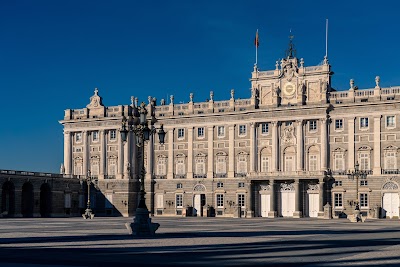
Royal Palace of Madrid
View on map
Audio Narrations
Introduction
The Royal Palace of Madrid, the official residence of the Spanish royal family, is a magnificent architectural masterpiece located in the heart of Madrid. Built in the 18th century on the site of an ancient fortress, the palace boasts over 3,400 rooms, making it one of the largest functioning royal palaces in Europe. Its opulent interior is adorned with priceless works of art by renowned masters such as Goya, Velázquez, and Caravaggio. Visitors can marvel at the Throne Room, the Hall of Mirrors, and the Royal Armory, which houses an impressive collection of weapons and armor worn by Spanish monarchs throughout history. The palace is surrounded by sprawling gardens, including the Sabatini Gardens, known for their geometric design and fountains. A visit to the Royal Palace of Madrid offers a glimpse into the grandeur and history of the Spanish monarchy, showcasing the artistic and architectural treasures that have been preserved for centuries.Must-See Madrid Landmark
Nestled in the heart of Madrid, the Royal Palace of Madrid stands as a testament to the grandeur and opulence of the Spanish monarchy. This architectural masterpiece is not merely a residence but a living museum, showcasing centuries of history and artistic treasures. As you step into the Halberdiers' Hall, the first stop on your journey, you'll be greeted by a solemn atmosphere and a ceiling adorned with mythological scenes. The Throne Room, once the stage for official ceremonies, boasts a magnificent fresco by Tiepolo depicting the power and glory of the Spanish monarchy. The Hall of Columns, a grand space that has witnessed countless balls and receptions, is adorned with classical art and intricate tapestries. The Gasparini Salon, a masterpiece of rococo design, transports you to a world of ornate decoration and shimmering silver thread. The Hall of Mirrors, inspired by the Palace of Versailles, reflects the elegance and grandeur of the Spanish court. Its walls are adorned with sculptures, paintings, and wood carvings, each piece imbued with symbolic meaning. The Main Staircase, a marvel of Imperial style, leads you to the upper floors, where you'll find the Royal Armory, a treasure trove of weapons and armor that tell the story of Spain's military prowess. The Royal Kitchen, meticulously restored, offers a glimpse into the culinary traditions of the Spanish monarchy. Beyond its architectural splendor, the Royal Palace of Madrid is a vibrant cultural hub. The Changing of the Guard ceremony, held on Wednesdays and Saturdays, is a spectacle that draws crowds from far and wide. The Mirador de la Cornisa observation deck offers breathtaking views of the surrounding gardens and the city skyline. As you explore the Royal Palace of Madrid, you'll not only marvel at its beauty but also gain a profound understanding of Spanish history, art, and culture. It is a must-see destination for anyone seeking an immersive and unforgettable experience in the heart of Madrid.Home to Spanish Monarchy
The Royal Palace of Madrid, a majestic architectural marvel, stands as the official residence of the Spanish monarchy, embodying centuries of royal lineage and the grandeur of the Spanish Crown. Its opulent halls and lavish chambers have witnessed countless historical events, from royal weddings to coronations, shaping the destiny of Spain. As the home of the Spanish monarchy, the palace exudes an aura of regal splendor. Its sprawling interiors house a priceless collection of paintings, sculptures, and tapestries, each piece a testament to the artistic patronage of the Spanish royals. The Throne Room, adorned with intricate frescoes and shimmering chandeliers, serves as the stage for official ceremonies and receptions, where the King and Queen receive dignitaries and foreign heads of state. Beyond its ceremonial significance, the palace also offers a glimpse into the private lives of the Spanish monarchs. The Royal Apartments, once the living quarters of the royal family, provide an intimate look into their daily routines and personal tastes. Visitors can admire the Queen's Dressing Room, adorned with delicate porcelain and ornate furniture, and the King's Study, where important decisions were made that shaped the course of Spanish history. The Royal Palace of Madrid is not merely a historical monument but a living testament to the enduring legacy of the Spanish monarchy. Its grandeur and opulence reflect the power and prestige of the Spanish Crown, while its intimate spaces offer a glimpse into the lives of the monarchs who have called it home.
9
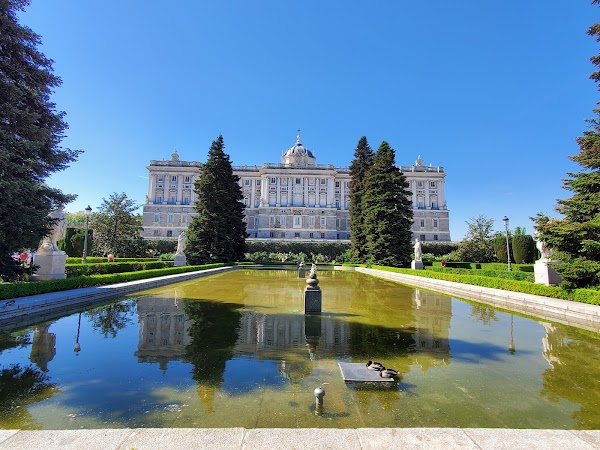
Sabatini Garden
View on map
10
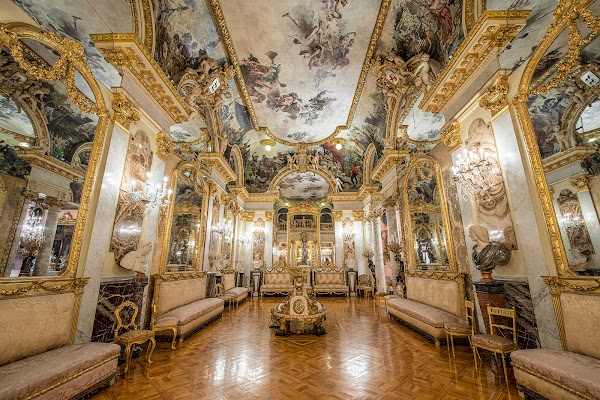
Cerralbo Museum
View on map
11
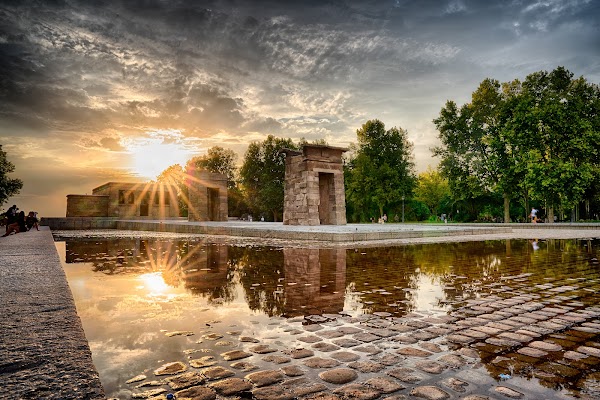
Temple of Debod
View on map
Audio Narrations
Introduction
The Temple of Debod, an ancient Egyptian temple, stands as a testament to the rich cultural exchange between Egypt and Spain. Originally built in the 2nd century BC in Nubia, it was gifted to Spain in 1968 as a token of gratitude for the country's assistance in preserving the Abu Simbel temples. Reconstructed in Madrid's Parque de la Montaña, the temple offers a unique glimpse into ancient Egyptian architecture and artistry. Its intricate carvings depict scenes of religious rituals and offerings to various gods, including Amun and Isis. The temple's relocation to Madrid has made it one of the few ancient Egyptian monuments accessible outside of Egypt, providing visitors with an opportunity to experience the grandeur of this ancient civilization in the heart of Spain.International Monument
As an international monument, the Temple of Debod holds a unique place in the annals of cultural heritage. Originally constructed in the 2nd century BC as a tribute to the Egyptian goddess Isis, it stood for centuries on the banks of the Nile River in southern Egypt. In the 1960s, the construction of the Aswan High Dam threatened to submerge the temple beneath the rising waters of Lake Nasser. In recognition of Spain's contributions to the international effort to save the Abu Simbel temples, the Egyptian government gifted the Temple of Debod to Spain in 1968. Carefully dismantled and transported stone by stone, the temple was meticulously reconstructed in Madrid's Parque del Oeste, where it was inaugurated in 1972. Today, it stands as a testament to the enduring legacy of ancient Egypt and the bonds of friendship between nations. Its unique location amidst the bustling metropolis of Madrid offers a striking juxtaposition of ancient and modern, inviting visitors to explore the rich tapestry of human history and cultural exchange.Rebuilt Historical Site
The Temple of Debod, an ancient Egyptian temple, stands as a testament to the enduring legacy of a bygone era. Originally constructed in the 2nd century BC in southern Egypt, the temple was dismantled and meticulously rebuilt in Madrid's Parque del Oeste in 1972. This relocation was part of an international effort to preserve Nubian monuments threatened by the construction of the Aswan High Dam. The temple's reconstruction in Madrid is a remarkable feat of architectural preservation. The original structure was carefully disassembled and transported to Spain, where it was reassembled with meticulous attention to detail. The temple's three main monuments, including the pylon gateways, the pronaos, and the sanctuary, were reconstructed in a slightly different order than their original arrangement. Despite the challenges of relocation, the Temple of Debod retains its architectural integrity and historical significance. Its sandstone walls are adorned with intricate hieroglyphs and reliefs, depicting scenes from ancient Egyptian mythology and religious rituals. The temple's interior, once a sacred space for worship, now houses exhibits and displays that provide insights into its history and cultural context. As a rebuilt historical site, the Temple of Debod offers a unique opportunity to explore the architectural achievements of ancient Egypt in a modern setting. Its relocation to Madrid has not only preserved this cultural treasure but has also made it accessible to a wider audience, fostering a deeper appreciation for the enduring legacy of one of the world's oldest civilizations.
12
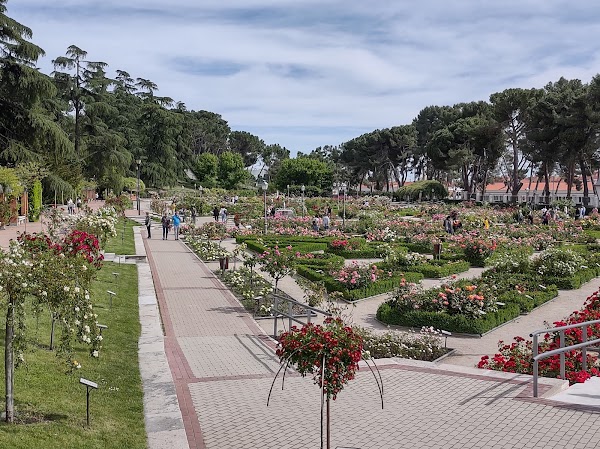
Western Park
View on map
13
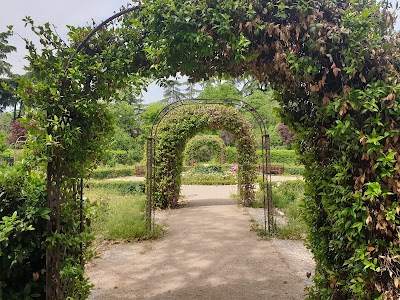
Rosaleda
View on map
14
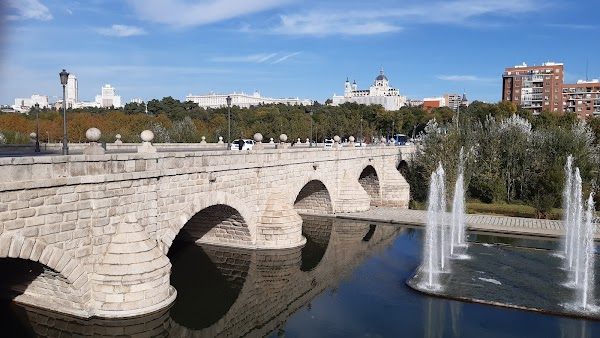
Segovia Bridge
View on map
Audio Narrations
Introduction
The Puente de Segovia, a majestic bridge spanning the Manzanares River in Madrid, stands as a testament to centuries of history and architectural prowess. Built between 1582 and 1584 under the commission of King Philip II, this nine-span bridge, constructed with granite bricks, was designed by the renowned architect Juan de Herrera. Its horizontal gradient, a departure from medieval designs, marked a significant step towards modern bridge construction. Declared a Site of Cultural Interest in 1996, the Puente de Segovia has witnessed numerous renovations throughout its lifespan. Notable interventions include those by the Gabinete de Accesos y Extrarradio between 1935 and 1943, and by engineer Vicente Olmos after the Civil War. Olmos's work expanded the bridge's width and restored its original elevations. The bridge's surroundings have also undergone significant transformations, with the creation of Madrid Río, a vibrant urban park featuring fountains, ponds, and walkways. This revitalized landscape complements the bridge's historical significance, offering visitors a unique blend of nature and heritage. Beyond its architectural and historical importance, the Puente de Segovia holds a poignant place in Madrid's memory. Once known as the "Bridge of Suicides," it was the city's most frequent suicide spot until 1998 when safety measures were implemented. This somber past adds a layer of depth to the bridge's narrative, reminding us of its complex relationship with the city's history. Today, the Puente de Segovia stands as a symbol of Madrid's rich cultural heritage, attracting visitors from around the world. Its enduring presence serves as a reminder of the city's evolution and the enduring legacy of its architectural marvels.Architectural Significance
The Segovia Bridge, a magnificent feat of Roman engineering, stands as a testament to the architectural prowess of the ancient world. Its construction, dating back to the 1st century AD, showcases the Romans' mastery of materials and design. The bridge's unique combination of granite and brickwork, along with its innovative use of arches, creates a structure that is both aesthetically pleasing and remarkably durable. One of the most striking features of the Segovia Bridge is its length, spanning over 280 meters across the Eresma River. This impressive feat was achieved through the construction of 167 arches, each meticulously crafted to distribute weight evenly and ensure the bridge's stability. The arches, varying in size and shape, create a dynamic rhythm that adds to the bridge's visual appeal. The Segovia Bridge's architectural significance extends beyond its structural prowess. Its design incorporates elements of Roman triumphal arches, with decorative columns and sculptures adorning its entrance. These embellishments not only enhance the bridge's aesthetic value but also serve as a reminder of the Roman Empire's power and grandeur. Furthermore, the Segovia Bridge played a crucial role in the development of the city of Segovia. Its strategic location on the Roman road connecting Segovia to other major cities facilitated trade and communication, contributing to the city's economic and cultural prosperity. The bridge's enduring presence has made it an iconic landmark of Segovia, attracting visitors from around the world. In conclusion, the Segovia Bridge stands as a remarkable example of Roman architectural ingenuity. Its innovative design, exceptional durability, and historical significance make it a true masterpiece of engineering and a testament to the enduring legacy of the Roman Empire.Engineering Feat
The Segovia Bridge, a testament to Roman engineering prowess, stands as a remarkable feat of ancient construction. Built in the 1st century AD, the bridge spans the Guadarrama River in Segovia, Spain, and has endured for over two millennia. Its longevity is attributed to its innovative design, incorporating a series of 167 granite arches that distribute the weight of the structure evenly. The bridge's remarkable stability is further enhanced by its lack of foundations, allowing it to withstand the force of the river's current without sinking or shifting. The Segovia Bridge's construction employed a technique known as voussoir, where wedge-shaped stones are carefully interlocked to form the arches. This method not only provided structural integrity but also allowed for the use of smaller stones, reducing the overall weight of the bridge. The bridge's design also incorporated a slight upward curve, known as a "camber," which helped to counteract the downward deflection caused by traffic and weather conditions. The Segovia Bridge's engineering ingenuity is evident in its ability to withstand centuries of use and natural disasters. It has survived numerous floods, earthquakes, and even a fire in the 19th century. The bridge's resilience is a testament to the skill and knowledge of Roman engineers, who understood the principles of physics and materials science to create a structure that would endure the test of time. Today, the Segovia Bridge stands as a symbol of Roman engineering excellence and a reminder of the enduring legacy of this ancient civilization. Its innovative design and remarkable longevity continue to inspire engineers and architects around the world.
15
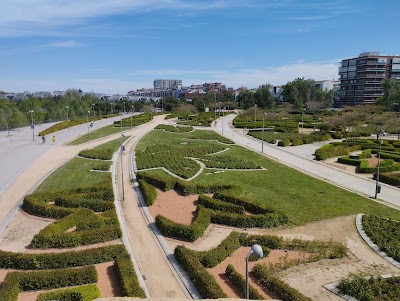
Parque Madrid Río
View on map
Audio Narrations
Introduction
Parque Madrid Río: A Green Oasis in the Heart of Madrid Madrid Río, a 120-hectare urban park, is a vibrant tapestry woven from the city's history, nature, and modern design. This verdant haven, built on the site of the former M-30 highway, reclaims the Manzanares River for the city, transforming it into a scenic artery pulsating with life. The park's landscape is a testament to human ingenuity. Seven restored dams, once barriers to the river's flow, now serve as pedestrian bridges, while the iconic Puente del Principado de Andorra, with its Y-shaped design, echoes the confluence of Andorra's valleys. The park's arteries are a network of bridges, including the singular Cáscara bridges, resembling pavilions suspended over the water, and the playful Puente de la Playa, leading to Madrid's unique urban beach. Madrid Río is a haven for nature lovers. The "Huerta de la Partida," a walled orchard, recreates the area's historical landscape with fruit trees and a meandering path mimicking the Meaques stream. The "Salón de Pinos," a vast pine forest, provides a tranquil escape, while the "Arganzuela Beach" offers a refreshing respite with its water jets and mist sprays. Beyond its natural beauty, Madrid Río is a cultural hub. The Matadero Madrid, a contemporary cultural center, and the Invernadero de Arganzuela, a stunning greenhouse, are just two of the many attractions. The park also boasts a rich historical tapestry, with remnants of ancient roads and castles like Batres and Villafranca, whispering tales of a bygone era. This urban oasis is a testament to Madrid's commitment to sustainability. The park's design prioritizes green spaces, pedestrian and cycling paths, and the renaturalization of the Manzanares River, creating a haven for both residents and wildlife. Madrid Río is more than just a park; it's a living testament to the city's transformation, a vibrant space where history, nature, and modern design converge, offering a unique experience for every visitor.Public Space Design
Parque Madrid Río, a 2.5-kilometer ribbon of green that runs alongside the Manzanares River in Madrid, is a masterclass in public space design. The park's transformation from a neglected industrial zone into a vibrant urban oasis is a testament to the power of thoughtful planning and community engagement. One of the park's most striking features is its seamless integration with the surrounding cityscape. The park's designers cleverly utilized existing infrastructure, such as bridges and viaducts, to create a network of pedestrian and cycling paths that connect seamlessly with the city's existing transportation network. This approach not only enhances accessibility but also fosters a sense of continuity between the park and the urban fabric. The park's design also prioritizes sustainability and environmental sensitivity. The use of native plant species and water-efficient irrigation systems minimizes the park's environmental impact, while the creation of wetlands and other natural habitats promotes biodiversity. The park's commitment to sustainability extends to its energy-efficient lighting and the use of recycled materials in its construction. Beyond its aesthetic and ecological appeal, Parque Madrid Río serves as a vital social hub for the city's residents. The park's diverse range of amenities, including playgrounds, sports facilities, and open-air theaters, caters to the needs of people of all ages and abilities. The park's programming also reflects its commitment to social inclusion, with events and activities that promote cultural exchange and community building. In conclusion, Parque Madrid Río stands as a shining example of public space design that prioritizes accessibility, sustainability, and social inclusivity. Its thoughtful design, innovative use of infrastructure, and commitment to environmental sensitivity make it a model for urban parks around the world.Cultural Heritage
Parque Madrid Río: A Cultural Oasis in the Heart of Spain's Capital Parque Madrid Río, a sprawling green ribbon woven through the heart of Madrid, offers a unique perspective on the city's rich cultural heritage. More than just a park, it's a living testament to the city's evolution, where modern urban design seamlessly blends with historical landmarks and archaeological treasures. Beneath the park's verdant expanse lies the archaeological site of la Casa del Reloj, a 16th-century watermill that once served as a vital part of Madrid's water supply system. Its preserved ruins offer a glimpse into the city's past, whispering tales of innovation and resourcefulness. The park's landscape itself is a testament to cultural heritage. The meandering paths and bridges echo the flow of the Manzanares River, a waterway that has shaped Madrid's history for centuries. The park's design incorporates elements of traditional Spanish gardens, with geometric patterns and water features reminiscent of Moorish influences. Beyond the physical landscape, Parque Madrid Río fosters a vibrant cultural scene. Open-air concerts and theatrical performances fill the air with music and laughter, while art installations and sculptures scattered throughout the park offer a contemporary lens on the city's artistic spirit. The park also serves as a stage for traditional festivals and celebrations, keeping alive the customs and folklore that have been passed down through generations. From lively flamenco performances to traditional folk dances, visitors can experience the heart and soul of Spanish culture firsthand. Parque Madrid Río is not just a green space; it's a living tapestry woven from the threads of Madrid's past, present, and future. It's a place where history whispers through ancient ruins, where modern design embraces nature, and where the spirit of Spanish culture thrives. It's a testament to the enduring power of heritage, a place where the past informs the present and inspires the future.
Experience the Full Tour
Download the DocentPro app to access all tour stops, complete audio narrations in multiple languages, offline maps, and interactive features.