
Montmartre: A Bohemian Rhapsody in the Heart of Paris

Walking Tour

1.7 km (1.0 miles)

25 min travel time

8 Stops

Paris, France
Montmartre: A Bohemian Rhapsody in the Heart of Paris
Tour Stops
1
Wall of Love
View on map
Audio Narrations
Introduction
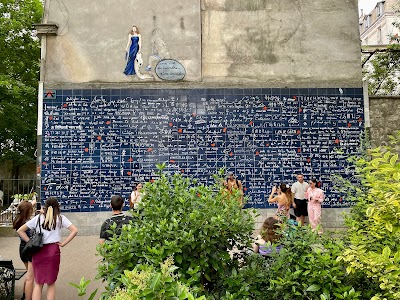
The Mur du Je T'aime, or "Wall of Love," in Paris is a vibrant testament to the universal language of love. Located in the Montmartre district, this unique art installation features the phrase "I love you" written 311 times in 250 languages, creating a mosaic of affection that transcends borders and cultures. The brainchild of artists Frédéric Baron and Claire Kito, the wall was conceived as a symbol of unity and peace. Each declaration of love is written in its native script, adding to the wall's visual and linguistic diversity. Visitors can wander through the mosaic, searching for their own language or discovering new ways to express their love. Beyond its aesthetic appeal, the Wall of Love holds a deeper significance. It serves as a reminder that love is a universal language, understood and celebrated across the globe. In a world often divided by differences, the wall stands as a beacon of unity, reminding us that love is the common thread that binds us all.Linguistic Diversity
A Mosaic of Languages: The Wall of Love in Paris The Wall of Love in Paris, a vibrant mosaic of "I love you" inscribed in over 300 languages, stands as a testament to the power of love and the beauty of linguistic diversity. This unique public art installation transcends the boundaries of language, bringing people together through a shared expression of affection. The wall's multilingual tapestry reflects the cosmopolitan nature of Paris, a city that has long been a melting pot of cultures and languages. Each inscription, meticulously crafted in its native script, offers a glimpse into the rich tapestry of human expression. From the flowing Arabic script to the intricate Chinese characters, the wall showcases the diversity of human communication. Beyond its aesthetic appeal, the Wall of Love serves as a powerful reminder of the universality of love. It transcends cultural and linguistic barriers, demonstrating that love is a language understood by all. The wall's message of unity and connection resonates deeply in a world increasingly divided by differences. For linguists, the Wall of Love presents a fascinating case study in language variation and evolution. The inscriptions offer insights into the nuances of different languages, their grammatical structures, and their unique ways of expressing love. The wall also highlights the dynamic nature of language, as new inscriptions are constantly added, reflecting the ever-changing linguistic landscape of the city. The Wall of Love is more than just a tourist attraction; it is a living testament to the power of human connection and the beauty of linguistic diversity. It reminds us that despite our differences, we are all united by the universal language of love.Symbol of Hope
The Wall of Love in Paris, Île-de-France, France, transcends its artistic beauty to embody a profound symbol of hope. This vibrant mosaic, adorned with "I love you" in 311 languages, speaks to the universal yearning for connection and love. It stands as a testament to the enduring human spirit, its resilience in the face of adversity, and its unwavering belief in the power of love to bridge divides and foster unity. The Wall of Love's history is intrinsically intertwined with hope. Conceived in the aftermath of the 2000 terrorist attacks, artists Frédéric Baron and Claire Kito sought to create a space for healing and reconciliation. The wall's vibrant colors and diverse languages symbolize the interconnectedness of humanity, reminding us that love transcends borders, cultures, and ideologies. The Wall of Love has become a pilgrimage site for couples, individuals, and families seeking solace, inspiration, and a renewed faith in the power of love. Visitors leave their own messages of love, adding to the tapestry of hope that adorns the wall. Each inscription, a testament to the enduring human spirit, serves as a beacon of hope for a brighter future. The Wall of Love's symbolism extends beyond its physical manifestation. It represents a global movement, a call for unity and understanding in a world often divided by conflict and hatred. It serves as a reminder that love is the universal language, a force capable of overcoming differences and fostering peace. As a symbol of hope, the Wall of Love stands as a beacon of light in a world that often feels shrouded in darkness. It reminds us that even in the face of adversity, love endures, offering a path towards a more just and compassionate world. The Wall of Love is a testament to the human spirit's unwavering belief in the power of love to heal, unite, and inspire hope for a brighter future.
2
Square Jehan Rictus
View on map
Audio Narrations
Introduction
The Square Jehan Rictus, nestled in the heart of Paris's 18th arrondissement, is a vibrant hub of history and culture. This charming square, named after the celebrated French poet Jehan Rictus, boasts a rich tapestry of architectural styles and hidden gems. At the square's center stands the iconic Fontaine Wallace, a cast-iron masterpiece adorned with intricate sculptures and gargoyles. This ornate fountain, a symbol of Parisian elegance, provides a refreshing respite from the bustling city life. Surrounding the square are a collection of architectural marvels, each with its own unique story to tell. The Théâtre de la Goutte d'Or, a historic theater, has witnessed countless performances and cultural events over the years. The Église Saint-Bernard de la Chapelle, a magnificent church, showcases stunning stained-glass windows and intricate carvings. But the Square Jehan Rictus is more than just a collection of historical landmarks. It is a vibrant community space where locals gather to socialize, relax, and enjoy the Parisian atmosphere. The square's lively market, held every Tuesday and Friday, offers an array of fresh produce, artisanal goods, and local delicacies. For those seeking a taste of Parisian history and culture, the Square Jehan Rictus is an unmissable destination. From its architectural wonders to its vibrant community spirit, this charming square offers a glimpse into the heart and soul of Paris.Literary Landmark
Nestled in the heart of Paris' 18th arrondissement, Square Jehan Rictus stands as a poignant tribute to the renowned French poet and satirist, Jehan Rictus. This verdant haven, tucked away from the bustling city streets, offers a tranquil sanctuary for literary enthusiasts and admirers of Rictus' poignant verses. The square's centerpiece is a bronze bust of Rictus, gazing contemplatively towards the passersby. The inscription beneath reads "Jehan Rictus, poète des pauvres gens," a testament to his unwavering dedication to depicting the struggles and resilience of the working class. The surrounding benches invite visitors to linger and immerse themselves in Rictus' evocative poetry, which often explored themes of poverty, social injustice, and the human condition. Beyond its literary significance, Square Jehan Rictus also boasts a rich history. The square was once home to the Moulin de la Galette, a windmill that served as a popular gathering spot for artists and writers in the 19th century. Today, remnants of the mill's foundation can still be seen, offering a glimpse into the area's vibrant artistic past. For those seeking a deeper connection with Rictus' life and work, the square provides a unique opportunity. The nearby Musée de Montmartre, located just a short walk away, houses a collection of Rictus' manuscripts, letters, and personal belongings. Visitors can delve into the poet's creative process and gain a deeper appreciation for his literary contributions. Square Jehan Rictus is more than just a park; it is a living testament to the enduring power of literature and its ability to connect us to the human experience. Whether seeking solace in Rictus' poignant verses or exploring the square's rich history, visitors are sure to find inspiration and a renewed appreciation for the written word.Urban Oasis in the Heart of Paris
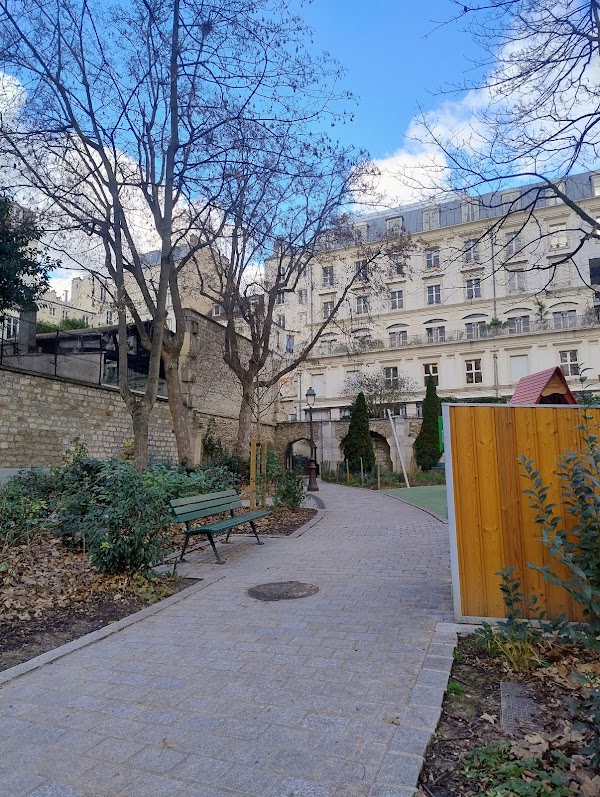
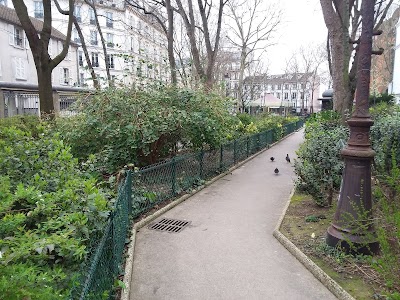
Nestled in the heart of Paris's 18th arrondissement, Square Jehan Rictus is a hidden gem, a tranquil oasis amidst the bustling city. This charming square, named after the French poet Jehan Rictus, offers a welcome respite from the urban clamor, transporting visitors to a world of verdant serenity. Upon entering the square, one is greeted by a lush expanse of greenery, with towering trees casting dappled shadows on the winding pathways. The air is filled with the sweet fragrance of blooming flowers, while the gentle murmur of a nearby fountain creates a soothing ambiance. Benches strategically placed throughout the square invite visitors to linger and soak in the tranquil atmosphere. Square Jehan Rictus is more than just a green haven; it is a vibrant hub of community life. Locals gather here to chat, read, or simply enjoy the peaceful surroundings. Children's laughter fills the air as they frolic in the playground, while artists find inspiration in the square's picturesque setting. One of the square's unique features is its "Jardin des Poètes," a dedicated space honoring French poets. Busts of renowned figures like Verlaine, Baudelaire, and Rimbaud adorn the garden, creating an open-air museum that celebrates the rich literary heritage of France. Square Jehan Rictus is a testament to the transformative power of urban green spaces. It is a place where nature and culture converge, offering a sanctuary for relaxation, recreation, and inspiration. Whether seeking a quiet escape from the city's hustle or a vibrant community gathering spot, Square Jehan Rictus is an urban oasis that should not be missed.
3
Dalí Paris
View on map
Audio Narrations
Introduction
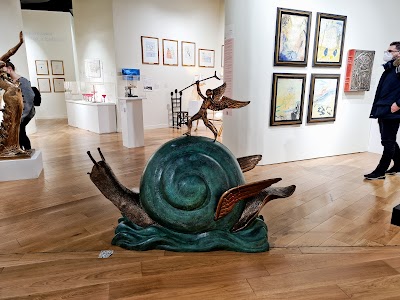
The Dalí Paris, a museum dedicated to the surrealist master Salvador Dalí, is a treasure trove of the artist's eccentric genius. Nestled in the heart of Montmartre, the museum boasts the largest collection of Dalí's works outside of Spain, including paintings, sculptures, and even furniture. Stepping into the museum is like entering a dreamlike world. The iconic "Mae West Lips Sofa" greets visitors at the entrance, setting the stage for a journey through Dalí's mind-bending creations. The museum's collection spans the entirety of Dalí's career, from his early experiments with Cubism to his later explorations of optical illusions and religious symbolism. One of the highlights of the museum is the "Space Venus" installation, a surrealist reinterpretation of the classical Venus de Milo statue. Dalí's fascination with science and technology is evident in works like the "Lobster Telephone" and the "Gala Contemplating the Mediterranean Sea which at Twenty Meters Becomes the Portrait of Abraham Lincoln (Homage to Rothko)." The Dalí Paris is not just a museum; it's an immersive experience. Visitors can step into the "Rainy Taxi," a surrealist car installation, or explore the "Alice in Wonderland" room, a whimsical tribute to Lewis Carroll's classic tale. The museum also houses a library and a cinema, offering a deeper dive into Dalí's life and work. Whether you're a seasoned art aficionado or simply curious about the surrealist movement, the Dalí Paris is a must-visit destination. It's a place where you can lose yourself in a world of dreams, illusions, and the boundless imagination of one of the 20th century's most iconic artists.Melting Clocks
Dalí Paris: A Surreal Journey Through Melting Time Step into Dalí Paris, a whimsical museum dedicated to the enigmatic artist Salvador Dalí, and embark on a surreal journey through the fascinating world of melting clocks. Here, you'll encounter these iconic symbols of Dalí's artistic vision in various forms, each offering a unique perspective on the artist's exploration of time, memory, and the subconscious. One of the most captivating pieces is the "Lobster Telephone," a surreal sculpture where a bright red lobster replaces the receiver, its elongated body twisting and contorting like a melting clock face. This playful juxtaposition challenges our perception of reality, blurring the lines between the organic and the artificial, the familiar and the bizarre. Further along, you'll encounter the iconic "Persistence of Memory," a painting featuring limp, melting clocks draped over a desolate landscape. This masterpiece embodies Dalí's fascination with the fluidity of time, suggesting that our perception of it is subjective and malleable. The melting clocks become symbols of the impermanence of our existence, reminding us to cherish each fleeting moment. As you delve deeper into the museum, you'll discover more melting clocks adorning various objects, from clocks melting onto tree branches to clocks morphing into human figures. Each iteration offers a new interpretation of this recurring motif, inviting you to contemplate the complexities of time and its impact on our lives. Dalí Paris isn't just a museum; it's a portal into the surreal mind of Salvador Dalí, where melting clocks serve as powerful metaphors for the fluidity of time, the fragility of memory, and the boundless potential of the human imagination. It's an experience that will leave you questioning your perception of reality and pondering the deeper meaning of time itself.Dreamlike Imagery
Dalí Paris: A Surrealist Dreamland in the City of Lights Step into a world of melting clocks, elongated figures, and dreamlike landscapes at Dalí Paris, a museum dedicated to the enigmatic artist Salvador Dalí. Located in the heart of Montmartre, this unique space offers a captivating journey into the surrealist mind of the master. Beyond the iconic melting clocks and lobster telephones, Dalí Paris delves deeper into the artist's fascination with dreams and the subconscious. The museum's collection boasts a diverse range of works, including paintings, sculptures, and even holographic creations, all showcasing Dalí's ability to blur the lines between reality and fantasy. One of the highlights is the "Mae West Lips Sofa," a surreal interpretation of the actress's famous lips, inviting visitors to sink into a dreamlike experience. Another captivating piece is the "Lobster Telephone," a whimsical fusion of everyday objects transformed into a dreamlike object. Dalí Paris also offers a glimpse into the artist's personal life through photographs, letters, and even his favorite stuffed animal. These intimate details provide a deeper understanding of the man behind the surrealist masterpieces. For those seeking a truly immersive experience, the museum offers a virtual reality journey into Dalí's paintings. This innovative technology allows visitors to step inside the dreamlike landscapes and interact with the surreal elements, creating a truly unforgettable encounter with Dalí's artistic genius. Whether you're a seasoned art enthusiast or simply curious about the world of surrealism, Dalí Paris offers a unique and captivating journey into the dreamlike imagery of one of the most influential artists of the 20th century.
4
Place du Tertre
View on map
Audio Narrations
Introduction
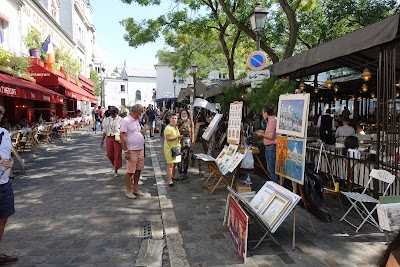
Nestled atop the hill of Montmartre, Place du Tertre is a vibrant square that pulsates with the artistic spirit of Paris. Cobblestone streets wind their way through the plaza, lined with charming cafes and galleries showcasing the works of local artists. The air hums with the chatter of tourists and the rhythmic strokes of paintbrushes against canvases. Place du Tertre's history is deeply intertwined with the artistic legacy of Paris. In the 19th century, the square became a haven for Impressionist painters like Renoir, Monet, and Van Gogh, who were drawn to its picturesque views and bohemian atmosphere. Today, the tradition continues as contemporary artists gather to display their creations, offering visitors a glimpse into the city's vibrant art scene. Beyond its artistic allure, Place du Tertre offers a unique Parisian experience. Street performers entertain the crowds with lively music and captivating shows, while cafes provide a respite for weary travelers to savor a cup of coffee and soak in the atmosphere. The square also boasts a rich history, with the Sacré-Coeur basilica standing as a majestic landmark overlooking the city. A visit to Place du Tertre is an immersion into the heart of Parisian art and culture. It's a place where history and creativity converge, offering a glimpse into the city's artistic soul and leaving a lasting impression on every visitor.Birthplace of Modern Art
Nestled at the foot of the Sacré-Coeur basilica in Montmartre, Place du Tertre pulsates with the vibrant spirit of modern art's genesis. This charming square, once a humble gypsum quarry, witnessed the birth of artistic movements that revolutionized the world. In the 19th century, Impressionism blossomed here, with renowned artists like Renoir, Monet, and Pissarro capturing the fleeting beauty of Parisian life on their canvases. Their open-air studios transformed Place du Tertre into an outdoor gallery, attracting art enthusiasts and collectors alike. The square's bohemian atmosphere fostered a sense of creative freedom, drawing artists from across Europe. Van Gogh, Picasso, and Modigliani all found inspiration in the vibrant energy of Place du Tertre. Their innovative styles challenged artistic conventions, paving the way for the avant-garde movements of the 20th century. Cubism, Fauvism, and Surrealism all found their roots in the fertile ground of this Parisian square. Today, Place du Tertre remains a vibrant hub for artists and art lovers. Painters, sculptors, and caricaturists continue to showcase their talents, offering visitors a glimpse into the creative spirit that has defined this historic location. The square's cobbled streets and charming cafes evoke the atmosphere of a bygone era, transporting visitors to the golden age of modern art. Beyond its artistic legacy, Place du Tertre offers a unique cultural experience. Street performers entertain the crowds, while local shops display an eclectic mix of art supplies, souvenirs, and traditional French delicacies. The square's lively atmosphere and picturesque setting make it a must-visit destination for anyone seeking to delve into the heart of modern art's birthplace.Sacré-Coeur Views
Place du Tertre: A Painter's Paradise with Breathtaking Sacré-Coeur Views Nestled at the foot of the majestic Sacré-Coeur basilica, Place du Tertre is a vibrant square teeming with artists, tourists, and the allure of Parisian charm. From this vantage point, the Sacré-Coeur's white dome dominates the skyline, offering breathtaking panoramic views of the city. As you ascend the hill towards the basilica, the Place du Tertre unfolds before you. Cobblestone streets wind their way through the square, lined with easels displaying a kaleidoscope of colors and artistic styles. Portrait artists eagerly await their next subjects, while caricature artists capture the essence of passersby with playful exaggeration. The air is alive with the chatter of tourists, the rhythmic scrape of paintbrushes against canvas, and the melodic strains of street musicians. From the square, the Sacré-Coeur stands as a beacon of faith and architectural grandeur. Its white facade gleams in the sunlight, contrasting beautifully against the azure sky. The intricate details of its Romanesque-Byzantine architecture are best appreciated from this close proximity. As you climb the steps leading to the basilica, the panorama of Paris gradually unfolds before you. The iconic landmarks of the city, from the Eiffel Tower to the Arc de Triomphe, are laid out like a map, each vying for your attention. The charm of Place du Tertre lies not only in its artistic spirit but also in its historical significance. This square has been a gathering place for artists since the 19th century, attracting renowned names like Van Gogh, Renoir, and Picasso. Their legacy lives on in the vibrant art scene that continues to thrive here. Whether you're an art enthusiast, a history buff, or simply seeking a picturesque Parisian experience, Place du Tertre offers a unique perspective of the Sacré-Coeur and the city it overlooks. It's a place where art, history, and breathtaking views converge, creating an unforgettable Parisian memory.
5
Musée de Montmartre
View on map
Audio Narrations
Introduction
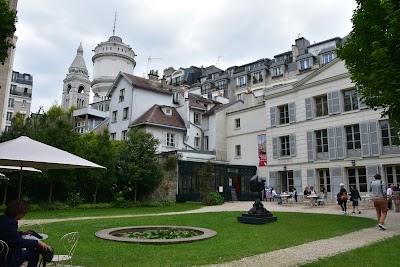
Nestled on the hilltop of Montmartre, the Musée de Montmartre offers a captivating glimpse into the artistic soul of Paris. Housed in a charming 17th-century building, the museum unveils the rich history of this bohemian enclave, where renowned artists like Renoir, Picasso, and Van Gogh once lived and worked. Stepping inside, visitors are transported to a bygone era, where the walls whisper tales of artistic innovation and vibrant social gatherings. The museum's collection boasts an impressive array of paintings, sculptures, and historical artifacts, offering a window into the lives and creative processes of the artists who shaped Montmartre's artistic legacy. One of the museum's highlights is the Renoir Gardens, a tranquil oasis where visitors can admire the artist's original studio and soak in the picturesque views of the city. The gardens also host open-air exhibitions and events, further immersing visitors in the artistic spirit of Montmartre. Beyond its collection, the Musée de Montmartre offers a unique perspective on the neighborhood's cultural significance. Visitors can explore the history of the Moulin Rouge, delve into the world of cabaret, and discover the hidden corners of Montmartre that inspired countless artistic masterpieces. Whether you're an art enthusiast or simply curious about the history of this iconic Parisian district, the Musée de Montmartre promises an unforgettable journey through time, art, and the bohemian spirit that continues to captivate the world.Belle Époque Montmartre
Nestled amidst the winding streets of Montmartre, the Musée de Montmartre offers a captivating glimpse into the vibrant artistic scene of the Belle Époque. This charming museum, housed in a former residence of artists, transports visitors back to a time when Montmartre was a bohemian haven, teeming with creativity and innovation. Step inside the museum's walls, and you'll be greeted by a treasure trove of artifacts and artworks that evoke the spirit of the era. Admire the works of renowned artists who called Montmartre home, including Renoir, Toulouse-Lautrec, and Utrillo. Their paintings, sketches, and sculptures capture the essence of Belle Époque Montmartre, from its bustling cafes and cabarets to its picturesque streets and hidden corners. As you explore the museum's exhibits, you'll discover fascinating stories of the artists who shaped the Belle Époque. Learn about the lives and works of Suzanne Valadon, a pioneering female artist who defied societal norms, and Maurice Utrillo, whose paintings of Montmartre's streets and buildings became iconic symbols of the era. The museum also offers a glimpse into the everyday life of Belle Époque Montmartre. Explore the reconstructed interiors of artists' studios and apartments, and imagine the conversations, laughter, and creative energy that filled these spaces. Discover the tools and techniques used by the artists, and gain a deeper understanding of their artistic processes. A visit to the Musée de Montmartre is not just a journey through art history; it's a journey through time. As you wander through the museum's rooms, you'll feel the spirit of the Belle Époque come alive, transporting you to a world of artistic brilliance, bohemian spirit, and unbridled creativity.Impressionist Art Hub
Nestled amidst the charming streets of Montmartre, the Musée de Montmartre offers a unique perspective on the Impressionist art movement. Unlike the grand museums housing iconic masterpieces, this hidden gem delves into the heart of the Impressionist experience, showcasing the lives and studios of the artists who called Montmartre home. Step inside the former home of Suzanne Valadon, a renowned painter and model, and discover her intimate studio space. Immerse yourself in the world of Edgar Degas, whose apartment housed his collection of Impressionist works. Explore the vibrant history of the Bateau-Lavoir, a communal studio where artists like Pablo Picasso and Georges Braque lived and worked, fostering the birth of Cubism. The museum's collection boasts a treasure trove of Impressionist gems, including works by Renoir, Pissarro, and Sisley. These paintings capture the essence of Montmartre's bohemian spirit, its bustling streets, and the vibrant artistic community that flourished there. Beyond the paintings, the Musée de Montmartre offers a glimpse into the daily lives of the Impressionists. Explore their personal belongings, letters, and photographs, gaining a deeper understanding of their struggles, triumphs, and the creative process that shaped their masterpieces. For those seeking an immersive journey into the Impressionist art hub that was Montmartre, the Musée de Montmartre is an invaluable destination. It's a place to connect with the artists' spirit, understand their creative vision, and experience the essence of this pivotal artistic movement.
6
The Basilica of Sacré-Cœur de Montmartre
View on map
Audio Narrations
Introduction
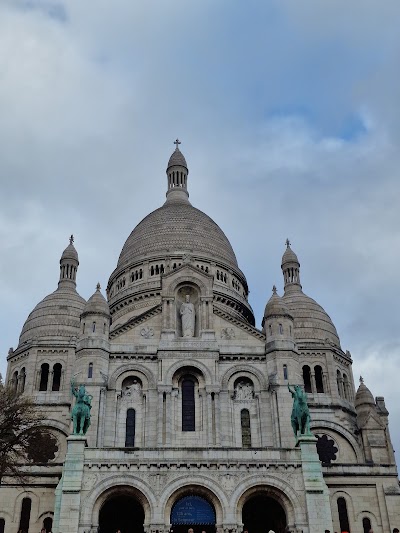
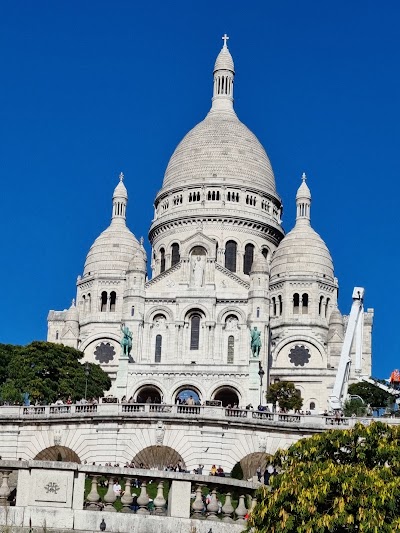
The Basilica of Sacré-Cœur de Montmartre, a dazzling white edifice perched atop the highest point in Paris, is a monument to both faith and French history. Its construction, spanning from 1875 to 1914, was fueled by the desire for national atonement following the Franco-Prussian War and the Paris Commune. The basilica's unique Romano-Byzantine architecture, a departure from the Gothic style prevalent in Parisian churches, is a testament to its distinct purpose. The interior of the Sacré-Cœur is a symphony of mosaics, stained glass, and marble. The largest mosaic in France, covering the entire apse, depicts Christ in Majesty surrounded by angels and saints. The stained glass windows, crafted by renowned artists like Henri Matisse and Georges Rouault, bathe the interior in vibrant hues. The crypt, accessible by a winding staircase, houses the relics of Saint Denis, the patron saint of Paris. Beyond its religious significance, the Sacré-Cœur is a beloved Parisian landmark. Its white dome, visible from across the city, serves as a beacon for tourists and locals alike. The panoramic views from the basilica's parvis, encompassing the entire cityscape, offer a breathtaking perspective of the French capital. Visitors can also explore the charming Place du Tertre, nestled at the foot of the hill, where artists have gathered for centuries to capture the essence of Montmartre. The Sacré-Cœur de Montmartre stands as a symbol of resilience, faith, and artistic expression. Its unique architecture, rich history, and breathtaking views make it an unforgettable destination for anyone visiting Paris.Architectural Masterpiece
The Basilica of Sacré-Cœur de Montmartre, a beacon of Romanesque-Byzantine architectural brilliance, stands majestically atop the hill of Montmartre in Paris. Its white, travertine stone exterior gleams under the Parisian sun, a testament to the meticulous craftsmanship that went into its construction. The basilica's design, inspired by the Hagia Sophia in Istanbul, is a unique blend of architectural styles. Its massive dome, the second largest in Paris, dominates the skyline and is visible from miles away. The interior, adorned with intricate mosaics and stained glass windows, is a symphony of light and color. One of the most striking features of the basilica is its use of arches. The nave is lined with a series of massive arches that support the dome, creating a sense of awe and grandeur. The arches are also used to create a sense of rhythm and movement, drawing the eye upward towards the heavens. Another notable architectural feature is the basilica's crypt. Located beneath the main floor, the crypt is a labyrinth of tunnels and chambers that house the remains of several French saints. The crypt is a testament to the basilica's role as a place of pilgrimage and devotion. The Basilica of Sacré-Cœur de Montmartre is a masterpiece of architectural design, a testament to the skill and artistry of its builders. Its unique blend of styles, its intricate details, and its awe-inspiring grandeur make it one of the most iconic landmarks in Paris.White Dome
The Basilica of Sacré-Cœur de Montmartre in Paris, Île-de-France, France, is renowned for its iconic white dome, a beacon visible from across the city. This majestic dome, constructed from travertine stone, stands as a testament to the architectural brilliance of the 19th century. Its brilliant white hue is attributed to the stone's unique composition, which reacts with rainwater to form a crystallized calcium carbonate coating, a process known as "carbonatation." This natural phenomenon ensures that the dome retains its pristine white color, defying the effects of time and pollution. The dome's colossal size, measuring 83 meters in diameter, makes it one of the largest in the world. Its hemispherical shape, inspired by the Pantheon in Rome, is a symbol of unity and perfection. The dome's interior is adorned with intricate mosaics depicting scenes from the life of Christ, adding to its spiritual significance. The white dome of the Sacré-Cœur is not merely an architectural marvel; it also holds profound symbolic meaning. The color white represents purity, holiness, and the divine. The dome's prominent position atop the Montmartre hill signifies the basilica's role as a spiritual center, a place of pilgrimage and prayer. In conclusion, the white dome of the Sacré-Cœur is an integral part of the basilica's identity, embodying its architectural grandeur, spiritual significance, and symbolic meaning. Its brilliant white hue, colossal size, and intricate mosaics make it a captivating landmark, drawing visitors from all corners of the globe.
7
Square Louise Michel
View on map
Audio Narrations
Introduction
Nestled at the foot of the iconic Sacré-Coeur basilica in Montmartre, the Square Louise Michel, formerly known as the Square Willette, is a verdant haven offering breathtaking views of Paris. This 23,737-square-meter green space boasts a captivating history, dating back to the 18th century when it was a gypsum quarry. Today, it stands as a testament to the resilience of the human spirit, named after Louise Michel, a prominent figure in the Paris Commune of 1871. The square's charm lies in its unique blend of natural beauty and architectural artistry. A grand staircase, adorned with a monumental fountain dedicated to the Ocean Gods, ascends the hill, offering a picturesque route to the basilica. Lush greenery, including horse chestnut, hazelnut, and fig pomegranate trees, provides a tranquil escape from the city's bustle. A popular merry-go-round adds a touch of whimsy, while the nearby Montmartre funicular offers a convenient alternative to the climb. Beyond its aesthetic appeal, the Square Louise Michel holds historical significance. It was once known as the Square Saint-Pierre, a testament to the nearby church. The square's transformation reflects the evolving political landscape of Paris, with its current name honoring Louise Michel's unwavering commitment to social justice. A hidden gem within the square is the Fountain of the Innocent, sculpted by the anarchist Émile Derré. This playful fountain, depicting a mother and children, stands in stark contrast to the nearby Sacré-Coeur basilica, symbolizing the enduring spirit of laughter and joy in the face of adversity. The Square Louise Michel is a captivating blend of history, nature, and art, offering a unique perspective on the rich tapestry of Parisian life. From its panoramic views to its hidden treasures, this square invites visitors to explore the city's past, present, and future.Architectural Design
Square Louise Michel: A Hidden Gem of Parisian Architectural Design Nestled in the 18th arrondissement of Paris, Square Louise Michel is a hidden gem of architectural design. This triangular park, named after the French feminist and anarchist Louise Michel, boasts a unique layout and features that set it apart from other Parisian squares. The square's most striking feature is its central pavilion, a rotunda constructed in 1900 for the Universal Exhibition. This elegant structure, with its wrought-iron framework and stained-glass dome, serves as a focal point and a reminder of the park's historical significance. The pavilion's design, inspired by Art Nouveau and Oriental influences, stands in stark contrast to the surrounding Haussmannian architecture, creating a visually captivating juxtaposition. Beyond the pavilion, the square's design reflects a thoughtful approach to urban planning. The triangular layout, with its converging paths, creates a sense of intimacy and encourages exploration. The park's perimeter is lined with a variety of trees, including plane trees, chestnut trees, and sophoras, providing shade and a sense of enclosure. Benches are strategically placed throughout the square, offering opportunities for relaxation and contemplation. One of the square's most unique features is its "mur végétal," a vertical garden that covers one of the park's walls. This living wall, composed of over 1,500 plants, adds a touch of nature to the urban landscape and serves as a reminder of the importance of sustainability. Square Louise Michel is a testament to the innovative and creative spirit of Parisian architecture. Its unique design elements, from the Art Nouveau pavilion to the "mur végétal," make it a fascinating destination for those interested in exploring the city's architectural treasures. Whether seeking a quiet escape from the hustle and bustle of the city or a place to admire the interplay of history and modern design, Square Louise Michel offers a truly unique experience.Urban Green Space
Nestled in the heart of the 18th arrondissement of Paris, Square Louise Michel is a hidden gem among the city's bustling streets. This urban green space, named after the renowned French feminist and anarchist, offers a tranquil oasis for residents and visitors alike. Stepping into the square, one is greeted by a lush canopy of mature trees, casting dappled shadows on the winding pathways. The air is filled with the sweet scent of blooming flowers and the gentle chirping of birds, creating a serene atmosphere that contrasts sharply with the urban clamor just beyond its borders. A central feature of the square is its impressive collection of sculptures. The bronze statue of Louise Michel herself stands proudly, a testament to her unwavering commitment to social justice. Other notable works include a bust of the French poet Arthur Rimbaud and a poignant sculpture depicting the horrors of war. Beyond its aesthetic appeal, Square Louise Michel serves as a vital green lung for the surrounding neighborhood. The dense vegetation helps to purify the air, reduce noise pollution, and provide much-needed shade during the hot summer months. The square also plays host to a variety of community events, from open-air concerts and yoga classes to children's storytelling sessions. One of the unique aspects of Square Louise Michel is its commitment to biodiversity. The park is home to a diverse range of plant and animal life, including several species of birds, insects, and small mammals. This rich biodiversity contributes to the overall health and resilience of the urban ecosystem. Another noteworthy feature is the square's dedication to sustainable practices. Rainwater harvesting systems are used to irrigate the plants, and solar panels provide renewable energy for lighting. These eco-friendly initiatives demonstrate the park's commitment to environmental responsibility. In conclusion, Square Louise Michel is a remarkable urban green space that offers a unique blend of history, art, nature, and community. Its lush greenery, diverse biodiversity, and commitment to sustainability make it a valuable asset to the city of Paris and a testament to the power of urban green spaces to enhance the lives of those who live, work, and play within them.
8
Halle Saint-Pierre
View on map
Audio Narrations
Introduction
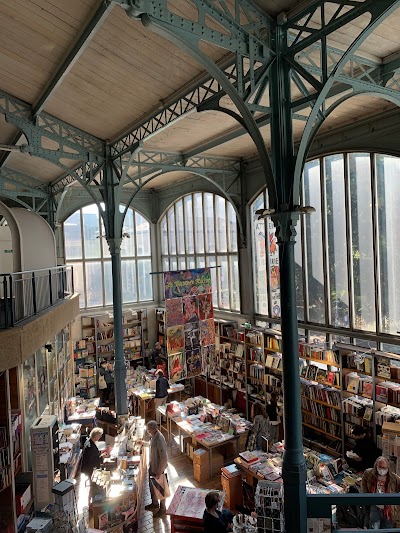
Halle Saint-Pierre: A Parisian Haven for Outsider Art Nestled in the heart of Montmartre, Halle Saint-Pierre stands as a vibrant testament to the unconventional and the extraordinary. This former 19th-century market hall has been reinvented as a unique museum dedicated to "art brut," or outsider art. Stepping inside is like entering a world apart, where the boundaries of artistic expression are joyously blurred. The museum's collection boasts a captivating array of works by self-taught artists, visionaries, and individuals outside the traditional art world. From the intricate, fantastical drawings of Aloïse Corbaz to the haunting sculptures of Augustin Lesage, each piece pulsates with raw creativity and unfiltered emotion. Visitors are invited to embark on a journey through the minds of these singular artists, discovering their unique perspectives and unbridled imaginations. Halle Saint-Pierre is more than just a museum; it's a vibrant community hub. The space regularly hosts temporary exhibitions, film screenings, workshops, and artist talks, fostering dialogue and appreciation for outsider art. It's a place where the established art world and the fringes converge, where the unexpected becomes the norm, and where the power of raw human expression takes center stage. For those seeking an escape from the conventional, Halle Saint-Pierre offers a refreshing immersion into the world of outsider art. It's a place to challenge perceptions, ignite curiosity, and celebrate the boundless creativity that lies beyond the mainstream. So, step into this Parisian haven and prepare to be captivated by the raw beauty and unbridled spirit of art in its purest form.Halle Saint-Pierre Museum
Halle Saint-Pierre Museum: A Haven for Outsider Art in the Heart of Paris Nestled in the vibrant Montmartre district, the Halle Saint-Pierre Museum stands as a unique haven for outsider art in the heart of Paris. Housed within a 19th-century covered market, the museum offers a captivating journey into the world of self-taught artists, visionaries, and those who defy conventional artistic boundaries. Stepping into the museum is like entering a treasure trove of unexpected discoveries. The walls are adorned with vibrant, often raw and unpolished works that challenge traditional notions of art. From the intricate sculptures of Gaston Chaissac to the haunting paintings of Judith Scott, each piece tells a story, offering a glimpse into the unique perspective of its creator. The museum's collection is not limited to visual arts. Visitors can also explore a fascinating array of musical instruments, sculptures, and everyday objects, each imbued with the creative spirit of its maker. The Halle Saint-Pierre goes beyond simply showcasing art; it celebrates the creative spirit that exists outside the mainstream, giving voice to those who might otherwise be overlooked. Beyond its permanent collection, the museum hosts temporary exhibitions that delve deeper into specific themes and artists within the outsider art movement. These exhibitions provide a platform for emerging and established artists, offering visitors a chance to witness the ongoing evolution of this dynamic art form. The Halle Saint-Pierre is more than just a museum; it's a community hub for those passionate about outsider art. The museum regularly hosts workshops, talks, and film screenings, fostering dialogue and understanding around this often misunderstood art form. Whether you're an art enthusiast or simply curious about the unconventional, the Halle Saint-Pierre Museum offers a unique and enriching experience. It's a place to discover hidden gems, challenge your perceptions, and celebrate the boundless creativity of the human spirit.Outsider Art
Halle Saint-Pierre: A Haven for Outsider Art in Paris Nestled in the heart of Paris's 18th arrondissement, Halle Saint-Pierre stands as a unique haven for Outsider Art, a captivating realm where the boundaries of traditional art are joyfully blurred. This former 19th-century market hall has been transformed into a vibrant museum, showcasing the raw creativity and unbridled expression of self-taught artists, visionaries, and those existing outside the mainstream art world. Stepping into Halle Saint-Pierre is akin to entering a world of unfiltered imagination. The walls come alive with vibrant canvases, intricate sculptures, and thought-provoking installations, each piece echoing the unique voice and perspective of its creator. Here, you'll encounter the captivating works of renowned Outsider artists like Aloïse Corbaz, whose vibrant, dreamlike paintings capture the essence of her inner world, and Augustin Lesage, whose intricate, self-taught architectural models defy the boundaries of conventional construction. Beyond the individual masterpieces, Halle Saint-Pierre offers a deeper understanding of the Outsider Art movement itself. The museum delves into the history of this artistic expression, exploring its origins, its key figures, and its ongoing evolution. Through insightful exhibitions, educational programs, and engaging workshops, Halle Saint-Pierre fosters a dialogue between Outsider Art and the broader art world, challenging conventional notions of creativity and artistic merit. Whether you're an avid art enthusiast or simply curious about the world beyond the mainstream, Halle Saint-Pierre offers a captivating journey into the realm of Outsider Art. It's a place where raw talent meets unbridled imagination, where the boundaries of art are redefined, and where the human spirit finds its most authentic expression. So, step into this haven of creativity and discover the captivating world of Outsider Art at Halle Saint-Pierre.
Experience the Full Tour
Download the DocentPro app to access all tour stops, complete audio narrations in multiple languages, offline maps, and interactive features.