
New York City: A Full Day of Iconic Landmarks #1

Walking Tour

5.1 km (3.2 miles)

1h 12min travel time

9 Stops

New York City, United States
New York City: A Full Day of Iconic Landmarks #1
Tour Stops
1
Times Square
View on map
Audio Narrations
English
Introduction
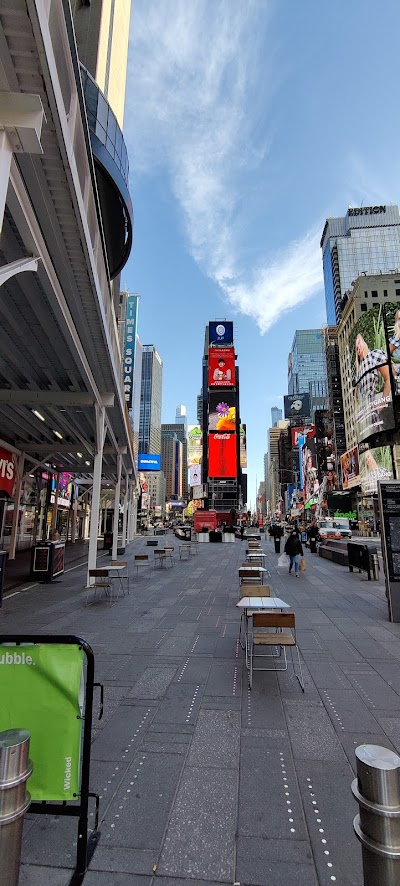
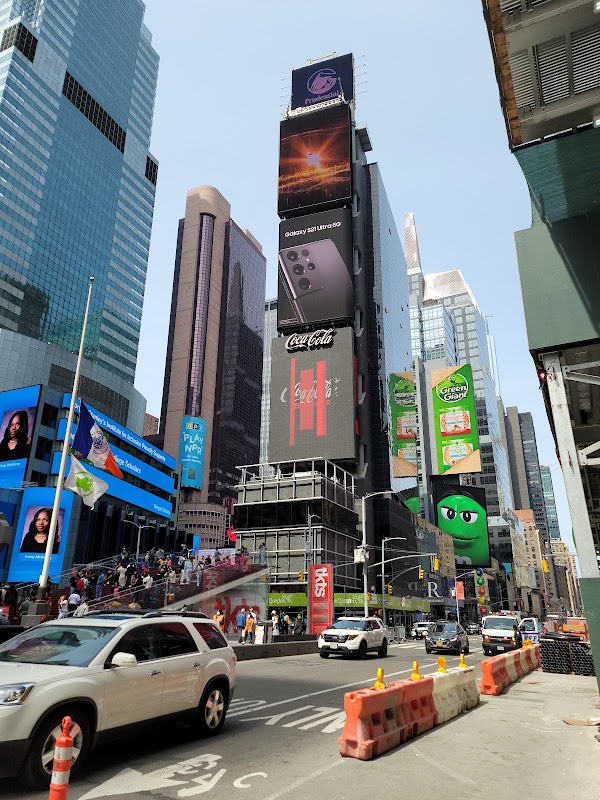
Times Square, a vibrant intersection in Midtown Manhattan, is renowned for its dazzling displays of electric billboards and illuminated signs. It is the heart of the Broadway Theater District, hosting a myriad of theaters and entertainment venues. The square's iconic status is further cemented by the annual New Year's Eve ball drop, which attracts over a million revelers and a global audience of billions. Times Square's history is as rich as its present. Once known as Longacre Square, it was renamed in 1904 after The New York Times moved its headquarters there. The area's transformation into an entertainment hub began with the construction of theaters in the early 20th century, and by the 1920s, it had become a cultural epicenter. Despite its glamorous facade, Times Square faced a period of decline during the Great Depression, becoming a haven for crime and seediness. However, the area's resurgence began in the 1990s with the introduction of large-scale retail stores, restaurants, and theaters. Today, Times Square is a bustling intersection of art, commerce, and entertainment, attracting over 360,000 pedestrian visitors daily.Entertainment Hub
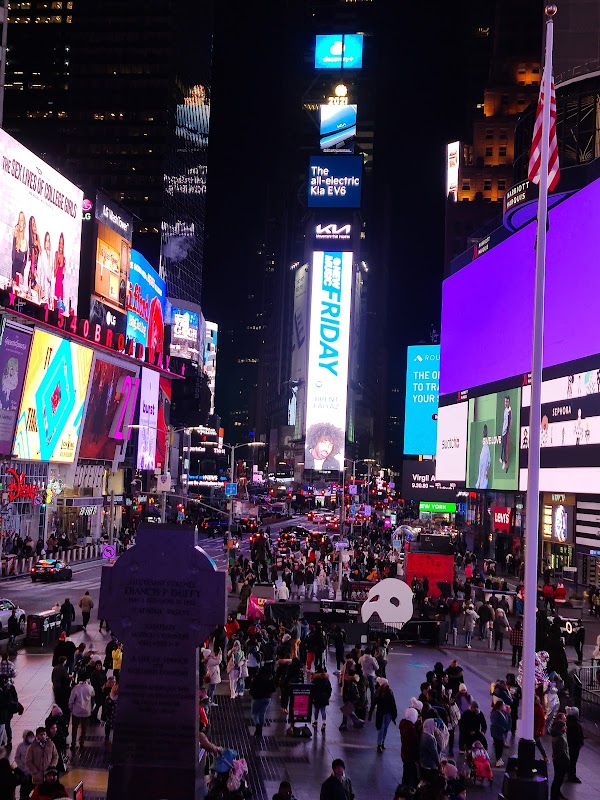
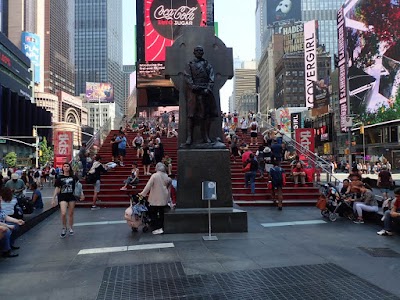
Times Square, the heart of New York City's entertainment industry, pulsates with an unmatched energy that draws millions of visitors annually. As an entertainment hub, it is a melting pot of theaters, cinemas, and live performance venues that cater to every taste. Broadway, the epicenter of American theater, reigns supreme with its dazzling marquees and world-renowned productions. From the grandeur of the TKTS booth, where theatergoers can snag last-minute tickets, to the vibrant atmosphere of Duffy Square, where street performers showcase their talents, the entertainment options are endless. Beyond Broadway, Times Square offers a kaleidoscope of cinematic experiences. AMC Empire 25, with its 25 state-of-the-art screens, provides an immersive movie-going experience. The iPic Theaters, known for their luxurious recliners and gourmet dining, offer a sophisticated cinematic escape. For those seeking a more intimate setting, the Film Forum screens independent and foreign films, while the Museum of Modern Art (MoMA) hosts film retrospectives and exhibitions. Times Square's entertainment scene extends beyond theaters and cinemas. The Hard Rock Cafe, a global music landmark, hosts live concerts and displays music memorabilia. The B.B. King Blues Club & Grill serves up authentic blues music and Southern cuisine. The PlayStation Theater, a state-of-the-art venue, welcomes a diverse lineup of performers, from comedians to musicians. As the sun sets, Times Square transforms into a dazzling spectacle of lights and billboards. The iconic NASDAQ screen, spanning an entire building, showcases real-time stock market updates and captivating visuals. The billboards, towering over the streets, feature advertisements for the latest movies, Broadway shows, and global brands. The vibrant energy of Times Square is palpable, making it a must-visit destination for entertainment enthusiasts seeking an unforgettable experience.Historical Significance
Times Square, the bustling crossroads of the world, holds a rich historical significance that has shaped its identity. Originally known as Longacre Square, it was renamed in 1904 after The New York Times moved its headquarters to the newly erected Times Building. This pivotal moment marked the beginning of Times Square's transformation into a vibrant entertainment hub. In the early 20th century, Times Square became synonymous with Broadway theater, earning the nickname "The Great White Way." The construction of the subway system further cemented its status as a transportation hub, attracting millions of visitors annually. However, the area also gained notoriety for its seedy underbelly, with burlesque shows and adult entertainment establishments proliferating. The 1990s witnessed a significant revitalization of Times Square, spearheaded by Mayor Rudy Giuliani's efforts to clean up the area. Laws were passed to regulate adult entertainment, and the influx of family-friendly attractions, such as Disney's theaters and retail stores, transformed the square into a more welcoming destination. Today, Times Square stands as a testament to its enduring historical significance. The annual New Year's Eve ball drop, a tradition that began in 1907, continues to draw massive crowds, symbolizing the city's resilience and optimism. The square's iconic billboards and dazzling lights serve as a reminder of its role as a global advertising and entertainment mecca.
2
Father Duffy Square
View on map
3
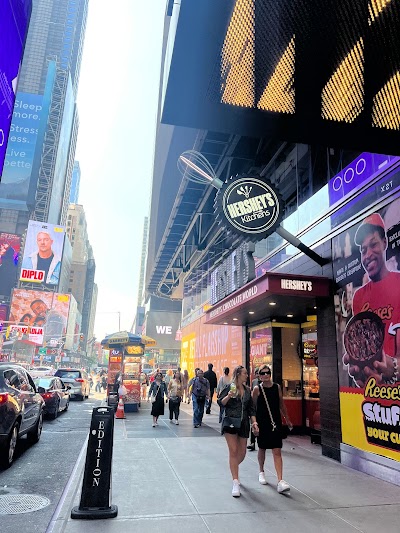
Hershey's Chocolate World
View on map
4
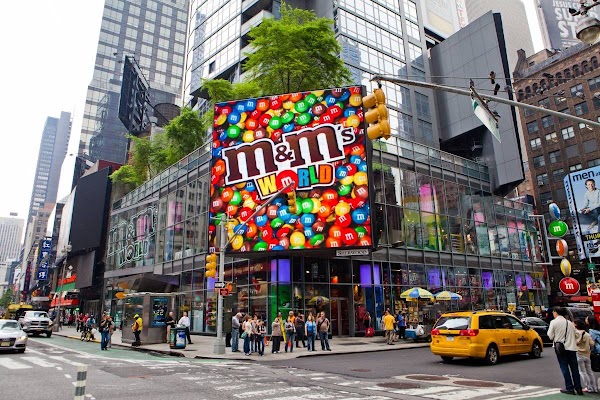
M&M'S New York
View on map
5
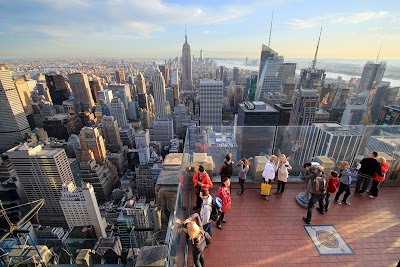
Top of The Rock
View on map
Audio Narrations
English
Introduction
Top of the Rock, perched atop the iconic 30 Rockefeller Plaza in the heart of Manhattan, offers breathtaking panoramic views of New York City. This 70th-floor observation deck, standing 850 feet above street level, provides an unparalleled perspective of the city's skyline, including the Empire State Building, Central Park, and the Financial District. The observation deck, accessible via a high-speed elevator, features three levels, each offering a unique vantage point. Visitors can marvel at the city's architectural wonders, from the Art Deco masterpiece of the Chrysler Building to the towering skyscrapers of Midtown. Top of the Rock also boasts interactive exhibits that delve into the history and construction of Rockefeller Center, a complex that houses NBC Studios, the Rainbow Room restaurant, and the iconic ice skating rink.Nighttime Attraction
Ascend to the Top of the Rock at night and witness the mesmerizing transformation of New York City. The iconic skyscraper transforms into a beacon of light, offering unparalleled views of the metropolis adorned in its nocturnal splendor. From the observation decks perched on the 67th, 69th, and 70th floors, the city's skyline unfolds before your eyes like a glittering tapestry. The Empire State Building, a symbol of the city's towering ambition, takes on a new allure, its Art Deco silhouette illuminated against the night sky. The twinkling lights of Times Square create a vibrant contrast to the serene darkness of Central Park. The city's bridges, spanning the East River and Hudson River, become necklaces of shimmering pearls, connecting the vibrant boroughs. As the night deepens, the city's energy intensifies, and the Top of the Rock becomes a stage for a captivating light show. The surrounding buildings reflect and refract the city's illumination, creating a mesmerizing kaleidoscope of colors and patterns. Whether you seek a romantic evening or an unforgettable experience, the Top of the Rock at night offers a breathtaking perspective of the city that never sleeps.Iconic Architecture
Top of The Rock, a renowned architectural marvel in New York City, offers a captivating experience for enthusiasts of iconic architecture. Its unique design, towering height, and historical significance make it a must-visit destination. The observation deck, perched atop the 70th floor of the Rockefeller Center, grants visitors breathtaking panoramic views of the city's iconic skyline, including the Empire State Building and Central Park. The building's Art Deco style, characterized by its sleek lines and geometric forms, is a testament to the architectural prowess of the 1930s. Its setbacks, designed to maximize natural light and minimize wind resistance, create a distinctive stepped silhouette that has become synonymous with the New York City skyline. Beyond its aesthetic appeal, Top of The Rock holds historical significance. Its construction, completed in 1933, marked a pivotal moment in the city's architectural history, symbolizing the resilience and ambition of the post-Depression era. The observation deck has since become an iconic destination, attracting millions of visitors annually. The recent addition of "The Beam," a thrilling attraction that recreates the iconic "Lunch Atop a Skyscraper" photograph, further enhances the architectural significance of Top of The Rock. This immersive experience transports visitors back in time, allowing them to witness the daring feats of the ironworkers who constructed this architectural masterpiece.
6
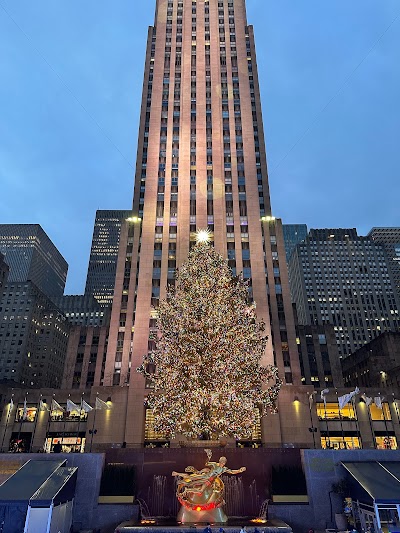
Rockefeller Center
View on map
Audio Narrations
English
Introduction
Rockefeller Center, a renowned complex in Midtown Manhattan, is a symbol of New York City's grandeur. Designed in the Art Deco style, it comprises 19 buildings and plazas, interconnected by a subterranean concourse. The centerpiece is the iconic 30 Rockefeller Plaza, known for its Rainbow Room restaurant and the Rockefeller Center Christmas Tree. Radio City Music Hall, one of the world's largest theaters, hosts renowned performances and events. The International Complex, with its British, French, and Italian-themed buildings, offers a global ambiance. The Channel Gardens, a promenade lined with floral displays, leads to the sunken Lower Plaza, adorned with the gilded Prometheus statue. The complex is a hub of art, with numerous sculptures, murals, and mosaics adorning its buildings and public spaces. Rockefeller Center's rooftop gardens, once an ambitious plan, offer serene oases amidst the urban landscape. The complex's underground concourse, a bustling retail and dining destination, connects all buildings and provides access to the New York City subway.Ice Skating Rink
Nestled amidst the iconic skyscrapers of Rockefeller Center, the Ice Skating Rink beckons visitors to glide across its pristine surface, surrounded by the grandeur of the Art Deco masterpiece. Installed in 1936, the rink has become an integral part of the Rockefeller Center experience, transforming the plaza into a winter wonderland. The rink's popularity soared from its inception, quickly establishing it as one of the world's most renowned skating destinations. Its 120-by-60-foot expanse provides ample space for skaters of all levels to twirl and glide, while the backdrop of the towering Rockefeller Center buildings creates a breathtaking ambiance. Beyond its recreational appeal, the rink holds a special place in New York City's cultural fabric. It has served as the stage for countless performances, including the annual Christmas Spectacular, and has been featured in numerous films and television shows. The rink's iconic status is further cemented by its proximity to the Rockefeller Center Christmas Tree, which casts a festive glow over the ice during the holiday season. For those seeking a truly unforgettable experience, the rink offers VIP packages that include exclusive access to the rink before it opens to the public, as well as premium seating and refreshments. Whether you're a seasoned skater or a novice taking your first steps on the ice, the Rockefeller Center Ice Skating Rink promises a magical and memorable experience in the heart of Manhattan.Observatory
The Rockefeller Center in New York City offers an unparalleled observatory experience at the Top of the Rock, providing breathtaking panoramic views of the metropolis. Unlike the Empire State Building, which offers a single observation deck, Top of the Rock boasts three levels of open-air terraces, allowing visitors to ascend gradually and savor the changing perspectives. The lowest level offers a stunning vista of Rockefeller Plaza and the iconic ice skating rink, while the middle level presents a captivating view of the Empire State Building. As visitors ascend to the top level, the panorama expands to encompass Central Park, the Hudson River, and the vast expanse of Manhattan's skyline. The Top of the Rock Observatory is renowned for its unobstructed 360-degree views, making it a photographer's paradise. The terraces are designed to minimize crowds, ensuring ample space for visitors to capture the perfect shot or simply soak in the breathtaking scenery. Whether you're seeking a romantic evening ambiance or a vibrant daytime panorama, the Top of the Rock Observatory offers an unforgettable experience that showcases the grandeur of New York City from a unique and elevated perspective.
7
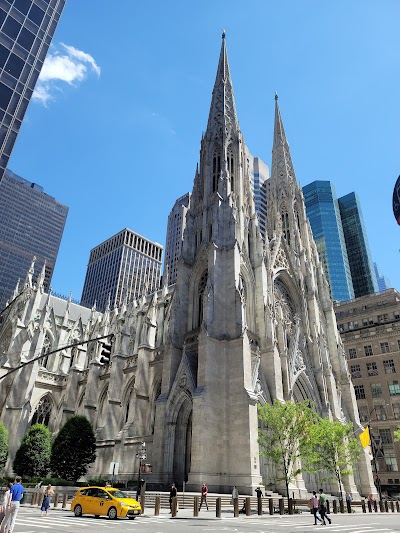
St. Patrick's Cathedral
View on map
Audio Narrations
English
Introduction
St. Patrick's Cathedral, a Gothic Revival masterpiece, stands as a testament to the grandeur of New York City's architectural heritage. Its imposing facade, adorned with intricate carvings and two towering spires, dominates the bustling streets of Midtown Manhattan. The cathedral's interior is equally awe-inspiring, boasting a nave flanked by chapels, a chancel and apse, and a crypt. Its stained-glass windows, depicting scenes from Scripture and geometric shapes, bathe the interior in vibrant hues. The cathedral's massive bronze doors, weighing nine tons, feature reliefs of Catholic immigrants who shaped New York's history. A subterranean geothermal system, one of the largest in the city, provides heating and cooling, ensuring the cathedral's comfort year-round. St. Patrick's Cathedral remains a vibrant spiritual center, hosting daily Masses, special events, and attracting millions of visitors annually.Cultural Symbol
St. Patrick's Cathedral, a beacon of faith and cultural heritage, stands as a testament to the enduring spirit of New York City. Its Gothic Revival architecture, a symphony of pointed arches and intricate carvings, evokes the grandeur of medieval cathedrals. The cathedral's towering spires, reaching towards the heavens, symbolize the aspirations of the Irish immigrant community that played a pivotal role in its construction. Beyond its religious significance, St. Patrick's Cathedral has become an iconic symbol of New York's cultural landscape. It has witnessed countless historical events, from the funeral of President John F. Kennedy to the visit of Pope Paul VI. Its doors have welcomed people from all walks of life, offering solace, inspiration, and a sense of community. The cathedral's interior is a treasure trove of artistic and cultural significance. The stained-glass windows, depicting biblical scenes and Irish saints, bathe the space in vibrant hues. The intricate mosaics and sculptures narrate the stories of faith and devotion. The massive organ, with its 7,855 pipes, fills the cathedral with majestic music, adding to its awe-inspiring ambiance. St. Patrick's Cathedral is not merely a religious edifice; it is a living testament to the cultural heritage of New York City. Its enduring presence has shaped the city's identity, making it a beloved landmark and a symbol of unity and resilience.Clerestory
The clerestory of St. Patrick's Cathedral in New York City is a remarkable architectural feature that illuminates the vast interior with natural light. Soaring above the nave's triforium, the clerestory comprises six bays, each adorned with a magnificent stained-glass window. These windows, measuring an impressive 14.5 feet wide and 26 feet high, depict biblical scenes and saints, casting a radiant glow upon the sacred space below. The clerestory's design allows for ample natural ventilation, contributing to the cathedral's comfortable ambiance. Its intricate tracery and delicate mullions showcase the exceptional craftsmanship that went into constructing this architectural masterpiece.
8
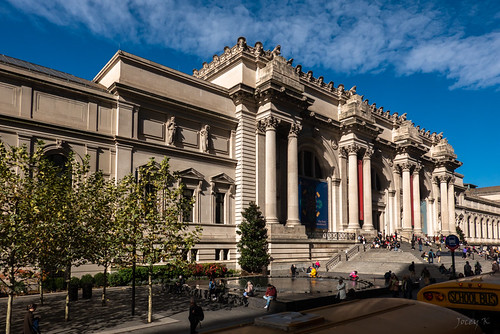
The Metropolitan Museum of Art
View on map
Audio Narrations
English
Introduction
The Metropolitan Museum of Art, colloquially known as "The Met," is an encyclopedic art museum in New York City, renowned as one of the largest and most comprehensive art museums globally. Established in 1870, The Met's vast collection spans over 5,000 years of art history, representing diverse cultures and civilizations from around the world. The museum's extensive holdings include masterpieces from ancient Egypt, Greece, and Rome; medieval European art; paintings by European masters such as Rembrandt, Van Gogh, and Monet; American art from the colonial era to the present; and a remarkable collection of African, Asian, Oceanic, and Islamic art. The Met also houses a renowned collection of musical instruments, costumes, and decorative arts. One of the highlights of The Met is the Temple of Dendur, an ancient Egyptian temple gifted to the United States by Egypt and meticulously reconstructed within the museum. Another notable feature is the Costume Institute, which hosts the annual Met Gala, a star-studded fundraising event that celebrates fashion and style. The Met's commitment to education and outreach is evident in its extensive library, conservation laboratories, and educational programs. The museum offers a wide range of exhibitions, lectures, and workshops, making it a vibrant hub for art enthusiasts and scholars alike.Thomas J. Watson Library
Nestled within the hallowed halls of The Metropolitan Museum of Art, the Thomas J. Watson Library stands as a beacon of knowledge for art enthusiasts and scholars alike. This research library, named after the former IBM chairman, is the heart of the museum's vast collection of art-related materials. With over 1 million volumes, including rare books, manuscripts, and auction catalogs, the Watson Library offers an unparalleled resource for delving into the history of art. Its collection of auction and sale catalogs, spanning from the mid-18th century to the present, provides invaluable insights into the art market and the provenance of countless masterpieces. The library also houses a notable collection of artists' publications, offering a unique perspective on the creative process. Furthermore, the Watson Library's digital collections, accessible online, make its treasures available to researchers worldwide, fostering a global community of art scholarship.Egyptian Art
The Metropolitan Museum of Art houses one of the most comprehensive collections of Egyptian art globally, with over 26,000 artifacts spanning the Paleolithic to Ptolemaic eras. The collection's origins date back to 1874, with the acquisition of seals and scarabs, followed by significant purchases from the Egyptian government in 1886, including funerary objects from the tomb of Sennedjem. The establishment of the Department of Egyptian Art in 1906 marked a turning point, with Albert M. Lythgoe leading archaeological expeditions that greatly enriched the collection. The Met's Egyptian holdings include exceptional pieces like the ring with a scarab inscribed with an ankh, dating back to 1070–712 B.C., and the shabti box and shabtis from the tomb of Sennedjem, crafted around 1279–1213 B.C. The collection also boasts a noteworthy group of Predynastic artifacts from Abadiya, Roman material from Oxyrhynchus, and relief fragments and sculptures from Deir el-Bahri and Dendera, acquired through the Egypt Exploration Fund's excavations. The Met's Egyptian Art Department continues to conduct excavations in Egypt, ensuring the collection's growth and providing valuable insights into ancient Egyptian culture. The Lila Acheson Wallace Galleries of Egyptian Art, opened in 1983, showcase the collection chronologically, allowing visitors to trace the evolution of Egyptian art from the rise of the state to the Roman occupation. The galleries highlight significant tomb groups, daily life objects, and funerary traditions, offering a glimpse into the aesthetics, beliefs, and everyday life of ancient Egyptians.
9
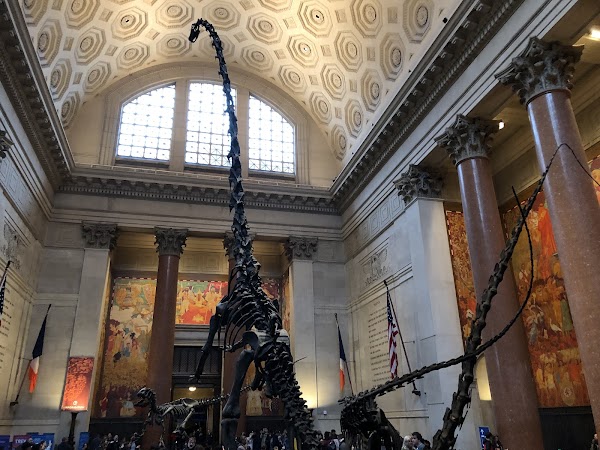
American Museum of Natural History
View on map
Audio Narrations
English
Introduction
The American Museum of Natural History, established in 1869, is a renowned scientific, educational, and cultural institution in New York City. It houses over 40 permanent exhibition halls, including the Rose Center for Earth and Space with the Hayden Planetarium and the Richard Gilder Center for Science, Education, and Innovation. The museum's extensive collections encompass over 34 million specimens and artifacts, including a world-class permanent collection of frozen tissue, genomic and astrophysical data, and one of the largest natural history libraries globally. Through its Richard Gilder Graduate School, it is the only American museum authorized to grant the Ph.D. degree and the Master of Arts in Teaching degree. The museum's annual attendance has grown to approximately 5 million, and its exhibitions and Space Shows can be seen in venues on five continents.Academic Programs
The American Museum of Natural History in New York City stands as a beacon of academic excellence, offering a diverse array of programs for students and scholars. The Richard Gilder Graduate School, established in 2006, grants the prestigious Doctor of Philosophy (Ph.D.) in Comparative Biology, a testament to the museum's commitment to cutting-edge research. This degree, accredited by the New England Commission of Higher Education, is the first of its kind awarded by any museum in the Western Hemisphere. Additionally, the museum collaborates with leading universities in New York State to offer collaborative doctoral programs. These partnerships provide students with access to world-renowned faculty and state-of-the-art facilities. The museum's Master of Arts in Teaching (MAT) program, authorized in 2015, is another unique offering. This program, specializing in Earth Science, prepares educators to inspire future generations of scientists. It is the first such degree program offered by a museum and is also accredited by the New England Commission of Higher Education. The museum's academic programs extend beyond traditional degrees. The Seminars on Science program, developed in collaboration with the State University of New York at Old Westbury, provides online professional learning opportunities for educators. These courses, taught by experienced educators and research scientists, cover a wide range of topics in biology, chemistry, and Earth science. The museum's commitment to academic excellence is further evidenced by its state-of-the-art research facilities. These include molecular systematics laboratories, interdepartmental laboratories with advanced imaging capabilities, and a parallel-computing facility. These resources support groundbreaking research in anthropology, paleontology, zoology, and the physical sciences. The American Museum of Natural History's academic programs offer unparalleled opportunities for students and scholars to engage with world-renowned scientists, access cutting-edge research facilities, and delve into the mysteries of the natural world.Natural History
Delve into the captivating world of natural history at the renowned American Museum of Natural History in New York City. Established in 1869, this esteemed institution houses an awe-inspiring collection of over 34 million specimens and artifacts, offering an unparalleled journey through the annals of life on Earth. The museum's vast halls are a testament to the diversity and complexity of the natural world. Explore the Hall of Reptiles and Amphibians, where you'll encounter the legendary Komodo dragon and marvel at the intricate adaptations of frogs and salamanders. Immerse yourself in the Hall of Biodiversity, showcasing the interconnectedness of all living organisms and the urgent need for conservation. Journey through the Hall of North American Forests, where towering trees and vibrant ecosystems come to life. Discover the unique flora and fauna of New York State in the Warburg Hall of New York State Environments. And don't miss the Milstein Hall of Ocean Life, where you'll witness the wonders of marine biodiversity, from microscopic plankton to majestic whales. Beyond its captivating exhibits, the museum is a hub for scientific research and education. Its five active research divisions and three cross-disciplinary centers support a team of renowned scientists who are pushing the boundaries of our understanding of the natural world. The museum's Richard Gilder Graduate School is the only American museum authorized to grant the Ph.D. degree in natural history, fostering the next generation of scientists and educators. With its unparalleled collections, cutting-edge research, and engaging educational programs, the American Museum of Natural History stands as a beacon of scientific discovery and a testament to the boundless wonders of the natural world.
Experience the Full Tour
Download the DocentPro app to access all tour stops, complete audio narrations in multiple languages, offline maps, and interactive features.