
Oslo's Cultural Journey: From Vikings to Vigeland

Walking Tour

5.1 km (3.2 miles)

1h 13min travel time

5 Stops

Oslo, Norway
Oslo's Cultural Journey: From Vikings to Vigeland
Tour Stops
1
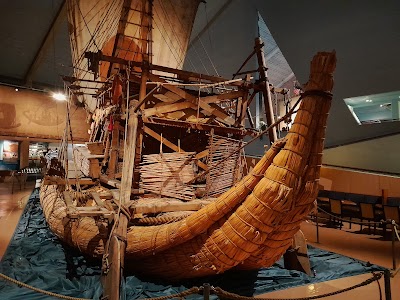
Kon-Tiki Museum
View on map
2
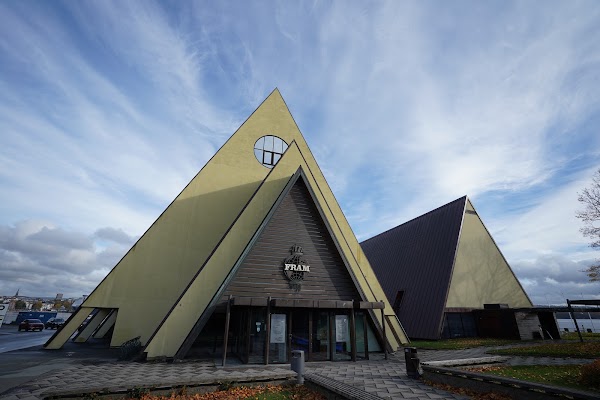
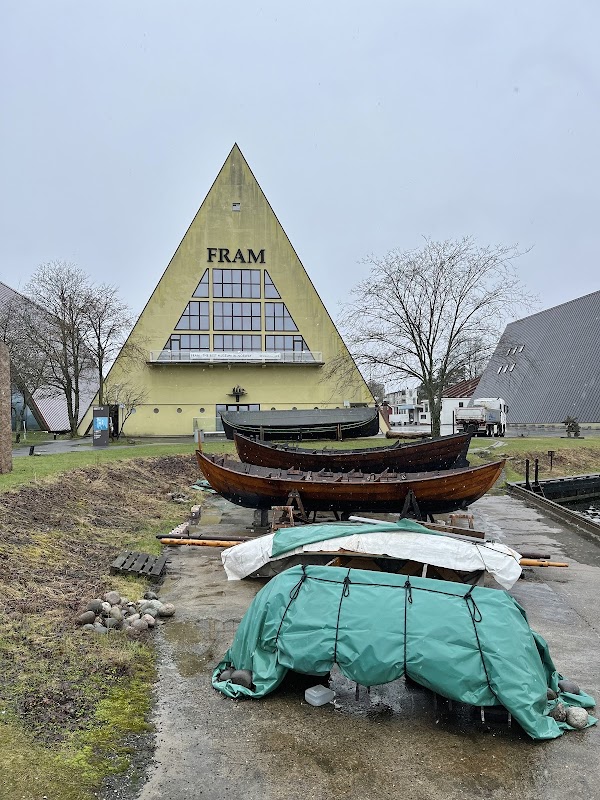
The Fram Museum
View on map
3
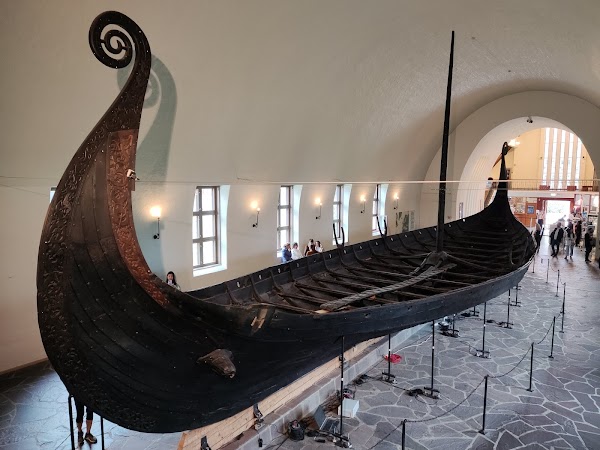
Viking Ship Museum
View on map
Audio Narrations
English
Introduction
The Viking Ship Museum in Oslo, Norway, houses three well-preserved Viking era burial ships: the Oseberg, Gokstad, and Tune ships. These vessels, dating back to the 9th and 10th centuries, offer a glimpse into the maritime prowess and burial practices of the Vikings. The Oseberg ship, the most elaborate of the three, was discovered in a burial mound with the remains of two high-ranking women and a wealth of grave goods, including textiles, furniture, and a horse-drawn cart. The Gokstad ship, a sturdy vessel capable of crossing oceans, was buried with a chieftain and his possessions, such as weapons, jewelry, and a tent. The Tune ship, the smallest of the three, is believed to have been a fast and maneuverable warship. The museum also displays other Viking artifacts, including sledges, beds, and tools, providing a comprehensive insight into the Viking Age.Archaeological Significance
The Viking Ship Museum in Oslo, Norway, stands as a testament to the rich maritime heritage of the Viking Age. Its collection of three remarkably preserved Viking ships, the Oseberg, Gokstad, and Tune ships, offers an unparalleled glimpse into the shipbuilding prowess and seafaring culture of these ancient Norsemen. The Oseberg ship, dating back to around 800 AD, is the centerpiece of the museum. Excavated from a burial mound in 1904, it is the best-preserved Viking ship ever discovered. Its intricate carvings, lavish burial offerings, and well-preserved textiles provide invaluable insights into Viking craftsmanship, funerary practices, and everyday life. The Gokstad ship, built around 890 AD, is another remarkable find. Its impressive size and elaborate ornamentation suggest it belonged to a high-ranking Viking chieftain. The ship's well-preserved remains, including its mast, oars, and rigging, offer a rare opportunity to study Viking shipbuilding techniques and maritime technology. The Tune ship, the oldest of the three, dates back to around 910 AD. Its smaller size and simpler design indicate its use for coastal voyages and fishing. The ship's well-preserved hull and rigging provide valuable information about Viking boatbuilding methods and the evolution of Viking shipbuilding over time. Together, these three ships provide a comprehensive overview of Viking maritime technology and culture. Their exceptional preservation and the wealth of artifacts found with them have made the Viking Ship Museum in Oslo a global center for Viking archaeology and a must-visit destination for anyone interested in the rich history of the Viking Age.Historical Preservation
Nestled in the heart of Oslo, Norway, the Viking Ship Museum stands as a testament to the meticulous preservation of Norway's rich maritime heritage. This world-renowned institution houses three remarkably well-preserved Viking ships, each a masterpiece of ancient shipbuilding. The Oseberg, Gokstad, and Tune ships, dating back to the 9th century, offer an unparalleled glimpse into the seafaring prowess and cultural traditions of the Vikings. The museum's unwavering commitment to historical preservation is evident in its state-of-the-art conservation facilities. Here, experts employ cutting-edge techniques to safeguard these fragile vessels, ensuring their longevity for generations to come. Visitors can witness firsthand the meticulous restoration process, gaining insights into the challenges and triumphs of preserving such irreplaceable artifacts. Beyond the ships themselves, the museum showcases an extensive collection of Viking artifacts, including weapons, tools, and everyday objects. These relics provide a tangible connection to the lives and customs of these ancient mariners. The museum's interactive exhibits and educational programs further enhance the visitor experience, fostering a deeper understanding of Viking history and its enduring legacy. As a leading center for Viking research, the museum collaborates with scholars worldwide to advance our knowledge of this fascinating era. Its ongoing excavations and archaeological studies contribute to a growing body of evidence that sheds light on the Vikings' shipbuilding techniques, navigation skills, and cultural practices. The Viking Ship Museum in Oslo is not merely a repository of ancient artifacts; it is a living testament to the power of historical preservation. Through its unwavering commitment to safeguarding these priceless vessels and sharing their stories, the museum ensures that the legacy of the Vikings continues to inspire and captivate generations to come.
4
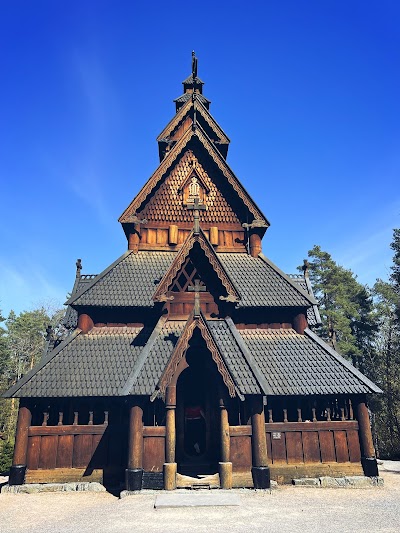
The Norwegian Museum of Cultural History
View on map
5
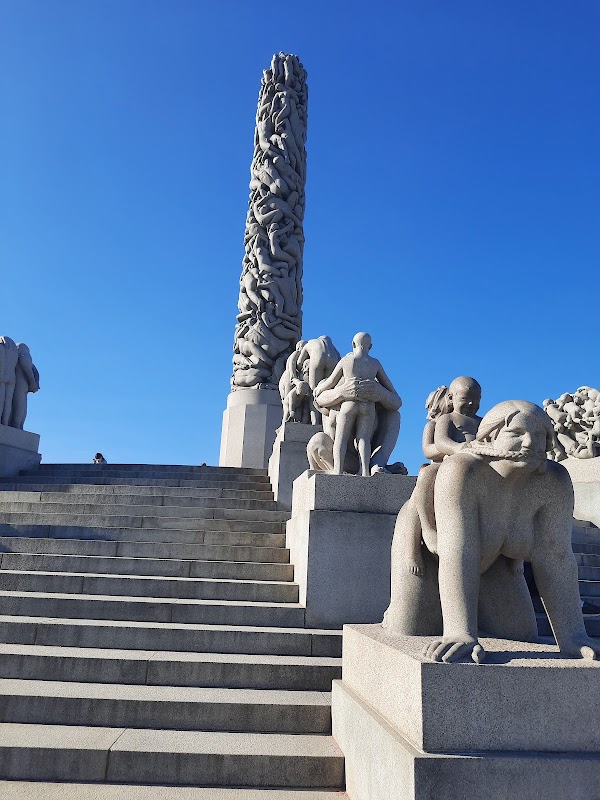
The Vigeland Park
View on map
Audio Narrations
English
Introduction
Nestled within Oslo's Frogner Park, the Vigeland Sculpture Park is a captivating open-air gallery showcasing the life's work of renowned Norwegian sculptor Gustav Vigeland. With over 200 sculptures in bronze, granite, and cast iron, the park is a testament to Vigeland's artistic genius and a celebration of the human form. The centerpiece of the park is the towering Monolith, a 46-foot-tall granite sculpture depicting 121 intertwined human figures reaching towards the sky. Its intricate carvings symbolize the cycle of life and the human striving for spirituality. Surrounding the Monolith are a series of granite sculptures depicting various human emotions and activities, from joy and love to anger and despair. The park's most iconic sculpture is "Angry Boy," a bronze statue of a young boy with clenched fists and a furrowed brow, capturing the raw emotions of childhood frustration. Other notable works include "The Bridge," lined with 58 bronze sculptures representing different stages of life, and "The Fountain," adorned with 60 bronze reliefs depicting the human journey from birth to death. Vigeland's sculptures are not only aesthetically stunning but also thought-provoking, inviting visitors to contemplate the complexities of human nature and the universal experiences that unite us all. The park is a sanctuary for art enthusiasts, a place to wander, reflect, and appreciate the beauty and diversity of human expression.Tourist Attraction
Nestled within the sprawling Frogner Park, The Vigeland Park in Oslo, Norway, stands as the world's largest sculpture park by a single artist. Gustav Vigeland's masterpiece, this open-air exhibition showcases over 200 granite and bronze sculptures, each meticulously crafted to depict the human condition from birth to death. The park's central axis, spanning 850 meters, unfolds like a narrative, with five distinct units: the Main Entrance, the Bridge, the Fountain, the Monolith Plateau, and the Wheel of Life. Visitors are captivated by the raw and emotive figures, which evoke a range of human experiences, from joy and love to anguish and despair. The Main Entrance, adorned with intricate wrought iron gates, sets the tone for the journey ahead, while the Bridge, flanked by a children's playground, symbolizes the transition from childhood to adulthood. The Fountain, a mesmerizing cascade of water, represents the cycle of life, and the Monolith Plateau, featuring a towering granite column, evokes a sense of awe and contemplation. The Wheel of Life, a dynamic sculpture of intertwined figures, encapsulates the eternal cycle of existence. The Vigeland Park is not merely a collection of sculptures; it is a testament to the power of art to capture the essence of human experience, making it a must-visit destination for any discerning tourist seeking an immersive and thought-provoking encounter with art and nature.Humanity in Sculpture
In Oslo's Vigeland Park, humanity is laid bare in a symphony of bronze and granite. Gustav Vigeland's sculptures, over 200 in total, capture the raw essence of human existence, from the tender embrace of infants to the weathered faces of the elderly. The centerpiece, The Monolith, is a towering testament to the human struggle. Its 121 intertwined figures symbolize the collective journey of life, each striving to reach the summit. The Bridge, with its procession of 58 bronze figures, depicts the passage of time and the interconnectedness of generations. Vigeland's work is not idealized; it celebrates the imperfections and complexities of human form. The Angry Boy, a defiant toddler, captures the frustration and vulnerability of childhood. The Fountain, surrounded by figures from all stages of life, reminds us of the cyclical nature of existence. Through his sculptures, Vigeland invites us to confront the full spectrum of human emotion. His work is a poignant exploration of our shared humanity, a testament to the beauty, fragility, and resilience of the human spirit.
Experience the Full Tour
Download the DocentPro app to access all tour stops, complete audio narrations in multiple languages, offline maps, and interactive features.