
Oslo's Essence: A Day of Discovery in the Norwegian Capital

Walking Tour

3.8 km (2.4 miles)

54 min travel time

9 Stops

Oslo, Norway
Oslo's Essence: A Day of Discovery in the Norwegian Capital
Tour Stops
1
Oslo Opera House
View on map
Audio Narrations
English
Introduction
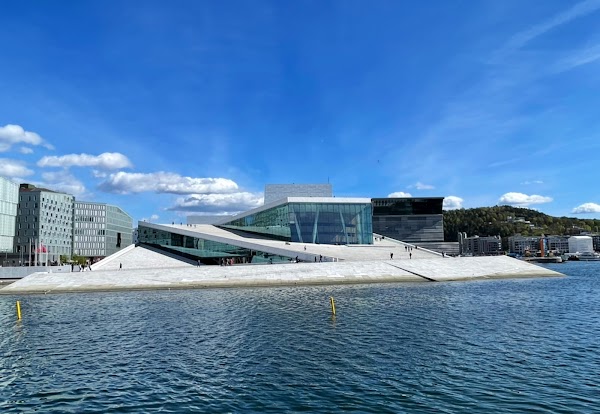
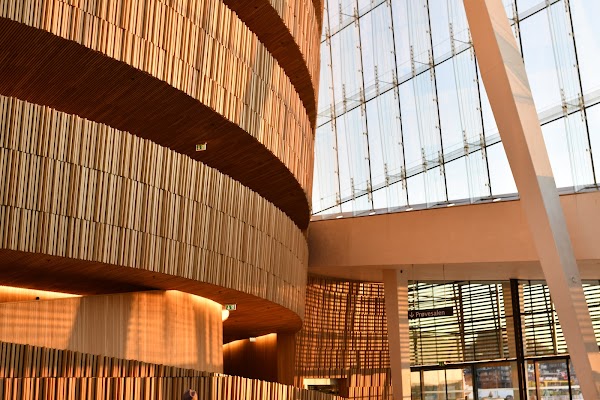
The Oslo Opera House, a stunning architectural marvel designed by Snøhetta, graces the Bjørvika neighborhood of Oslo, Norway. Its angled exterior, clad in white Italian marble and granite, appears to rise from the Oslofjord, creating an iconic silhouette. The building's roof, a sloping plaza, invites visitors to ascend and enjoy panoramic city views. Inside, the Opera House boasts three performance spaces: the Main Stage, Second Stage, and Studio. The Main Stage, with its horseshoe shape and oval chandelier adorned with 5,800 crystals, offers an intimate setting for grand operas. The Second Stage and Studio provide versatile spaces for smaller-scale performances and rehearsals. The Opera House is not just a venue for artistic expression; it's also a work of art itself. Its interior features perforated wall panels by Olafur Eliasson, creating an illusion of melting ice. The main stage curtain, designed by Pae White, resembles crumpled aluminum foil, adding a touch of whimsy to the elegant space. Beyond its architectural and artistic significance, the Oslo Opera House is a vibrant cultural hub. It hosts a diverse range of performances, from classical operas and ballets to contemporary dance and experimental theater. Its public spaces, including the foyer and rooftop plaza, are popular gathering spots for locals and tourists alike.Public Rooftop Promenade
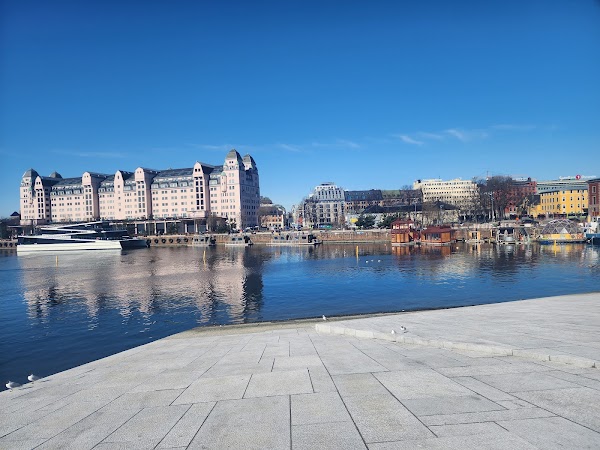
The Oslo Opera House in Oslo, Norway, boasts a captivating public rooftop promenade that offers a unique perspective of the city and the surrounding fjord. This architectural marvel, designed by the renowned firm Snøhetta, invites visitors to ascend its gently sloping roof, adorned with white Italian marble. As you embark on this elevated journey, you'll encounter a series of panoramic viewpoints, each revealing a different facet of Oslo's urban landscape. From the promenade's vantage point, the city's iconic landmarks unfold before your eyes. Gaze upon the Oslofjord, its shimmering waters stretching towards the horizon, and marvel at the intricate cityscape that lines its shores. The historic Akershus Fortress, with its medieval towers and ramparts, stands sentinel on one side, while the modern skyscrapers of Bjørvika rise majestically on the other. Beyond the city's heart, the promenade offers breathtaking vistas of the surrounding natural beauty. The verdant hills of Ekeberg and the distant peaks of the Nordmarka forest create a picturesque backdrop, inviting you to immerse yourself in the tranquility of the Norwegian wilderness. As you stroll along the promenade, take note of the subtle variations in the marble's texture, each groove and ridge a testament to the artistry that went into its creation. The promenade's design seamlessly blends functionality with aesthetics, providing ample space for visitors to gather, relax, and soak in the panoramic views. Whether you're seeking a leisurely stroll, a romantic rendezvous, or simply a moment of contemplation, the Oslo Opera House's public rooftop promenade promises an unforgettable experience.Norwegian National Opera and Ballet
The Oslo Opera House, a magnificent architectural marvel on the Oslofjord, serves as the vibrant home to the Norwegian National Opera and Ballet, Norway's premier performing arts institution. Since its inauguration in 2008, the Opera House has been a catalyst for Oslo's cultural renaissance, attracting over 1.7 million visitors annually. The Opera House's striking design, conceived by the renowned architectural firm Snøhetta, embodies the spirit of Norway's "allemannsretten," or "right to roam." Its sloping, marble-clad roof invites the public to explore its open plaza, offering breathtaking views of the fjord and the city skyline. This seamless integration of interior and exterior spaces mirrors the Opera House's commitment to accessibility and inclusivity. The Norwegian National Opera and Ballet, resident within the Opera House, boasts a world-class repertoire that encompasses both classical and contemporary works. The main stage, adorned with a magnificent chandelier that doubles as an acoustic reflector, provides an intimate setting for captivating performances. The horseshoe-shaped auditorium ensures optimal acoustics and sightlines, immersing audiences in the artistry of the company's talented dancers and singers. Beyond its architectural grandeur and artistic excellence, the Opera House has played a pivotal role in revitalizing Oslo's waterfront. Its construction spurred a large-scale environmental cleanup, restoring the Oslofjord to its pristine condition. Today, the surrounding area teems with cultural attractions, including the Munch Museum and the National Museum, solidifying the Opera House's status as a cornerstone of Oslo's vibrant cultural landscape.
2
Akershus Fortress
View on map
Audio Narrations
English
Introduction
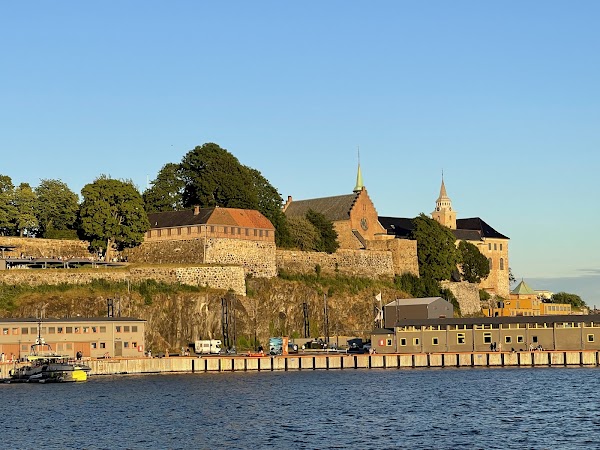
Akershus Fortress, a medieval stronghold in Oslo, Norway, stands as a testament to the city's rich history. Built in the late 13th century by King Haakon V, it served as a royal residence and a formidable defense against invaders. The fortress has withstood numerous sieges, earning it the reputation as one of Europe's most invincible castles. During the 17th century, King Christian IV transformed Akershus into a Renaissance castle, complete with bastions and a modernized interior. It became the final resting place for several Norwegian monarchs, including King Haakon VII and Queen Maud. Beyond its military and royal significance, Akershus also served as a prison, housing infamous figures like Ole Høiland, the Norwegian Robin Hood. During World War II, the fortress fell under Nazi occupation and became a site of executions for Norwegian resistance members and traitors. Today, Akershus Fortress remains a military base but is also open to the public. Visitors can explore its historic halls, learn about its fascinating past, and admire its architectural grandeur. The fortress is a symbol of Oslo's resilience and a reminder of the pivotal role it has played in shaping Norway's history.Military Fortress
Akershus Fortress, a formidable bastion in Oslo, Norway, stands as a testament to centuries of military prowess. Its strategic location on the Oslofjord has made it a vital stronghold throughout history. Built in the 13th century, the fortress has witnessed countless battles and sieges, its towering walls and imposing towers bearing witness to its resilience. Over the centuries, Akershus Fortress has undergone numerous renovations and expansions, reflecting the evolving military strategies and technologies. Its medieval fortifications, including the mighty keep and curtain walls, have been complemented by Renaissance-era bastions and modern barracks. The fortress's defenses were further bolstered by an intricate system of moats, drawbridges, and underground passages. During the Second World War, Akershus Fortress played a pivotal role in Norway's defense against Nazi Germany. Despite its strategic importance, the fortress surrendered without combat in 1940, a decision that remains controversial to this day. However, the fortress was liberated in 1945 and has since served as a symbol of Norwegian resilience and national pride. Today, Akershus Fortress is a popular tourist destination, offering visitors a glimpse into its rich military history. Guided tours lead visitors through its labyrinthine corridors, revealing the secrets of its past and showcasing its architectural marvels. The fortress also houses several museums, including the Norwegian Resistance Museum, which chronicles Norway's struggle against Nazi occupation.Strategic Importance
Akershus Fortress, a formidable stronghold in Oslo, Norway, has played a pivotal role in safeguarding the nation throughout history. Its strategic significance stems from its commanding position on the Oslofjord, providing control over access to the capital city. Built in the 13th century to deter attacks, the fortress has withstood numerous sieges and invasions, earning it the reputation of an impregnable bastion. The fortress's strategic importance was recognized early on, as evidenced by the saying, "He who controls Akershus, controls Norway." This adage underscores the fortress's ability to influence the course of events within the country. Its strategic value was further enhanced when Oslo was rebuilt closer to the fjord after a devastating fire, placing the fortress at the heart of the city's defenses. Throughout its existence, Akershus Fortress has served as a bulwark against foreign aggression. Notably, it has never been conquered by force, a testament to its formidable defenses. This unblemished record is a source of pride for Norwegians and a symbol of the fortress's enduring strategic importance.
3
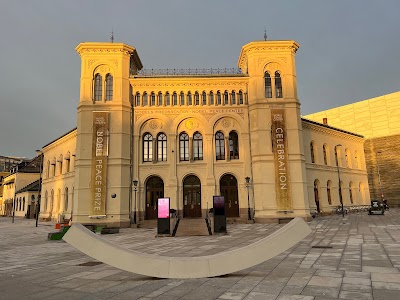
Nobel Peace Center
View on map
4
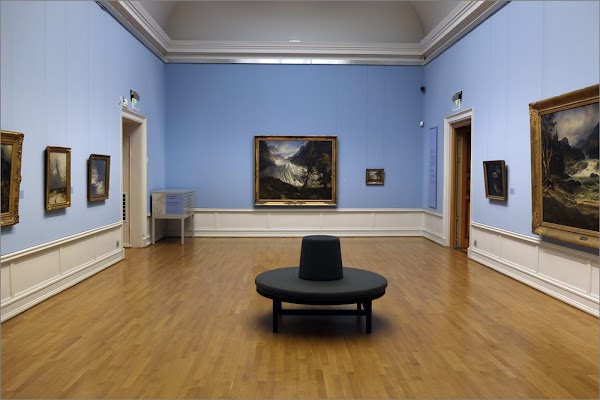
The National Museum
View on map
5
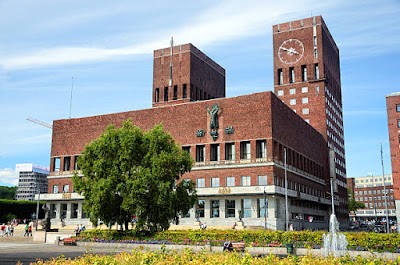
Rådhuset
View on map
6
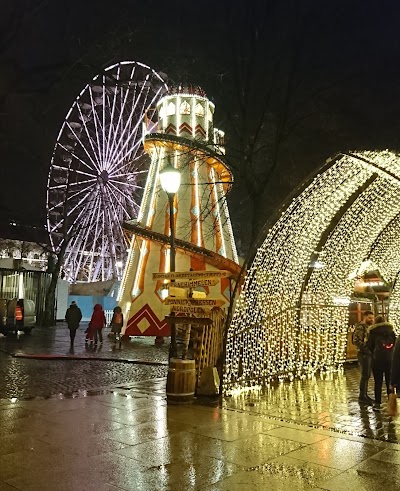
Spikersuppa Ice Skating Rink
View on map
7
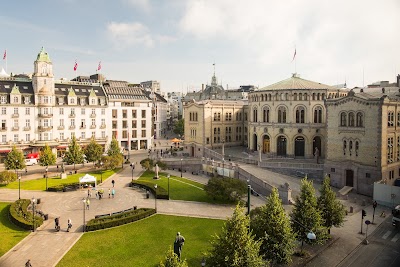
Norwegian Parliament
View on map
8
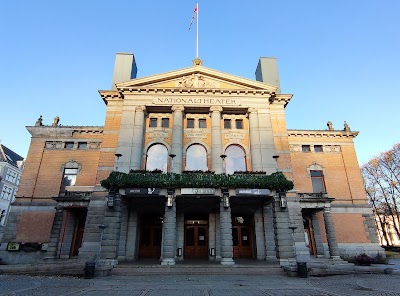
National Theatre
View on map
9
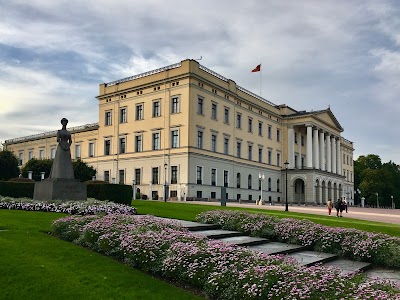
The Royal Palace
View on map
Audio Narrations
English
Introduction
The Royal Palace in Oslo, Norway, is the official residence of the Norwegian monarch. Built in the neoclassical style, it was completed in 1849 and is situated on a rise at the end of Karl Johans gate, Oslo's main thoroughfare. The palace is surrounded by the Palace Park, a 22-hectare public park designed as a Romantic landscape. The palace is open to the public during the summer season, and guided tours are available. Visitors can explore the Council Chamber, where the King presides over the Council of State, and the Banqueting Hall, which can accommodate over 200 guests for gala dinners. The palace also houses the Royal Palace Chapel, consecrated in 1844, where royal baptisms and confirmations take place. The palace has undergone extensive renovations and improvements over the years, including the addition of new fire alarm systems, bathrooms, kitchens, and offices. The palace is guarded by the Royal Guards, and the daily changing of the guards has become a popular tourist attraction.Norwegian Monarchy Symbol
The Royal Palace in Oslo, Norway, stands as a majestic symbol of the Norwegian monarchy. Completed in 1849, this grand edifice serves as the official residence of the King and Queen of Norway, embodying the nation's rich cultural heritage and the continuity of its royal lineage. The palace's neoclassical facade, adorned with intricate carvings and sculptures, reflects the architectural grandeur of its era. Within its opulent State Rooms, visitors can marvel at the exquisite interiors and royal furnishings, offering a glimpse into the grandeur of the Norwegian monarchy. The Royal Palace is not merely a residence but a living symbol of the monarchy's deep-rooted connection to the Norwegian people. It is here that the King presides over the Council of State, grants audiences, and hosts official dinners, solidifying the palace's role as the epicenter of Norwegian governance. The palace's symbolic significance extends beyond its architectural splendor; it represents the stability and continuity of the Norwegian monarchy, a cherished institution that has played a pivotal role in shaping the nation's history and identity.Neoclassical Architecture
The Royal Palace in Oslo, Norway, stands as a testament to the grandeur of Neoclassical architecture. Commissioned by King Carl III Johan in 1824, the palace embodies the principles of this architectural style with its emphasis on symmetry, geometric forms, and classical details. The palace's facade is adorned with imposing columns, pediments, and a majestic portico, reminiscent of ancient Greek and Roman temples. Its interior boasts elegant ballrooms, state rooms, and a grand staircase, all adorned with intricate moldings, frescoes, and sculptures. The palace's Neoclassical design reflects the desire to emulate the architectural achievements of antiquity, creating a sense of grandeur and historical continuity. It remains a striking example of how Neoclassical architecture was employed to convey power and prestige in the 19th century.
Experience the Full Tour
Download the DocentPro app to access all tour stops, complete audio narrations in multiple languages, offline maps, and interactive features.