
Pamukkale's Ancient Wonders: A Journey Through Time

Driving Tour

16.2 km (10.1 miles)

28 min travel time

6 Stops

Pamukkale, Turkey
Pamukkale's Ancient Wonders: A Journey Through Time
Tour Stops
1
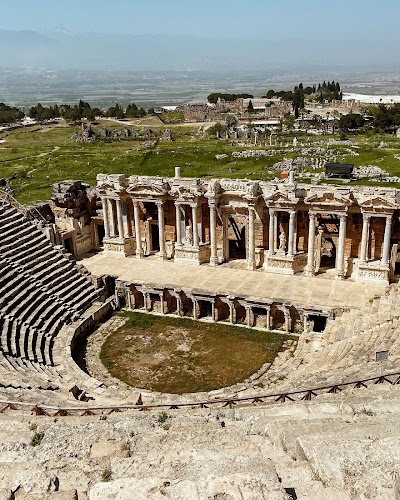
Hierapolis
View on map
2
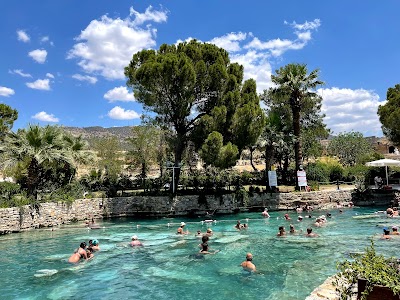
Cleopatra Antique Pools
View on map
3
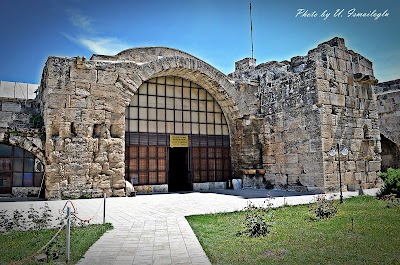
Hierapolis Archaeological Museum
View on map
4
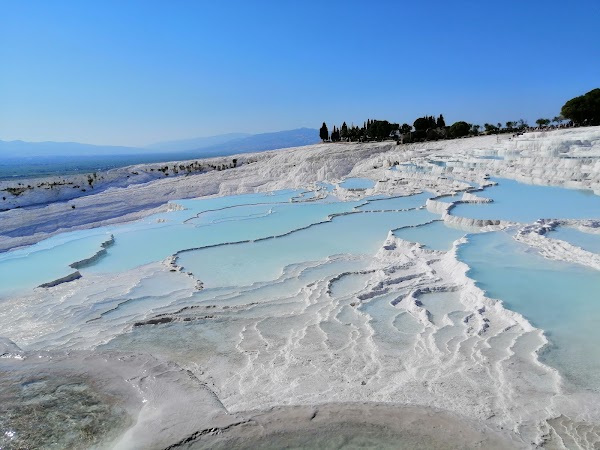
Travertines of Pamukkale
View on map
Audio Narrations
English
Introduction
Pamukkale, meaning "cotton castle" in Turkish, is a natural wonder in Denizli, Türkiye. Its dazzling white travertine pools, formed by calcium deposits from thermal springs, are a sight to behold. The ancient Greek city of Hierapolis, built atop the travertine formation, adds historical significance to the site. The hot springs have been renowned for their healing properties since antiquity, attracting visitors like Cleopatra. The travertine terraces, shaped over millennia by mineral-rich waters, cascade down the mountainside, creating a surreal landscape. Pamukkale's unique geology and historical ruins have earned it recognition as a UNESCO World Heritage Site, drawing tourists worldwide to witness its natural beauty and historical charm.Natural Beauty
The Travertines of Pamukkale in Denizli, Türkiye, are a breathtaking natural wonder that showcases the Earth's artistry. Formed over millennia by the cascading waters of thermal springs, these white, terraced pools resemble a frozen waterfall. The mineral-rich waters, saturated with calcium carbonate, create a unique and otherworldly landscape. The cascading waters have carved intricate patterns into the travertine, creating a mesmerizing spectacle of natural beauty. The pools, ranging from shallow to deep, invite visitors to immerse themselves in the warm, therapeutic waters, offering a rejuvenating and awe-inspiring experience. The surrounding landscape, with its lush greenery and panoramic views, further enhances the natural beauty of the travertines, making it a true sanctuary for nature enthusiasts and those seeking a connection with the wonders of the Earth.Archaeological Significance
The travertines of Pamukkale in Denizli, Türkiye, hold immense archaeological significance, offering a glimpse into ancient civilizations and their reverence for the site's thermal springs. Excavations have revealed the ruins of the ancient city of Hierapolis, built atop the travertine terraces in the 2nd century BC. The city flourished as a renowned healing center, attracting visitors from across the Roman Empire to bathe in the mineral-rich waters believed to possess therapeutic properties. Archaeological discoveries within Hierapolis include well-preserved temples, baths, and a theater, providing insights into the daily life and religious practices of its inhabitants. The Temple of Apollo, adorned with intricate reliefs, stands as a testament to the city's devotion to the healing god. The remains of the Roman baths, with their elaborate pools and heating systems, showcase the advanced engineering capabilities of the time. Beyond the city ruins, the travertines themselves bear witness to centuries of human interaction. The terraces have been shaped by the flow of thermal waters over millennia, creating a unique and visually stunning landscape. Ancient inscriptions carved into the travertine reveal the names of visitors who sought healing and rejuvenation in these sacred waters. The archaeological significance of Pamukkale's travertines extends to their role in shaping the region's cultural and historical identity. The site has been a pilgrimage destination for centuries, attracting both ancient and modern visitors seeking spiritual and physical well-being. Its unique geological formations and rich archaeological heritage combine to create a captivating destination that continues to inspire awe and wonder.
5
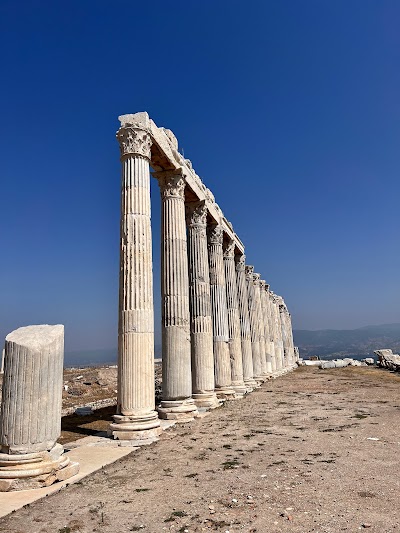
The ancient city of Laodicea
View on map
6
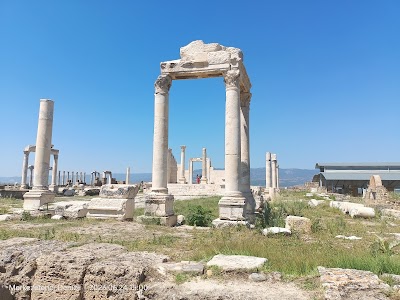
Laodikeia Stadium
View on map
Experience the Full Tour
Download the DocentPro app to access all tour stops, complete audio narrations in multiple languages, offline maps, and interactive features.