
Philadelphia's Historic Heart: A Journey Through American Heritage

Walking Tour

7.5 km (4.7 miles)

1h 50min travel time

20 Stops

Philadelphia, United States
Philadelphia's Historic Heart: A Journey Through American Heritage
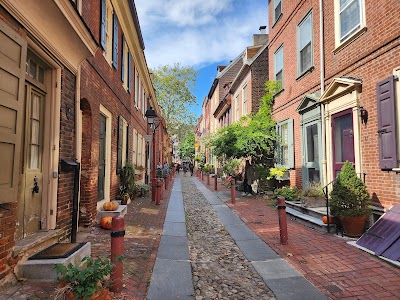
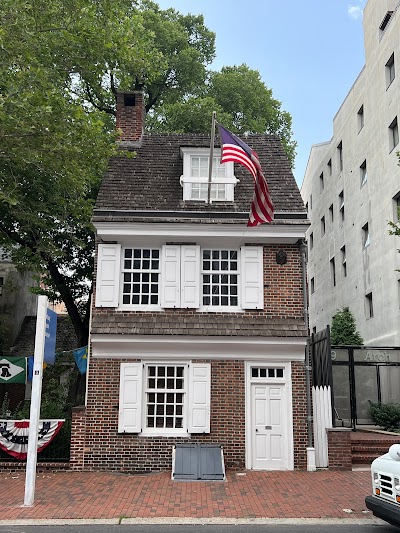
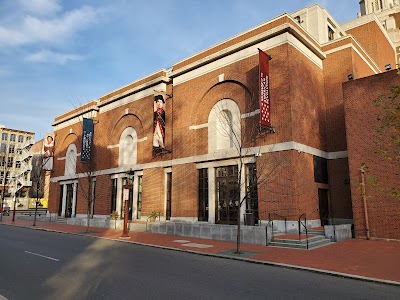
Tour Stops
1
Elfreth's Alley Museum
View on map
2
Betsy Ross House
View on map
3
Museum of the American Revolution
View on map
4
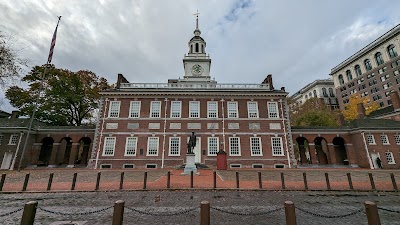
Independence Hall
View on map
5
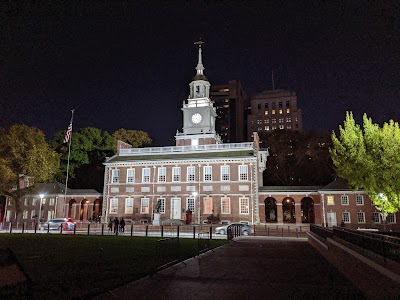
Independence National Historical Park
View on map
Audio Narrations
Introduction
Independence National Historical Park, a 55-acre federal historic district in Philadelphia, Pennsylvania, preserves significant sites associated with the American Revolution and the nation's founding. The centerpiece is Independence Hall, where the Declaration of Independence and the U.S. Constitution were debated and adopted. Other notable structures include Carpenters' Hall, the meeting site of the First Continental Congress, and Congress Hall, where the U.S. Congress convened in the 1790s. The Liberty Bell, an iconic symbol of American independence, is displayed in the Liberty Bell Center across from Independence Hall. The park also encompasses Franklin Court, the site of Benjamin Franklin's former home, and Independence Mall, featuring the National Constitution Center and the Independence Visitor Center. Notably, the park's historic buildings are concentrated within four landscaped blocks between Chestnut, Walnut, 2nd, and 6th streets, offering a captivating glimpse into the nation's formative years.Independence Hall
Step into Independence Hall, the heart of Independence National Historical Park, where the echoes of history reverberate through its hallowed halls. As you traverse the Assembly Room, imagine the momentous debates that shaped the destiny of a nation. Here, the Declaration of Independence was proclaimed, igniting the flame of freedom. The Articles of Confederation and the United States Constitution were meticulously crafted within these walls, laying the foundation for a new era of self-governance. Beyond the Assembly Room, explore the Supreme Court Chamber, where the nation's highest court convened from 1790 to 1800. Admire the portraits of renowned jurists that adorn the walls, each a testament to the enduring legacy of American jurisprudence. Delve into the Old City Hall, once the seat of the Pennsylvania Supreme Court and the United States Supreme Court. Its grand courtroom, adorned with intricate carvings, evokes an era of legal and political significance. Immerse yourself in the stories of the individuals who shaped the nation's history. Learn about Benjamin Franklin's pivotal role in drafting the Declaration of Independence and the Constitution. Discover the contributions of George Washington, who presided over the Constitutional Convention, and Thomas Jefferson, the principal author of the Declaration of Independence. Through interactive exhibits and captivating storytelling, Independence Hall transports you back in time, allowing you to witness firsthand the events that forged a nation. It is a living testament to the ideals of liberty, equality, and self-determination that continue to inspire generations.Liberty Bell
Within Independence National Historical Park, the Liberty Bell stands as a beacon of freedom, inviting visitors to delve into its profound history. The Liberty Bell Center, a modern architectural marvel, houses this iconic symbol, offering an immersive experience that unveils the intricate details of its creation, purpose, and enduring legacy. The bell's journey began in 1752, commissioned by the Pennsylvania Assembly to commemorate the 50th anniversary of William Penn's Charter of Privileges. Cast in London, it arrived in Philadelphia with a large crack, earning it the nickname "Old Crack." Despite its flaw, the bell's resonant tone and powerful message resonated with the colonists. In the years that followed, the Liberty Bell witnessed pivotal moments in American history. Its peals summoned citizens to Independence Hall, where the Declaration of Independence and Constitution were debated and signed. Abolitionists and civil rights advocates later adopted the bell as a symbol of their perjuangan for equality. Today, visitors can marvel at the Liberty Bell's impressive size and intricate craftsmanship. Its surface bears inscriptions that proclaim the principles of liberty and justice, while its crack serves as a poignant reminder of the struggles and triumphs of the nation it represents. The Liberty Bell Center provides interactive exhibits that explore the bell's history, symbolism, and enduring impact on American society.
6
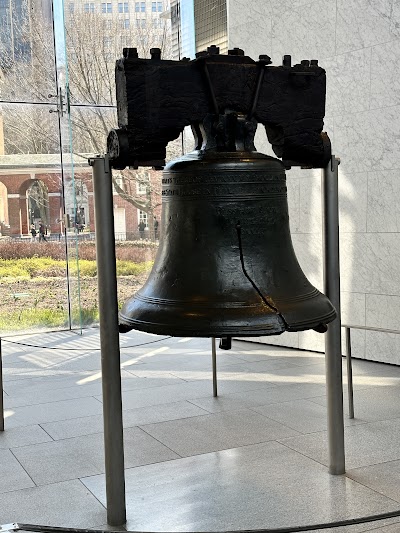
Liberty Bell
View on map
Audio Narrations
Introduction
The Liberty Bell, an iconic symbol of American independence, resides in Philadelphia's Liberty Bell Center. Cast in 1752, it bears the inscription "Proclaim Liberty Throughout all the Land unto all the Inhabitants Thereof," a biblical reference to freedom. Despite its initial crack, local craftsmen John Pass and John Stow recast the bell in 1753. Its distinctive large crack, likely developed in the early 1840s, was repaired using a technique called "stop drilling" to prevent further damage. The bell's association with the Declaration of Independence, though not documented, is widely believed due to its likely ringing on July 8, 1776, when the Declaration was first read to the public. The Liberty Bell became a symbol of freedom during the Cold War and a popular site for protests in the 1960s. Today, it remains an enduring symbol of American liberty, featured on coins, stamps, and widely used by corporations.Cracked Bell
The Liberty Bell, an iconic symbol of American independence, bears a prominent crack that has become an integral part of its history. The exact cause of the crack remains a mystery, but it is believed to have occurred sometime in the early 1840s due to the repeated striking of the bell's clapper. Despite numerous attempts to repair the crack, it persists as a testament to the bell's enduring spirit. In 1846, a significant repair was undertaken to prevent the crack from spreading further. Metalworkers employed a technique called "stop drilling," widening the crack and inserting two rivets to control vibrations. However, this repair proved unsuccessful, and a second crack emerged, silencing the bell permanently. The crack in the Liberty Bell has become a poignant symbol of the bell's journey and the trials it has endured. It serves as a reminder of the fragility of even the most enduring symbols and the importance of preserving our historical treasures. Today, the Liberty Bell stands as a symbol of both freedom and resilience, its crack a testament to its enduring legacy.Biblical Reference
The Liberty Bell's inscription, "Proclaim Liberty Throughout All the Land Unto All the Inhabitants Thereof," is a powerful reminder of the biblical principles that shaped the American Revolution. The verse, taken from Leviticus 25:10, refers to the Jubilee, a time when slaves were freed and debts were forgiven. This concept of liberty and equality resonated deeply with the Founding Fathers, who saw it as a reflection of their own aspirations for a just and equitable society. The bell's inscription was chosen by Isaac Norris, a Quaker who served as speaker of the Pennsylvania Assembly. Norris was a devout Christian who believed that the Bible provided a moral compass for society. He saw the Liberty Bell as a symbol of the biblical principles of freedom and justice, and he hoped that its message would inspire future generations. The Liberty Bell's biblical inscription has continued to inspire Americans throughout history. Abolitionists used the bell as a symbol of their fight to end slavery, and civil rights leaders invoked its message in their struggle for equality. Today, the Liberty Bell remains a powerful reminder of the biblical values that have shaped American history and continue to guide the nation's aspirations.
7
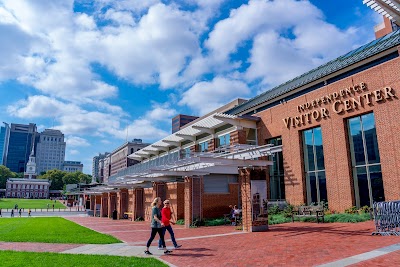
Independence Visitor Center
View on map
8
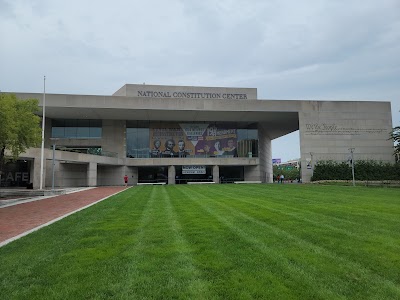
National Constitution Center
View on map
9
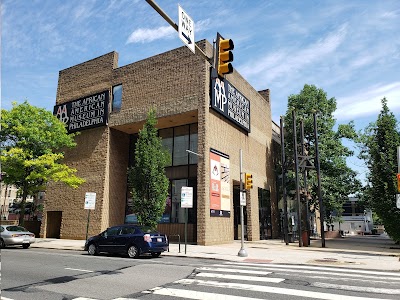
African American Museum in Philadelphia
View on map
10
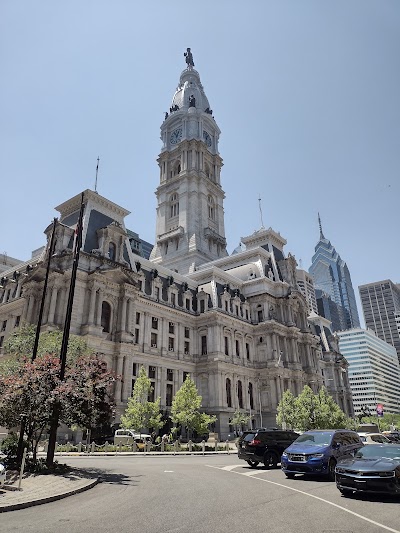
Philadelphia City Hall
View on map
11
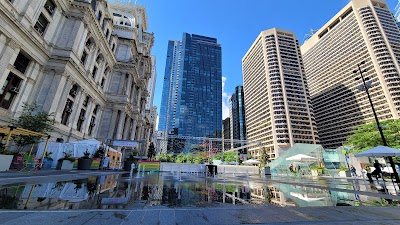
Dilworth Park
View on map
12
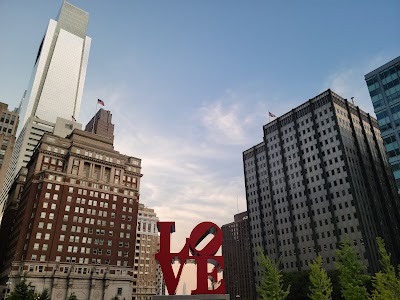
JFK Plaza (Love Park)
View on map
Audio Narrations
Introduction
JFK Plaza, renowned as Love Park, is a vibrant public space in Philadelphia, Pennsylvania. Designed by renowned city planner Edmund Bacon and architect Vincent G. Kling, the park was built in 1965 and underwent a major renovation in 2016-18. It features a central fountain with a monumental jet and a "bird's nest" of smaller jets, creating a stunning visual display. The park's iconic centerpiece is Robert Indiana's LOVE sculpture, a 13-foot-tall aluminum artwork that has become synonymous with Philadelphia. Love Park offers a diverse range of activities, including food trucks, café tables, passive games, special events, and a new restaurant in the Welcome Center building. It serves as a popular gathering place for Center City residents, workers, and tourists alike, offering a vibrant and inclusive space for relaxation, recreation, and cultural experiences.Iconic Photography Backdrop
JFK Plaza, also known as Love Park, is an iconic photography backdrop in Philadelphia, Pennsylvania. The centerpiece of the plaza is Robert Indiana's LOVE sculpture, a vibrant red, blue, and purple rendition of the word "LOVE" that has become a symbol of the city. The sculpture's bold design and central location make it a popular spot for tourists and locals alike to capture memorable photographs. Beyond the LOVE sculpture, Love Park offers a variety of other picturesque settings. The plaza's open green spaces, lush gardens, and cascading fountain provide ample opportunities for capturing stunning shots. The backdrop of the Benjamin Franklin Parkway and the Philadelphia Museum of Art adds a touch of grandeur to any photograph. Love Park's popularity as a photography backdrop is further enhanced by its accessibility. Situated in the heart of Center City, the park is easily reachable by public transportation or on foot. Its proximity to other popular attractions, such as City Hall and Independence Hall, makes it convenient to combine photography sessions with sightseeing. Whether you're a professional photographer seeking unique urban landscapes or a casual visitor looking to capture memories of your Philadelphia adventure, Love Park offers an abundance of iconic photography opportunities. Its vibrant atmosphere, captivating artwork, and picturesque surroundings make it a must-visit destination for photography enthusiasts.Philadelphia's Center City Gathering Spot
JFK Plaza, also known as Love Park, is a vibrant gathering spot in the heart of Philadelphia's Center City. The park's centerpiece is the iconic LOVE sculpture by Robert Indiana, a symbol of the city's affectionate nickname. Love Park is a hub for social gatherings, with a lively atmosphere fueled by food trucks, outdoor seating, and special events like weddings and performances. The park's central location, nestled between City Hall and the Benjamin Franklin Parkway, makes it a popular destination for tourists and locals alike. Its proximity to the Suburban Station transit hub ensures easy accessibility for visitors from all corners of the city and beyond. Love Park is not just a public space but a beloved meeting point where the city's energy converges, fostering a sense of community and shared experiences.
13
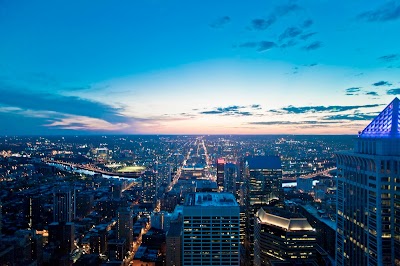
One Liberty Observation Deck
View on map
14
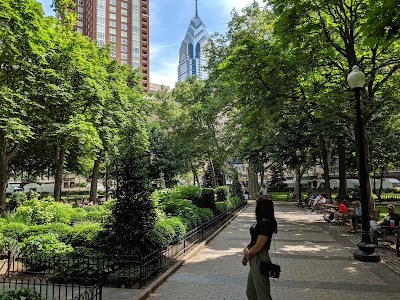
Rittenhouse Square
View on map
15
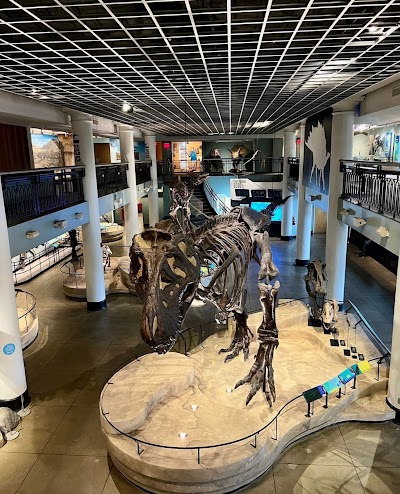
The Academy of Natural Sciences of Drexel University
View on map
16
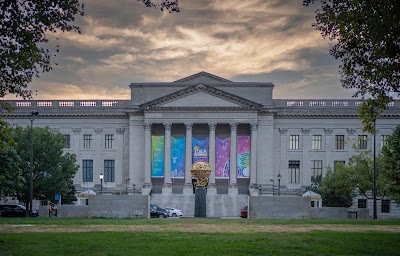
The Franklin Institute
View on map
Audio Narrations
Introduction
The Franklin Institute, a renowned science museum and center of scientific education in Philadelphia, Pennsylvania, stands as a testament to the legacy of Benjamin Franklin. Founded in 1824, it is one of the oldest institutions of its kind in the United States. The institute houses the Benjamin Franklin National Memorial, honoring the scientist and statesman. Over the years, the Franklin Institute has played a pivotal role in fostering scientific research and innovation. It has hosted groundbreaking exhibitions, including the International Electrical Exhibition of 1884, where the world's first public demonstration of an all-electronic television system took place. The institute's research laboratories have contributed to advancements in fields such as steam engines and water power. Today, the Franklin Institute offers a captivating array of permanent and traveling exhibits. Visitors can explore the wonders of the human body in the giant walk-through heart, marvel at the mysteries of the universe in the Fels Planetarium, and engage with interactive displays on science and technology. The institute also hosts educational programs, lectures, and workshops, inspiring a passion for STEM subjects in generations of learners.Hands-on Learning
The Franklin Institute in Philadelphia, Pennsylvania, United States, stands as a beacon of hands-on learning, offering an immersive and engaging experience for science enthusiasts of all ages. The museum's interactive exhibits provide a unique opportunity to explore scientific concepts through experimentation and discovery. From the intricate workings of the human heart to the complexities of neuroscience, visitors can delve into a wide range of scientific fields. The institute's commitment to hands-on learning extends beyond its walls, with outreach programs bringing interactive science experiences to classrooms, libraries, and community centers throughout the region. Through its innovative approach, The Franklin Institute fosters a passion for science and ignites a lifelong love of learning.Science Education
The Franklin Institute, a beacon of scientific exploration and education, stands as a testament to the transformative power of science. Its mission to ignite a passion for learning in science and technology has shaped its unique offerings, catering to the curious minds of all ages. The Institute's Science Education programs are a testament to its commitment to fostering scientific literacy. Its interactive exhibits, designed to engage and inspire, provide hands-on experiences that bring complex concepts to life. From exploring the intricacies of the human body to unraveling the mysteries of the cosmos, the Institute's exhibits offer a captivating journey into the world of science. Beyond its exhibits, The Franklin Institute offers a plethora of educational resources for students and educators alike. Its workshops and teacher training programs empower educators with innovative teaching methodologies, ensuring that students receive a dynamic and engaging science education. The Institute's partnerships with schools and community organizations extend its reach, bringing the wonders of science to underserved communities. The Franklin Institute's commitment to Science Education extends beyond its walls. Through its outreach programs, the Institute brings science to life in libraries, community centers, and even online platforms. Its goal is to create a society where scientific curiosity and knowledge are accessible to all, fostering a generation of informed and scientifically literate citizens.
17
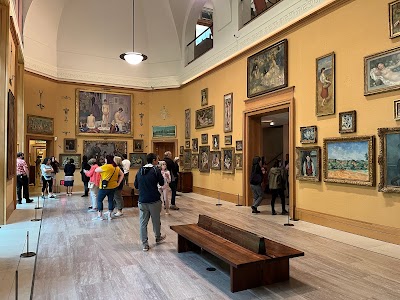
Barnes Foundation
View on map
18
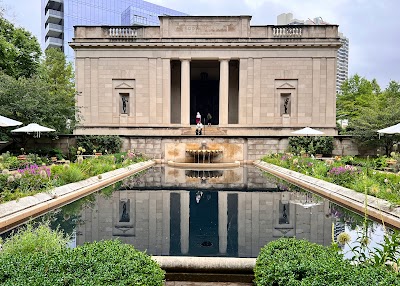
Rodin Museum
View on map
19
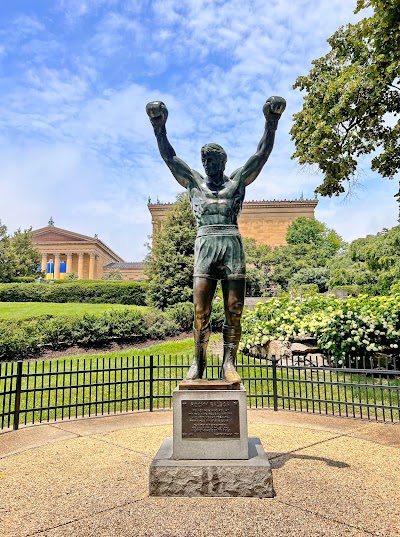
Rocky Statue
View on map
20
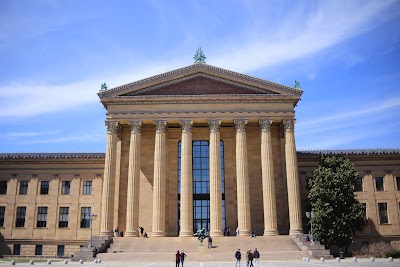
Philadelphia Museum of Art
View on map
Audio Narrations
Introduction
The Philadelphia Museum of Art, an architectural marvel inspired by Greek temples, majestically sits atop Fairmount, a hill at the end of Philadelphia's Benjamin Franklin Parkway. Its vast collections, spanning over 2,000 years, make it one of the largest art museums in the country. The museum boasts world-renowned masterpieces, including works by Cezanne, Van der Weyden, and Marcel Duchamp's enigmatic "Bride Stripped Bare by her Bachelors." Visitors can explore dozens of period rooms, including a medieval cloister and an Indian temple, immersing themselves in different cultures and eras. The museum's recent "Core Project," led by renowned architect Frank Gehry, has transformed the interior, creating new galleries, public spaces, and a dramatic north entrance. Among its highlights are the Robert L. McNeil Jr. Galleries, dedicated to American art from 1650 to 1850, and the Williams Forum, offering stunning views of the Parkway. The museum's east entrance, immortalized in the "Rocky" film franchise, remains a popular spot for visitors to recreate the iconic run up the steps.Asian Art Collection
The Philadelphia Museum of Art houses an extensive Asian Art Collection, spanning over 3,000 years and representing diverse regions. The collection boasts over 9,000 objects, making it one of the most comprehensive in the United States. Notable highlights include the Female Immortals, attributed to Sun Jue, and the Vriksha (Tree) Pichhwai from India. The museum actively expands its collection with historical and contemporary works, focusing on artists utilizing traditional techniques and connecting contemporary craft arts with its timeless collection. Visitors can explore the vibrant arts of South Asia through a vast collection of works from India, Pakistan, Bangladesh, Sri Lanka, Nepal, and Tibet. The South Indian Temple Hall, installed in 1919, showcases architectural elements from South Asia. The museum's Chinese Galleries, recently reimagined, present four thousand years of Chinese art, grouped thematically to provide deeper insights into the stories behind the objects. The Japanese Art Collection, spanning nearly 150 years, showcases a wide range of works, including ceramics, metalwork, painting, lacquerware, and contemporary bamboo art. The museum's ongoing exhibition, Collecting Japanese Art in Philadelphia, highlights the people who shaped the collection and provides a glimpse into the breadth of Japanese art.Frank Gehry Architecture
Frank Gehry's architectural vision for the Philadelphia Museum of Art is a testament to his commitment to preserving historical landmarks while embracing modern design. Gehry's renovation and expansion project, known as the Core Project, focused on enhancing the museum's interior spaces and accessibility. The Great Stair Hall, a beloved architectural feature, remains untouched, while new public spaces like the Williams Forum connect the ground floor to upper levels with a sculptural staircase. Gehry's design seamlessly blends old and new, respecting the original architects' vision while introducing contemporary elements. The use of Kasota stone, the same material used in the museum's original construction, ensures a cohesive aesthetic. Gehry's thoughtful approach has resulted in a revitalized museum that celebrates its rich history while embracing the future of art and architecture.
Experience the Full Tour
Download the DocentPro app to access all tour stops, complete audio narrations in multiple languages, offline maps, and interactive features.