
Pigalle's Bohemian Rhapsody: A Melodious Blend of Art and History

Walking Tour

2.1 km (1.3 miles)

30 min travel time

5 Stops

Paris, France
Pigalle's Bohemian Rhapsody: A Melodious Blend of Art and History
Tour Stops
1
Moulin Rouge
View on map
Audio Narrations
English
Introduction
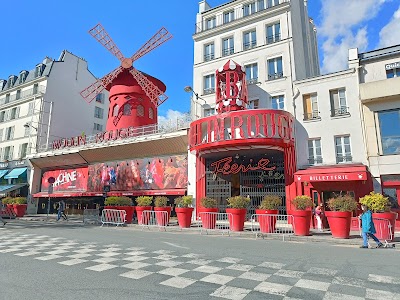
The Moulin Rouge, a Parisian landmark, is a vibrant cabaret known for its flamboyant can-can dancers, dazzling costumes, and lively atmosphere. Located in the Pigalle district, the Moulin Rouge has been captivating audiences since its opening in 1889. The iconic red windmill atop the building serves as a beacon, attracting visitors from around the world. The Moulin Rouge's interior is a spectacle of Belle Époque grandeur, featuring plush velvet seats, ornate chandeliers, and a stage adorned with intricate murals. The shows are a whirlwind of music, dance, and acrobatics, featuring talented performers in elaborate costumes. The can-can, a high-energy dance characterized by its high kicks and suggestive movements, is a signature of the Moulin Rouge. Beyond its entertainment, the Moulin Rouge has played a significant role in Parisian culture. It has inspired countless artists, writers, and filmmakers, becoming a symbol of the city's vibrant nightlife and bohemian spirit. The Moulin Rouge continues to be a popular tourist destination, offering a glimpse into the world of Parisian cabaret and its rich history.French Cultural Icon
Moulin Rouge: A Parisian Icon of Spectacle and Subversion The Moulin Rouge, a vibrant beacon on the Parisian landscape, transcends its role as a cabaret to embody a multifaceted symbol of French culture. Its iconic red windmill, a beacon of entertainment, has captivated audiences for over a century, becoming synonymous with Parisian nightlife and artistic expression. Beyond the dazzling costumes and high-kicking Can-Can dancers, the Moulin Rouge embodies a spirit of rebellion and social commentary. Its origins lie in the Belle Époque, a period of rapid modernization and social upheaval in France. The cabaret's flamboyant performances and risqué humor challenged societal norms, offering a space for satire and escapism. This rebellious spirit continues to resonate, making the Moulin Rouge a platform for artistic expression that pushes boundaries and sparks conversation. The Moulin Rouge's enduring legacy is intertwined with its artistic contributions. The venue has hosted legendary performers like Josephine Baker and Edith Piaf, showcasing a diverse range of musical and theatrical talent. Its opulent interiors and innovative stage productions have inspired countless artists, writers, and filmmakers, solidifying its place in the French cultural landscape. More than just a cabaret, the Moulin Rouge is a living testament to the evolution of French culture. It reflects the country's embrace of artistic freedom, its penchant for spectacle, and its enduring fascination with the rebellious spirit. As a Parisian icon, the Moulin Rouge continues to captivate audiences with its vibrant energy, artistic audacity, and timeless allure.Henri de Toulouse-Lautrec
Moulin Rouge: A Canvas for Toulouse-Lautrec's Genius For Henri de Toulouse-Lautrec, the Moulin Rouge wasn't just a cabaret; it was a vibrant canvas teeming with inspiration. This iconic Parisian landmark, with its flamboyant red windmill and pulsating energy, became a second home for the artist, who captured its essence in a series of captivating posters and paintings. Toulouse-Lautrec's fascination with the Moulin Rouge stemmed from its raw authenticity. He was drawn to the dancers, singers, and patrons who frequented the establishment, finding beauty in their individuality and the unfiltered energy of the Parisian nightlife. His art reflected this fascination, portraying the Moulin Rouge not as a glamorous spectacle but as a microcosm of human experience, filled with laughter, longing, and a touch of melancholy. His posters, with their bold lines and vibrant colors, became synonymous with the Moulin Rouge. They advertised the venue's stars, like La Goulue and Jane Avril, capturing their captivating performances and personalities. These posters weren't mere advertisements; they were artistic masterpieces that elevated the Moulin Rouge to a cultural icon. Toulouse-Lautrec's paintings delved deeper into the world behind the Moulin Rouge's dazzling facade. He depicted the backstage moments, the camaraderie among the performers, and the quiet intimacy shared between dancers and patrons. These works offered a glimpse into the lives of those who inhabited this vibrant world, revealing their vulnerabilities and humanity. Through his art, Toulouse-Lautrec immortalized the Moulin Rouge, not just as a place of entertainment but as a reflection of Parisian society at the turn of the 20th century. His works captured the spirit of the era, its joie de vivre, and its underlying complexities, making the Moulin Rouge a timeless symbol of artistic expression and human connection.
2
Museum of Romantic Life
View on map
Audio Narrations
English
Introduction
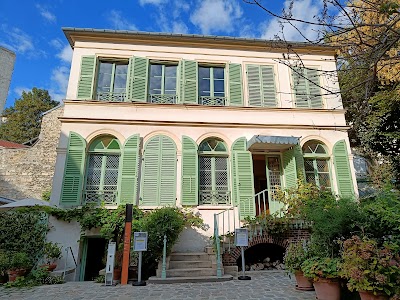
Nestled in the heart of Paris's 9th arrondissement, the Musée de la Vie Romantique, or Museum of Romantic Life, is a hidden gem that transports visitors to a bygone era of artistic and literary brilliance. Housed in the former home of Dutch painter Ary Scheffer, a close friend of renowned Romantic artists like Chopin and Delacroix, the museum offers a glimpse into the lives and works of these creative luminaries. Stepping into the museum is like stepping into a time capsule. Scheffer's paintings adorn the walls, while his personal belongings, including his easel and palette, offer a tangible connection to his artistic process. The museum also boasts an impressive collection of Romantic-era furniture, sculptures, and decorative arts, providing a glimpse into the opulent and elegant world of the Romantic movement. One of the museum's highlights is the Salon de George Sand, a room dedicated to the renowned French novelist. Here, visitors can admire Sand's personal belongings, including her writing desk and a lock of her hair, and immerse themselves in the world of her literary creations. The museum also hosts temporary exhibitions that explore various aspects of Romanticism, from its literary and artistic expressions to its social and political influences. Beyond its collection, the Musée de la Vie Romantique offers a unique atmosphere. The lush gardens, complete with a charming tea room, provide a tranquil escape from the bustling city. The museum also hosts regular events, such as concerts, readings, and workshops, that bring the spirit of Romanticism to life. Whether you're an art enthusiast, a literature lover, or simply seeking a unique Parisian experience, the Musée de la Vie Romantique is a must-visit. It's a place where history comes alive, where imagination takes flight, and where the spirit of Romanticism continues to inspire and enchant.George Sand and Romantic Writers
Nestled in the heart of Paris, the Museum of Romantic Life offers a captivating glimpse into the world of George Sand and her fellow Romantic writers. This enchanting museum, housed in the former home of Dutch painter Ary Scheffer, transports visitors to a bygone era of artistic fervor and literary brilliance. Step into the Salon, where Sand, Victor Hugo, and other luminaries gathered for lively discussions and creative collaborations. Admire the portraits of Sand and her contemporaries, capturing their enigmatic personalities and literary prowess. Explore the intimate spaces where Sand penned her groundbreaking novels, including "Indiana" and "Consuelo," which challenged societal norms and championed female empowerment. The museum's collection boasts a treasure trove of Sand's personal belongings, including her writing desk, jewelry, and letters. These artifacts offer a poignant glimpse into her daily life and creative process. Delve into her handwritten manuscripts, revealing the passionate intensity and lyrical beauty of her prose. As you wander through the museum's rooms, imagine Sand hosting her famous literary salons, where intellectuals and artists engaged in spirited debates about love, art, and society. The museum's evocative atmosphere brings to life the vibrant intellectual and artistic scene that flourished during the Romantic era. For those seeking a deeper understanding of George Sand and her literary legacy, the Museum of Romantic Life is an unparalleled destination. It offers a unique opportunity to connect with the spirit of Romanticism and explore the enduring influence of Sand's groundbreaking works.Literary History
The Museum of Romantic Life in Paris, Île-de-France, France, offers a unique perspective on the literary history of the Romantic era. Housed in the former home of Dutch painter Ary Scheffer, a close friend of numerous Romantic writers and artists, the museum showcases the artistic and literary movements of the 19th century. Visitors can explore exhibits dedicated to major Romantic figures such as George Sand, Victor Hugo, and Alexandre Dumas. The museum's collection includes personal belongings, manuscripts, and artwork that provide insights into the lives and works of these literary giants. One of the highlights of the museum is the Salon de George Sand, a room that has been preserved to reflect the writer's bohemian lifestyle. Visitors can see her writing desk, her collection of books, and the portraits of her famous friends. The museum also hosts temporary exhibitions that explore different aspects of Romantic literature and art. These exhibitions often feature rare and unseen works, providing visitors with a deeper understanding of the Romantic movement. For those interested in the literary history of the Romantic era, the Museum of Romantic Life in Paris is a must-visit destination. The museum's collection and exhibits offer a unique glimpse into the lives and works of some of the most important writers and artists of the 19th century.
3
Gustave Moreau Museum
View on map
Audio Narrations
English
Introduction
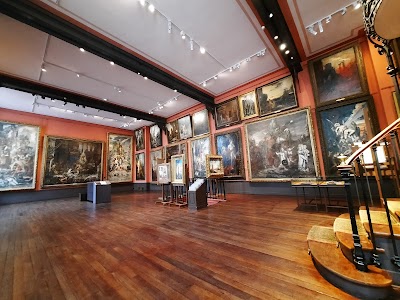
The Musée Gustave Moreau, a treasure trove of Symbolist art, invites you to step into the world of 19th-century painter Gustave Moreau. This unique museum, housed in Moreau's former home and studio, offers an intimate glimpse into the artist's creative process and personal life. As you ascend the grand staircase, be captivated by the soaring studio-gallery, where Moreau's vibrant canvases adorn the walls from floor to ceiling. Immerse yourself in his mythical and dreamlike world, where figures like Salomé and Sémélé come to life. Venture into the meticulously preserved apartment on the first floor, where Moreau's personal belongings and art collection offer a glimpse into his private world. Admire the "boudoir," a tribute to his close friend Alexandrine Dureux, and the dining room, where he likely hosted fellow artists and intellectuals. Don't miss the hidden gem of the museum – the ground floor apartment. Recently restored to its original function as an exhibition space, it showcases Moreau's early works and copies of Italian masterpieces that inspired him. The Musée Gustave Moreau is a haven for art lovers and history buffs alike. It offers a rare opportunity to experience the life and work of a visionary artist in the very space where he lived and created.Symbolist Masterpieces
Nestled in the heart of Paris, the Gustave Moreau Museum is a treasure trove for those seeking an immersive experience in the world of Symbolism. This unique museum, housed in the artist's former residence and studio, offers an unparalleled opportunity to delve into the mind and creative process of Gustave Moreau, a master of the Symbolist movement. Moreau's paintings are characterized by their dreamlike quality, rich symbolism, and vibrant colors. The museum's collection boasts over 1,400 works, including paintings, drawings, watercolors, and sculptures. Among the highlights are masterpieces such as "Jupiter and Semele," "Salome Dancing Before Herod," and "The Apparition." These works showcase Moreau's mastery of allegory, myth, and biblical narratives, inviting viewers to decipher the hidden meanings and emotions embedded within each brushstroke. A visit to the Gustave Moreau Museum is not merely an encounter with art; it is a journey into the artist's inner world. The museum's intimate setting allows visitors to appreciate the intricate details of Moreau's paintings up close, revealing the hidden symbols and narratives that weave through his canvases. The museum also houses Moreau's personal library, offering insights into his literary influences and artistic inspirations. For those seeking a deeper understanding of Symbolism, the Gustave Moreau Museum is an essential destination. It provides a unique opportunity to engage with the movement's key themes, explore Moreau's artistic vision, and appreciate the enduring legacy of his Symbolist masterpieces.Nineteenth-Century Artist's Home
Nestled in the heart of Paris, the Gustave Moreau Museum offers a captivating glimpse into the world of a 19th-century artist. This unique museum was once the home and studio of Gustave Moreau, a renowned Symbolist painter known for his dreamlike and evocative works. Stepping inside is like stepping back in time, immersing yourself in the very space where Moreau lived, worked, and created his masterpieces. The museum's interior is a testament to Moreau's artistic vision. The walls are adorned with his paintings, sketches, and studies, offering a comprehensive overview of his artistic development. The atmosphere is intimate and personal, allowing visitors to connect with the artist on a deeper level. One of the most striking features of the museum is Moreau's studio, preserved almost exactly as it was when he was alive. Here, visitors can see his easel, brushes, and unfinished works, providing a tangible sense of his creative process. The studio also houses a collection of his personal belongings, including his furniture, books, and even his slippers. Beyond the studio, the museum offers a glimpse into Moreau's private life. The dining room, with its ornate table and chairs, evokes the artist's social gatherings. The library, filled with books on art, history, and literature, reveals his intellectual pursuits. And the bedroom, with its simple furnishings, provides a sense of the artist's personal space. The Gustave Moreau Museum is more than just a museum; it's a portal into the mind and world of a 19th-century artist. By experiencing the museum through the lens of Moreau's home, visitors gain a unique understanding of his artistic journey and the creative process that shaped his masterpieces.
4
Phono Museum
View on map
Audio Narrations
English
Introduction
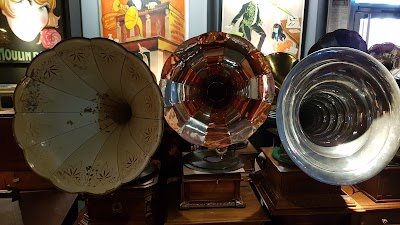
The Phono Museum in Paris, Île-de-France, France, is a hidden gem dedicated to the fascinating world of sound. Nestled in the heart of the 19th arrondissement, this unique museum offers a captivating journey through the history and science of sound recording and reproduction. Founded in 1994 by the French National Audiovisual Institute (INA), the Phono Museum boasts an impressive collection of over 500,000 sound recordings, ranging from early wax cylinders to cutting-edge digital formats. Visitors can embark on an auditory adventure through the evolution of sound technology, from the invention of the phonograph to the rise of the MP3. One of the museum's highlights is its collection of vintage phonographs, gramophones, and other sound-producing devices. These meticulously preserved instruments offer a glimpse into the ingenuity and craftsmanship of early sound engineers. Visitors can marvel at the intricate mechanisms and delicate needles that brought music and voices to life in the pre-digital era. The Phono Museum also delves into the social and cultural impact of sound recording. Exhibits explore the role of music in shaping popular culture, the influence of radio and television on society, and the evolution of sound design in film and video games. Visitors can discover how sound has shaped our understanding of the world and our experiences within it. Beyond its historical exhibits, the Phono Museum offers a dynamic program of temporary exhibitions, workshops, and educational events. These programs provide a platform for contemporary artists, musicians, and sound designers to showcase their work and engage with the public. Whether you are a seasoned audiophile or simply curious about the world of sound, the Phono Museum in Paris offers a unique and enriching experience. It is a place to discover the hidden stories behind the sounds that have shaped our lives and to appreciate the power and magic of sound in all its forms.History of Sound Recording
Nestled in the heart of Paris, the Phono Museum offers a captivating journey through the history of sound recording, inviting visitors to delve into the evolution of this transformative technology. Established in 1976, the museum boasts an extensive collection of over 3,000 sound recording devices, spanning from the earliest mechanical contraptions to the latest digital innovations. As you step into the museum, you are greeted by a symphony of sounds, transporting you back to the era of wax cylinders and gramophones. The exhibits showcase the ingenuity and creativity of inventors who shaped the way we capture and reproduce sound. From Thomas Edison's iconic phonograph to the groundbreaking inventions of Emile Berliner and Alexander Graham Bell, the museum offers a glimpse into the minds that revolutionized the world of sound. One of the highlights of the museum is its collection of early sound recording devices, including the Phonautograph, the first device to record sound visually. Visitors can marvel at the intricate mechanisms of these early machines and appreciate the challenges faced by pioneers in the field. The museum also houses a vast collection of recordings, from historical speeches and musical performances to everyday sounds that capture the essence of different eras. The Phono Museum is not merely a repository of artifacts; it is a vibrant space that brings history to life. Interactive exhibits allow visitors to experiment with different sound recording techniques and explore the science behind sound reproduction. The museum also hosts regular workshops and demonstrations, providing a hands-on experience for those who want to delve deeper into the world of sound recording. Whether you are a seasoned audiophile or simply curious about the history of technology, the Phono Museum offers a unique and immersive experience. As you navigate through the exhibits, you will gain a profound appreciation for the evolution of sound recording and its impact on our lives. The museum serves as a testament to the human spirit of innovation and the enduring power of sound to connect us across time and space.Evolution of Music Technology
Nestled in the heart of Paris, the Phono Museum unveils a captivating journey through the evolution of music technology. This unique museum, housed within the historic Cité de la Musique, offers a treasure trove of artifacts and exhibits that trace the remarkable advancements in sound recording and reproduction. Step into the museum, and you'll be greeted by a collection of antique phonographs, gramophones, and other early sound-recording devices. Each piece tells a story of innovation and ingenuity, showcasing the evolution from rudimentary mechanical contraptions to sophisticated electronic marvels. As you delve deeper, you'll encounter a fascinating array of musical instruments, from ancient wind instruments to the latest digital synthesizers. The museum's exhibits highlight the interplay between technological advancements and musical expression, demonstrating how instruments have shaped and been shaped by the evolution of music technology. The Phono Museum's collection extends beyond instruments, encompassing a vast library of recordings. From the earliest wax cylinders to the latest digital formats, the museum's archives offer a glimpse into the rich history of recorded music. Visitors can explore the evolution of recording techniques, from the pioneering efforts of Thomas Edison to the advent of multi-track recording and digital audio workstations. A particular highlight of the museum is its collection of rare and experimental instruments. Here, you'll find instruments that pushed the boundaries of sound creation, such as the Ondes Martenot, an early electronic keyboard, and the Trautonium, a pioneering synthesizer. These instruments offer a glimpse into the visionary minds that have shaped the landscape of music technology. The Phono Museum is not merely a repository of artifacts; it's a vibrant space for exploration and discovery. The museum regularly hosts workshops, demonstrations, and lectures that delve into the technical and artistic aspects of music technology. These events provide a platform for enthusiasts and experts to engage in dialogue and share their passion for the subject. Whether you're a seasoned musician, a technology aficionado, or simply curious about the evolution of music, the Phono Museum offers an immersive and enlightening experience. As you journey through its exhibits, you'll gain a profound appreciation for the ingenuity and creativity that have driven the evolution of music technology, shaping the soundscapes that have enriched our lives.
5
Square d'Anvers - Jean-Claude-Carrière
View on map
Audio Narrations
English
Introduction
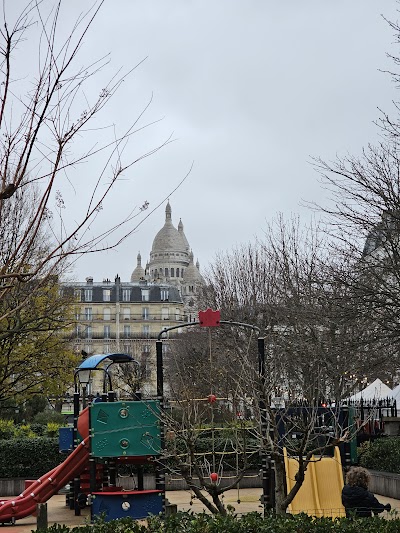
Nestled in the heart of the 9th arrondissement, Square d'Anvers - Jean-Claude-Carrière is a hidden gem, a tranquil oasis amidst the bustling Parisian streets. This charming square, named after the renowned screenwriter Jean-Claude Carrière, boasts a rich history and a unique atmosphere. The square's centerpiece is a magnificent bronze sculpture by the artist Antoine Bourdelle, depicting the mythical figure of Hercules. This powerful statue, titled "The Archer," stands as a testament to human strength and determination. Surrounding the sculpture are lush green spaces, dotted with benches and pathways, inviting visitors to relax and soak in the serene ambiance. One of the square's most distinctive features is its collection of street art. The walls surrounding the park are adorned with vibrant murals, showcasing the creativity and talent of local artists. These colorful works of art add a touch of whimsy and vibrancy to the square, transforming it into an open-air gallery. Square d'Anvers - Jean-Claude-Carrière is also a popular spot for locals to gather and socialize. Children play in the sandbox, while adults chat and enjoy the fresh air. The square's lively atmosphere makes it a perfect place to escape the hustle and bustle of city life and connect with the community. Whether you're an art enthusiast, a nature lover, or simply seeking a peaceful retreat, Square d'Anvers - Jean-Claude-Carrière is a must-visit destination in Paris. Its unique blend of history, art, and natural beauty offers a truly unforgettable experience.Homage to Jean-Claude Carrière
The Square d'Anvers - Jean-Claude-Carrière in Paris, Île-de-France, France stands as a poignant tribute to the renowned screenwriter, novelist, and playwright Jean-Claude Carrière. Inaugurated in 2021, the square immortalizes Carrière's legacy, honoring his profound contributions to the world of cinema and literature. Nestled in the heart of the 9th arrondissement, the square is a haven of tranquility amidst the bustling city. A bronze bust of Carrière, sculpted by his close friend and collaborator, the artist Ivan Theimer, takes center stage, capturing the essence of his thoughtful and enigmatic gaze. The inscription on the bust reads "Jean-Claude Carrière, scénariste, écrivain, homme de théâtre," a testament to the multifaceted nature of his artistic pursuits. The square is adorned with benches and trees, inviting visitors to pause and reflect on Carrière's remarkable career. The surrounding buildings, including the Théâtre de l'Atelier and the Théâtre de la Renaissance, evoke the vibrant theatrical scene that Carrière was deeply involved in. The Square d'Anvers - Jean-Claude-Carrière serves as a reminder of Carrière's enduring influence on French culture. His collaborations with renowned directors such as Luis Buñuel, Miloš Forman, and Jean-Luc Godard left an indelible mark on the cinematic landscape. His literary works, spanning novels, essays, and plays, explored themes of human nature, spirituality, and the power of storytelling. For those seeking a deeper understanding of Carrière's life and work, the square offers a unique opportunity to connect with his spirit. The bust, the inscription, and the serene atmosphere create a space for contemplation and appreciation. The Square d'Anvers - Jean-Claude-Carrière is not merely a physical location but a testament to the enduring legacy of a master storyteller.Interactive Public Space
Square d'Anvers - Jean-Claude-Carrière: A Parisian Interactive Public Space Nestled in the heart of the 9th arrondissement, Square d'Anvers - Jean-Claude-Carrière transcends the typical Parisian park. It embodies the essence of an interactive public space, fostering a dynamic interplay between its environment and visitors. The square's interactive nature is evident in its design. A large, central sandpit beckons children to unleash their creativity, while a dedicated pétanque court invites friendly competition. The playground, equipped with swings, slides, and climbing structures, provides a haven for imaginative play. Beyond physical activities, the square fosters intellectual engagement. A "library of objects" allows visitors to borrow unique items, sparking curiosity and encouraging exploration. The "mur des mots" (word wall) serves as a platform for spontaneous expression, where visitors can leave messages, poems, or simply share their thoughts. Square d'Anvers - Jean-Claude-Carrière also embraces technology as a tool for interaction. QR codes scattered throughout the park offer access to information about the surrounding area, historical tidbits, and even playful games. This integration of technology seamlessly blends the physical and digital realms, enhancing the visitor experience. The square's interactive spirit extends to its community. Regular events, such as open-air film screenings, concerts, and workshops, foster a sense of belonging and encourage social interaction. The "café associatif" provides a welcoming space for residents to gather, exchange ideas, and participate in community initiatives. Square d'Anvers - Jean-Claude-Carrière stands as a testament to the transformative power of interactive public spaces. It is a vibrant hub where play, creativity, and community converge, offering a unique and engaging experience for all who visit.
Experience the Full Tour
Download the DocentPro app to access all tour stops, complete audio narrations in multiple languages, offline maps, and interactive features.