
Quebec City: A Journey Through Historic Charm and Natural Beauty

Walking Tour

4.5 km (2.8 miles)

1h 8min travel time

13 Stops

Quebec City, Canada
Quebec City: A Journey Through Historic Charm and Natural Beauty
Tour Stops
1
Museum of Civilization
View on map
Audio Narrations
English
Introduction
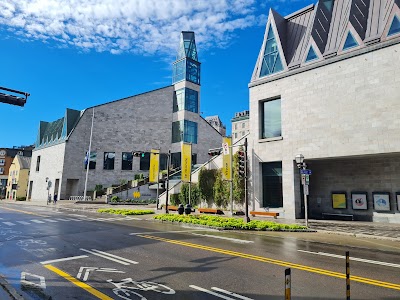
The Museum of Civilization in Québec City, Canada, is a treasure trove of artifacts and exhibits that illuminate the rich tapestry of human history and culture. Its unique focus on the evolution of civilization sets it apart from other museums, offering a captivating journey through time and across continents. One of the museum's most remarkable features is its vast collection of archaeological artifacts, spanning from prehistoric times to the present day. Visitors can marvel at ancient Egyptian mummies, Roman mosaics, and medieval weaponry, each piece whispering tales of bygone eras. The museum's exhibits are not merely displays of objects; they are immersive experiences that transport visitors to different worlds and cultures. A highlight of the museum is the First Peoples exhibit, which showcases the vibrant history and traditions of Indigenous communities in Canada. Visitors can learn about their unique languages, spiritual beliefs, and artistic expressions, gaining a deeper understanding of their rich heritage. The museum also features a fascinating exhibit on the history of Québec, from its early days as a French colony to its modern-day status as a vibrant cultural hub. Beyond its permanent exhibits, the Museum of Civilization regularly hosts temporary exhibitions that explore diverse themes, from the history of fashion to the impact of technology on society. These exhibitions offer fresh perspectives and insights, ensuring that there is always something new to discover at the museum. A visit to the Museum of Civilization is not just an educational experience; it is an adventure that sparks curiosity, ignites imagination, and leaves a lasting impression on visitors of all ages. Whether you are a history buff, a culture enthusiast, or simply someone who enjoys learning new things, the Museum of Civilization is a must-visit destination in Québec City.Canadian Identity
The Museum of Civilization in Québec: A Tapestry of Canadian Identity Nestled in the heart of Québec City, the Museum of Civilization stands as a vibrant testament to the rich tapestry of Canadian identity. More than just artifacts and exhibits, it's a journey through the nation's soul, exploring the diverse threads that weave together its unique character. From the First Peoples who walked the land millennia ago to the waves of immigrants who shaped its multicultural present, the museum delves into the stories that define Canada. Visitors can trace the evolution of Indigenous cultures, their traditions, and their enduring connection to the land. They can witness the struggles and triumphs of early European settlers, the forging of a distinct Canadian identity, and the ongoing dialogue between its French and English roots. The museum's exhibits go beyond mere historical accounts. They delve into the social, political, and cultural forces that have shaped Canada's values, beliefs, and aspirations. Visitors can explore the evolution of democracy, the fight for social justice, and the ongoing quest for reconciliation with Indigenous communities. They can engage with contemporary issues like immigration, multiculturalism, and the challenges of building a cohesive national identity in an increasingly globalized world. Through interactive displays, multimedia presentations, and thought-provoking exhibits, the Museum of Civilization invites visitors to become active participants in the exploration of Canadian identity. It's a place to question, reflect, and engage in meaningful dialogue about what it means to be Canadian in the 21st century. More than just a museum, it's a platform for understanding the complexities and contradictions that make Canada unique. It's a celebration of its diversity, a reflection of its struggles, and a testament to its enduring spirit. A visit to the Museum of Civilization is not just a journey through history; it's a journey into the heart of what it means to be Canadian.Architectural Significance
The Museum of Civilization in Québec, Canada, stands as a testament to the city's rich history and cultural heritage. Its architectural design, a harmonious blend of modern and traditional elements, reflects the museum's mission to connect the past with the present. The museum's main building, designed by renowned architect Moshe Safdie, is a striking example of Brutalist architecture. Its massive concrete structure, reminiscent of ancient ruins, evokes a sense of timelessness and permanence. The building's exterior is adorned with intricate geometric patterns, creating a visual interplay of light and shadow. Inside, the museum's vast interior spaces are designed to foster a sense of awe and wonder. The soaring ceilings and expansive windows provide ample natural light, creating a bright and airy atmosphere. The museum's exhibits are housed in a series of interconnected galleries, each with its unique architectural character. One of the most notable architectural features of the museum is its central atrium, a towering space that serves as the museum's heart. The atrium's glass roof allows visitors to gaze up at the sky, creating a connection between the museum's interior and the outside world. The Museum of Civilization in Québec, Canada, is not only a repository of historical artifacts but also a work of art in its own right. Its architectural significance lies in its ability to evoke a sense of history, culture, and human ingenuity. The museum's design is a testament to the power of architecture to inspire and educate.
2
Place Royale
View on map
Audio Narrations
English
Introduction
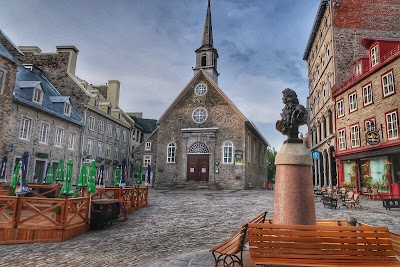
Nestled in the heart of Old Québec City, Place Royale is not just any square; it's the cradle of French civilization in North America. Imagine cobblestone streets whispering tales of the 17th century, leading you to the very spot where Samuel de Champlain, the founder of Québec City, established his first settlement in 1608. The square's centerpiece, a majestic bust of King Louis XIV, serves as a constant reminder of France's enduring legacy in this corner of the world. Look closely at the surrounding buildings, many meticulously restored to their 17th and 18th-century glory, and you'll notice the distinct architectural style – a charming blend of French and Canadian influences. One building, in particular, stands out: Notre-Dame-des-Victoires Church. This petite church, one of the oldest stone churches in North America, witnessed the tumultuous birth of a nation and survived multiple sieges, its weathered facade whispering stories of resilience and faith. Place Royale, imbued with the spirit of early settlers and grand ambitions, offers a tangible connection to the very soul of Québec City.Artistic Expression
Place Royale in Québec City is not just a historic site; it's a living canvas and a testament to Québec's vibrant artistic spirit. The echoes of artistic expression resonate deeply within this cobblestoned square. Look closely, and you'll discover an array of sculptures, murals, and installations that transcend the boundaries of traditional art forms. Local artists, inspired by the historical significance and unique ambiance of Place Royale, have woven narratives through their work, reflecting the city's rich cultural tapestry. The use of unconventional materials and innovative techniques adds a layer of intrigue, inviting viewers to engage in a dialogue between the past and the present. Beyond the visual arts, Place Royale comes alive with the melodic strains of street performers. Musicians, both seasoned and aspiring, find inspiration in the square's intimate setting, their music weaving through the narrow streets and adding another layer to the artistic tapestry of the area. The convergence of visual and performing arts in Place Royale creates a dynamic and ever-evolving artistic landscape, making it a must-visit destination for those seeking an authentic taste of Québec's creative soul.Architectural Heritage
Place Royale in Québec City stands as a testament to the enduring legacy of French colonial architecture in North America. The site's distinct architectural character is defined by its remarkably homogeneous ensemble of buildings, primarily dating back to the 17th and 18th centuries. This visual uniformity stems from the strict building codes enforced by the French regime, dictating specific materials like stone and steep roof pitches, which contributed to the area's cohesive and historic aesthetic. The survival of these structures, many of which narrowly escaped major fires that ravaged other parts of the city, offers a rare glimpse into early urban planning in New France. The influence of the French Renaissance style is evident in the symmetrical facades and dormer windows that grace many of the buildings, while the use of locally quarried stone reflects an adaptation to the Canadian climate and available resources. Place Royale's architectural significance extends beyond individual structures; the layout itself, a public square enclosed by buildings, embodies a traditional European urban design principle rarely found in North America, making it a unique and invaluable heritage site.
3
Quartier Petit Champlain
View on map
4
Funiculaire du Vieux-Québec
View on map
5
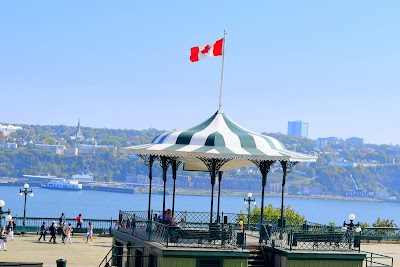
Dufferin Terrace
View on map
6
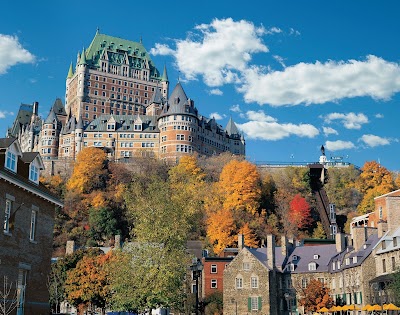
Fairmont Le Château Frontenac
View on map
Audio Narrations
English
Introduction
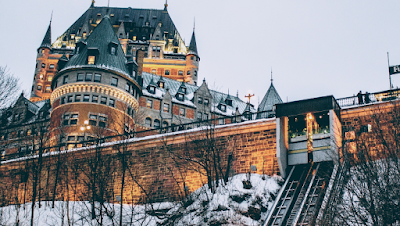
The Fairmont Le Château Frontenac, a grand hotel in Québec City, Canada, stands majestically atop Cape Diamond overlooking the St. Lawrence River. Built in 1893, this Châteauesque-styled marvel boasts 18 floors and 610 guest rooms, including themed suites honoring world leaders and celebrities who have graced its halls. Its iconic central tower, added in 1924, made it the tallest building in Québec City until 1930. The hotel's opulent interior features mahogany paneling, marble staircases, and intricate carvings. As a National Historic Site of Canada, the Château Frontenac has hosted notable events, including the First and Second Quebec Conferences during World War II. Its rooftop apiary, home to 70,000 honey bees, produces honey used in the hotel's restaurants. The Château Frontenac remains a symbol of Québec City's rich history and architectural splendor, offering guests a luxurious and unforgettable experience.Architectural Significance
Fairmont Le Château Frontenac stands as a testament to the grandeur of Châteauesque architecture, a style that emerged in the late 19th century, drawing inspiration from the Loire Valley chateaux of France. Its architect, Bruce Price, masterfully blended elements of Revivalist and French Renaissance aesthetics, resulting in a structure that exudes both historical charm and architectural prowess. The hotel's imposing silhouette, characterized by steeply pitched roofs, circular towers, and ornate gables, has become an iconic landmark of Québec City. Its fortress-like solidity, expressed through broad, flat wall surfaces and heavy tower forms, evokes the medieval chateaux of France, further enhancing its architectural significance. The hotel's construction utilized a steel frame, a cutting-edge technique at the time, allowing for the creation of large, open interior spaces while maintaining structural integrity. The exterior's grey ashlar stone base and orange Glenboig brick cladding add to its visual appeal, making it a captivating architectural masterpiece.Canadian National Historic Site
Designated as a National Historic Site of Canada in 1981, Fairmont Le Château Frontenac stands as a testament to Québec City's rich history and architectural heritage. Its strategic location on the grounds of the former Château St. Louis, once the administrative center for both French and British colonial governments, adds to its historical significance. The hotel's grand Châteauesque design, inspired by the Loire Valley's historic manors, further enhances its architectural charm, making it a beloved landmark and a symbol of Canadian national pride.
7
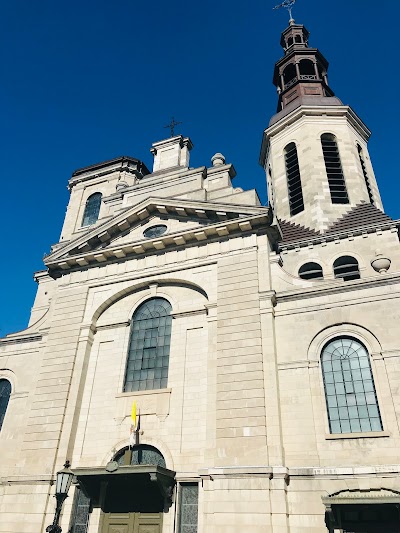
Notre-Dame de Québec Basilica-Cathedral
View on map
8
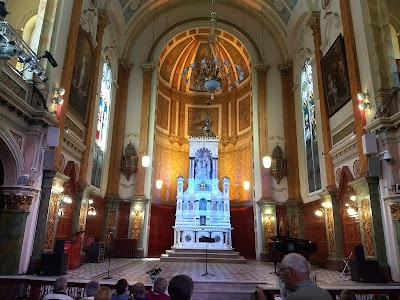
Musée de l'Amérique francophone
View on map
9
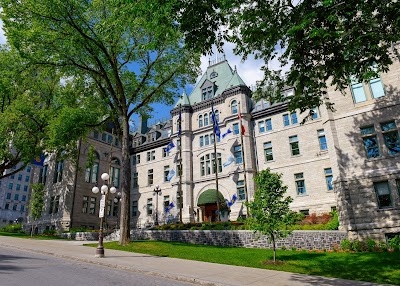
City Hall of Quebec City
View on map
10
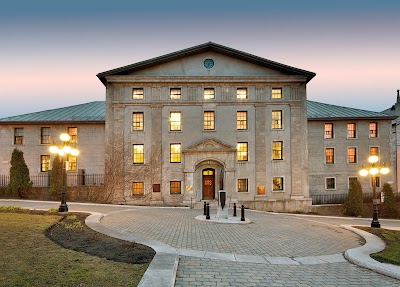
Morrin Centre
View on map
11
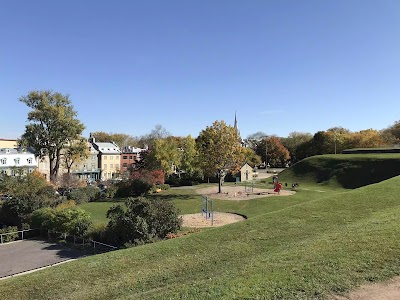
Esplanade Park
View on map
12
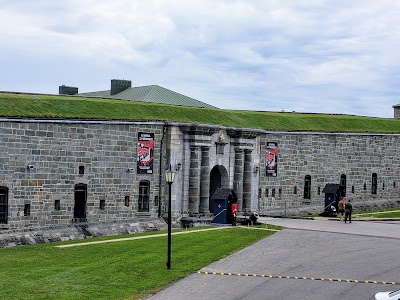
La Citadelle de Québec
View on map
13
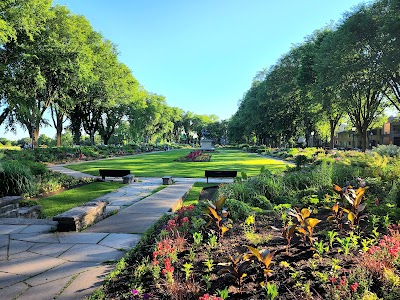
Plains of Abraham
View on map
Experience the Full Tour
Download the DocentPro app to access all tour stops, complete audio narrations in multiple languages, offline maps, and interactive features.