
Savannah's Timeless Charm: A Journey Through History and Beauty

Walking Tour

2.8 km (1.7 miles)

41 min travel time

10 Stops

Savannah, United States
Savannah's Timeless Charm: A Journey Through History and Beauty
Tour Stops
1
Forsyth Park
View on map
Audio Narrations
English
Introduction
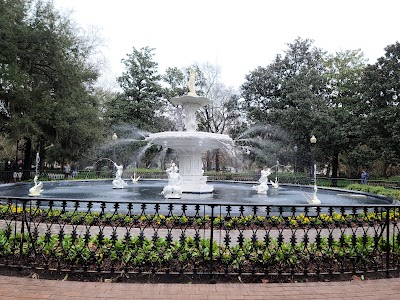
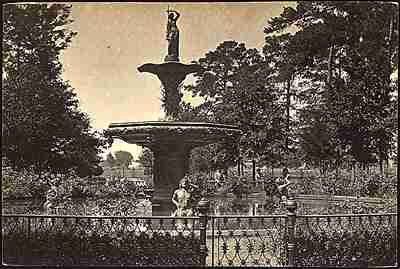
Forsyth Park, Savannah's oldest and largest park, spans 30 acres in the heart of the historic district. Established in the 1840s, it was named after Georgia's 33rd governor, John Forsyth. The park's iconic fountain, installed in 1858, is modeled after the fountains at the Place de la Concorde in Paris and is a popular spot for photos and proposals. Forsyth Park also features two children's playgrounds, a fragrant garden for the blind, and expansive green fields for recreation. It hosts various events throughout the year, including the weekly Saturday Farmer's Market and the Savannah Jazz Festival. The park's lush greenery, towering live oaks, and pink-and-white azalea bushes create a picturesque setting for locals and visitors alike to relax, socialize, and enjoy the beauty of Savannah.Art and Performance Venue
Forsyth Park, a vibrant hub of art and performance in Savannah, Georgia, offers a captivating experience for art enthusiasts and performers alike. The park's iconic fountain serves as a picturesque backdrop for outdoor concerts, hosting renowned musicians and local talents. The Forsyth Park Bandshell, a historic structure, provides an intimate setting for live performances, from theatrical productions to dance recitals. Beyond its performance spaces, Forsyth Park fosters a thriving art scene. The Forsyth Farmers' Market, held every Saturday, showcases local artisans and their handmade crafts, paintings, and sculptures. The park's Fragrant Garden, a sensory delight, inspires artists with its vibrant blooms and aromatic scents. Forsyth Park's artistic legacy is intertwined with the Savannah Music Festival, an annual event that transforms the park into a musical haven. During the festival, the park's lush lawns become a stage for world-class musicians, offering an eclectic mix of genres from classical to jazz. Whether you're seeking live performances, artistic inspiration, or simply a stroll through a park steeped in creativity, Forsyth Park offers an unforgettable experience for art and performance enthusiasts.Botanical Oasis
Forsyth Park, a botanical oasis in the heart of Savannah, Georgia, is a verdant sanctuary for nature enthusiasts and horticulturalists alike. Its meticulously manicured gardens showcase a diverse array of native and exotic plant species, each contributing to the park's vibrant tapestry of colors and textures. The fragrant garden for the blind, a sensory haven, allows visitors to experience the beauty of nature through touch and smell. The park's towering live oaks, draped in ethereal Spanish moss, provide a majestic canopy, casting intricate shadows upon the lush undergrowth. Forsyth Park is not merely a passive observer of nature's artistry; it actively engages with the botanical world through educational programs and workshops, fostering a deep appreciation for the intricate web of life that thrives within its borders.
2
Fountain at Forsyth Park
View on map
3
Mercer-Williams House Museum
View on map
4
Andrew Low House
View on map
Audio Narrations
English
Introduction
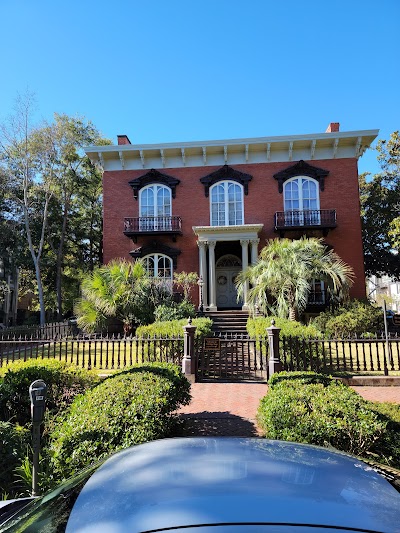
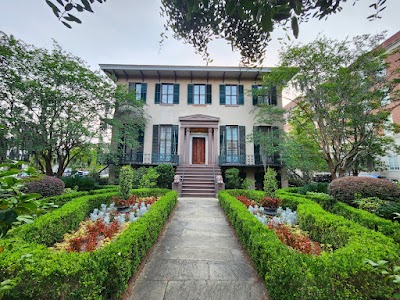
The Andrew Low House, a testament to the architectural grandeur of the 19th century, stands as a beacon of Savannah's rich history. Built in 1848 for prominent cotton factor Andrew Low, the house embodies the opulence of the antebellum South. Its Italianate design, characterized by a symmetrical facade, arched windows, and a bracketed cornice, reflects the architectural trends of the era. Stepping inside, visitors are greeted by a grand entry hall, adorned with intricate moldings and a sweeping staircase. The opulent drawing room, with its crystal chandelier and hand-painted wallpaper, evokes the elegance of formal gatherings. The dining room, with its mahogany table and silver service, speaks to the lavish meals enjoyed by the Low family. Upstairs, the bedrooms offer a glimpse into the private lives of the family. The master bedroom, with its four-poster bed and ornate fireplace, reflects the status of the patriarch. The children's bedrooms, with their playful details and smaller scale, provide a contrast to the formality of the downstairs rooms. The Andrew Low House is not merely a museum of the past; it is a living testament to the city's cultural heritage. Today, the house serves as a popular venue for weddings, receptions, and other special events. Visitors can also take guided tours to learn about the history of the house and the lives of its former occupants. As you explore the Andrew Low House, imagine the grand parties held within its walls, the laughter of children echoing through the halls, and the quiet moments of reflection enjoyed by the family in their private quarters. This architectural gem offers a glimpse into a bygone era, reminding us of the rich history and enduring legacy of Savannah, Georgia.Southern Charm
Andrew Low House: A Glimpse into Savannah's Southern Charm The Andrew Low House stands as a testament to Savannah's rich history and enduring Southern charm. Built in 1849 for cotton magnate Andrew Low, the Italianate mansion embodies the elegance and grandeur of the antebellum South. Its intricate Greek Revival details, including the stately columns framing the entrance and the ornate cast-iron balcony, whisper tales of a bygone era. Beyond its architectural beauty, the Andrew Low House offers a glimpse into the lives of a prominent Southern family. The home's opulent interiors, once graced by the likes of General Robert E. Lee, speak of lavish parties and refined gatherings. The stories of Andrew Low's entrepreneurial spirit and his unwavering devotion to his family resonate within these walls, offering a glimpse into the values and aspirations of the Southern elite. But the Andrew Low House also holds a darker side, reflecting the complexities of Southern history. The mansion witnessed the heartbreak of Andrew Low's first wife and young son, their untimely deaths casting a shadow over the family's joy. The Civil War further divided the Low family, with Andrew actively supporting the Confederacy while his daughters remained loyal to the Union. These contrasting narratives weave a tapestry of loyalty, loss, and resilience, revealing the multifaceted nature of Southern identity. Today, the Andrew Low House stands as a museum, offering visitors a chance to step back in time and experience the essence of Southern charm. From the meticulously preserved furnishings to the captivating stories of its inhabitants, the house provides a window into a world of elegance, hospitality, and the enduring spirit of the South. Whether you're drawn to its architectural grandeur, its historical significance, or its captivating tales of love, loss, and resilience, the Andrew Low House offers a unique and unforgettable experience, immersing you in the heart of Savannah's Southern charm.Architectural Masterpiece
Andrew Low House: A Gem of Italianate Architecture in Savannah Step into the Andrew Low House, a magnificent Italianate mansion that stands as a testament to Savannah's architectural brilliance. Built in 1848 for a prominent Scottish magnate, this masterpiece boasts intricate details and a grandeur that transports you back to the city's cotton-trading zenith. The house's facade is a symphony of architectural elements. The low-pitched roof, a hallmark of Italianate style, is adorned with decorative brackets and deep eaves. The symmetrical design features tall, slender windows with arched tops and delicate moldings. The entryway, framed by imposing columns, leads to a spacious interior that exudes elegance and sophistication. Inside, the Andrew Low House reveals its true splendor. The rooms are adorned with intricate plasterwork, ornate fireplaces, and gleaming hardwood floors. The grand ballroom, with its soaring ceilings and crystal chandeliers, is a testament to the lavish lifestyle of the Low family. The house also boasts a hidden treasure – a secret passageway that once served as an escape route during the Civil War. The Andrew Low House is not merely a beautiful building; it is a repository of history. The house has hosted notable figures, including General Robert E. Lee and the Earl of Roxbury. It has also played a role in shaping Savannah's cultural landscape, serving as a backdrop for literary works and historical events. Today, the Andrew Low House is a museum open to the public. Guided tours allow visitors to explore the house's opulent interiors and learn about its fascinating history. As you wander through the rooms, imagine the lives that unfolded within these walls, the laughter and conversations, the grand parties and intimate gatherings. The Andrew Low House is a must-visit for anyone interested in architecture, history, or simply appreciating the finer things in life. It is a testament to the enduring power of beauty and the legacy of a bygone era.
5
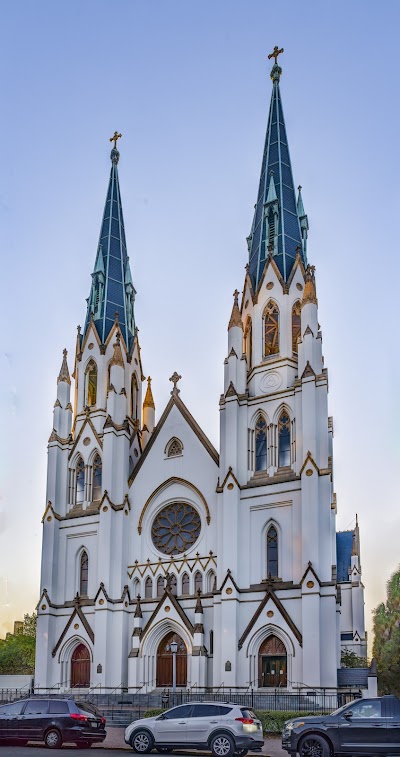
The Cathedral Basilica of St. John the Baptist
View on map
Audio Narrations
English
Introduction
The Cathedral Basilica of St. John the Baptist in Savannah distinguishes itself through its French Gothic architectural style, a relative rarity in the American South. Its towering spires, visible from much of the historic district, are not original; they were added after a devastating fire in 1898 destroyed much of the original structure. The interior boasts Austrian stained-glass windows, each meticulously crafted and shipped to Savannah, depicting biblical scenes and the lives of saints. The high altar is Carrara marble, imported from Italy, and features intricate carvings. Unusually, the cathedral houses a functioning pipe organ, a Casavant Frères instrument, renowned for its rich tonal quality and complex mechanics, a feature often overlooked by casual visitors. The baptismal font, also Carrara marble, is positioned prominently near the entrance, symbolizing the entry into the Christian faith. The cathedral's cornerstone was laid in 1873, marking the beginning of a long journey to create this architectural and spiritual landmark.Sistine of the South Murals
The Cathedral Basilica of St. John the Baptist in Savannah, often called the "Sistine of the South," owes much of its fame to the lavish murals adorning its interior. These murals, frequently mistaken for frescoes, are actually painted on canvas and were created in New York City before being transported to Savannah for installation in 1912. The vibrant colors and detailed scenes, including depictions of Pentecost and the Sermon on the Mount, draw viewers into the stories of Jesus. The murals around the high altar depict the four evangelists: Matthew, Mark, Luke, and John, a common theme in Roman Catholic cathedrals. The meticulous artistry contributes significantly to the cathedral's reputation as a must-see religious site. The decision to use canvas instead of traditional fresco techniques allowed for off-site creation and potentially more intricate detailing. The murals contribute significantly to the Cathedral's designation as the "Sistine of the South" because of their artistic value and spiritual storytelling. The scale and execution of these artworks create an immersive experience, making visitors feel as though they are stepping into a medieval painting. The preservation and restoration efforts have ensured that these murals continue to inspire and captivate visitors.French Gothic Architecture
The Cathedral of St. John the Baptist in Savannah stands as a notable example of High Victorian Gothic architecture, incorporating French building traditions. Designed by architect Ephraim Francis Baldwin, the cathedral exhibits key features of French Gothic influence, most notably its layout in the shape of a Latin cross, a design element particularly striking when viewed from above, emphasizing the contrast created by the hip and gable roof. The structure emphasizes height, a characteristic of Gothic Revival architecture, through its soaring twin spires that dominate the Savannah skyline. This sense of verticality is further enhanced by pointed arch windows and doorways, directing the eye upward. Inside, cross-ribbed vault ceilings contribute to the feeling of ascendance. Built of brick masonry, the cathedral was stuccoed and whitewashed, incorporating polychromy, the use of contrasting colors, a feature highlighted both inside and outside. Decorative tracing within the rose window, slender columns supporting the vaulted ceilings, and ornate carvings and colors within the sanctuary further reinforce the Gothic style. The building embodies a blend of French architectural principles within the Victorian Gothic framework.
6
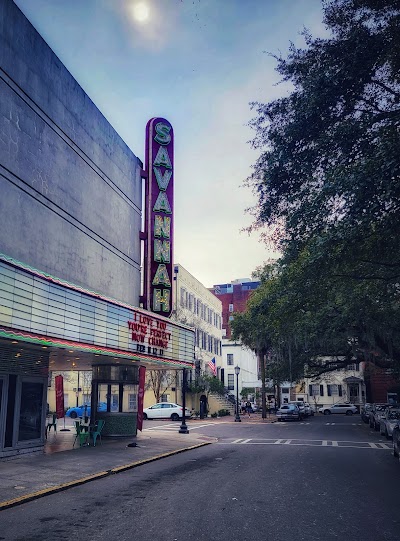
Savannah Theatre
View on map
7
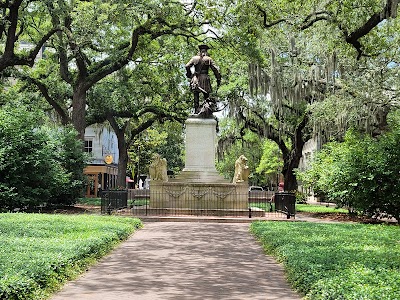
Chippewa Square
View on map
8
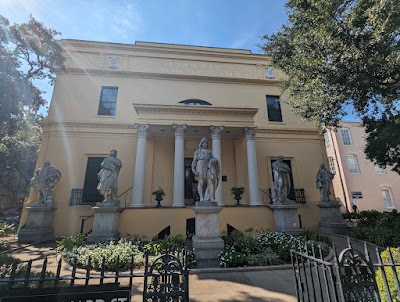
Telfair Museums
View on map
Audio Narrations
English
Introduction
The Telfair Museums, a trio of distinct architectural gems nestled in Savannah's Historic District, offer a captivating journey through art and time. The crown jewel, the Telfair Academy, stands as a testament to Regency-era grandeur. Built in 1819 as a private home, it was Savannah's first art museum, opening its doors to the public in 1886. Within its grand halls, you'll find a fascinating blend of 19th and 20th-century American and European art. A short stroll away, the meticulously restored Owens-Thomas House & Slave Quarters provides a sobering glimpse into the realities of urban slavery in the antebellum South. Here, the stories of the enslaved individuals who lived and worked on the property are given equal weight to those of the wealthy Owens-Thomas family. Completing the Telfair trio is the Jepson Center for the Arts, a striking example of modern architecture that seamlessly blends with its historic surroundings. This contemporary space showcases a dynamic range of traveling exhibitions and the museum's growing collection of modern and contemporary art, making it a vibrant hub for art enthusiasts.Southern Decorative Arts
Telfair Museums in Savannah offer a unique portal into the world of Southern Decorative Arts, showcasing the region's rich artistic heritage and craftsmanship. Within its collection, visitors can discover exquisite examples of furniture crafted by enslaved artisans, reflecting the complex social fabric of the antebellum South. These pieces often feature intricate carvings and regional design elements, providing insights into the skills and artistry of these unheralded craftsmen. Beyond furniture, Telfair Museums houses a remarkable collection of silver, ceramics, and textiles, each piece narrating a story of Southern life and traditions. Visitors can examine delicate porcelain sets used for grand occasions, showcasing the aspiration for elegance and refinement in Southern households. The museums' collection of quilts, woven by hand and often incorporating intricate patterns, provides a tangible link to the domestic lives of women in the South and the stories their creations tell. Through these diverse objects, Telfair Museums offers a nuanced perspective on Southern Decorative Arts, illuminating the lives, traditions, and artistry that shaped the region's cultural identity.Historic Preservation
Telfair Museums stand as a testament to Savannah's commitment to historic preservation, embodying the city's evolving narrative through its architecture and collections. The Telfair Academy, a National Historic Landmark, exemplifies the Regency style popular in the early 19th century, its original structure meticulously preserved. The museum's later expansion, the Jepson Center for the Arts, stands in deliberate contrast, showcasing a modern design while respecting the scale and materials of its historic surroundings. This juxtaposition highlights the Telfair's nuanced approach to preservation, demonstrating how contemporary additions can complement and enhance historic sites. Beyond the buildings themselves, the Telfair's collection reflects a dedication to preserving Savannah's artistic heritage. Portraits of prominent Savannahians, crafted by local artists, offer a glimpse into the city's social fabric across different eras. Furthermore, the museum actively researches and interprets its historic structures, sharing insights into their construction, use, and evolution over time. Through exhibitions, publications, and educational programs, the Telfair Museums ensure that these tangible links to Savannah's past continue to inform and inspire present and future generations.
9
Juliette Gordon Low Birthplace Museum
View on map
Audio Narrations
English
Introduction
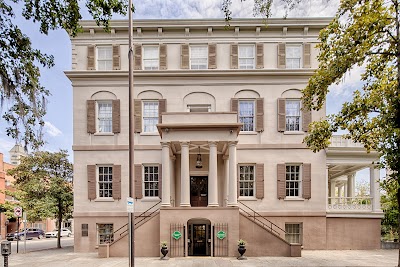
Step inside the Juliette Gordon Low Birthplace Museum in Savannah, Georgia, and embark on a journey through the life of the founder of Girl Scouts of the USA. This historic mansion, built in 1821, was the childhood home of Juliette Gordon Low, and its walls whisper stories of her adventurous spirit and unwavering determination. Explore the meticulously preserved rooms, each adorned with period furniture and personal belongings that offer a glimpse into Juliette's upbringing and the influences that shaped her vision. Admire the elegant drawing room where she hosted lively gatherings, the cozy library where she devoured books that fueled her imagination, and the serene bedroom where she dreamt of making a difference in the world. As you wander through the museum, discover the fascinating exhibits that showcase Juliette's remarkable life. Learn about her travels abroad, her passion for social justice, and her unwavering belief in the power of girls to change the world. Immerse yourself in the interactive displays that bring her story to life, and be inspired by her legacy of leadership, innovation, and service. The Juliette Gordon Low Birthplace Museum is not just a historical landmark; it's a testament to the enduring impact of one woman's vision. It's a place where girls and women of all ages can find inspiration, connect with their inner strength, and embrace the spirit of adventure that Juliette embodied. So, step into this historic haven and let the story of Juliette Gordon Low ignite your own journey of empowerment and purpose.Savannah Historic Landmark
The Juliette Gordon Low Birthplace, a Savannah Historic Landmark, is a must-visit for anyone interested in the history of the Girl Scouts and the life of their founder. This Regency house, constructed between 1818 and 1821, is elegantly restored to its 1886 appearance and features original furnishings. The Birthplace is the first National Historic Landmark in Savannah and is owned by Girl Scouts USA. It is open for public tours with reserved programs for Girl Scouts and school classes. Reservations are required for groups. The Juliette Gordon Low Birthplace is also a significant part of the Andrew Low House Museum, which is located just a few blocks away. The Andrew Low House was the home of Juliette Gordon Low's father-in-law, and it was here that she first met Robert Baden-Powell, the founder of the Boy Scouts. The Andrew Low House is also a National Historic Landmark and is open to the public for tours. Together, the Juliette Gordon Low Birthplace and the Andrew Low House offer a unique glimpse into the life and legacy of Juliette Gordon Low and the early days of the Girl Scouts.Architectural Gem
Juliette Gordon Low Birthplace: A Hidden Architectural Gem Nestled in the heart of Savannah's historic district, the Juliette Gordon Low Birthplace Museum stands as a testament to both history and architectural beauty. This unassuming Georgian mansion, built in 1821, holds within its walls the story of a remarkable woman and the birth of a global movement. Stepping inside, visitors are transported back to the 19th century. The elegant drawing room, with its intricate plasterwork and crystal chandelier, evokes the refined atmosphere of the Low family's life. The dining room, adorned with hand-painted wallpaper and mahogany furniture, whispers tales of lively gatherings and spirited conversations. Each room, meticulously preserved, offers a glimpse into the world that shaped Juliette Gordon Low, the founder of the Girl Scouts. Beyond its historical significance, the Juliette Gordon Low Birthplace Museum is an architectural gem in its own right. The symmetrical facade, with its delicate ironwork balconies and arched entryway, reflects the refined taste of the era. The interior boasts original heart-pine floors, hand-carved moldings, and ornate fireplaces, each detail showcasing the craftsmanship of the time. But the true architectural marvel lies in the hidden spaces. A narrow staircase leads to the attic, where Juliette and her siblings once played and dreamed. The basement, with its exposed brick walls and vaulted ceilings, reveals the hidden workings of the house, a reminder of the lives lived and stories whispered within these walls. The Juliette Gordon Low Birthplace Museum is more than just a museum; it's a living testament to the power of architecture to tell stories and inspire. It's a place where history and beauty intertwine, offering a unique glimpse into the life of a remarkable woman and the birth of a global movement.
10
Owens-Thomas House & Slave Quarters
View on map
Audio Narrations
English
Introduction
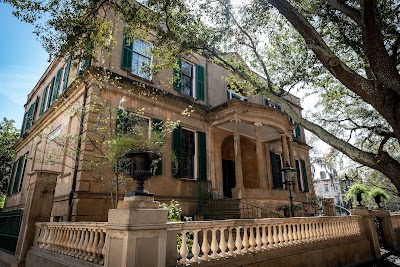
The Owens-Thomas House & Slave Quarters in Savannah stands as a powerful, tangible representation of the complexities of early 19th-century American life. Designed by English architect William Jay, the mansion showcases Regency architecture, a style relatively rare in the United States. What distinguishes it further is the stark contrast between the opulent main house and the meticulously preserved urban slave quarters located on the same property. These quarters, unusually intact for an urban setting, offer a chilling glimpse into the daily lives of enslaved individuals who labored for the Owens and later the Thomas families. The site's significance extends beyond its architecture; it provides a crucial lens through which to examine the economic and social structures of the antebellum South. One often-overlooked aspect is the house's advanced plumbing system, considered revolutionary for its time, yet built and maintained by enslaved labor. Marquis de Lafayette, the French aristocrat and American Revolutionary War hero, was hosted here in 1825, adding another layer to its historical narrative. The juxtaposition of Lafayette's visit, celebrating liberty, with the realities of slavery within the same walls, underscores the inherent contradictions of the era.Urban Slave Quarters
The Owens-Thomas House & Slave Quarters stands as a significant example of urban slavery, differing from the common perception of slavery being solely field labor. By 1860, enslaved people constituted 20 percent of major cities' populations, and the Owens-Thomas House reflects this reality. The site features one of the oldest and best-preserved urban slave quarters, located in a two-story building behind the main house, originally divided into a carriage house and slave quarters. The north half of this building housed the slave quarters, where between 9 and 15 enslaved people, including many children, lived in three rooms across two levels. These quarters starkly contrast with the main house, reflecting minimal comforts. The ceiling of one room notably contains the largest swath of historic haint blue paint in North America, a color used by the Gullah/Geechee people to ward off malevolent spirits. A 2018 restoration and re-curation of the slave quarters, supported by a National Endowment for the Humanities Grant, shifted the site's focus to provide an "honest exploration" of urban slavery. The basement level, curated as a protected ruin, displays letters from the Owens family, illustrating their involvement in the cruelty of slavery. The museum uses these primary sources to connect historical events with contemporary issues, such as family separation. This re-curation marks a significant change, setting an example for other historical sites in Savannah to include the stories of the enslaved in their narratives.English Regency Architecture
The Owens-Thomas House & Slave Quarters stands as North America's preeminent example of English Regency architecture. Designed by William Jay, a 24-year-old English architect from Bath, the house reflects an aesthetic compatibility with the architectural style of Bath, England. Jay sent architectural elevations from England to local workers before arriving in Savannah, ensuring the house's design aligned with Regency ideals. Built between 1816 and 1819, the house incorporated modern innovations such as running water on all three floors. The Owens-Thomas House exemplifies the Regency period's emphasis on elegance and sophistication, evident in its stucco exterior, a departure from the red-brick Federal style common in Savannah. The structure's design includes a front courtyard, a formal walled garden, and a rear building that housed a carriage house and slave quarters, all integrated into a cohesive Neoclassical style. The house also features a unique skylight in the formal dining room and a curved bridge on the second floor connecting the front and back halls. Its early cast iron side veranda with elaborate acanthus scroll supports further exemplifies the architectural details of the English Regency period. The relatively undisturbed basement walls, floors, and ceilings expose raw, unrefined evidence of 200 years of use by the home’s free and enslaved inhabitants.
Experience the Full Tour
Download the DocentPro app to access all tour stops, complete audio narrations in multiple languages, offline maps, and interactive features.