
Seoul: A BTS Fan's Pilgrimage Through the City of Dreams

Walking Tour

0.0 km (0.0 miles)

9 Stops

Seoul, South Korea
Seoul: A BTS Fan's Pilgrimage Through the City of Dreams

Tour Stops
1
Big Hit Entertainment
View on map
Audio Narrations
Introduction
Nestled in the heart of Seoul, South Korea, Big Hit Entertainment stands as a global powerhouse in the entertainment industry. Founded in 2005, the company has become synonymous with the rise of K-pop, shaping the careers of renowned groups like BTS and TXT. Big Hit's headquarters in Yongsan-gu is a testament to its success, housing state-of-the-art recording studios, practice rooms, and a museum dedicated to its artists. The company's innovative approach to artist development and fan engagement has garnered it a loyal following worldwide, solidifying its position as a leading force in the entertainment landscape.BTS
For BTS enthusiasts, a pilgrimage to Big Hit Entertainment in Seoul, South Korea, is a must. The company's new headquarters, located in the Gangnam district, is a modern and sleek building that reflects BTS's global success. The exterior is adorned with the group's logo and the words "Big Hit Entertainment," making it an iconic landmark for fans. Inside, the building houses practice rooms, recording studios, and offices where BTS members have spent countless hours honing their craft. The atmosphere is vibrant and creative, with the sound of music often filling the air. Fans can take guided tours of the building, offering a glimpse into the behind-the-scenes world of BTS. For those seeking a more personal connection, Big Hit Entertainment also operates a fan cafe, where fans can gather to share their love for BTS and connect with other ARMY members. The cafe is decorated with BTS memorabilia and offers exclusive merchandise, making it a haven for dedicated fans. Beyond the physical space, Big Hit Entertainment has played a pivotal role in BTS's rise to global stardom. The company's innovative approach to artist management and marketing has allowed BTS to break down cultural barriers and reach a worldwide audience. Big Hit Entertainment's commitment to quality music and empowering its artists has created a unique and enduring bond between BTS and their fans.Music Industry Revolution
Big Hit Entertainment, a trailblazing force in the music industry, has emerged from Seoul, South Korea, revolutionizing the global music landscape. Founded by visionary Bang Si-hyuk, the company has shattered industry norms by nurturing and empowering artists to connect with fans worldwide. Through innovative strategies and a deep understanding of the digital age, Big Hit has propelled K-pop to unprecedented heights, breaking cultural barriers and redefining the boundaries of music consumption. Its groundbreaking approach to artist development, emphasizing authenticity and fan engagement, has created a loyal and passionate global fanbase. Big Hit's success story serves as a testament to the transformative power of innovation and the ability of music to transcend borders, uniting people across cultures and continents.
2
Jamsil Sports Complex
View on map
Audio Narrations
Introduction
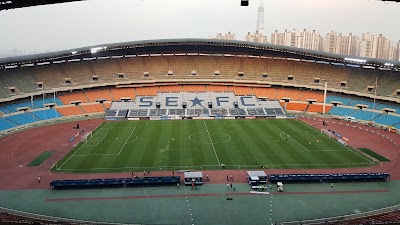
The Jamsil Sports Complex, a sprawling urban oasis in the heart of Seoul, South Korea, stands as a testament to the city's vibrant sporting culture and architectural prowess. This iconic complex, nestled within the Songpa district, boasts a remarkable collection of world-class sporting venues, each boasting a unique history and legacy. The centerpiece of the complex is the awe-inspiring Jamsil Olympic Stadium, a majestic structure that hosted the opening and closing ceremonies of the 1988 Summer Olympics. Its towering silhouette and innovative design have made it a symbol of Seoul's Olympic spirit and a popular tourist destination. Adjacent to the Olympic Stadium lies the Jamsil Baseball Stadium, home to the LG Twins and the Doosan Bears, two of the most successful teams in the Korea Baseball Organization. The stadium's electrifying atmosphere and passionate fans create an unforgettable experience for baseball enthusiasts. For ice hockey aficionados, the Jamsil Arena offers a thrilling venue to witness the fierce competition of the Asia League Ice Hockey. This state-of-the-art arena has hosted numerous international tournaments and is a hub for the sport in South Korea. Beyond its sporting prowess, the Jamsil Sports Complex also serves as a vibrant community hub. The surrounding park provides a tranquil escape from the bustling city, offering opportunities for leisure activities, picnics, and outdoor recreation. The complex also hosts various cultural events and festivals throughout the year, making it a focal point for social gatherings and entertainment. As the sun sets over the Jamsil Sports Complex, the illuminated stadiums and surrounding structures create a breathtaking spectacle, showcasing the city's dynamic spirit and love for sports. This remarkable complex, a testament to Seoul's sporting heritage and architectural ingenuity, continues to inspire athletes, entertain fans, and serve as a symbol of the city's unwavering passion for competition and community.Architectural Innovation
Architectural Innovation at Jamsil Sports Complex: A Pioneering Vision The Jamsil Sports Complex in Seoul, South Korea, stands as a testament to architectural innovation, pushing boundaries and redefining the landscape of sports architecture. Completed in 1984, the complex was a collaborative effort between renowned architects Kim Swoo-geun and Park Kil-ryong, who envisioned a space that transcended functionality and embraced the spirit of athletic excellence. The centerpiece of the complex, the Jamsil Olympic Stadium, boasts a unique suspension roof system, the first of its kind in Korea. This innovative design, inspired by a traditional Korean kite, eliminated the need for internal columns, creating an unobstructed view for spectators and a sense of openness within the vast arena. The stadium's exterior, clad in white granite, reflects the purity and elegance of the Olympic spirit, while its soaring curves evoke a sense of dynamism and movement. Beyond its aesthetic achievements, the Jamsil Sports Complex embraced technological advancements. The complex was one of the first in Asia to utilize a computerized ticketing system, streamlining entry and enhancing the spectator experience. Additionally, the integration of solar panels on the roofs of the stadiums marked a pioneering step towards sustainable design in sports architecture. The Jamsil Sports Complex's impact extends beyond its physical structure. It served as a catalyst for urban development in the Jamsil district, transforming the area into a vibrant hub for sports and entertainment. The complex's legacy continues to inspire architects and engineers, demonstrating the power of innovation to shape the future of sports architecture.Sports and Entertainment Hub
Jamsil Sports Complex: A Powerhouse of Sports and Entertainment in Seoul The Jamsil Sports Complex, a sprawling 137-acre site in the heart of Seoul, stands as a testament to the city's vibrant sports and entertainment scene. This dynamic complex, built for the 1988 Summer Olympics, houses a diverse range of facilities that cater to a variety of sporting and entertainment needs. At the heart of the complex lies the iconic Jamsil Olympic Stadium, a 69,950-seat behemoth that has hosted numerous international sporting events, including the 2002 FIFA World Cup and the 2017 World Athletics Championships. This state-of-the-art stadium continues to be the home ground for the K League 1 football club, FC Seoul, and regularly hosts major concerts and entertainment events. Adjacent to the Olympic Stadium stands the Jamsil Baseball Stadium, a 25,500-seat venue that has been the home of the LG Twins baseball team since 1982. This stadium has witnessed countless thrilling baseball games and has hosted the Korean Series, the championship series of the KBO League, on multiple occasions. The Jamsil Sports Complex also boasts a 12,000-seat indoor arena, the Jamsil Arena, which hosts a variety of sporting events, including basketball, volleyball, and handball. This versatile venue also serves as a popular concert and entertainment hub, having hosted performances by renowned international artists like Michael Jackson and BTS. Beyond these major venues, the complex offers a plethora of other facilities, including an auxiliary baseball stadium, a tennis court complex, and a velodrome. These facilities provide opportunities for amateur athletes and enthusiasts to engage in various sports and recreational activities. The Jamsil Sports Complex is not just a collection of sporting venues; it is a vibrant hub of entertainment and leisure. The complex is surrounded by a sprawling park, offering visitors a green oasis to relax and enjoy outdoor activities. Additionally, the nearby Lotte World amusement park and the Lotte World Tower, the tallest building in South Korea, provide further entertainment options for visitors. With its diverse range of sporting facilities, world-class entertainment venues, and convenient location, the Jamsil Sports Complex has firmly established itself as a premier sports and entertainment hub in Seoul. It continues to be a major draw for both local residents and international visitors, offering a unique and unforgettable experience for all.
3
Hyuga
View on map
Audio Narrations
Introduction
Nestled amidst the bustling cityscape of San Francisco, 15th Avenue Steps Park emerges as a hidden gem, a tranquil oasis where urban dwellers can escape the cacophony of daily life.Historical Significance of Hyuga
Hyuga in Seoul: Echoes of a Historical Legacy Nestled within the bustling metropolis of Seoul, South Korea, lies a hidden gem – the Hyuga, a historical landmark whispering tales of a bygone era. This unassuming structure, tucked away in the heart of the city, holds a profound significance for the Hyuga clan, a powerful samurai family that once held sway over southern Japan. The Hyuga's presence in Seoul speaks volumes about the clan's historical influence. During the Joseon Dynasty (1392-1910), the Hyuga clan maintained close ties with the Korean court, playing a pivotal role in diplomatic relations and cultural exchange. This connection is evident in the Hyuga's architectural style, which seamlessly blends Korean and Japanese elements, reflecting the harmonious relationship between the two nations. Beyond its architectural significance, the Hyuga in Seoul stands as a testament to the clan's military prowess. The structure served as a strategic outpost, guarding the city's western flank against potential invaders. Its sturdy walls and well-designed defenses bear witness to the Hyuga's unwavering commitment to protecting their territory and allies. Today, the Hyuga in Seoul stands as a silent sentinel, a poignant reminder of a rich and complex history. As visitors explore its weathered walls and intricate carvings, they are transported back to an era of samurai warriors, diplomatic alliances, and cultural fusion. The Hyuga serves as a tangible link to the past, offering a glimpse into the vibrant tapestry of Korean-Japanese relations and the enduring legacy of the Hyuga clan.Hyuga Cuisine
Hyuga Cuisine in Seoul: A Culinary Journey to Miyazaki's Coast Nestled in the heart of Seoul, Hyuga restaurants offer a unique culinary escape to the coastal flavors of Miyazaki Prefecture. More than just a meal, dining at these establishments is an immersive experience, transporting you to the shores of southern Japan through its distinct cuisine. Hyuga cuisine is renowned for its fresh seafood, sourced directly from the Pacific Ocean. Indulge in Hyuga's signature dish, "Tai Meshi," a flavorful rice dish cooked with sea bream and a medley of seasonal vegetables. Savor the delicate sweetness of "Shirasu Don," a bowl brimming with fresh whitebait, or relish the rich, smoky notes of "Kibinago no Shioyaki," grilled silverfish seasoned with local salt. Beyond seafood, Hyuga's culinary landscape boasts an array of delectable dishes. "Toriten Nanban," a local favorite, features succulent chicken karaage drizzled with a sweet and tangy vinegar sauce. For a taste of Miyazaki's countryside, try "Heta Yaki," grilled shiitake mushrooms glazed with a savory miso sauce. And no Hyuga culinary journey is complete without sampling "Hyuga Natto," a unique fermented soybean dish with a distinct flavor and aroma. Dining at Hyuga restaurants in Seoul is not just about the food; it's about embracing the cultural heritage of Miyazaki. The warm hospitality, traditional ambiance, and meticulous attention to detail create an unforgettable experience. Whether you're a seasoned food enthusiast or a curious explorer, Hyuga cuisine in Seoul promises a captivating journey for your palate and soul.
4
Yoojung Sikdang
View on map
Audio Narrations
Introduction
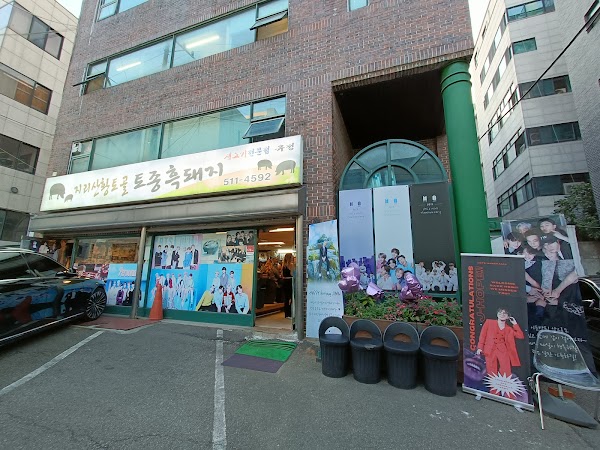
Nestled in the heart of Seoul's bustling Mapo district, Yoojung Sikdang is a culinary gem that has been tantalizing taste buds for over 50 years. This unassuming eatery, adorned with vintage movie posters and a warm, family-run atmosphere, is renowned for its signature dish: the "Bossam." This delectable creation features succulent boiled pork belly, meticulously sliced and served with a symphony of fresh kimchi, pickled radish, and a secret dipping sauce that adds a tantalizing kick. Each bite is an explosion of textures and flavors, a testament to the restaurant's dedication to traditional Korean culinary techniques. Beyond the Bossam, Yoojung Sikdang offers a treasure trove of other Korean delicacies. The "Sundubu Jjigae," a spicy soft tofu stew, is a comforting and flavorful option, while the "Kimchi Jeon," a savory kimchi pancake, is a perfect appetizer to whet the appetite. For those seeking a lighter option, the "Bibim Guksu," a cold noodle dish with a medley of vegetables and a tangy sauce, is a refreshing choice. Yoojung Sikdang's charm lies not only in its delectable cuisine but also in its unwavering commitment to authenticity. The restaurant's walls are adorned with photographs of renowned Korean actors and singers who have graced its tables, a testament to its enduring popularity. The friendly staff, many of whom have been with the restaurant for decades, adds to the warm and inviting ambiance. A visit to Yoojung Sikdang is not just a culinary experience but a journey into the heart of Korean culture and tradition.Traditional Architecture
Yoojung Sikdang, nestled in the heart of Seoul, South Korea, is a haven for those seeking a glimpse into the city's rich architectural heritage. This traditional Korean restaurant, housed in a hanok, embodies the essence of Joseon Dynasty architecture, transporting diners to a bygone era. Step inside, and you'll be greeted by a symphony of natural elements. The exposed wooden beams, known as dari, form the building's skeleton, showcasing the intricate craftsmanship of Korean artisans. The walls, adorned with hanji, a traditional paper made from mulberry trees, exude a sense of warmth and tranquility. The ondol, a unique underfloor heating system, provides gentle warmth, adding to the cozy ambiance. As you settle into the low seating, arranged around a central table, notice the meticulous attention to detail. The banchan, an array of side dishes, are served in elegant brass bowls, while the main courses, often featuring seasonal ingredients, are presented on ceramic plates. The overall aesthetic is one of simplicity and harmony, reflecting the core principles of Korean design. Beyond its visual appeal, Yoojung Sikdang offers a culinary journey through time. The restaurant's menu features traditional Korean dishes, prepared using time-honored recipes passed down through generations. From the delicate flavors of bibimbap to the hearty warmth of kimchi stew, each bite is a testament to the enduring legacy of Korean cuisine. A visit to Yoojung Sikdang is not merely a dining experience; it's a cultural immersion. The restaurant's traditional architecture, coupled with its authentic cuisine, provides a window into the heart and soul of Korea's rich heritage. As you savor the flavors and admire the surroundings, you'll find yourself transported to a world where history and modernity seamlessly blend, creating a truly unforgettable experience.Historical Dining Experience
Yoojung Sikdang, nestled in the heart of Seoul, South Korea, offers a captivating glimpse into the city's rich culinary history. Established in 1938, this unassuming eatery has witnessed generations savor its signature dish, "Seolleongtang," a hearty ox bone soup simmered for hours to perfection. The restaurant's timeworn interior, adorned with vintage photographs and traditional Korean décor, transports diners to a bygone era. Yoojung Sikdang's Seolleongtang is a testament to the restaurant's unwavering commitment to preserving culinary heritage. The soup's preparation adheres to centuries-old methods, using only the finest ingredients and meticulous cooking techniques. The result is a broth that is both intensely flavorful and remarkably delicate, with a hint of sweetness and a rich, savory depth. Each bowl is accompanied by a generous portion of thinly sliced beef, scallions, and other traditional garnishes, creating a symphony of textures and flavors. Beyond its culinary offerings, Yoojung Sikdang provides a unique cultural experience. The restaurant's walls are adorned with photographs of renowned figures who have graced its tables, including former presidents and cultural icons. The atmosphere is one of warmth and camaraderie, as locals and visitors alike gather to share stories and savor the timeless flavors of Korean cuisine. For those seeking an authentic historical dining experience, Yoojung Sikdang is an unparalleled destination. Its unwavering dedication to tradition, exceptional cuisine, and rich cultural heritage make it a true gem in Seoul's culinary landscape. A visit to Yoojung Sikdang is not merely a meal; it is a journey through time, offering a taste of Korea's culinary past and a glimpse into the heart of its vibrant culture.
5
Yeouido Hangang Park
View on map
Audio Narrations
Introduction
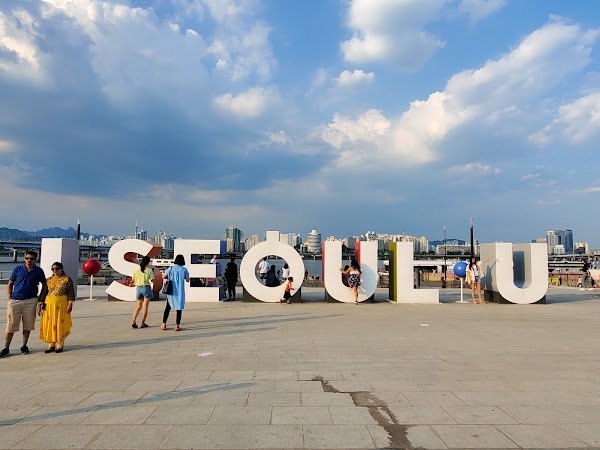
Yeouido Hangang Park, a scenic haven in Seoul, South Korea, encompasses 12 parks along the banks of the Han River. It offers a plethora of recreational activities, including soccer fields, skateboarding and inline skating parks, tennis courts, and hiking/biking trails. Swimming pools and water sports like water-skiing, yachting, boat racing, and fishing are also available. The park's history dates back to the 1980s, when the Hangang River Development Project transformed a section of the river into a vibrant urban oasis. In 2007, the Hangang Renaissance Project was launched to enhance the parks and surrounding areas, creating a hub for culture, art, leisure, and riverside living. Yeouido Park, one of the most popular sections, boasts an area of 1,487,374 square meters and a length of 8.4 kilometers. It hosts events like the Hangang Spring Flower Festival, the Seoul International Fireworks Festival, and various performances and marathon events. Other notable areas include Banpo Park, known for its Moonlight Rainbow Fountain, and Nanji Park, a former landfill site transformed into an amusement park with a central connection bridge to the sky park. Yeouido Hangang Park is a testament to Seoul's commitment to green spaces and urban renewal. It provides a sanctuary for locals and tourists alike, offering a diverse range of activities and stunning views of the Han River.Cycling Destination
Yeouido Hangang Park, a cycling haven in Seoul, South Korea, offers a picturesque riverside experience for cyclists of all levels. With dedicated bike paths stretching along the Han River, the park provides a serene escape from the city's hustle and bustle. Rent a bicycle from one of the conveniently located kiosks and embark on a leisurely ride, taking in the stunning views of the river and the city skyline. The park's well-maintained paths are perfect for both casual cyclists and fitness enthusiasts, with options for both single and tandem bikes. As you cycle through the park, you'll encounter various attractions that enhance the experience. The Floating Stage, a unique open-air venue on the water's surface, hosts concerts and performances, adding a touch of entertainment to your ride. The Cascade, a shallow water area with fountains, provides a fun and refreshing spot for kids to cool off. For a break from cycling, stop by the Information Center next to Yeouinaru subway station for assistance or to learn more about the park's offerings. Yeouido Hangang Park also serves as a venue for major cycling events throughout the year. The Yeouido Spring Flower Festival in April transforms the park into a sea of cherry blossoms, creating a breathtaking backdrop for your ride. The Hangang Summer Festival in July and August brings lively concerts and cultural performances to the park, while the Seoul World Fireworks Festival in October illuminates the sky with a dazzling display of pyrotechnics. Whether you're a seasoned cyclist or just looking for a leisurely ride, Yeouido Hangang Park offers a perfect blend of scenic beauty, convenient amenities, and exciting events, making it an unforgettable cycling destination in Seoul.Outdoor Fitness
Yeouido Hangang Park, a sprawling green oasis nestled in the heart of Seoul, South Korea, offers an unparalleled outdoor fitness experience. Its extensive network of trails, both paved and unpaved, winds through the park's lush greenery, providing ample space for runners, cyclists, and walkers to enjoy the fresh air and scenic views. The park's outdoor fitness facilities are strategically placed along the trails, offering a convenient and accessible way to incorporate exercise into your daily routine. These facilities include a variety of equipment, such as pull-up bars, parallel bars, and cardio machines, catering to fitness enthusiasts of all levels. The equipment is well-maintained and regularly inspected, ensuring a safe and enjoyable workout experience. One of the unique features of Yeouido Hangang Park is its outdoor gym, located under the Yanghwa Bridge. This state-of-the-art facility features a comprehensive range of fitness equipment, including weight machines, cardio equipment, and free weights. The gym is open 24 hours a day, providing flexibility and convenience for those who prefer to work out at their own pace. In addition to its fitness facilities, Yeouido Hangang Park also offers a variety of other amenities that enhance the outdoor fitness experience. These include picnic areas, restrooms, and water fountains, ensuring that visitors have everything they need for a comfortable and enjoyable workout. The park's proximity to the Han River also provides opportunities for water sports and other recreational activities, making it a truly versatile destination for outdoor fitness enthusiasts.
6
Dongjak Bridge
View on map
Audio Narrations
Introduction
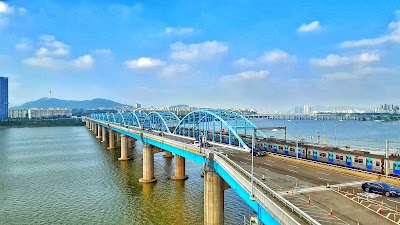
Dongjak Bridge: Seoul's Hidden Gem Dongjak Bridge, nestled in the heart of Seoul, South Korea, is more than just a concrete passageway. It's a vibrant tapestry woven with history, art, and community. Completed in 1979, the bridge boasts a unique design, featuring two levels: a bustling thoroughfare above and a hidden oasis below. Beneath the roaring traffic, a serene riverside park unfolds, offering a tranquil escape from the city's clamor. Lush greenery carpets the banks, while the gentle murmur of the stream creates a soothing ambiance. This hidden gem, often overlooked by tourists, is a favorite haunt for locals seeking respite and rejuvenation. Adding to the bridge's allure is the Dongjak Mural Village, a vibrant display of street art adorning the pillars and walls. Local artists have transformed the once-drab concrete into a canvas of creativity, showcasing diverse styles and themes. The murals breathe life into the urban landscape, turning the bridge into an open-air gallery. Dongjak Bridge also holds historical significance. It stands as a testament to Seoul's rapid modernization, a symbol of the city's transformation from a war-torn nation to a bustling metropolis. The bridge witnessed the city's growth and evolution, silently observing the changing tides of time. Today, Dongjak Bridge is a microcosm of Seoul itself – a blend of tradition and modernity, bustling energy and tranquil escapes. It's a place where history whispers through the wind, art dances on the walls, and nature finds solace amidst the urban sprawl. A hidden gem waiting to be discovered, Dongjak Bridge offers a glimpse into the soul of Seoul, revealing its hidden beauty and captivating charm.Suicide prevention measures
Dongjak Bridge: A Beacon of Hope in Seoul's Fight Against Suicide The Dongjak Bridge in Seoul, South Korea, is more than just a concrete structure spanning the Han River. It has become a symbol of hope and resilience in the city's fight against suicide. Once a notorious suicide spot, the bridge has undergone a remarkable transformation, implementing innovative suicide prevention measures that have significantly reduced the number of deaths. One of the key interventions is the installation of a 2.4-meter-high safety fence along the entire length of the bridge. This physical barrier effectively prevents impulsive acts and provides a crucial moment for intervention. Additionally, the bridge is brightly lit at night, dispelling the darkness that often accompanies suicidal thoughts. Beyond physical barriers, the Dongjak Bridge offers a beacon of emotional support. "Life Phone booths" are strategically placed, offering a direct line to trained counselors who can provide immediate assistance to those in distress. Furthermore, CCTV cameras are monitored 24/7, allowing authorities to quickly respond to any potential crisis. The bridge's transformation extends beyond infrastructure. The Seoul Metropolitan Government has implemented a comprehensive suicide prevention program that includes community outreach, mental health awareness campaigns, and support groups for survivors of suicide loss. These efforts aim to address the root causes of suicide and create a more supportive environment for those struggling with mental health challenges. The success of the Dongjak Bridge's suicide prevention measures serves as a powerful testament to the effectiveness of a multi-pronged approach. By combining physical barriers, emotional support, and community outreach, Seoul has created a model for suicide prevention that can be replicated in other cities around the world. The bridge stands as a symbol of hope, reminding us that even in the darkest moments, there is always a way forward.Urban renewal project
Dongjak Bridge: A Symbol of Urban Renewal in Seoul The Dongjak Bridge in Seoul, South Korea, stands as a testament to the city's remarkable urban renewal journey. Originally constructed in 1974, the bridge served as a vital transportation link, connecting the bustling districts of Dongjak and Gwanak. However, over time, the surrounding area became congested and dilapidated, failing to meet the needs of its growing population. In the early 2000s, the Seoul Metropolitan Government embarked on an ambitious urban renewal project, aiming to revitalize the Dongjak Bridge and its surrounding areas. The project involved the demolition of outdated buildings, the construction of modern infrastructure, and the creation of vibrant public spaces. A key element of the project was the transformation of the Dongjak Bridge itself. The bridge was widened and adorned with colorful LED lights, creating a visually stunning landmark. Additionally, pedestrian walkways were added, making the bridge more accessible and inviting for residents. The surrounding area also underwent a dramatic transformation. Old factories and warehouses were replaced with modern apartment complexes, commercial centers, and cultural facilities. Parks and green spaces were created, providing much-needed respite from the urban environment. The Dongjak Bridge urban renewal project has been a resounding success. The area has become a thriving hub of activity, attracting residents, businesses, and tourists alike. The bridge itself has become a symbol of Seoul's commitment to urban renewal and its ability to transform neglected spaces into vibrant and sustainable communities. Today, the Dongjak Bridge stands as a testament to the power of urban renewal. It serves as a reminder that even the most outdated and neglected areas can be revitalized and transformed into thriving communities, offering improved quality of life for residents and contributing to the overall prosperity of the city.
7
National Museum of Korea
View on map
Audio Narrations
Introduction
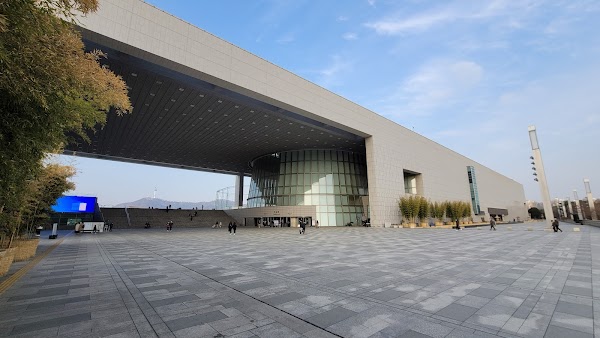
The National Museum of Korea, located in Seoul, South Korea, is the largest museum in Asia and the sixth largest in the world. It houses over 310,000 artifacts, including the Pensive Bodhisattva from the 7th century, the Gold Crown from the 5th century Silla Kingdom, and the Ten-Story Pagoda of Gyeongcheonsa Temple. The museum also features a Children's Museum, where young visitors can engage in hands-on experiences to learn about Korean history and culture. The National Museum of Korea is a must-visit destination for anyone interested in Korean art, history, and culture.Art and Culture
Delve into the heart of Korean art and culture at the National Museum of Korea in Seoul, a treasure trove of artistic heritage spanning over five millennia. As you step inside, be captivated by the "Pensive Bodhisattva," a 7th-century masterpiece that embodies the essence of Korean Buddhist sculpture. Marvel at the intricate gold crown from the 5th century Silla Kingdom, a testament to the artistry and opulence of ancient Korea. Explore the museum's vast collection of celadon wares from the Goryeo dynasty, renowned for their exquisite glaze and delicate forms. Admire the pristine white porcelains of the Joseon dynasty, showcasing the unparalleled craftsmanship of Korean ceramics. Immerse yourself in the vibrant world of Korean traditional paintings, where animals and plants come alive with intricate brushstrokes and vivid colors. Beyond Korean art, the museum also houses a significant collection of Asian artifacts, offering a glimpse into the cultural exchanges and influences that have shaped the region. Discover Gandharan art from Central Asia, a unique blend of Hellenistic and Indian aesthetics. Explore the Astana Graves, revealing the well-preserved treasures of a 4th to 8th-century cemetery in Xinjiang, China. Engage with the museum's interactive Children's Museum, where young visitors can touch and feel replicas of ancient artifacts, bringing Korean history and culture to life. Attend captivating performances at the Yong Theater, showcasing traditional Korean music and dance. As you wander through the National Museum of Korea, you will not only witness the artistic achievements of Korea but also gain a profound understanding of its rich cultural heritage. It is a sanctuary for art enthusiasts, history buffs, and anyone seeking an immersive journey into the heart of Korean civilization.Korean History
Delve into the annals of Korean history at the National Museum of Korea, a treasure trove of artifacts and insights. Established in 1945, the museum houses over 310,000 relics, spanning from the prehistoric era to the Joseon dynasty. Its six permanent exhibition galleries showcase the evolution of Korean culture and society. The Prehistory and Ancient History Gallery unveils the origins of the Korean people, from the Paleolithic era to the Three Kingdoms period. The Medieval and Early Modern History Gallery chronicles the rise and fall of dynasties, including the Goryeo and Joseon periods. The Calligraphy and Painting Gallery exhibits exquisite works of art, offering a glimpse into the artistic traditions of Korea. For a deeper understanding of Korean history, explore the Donation Gallery, which houses artifacts donated by individuals and organizations. The Asian Art Gallery showcases the cultural exchanges between Korea and its neighbors, while the Sculpture and Crafts Gallery displays intricate masterpieces of Korean craftsmanship. Beyond its vast collection, the National Museum of Korea offers a unique perspective on Korean history through interactive exhibits and educational programs. Its Children's Museum provides hands-on experiences for young visitors, fostering their appreciation for Korea's rich heritage. As one of the largest museums in the world, the National Museum of Korea stands as a testament to the enduring legacy of Korean history. Its comprehensive collection and engaging exhibits make it an essential destination for anyone seeking to unravel the complexities and wonders of Korea's past.
8
Sungnyemun Gate (Namdaemun)
View on map
Audio Narrations
Introduction
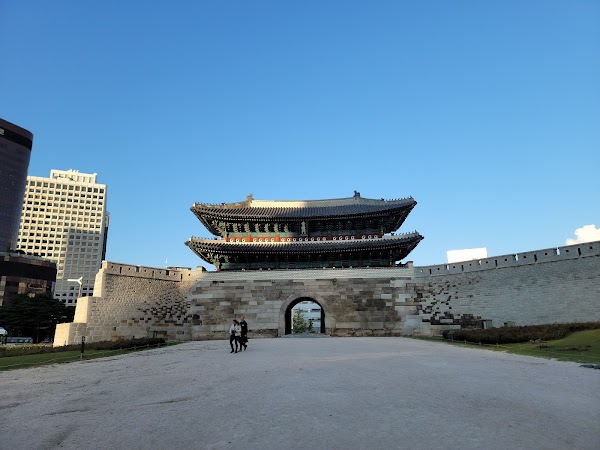
Sungnyemun Gate, also known as Namdaemun, stands as a majestic symbol of Seoul's resilience. Built in 1398 during the Joseon Dynasty, it served as the main southern gate of the city wall, guarding the capital from invaders. Its imposing structure, adorned with intricate carvings and vibrant colors, reflects the architectural prowess of the era. Over the centuries, Sungnyemun has witnessed the city's triumphs and tragedies. It survived numerous fires and invasions, including the Imjin War in the 16th century, only to be tragically destroyed by arson in 2008. However, the spirit of the Korean people refused to let their heritage crumble. Through meticulous reconstruction efforts, the gate was reborn in 2013, retaining its original grandeur while incorporating modern fireproofing technology. Today, Sungnyemun stands as a testament to the enduring spirit of Seoul. It welcomes visitors from around the world, offering a glimpse into the city's rich history and cultural heritage. As you pass beneath its towering archway, you can almost hear the echoes of the past, whispering tales of resilience, tradition, and the indomitable spirit of the Korean people.Architectural Masterpiece
Sungnyemun Gate, also known as Namdaemun, stands as a testament to the architectural prowess of the Joseon Dynasty. Built in 1398, this magnificent structure served as the southern gate of the capital city, Hanyang (present-day Seoul). Its imposing two-tiered roof, supported by massive wooden pillars, showcases the intricate carpentry techniques of the era. The gate's intricate details, including the elaborate carvings and vibrant colors, reflect the artistic sensibilities of the Joseon court. Beyond its aesthetic appeal, Sungnyemun Gate embodies the principles of Korean geomancy, or pungsu. Its strategic placement at the foot of Namsan Mountain aligns with the principles of yin and yang, ensuring harmony and balance within the city. The gate's orientation towards the south, the direction of fire, symbolizes protection and prosperity. The construction of Sungnyemun Gate employed innovative engineering techniques. The use of interlocking wooden joints, known as sanggam, eliminated the need for nails, ensuring structural integrity and resilience. The gate's massive stone foundation provides stability and support, while the intricate drainage system prevents water damage. Throughout its history, Sungnyemun Gate has witnessed numerous historical events, including the Japanese invasion of 1592 and the Korean War. Despite suffering damage during these conflicts, the gate has been meticulously restored, preserving its architectural grandeur for future generations. Today, Sungnyemun Gate stands as a symbol of Seoul's rich history and cultural heritage. Its architectural brilliance, historical significance, and cultural symbolism make it a true masterpiece of Korean architecture. As a testament to the ingenuity and artistry of the Joseon Dynasty, Sungnyemun Gate continues to inspire awe and admiration among visitors from around the world.National Treasure of South Korea
Sungnyemun Gate, also known as Namdaemun, stands as a majestic symbol of Seoul's rich history and cultural heritage. Designated as National Treasure No. 1 in 1962, it is the oldest and grandest of the eight gates that once guarded the capital city during the Joseon Dynasty (1392-1910). Its imposing structure, intricate details, and historical significance have earned it a place among the most treasured landmarks in South Korea. The gate's construction began in 1395 under the reign of King Taejo, the founder of the Joseon Dynasty. It was completed in 1398 and served as the main southern entrance to the city. Its name, Sungnyemun, translates to "Gate of Exalted Ceremonies," reflecting its importance in royal processions and national events. Sungnyemun's architectural design embodies the principles of Korean traditional architecture. The two-story wooden structure features a double-roofed pavilion with elaborate carvings and colorful decorations. The gate's massive wooden doors, adorned with intricate ironwork, were once opened and closed daily to mark the city's opening and closing hours. Throughout its history, Sungnyemun has witnessed numerous historical events, including the Japanese invasions of Korea in the 16th century and the French invasion in 1866. It has also survived several fires, including a devastating one in 2008 that caused significant damage to the structure. However, through careful restoration efforts, the gate has been meticulously rebuilt to its former glory. Today, Sungnyemun stands as a testament to the resilience and cultural richness of South Korea. Its designation as a National Treasure underscores its exceptional historical, architectural, and cultural value. Visitors can marvel at its intricate details, learn about its fascinating history, and appreciate its enduring significance as a symbol of Seoul's identity.
9
Geunjeongjeon
View on map
Audio Narrations
Introduction
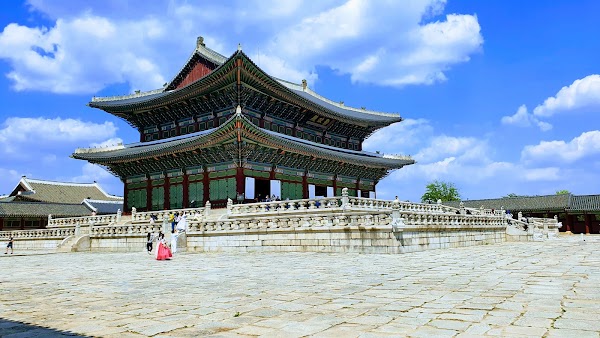
Nestled within the majestic Changdeokgung Palace complex, Geunjeongjeon, the "Throne Hall of Benevolent Government," stands as a testament to the architectural prowess and cultural significance of the Joseon Dynasty. Built in 1412, this grand structure served as the seat of royal power for centuries, witnessing pivotal moments in Korean history. Its intricate design, featuring a double-layered roof supported by 12 massive pillars, embodies the architectural principles of the era. The vibrant colors and intricate carvings adorning the building reflect the Joseon's reverence for nature and their belief in harmony between humans and the environment. Geunjeongjeon's interior, once adorned with lavish furnishings and royal treasures, evokes the grandeur and opulence of the Joseon court. Today, this architectural masterpiece stands as a UNESCO World Heritage Site, attracting visitors from around the globe who marvel at its historical significance and architectural beauty. A hidden gem within the palace complex is the Hyangwonjeong Pavilion, a serene retreat nestled amidst a picturesque landscape. This elegant structure, built in 1643, served as a place for royal leisure and contemplation. Its intricate design, featuring a curved roof and delicate latticework, reflects the Joseon's appreciation for aesthetics and their connection to nature. The pavilion's tranquil setting, surrounded by a pond and lush greenery, provides a sanctuary for visitors seeking a moment of peace and reflection.Architectural Masterpiece of the Joseon Dynasty
Nestled within the majestic Gyeongbokgung Palace, the Geunjeongjeon stands as a testament to the architectural brilliance of the Joseon Dynasty. This grand throne hall, completed in 1395, served as the heart of the Joseon court for centuries, witnessing pivotal moments in Korean history. Its design embodies the dynasty's philosophy of governance, reflecting Confucian ideals and reverence for nature. The Geunjeongjeon's architectural grandeur is evident in its intricate details. The double-tiered roof, adorned with graceful curves, symbolizes the heavens and the king's celestial mandate. The intricate wooden carvings, depicting mythical creatures and auspicious symbols, showcase the artistry of Joseon craftsmen. The vibrant colors, once resplendent in red, blue, and gold, conveyed the power and authority of the Joseon monarchy. Beyond its aesthetic beauty, the Geunjeongjeon's layout reflects the Confucian principles that guided Joseon society. The north-south orientation aligns with the principles of geomancy, while the elevated platform and imposing pillars emphasize the king's status as the supreme ruler. The interior, with its intricate throne and elaborate decorations, served as a stage for royal ceremonies and court gatherings, reinforcing the hierarchical order of the Joseon court. The Geunjeongjeon's architectural significance extends beyond its physical structure. It represents the culmination of centuries of Korean architectural traditions, blending indigenous elements with influences from neighboring cultures. The use of locally sourced materials and construction techniques reflects the dynasty's commitment to preserving its cultural heritage. Today, the Geunjeongjeon stands as a symbol of Korea's rich history and cultural heritage. Its meticulous restoration, completed in 1995, has preserved its architectural splendor for future generations to appreciate. As visitors step through its grand entrance, they are transported back to the era of the Joseon Dynasty, experiencing firsthand the architectural masterpiece that is the Geunjeongjeon.Historical and Cultural Significance
Geunjeongjeon: A Throne of History and Culture Geunjeongjeon, the majestic throne hall of Gyeongbokgung Palace in Seoul, South Korea, stands as a testament to the Joseon Dynasty's power and cultural significance. Constructed in 1395, this architectural marvel served as the heart of the kingdom, witnessing pivotal moments in Korean history. Its name, translating to "Hall of Diligent Governance," reflects the king's commitment to ruling with wisdom and integrity. Beyond its architectural grandeur, Geunjeongjeon embodies the cultural and political ideals of the Joseon Dynasty. Its meticulous design, adhering to geomancy principles, reflects the dynasty's belief in harmony between nature and human society. The intricate carvings and vibrant colors showcase the artistic prowess of the era, while the layout emphasizes Confucian values of order and hierarchy. Geunjeongjeon has endured tumultuous times. It was tragically destroyed during the Japanese invasions of Korea in the 16th century, only to be meticulously reconstructed in the 19th century. This resilience mirrors the Korean spirit, demonstrating their unwavering commitment to preserving their cultural heritage. Today, Geunjeongjeon stands as a symbol of national pride and cultural identity. It serves as a reminder of the Joseon Dynasty's legacy, inspiring awe and respect for Korea's rich history. Visitors can immerse themselves in the grandeur of the throne hall, imagining the momentous events that unfolded within its walls. Geunjeongjeon is not merely a historical relic; it is a living testament to Korea's cultural heritage. Its intricate details, symbolic significance, and enduring presence continue to captivate visitors and inspire generations to come.
Experience the Full Tour
Download the DocentPro app to access all tour stops, complete audio narrations in multiple languages, offline maps, and interactive features.