
Singaporean Symphony: A Day of Wonder in the Lion City

Walking Tour

12.6 km (7.8 miles)

2h 58min travel time

19 Stops

Singapore, Singapore
Singaporean Symphony: A Day of Wonder in the Lion City
Tour Stops
1
Gardens by the Bay
View on map
Audio Narrations
Introduction
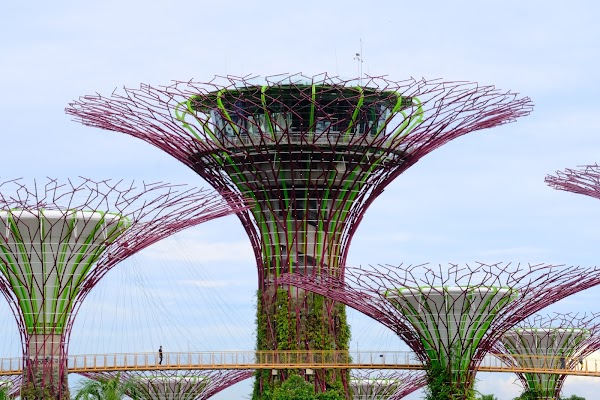
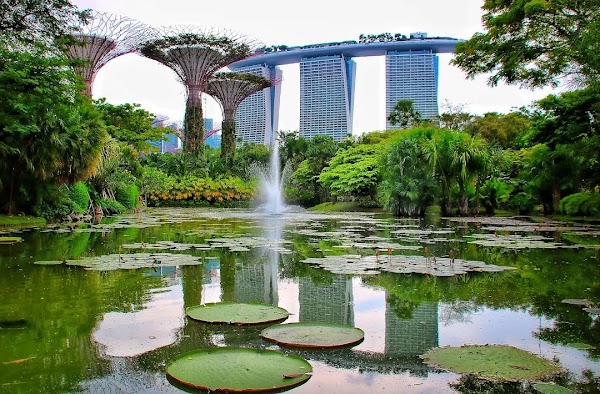
Gardens by the Bay, an iconic urban oasis in Singapore, is a horticultural masterpiece spanning 101 hectares. Its centerpiece, the Bay South Garden, boasts the world's largest glass greenhouse, the Flower Dome, showcasing exotic flora from five continents. The Cloud Forest, another cooled conservatory, replicates a tropical mountain ecosystem, featuring a towering "Cloud Mountain" adorned with lush vegetation and a cascading waterfall. The Gardens' signature feature is the Supertree Grove, a collection of 18 towering vertical gardens ranging from 25 to 50 meters in height. These structures mimic the ecological functions of trees, harnessing solar energy and collecting rainwater. An elevated walkway, the OCBC Skyway, offers panoramic views, while the Supertree Observatory provides an unparalleled perspective from the tallest Supertree. Beyond its conservatories and Supertrees, Gardens by the Bay offers hidden gems like the Floral Clock, a timepiece adorned with diverse flora, and the Far East Organization Children's Garden, a playful space for young explorers. The Heritage Gardens weave a narrative of Singapore's past through their collection of plants and fruits, while the Sun Pavilion showcases the stark beauty of desert flora.Horticulture
Gardens by the Bay, a horticultural haven in Singapore, boasts a remarkable collection of over 1.5 million plants from around the world. Its two cooled conservatories, the Flower Dome and Cloud Forest, showcase diverse plant species in meticulously recreated habitats. The Flower Dome, the world's largest glass greenhouse, houses a breathtaking array of flowers, while the Cloud Forest simulates a tropical highland environment, complete with a 35-meter-tall waterfall. Beyond the conservatories, the outdoor gardens offer a kaleidoscope of horticultural wonders. The Heritage Gardens celebrate the cultural significance of plants in Singapore's diverse communities, featuring traditional medicinal herbs, spices, and ornamental plants. The World of Plants section showcases the diversity of plant life, from carnivorous species to towering trees. Gardens by the Bay is also a hub for horticultural research and innovation. Its in-house team of experts conducts cutting-edge research in plant breeding, propagation, and sustainable horticulture practices. The gardens serve as a living laboratory, where visitors can witness firsthand the latest advancements in plant science. The Supertrees, iconic vertical gardens reaching heights of up to 50 meters, are not merely architectural marvels but also serve as living laboratories for epiphytic plants. These structures provide a unique habitat for a diverse array of bromeliads, orchids, ferns, and other air plants, offering insights into the intricate relationships between plants and their environment. Gardens by the Bay is a testament to the power of horticulture to inspire, educate, and connect people with the natural world. Its dedication to plant conservation, research, and innovation makes it a must-visit destination for horticulture enthusiasts seeking a deeper understanding of the plant kingdom.Supertrees
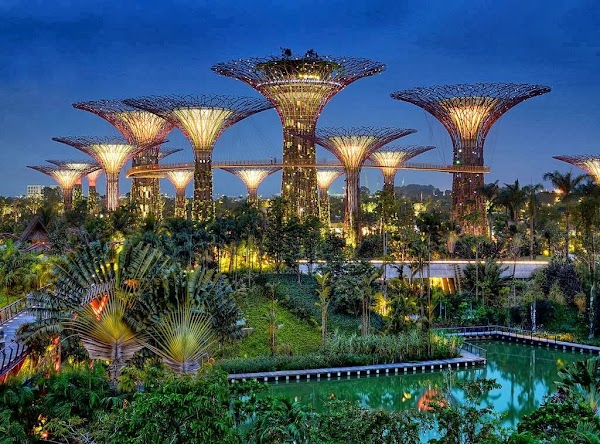
At Gardens by the Bay in Singapore, the Supertrees stand as iconic symbols of innovation and sustainability. These colossal structures, reaching heights of up to 16 stories, are not merely aesthetic marvels but serve a multitude of functions. Their steel frames support a network of planting panels adorned with over 162,900 plants, creating a vibrant vertical garden that purifies the air and provides a habitat for wildlife. The Supertrees are also equipped with photovoltaic cells that harness solar energy to power the nightly light show, "Garden Rhapsody." This captivating spectacle transforms the grove into a kaleidoscope of colors, with synchronized music and light projections illuminating the surroundings. Beyond their visual appeal, the Supertrees play a crucial role in the park's environmental sustainability. They act as air exhaust receptacles for the adjacent conservatories, the Flower Dome and Cloud Forest, helping to regulate temperature and humidity. Additionally, they collect rainwater for irrigation and fountain displays, minimizing water consumption. For a breathtaking perspective, visitors can ascend the OCBC Skyway, a 128-meter-long aerial walkway that connects two of the Supertrees. From this vantage point, one can marvel at the intricate details of the vertical gardens and enjoy panoramic views of the surrounding gardens and cityscape. The Supertrees at Gardens by the Bay are not just architectural wonders but living, breathing testaments to the harmonious coexistence of nature and technology. They embody Singapore's commitment to environmental stewardship and serve as a beacon of innovation and inspiration for urban green spaces worldwide.
2
Supertree Grove
View on map
Audio Narrations
Introduction
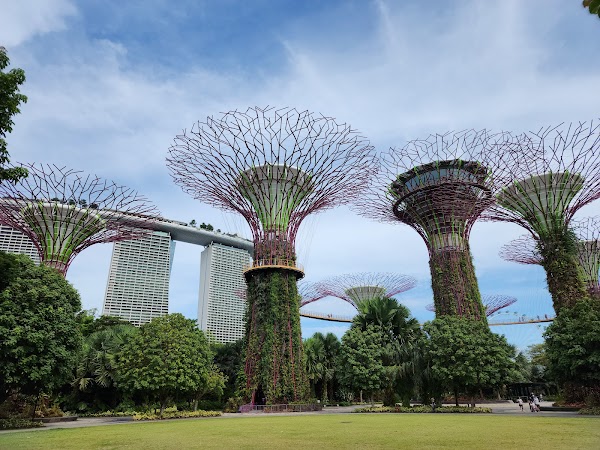
The Supertree Grove at Gardens by the Bay in Singapore is an awe-inspiring spectacle of nature and technology. Towering up to 50 meters, these futuristic cyborg trees are not just architectural marvels but also serve vital functions. Their trunks are covered in a vibrant tapestry of over 162,900 plants, creating a lush vertical garden. These Supertrees are equipped with solar panels to generate energy for their nightly light show and act as air exhaust receptacles to cool the nearby conservatories. They also collect rainwater for irrigation and fountain displays, mimicking the ecological functions of real trees. The OCBC Skyway, a 128-meter aerial walkway, connects two of the Supertrees, offering breathtaking panoramic views of the Gardens and the Marina Bay skyline. At the top of the tallest Supertree stands the Supertree Observatory, providing a unique perspective of the Grove and the surrounding cityscape. Every evening, the Supertrees come alive with the Garden Rhapsody light and music show. The accompanying music changes monthly, featuring themes from films and popular culture. The show transforms the Grove into a mesmerizing spectacle of light and sound, creating an unforgettable experience for visitors.Garden Rhapsody Light Show
At the heart of Singapore's Gardens by the Bay, the Supertree Grove transforms into a mesmerizing canvas for the Garden Rhapsody Light Show. As darkness descends, the colossal Supertrees, towering vertical gardens, illuminate the night with a symphony of lights and music. The show unfolds in two captivating acts, each lasting approximately 15 minutes. The first act, "World of Fantasy," transports viewers to a realm of imagination. The Supertrees dance to the rhythm of enchanting melodies inspired by beloved fantasy worlds, from the whimsical adventures of The Little Mermaid to the cosmic wonders of outer space. The second act, "Garden Waltz," invites guests to waltz beneath the stars as the Supertrees sway to the rhythm of elegant waltzes. The Garden Rhapsody Light Show is a testament to the innovative spirit of Singapore. The Supertrees, adorned with over a million LED lights, create a breathtaking spectacle that seamlessly blends nature and technology. The show's soundtrack, composed by renowned local musicians, complements the visual display, evoking a range of emotions from awe to tranquility. Beyond its visual and auditory appeal, the Garden Rhapsody Light Show offers a unique opportunity to experience the Supertree Grove in a new light. The show's immersive atmosphere invites viewers to connect with the natural world and appreciate the beauty of Singapore's iconic landmark in a truly unforgettable way.Vertical Gardens
Supertree Grove in Singapore stands as a testament to the innovative integration of vertical gardens within an urban landscape. These colossal structures, reaching heights of up to 50 meters, mimic the ecological functions of real trees, creating a unique and sustainable ecosystem within Gardens by the Bay. Each Supertree is adorned with a diverse array of plant species, including ferns, vines, orchids, and bromeliads, totaling over 168,000 plants and 200 species. These vertical gardens not only enhance the aesthetic appeal of the grove but also contribute to the overall environmental sustainability of the park. The Supertrees are equipped with photovoltaic cells that harness solar energy, providing power for lighting and water technology within the conservatories below. Additionally, they function as air intake and exhaust towers, regulating temperatures and improving air quality within the conservatories. The rainwater harvesting system incorporated into the Supertrees further demonstrates their commitment to sustainable practices, utilizing collected rainwater for irrigation and fountain displays. The OCBC Skyway, an elevated walkway connecting two of the larger Supertrees, offers visitors a breathtaking perspective of the vertical gardens and the surrounding cityscape. From this vantage point, one can appreciate the intricate details and diversity of the plant life adorning the Supertrees, as well as the panoramic views of Gardens by the Bay and the Singapore skyline. Overall, Supertree Grove in Singapore is a remarkable example of how vertical gardens can be seamlessly integrated into urban environments, providing ecological benefits, aesthetic appeal, and a unique visitor experience.
3
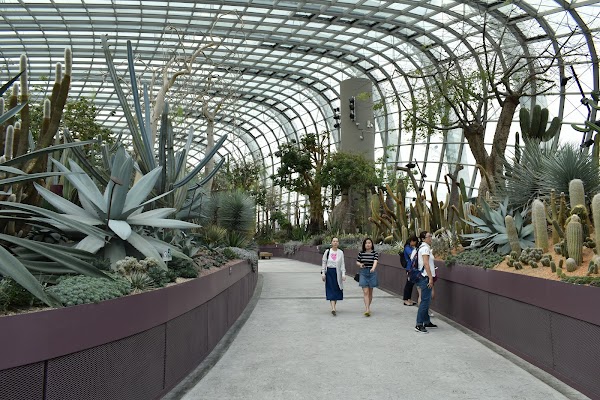
Flower Dome
View on map
Audio Narrations
Introduction
The Flower Dome, a colossal glasshouse at Gardens by the Bay in Singapore, is a botanical marvel that transports visitors to a world of exotic flora. As the largest glass greenhouse in the world, it boasts a sprawling 1.2 hectares of Mediterranean-inspired landscapes. Within the Flower Dome, eight distinct gardens showcase a diverse array of plants from five continents. The Baobabs, with their peculiar trunk shapes, stand tall alongside the vibrant Succulent Garden. The Australian Garden bursts with native blooms, while the South African Garden captivates with its "Fynbos" plants. The South American Garden offers a glimpse of the continent's lush greenery, and the Olive Grove evokes the charm of the Mediterranean. The California Garden and Mediterranean Garden complete the ensemble, each showcasing unique plant life from their respective regions. A highlight of the Flower Dome is the Flower Field, a vibrant display that changes with the seasons and festivals. Visitors can also marvel at the 1,000-year-old Olive Tree, a testament to the garden's commitment to preserving botanical heritage. The Flower Dome's innovative design features a specially engineered glass roof that optimizes natural light while minimizing heat, creating an ideal environment for the thriving plant life within.Educational Centre
Flower Dome, a botanical marvel in Singapore, offers a unique educational experience for those seeking in-depth knowledge of diverse plant life. As an Educational Centre, it showcases a captivating array of flora from around the world, providing an immersive learning environment for students, researchers, and nature enthusiasts alike. The Flower Dome's diverse plant collections are meticulously curated to represent various habitats, from the arid deserts to the lush Mediterranean region. Each exhibit is accompanied by detailed signage, providing insights into plant adaptations, survival strategies, and ecological significance. Visitors can embark on a journey of botanical discovery, learning about the intricate relationships between plants and their environments. Beyond its stunning displays, the Flower Dome serves as a hub for educational programs and workshops. Experts lead guided tours, delving into the fascinating world of botany, plant conservation, and sustainable practices. The centre also collaborates with universities and research institutions, offering specialized courses and research opportunities for students and professionals. The Flower Dome's commitment to education extends to its interactive exhibits. Visitors can engage with touchscreens, microscopes, and multimedia displays, gaining hands-on experience and deepening their understanding of plant science. The centre's dedicated learning space provides a conducive environment for group discussions, presentations, and workshops, fostering knowledge exchange and collaboration. As an Educational Centre, the Flower Dome in Singapore, Singapore stands as a testament to the power of botanical education. It offers a comprehensive and engaging learning experience, inspiring a lifelong passion for plants and the natural world.Exotic Flora Showcase
Flower Dome in Singapore, Singapore, is a botanical wonderland dedicated to showcasing exotic flora from around the world. Step inside this colossal glass conservatory, and you'll be greeted by a breathtaking display of over 3,332 individual glass panels, offering panoramic views of the Marina Bay skyline. The Flower Dome is a haven for plant enthusiasts, housing a diverse collection of over 1,000 species of exotic plants. Wander through the Mediterranean Garden, where olive trees, lavender, and rosemary fill the air with their fragrant aromas. Marvel at the vibrant blooms of the South African Garden, featuring proteas, bird of paradise, and the unique kangaroo paw. Venture into the Australian Garden, where you'll find an array of fire-resistant plants that have adapted to the harsh conditions of the outback. Discover the fascinating succulent garden, home to a diverse collection of water-storing plants, including cacti, aloes, and agaves. The Flower Dome is not just a botanical showcase; it's also a testament to sustainable architecture. Its innovative design incorporates energy-efficient cooling systems and natural ventilation, creating an optimal environment for the exotic flora to thrive. As you explore the Flower Dome, take time to appreciate the intricate details and unique adaptations of each plant. Learn about the lifecycle and pollination of the baobab and banksia trees, and discover how the little things we do can affect nature. Whether you're a seasoned botanist or simply a nature lover, the Flower Dome in Singapore, Singapore, offers an unforgettable experience. Immerse yourself in the beauty and diversity of exotic flora, and gain a deeper appreciation for the wonders of the plant kingdom.
4
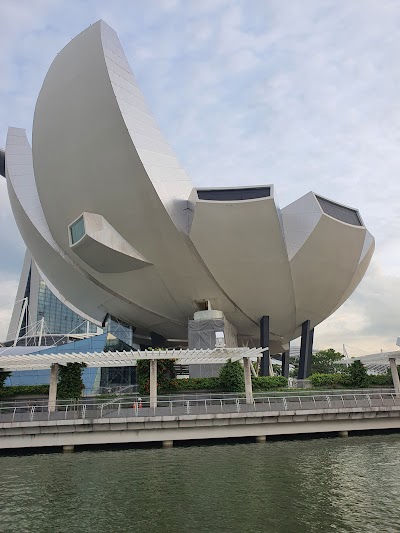
ArtScience Museum
View on map
Audio Narrations
Introduction
The ArtScience Museum in Singapore, designed by Moshe Safdie, is an architectural marvel resembling a blooming lotus flower. Its 10 irregular "petals" house exhibition halls, creating an immersive and awe-inspiring experience for visitors. The museum's unique design incorporates sustainable features, such as rainwater harvesting and recycling. Inside, visitors can explore a diverse range of exhibitions that blend art, science, culture, and technology. Notable past exhibitions include the Belitung shipwreck treasure, featuring artifacts from a 9th-century Arabian dhow, and "Future World," an interactive showcase of cutting-edge scientific advancements. The ArtScience Museum is a testament to Singapore's commitment to innovation and its position as a global hub for arts and culture.Inspiring Creativity
Nestled in the heart of Singapore's Marina Bay Sands, the ArtScience Museum stands as a beacon of inspiration for creative minds. Its unique architectural design, resembling a blooming lotus, symbolizes the city's embrace of innovation and artistic expression. The museum's permanent exhibition, "ArtScience Gallery," delves into the intriguing relationship between art and science. Through interactive exhibits and immersive installations, visitors embark on a journey of curiosity, inspiration, and expression. The gallery showcases how creative minds seamlessly blend these disciplines to transform our world. One of the museum's most captivating features is its ever-changing lineup of international touring exhibitions. These exhibitions explore diverse themes at the intersection of art, science, and technology. Past exhibitions have showcased everything from the intricate workings of the human body to the boundless possibilities of artificial intelligence. The ArtScience Museum also hosts workshops, lectures, and educational programs designed to foster creativity and innovation. Aspiring artists, designers, and scientists can engage with experts, learn new techniques, and collaborate on projects. The museum's commitment to inspiring creativity extends beyond its walls, with outreach programs that connect with schools and communities throughout Singapore. By providing a platform for artistic expression, scientific exploration, and interdisciplinary collaboration, the ArtScience Museum serves as a catalyst for creativity in Singapore. It empowers visitors to embrace their imaginations, challenge boundaries, and discover the transformative power of art and science.Digital Art
Immerse yourself in the captivating realm of digital art at the ArtScience Museum in Singapore, where technology and creativity converge. This renowned institution houses a permanent exhibition titled "Future World: Where Art Meets Science," featuring an array of interactive installations that push the boundaries of artistic expression. Collaborating with the acclaimed Japanese art collective teamLab, the museum showcases a diverse collection of digital artworks that respond to visitors' presence and participation. "Autonomous Abstraction: Continuous Phenomena from the Universe to the Self" invites you to explore the interplay of light and form, while "Sketch Flight" allows you to create your own digital drawings that soar through a virtual space. Step into the ethereal "Crystal Universe," where 170,000 LED lights and mirrors create an immersive illusion of stars twinkling in an infinite void. "Flowers and People, Cannot be Controlled but Live Together" presents a mesmerizing display of digital flowers that bloom and wither in response to human touch. The museum's commitment to digital innovation extends beyond its exhibitions. Panasonic's state-of-the-art projection technology illuminates the museum's exterior with vibrant light displays, transforming the iconic lotus-shaped building into a canvas for artistic expression. As you navigate the museum's interactive spaces, you'll discover a world where art and science intertwine, blurring the lines between the physical and the digital. The ArtScience Museum in Singapore is a must-visit destination for anyone seeking a profound and immersive experience in the realm of digital art.
5
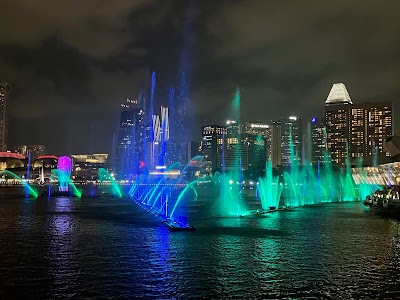
Spectra - A Light & Water Show
View on map
6
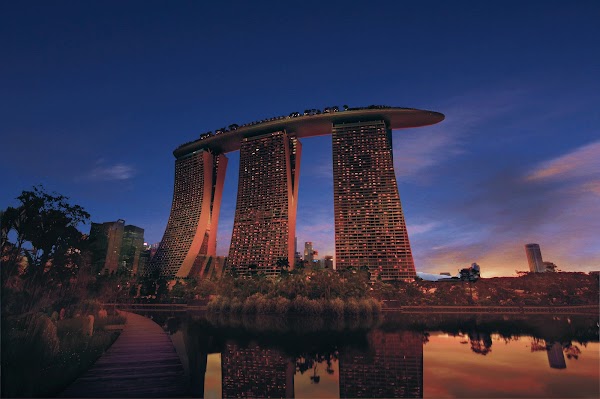
Marina Bay Sands Singapore
View on map
Audio Narrations
Introduction
Marina Bay Sands, a landmark integrated resort in Singapore, boasts an iconic three-tower design connected by the Sands SkyPark, an architectural marvel featuring the world's longest elevated swimming pool. The hotel offers a range of luxurious accommodations, from the Sands Collection's stylish rooms to the Paiza Collection's ultra-luxurious suites with 24-hour butler service. Guests can indulge in world-class dining at celebrity chef restaurants like Gordon Ramsay's Bread Street Kitchen and Wolfgang Puck's Cut. The Shoppes at Marina Bay Sands, a sprawling mall, houses over 300 stores, including designer boutiques and six celebrity chef restaurants. The resort also features a state-of-the-art casino, a convention center, an art museum, and a theater hosting renowned shows like The Lion King. The ArtScience Museum, designed in the shape of a lotus, showcases interactive exhibits and hosts the mesmerizing Wonder Full light and water show. Marina Bay Sands is a captivating destination that seamlessly blends luxury, entertainment, and art, offering an unforgettable experience for discerning travelers.Casino
Marina Bay Sands, a colossal integrated resort in Singapore, boasts one of the world's largest casinos. With over 500 gaming tables and 1,600 slot machines, it offers an unparalleled gaming experience. The casino's four-story central atrium provides a breathtaking ambiance, where the thrill of gambling is amplified by the grandeur of the surroundings. Marina Bay Sands caters to high rollers with exclusive VIP rooms, offering privacy and personalized service. The casino also features a wide range of table games, including baccarat, blackjack, roulette, and poker. Its slot machines offer a diverse selection of themes and jackpots, ensuring endless entertainment for slot enthusiasts. Beyond its gaming offerings, Marina Bay Sands provides a luxurious retreat for casino patrons. The resort's opulent hotel towers offer stunning views of the city skyline, while its world-renowned restaurants and bars cater to every culinary desire. The rooftop infinity pool, perched atop the three towers, offers a breathtaking panorama of the city, making it an iconic destination for both relaxation and celebration.Infinity Pool
Indulge in the unparalleled allure of Marina Bay Sands, Singapore's iconic architectural marvel, renowned for its breathtaking Infinity Pool. Perched atop the three majestic towers, this engineering masterpiece offers an unparalleled swimming experience. Spanning an impressive 150 meters, the pool's vanishing edge creates the illusion of merging seamlessly with the horizon, providing an awe-inspiring panorama of the city's skyline. Exclusive to hotel guests, the Infinity Pool offers a sanctuary of tranquility amidst the vibrant cityscape. Its three distinct sections cater to diverse preferences, including an adults-only area, a family-friendly zone, and a dedicated children's pool. As you immerse yourself in the crystal-clear waters, the panoramic views of Singapore's landmarks, from the Gardens by the Bay to the Singapore Flyer, will captivate your senses. Beyond its breathtaking vistas, the Infinity Pool boasts an array of amenities to enhance your experience. Poolside dining options allow you to savor delectable cuisine while basking in the sun or relaxing under the shade of palm trees. Attentive staff ensure your every need is met, providing towels, sun loungers, and refreshments throughout your stay. Whether you seek a serene escape, an unforgettable photo opportunity, or simply the indulgence of swimming amidst breathtaking views, the Infinity Pool at Marina Bay Sands Singapore is an experience that will leave an enduring impression.
7
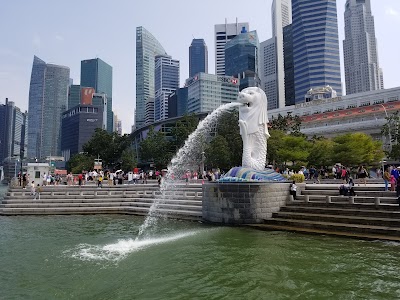
Merlion
View on map
Audio Narrations
Introduction
The Merlion, an iconic symbol of Singapore, is a captivating fusion of a lion and a mermaid. Its majestic statue, with a lion's head and fish body, stands as a testament to Singapore's resilience, evolution, and unique blend of tradition and modernity. The Merlion's origins can be traced back to a mythical creature that inspired Prince Sang Nila Utama to name the island "Singapura," meaning "lion city." Designed by Alec Frederick Fraser-Brunner in 1964, the Merlion has become an emblem of Singapore's national identity. The original Merlion statue, constructed in 1972, resides at Merlion Park, overlooking Marina Bay. Its smaller sibling, the Merlion Cub, stands nearby. In 2002, both statues were relocated to their current location to enhance their visibility. Today, there are six Singapore Tourism Board-approved Merlion statues in Singapore, each with its own unique story to tell.Architectural Sculpture
The Merlion, an iconic architectural sculpture in Singapore, stands as a testament to the city's unique heritage and architectural prowess. Sculpted by Lim Nang Seng, the Merlion is a mythical creature with the head of a lion and the body of a fish, symbolizing Singapore's origins as a fishing village and its subsequent transformation into a thriving metropolis. The sculpture, weighing 70 tons and standing at 8.6 meters tall, is constructed from concrete and adorned with intricate scales and flowing water spouting from its mouth. The Merlion's imposing presence and intricate details make it a captivating subject for architectural sculpture enthusiasts. Its unique design, blending marine and terrestrial elements, showcases the sculptor's mastery of form and symbolism. The Merlion's relocation in 2002 to Merlion Park, overlooking Marina Bay, further enhances its architectural significance, as it now stands as a prominent landmark within Singapore's modern cityscape.Feng Shui Orientation
The Merlion, Singapore's iconic symbol, holds a unique significance in Feng Shui. Its orientation has been a subject of fascination and debate among Feng Shui practitioners. Despite its prominent location at the mouth of the Singapore River, the Merlion's Feng Shui orientation remains a mystery. No matter how it is analyzed, a conclusive determination cannot be reached. This enigma has led to the belief that analyzing the Feng Shui of an entire country is a formidable task. According to Feng Shui principles, the orientation of a structure or landmark can greatly influence its energy flow and overall fortune. However, in the case of the Merlion, its orientation seems to defy conventional wisdom. Some experts believe that the Merlion's gaze, which resembles that of Singapore's founding Prime Minister, Mr. Lee Kuan Yew, symbolizes the country's vision and foresight. Others argue that its water spout, which continuously gushes water into the river, represents a constant flow of prosperity and good fortune for Singapore. Despite these interpretations, the Merlion's Feng Shui orientation remains an unsolved puzzle. This has led to the belief that the Merlion possesses a unique energy that transcends traditional Feng Shui principles. It is said to be a protector of Singapore, constantly watching over the island nation and bringing good fortune to its people.
8
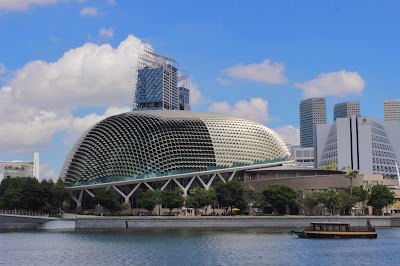
Esplanade - Theatres on the Bay, Singapore
View on map
Audio Narrations
Introduction
Esplanade - Theatres on the Bay, Singapore, is a renowned performing arts center located in the heart of Singapore's Downtown Core. Its striking architecture, reminiscent of the iconic durian fruit, has earned it the affectionate nickname "the big durians." The center comprises two rounded structures, housing a concert hall with approximately 1,600 seats and a theater with a capacity of around 2,000. The concert hall boasts a state-of-the-art pipe organ with 4,740 pipes and 61 stops, crafted by Johannes Klais Orgelbau. Esplanade offers a diverse range of performances, including concerts, recitals, theater productions, and dance presentations. Its in-house programming team presents over 14 festivals and 20 ongoing series throughout the year, catering to a wide spectrum of artistic tastes. The center also features a recital studio, a theater studio, and the newly constructed Singtel Waterfront Theatre, which accommodates mid-sized productions. Esplanade's commitment to the arts extends beyond performances, with community engagement programs, collaborations with local arts groups, and initiatives to nurture young talent.Iconic Building
Esplanade - Theatres on the Bay, Singapore in Singapore, Singapore is an iconic building renowned for its striking resemblance to the beloved tropical fruit, durian. Its distinctive design features two rounded glass domes fitted with over 7,000 triangular aluminum sunshades, creating a captivating architectural spectacle. The Esplanade has become an integral part of Singapore's contemporary skyline, standing as a testament to the city's architectural prowess and cultural vibrancy.Cultural Landmark
Esplanade - Theatres on the Bay, Singapore, is a cultural landmark renowned for its striking architecture and vibrant arts scene. Its iconic twin domes, resembling the durian fruit, house a concert hall, theater, and outdoor theater, providing a diverse range of performances. The Esplanade actively supports local artists, fostering creativity and innovation within Singapore's arts community. It hosts a wide array of cultural events, including exhibitions, workshops, and free concerts, making it a hub for artistic expression and community engagement. The Esplanade's commitment to cultural exchange and collaboration with international organizations enriches its programming and brings global perspectives to Singapore's arts landscape. Its dedication to accessibility ensures that individuals with disabilities can fully experience the arts, promoting inclusivity and equal access to cultural experiences.
9
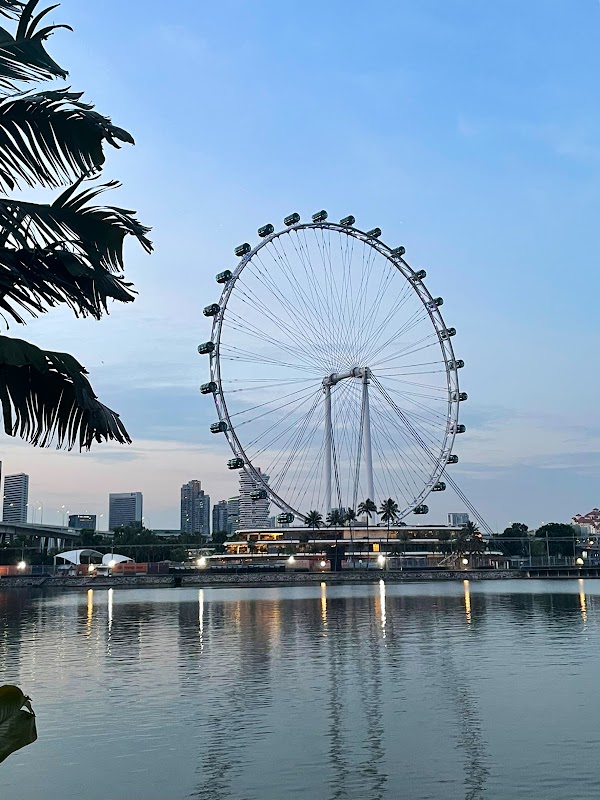
Singapore Flyer
View on map
Audio Narrations
Introduction
The Singapore Flyer, Asia's largest observation wheel, offers unparalleled panoramic views of Singapore's skyline from 165 meters above ground. Each of its 28 air-conditioned capsules accommodates up to 28 passengers, providing a comfortable and immersive experience. The 30-minute rotation allows visitors to marvel at iconic landmarks like Marina Bay, the Singapore River, and even parts of Malaysia and Indonesia on clear days. The Flyer's Time Capsule attraction takes visitors on a multisensory journey through Singapore's history, while the 165 Sky Dining experience offers an exquisite culinary adventure with breathtaking views. For thrill-seekers, the Flight Experience simulator provides a realistic aviation experience. Whether it's sunset, dusk, or night, the Singapore Flyer presents a captivating spectacle, showcasing the vibrant tapestry of Singapore's cityscape.Elevated Dining Experiences
Indulge in an unforgettable culinary journey at 165 Sky Dining by Singapore Flyer, the pinnacle of elevated dining experiences in Singapore. Ascend 165 meters above ground, where you'll be treated to panoramic views of the city's iconic skyline and the tranquil Marina Bay. Savor an exquisite four-course dinner while immersing yourself in the breathtaking waterfront vistas. As the sun dips below the horizon, witness the city transform into a mesmerizing tapestry of twinkling lights, creating an enchanting ambiance for your dining experience. 165 Sky Dining offers an unparalleled fusion of culinary artistry and breathtaking scenery, making it the perfect destination for a romantic evening or a special celebration.360-degree City Views
Embark on an unforgettable journey aboard the Singapore Flyer, Asia's largest observation wheel, and immerse yourself in breathtaking 360-degree city views. As you ascend 165 meters above ground, the vibrant metropolis of Singapore unfolds before your eyes. Marvel at the iconic skyline, where skyscrapers pierce the heavens and historical landmarks stand as testaments to the city's rich heritage. Gaze upon the shimmering waters of Marina Bay, dotted with sailboats and the majestic Marina Bay Sands hotel. On a clear day, your vision extends beyond the city limits, reaching as far as Malaysia and Indonesia. Each of the 28 fully air-conditioned glass capsules provides ample space to roam freely, ensuring unobstructed views from every angle. Whether you seek a romantic evening under the stars or a family-friendly adventure, the Singapore Flyer offers an unparalleled perspective of Singapore's captivating cityscape.
10
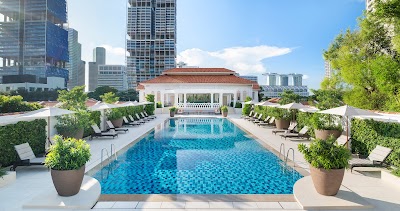
Raffles Singapore
View on map
11
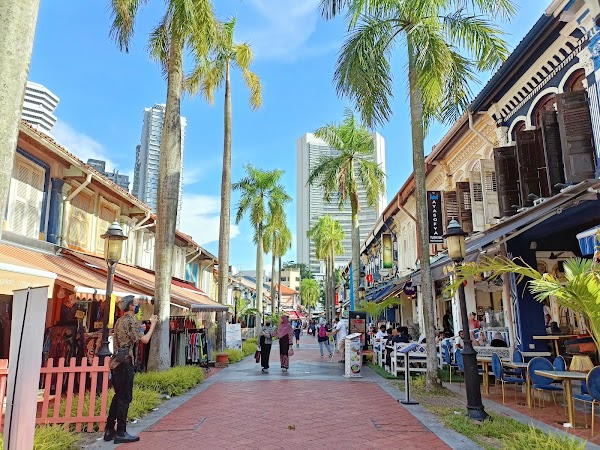
Kampong Glam
View on map
Audio Narrations
Introduction
Kampong Glam, a vibrant enclave in Singapore, is a treasure trove of cultural experiences and historical significance. Nestled north of the Singapore River, this Malay-Muslim quarter boasts a rich tapestry of heritage, modern trends, and culinary delights. The heart of Kampong Glam lies in its beautifully restored shophouses, lining streets like Haji Lane, Arab Street, and Bussorah Street. These charming structures house a diverse array of businesses, from vintage clothing boutiques and art galleries to traditional textile shops and blacksmiths. The area's rich history is evident in the majestic Sultan Mosque, a prominent landmark and a symbol of the Muslim community. Beyond its historical charm, Kampong Glam is a hub for trendy cafes, restaurants, and bars. Foodies can indulge in authentic Middle Eastern cuisine, savor delicious Malay dishes, or enjoy a refreshing cup of teh tarik at a local kopitiam. The area's nightlife scene is equally vibrant, with a mix of live music venues, cocktail bars, and shisha cafes. For those seeking a cultural immersion, the Malay Heritage Centre offers a glimpse into the rich history and traditions of the Malay community. Visitors can explore exhibits on Malay arts, crafts, and customs, gaining a deeper understanding of this vibrant culture. Kampong Glam's unique blend of heritage, modernity, and culinary delights makes it a must-visit destination for any traveler to Singapore. Whether you're a history buff, a fashion enthusiast, or a foodie, this charming enclave has something to offer everyone.Vibrant Shopping
Kampong Glam, a vibrant cultural enclave in Singapore, pulsates with an energy that extends beyond its rich heritage and historical significance. This district, steeped in Malay traditions, offers a unique shopping experience, a kaleidoscope of colors, textures, and aromas that captivate the senses. At the heart of Kampong Glam lies the bustling Haji Lane, a narrow alleyway lined with an eclectic mix of independent boutiques, vintage stores, and quirky concept shops. Here, fashionistas can discover one-of-a-kind treasures, from bohemian chic apparel to handcrafted jewelry and accessories. The vibrant murals that adorn the walls add to the bohemian atmosphere, creating an Instagram-worthy backdrop for every shopping spree. Venture into the Arab Street, where the air is thick with the scent of exotic spices and fragrant perfumes. Traditional textile shops display an array of colorful fabrics, from intricate songket to luxurious silk. Tailors, with their expert hands, can transform these fabrics into bespoke garments, ensuring a perfect fit and a touch of personalized elegance. Beyond the main streets, hidden gems await discovery. Tucked away in the back alleys are antique stores brimming with treasures from a bygone era, while art galleries showcase the works of local and international artists. For those seeking a unique souvenir, the bespoke calligraphy services offered by skilled artisans provide a personalized touch. Kampong Glam's vibrant shopping scene is not merely about acquiring material possessions; it is an immersive cultural experience. The friendly shopkeepers, with their warm smiles and infectious enthusiasm, share stories and insights into the rich heritage of the district. Bargaining is not just a tradition but a delightful social interaction, adding to the charm of every purchase. As the sun sets, the streets of Kampong Glam come alive with a different kind of energy. The aroma of freshly grilled satay fills the air, inviting visitors to indulge in the local culinary delights. The vibrant nightlife scene offers a chance to unwind and soak in the atmosphere, making for a truly unforgettable shopping experience.Historical Significance
Kampong Glam, a vibrant enclave nestled in the heart of Singapore, boasts a rich historical tapestry that unfolds through its architectural marvels, cultural institutions, and religious landmarks. The Malay Heritage Centre, housed in the beautifully restored Sultan's Palace, offers a glimpse into the lives of Malay royalty and the evolution of Malay culture in Singapore. The intricate wood carvings, ornate furnishings, and traditional artifacts transport visitors to a bygone era, showcasing the opulence and artistry of the Malay sultanate. The Sultan Mosque, a majestic landmark with its golden dome and towering minarets, stands as a testament to the deep-rooted Islamic faith of the Malay community. Built in 1928, the mosque is a masterpiece of Indo-Saracenic architecture, blending Islamic and European influences. Its intricate tilework, stained-glass windows, and spacious prayer hall create an atmosphere of tranquility and devotion. Arab Street, a bustling commercial hub, is a living testament to the historical trade links between Singapore and the Arab world. The narrow lanes lined with traditional shophouses, once bustling with merchants selling spices, textiles, and perfumes, now offer a diverse array of shops, cafes, and art galleries. The Malay Literary Museum, housed in a restored shophouse, celebrates the rich literary heritage of the Malay community. Visitors can delve into the works of renowned Malay authors, explore traditional manuscripts, and learn about the evolution of Malay literature. Kampong Glam's historical significance extends beyond its physical structures. It served as a focal point for Malay culture and political activism, playing a pivotal role in shaping Singapore's identity. The area witnessed the establishment of the first Malay political party, the Kesatuan Melayu Singapura, and the rise of prominent Malay leaders who advocated for the rights and interests of the community. Today, Kampong Glam stands as a vibrant cultural hub, preserving its rich heritage while embracing contemporary influences. Its historical significance continues to inspire and shape the identity of Singapore, making it a must-visit destination for those seeking a deeper understanding of the country's cultural tapestry.
12
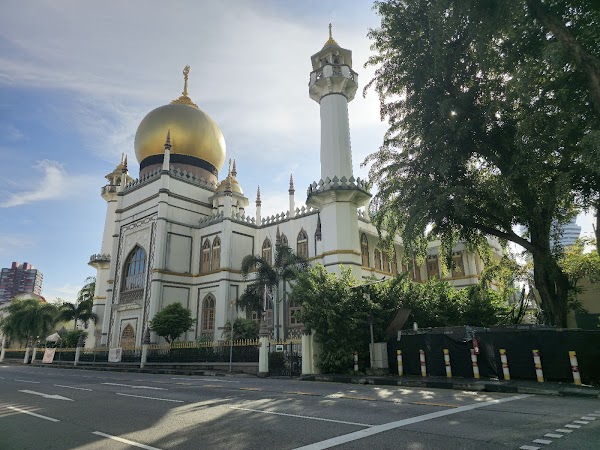
Sultan Mosque
View on map
13
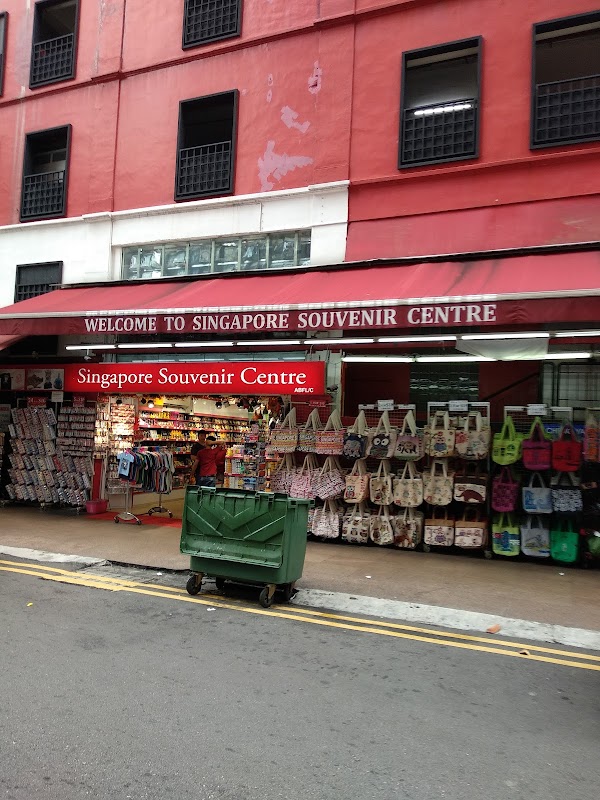
Bugis Street
View on map
Audio Narrations
Introduction
Bugis Street, a vibrant shopping destination in Singapore, is renowned for its affordable prices, diverse offerings, and lively atmosphere. Nestled in the heart of the city, it boasts over 800 stalls selling an array of goods, from trendy clothing and accessories to souvenirs and electronics. The street's recent makeover has transformed it into a modern shopping haven, complete with a sprawling roof to protect shoppers from the elements. Beyond shopping, Bugis Street offers a culinary adventure with a wide selection of food stalls serving up delectable local and international cuisines. From Thai ice tea to Hakka yam cake, there's something to satisfy every palate. The street is also home to the Kuan Yin Thong Hood Cho Temple, a historic Buddhist temple dating back to 1884, and Haji Lane, a narrow street lined with colorful boutiques, cafes, and art galleries. For those seeking a glimpse into Singapore's past, the Malay Heritage Centre showcases the history and culture of the Malay community. The Hajjah Fatimah Mosque, built in 1846, is a unique blend of European and Islamic architectural styles, featuring a tilted minaret that has earned it the nickname "The Leaning Tower of Singapore.Malay Heritage Centre
Nestled within the vibrant Bugis Street, the Malay Heritage Centre stands as a beacon of Malay culture and history in Singapore. This cultural institution, housed within the meticulously restored Istana Kampong Glam, offers a captivating journey into the rich tapestry of Malay heritage. Through interactive exhibits, multimedia presentations, and captivating displays, the center unveils the multifaceted identity of the Malay community in Singapore. Visitors can delve into the traditions, customs, and historical narratives that have shaped Malay culture over centuries. The center also hosts a diverse array of cultural programs, workshops, and events, providing an immersive experience for those seeking a deeper understanding of Malay heritage. Beyond its exhibits, the Malay Heritage Centre plays a pivotal role in preserving and promoting Malay culture. It collaborates with regional museums in Indonesia and Malaysia, fostering cross-cultural exchanges and enriching its offerings on a global scale. The center's commitment to preserving and showcasing Malay heritage makes it an invaluable resource for researchers, scholars, and anyone fascinated by the diverse cultural landscape of Singapore.Cultural Diversity
Bugis Street in Singapore is a vibrant melting pot of cultures, reflecting the city-state's rich heritage. The market is a microcosm of Singapore's diverse population, with vendors and shoppers from all walks of life. The air is filled with a cacophony of languages, and the stalls display a kaleidoscope of goods from around the world. Bugis Street is a place where different cultures converge, creating a truly enriching experience for visitors. One of the most striking things about Bugis Street is its religious diversity. The market is home to a number of temples, mosques, and churches, all within a short distance of each other. This reflects Singapore's long history of religious tolerance and coexistence. Visitors can witness the harmonious blending of different faiths, as people from all backgrounds come together to shop, eat, and socialize. Bugis Street is also a place where traditional and modern cultures collide. The market is lined with stalls selling everything from traditional handicrafts to the latest fashion trends. This juxtaposition of old and new creates a unique and dynamic atmosphere. Visitors can experience the best of both worlds, as they explore the market's rich history while also enjoying the conveniences of modern life. In addition to its cultural diversity, Bugis Street is also known for its delicious street food. The market is a haven for foodies, with stalls selling everything from local delicacies to international cuisine. Visitors can sample a wide variety of dishes, from spicy satay to refreshing sugarcane juice. The food at Bugis Street is not only delicious, but also affordable, making it a great place to try new things without breaking the bank. Overall, Bugis Street is a must-visit destination for anyone interested in experiencing the cultural diversity of Singapore. The market is a vibrant and dynamic place, where different cultures converge and coexist in harmony. Visitors can explore the market's rich history, sample delicious street food, and shop for unique souvenirs. Bugis Street is a truly immersive experience that will leave visitors with a lasting impression of Singapore's cultural diversity.
14
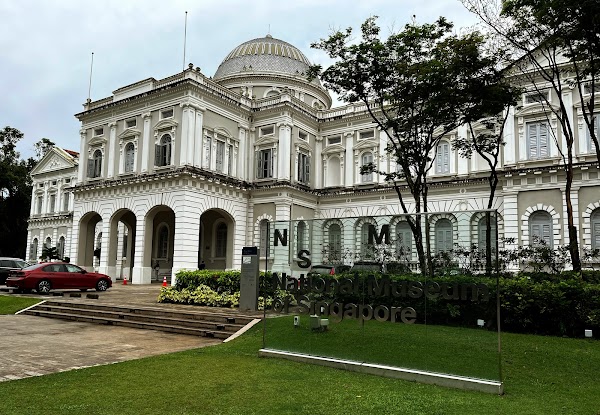
National Museum of Singapore
View on map
Audio Narrations
Introduction
Established in 1849, the National Museum of Singapore is the oldest museum in the country and a prominent landmark on Stamford Road. Its neo-Palladian facade and large dome have been a distinctive feature of the city's Civic District for over a century. The museum houses a vast collection of artifacts, sculptures, paintings, and archaeological finds that chronicle Singapore's history, culture, and art. One of its notable exhibitions is the Singapore History Gallery, which traces the nation's journey from British colony to modern metropolis. The museum also features immersive displays and modern technology, including the nature-themed art projection "Story of the Forest" and the interactive "An Old World New: Digital Edition," which takes visitors on a journey through Singapore's past and present.Neoclassical Architecture
The National Museum of Singapore, a prominent institution showcasing the nation's rich history, is a testament to the enduring legacy of Neoclassical architecture in Singapore. Designed by Colonel Sir H.E. McCallum and completed in 1887, the museum's original building exemplifies the grandeur and symmetry characteristic of this architectural style. Its Palladian form features a majestic rotunda crowned by Singapore's oldest surviving dome, a testament to the influence of ancient Roman architecture. The building's facade is adorned with Doric Greek detailing, adding to its classical charm. The museum's expansion in 2006, designed by W Architects, seamlessly integrated the new wing with the existing structure, respecting the Neoclassical heritage while introducing contemporary elements. The result is a harmonious blend of old and new, showcasing the enduring relevance of Neoclassical architecture in Singapore's architectural landscape.Singapore's History
Delve into the annals of Singapore's past at the National Museum of Singapore, the nation's oldest museum. Established in 1849, it has witnessed the city-state's transformation from a humble trading post to a global metropolis. Its collection boasts a treasure trove of artifacts, paintings, and sculptures that narrate the captivating story of Singapore's heritage. The museum's Singapore History Gallery takes visitors on a chronological journey, showcasing the island's origins as a fishing village in the 14th century to its pivotal role in the British Empire and its eventual independence in 1965. Through interactive exhibits and multimedia displays, visitors can immerse themselves in the struggles, triumphs, and cultural tapestry that have shaped Singapore's identity. One of the museum's highlights is the William Farquhar Collection of Natural History Drawings, a series of intricate illustrations that document the region's diverse flora and fauna. These drawings offer a glimpse into Singapore's natural heritage before urbanization transformed its landscape. The National Museum of Singapore stands as a testament to the nation's rich history and its unwavering spirit. Its collections and exhibitions provide a profound understanding of Singapore's past, present, and future aspirations, making it an essential destination for anyone seeking to unravel the complexities of this vibrant and dynamic city-state.
15
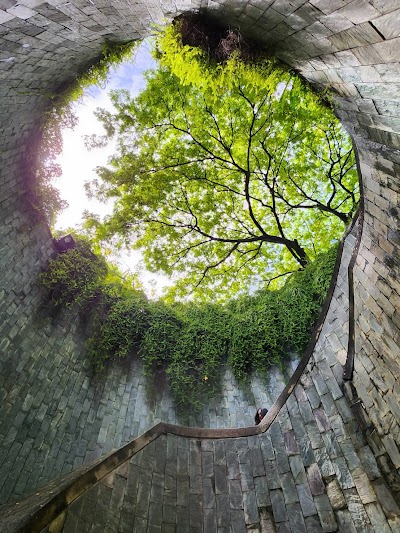
Fort Canning Tree Tunnel
View on map
Audio Narrations
Introduction
The Fort Canning Tree Tunnel, a hidden gem nestled within the lush greenery of Fort Canning Park, offers a captivating experience for nature enthusiasts and photography aficionados alike. This enchanting passageway, formed by a canopy of towering Tembusu trees, transports visitors to a realm of tranquility and verdant beauty. As sunlight filters through the dense foliage, casting dappled shadows on the pathway below, a sense of serenity washes over the senses. The air is filled with the sweet fragrance of blooming flowers and the gentle chirping of birds, creating a symphony of nature's wonders. The Fort Canning Tree Tunnel is not merely a scenic attraction; it also holds historical significance. The park itself is steeped in the annals of Singapore's past, having served as the seat of power for Malay rulers and British governors alike. The towering Tembusu trees, with their gnarled trunks and sprawling branches, stand as silent witnesses to the passage of time. For those seeking a respite from the hustle and bustle of city life, the Fort Canning Tree Tunnel provides a sanctuary of peace and tranquility. Whether strolling along the pathway, capturing stunning photographs, or simply immersing oneself in the natural surroundings, this hidden gem offers an unforgettable experience.Historical Significance
Fort Canning Tree Tunnel: A Journey Through Singapore's Past The Fort Canning Tree Tunnel is not just a picturesque walkway; it's a portal into Singapore's rich history. This verdant passage, formed by towering Tembusu trees, whispers tales of ancient kingdoms, colonial rule, and the fight for independence. Beneath your feet lies the archaeological dig site of Fort Canning, revealing remnants of the island's earliest settlements dating back to the 14th century. Imagine the bustling port city of Singapura, ruled by the Malay kings, flourishing within these very grounds. As you walk deeper into the tunnel, the narrative shifts to the British colonial era. The fort, once a symbol of British power, witnessed the surrender of the Japanese during World War II. Bullet holes etched onto the surviving structures serve as stark reminders of the tumultuous past. Emerging from the tunnel, you enter the modern era. The lush greenery gives way to the majestic Fort Canning Park, a testament to Singapore's resilience and transformation. The park, built on the site of the former fort, stands as a symbol of peace and national pride. The Fort Canning Tree Tunnel is more than just a scenic route; it's a living museum, narrating the captivating story of Singapore's evolution. It's a place to reflect on the past, appreciate the present, and envision the future of this dynamic nation.Urban Oasis
Nestled amidst the bustling city of Singapore, Fort Canning Tree Tunnel stands as a tranquil oasis, offering a respite from the urban clamor. This verdant passageway, adorned with towering rain trees, creates a canopy of lush greenery that filters the sunlight, casting a dappled glow upon the path below. The air is heavy with the scent of earth and leaves, transporting visitors to a realm of serenity. As one walks through the tunnel, the towering trees form a living archway, their branches intertwining overhead. The rhythmic chirping of birds fills the air, creating a symphony of nature amidst the concrete jungle. The tunnel's secluded location, away from the main thoroughfares, enhances its sense of tranquility. Fort Canning Tree Tunnel is more than just a scenic pathway; it serves as a vital green lung for the city. The trees act as natural air purifiers, absorbing pollutants and releasing oxygen, contributing to a cleaner and healthier urban environment. The tunnel also provides a habitat for a diverse range of flora and fauna, fostering biodiversity within the city limits. This urban oasis offers a sanctuary for both residents and visitors seeking a moment of peace and rejuvenation. Whether one is looking to escape the hustle and bustle of city life or simply immerse oneself in nature's embrace, Fort Canning Tree Tunnel provides a unique and unforgettable experience.
16
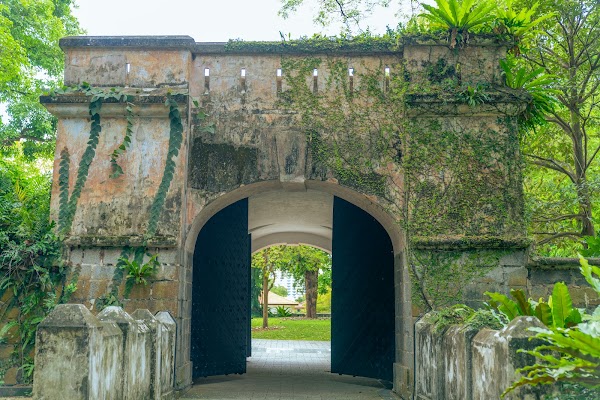
Fort Canning Park
View on map
Audio Narrations
Introduction
Fort Canning Park, a verdant oasis in the heart of Singapore, boasts a rich history intertwined with the nation's development. Perched atop a 48-meter hill, the park offers breathtaking views of the city skyline and a captivating glimpse into the past. Once known as Bukit Larangan, or "Forbidden Hill," it was believed to be the resting place of ancient Singapore's kings. Archaeological discoveries, including a cache of 14th-century gold ornaments, hint at a thriving settlement that predates the arrival of Sir Stamford Raffles. In 1819, Raffles established his residence on the hill, marking the birth of Singapore as a British settlement. The hill, then known as Government Hill, witnessed the signing of the Treaty of Friendship and Alliance between the British and Malay rulers. As Singapore's strategic importance grew, the hill was fortified in 1861, becoming Fort Canning. The fort, though deemed inadequate, served as a military headquarters until World War II. Today, only the gateway and two cannons remain, standing as silent sentinels of the past. In 1972, the area was transformed into a historical park, preserving its rich heritage. Visitors can explore the Fort Canning Centre, a museum showcasing the hill's fascinating past. The nine historical gardens, including the Royal Garden and the First Botanical Garden, recreate the landscapes of bygone eras. Fort Canning Park is not just a historical treasure trove; it's also a vibrant hub of cultural and artistic activity. The park hosts outdoor concerts, theater performances, and art festivals, attracting both locals and tourists. A unique blend of historical relics, lush greenery, and expansive lawns makes Fort Canning Park a haven for relaxation and recreation. Visitors can stroll through the park, admire the sculptures, or simply soak in the tranquility of this urban oasis. Fort Canning Park stands as a testament to Singapore's remarkable journey, offering a glimpse into its ancient past, colonial heritage, and modern vibrancy. It's a place where history comes alive, inviting visitors to connect with the spirit of this dynamic nation.Historical Significance
Nestled in the heart of Singapore, Fort Canning Park is a verdant oasis steeped in history, where ancient relics and modern marvels intertwine. This 18-hectare park, once the seat of power and defense, bears silent witness to centuries of transformation, from a Malay settlement to a British stronghold and now, a vibrant cultural hub. The park's historical significance is woven into its very fabric. Archaeological excavations have unearthed artifacts dating back to the 14th century, hinting at a thriving settlement known as Temasek. The remnants of the ancient Fort Canning, built in 1859, stand as a testament to the island's strategic importance during the colonial era. The Spice Garden, a fragrant reminder of Singapore's role in the spice trade, transports visitors to a bygone era. Fort Canning Park is also intrinsically linked to Singapore's struggle for independence. The Battle Box, a former underground command center, served as the nerve center during World War II. The Surrender Chambers, where the Japanese forces signed their capitulation, bear silent testimony to the end of an era. Today, Fort Canning Park is a living museum, where history and nature converge. The Fort Canning Centre houses a treasure trove of artifacts and exhibits, while the park's lush greenery provides a tranquil escape from the urban bustle. The park's historical significance is not merely a relic of the past but a vibrant testament to Singapore's resilience and evolution.Urban Green Space
Nestled in the heart of Singapore's bustling cityscape, Fort Canning Park stands as a verdant oasis, offering a unique blend of history, nature, and urban respite. This 18-hectare green haven, steeped in the island nation's rich past, unveils a captivating narrative of ancient fortifications, colonial remnants, and lush tropical flora. As an urban green space, Fort Canning Park transcends its role as a mere recreational haven. Its historical significance is deeply intertwined with the evolution of Singapore. The park's grounds once housed the headquarters of the Far East Command during World War II, bearing silent witness to pivotal moments in the nation's history. Beyond its historical allure, Fort Canning Park is a sanctuary for biodiversity. Its verdant tapestry encompasses a diverse array of plant life, including towering rain trees, fragrant nutmeg trees, and vibrant orchids. This urban oasis provides a vital habitat for numerous bird species, transforming the park into a haven for nature enthusiasts. Fort Canning Park's unique topography, characterized by gentle slopes and hidden nooks, creates a sense of tranquility amidst the urban clamor. Visitors can embark on leisurely strolls along meandering pathways, discovering hidden grottoes and ancient artifacts. The park's elevated vantage points offer breathtaking panoramic views of the city skyline, providing a stark contrast between the urban landscape and the verdant sanctuary below. As an urban green space, Fort Canning Park serves as a testament to the harmonious coexistence of nature and urban development. Its historical significance, diverse flora, and tranquil ambiance make it an invaluable asset to the city, offering a sanctuary for recreation, education, and historical exploration.
17
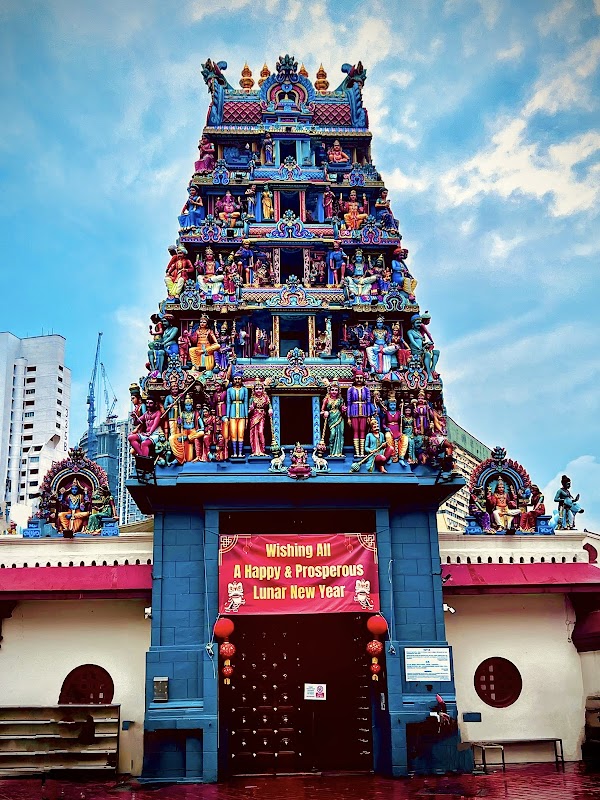
Sri Mariamman Temple
View on map
18
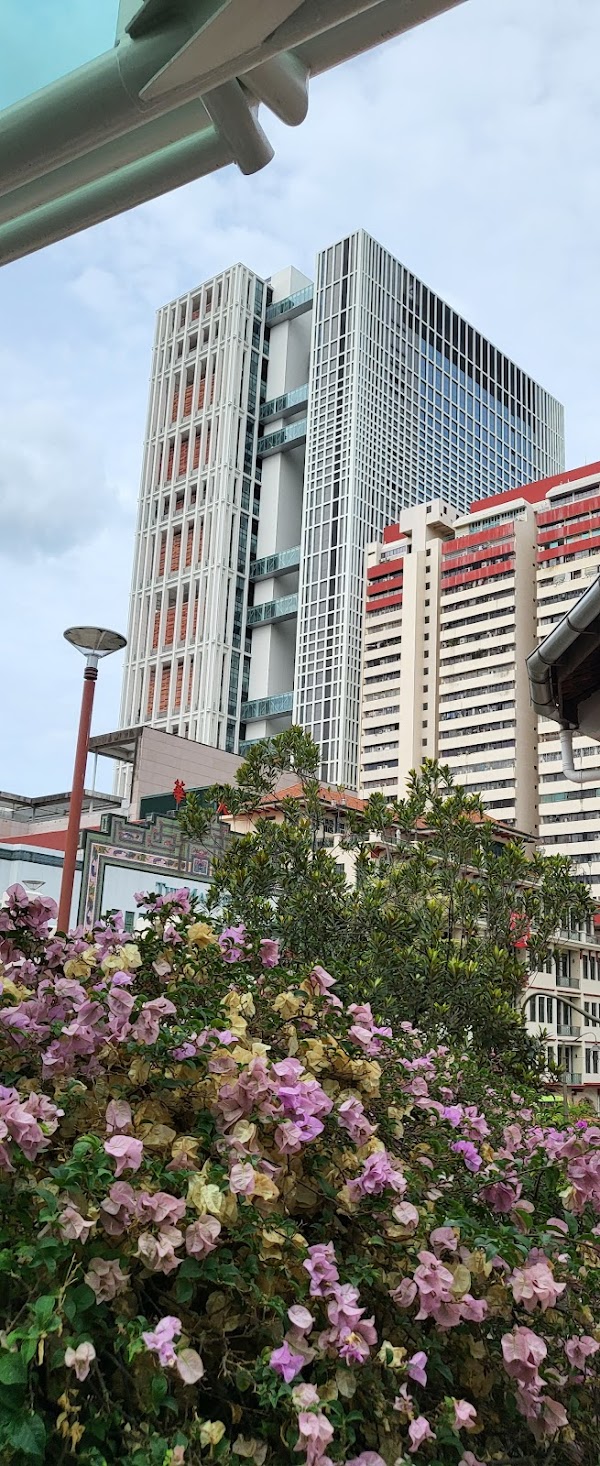
Chinatown
View on map
19
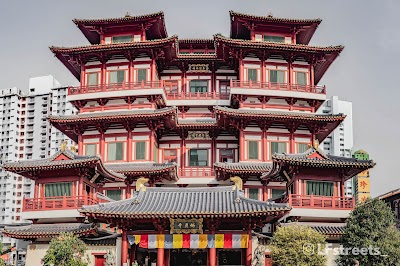
Buddha Tooth Relic Temple
View on map
Audio Narrations
Introduction
A Journey Through Time: Exploring the Buddha Tooth Relic Temple Step into the heart of Singapore's Chinatown and be transported to a world of serenity and spiritual wonder at the Buddha Tooth Relic Temple. This magnificent structure, built in the Tang Dynasty style, houses the sacred Buddha Tooth Relic, a revered object of immense significance for Buddhists worldwide. The temple's architecture is a breathtaking blend of Chinese and Buddhist influences. The intricate carvings, vibrant colors, and towering pagodas create an atmosphere of awe and reverence. As you ascend through the four stories, you'll encounter exquisite halls dedicated to various deities and bodhisattvas, each adorned with intricate statues and murals. The highlight of your visit will undoubtedly be the Sacred Light Chamber, where the Buddha Tooth Relic rests in a magnificent stupa. The air here is thick with a sense of peace and tranquility, inviting you to reflect and connect with your inner self. Beyond its religious significance, the Buddha Tooth Relic Temple is also a treasure trove of Buddhist art and culture. The Nagapuspa Buddhist Culture Museum houses a fascinating collection of artifacts from across Asia, offering a glimpse into the rich history and diversity of Buddhist traditions. Whether you're a devout Buddhist seeking spiritual solace or a curious traveler eager to learn about different cultures, the Buddha Tooth Relic Temple promises an unforgettable experience. Immerse yourself in its serene atmosphere, marvel at its architectural splendor, and discover the profound wisdom enshrined within its walls.Spiritual Significance
The Buddha Tooth Relic Temple in Singapore is a magnificent edifice renowned for its profound spiritual significance. Enshrined within its sacred halls is the left canine tooth of Buddha, a revered relic that attracts devotees from all corners of the globe. This sacred artifact is believed to possess immense spiritual power, capable of bestowing blessings and fostering inner peace. The temple's architecture is a testament to its spiritual grandeur. Its intricate carvings, majestic stupa, and serene gardens create an atmosphere conducive to contemplation and spiritual growth. The relic chamber, where the tooth is enshrined, exudes an aura of tranquility, inviting visitors to immerse themselves in a profound spiritual experience. Beyond the relic itself, the temple offers a myriad of opportunities for spiritual exploration. Daily prayers, meditation sessions, and Dharma teachings provide a pathway for devotees to deepen their understanding of Buddhist principles and cultivate inner peace. The temple's resident monks are renowned for their wisdom and compassion, offering guidance and support to those seeking spiritual solace. The Buddha Tooth Relic Temple is not merely a place of worship but a vibrant hub of Buddhist culture and learning. Its library houses a vast collection of scriptures and teachings, while its educational programs foster a deeper understanding of Buddhist philosophy. The temple's commitment to preserving and sharing Buddhist traditions ensures that its spiritual significance will continue to inspire generations to come.Community and Charity
Buddha Tooth Relic Temple: A Beacon of Community and Charity in Singapore Beyond its stunning architecture and sacred relics, the Buddha Tooth Relic Temple in Singapore stands as a vibrant hub of community and charity. The temple actively fosters a sense of belonging and inclusivity, welcoming individuals from all walks of life to participate in its numerous initiatives. One of the most significant ways the temple serves the community is through its extensive food distribution program. The "Food for Life" initiative provides free vegetarian meals to the underprivileged daily, offering a lifeline to those struggling with food insecurity. This program not only addresses immediate needs but also fosters a sense of community and compassion, bringing people together in a spirit of shared humanity. The temple also extends its charitable efforts beyond Singapore's borders. Through its "International Charity Projects," the Buddha Tooth Relic Temple supports various humanitarian causes worldwide. These projects range from providing medical aid and educational resources to disaster relief and environmental conservation efforts. By actively engaging in global philanthropy, the temple embodies the Buddhist principles of kindness and generosity, extending a helping hand to those in need across the world. Furthermore, the temple serves as a platform for cultural exchange and interfaith dialogue. It regularly hosts events and workshops that promote understanding and appreciation of different cultures and religious traditions. These initiatives foster a sense of unity and respect within the diverse Singaporean community, bridging cultural divides and fostering harmonious coexistence. The Buddha Tooth Relic Temple's commitment to community and charity extends beyond its physical walls. The temple actively engages with the online community through its website and social media platforms, offering Dharma teachings, guided meditations, and virtual events. This digital outreach allows the temple to connect with individuals worldwide, spreading its message of compassion and inclusivity far and wide. In conclusion, the Buddha Tooth Relic Temple in Singapore is much more than a place of worship. It is a vibrant center of community and charity, actively serving the needs of the local and global community. Through its various initiatives, the temple fosters a sense of belonging, promotes cultural understanding, and extends a helping hand to those in need, embodying the true spirit of Buddhist compassion and generosity.
Experience the Full Tour
Download the DocentPro app to access all tour stops, complete audio narrations in multiple languages, offline maps, and interactive features.