
Sofia's Echoes of History: A Journey Through Time

Walking Tour

5.0 km (3.1 miles)

1h 10min travel time

8 Stops

Sofia, Bulgaria
Sofia's Echoes of History: A Journey Through Time
Tour Stops
1
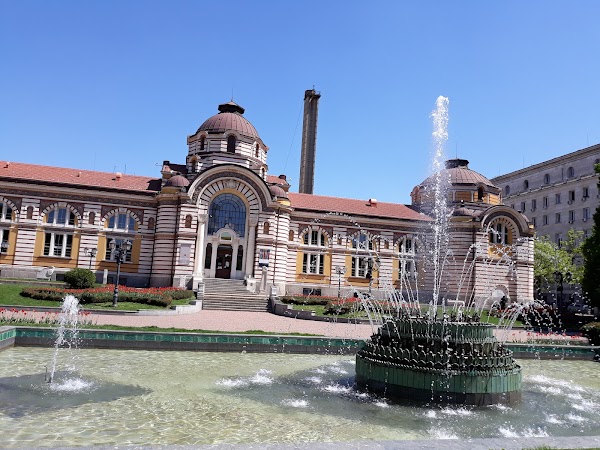
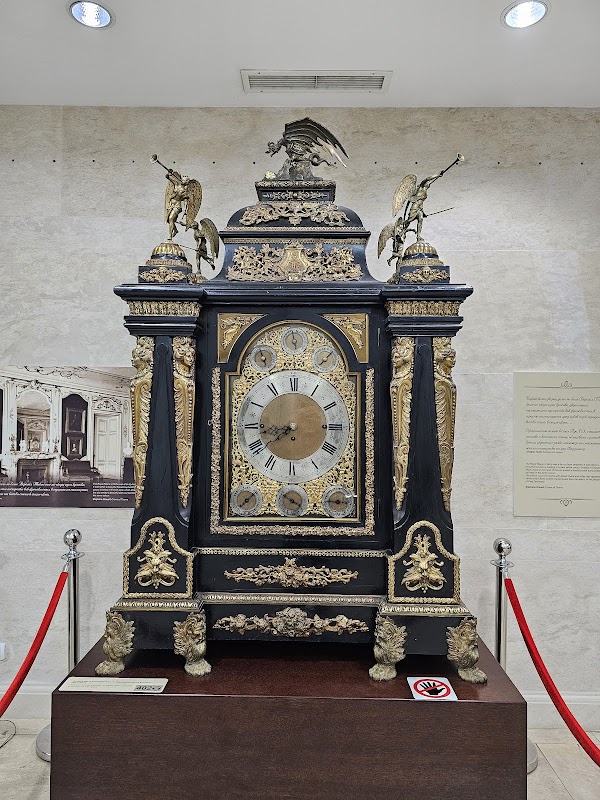
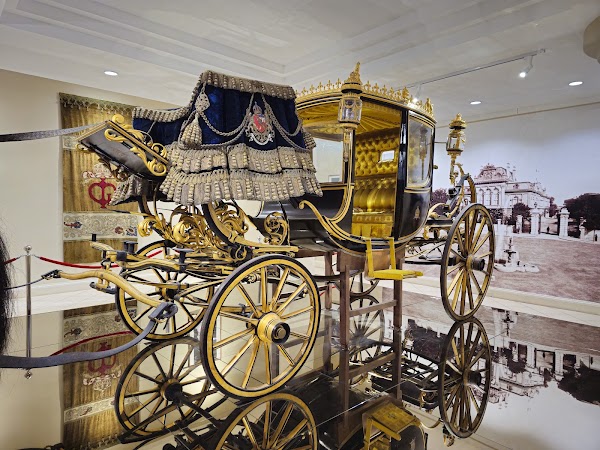
Regional History Museum – Sofia / Регионален исторически музей – София
View on map
2
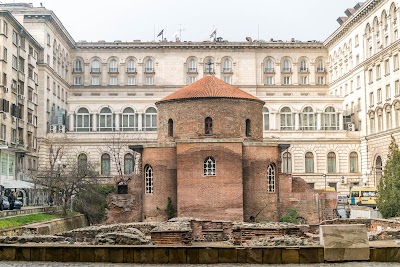
St. George Rotunda Church
View on map
3
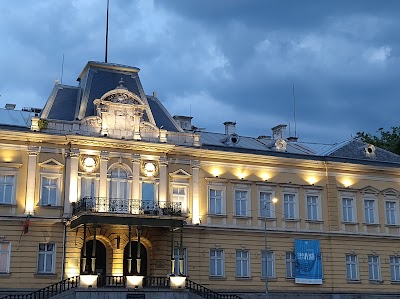
The Palace - National Art Gallery
View on map
4
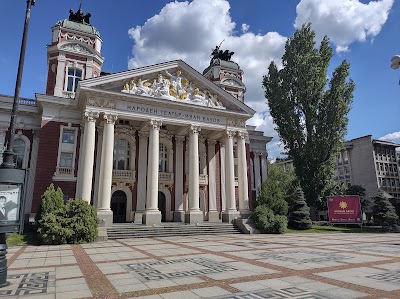
Ivan Vazov National Theater
View on map
5
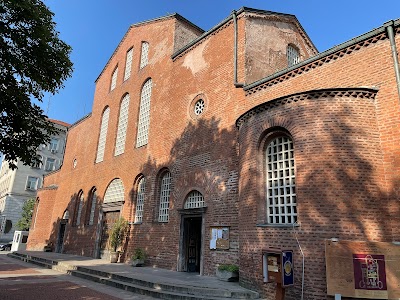
St. Sofia Church
View on map
6
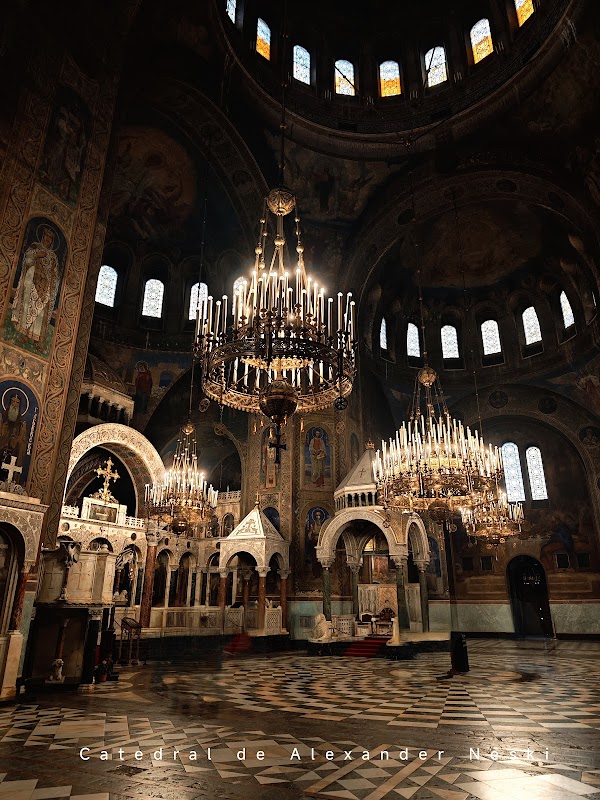
St. Alexander Nevsky Cathedral
View on map
Audio Narrations
English
Introduction
The St. Alexander Nevsky Cathedral, a colossal architectural marvel in Sofia, Bulgaria, stands as a testament to the city's rich history and religious heritage. Completed in 1912, this neo-Byzantine masterpiece is the second-largest Eastern Orthodox cathedral in the world, boasting an awe-inspiring golden dome that dominates the city's skyline. Its intricate mosaics, vibrant frescoes, and opulent interior adorned with marble and granite create a breathtaking spectacle that transports visitors to a bygone era. The cathedral's crypt houses a collection of Eastern Orthodox icons dating back centuries, offering a glimpse into the city's spiritual past.Historical Landmark
St. Alexander Nevsky Cathedral, a colossal Neo-Byzantine masterpiece, stands as a testament to Bulgaria's rich history and architectural prowess. Constructed between 1882 and 1912, this magnificent edifice is the second-largest Eastern Orthodox cathedral globally, boasting an awe-inspiring collection of mosaics, frescoes, and intricate carvings. Its golden domes, a symbol of Bulgarian resilience, dominate the city's skyline, making it an unmissable landmark. Beyond its architectural grandeur, St. Alexander Nevsky Cathedral holds immense historical significance. It was built to commemorate the Russian soldiers who perished during the Russo-Turkish War of 1877-1878, which liberated Bulgaria from Ottoman rule. The cathedral's crypt houses a poignant collection of relics and artifacts from this pivotal conflict. The cathedral's interior is a symphony of artistic splendor. Its vast nave is adorned with intricate mosaics depicting biblical scenes and Bulgarian saints. The iconostasis, a towering wall of religious icons, is a masterpiece of woodcarving and gilding. The cathedral's acoustics are equally impressive, making it a renowned venue for choral performances and classical music concerts. St. Alexander Nevsky Cathedral is more than just a historical landmark; it is a living testament to Bulgaria's faith, resilience, and artistic heritage. Its grandeur and beauty continue to captivate visitors from around the world, making it a must-see destination for anyone interested in exploring the rich tapestry of Bulgarian history and culture.Iconic Landmark
St. Alexander Nevsky Cathedral, a majestic symbol of Sofia, stands as a testament to the city's rich history and architectural prowess. Its grandeur is evident in its colossal golden domes, which dominate the cityscape and reflect the sunlight in a mesmerizing spectacle. The cathedral's neo-Byzantine facade, adorned with intricate mosaics and sculptures, transports visitors to a bygone era of opulence and artistry. Beyond its captivating exterior, the cathedral's interior is equally awe-inspiring. The vast nave, supported by towering columns, creates a sense of spaciousness and reverence. The walls and ceilings are adorned with vibrant frescoes depicting biblical scenes and the lives of saints, showcasing the exceptional skill of Bulgarian artisans. The iconostasis, a magnificent wall of icons separating the nave from the sanctuary, is a masterpiece of religious art, featuring intricate carvings and shimmering gold leaf. St. Alexander Nevsky Cathedral is not merely a place of worship but also a repository of national pride. It was built to commemorate the liberation of Bulgaria from Ottoman rule and is dedicated to the patron saint of Russia, Alexander Nevsky. The cathedral has witnessed countless historical events, including royal coronations and national celebrations, solidifying its status as an iconic landmark of Sofia and a symbol of Bulgarian resilience.
7
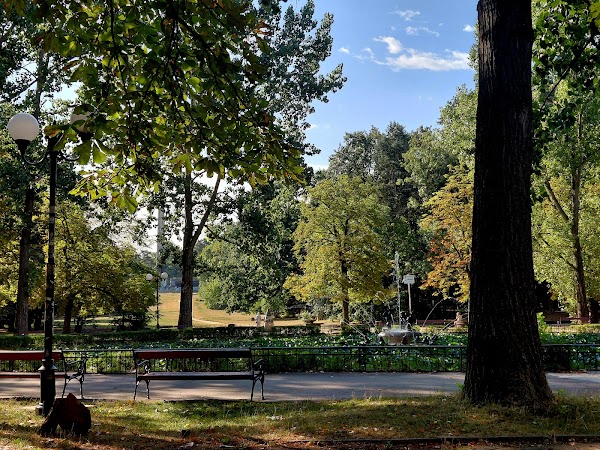
Borisova Gradina Park
View on map
Audio Narrations
English
Introduction
Borisova Gradina, Sofia's most captivating park, sprawls southeast of the city center. This verdant oasis boasts a plethora of statues and vibrant flowerbeds, offering a serene escape for leisurely strolls. Its vast expanse encompasses the Vasil Levski and CSKA Stadiums, along with charming cafes and playgrounds for children. At the park's eastern edge stands a colossal communist monument, the Mound of Brotherhood. Erected in 1956, it features a towering 42-meter obelisk and socialist-realist sculptures depicting partisan fighters, comrades, and stoic workers. While neglected over time, the monument remains a poignant reminder of Bulgaria's past.Socialist Heritage
Borisova Gradina Park, a sprawling green expanse in the heart of Sofia, bears the imprint of Bulgaria's socialist past. The park's eastern end is dominated by the colossal Mound of Brotherhood, a 42-meter-high monument erected in 1956. This imposing structure features a towering obelisk flanked by socialist-realist sculptures depicting partisan fighters, stoic workers, and triumphant comrades. Despite years of neglect, the Mound of Brotherhood remains a poignant reminder of Bulgaria's communist era. Within the park's vast expanse, visitors can also discover the Bells Monument, a unique relic of the 1979 International Year of the Child. Originally known as the "Banner of Peace," this assembly hosted children from nearly 140 countries, who gifted bells of various shapes and sizes. The monument, now a place of interest, stands as a testament to the international spirit of cooperation during the socialist period. The Museum of Socialist Art, located just outside the park, houses a collection of sculptures, paintings, and artifacts that provide a glimpse into Bulgaria's socialist artistic heritage. Among the notable works is a striking monument to Lenin, a symbol of the country's close ties with the Soviet Union. The museum offers a unique opportunity to explore the artistic expression and ideological messages of Bulgaria's socialist era.Communist Monument
At the eastern edge of Borisova Gradina Park stands a colossal monument to Bulgaria's communist past, known as the Mound of Brotherhood. This towering structure, erected in 1956, is a stark reminder of the country's Soviet era. Its 42-meter-high obelisk, adorned with socialist-realist icons, depicts scenes of partisan fighters, stoic workers, and triumphant soldiers. Despite its imposing presence, the monument has fallen into disrepair, with missing limbs and graffiti marring its surface. Yet, it remains a poignant symbol of a bygone era, attracting visitors seeking to delve into Sofia's communist history.
8
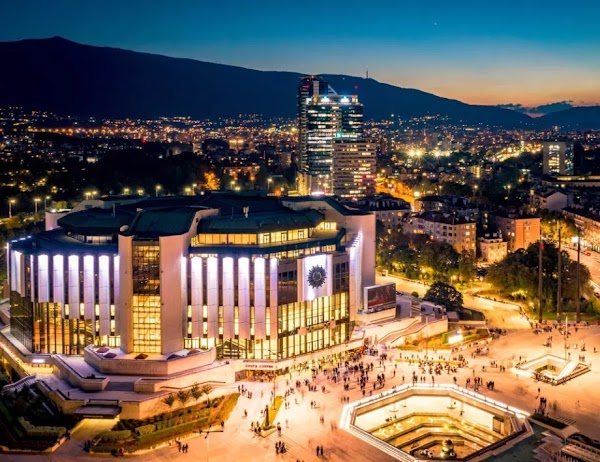
National Palace of Culture
View on map
Audio Narrations
English
Introduction
The National Palace of Culture in Sofia, Bulgaria, is a colossal multifunctional conference and cultural center, renowned as one of the largest of its kind globally. Inaugurated in 1981 to commemorate Bulgaria's 1300th anniversary, the palace boasts an impressive area of 123,000 square meters, spanning eight floors and three underground levels. Its striking octagonal motif and bold, dark color scheme create a distinctive interior aesthetic. The palace houses 13 halls, including the main hall with a capacity of over 3,000, and 15,000 square meters of exhibition space. It also features a trade center, car park, and numerous offices and seminar rooms. The palace's artistic significance is evident in its collection of over 80 monumental works of art, including paintings, sculptures, mosaics, and murals, created by leading Bulgarian artists of the mid-20th century.Architectural Masterpiece
The National Palace of Culture in Sofia, Bulgaria, stands as an architectural masterpiece, a testament to the country's rich cultural heritage. Designed by renowned architect Alexander Georgiev Barov, this iconic structure boasts a striking 110-meter-high glass dome, a beacon of innovation and a symbol of Bulgaria's cultural prowess. Its sheer size, with over 123,000 square meters of space, makes it the largest multifunctional convention and exhibition hall in Southeastern Europe. The NDK, as it is affectionately known, seamlessly blends modern architectural elements with traditional Bulgarian motifs, creating a captivating fusion of styles. Its grand halls and theaters have witnessed countless mesmerizing concerts, theater performances, and art exhibitions, solidifying its reputation as a vibrant cultural hub. The NDK's architectural brilliance extends beyond its aesthetics; it incorporates cutting-edge audiovisual systems, interactive displays, and digital installations, ensuring an immersive and technologically advanced experience for visitors.International Conference Center
The National Palace of Culture in Sofia, Bulgaria, stands as a colossal architectural marvel and a premier international conference center. Its sprawling complex encompasses 123,000 square meters, housing 12 multi-functional halls accommodating up to 4,000 attendees. Each hall boasts a distinct thematic design, catering to diverse event requirements. The venue's state-of-the-art facilities include cutting-edge sound systems, dynamic lighting, simultaneous translation capabilities, and advanced video and recording equipment. Beyond its technical prowess, the National Palace of Culture offers a dedicated 60-seat "Press Club" for media briefings, training seminars, and lectures. Its spacious lobbies, spanning 17,000 square meters, provide ample exhibition space for showcasing products and services. The venue's experienced conference teams provide seamless event coordination, ensuring every detail is meticulously managed. The National Palace of Culture has played host to a multitude of prestigious international conventions, political forums, business conferences, and scientific symposia. Its grand halls have witnessed captivating performances by world-renowned orchestras, such as the Bolshoi Theatre and the Vienna Philharmonic Orchestra. Legendary conductors, including Herbert von Karajan and Claudio Abbado, have graced its stages, while renowned performers like José Carreras and Sting have enthralled audiences with their artistry. The venue's commitment to excellence has earned it the accolade of being proclaimed the best congress center in the world in 2005 by the International Organization of Congress Centres. Its strategic location in the heart of Sofia, with excellent transportation links, makes it easily accessible for delegates from around the globe.
Experience the Full Tour
Download the DocentPro app to access all tour stops, complete audio narrations in multiple languages, offline maps, and interactive features.