
Stockholm Highlights: A Day of Wonder and Discovery

Walking Tour

5.3 km (3.3 miles)

1h 13min travel time

12 Stops

Stockholm, Sweden
Stockholm Highlights: A Day of Wonder and Discovery
Tour Stops
1
Storkyrkan
View on map
Audio Narrations
English
Introduction
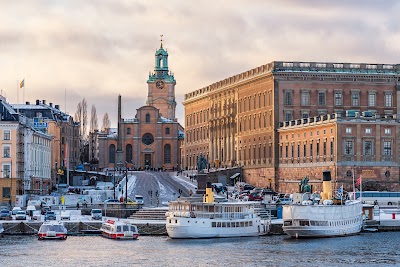
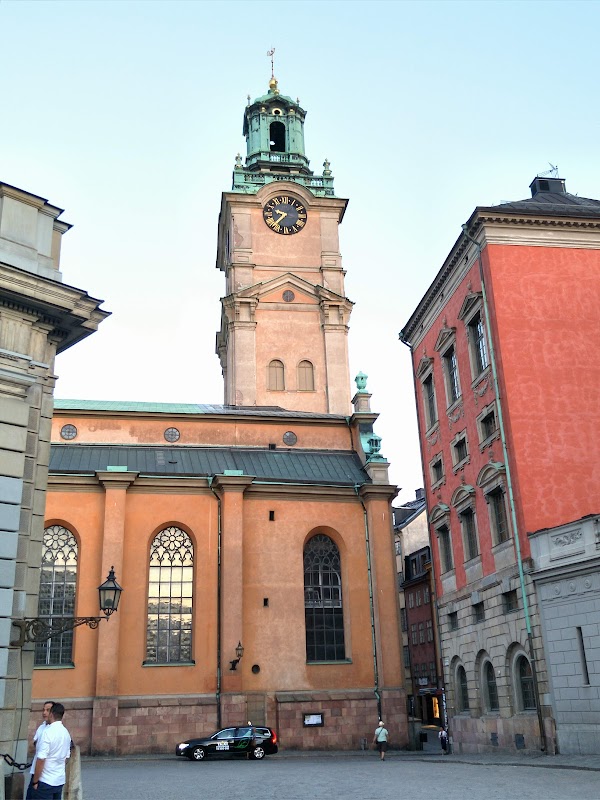
Storkyrkan, the Stockholm Cathedral, is a magnificent Gothic masterpiece that has stood as a testament to faith and history for over 700 years. Its soaring spires and intricate carvings are a testament to the city's rich cultural heritage. The cathedral's interior is adorned with stunning artwork, including a 15th-century sculpture of Saint George and the Dragon and a magnificent altarpiece depicting the Last Supper. Storkyrkan has played a pivotal role in Swedish history, hosting the coronations of Swedish monarchs since the 16th century. It was also the site of the wedding of King Carl XVI Gustaf and Queen Silvia in 1976. Today, Storkyrkan remains a vibrant place of worship and a popular tourist destination, attracting visitors from around the world. One of the most unique aspects of Storkyrkan is its collection of royal tombs. The cathedral is the final resting place of many Swedish monarchs, including Gustav Vasa, the founder of modern Sweden. Visitors can explore the tombs and learn about the lives of these important figures in Swedish history. Another interesting feature of Storkyrkan is its astronomical clock, which dates back to the 15th century. The clock is a complex mechanism that displays the time, date, and phases of the moon. It is a fascinating example of medieval engineering and a testament to the ingenuity of the people who built it. Storkyrkan is a truly special place that offers visitors a glimpse into the rich history and culture of Sweden. Its stunning architecture, beautiful artwork, and royal tombs make it a must-see destination for anyone visiting Stockholm.Stockholm Cathedral
Storkyrkan: The Heart of Stockholm Cathedral Storkyrkan, also known as Stockholm Cathedral, stands as a testament to the city's rich history and religious significance. Situated in the heart of Gamla Stan, the cathedral has witnessed coronations, royal weddings, and pivotal moments in Sweden's Reformation. Beyond its historical grandeur, Storkyrkan boasts unique architectural features. While the exterior showcases a uniform Baroque style, the interior retains its medieval charm. The hall church design, with its vaulted ceiling and brick pillars, transports visitors back to its 13th-century origins. One of the most captivating elements within Storkyrkan is the sculpture of Saint George and the Dragon. This intricate work by Bernt Notke symbolizes the city's resilience, commemorating the victory over Danish forces in 1471. The silver altar, adorned with intricate reliefs, and the royal chairs crafted by Burchart Precht further enhance the cathedral's artistic splendor. Storkyrkan also played a crucial role in the Swedish Reformation. Olaus Petri, a key figure in the movement, served as a priest here and translated the New Testament into Swedish for the first time. His tomb lies within the cathedral, a reminder of his contribution to religious reform. The "Vädersolstavlan," a painting depicting a spectacular parhelion phenomenon, offers a glimpse into Stockholm's history. While the original has vanished, the 1636 copy remains a valuable record of the city's past. Storkyrkan's significance extends beyond its religious function. It serves as a cultural hub, hosting concerts, exhibitions, and guided tours. Visitors can delve into the cathedral's rich tapestry, exploring its artwork, architecture, and historical significance. Whether you're a history buff, an art enthusiast, or simply seeking a spiritual haven, Storkyrkan offers a unique and enriching experience. As Stockholm Cathedral, it stands as a symbol of the city's cultural heritage and enduring spirit.MS Estonia
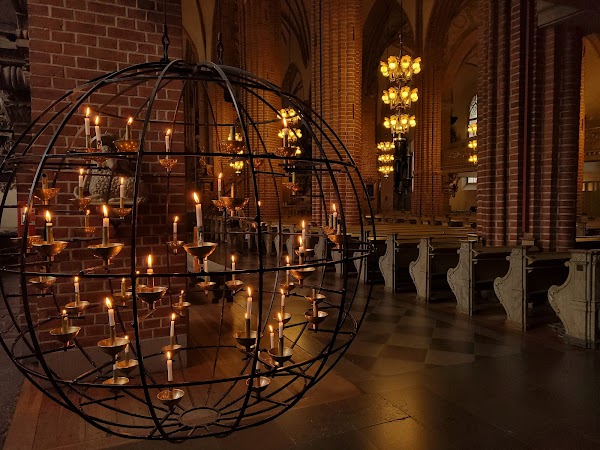
Storkyrkan: A Place of Mourning and Remembrance for the Victims of MS Estonia Storkyrkan, the historic cathedral in Stockholm, Sweden, holds a somber significance in the aftermath of the MS Estonia tragedy. This iconic landmark served as a central gathering point for mourning and remembrance in the days and weeks following the devastating shipwreck in 1994. On September 28, 1994, the MS Estonia, a passenger ferry en route from Tallinn to Stockholm, sank in the Baltic Sea, claiming the lives of 852 people. The tragedy sent shockwaves through Sweden and beyond, leaving families and communities grappling with immense grief. In the wake of this disaster, Storkyrkan became a beacon of solace and unity. The church's doors were opened day and night, offering a sanctuary for those seeking comfort and support. Thousands of mourners flocked to the cathedral, laying flowers, lighting candles, and offering prayers for the victims and their families. The interior of Storkyrkan was transformed into a sea of floral tributes, each blossom representing a life lost. The air was thick with the scent of lilies and roses, mingling with the soft murmur of prayers and the quiet sobs of grieving loved ones. Storkyrkan also hosted several memorial services, attended by dignitaries, survivors, and families of the victims. These services provided a platform for collective mourning and a shared sense of loss. The poignant speeches, hymns, and prayers resonated throughout the cathedral, offering solace and strength to those in attendance. In the years since the tragedy, Storkyrkan has remained a place of remembrance for the victims of MS Estonia. A permanent memorial plaque has been installed inside the church, bearing the names of all those who perished in the disaster. This poignant tribute serves as a constant reminder of the lives lost and the enduring impact of the tragedy. Today, Storkyrkan continues to welcome visitors from around the world, including those seeking to pay their respects to the victims of MS Estonia. The cathedral stands as a testament to the power of human compassion and the enduring spirit of hope in the face of tragedy.
2
Nobel Prize Museum
View on map
3
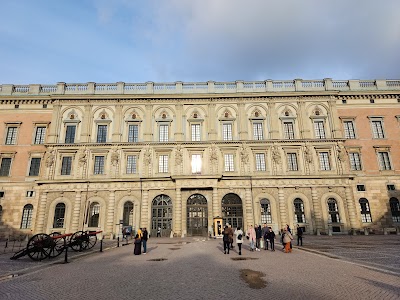
The Royal Palace
View on map
Audio Narrations
English
Introduction
The Royal Palace in Stockholm, Sweden, is the official residence of the Swedish monarch and one of the largest palaces in Europe, boasting over 600 rooms. Built in the 18th century on the site of the Tre Kronor castle, it showcases the grandeur of Italian Baroque architecture. Visitors can explore the palace's opulent state apartments, adorned with exquisite interiors from the 18th and 19th centuries, including the Hall of State with Queen Kristina's silver throne. The palace also houses fascinating museums, such as the Treasury, which safeguards the Swedish regalia, and the Tre Kronor Museum, which delves into the palace's medieval history. Don't miss the Armory, where you can marvel at royal costumes, armor, and magnificent coaches from the Royal Stable. The palace's grandeur extends beyond its walls, with the daily changing of the guard and the parade of soldiers adding to its allure.Baroque Architecture
The Royal Palace in Stockholm, Sweden stands as a testament to the grandeur of Baroque architecture. Designed by Nicodemus Tessin the Younger, this colossal palace was inaugurated in 1754, showcasing the architect's mastery of the Roman Baroque style. Its imposing facade, adorned with intricate carvings and sculptures, reflects the opulence and grandeur of the era. The palace's interiors are equally impressive, boasting soaring ceilings adorned with elaborate frescoes and gilded moldings. The Hall of State, with its ornate silver throne, is a particularly striking example of Baroque extravagance. The palace's grand staircases, with their sweeping curves and intricate wrought-iron railings, further exemplify the Baroque aesthetic. The Royal Palace remains a magnificent representation of Baroque architecture, showcasing the artistic and architectural prowess of its time.Symbol of Swedish Monarchy
The Royal Palace in Stockholm, Sweden, stands as a majestic symbol of the Swedish monarchy, embodying centuries of regal history and tradition. Its grandeur reflects the power and prestige of the Swedish crown, serving as the official residence of the Swedish monarch and the setting for grand state ceremonies. The palace's opulent interiors, adorned with intricate tapestries, gleaming chandeliers, and priceless works of art, exude an aura of regal splendor. It is here that the King and Queen fulfill their official duties, hosting foreign dignitaries, bestowing honors, and representing Sweden on the world stage. The Changing of the Guard ceremony, held daily in the palace's outer courtyard, draws crowds eager to witness the precision and pageantry of the royal guards, clad in their distinctive blue uniforms and bearskin hats. The palace also houses the Treasury, where the Swedish Crown Jewels are kept under lock and key, symbolizing the continuity and legitimacy of the monarchy. Through its architectural grandeur, opulent interiors, and ceremonial traditions, the Royal Palace in Stockholm stands as a living testament to the enduring legacy of the Swedish monarchy, a symbol of national pride and a beacon of royal heritage.
4
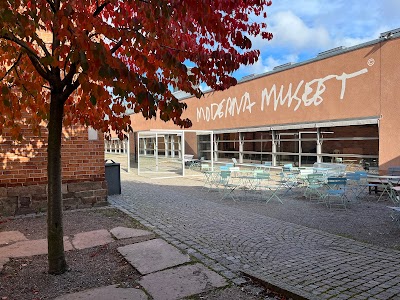
Moderna Museet
View on map
5
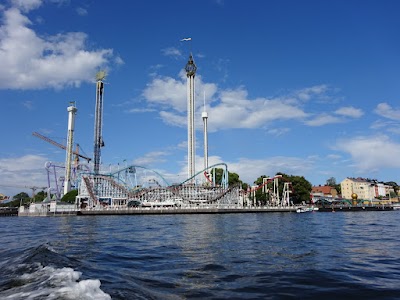
Gröna Lund
View on map
Audio Narrations
English
Introduction
Gröna Lund, nestled on Stockholm's Djurgården Island, is Sweden's oldest amusement park, captivating visitors since 1883. This charming park seamlessly blends historic buildings with thrilling rides, creating a unique ambiance. With over 30 attractions, Gröna Lund offers an exhilarating experience for all ages. Adrenaline seekers can conquer the Jetline, a high-speed roller coaster that reaches heights of 90 feet and speeds of 55 miles per hour. For a more leisurely adventure, take a spin on the classic carousel or embark on a whimsical journey through the House of Nightmares. Beyond the rides, Gröna Lund is renowned for its vibrant atmosphere. Live concerts featuring renowned artists fill the summer nights, while the park's restaurants and food stalls offer a delectable array of culinary delights. The park's central location provides breathtaking views of Stockholm, making it an ideal destination for both locals and tourists seeking a day filled with joy and excitement.Summer Entertainment
Gröna Lund, a vibrant amusement park nestled on the seaward side of Djurgården Island in Stockholm, Sweden, transforms into a summer entertainment hub during the warmer months. With over 30 thrilling attractions, Gröna Lund offers a unique blend of classic rides and modern marvels, catering to adrenaline seekers and families alike. One of the highlights of Gröna Lund's summer entertainment is its impressive lineup of concerts. The park's three entertainment venues host renowned artists from various genres, including rock, pop, and hip-hop. Past performers include legendary names like Bob Marley, ABBA, and Sting, creating unforgettable experiences for music enthusiasts. Beyond its musical offerings, Gröna Lund boasts a diverse range of rides that cater to all ages. From the exhilarating vertical drop ride to the nostalgic Tunnel of Love, there's something for everyone to enjoy. The park's central location allows visitors to take in breathtaking views of Stockholm from its taller attractions, adding an extra layer of excitement to the rides. For those seeking a more relaxed summer experience, Gröna Lund offers a variety of kiddie rides and special events. Children can embark on enchanting adventures in the park's miniature train or carousel, while families can enjoy themed events throughout the season. Whether you're a thrill-seeker, music lover, or simply looking for a fun-filled day out, Gröna Lund is the ultimate summer entertainment destination in Stockholm. Its unique blend of rides, concerts, and special events promises an unforgettable experience for visitors of all ages.Live Music Venue
Nestled on the picturesque Djurgården Island, Gröna Lund is a vibrant live music venue that has captivated music enthusiasts for decades. Its rich history dates back to the 1880s, making it Sweden's oldest amusement park. Despite its relatively compact size, Gröna Lund boasts an impressive lineup of live music events, hosting renowned artists across various genres. The venue's unique charm lies in its idyllic setting, surrounded by charming 19th-century buildings. This juxtaposition creates an intimate and unforgettable ambiance for concert-goers. Gröna Lund's three distinct entertainment venues cater to diverse musical tastes. Dansbanan (Lilla Scenen), Gröna Lundsteatern, and Stora Scenen offer intimate settings for smaller acts and grand stages for larger-scale performances. Over the years, Gröna Lund has played host to a constellation of iconic musicians, including Jimi Hendrix, Bob Marley, and ABBA. Its capacity record was set by Bob Marley, who drew an astounding 32,000 people in 1980. The venue continues to attract top-tier artists, ensuring an eclectic mix of live music experiences throughout the summer season. Gröna Lund's commitment to live music extends beyond its impressive lineup. The venue's acoustics are meticulously designed to deliver crystal-clear sound, immersing concert-goers in an auditory feast. Its central location in Stockholm allows for easy access via public transportation, making it a convenient destination for music lovers. Whether you're a seasoned concert enthusiast or a first-time visitor, Gröna Lund offers an unparalleled live music experience. Its rich history, stunning setting, and world-class lineup make it a must-visit destination for those seeking an unforgettable musical journey.
6

ABBA The Museum
View on map
Audio Narrations
English
Introduction
ABBA The Museum in Stockholm, Sweden, is a captivating journey into the iconic Swedish pop group's legacy. Located on the island of Djurgården, the museum showcases ABBA's stage costumes, artifacts, and concert footage in an interactive setting. Visitors can sing and dance with holograms of the band members, don digital costumes inspired by their famous outfits, and record a music video karaoke-style as the fifth member of ABBA. The museum also features a special wing dedicated to the Swedish Music Hall of Fame. With its high-tech exhibits and immersive experiences, ABBA The Museum offers a unique and unforgettable experience for fans and music enthusiasts alike.Musical Heritage
ABBA The Museum in Stockholm, Sweden stands as a testament to the enduring legacy of the iconic Swedish pop group ABBA. The museum offers a comprehensive journey through the band's musical heritage, showcasing their rise to fame, global impact, and lasting influence. Visitors can explore interactive exhibits that delve into the creative process behind ABBA's timeless hits, including their songwriting, recording techniques, and stage performances. The museum also houses an extensive collection of ABBA memorabilia, such as stage costumes, instruments, and personal artifacts, providing a glimpse into the band's private lives and behind-the-scenes moments. Through immersive experiences and exclusive insights, ABBA The Museum invites visitors to connect with the musical heritage of one of the most successful and beloved pop groups of all time.ABBA History
ABBA The Museum in Stockholm, Sweden is a treasure trove for enthusiasts seeking to delve into the legendary Swedish pop group's illustrious history. The museum houses an extensive collection of ABBA's stage costumes, instruments, and personal memorabilia, providing an intimate glimpse into their creative process and global impact. Visitors can trace the band's journey from their humble beginnings to their meteoric rise to fame, with interactive exhibits showcasing their iconic performances and chart-topping hits. One of the museum's highlights is the "ABBA Voyage" exhibition, which transports visitors to the band's heyday through a captivating virtual reality experience. Using cutting-edge technology, fans can interact with digital avatars of Agnetha, Björn, Benny, and Frida, performing their beloved songs on stage. The museum also features a replica of the Polar Music Studio, where ABBA recorded many of their greatest hits, allowing visitors to step into the creative space that shaped their sound. For those interested in the personal stories behind the music, the museum offers a unique opportunity to learn about the band members' individual backgrounds and relationships. Through exclusive interviews and behind-the-scenes footage, visitors gain insights into the dynamics that fueled ABBA's success and the challenges they faced along the way. The museum serves as a testament to the enduring legacy of ABBA, preserving their music and captivating the imaginations of generations of fans.
7
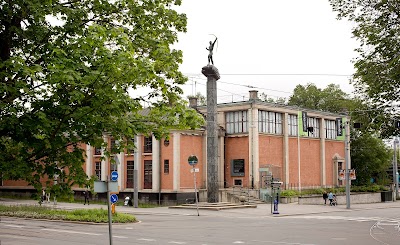
Liljevalchs
View on map
8
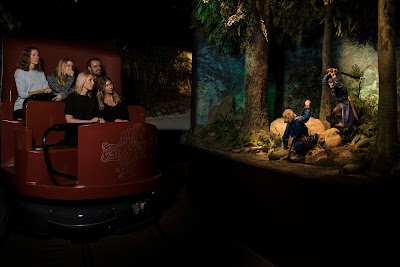
The Viking Museum
View on map
9

Museum of Spirits
View on map
10

Vasa Museum
View on map
Audio Narrations
English
Introduction
The Vasa Museum in Stockholm, Sweden, houses the remarkably preserved 17th-century warship Vasa, which sank on its maiden voyage in 1628. This maritime treasure, salvaged in 1961, is 98% original and offers an unparalleled glimpse into Swedish maritime history. The museum's six levels provide a comprehensive view of the ship, from its towering hull to the intricate carvings adorning its stern. Visitors can explore the ship's construction, life aboard, and the reasons behind its tragic sinking. The museum also showcases artifacts recovered from the wreck, including weapons, personal belongings, and even a board game brought by an officer. Beyond the Vasa itself, the museum delves into the broader context of Swedish maritime history, highlighting the country's shipbuilding prowess and naval dominance during the 17th century. It also sheds light on the challenges of preserving such a fragile artifact, showcasing the innovative techniques used to protect the Vasa from further deterioration.Architectural Marvel
The Vasa Museum in Stockholm, Sweden, stands as a testament to the architectural ingenuity and maritime prowess of the 17th century. The museum's centerpiece, the Vasa warship, is a marvel of naval engineering, showcasing the intricate craftsmanship and grandeur of its era. The Vasa, launched in 1628, was the most powerful warship in the Baltic Sea at the time. Its construction, however, was marred by design flaws, resulting in its tragic sinking on its maiden voyage. Remarkably, the ship was salvaged in the 1960s, revealing a wealth of preserved artifacts and providing invaluable insights into shipbuilding techniques of the past. The museum itself is a masterpiece of modern architecture, designed to complement the grandeur of the Vasa. The building's ship-like structure echoes the form of the Vasa, while its soaring spaces and climate-controlled environment ensure the preservation of the delicate wooden hull. Visitors can explore the ship from multiple levels, marveling at its intricate carvings, gilded decorations, and the remnants of its once-formidable armament. Beyond its historical significance, the Vasa Museum is a testament to the enduring power of human ingenuity. The ship's restoration and the museum's innovative design serve as a reminder of our ability to overcome adversity and preserve our cultural heritage for generations to come.Symbol of Swedish History
Vasa Museum stands as a testament to Swedish history, housing the remarkably preserved Vasa warship, a symbol of both triumph and tragedy. Built as a symbol of Swedish naval might, the Vasa sank on its maiden voyage in 1628 due to design flaws. Rediscovered in the 1950s, the ship was meticulously salvaged and restored, offering an unparalleled glimpse into 17th-century shipbuilding and maritime warfare. The museum showcases the ship's grandeur, adorned with intricate carvings and boasting over 98% of its original structure. Through interactive exhibits and multimedia displays, visitors delve into the historical context, life aboard the ship, and the ambitious salvage operation that brought it back to light. Vasa Museum not only preserves a piece of Swedish history but also serves as a poignant reminder of the nation's aspirations and the fragility of human endeavors.
11
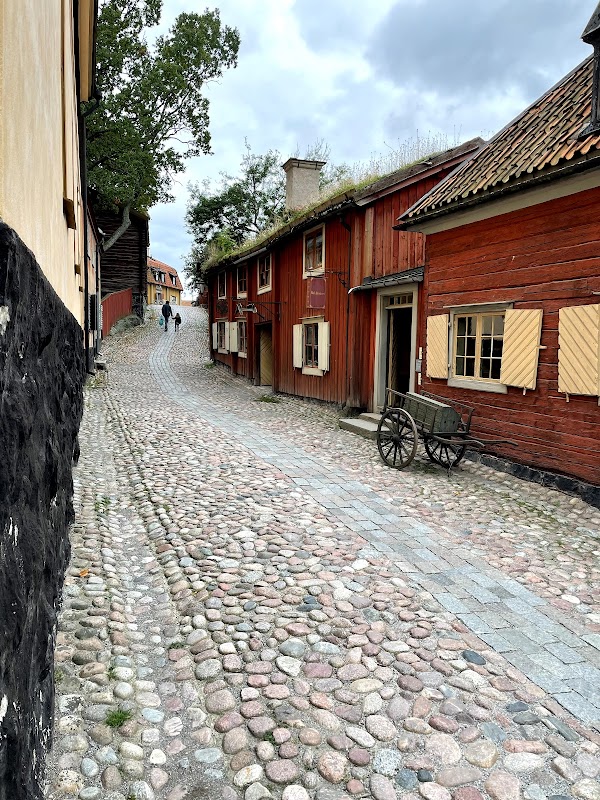
Skansen
View on map
Audio Narrations
English
Introduction
Skansen, nestled on the picturesque island of Djurgården in Stockholm, is the world's oldest open-air museum, showcasing the rich cultural heritage of Sweden. Established in 1891, this enchanting destination transports visitors back in time, offering a glimpse into the country's traditions, architecture, and way of life. Over 150 historic buildings, meticulously relocated from various regions of Sweden, form the heart of Skansen. From the grand Skogaholm Manor, dating back to the 17th century, to the humble Älvros farmhouses from the 16th century, each structure tells a unique story. Skilled artisans, clad in traditional attire, demonstrate age-old crafts, such as glass-blowing, shoemaking, and baking, providing a captivating glimpse into Sweden's past. Beyond the historical buildings, Skansen boasts an impressive zoo, home to a diverse array of Scandinavian wildlife. Visitors can marvel at majestic moose, playful brown bears, sleek wolves, and elusive wolverines. The Baltic Sea Science Center offers an immersive experience into the marine ecosystem, showcasing the wonders of the Baltic Sea. Throughout the year, Skansen hosts a vibrant calendar of events, including traditional Swedish celebrations like Midsummer and Christmas markets. Visitors can witness folk dancing, listen to live music, and indulge in festive delicacies. The museum's commitment to preserving and promoting Swedish culture makes it a beloved destination for locals and tourists alike.Scandinavian Heritage
Delve into the captivating world of Scandinavian heritage at Skansen, the world's oldest open-air museum. Step back in time as you explore authentic 19th-century townhouses, where skilled artisans demonstrate traditional crafts like glassblowing, blacksmithing, and baking. Immerse yourself in the daily lives of Swedes from centuries past, learning about their customs, traditions, and way of life. Discover the rich diversity of Scandinavian fauna at Skansen's zoo, home to majestic moose, playful reindeer, elusive wolverines, and the mighty brown bear. Witness the grace of grey seals and harbor seals as they glide through the water. Observe the keen eyesight of the Eurasian eagle owl and the silent flight of the great grey owl. Journey through history as you explore Skansen's historic farmsteads, where rare breeds of farm animals, such as the Gute sheep and the Swedish Landrace pig, roam freely. Learn about traditional farming practices and the importance of preserving these heritage breeds. Skansen is not just a museum; it's a living, breathing testament to the enduring spirit of Scandinavian heritage. Experience the warmth of a traditional Swedish Christmas at the Bollnäs square, where the festive spirit comes alive with a charming Christmas market. Attend captivating folk dance performances and concerts that showcase the vibrant cultural traditions of Sweden. As you wander through Skansen's enchanting grounds, you'll uncover the hidden gems that make this open-air museum a treasure trove of Scandinavian heritage. From the intricate carvings on historic buildings to the heartwarming stories shared by costumed interpreters, every corner of Skansen whispers tales of a rich and storied past.Historical Buildings
Skansen, the world's oldest open-air museum, offers a captivating journey through Swedish history, showcasing a remarkable collection of over 150 historical buildings. These structures, meticulously relocated from various regions of the country, represent five centuries of architectural heritage. Among the highlights is the Town Quarter, where visitors can explore a 19th-century glassworks, a furniture factory, and an engineering workshop, each demonstrating traditional craftsmanship and providing insights into Sweden's industrial past. The Ironmonger's House, a typical 19th-century wooden home, offers a glimpse into the lives of small-town residents. The Swedenborg's Pavilion houses the charming Summerhouse, built in the 1740s for the renowned scientist and philosopher Emanuel Swedenborg. The Rose Garden, adorned with a sculpture of Carl Linnaeus, provides a tranquil setting to admire the beauty of nature. Skansen's historical buildings are not mere exhibits; they are living, breathing entities, staffed by knowledgeable guides in period costume who bring the past to life. Visitors can engage with these characters, ask questions, and gain a deeper understanding of Swedish history and culture. Whether you're an architecture enthusiast, a history buff, or simply curious about the evolution of Swedish society, Skansen's historical buildings offer an immersive and unforgettable experience.
12
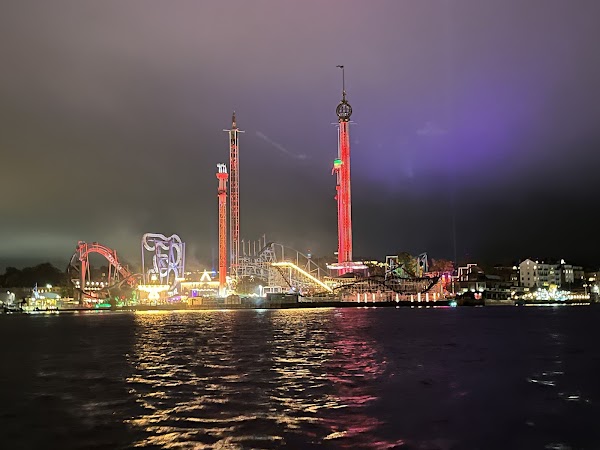
Djurgården
View on map
Experience the Full Tour
Download the DocentPro app to access all tour stops, complete audio narrations in multiple languages, offline maps, and interactive features.