
Tarragona: Echoes of Empire

Walking Tour

4.4 km (2.7 miles)

1h 2min travel time

7 Stops

Tarragona, Spain
Tarragona: Echoes of Empire
Tour Stops
1
Amfiteatre de Tarragona
View on map
Audio Narrations
English
Introduction
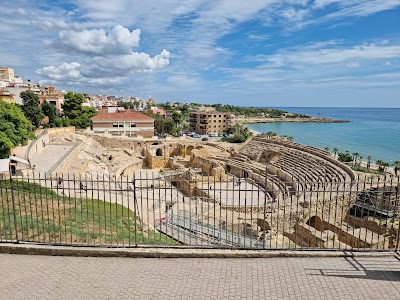
The Amfiteatre de Tarragona, a majestic Roman amphitheater, stands as a testament to the city's rich history and architectural prowess. Carved into the hillside overlooking the Mediterranean Sea, this ancient arena once hosted gladiatorial combats, chariot races, and public spectacles that captivated the Roman populace. Built in the 2nd century AD, the amphitheater boasts an impressive elliptical design, measuring 109 meters long and 86 meters wide. Its tiered seating, capable of accommodating 14,000 spectators, provided a thrilling vantage point for the events below. The arena floor, once a stage for fierce battles and daring stunts, is now a grassy expanse, inviting visitors to imagine the roar of the crowd and the clash of steel. Beyond its gladiatorial past, the Amfiteatre de Tarragona served as a refuge for early Christians during the Roman persecutions. Its hidden chambers and underground passages provided a sanctuary for those seeking to escape religious persecution. Today, these subterranean spaces offer a glimpse into the lives of those who sought solace within the amphitheater's walls. The Amfiteatre de Tarragona stands as a symbol of Tarragona's enduring legacy. Its weathered stones whisper tales of gladiators and emperors, of religious persecution and resilience. As visitors explore its ancient ruins, they are transported back in time, experiencing the grandeur and drama of Roman Tarragona.Architectural Marvel
A Monumental Masterpiece: Unveiling the Architectural Marvel of Amfiteatre de Tarragona The Amfiteatre de Tarragona, nestled in the heart of Catalonia, Spain, stands as a testament to Roman architectural prowess. This awe-inspiring amphitheater, carved into the hillside, boasts a unique blend of grandeur and ingenuity that has captivated visitors for centuries. Step into the arena and be transported back to the gladiatorial era. Imagine the roar of the crowd as fierce battles unfolded within the elliptical arena, its dimensions a staggering 109.5 meters by 86.5 meters. Gaze upon the tiered seating, meticulously crafted from local stone, accommodating over 14,000 spectators eager for the spectacle. Beyond its sheer size, the Amfiteatre de Tarragona reveals intricate architectural details that speak volumes about Roman engineering. The vaulted passageways beneath the seating, known as the "cryptoporticus," provided access and ventilation, showcasing the Romans' mastery of structural design. The intricate system of arches and columns not only supported the massive structure but also created a visually stunning rhythm, a testament to Roman aesthetic sensibilities. But the Amfiteatre de Tarragona's architectural marvel extends beyond its physical form. Its strategic location, nestled against the backdrop of the Mediterranean Sea, offered breathtaking views to the spectators. The amphitheater's orientation, carefully aligned with the cardinal points, ensured optimal sunlight and ventilation, demonstrating the Romans' deep understanding of environmental factors. Today, the Amfiteatre de Tarragona stands as a poignant reminder of a bygone era, its weathered stones whispering tales of gladiatorial combat, public spectacles, and the grandeur of the Roman Empire. As you explore its ruins, let your imagination soar, picturing the vibrant life that once pulsed within its walls, and marvel at the architectural ingenuity that has preserved this ancient wonder for generations to come.Gladiator Fights
The Arena of Blood: Gladiator Fights at the Amfiteatre de Tarragona The Amfiteatre de Tarragona, a colossal Roman amphitheater overlooking the Mediterranean Sea, was once a stage for the brutal spectacle of gladiatorial combat. Built in the 2nd century AD, this arena witnessed the clash of swords, the roar of the crowd, and the desperate struggle for survival. Unlike the Colosseum in Rome, the Amfiteatre de Tarragona was smaller, hosting more intimate and intense gladiatorial battles. The elliptical arena, measuring 109.5 meters by 86.5 meters, brought the spectators closer to the action, amplifying the visceral thrill of the fights. The gladiators who fought in Tarragona were a diverse group, hailing from various regions of the Roman Empire. They were slaves, criminals, and even volunteers, each with their own motivations for entering the arena. Some sought glory and freedom, while others fought for their lives. The types of gladiatorial combat held in Tarragona varied. Single combats between two gladiators were common, but larger-scale battles involving multiple participants also took place. Exotic animals, such as lions and bears, were sometimes introduced to add an element of danger and unpredictability. The Amfiteatre de Tarragona was not just a place of violence and death. It was also a center of entertainment and social gathering. The games provided a release from the daily grind for the citizens of Tarraco, offering a spectacle that was both thrilling and terrifying. Today, the Amfiteatre de Tarragona stands as a testament to the gladiatorial past. Its ruins evoke the echoes of clashing steel and the roar of the crowd, offering a glimpse into a world of blood, courage, and death.
2
National Archaeological Museum of Tarragona
View on map
Audio Narrations
English
Introduction
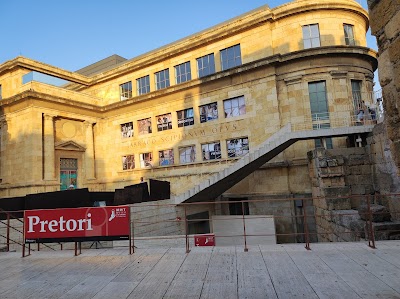
The National Archaeological Museum of Tarragona (MNAT) is a treasure trove of Roman history, showcasing the rich cultural heritage of Tarraco, the first Roman settlement on the Iberian Peninsula. Located in the heart of Catalonia, Spain, the museum houses a vast collection of artifacts spanning eight centuries, offering a captivating glimpse into the daily lives, architecture, and artistic expressions of the ancient Roman city. Step into the museum's halls and be transported back in time as you marvel at intricate mosaics, imposing sculptures, and everyday objects that paint a vivid picture of Roman society. The iconic Ivory Doll, a delicate 3rd or 4th-century AD artifact discovered in a young girl's tomb, offers a poignant glimpse into childhood during the Roman era. Venture beyond the museum walls and explore the captivating archaeological sites managed by the MNAT. Delve into the Early Christian Necropolis, a sprawling cemetery dating back to the late Roman period, where you can witness the evolution of early Christian burial practices. Immerse yourself in the grandeur of the Roman Villa of Els Munts, a testament to the opulence and sophistication of Roman life. The MNAT's commitment to preserving and interpreting Tarragona's Roman legacy extends to the Roman villa of Centcelles, renowned for its stunning 4th-century mosaics depicting biblical scenes. Explore the ancient Roman Theater, a testament to the city's vibrant cultural life, and marvel at the towering Arch of Berà, a triumphal arch commemorating the Roman emperor Augustus. As you journey through the MNAT and its affiliated sites, you'll uncover the fascinating story of Tarraco, a city that played a pivotal role in shaping the Roman Empire. From the intricate details of everyday life to the grand monuments that defined the city's landscape, the MNAT offers a captivating journey through time, bringing the ancient Roman world to life.Mediterranean Civilization
Nestled in the heart of Tarragona, Spain, the National Archaeological Museum stands as a testament to the rich tapestry of Mediterranean Civilization. Its collection, spanning centuries and civilizations, offers a unique window into the vibrant history of this region. Within its walls, visitors embark on a journey through time, encountering artifacts that whisper tales of ancient empires, bustling trade routes, and the rise and fall of civilizations. The museum's Roman collection is particularly noteworthy, showcasing the grandeur of the Roman Empire's presence in Tarraco, the ancient name for Tarragona. Exquisite mosaics, intricate sculptures, and everyday objects paint a vivid picture of Roman life in this thriving Mediterranean metropolis. Beyond the Roman era, the museum delves into the depths of prehistory, showcasing artifacts from the Paleolithic, Neolithic, and Iberian periods. These relics offer insights into the lives of early inhabitants of the region, their customs, and their interactions with the wider Mediterranean world. The museum's collection also boasts a remarkable array of artifacts from the Early Christian and Visigothic periods, highlighting the region's transition from paganism to Christianity and the subsequent rise of the Visigothic Kingdom. These artifacts, including intricate religious objects and stunning examples of Visigothic art, provide a glimpse into the evolving cultural and religious landscape of the Mediterranean during this transformative era. A visit to the National Archaeological Museum of Tarragona is not merely a journey through time; it is an immersive experience into the heart of Mediterranean Civilization. Through its diverse collection, the museum unveils the region's rich history, cultural tapestry, and its enduring legacy as a crossroads of civilizations. As you wander through its halls, you become a witness to the rise and fall of empires, the evolution of beliefs, and the enduring spirit of the Mediterranean world.Roman History
The National Archaeological Museum of Tarragona, nestled in the heart of Catalonia, Spain, stands as a testament to the enduring legacy of the Roman Empire. Within its walls, a treasure trove of artifacts unveils the rich tapestry of Roman life in the ancient city of Tarraco. Step into the museum, and you'll be transported back to the bustling streets of Tarraco, a thriving Roman metropolis. Admire the intricate mosaics that once adorned the floors of opulent villas, depicting scenes from mythology and daily life. Marvel at the colossal statues of emperors and deities, their stoic expressions hinting at the power and grandeur of the Roman world. Among the museum's highlights is the collection of Roman sculptures, offering a glimpse into the artistic prowess of the era. The delicate marble busts capture the individuality of Roman citizens, while the larger-than-life statues of emperors project an aura of authority and might. The museum also houses a wealth of everyday objects, from pottery and glassware to tools and weapons. These artifacts provide a tangible connection to the lives of ordinary Romans, revealing their customs, beliefs, and daily routines. As you explore the museum's exhibits, you'll gain a deeper understanding of Roman society, its political structure, its religious practices, and its cultural achievements. The museum's collection offers a unique window into the Roman world, showcasing the ingenuity, artistry, and power of this once-mighty empire. A visit to the National Archaeological Museum of Tarragona is an immersive journey through Roman history, offering a glimpse into the daily lives, beliefs, and achievements of the people who shaped this ancient city. It's a must-see destination for anyone seeking to delve into the fascinating world of Roman Tarraco.
3
Circ Romà
View on map
Audio Narrations
English
Introduction
The Circ Romà, a testament to Tarragona's Roman past, stands as a majestic open-air amphitheater, whispering tales of gladiatorial combats and public spectacles. Built in the 2nd century AD, this architectural marvel once hosted thrilling chariot races, captivating theatrical performances, and even gruesome executions. Its elliptical arena, measuring 109 meters long and 86 meters wide, could accommodate a staggering 14,000 spectators, who would gather to witness the spectacle of the day. The Circ Romà's unique feature lies in its subterranean network of tunnels and chambers, a hidden labyrinth that once housed gladiators, animals, and stage props. These passageways, accessible through trapdoors in the arena floor, facilitated dramatic entrances and surprise attacks, adding an element of suspense to the events. The amphitheater's tiered seating, divided into sections by vomitoria (passageways), provided a clear view of the action for every spectator, ensuring an immersive experience. Today, the Circ Romà stands as a silent sentinel, its weathered stones bearing witness to centuries of history. Visitors can explore the arena, imagine the roar of the crowd, and envision the gladiators' fierce battles. The amphitheater's evocative atmosphere transports them back to a time of emperors and chariots, offering a glimpse into the grandeur of Roman entertainment.Tarraco
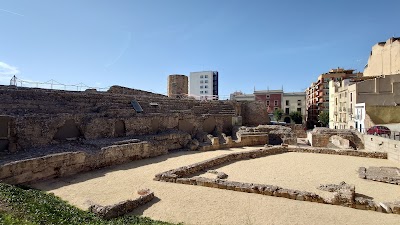
Circ Romà: A Spectacle in the Heart of Tarraco Step into the grand arena of the Circ Romà, a testament to the vibrant life and entertainment that pulsed through the ancient Roman city of Tarraco. This colossal structure, nestled in the heart of modern-day Tarragona, was once the stage for thrilling chariot races, gladiatorial combats, and captivating public spectacles that enthralled the Tarraco populace. Built in the 1st century AD, the Circ Romà stands as a remarkable feat of Roman engineering. Its elliptical form, carved into the hillside, could accommodate an estimated 30,000 spectators eager to witness the drama unfold within its walls. Imagine the roar of the crowd as chariots thundered around the track, the clash of steel as gladiators battled for glory, and the awe-inspiring displays of exotic animals brought from distant lands. Beyond its function as a center of entertainment, the Circ Romà also served as a symbol of Roman power and cultural influence in Tarraco. Its grand scale and intricate design reflected the sophistication and prosperity of the city, showcasing its allegiance to the Roman Empire. The games held within its walls provided a platform for social interaction, fostering a sense of community and shared identity among the diverse inhabitants of Tarraco. Today, the ruins of the Circ Romà stand as a poignant reminder of Tarraco's glorious past. Visitors can explore the remnants of the arena, imagining the vibrant scenes that once unfolded within its walls. The partially reconstructed seating sections offer a glimpse into the scale and grandeur of the structure, while informative panels provide insights into the daily life and entertainment of the Tarraco population. A visit to the Circ Romà is not merely a journey through time; it is an immersive experience into the heart of Roman Tarraco. It allows us to connect with the spirit of this ancient city, its people, and their passion for spectacle and entertainment. As you stand amidst the ruins, let your imagination transport you back to the roaring crowds, the fierce competitions, and the vibrant life that once pulsed within the walls of the Circ Romà.Ancient Entertainment
The Circ Romà: A Spectacle of Ancient Entertainment in Tarragona Step into the heart of ancient Tarragona and witness the grandeur of the Circ Romà, a magnificent arena that once pulsed with the thrill of chariot races, gladiatorial combat, and public spectacles. Built in the 1st century AD, this colossal structure stands as a testament to the Romans' passion for entertainment and their mastery of engineering. Unlike its amphitheater counterpart, the Colosseum, the Circ Romà was specifically designed for chariot racing. Its elongated track, measuring 325 meters in length and 115 meters in width, provided ample space for teams of four-horse chariots to thunder around the arena, their wheels churning the sand and their drivers vying for victory. The roar of the crowd, the rhythmic pounding of hooves, and the dust swirling in the air would have created an electrifying atmosphere, transporting spectators to the heart of the competition. Beyond the chariot races, the Circ Romà hosted a variety of other spectacles that captivated the Roman populace. Gladiatorial combats, staged to showcase the prowess of trained fighters, pitted man against man or beast in a deadly dance of skill and survival. Public executions, though grim, served as a stark reminder of Roman justice and the consequences of defying the law. Animal hunts, featuring exotic creatures from far-flung corners of the empire, offered a glimpse into the natural world and the Romans' fascination with the unknown. The Circ Romà was not merely a place of entertainment; it was also a stage for social and political expression. The games provided an opportunity for the Roman elite to display their wealth and influence, while the common people found release from the daily grind in the shared excitement of the contests. The arena served as a microcosm of Roman society, reflecting its hierarchies, values, and thirst for spectacle. Today, the ruins of the Circ Romà stand as a silent testament to a bygone era. Yet, as you walk among the crumbling walls and imagine the roar of the crowds, you can almost feel the pulse of ancient entertainment coursing through your veins. The Circ Romà, once a vibrant hub of excitement and drama, continues to captivate our imaginations and offer a glimpse into the world of ancient Roman entertainment.
4
Mediterranean Balcony
View on map
Audio Narrations
English
Introduction
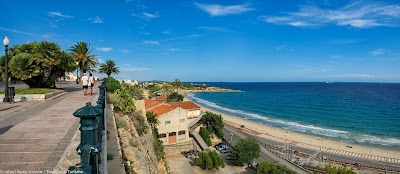
The Mediterranean Balcony in Tarragona, Catalonia, Spain, is a breathtaking promenade that offers panoramic views of the sparkling Mediterranean Sea. This iconic landmark, also known as Balcó del Mediterrani, is a must-visit destination for anyone exploring the historic city. The balcony is perched atop a cliff, providing an unparalleled vista of the coastline. Visitors can marvel at the azure waters stretching out before them, dotted with sailboats and fishing vessels. The rugged cliffs and hidden coves add to the scenic beauty of the area. As you stroll along the promenade, you'll encounter a series of sculptures and monuments that pay homage to Tarragona's rich history and culture. The most notable is the monument to the Mediterranean Games, a testament to the city's sporting prowess. The Mediterranean Balcony is also a popular spot for locals and tourists alike to gather and enjoy the fresh sea air. Street performers often entertain the crowds, while cafes and restaurants offer refreshments and a chance to soak in the ambiance. Whether you're a history buff, a nature enthusiast, or simply looking for a relaxing escape, the Mediterranean Balcony in Tarragona is an unforgettable experience. As you stand on the edge of the cliff, feeling the sea breeze on your face and the sun warming your skin, you'll understand why this balcony is considered one of the most beautiful places in Catalonia.Historical Significance
The Mediterranean Balcony: A Historical Jewel in Tarragona The Mediterranean Balcony in Tarragona, Catalonia, Spain, is more than just a scenic viewpoint. It's a historical tapestry woven with the threads of Roman, medieval, and modern eras. This balcony, perched atop the city walls, offers breathtaking panoramas of the Mediterranean Sea and the ancient Roman city below. But its true significance lies in the stories it whispers to those who listen. The balcony's foundations were laid by the Romans, who built the city walls in the 2nd century BC. These walls, once a formidable defense, now serve as a testament to Roman engineering prowess. As centuries passed, the balcony witnessed the rise and fall of empires, the clash of civilizations, and the evolution of Tarragona from a bustling Roman port to a medieval stronghold and finally, a modern city. During the Middle Ages, the balcony served as a watchtower, guarding against invaders and pirates. Its strategic location provided a clear view of the coastline, allowing defenders to anticipate and thwart attacks. The echoes of battles fought and won still linger in the air. Today, the Mediterranean Balcony stands as a symbol of Tarragona's rich history. It's a place where visitors can connect with the past, imagining the lives of those who walked these very stones. The balcony offers a unique perspective on the city's evolution, showcasing the enduring legacy of its Roman and medieval past. As you stand on the balcony, let the sea breeze carry the whispers of history. Imagine the Roman legions marching below, the clang of medieval swords, and the bustling life of a bygone era. The Mediterranean Balcony is not just a viewpoint; it's a portal to the past, inviting you to explore the fascinating history of Tarragona.Cultural Heritage
The Mediterranean Balcony: A Cultural Tapestry in Tarragona The Mediterranean Balcony in Tarragona, Catalonia, Spain, is more than just a scenic viewpoint. It's a living testament to the region's rich cultural heritage, a tapestry woven from centuries of history, art, and tradition. Standing on the balcony, one is immediately struck by the panoramic vista. The sparkling Mediterranean Sea stretches out before you, its waves whispering tales of ancient civilizations that once thrived on these shores. Below, the bustling city of Tarragona unfolds, its Roman amphitheater, medieval cathedral, and winding alleyways hinting at the layers of history beneath your feet. This fusion of past and present is precisely what makes the Mediterranean Balcony so culturally significant. The very stones beneath your feet have witnessed the rise and fall of empires, the clash of cultures, and the birth of artistic movements. The Romans, who left their indelible mark on Tarragona, built the city walls that still stand today. The Moors, who ruled the region for centuries, introduced their unique architectural style, evident in the intricate patterns adorning the balcony's railings. But the cultural heritage of the Mediterranean Balcony extends beyond the physical structures. It's also present in the vibrant traditions and folklore that continue to thrive in Tarragona. The rhythmic beats of the "castellers" (human towers) echo through the streets, a testament to the region's spirit of collaboration and community. The annual "Santa Tecla" festival explodes with color and music, celebrating the city's patron saint and its rich cultural tapestry. As you stand on the Mediterranean Balcony, let the sights, sounds, and stories wash over you. Feel the weight of history beneath your feet and the vibrant pulse of the present in the air. This is not just a balcony; it's a portal to a world of cultural richness, waiting to be explored and experienced.
5
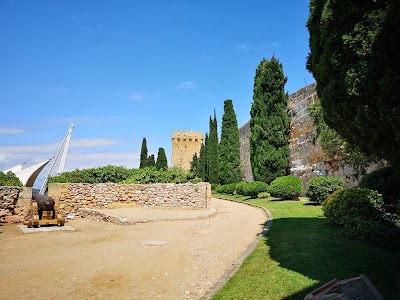
Passeig Arqueològic
View on map
Audio Narrations
English
Introduction
The Passeig Arqueològic, or Archaeological Walk, in Tarragona, Spain, is a captivating journey through the city's rich Roman past. This unique promenade, stretching along the ancient city walls, offers a glimpse into the grandeur of Tarraco, the capital of the Roman province of Hispania Tarraconensis. As you stroll along the Passeig, you'll encounter a treasure trove of archaeological wonders. The imposing Praetorium, once the residence of the Roman governor, stands as a testament to the city's administrative power. The adjacent Roman Amphitheatre, where gladiatorial contests and public spectacles unfolded, evokes the vibrant entertainment culture of the era. Further along the path, the Roman Circus, a vast arena for chariot races, reveals the city's passion for sports and competition. The nearby Roman Theatre, with its intricate carvings and impressive acoustics, transports you to a time when theatrical performances captivated audiences. The Passeig Arqueològic is not just a walk through history; it's an immersive experience that brings the Roman era to life. As you wander amidst these ancient ruins, you can almost hear the echoes of gladiators clashing, chariots thundering, and crowds roaring. The Passeig is a must-visit for anyone seeking to delve into the heart of Tarragona's Roman legacy.Roman Ruins
Passeig Arqueològic in Tarragona, Catalunya, Spain, is a captivating open-air museum showcasing the city's rich Roman heritage. This archaeological promenade, stretching along the Balcó del Mediterrani, offers a unique perspective on the ancient Roman city of Tarraco. As you stroll along the Passeig, you'll encounter a treasure trove of Roman ruins, each whispering tales of a bygone era. One of the highlights is the Roman Amphitheatre, a magnificent structure that once hosted gladiatorial combats and public spectacles. Imagine the roar of the crowd as gladiators clashed in the arena, their swords flashing in the Mediterranean sun. Nearby, the Roman Circus, a vast chariot racing stadium, evokes the thrill of high-speed competition. Close your eyes and picture the thunder of hooves and the cheers of the spectators as charioteers vied for victory. The Passeig Arqueològic also boasts the remains of a Roman Theatre, where dramatic performances and cultural events once unfolded. The intricate carvings and architectural details offer a glimpse into the artistic sensibilities of the Roman era. As you explore further, you'll come across the Praetorium, the former residence of the Roman governor, and the Forum, the bustling heart of the city. The Passeig Arqueològic is not merely a collection of ruins; it's a journey through time, transporting you to the heart of the Roman Empire. As you wander among these ancient remnants, you'll gain a profound appreciation for the architectural prowess, engineering ingenuity, and cultural richness of the Romans. The Passeig Arqueològic is a testament to Tarragona's glorious past, offering a unique and immersive experience for anyone fascinated by Roman history.Mediterranean Sea Views
Passeig Arqueològic: Where History Meets the Mediterranean The Passeig Arqueològic in Tarragona, Catalunya, Spain, offers a unique perspective on the city's rich history, interwoven with breathtaking views of the Mediterranean Sea. This archaeological promenade, stretching along the Balcó del Mediterrani, unveils a captivating journey through time, where ancient Roman ruins stand as silent witnesses against the backdrop of the azure waters. As you stroll along the Passeig, remnants of the Roman Empire come alive. The massive walls of the "Circuit", a section of the ancient city's fortifications, stand tall, offering a glimpse into Tarragona's glorious past. The "Torre del Pretori", a Roman watchtower, provides panoramic vistas of the sparkling Mediterranean, inviting you to imagine the bustling port it once guarded. Further along, the "Amfiteatre" emerges, its grand structure once hosting gladiatorial combats and public spectacles. The sea breeze carries whispers of the cheers and roars that once filled the air, transporting you back to the era of Roman grandeur. Beyond the ruins, the Passeig opens onto the Balcó del Mediterrani, a balcony overlooking the vast expanse of the Mediterranean. The panoramic views are simply breathtaking. The turquoise waters stretch as far as the eye can see, meeting the horizon in a seamless blend of blue. Sailboats glide gracefully on the surface, leaving trails of white foam in their wake. The salty tang of the sea air invigorates the senses, creating a truly immersive experience. As the sun begins its descent, the Passeig transforms into a magical setting. The golden rays bathe the ancient stones in a warm glow, casting long shadows that dance across the promenade. The sky erupts in a kaleidoscope of colors, painting the Mediterranean with hues of orange, pink, and purple. It's a moment of pure serenity, where the whispers of history blend with the gentle rhythm of the waves, creating an unforgettable memory. The Passeig Arqueològic is more than just a historical site; it's a portal to a bygone era, where the spirit of the Roman Empire intertwines with the captivating beauty of the Mediterranean Sea. It's a place to wander, to contemplate, and to connect with the rich tapestry of history and nature.
6
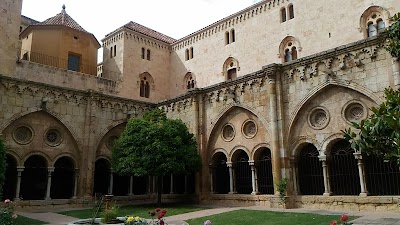
Catedral Basílica Metropolitana i Primada de Santa Tecla de Tarragona
View on map
Audio Narrations
English
Introduction
The Catedral Basílica Metropolitana i Primada de Santa Tecla de Tarragona, a majestic edifice in the heart of Tarragona, Catalunya, Spain, stands as a testament to the city's rich history and architectural prowess. Its Gothic and Romanesque elements blend seamlessly, creating a visual symphony that has captivated visitors for centuries. The cathedral's origins trace back to the 12th century, rising on the foundations of a former Roman temple dedicated to Augustus. Its construction spanned over 600 years, resulting in a harmonious fusion of architectural styles. One of the cathedral's most striking features is its magnificent facade, adorned with intricate carvings and sculptures depicting scenes from the Bible. The main portal, known as the "Portal of the Last Judgment," showcases a dramatic representation of the final reckoning, with angels, demons, and the resurrected dead. The interior of the cathedral is equally awe-inspiring, boasting soaring vaulted ceilings, stained-glass windows that cast kaleidoscopic patterns of light, and an elaborately carved choir stall. The cathedral also houses a museum that displays a collection of religious artifacts, including a 14th-century altarpiece and a 12th-century Romanesque cloister. Beyond its architectural splendor, the Catedral Basílica Metropolitana i Primada de Santa Tecla de Tarragona holds immense religious significance. It is the seat of the Archdiocese of Tarragona, one of the oldest and most important in Spain. The cathedral is dedicated to Saint Tecla, the patron saint of Tarragona, whose relics are believed to be housed within its walls. Every year, on September 23rd, the city celebrates the Feast of Saint Tecla, a vibrant festival that draws thousands of pilgrims and visitors from around the world. The Catedral Basílica Metropolitana i Primada de Santa Tecla de Tarragona is not merely a place of worship but a living testament to the city's cultural heritage. Its architectural grandeur, religious significance, and historical importance make it a must-visit destination for anyone seeking to delve into the heart and soul of Tarragona.Romanesque Architecture
The Catedral Basílica Metropolitana i Primada de Santa Tecla de Tarragona, a magnificent edifice in Tarragona, Catalunya, Spain, stands as a testament to the Romanesque architectural style. Its construction, spanning the 12th and 13th centuries, embodies the essence of Romanesque design principles. The cathedral's imposing facade, adorned with intricate carvings and sculptures, showcases the Romanesque emphasis on symbolism and storytelling. The semicircular arches, a hallmark of the style, grace the doorways and windows, lending a sense of solidity and grandeur to the structure. The thick walls, constructed from local stone, reflect the Romanesque preference for robust and durable materials. Inside, the cathedral's nave, with its barrel vaulting and massive pillars, creates an atmosphere of awe and reverence. The lack of ornamentation, typical of Romanesque interiors, allows the architectural elements to speak for themselves. The capitals of the columns, adorned with biblical scenes and geometric patterns, offer a glimpse into the artistic sensibilities of the period. The cloister, a serene space enclosed by a series of arches and columns, provides a tranquil retreat from the bustle of the city. The Romanesque influence is evident in the simple, unadorned arches and the use of natural light to illuminate the space. The Catedral Basílica Metropolitana i Primada de Santa Tecla de Tarragona stands as a remarkable example of Romanesque architecture, showcasing the style's distinctive features and enduring legacy. Its harmonious blend of form and function, its rich symbolism, and its timeless beauty continue to inspire and captivate visitors from around the world.Gothic Architecture
The Catedral Basílica Metropolitana i Primada de Santa Tecla de Tarragona, a magnificent edifice in Tarragona, Catalunya, Spain, stands as a testament to the evolution of Gothic architecture. Its construction, spanning over six centuries, from the 12th to the 18th centuries, reflects the changing styles and influences of the era. One of the most striking features of the cathedral is its pointed arches, a hallmark of Gothic architecture. These soaring arches, reaching towards the heavens, create a sense of awe and grandeur within the vast interior. The intricate tracery of the windows, adorned with stained glass depicting biblical scenes, bathes the interior in a kaleidoscope of colors, adding to the ethereal atmosphere. The cathedral's ribbed vaults, another defining element of Gothic architecture, provide structural support while also contributing to the aesthetic appeal. The intricate patterns formed by the intersecting ribs create a sense of movement and dynamism, drawing the eye upwards towards the vaulted ceiling. The Catedral Basílica Metropolitana i Primada de Santa Tecla de Tarragona also boasts a remarkable collection of sculptures and carvings, many of which depict scenes from the life of Saint Tecla, the patron saint of Tarragona. These intricate works of art, crafted by skilled artisans, offer a glimpse into the religious beliefs and artistic sensibilities of the Gothic period. In addition to its architectural and artistic significance, the Catedral Basílica Metropolitana i Primada de Santa Tecla de Tarragona holds immense historical value. It served as the seat of the Archdiocese of Tarragona, one of the oldest and most important ecclesiastical centers in Spain. The cathedral's walls bear witness to centuries of religious ceremonies, political events, and cultural transformations, making it an integral part of the city's rich heritage. In conclusion, the Catedral Basílica Metropolitana i Primada de Santa Tecla de Tarragona stands as a masterpiece of Gothic architecture, showcasing the distinctive features and artistic brilliance of this era. Its soaring arches, intricate tracery, ribbed vaults, and exquisite sculptures offer a captivating glimpse into the world of medieval architecture and religious devotion. As a testament to the enduring legacy of Gothic architecture, the cathedral continues to inspire awe and wonder in visitors from around the globe.
7
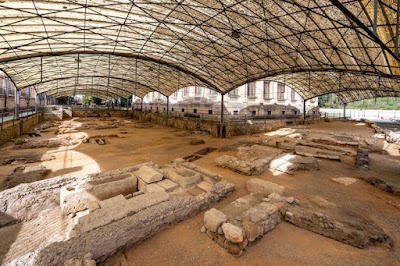
Early Christian cemetery of Tàrraco
View on map
Audio Narrations
English
Introduction
The Early Christian Necropolis of Tàrraco, located in Tarragona, Spain, offers a glimpse into the burial practices and beliefs of early Christians in the Roman Empire. Dating back to the 3rd-5th centuries AD, this extensive cemetery reveals a fascinating world of death and remembrance. Excavations have unearthed thousands of burials, ranging from simple graves to elaborate mausoleums. The necropolis provides insights into the lives and deaths of Tarraco's inhabitants, with evidence of their names, occupations, and beliefs. One of the most remarkable discoveries is the Tombstone of Optimus, a beautifully carved marble slab depicting a man holding a scroll. This tombstone offers a glimpse into the life and status of Optimus, who may have been a prominent member of the early Christian community. Another highlight is the Sarcophagus of the Lions, a richly decorated sarcophagus featuring intricate carvings of lions and other animals. This sarcophagus likely belonged to a wealthy individual, showcasing the importance of status and wealth in death. The necropolis also reveals the evolution of burial practices over time. While cremation was common in earlier periods, inhumation became the preferred practice among early Christians. The presence of Christian symbols, such as the fish and the dove, on many tombs further emphasizes the growing influence of Christianity in the region. A visit to the Early Christian Necropolis of Tàrraco offers a unique opportunity to explore the world of the dead in Roman Tarraco. Through its diverse range of burials and artifacts, the necropolis provides a window into the lives, beliefs, and funerary practices of early Christians in this ancient city.Late Roman Empire
The Early Christian cemetery of Tàrraco, located in present-day Tarragona, Spain, offers a unique window into the lives and beliefs of early Christians during the Late Roman Empire. Established in the 4th century CE, the cemetery served as a burial ground for the city's Christian community, a testament to the growing influence of Christianity in the region. One of the cemetery's most striking features is its catacombs, a network of underground tunnels containing numerous tombs and burial chambers. These catacombs, carved into the soft rock beneath the city, provided a safe and sacred space for Christians to bury their dead, away from the persecution they often faced. The walls of the catacombs are adorned with intricate frescoes and inscriptions, offering valuable insights into early Christian art and symbolism. The tombs within the cemetery vary in size and decoration, reflecting the social status of the deceased. Wealthier individuals were buried in elaborate sarcophagi, while others were laid to rest in simpler graves. The presence of children's burials highlights the importance of family and community within the early Christian community. The Early Christian cemetery of Tàrraco also provides evidence of the evolving rituals and practices of early Christianity. The discovery of baptismal fonts and other liturgical objects suggests that the cemetery served not only as a burial ground but also as a place of worship and community gatherings. In conclusion, the Early Christian cemetery of Tàrraco stands as a significant archaeological site, offering invaluable insights into the lives, beliefs, and practices of early Christians during the Late Roman Empire. Its catacombs, tombs, and artifacts provide a tangible connection to this pivotal period in history, shedding light on the development of Christianity in the western Mediterranean region.Early Christian Burial Practices
A Window into Early Christian Rituals: The Cemetery of Tàrraco The Early Christian cemetery of Tàrraco, nestled in present-day Tarragona, Spain, offers a captivating glimpse into the burial practices of early Christians. Dating back to the 4th century, this necropolis unveils a rich tapestry of rituals and beliefs held by this nascent community. Unlike their Roman counterparts who practiced cremation, early Christians embraced inhumation, gently laying their deceased in underground chambers known as cubicula. These chambers, often adorned with vibrant frescoes and intricate mosaics, served as resting places for individuals and families. The artwork adorning these cubicula offers invaluable insights into early Christian beliefs. Depictions of biblical scenes, such as Jonah and the Whale or Daniel in the Lions' Den, served as visual reminders of faith and hope in the afterlife. The cemetery also reveals the evolving social structure of the early Christian community. The presence of elaborate sarcophagi and inscriptions suggests the emergence of a wealthy and influential Christian elite. This contrasts with the simpler tombs of the less affluent, highlighting the social stratification within the community. The discovery of children's burials within the cemetery sheds light on the high infant mortality rates of the period. These small graves, often marked with poignant symbols like doves or lambs, offer a poignant reminder of the fragility of life and the importance of faith in the face of loss. The Early Christian cemetery of Tàrraco stands as a testament to the evolving beliefs and practices of early Christians. It offers a unique window into their rituals, social structures, and hopes for the afterlife, providing invaluable insights into the development of Christianity in the Roman world.
Experience the Full Tour
Download the DocentPro app to access all tour stops, complete audio narrations in multiple languages, offline maps, and interactive features.