
Valencia's Historic Splendors: A Journey Through Time and Art

Walking Tour

5.4 km (3.3 miles)

1h 14min travel time

13 Stops

Valencia, Spain
Valencia's Historic Splendors: A Journey Through Time and Art
Tour Stops
1
Serranos Towers (Valencia)
View on map
Audio Narrations
Introduction
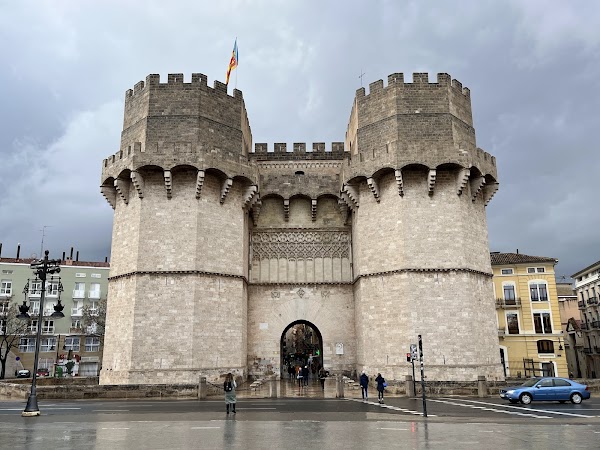
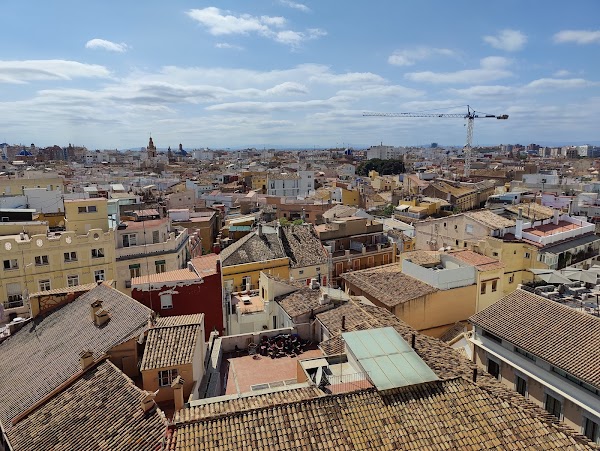
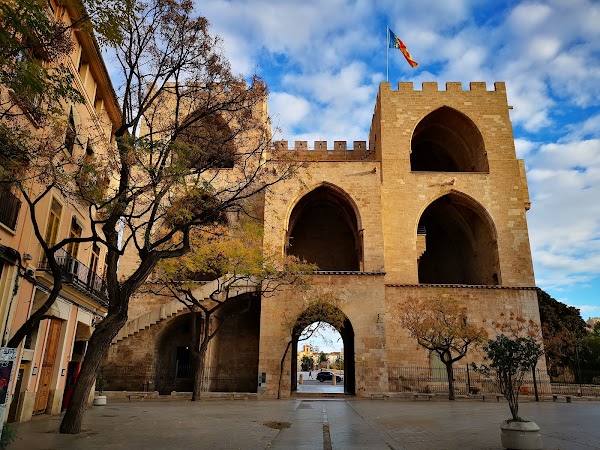
The Serranos Towers, constructed in the late 14th century, stand as a testament to Valencia's rich history. These imposing Gothic structures, designed by Pere Balaguer, served as the city's main entrance and a triumphal arch for festive occasions. Their pentagonal shape, connected by a common gallery, showcases intricate Gothic designs and parapets. The towers' grandeur is further enhanced by the remains of an old moat that once encircled them. From their terraces, visitors can revel in panoramic views of Valencia and the Turia River.Serranos Towers
The Serranos Towers, an architectural marvel in Valencia, Spain, stand as a testament to the city's rich history and Gothic grandeur. These imposing gate towers, constructed in the late 14th century, were once the main entrance to the walled city, welcoming travelers from afar. Their pentagonal shape, connected by a central gallery, exudes an air of strength and resilience. The towers are adorned with intricate Gothic designs, showcasing the exceptional craftsmanship of their time. Beyond their defensive purpose, the Serranos Towers have served as a prison for noblemen and a hiding place for priceless artwork during the Spanish Civil War. Today, they offer visitors a glimpse into Valencia's past and present. Ascending to the top of the towers rewards visitors with breathtaking panoramic views of the city, the Turia River, and the surrounding countryside. The Serranos Towers are not just historical relics; they are vibrant symbols of Valencia's cultural heritage. They have been featured in countless works of art, literature, and music, inspiring generations of Valencians and visitors alike. Their enduring presence in the heart of the city serves as a reminder of the resilience and beauty that have shaped Valencia throughout the centuries.Historic City Gateway
The Serranos Towers, a majestic gateway to the historic city of Valencia, stand as a testament to the city's rich past. Built in the 14th century, these imposing twin towers guarded one of the busiest entrances to the walled city. Their pentagonal structures flank a semi-circular arch, creating a formidable defensive barrier. Beyond their military significance, the Serranos Towers have witnessed centuries of history. In the 16th century, they were converted into a prison for noblemen, a role they fulfilled until the late 19th century. The towers' somber appearance during this period prompted protests from the populace, leading to the inmates' eventual relocation to more humane conditions. During the Spanish Civil War, the Serranos Towers played a vital role in safeguarding priceless artworks from the Prado Museum in Madrid. Ingenious measures were employed to protect the paintings, including the construction of a reinforced concrete vault and the use of rice husks and soil for insulation. Today, the Serranos Towers stand as a symbol of Valencia's resilience and architectural heritage. They are open to the public, offering visitors a glimpse into the city's past and a panoramic view from their upper levels. The towers also serve as the official starting point for the annual Fallas festival, a vibrant celebration of Valencian culture.
2
Basílica de la Mare de Déu dels Desemparats
View on map
Audio Narrations
Introduction
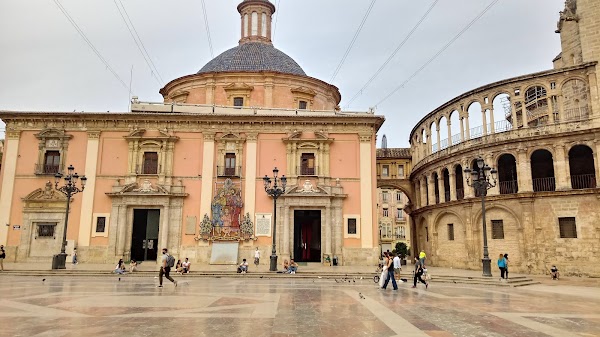
The Basílica de la Mare de Déu dels Desemparats, a magnificent edifice in Valencia's Plaça de la Mare de Déu, stands as a testament to the city's rich history and devotion to its patron saint. Built between 1652 and 1667, the basilica boasts an impressive oval-shaped floor plan, adorned with marble pilasters and medallions painted by José Vergara. Its dome, a masterpiece of artistry, features a remarkable fresco by Antonio Palomino, court painter to King Charles II. The basilica's most revered treasure is the gold Gothic sculpture of the Virgin of the Forsaken, the patron saint of Valencia. Devotees often seek her blessings beneath her watchful gaze, especially during weddings, where couples hope to secure her protection for their union. The basilica's rich history is further enhanced by the presence of the Casa Vestuari, a stately mansion housing the Carles Ros municipal library. Its entrance hall features a spectacular Modernist staircase leading to a room adorned with frescoes by Vicente López. Beyond its architectural splendor, the basilica holds a special place in the hearts of Valencians. The annual festival in honor of the Virgin of the Forsaken, held on the second Sunday of May, is a vibrant celebration of faith and tradition. The festivities culminate in a procession where the statue of the Virgin is carried from the basilica to the cathedral, accompanied by the fervent prayers and emotions of the faithful. A visit to the Basílica de la Mare de Déu dels Desemparats is an enriching experience, offering a glimpse into Valencia's cultural heritage and the enduring devotion to its patron saint. The basilica's beauty, history, and spiritual significance make it a must-visit destination for anyone seeking to understand the heart and soul of this vibrant city.Baroque Architecture
The Basilica of the Virgin of the Forsaken, a masterpiece of Valencian Baroque architecture, stands as a testament to the city's artistic and religious heritage. Built between 1652 and 1667, the basilica embodies the exuberance and dynamism of the Baroque style. Its imposing facade, adorned with Solomonic columns and intricate sculptures, creates a sense of awe and grandeur. The interior, a symphony of light and space, features soaring vaults, richly decorated chapels, and a stunning altarpiece depicting the Virgin Mary. One of the basilica's most striking features is its use of light. The large windows and skylights bathe the interior in a warm glow, highlighting the intricate details of the装飾. The play of light and shadow creates a dramatic effect, enhancing the sense of spirituality and transcendence. The basilica's floor plan, with its elliptical nave and radiating chapels, is a testament to the Baroque's emphasis on movement and dynamism. The illusion of continuous space is further enhanced by the use of trompe l'oeil paintings on the vaults, creating a sense of boundless expansiveness. The basilica's rich ornamentation is a hallmark of the Baroque style. The walls and ceilings are adorned with elaborate stuccowork, sculptures, and paintings. The main altarpiece, a masterpiece by the Valencian artist José Vergara, depicts the Virgin Mary surrounded by angels and saints. The intricate details and vibrant colors of the altarpiece are a testament to the Baroque's love of opulence and grandeur. The Basilica of the Virgin of the Forsaken is a masterpiece of Valencian Baroque architecture, a testament to the city's artistic and religious heritage. Its stunning facade, light-filled interior, and rich ornamentation make it a must-see destination for anyone interested in the Baroque style.Miraculous Image
The Basilica of the Virgin of the Forsaken, also known as the Basilica of the Immaculate Conception, is a Roman Catholic basilica in Valencia, Spain. The basilica is dedicated to the Virgin Mary under the title of Our Lady of the Forsaken, the patron saint of the city. The basilica is located on the Plaza de la Virgen, in the heart of the city's historic center. The basilica was built on the site of a former mosque. The construction of the basilica began in 1652 and was completed in 1667. The basilica is a Baroque building with a richly decorated interior. The basilica's main altar is home to a statue of Our Lady of the Forsaken. The statue is said to have been carved by a Valencian sculptor named Nicolás Borrás in the 15th century. The statue is made of wood and is dressed in a richly embroidered robe. The statue is also adorned with a crown and a scepter. The statue of Our Lady of the Forsaken is said to have performed many miracles. The most famous miracle is said to have occurred in 1604. A young girl was playing near the basilica when she fell into a well. The girl's parents prayed to Our Lady of the Forsaken for her safety. The girl was miraculously rescued from the well. The statue of Our Lady of the Forsaken is also said to have protected the city of Valencia from the plague in 1647. The basilica is a popular pilgrimage site for Catholics from all over the world. The basilica is also a popular tourist destination. The basilica is open to the public daily. The basilica is free to enter, but donations are appreciated. The basilica is a beautiful and inspiring place to visit. The statue of Our Lady of the Forsaken is a powerful reminder of the Virgin Mary's love and compassion.
3
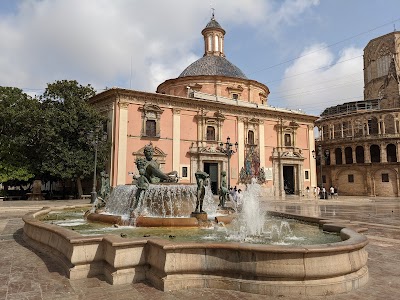
Plaça de la Verge
View on map
Audio Narrations
Introduction
Plaça de la Verge, a captivating square in the heart of Valencia, Spain, is a testament to the city's rich architectural heritage. Situated in the Ciutat Vella district, it is surrounded by iconic landmarks that embody the essence of Valencia's past and present. The square's centerpiece is the Turia Fountain, an allegorical representation of the Turia River adorned with eight bronze statues symbolizing the region's irrigation canals. Flanking the square is the majestic Valencia Cathedral, a Gothic masterpiece with an octagonal bell tower that dominates the skyline. Its intricate facade, known as the "Door of the Irons," showcases the city's Baroque influence. Across from the cathedral stands the Basílica de la Mare de Déu dels Desemparats, a Baroque church renowned for its elliptical interior and elaborate ceiling frescoes. The square is also home to the Palau de la Generalitat, the seat of the Valencian government. Its Renaissance architecture and ornate courtyard reflect the city's golden age. The Casa Vestuario, where the Tribunal de las Aguas (Water Tribunal) meets, adds a touch of tradition to the square. This ancient institution, dating back to the Moorish era, continues to resolve water disputes in the region. Plaça de la Verge is not just a historical landmark but also a vibrant hub of activity. Its lively atmosphere is enhanced by outdoor cafes and restaurants, making it a popular gathering spot for locals and tourists alike. The square's charm extends beyond its architectural wonders, offering a glimpse into Valencia's cultural and social fabric.Historic Significance
Plaça de la Verge, nestled in the heart of Valencia's historic center, is a square steeped in centuries of rich history. Its significance unfolds through the architectural tapestry that surrounds it. The square's centerpiece, the Valencia Cathedral, stands as a testament to the city's religious heritage. Its Gothic architecture, with its intricate carvings and soaring spires, transports visitors back to a time of ecclesiastical grandeur. Adjacent to the cathedral, the Basilica de la Virgen de los Desamparados, with its Baroque opulence, reflects the city's devotion to its patron saint. The Water Tribunal, an ancient institution dating back to the 10th century, continues to meet weekly in front of the basilica, upholding a tradition of water management that has shaped Valencia's agricultural landscape. The square's history is further enriched by the presence of the Torres de Serranos and Torres de Quart, imposing medieval gate towers that once guarded the city's entrance. These towers, with their robust stonework and crenellated battlements, evoke the city's resilience and its role as a strategic stronghold. Plaça de la Verge is not merely a historical backdrop but a living testament to Valencia's enduring spirit. It is a place where the past and present intertwine, where the echoes of history resonate in the cobblestone streets and the vibrant atmosphere of a city that has embraced its heritage while forging ahead into the future.Cathedral of Valencia
Plaça de la Verge, a captivating square in the heart of Valencia, holds a profound connection to the Cathedral of Valencia. The square's significance unfolds as one explores its intricate relationship with the cathedral, revealing a tapestry of history, art, and cultural traditions. The square's proximity to the cathedral's Apostle Doors, an ornate entrance adorned with intricate carvings of the 12 apostles, invites visitors to delve into the cathedral's sacred realm. Every Thursday at noon, the Water Tribunal, an ancient judicial institution, gathers at these doors, adding a touch of solemnity to the square. Beyond the doors, the cathedral's majestic tower, El Miguelete, ascends towards the heavens, offering breathtaking panoramic views of the city. The square's lively atmosphere contrasts with the cathedral's serene grandeur, creating a harmonious blend of the sacred and the secular. Plaça de la Verge is not merely a backdrop to the cathedral; it is an integral part of its story. During the festival of Las Fallas, the square transforms into a vibrant stage, where the Virgin Mary's statue is adorned with an elaborate floral offering, symbolizing the city's deep-rooted devotion. As visitors stroll through the square, they can immerse themselves in the rich history and cultural traditions that intertwine with the Cathedral of Valencia. The square's charm lies in its ability to transport visitors to a bygone era, where the sacred and the profane coexist in perfect harmony.
4
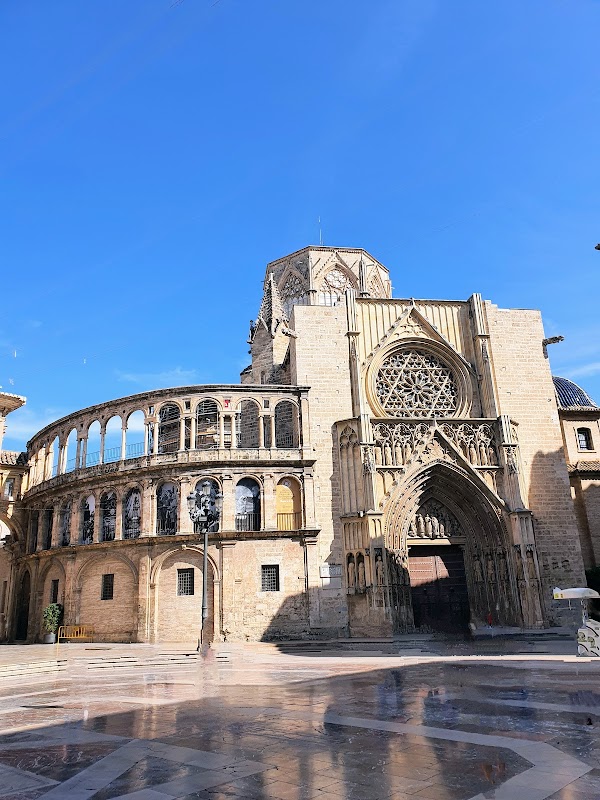
Valencia Cathedral
View on map
Audio Narrations
Introduction
Valencia Cathedral, a Gothic masterpiece in the heart of València, Spain, boasts a rich history and architectural splendor. Its construction, spanning from the 13th to the 15th centuries, showcases a blend of Romanesque, Gothic, Renaissance, Baroque, and Neoclassical elements. The cathedral's most revered relic is the Holy Chalice, believed by many to be the true Holy Grail. This 1st-century cup, adorned with Arabic inscriptions, was gifted to the cathedral by King Alfonso V of Aragon in 1436. The cathedral's interior is adorned with exquisite Renaissance frescoes, rediscovered after being hidden for centuries. These paintings, commissioned by Cardinal Rodrigo de Borja, depict angels playing musical instruments and are considered one of the most significant pictorial works of the early Spanish Renaissance. The cathedral's museum houses a collection of Gothic, Renaissance, and Mannerist art, including works by Maella and Goya. For panoramic city views, visitors can ascend the Miguelete Tower, a 207-step climb rewarded with breathtaking vistas. The cathedral's exterior features the Puerta del Palau, its oldest entrance, and the Puerta de los Apóstoles, where the Water Tribunal, an ancient institution dating back to the Middle Ages, holds its weekly sessions. This tribunal, recognized by UNESCO as an Intangible Cultural Heritage, dispenses justice on irrigation matters and water distribution from the Turia River.Religious Significance
Valencia Cathedral holds immense religious significance, attracting pilgrims and history enthusiasts alike. Its origins trace back to the 13th century, when it replaced a mosque on the site. The cathedral is a testament to the city's rich religious heritage, boasting a blend of architectural styles that reflect its diverse past. One of the most revered relics housed within the cathedral is the Holy Chalice, believed by many to be the true Holy Grail used by Christ at the Last Supper. This sacred artifact draws countless visitors seeking spiritual connection and a glimpse of history. The cathedral also contains numerous 15th-century paintings, some by local artists and others by renowned masters engaged by Pope Alexander VI. Beyond its architectural and artistic splendor, Valencia Cathedral serves as a vibrant center of worship and religious ceremonies. Its grand interior, with soaring ceilings and intricate details, creates an awe-inspiring atmosphere for prayer and contemplation. The cathedral's significance extends beyond its physical presence, as it remains a symbol of faith and a testament to the enduring power of religion in the lives of Valencians.Valencian Gothic
Valencia Cathedral, a magnificent edifice in the heart of València, stands as a testament to the exquisite Valencian Gothic style. Its construction commenced in the 13th century and spanned several centuries, resulting in a harmonious blend of architectural elements. The cathedral's exterior boasts intricate stone carvings, pointed arches, and delicate tracery, showcasing the skill and artistry of Valencian Gothic masters. Inside, the cathedral's vast interior is adorned with soaring ribbed vaults, supported by slender columns. The stained-glass windows, with their vibrant hues and intricate designs, bathe the space in a kaleidoscope of colors. The high altar, a masterpiece of Valencian Gothic, features elaborate carvings and a stunning altarpiece depicting scenes from the life of Christ. The Puerta de los Apostoles (Apostles' Doorway) is a particularly noteworthy feature of the cathedral. Its intricate sculptures depict the twelve apostles, each with their own unique attributes and expressions. The Miguelete, the cathedral's bell tower, offers panoramic views of the city and the surrounding countryside. Its octagonal shape and ornate spire are characteristic of Valencian Gothic architecture. Valencia Cathedral is not merely a religious edifice but also a repository of artistic and historical treasures. Its Valencian Gothic elements, from the grand facade to the intricate details within, make it a captivating destination for those seeking to delve into the rich architectural heritage of Spain.
5
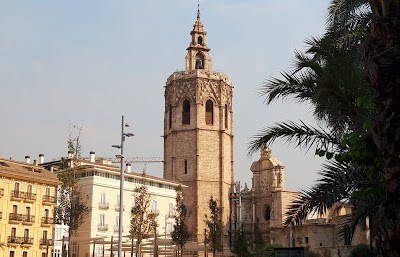
Plaza de la Reina
View on map
Audio Narrations
Introduction
Plaza de la Reina, a bustling square in Valencia, Spain, is a vibrant hub of activity. Its central location, adjacent to the iconic Valencia Cathedral, makes it a popular gathering spot for locals and tourists alike. The square is renowned for its architectural beauty, featuring the ornate Puerta de los Hierros, an elaborate Baroque gateway leading into the Cathedral. In 2022, Plaza de la Reina underwent a comprehensive renovation, transforming it into a pedestrian-friendly oasis. The square now boasts over 115 trees, creating an urban forest that provides shade and greenery. It also features numerous benches, kiosks, a children's play area, public restrooms, drinking fountains, a Valenbisi station, and underground garbage containers. The most striking addition is the installation of massive awnings that protect visitors from the sun, making it an ideal spot for outdoor dining and relaxation. Plaza de la Reina is a testament to Valencia's commitment to urban renewal and its rich cultural heritage. It serves as a vibrant gathering place, a showcase for architectural beauty, and a symbol of the city's ongoing transformation.Artistic Inspiration
Plaza de la Reina, a vibrant square in the heart of Valencia, has long been a muse for artists, captivating them with its architectural grandeur and cultural significance. The square's centerpiece, the 13th-century Valencia Cathedral, boasts an awe-inspiring Gothic facade adorned with intricate carvings and towering spires. Its interior is a treasure trove of artistic masterpieces, including frescoes by renowned Valencian painter Francisco Ribalta. Surrounding the cathedral, a harmonious blend of architectural styles creates a picturesque canvas. The Baroque fountain, Fuente del Turia, depicts the mythical river god presiding over the city's water sources. The neoclassical Palacio de la Generalitat, seat of the regional government, adds a touch of elegance with its stately columns and ornate balconies. Plaza de la Reina has witnessed countless artistic gatherings and performances. Street musicians fill the air with melodies, while artists display their works along the square's perimeter. The nearby La Lonja de la Seda, a UNESCO World Heritage Site, showcases the city's rich mercantile past and provides further inspiration with its intricate Gothic architecture. The square's vibrant atmosphere and artistic heritage continue to attract creatives from around the world. Its unique blend of architectural styles, cultural events, and historical significance make Plaza de la Reina an inexhaustible source of inspiration for artists seeking to capture the essence of Valencia's artistic soul.Archaeological Discoveries
Plaza de la Reina in València, Comunidad Valenciana, Spain, holds significant archaeological importance due to the discovery of Roman ruins beneath its surface. Excavations in the area have unearthed remnants of a Roman forum, including a basilica, a temple, and a market, providing valuable insights into the city's ancient past. These ruins are now preserved and showcased in the L'Almoina Archaeological Museum, offering visitors a glimpse into the rich history of this central square.
6
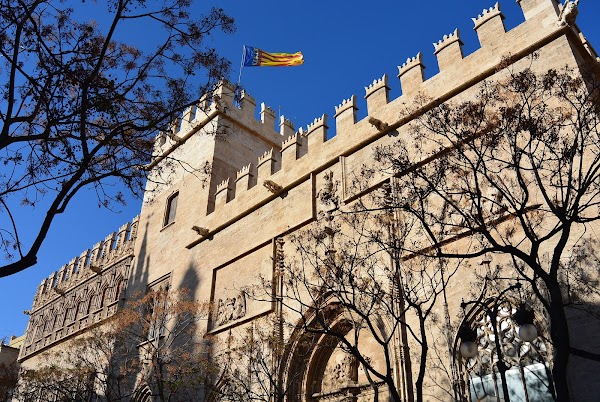
La Lonja de la Seda de Valencia
View on map
Audio Narrations
Introduction
La Lonja de la Seda de Valencia, a masterpiece of late Gothic architecture, stands as a testament to the city's prosperous past as a major Mediterranean mercantile hub. Built between 1482 and 1533, this UNESCO World Heritage Site comprises three distinct sections: the Sala de Contratación, the Torreón, and the Consulado del Mar. The Sala de Contratación, with its soaring columns and intricate vaulted ceiling, served as the bustling trading hall where merchants negotiated contracts. The Torreón, housing a chapel and a prison for debtors, adds an element of intrigue to the complex. The Consulado del Mar, with its ornate coffered ceiling and maritime-themed paintings, was the seat of the city's maritime tribunal. The Lonja's grandeur reflects the wealth and power of Valencia's merchant class during the 15th and 16th centuries, making it an enduring symbol of the city's commercial heritage.Silk Trade
La Lonja de la Seda de Valencia, a UNESCO World Heritage Site, stands as a testament to the city's pivotal role in the global silk trade. Built in the late 15th century, this architectural masterpiece was the epicenter of Valencia's thriving silk industry. Its grandeur reflects the city's prosperity during the golden age of the silk trade. The Sala de Contratación, with its soaring columns and intricate vaulted ceiling, served as the main trading hall where merchants from across Europe and the Mediterranean gathered to negotiate deals. The Consulado del Mar, with its opulent coffered ceiling and exquisite paintings, housed the maritime court that regulated trade disputes. The Torreón Central, a fortified tower, provided security and housed a chapel and a prison for merchants who defaulted on their debts. The Patio de los Naranjos, a serene courtyard adorned with orange trees, offered a respite from the bustling trade within. La Lonja's intricate carvings and sculptures depict scenes of daily life and the importance of the silk trade to Valencia's economy and culture. Its enduring legacy as a center of commerce and artistry makes it a must-visit destination for anyone seeking to delve into the rich history of the Silk Trade.Tourist Attraction
Step into the heart of Valencia's rich history at La Lonja de la Seda, a UNESCO World Heritage Site and a testament to the city's golden age. This architectural masterpiece, built in the late 15th century, served as the hub of the prosperous silk trade, a testament to Valencia's economic prowess. Explore the Sala de Contratación, the heart of the exchange, where merchants gathered to negotiate deals under the watchful eyes of eight towering columns. Marvel at the intricate vaulted ceiling, supported by these columns, dividing the space into three distinct areas. Admire the Torreón Central, a tower that once housed a chapel and a prison for merchants who failed to honor their debts. Ascend to the upper floors to discover the Consulado del Mar, a hall adorned with an exquisite wooden coffered ceiling and a painting by Espinosa. Stroll through the serene Patio de los Naranjos, a walled courtyard that completes the site. Take a moment to appreciate the intricate sculptures and decorative elements that adorn the building's exterior, each a testament to the skill of Valencian artisans. La Lonja de la Seda is not just a historical monument but a living testament to Valencia's vibrant past. It offers a glimpse into the city's commercial and cultural heritage, making it a must-visit destination for any traveler seeking an authentic and immersive experience.
7
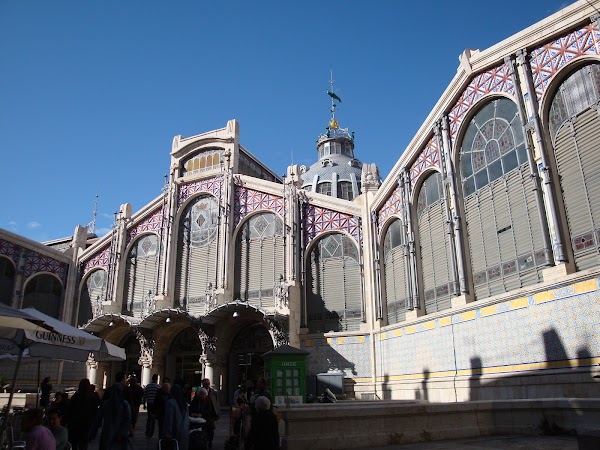
Mercado Central de Valencia
View on map
Audio Narrations
Introduction
Mercado Central de Valencia, a bustling marketplace in the heart of Valencia, Spain, is a testament to the city's rich culinary heritage and architectural prowess. Built in the early 20th century, this Art Nouveau masterpiece boasts an awe-inspiring iron and glass structure adorned with intricate ceramic tiles and weather vanes depicting parrots and fish. Its spacious interior houses over 1,200 stalls, offering a vibrant array of fresh produce, meats, cheeses, spices, and seafood. The market's lively atmosphere is punctuated by the vibrant colors and aromas of the Mediterranean, making it a feast for the senses. Beyond its culinary offerings, Mercado Central is also a hub for traditional Valencian culture, where locals and tourists alike gather to experience the authentic flavors and traditions of this vibrant region.Market Architecture
Mercado Central de Valencia stands as a testament to the fusion of architectural styles, blending Valencian Art Nouveau with Gothic and Baroque influences. Its grandeur is evident in the intricate ironwork and glass domes that soar up to 30 meters, adorned with weather vanes featuring parrots and fish. The use of these materials allowed for the creation of vast, open spaces, a hallmark of Art Nouveau architecture. The market's interior is a symphony of materials, with iron, wood, ceramics, and polychromed tiles harmoniously combined. The play of light through the roof and colored window panels adds to the market's captivating ambiance. The building's design pays homage to the nearby Lonja de la Seda, a Gothic masterpiece, and the eclectic Sants Juanes church, reflecting the architectural heritage of Valencia. Mercado Central de Valencia is not merely a market; it is a testament to the city's rich cultural tapestry, where architectural influences converge to create a vibrant and enduring landmark.Fresh Produce Paradise
Step into a vibrant symphony of colors and aromas at Mercado Central de Valencia, a culinary haven for fresh produce enthusiasts. This architectural marvel, with its soaring iron columns and stained-glass dome, houses over 1,200 stalls brimming with the finest fruits, vegetables, and delicacies from the fertile Valencian countryside. Lose yourself in a maze of stalls, each a testament to the region's agricultural bounty. Oranges, the symbol of Valencia, gleam in vibrant hues, their sweet scent mingling with the earthy aroma of tomatoes and the crisp freshness of lettuces. Discover exotic varieties of beans, pulses, and nuts, their textures and flavors a testament to the region's diverse terroir. But Mercado Central is more than just a market; it's a living tapestry of Valencian culture. Witness the lively banter of vendors, the artistry of their displays, and the passion with which they share their knowledge of local produce. Savor the flavors of freshly squeezed juices, indulge in traditional tapas at the Central Bar, or simply soak up the vibrant atmosphere that makes this market a true feast for the senses. Whether you're a seasoned chef seeking inspiration or a curious traveler eager to experience the heart of Valencian cuisine, Mercado Central de Valencia is a paradise that will ignite your senses and leave you craving for more.
8
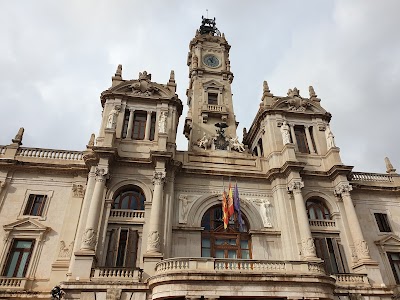
Plaça de l'Ajuntament
View on map
9
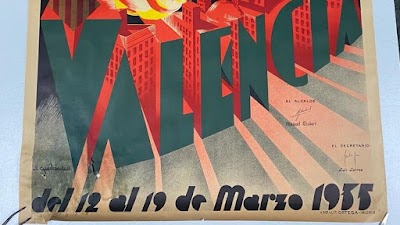
Museu Faller de València
View on map
10
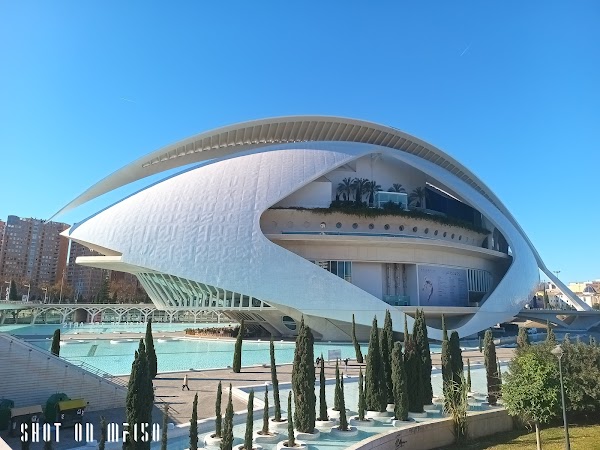
Queen Sofia Palace of Arts
View on map
11
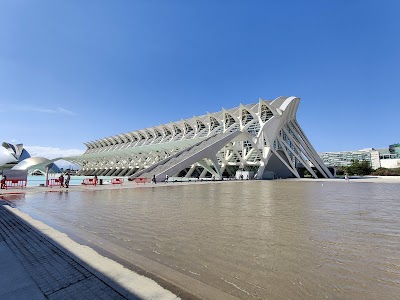
Museu de les Ciències Príncipe Felipe
View on map
Audio Narrations
Introduction
The Museu de les Ciències Príncipe Felipe, designed by Santiago Calatrava, is a renowned science museum in Valencia, Spain. Its striking architecture, resembling a whale skeleton, houses interactive exhibitions that engage visitors in the wonders of science and technology. The museum boasts a "Chromosome Forest," a large-scale representation of human chromosomes, and the Foucault Pendulum, one of the longest in the world. It also features exhibits on space exploration, climate change, and the legacy of Nobel laureates. The museum's commitment to scientific dissemination and its captivating displays make it a must-visit destination for those seeking an immersive and educational experience.Tourism
Immerse yourself in the captivating world of science and innovation at the renowned Museu de les Ciències Príncipe Felipe in Valencia. This architectural marvel, designed by renowned architect Santiago Calatrava, is a must-visit destination for tourists seeking an extraordinary experience. Step inside and embark on an interactive journey through the wonders of science, technology, and the natural world. Explore the vast Oceanogràfic, home to the largest aquarium in Europe, and marvel at the diverse marine life from around the globe. Delve into the mysteries of the universe at the Hemisfèric, a state-of-the-art planetarium that transports you to the depths of space. Engage with hands-on exhibits at the Science Museum, where you can witness the principles of science come to life. Don't miss the guided tour of the Palau de les Arts Reina Sofía, an architectural masterpiece that hosts world-renowned opera and music performances. Immerse yourself in the vibrant atmosphere of the Museu de les Ciències Príncipe Felipe, where science, art, and entertainment converge to create an unforgettable experience.Santiago Calatrava
Santiago Calatrava's architectural prowess shines through in the Museu de les Ciències Príncipe Felipe, a captivating structure that resembles the skeletal form of a whale. Its design embodies Calatrava's signature style, seamlessly blending structure and movement. The building's vast expanse, spanning over 40,000 square meters, is supported by five concrete "trees" that branch out to connect the roof and facade. These colossal structures not only provide support but also house service cores and elevators. The south facade's white concrete framework is adorned with glass, while the north facade boasts a continuous glass-and-steel curtain that stretches the length of the building. Calatrava's mastery of light and space is evident in the interplay of natural and artificial illumination, creating a dynamic and immersive experience for visitors.
12

L'Àgora
View on map
13
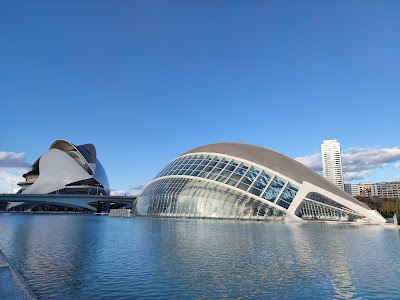
Ciudad de las Artes y las Ciencias
View on map
Audio Narrations
Introduction
The Ciudad de las Artes y las Ciencias in València, Spain, is a captivating architectural complex designed by renowned architects Santiago Calatrava and Félix Candela. Inaugurated in 1998, it comprises six striking buildings and a bridge, each showcasing a unique design inspired by nature and human anatomy. The centerpiece, L'Hemisfèric, resembles a giant eye with a retractable eyelid-like roof, housing an IMAX cinema and planetarium. The Science Museum Príncipe Felipe, shaped like a whale skeleton, features interactive exhibits on science and technology. L'Umbracle, a verdant garden, offers a serene oasis amidst the complex. The Palau de les Arts Reina Sofía, an opera house, boasts a distinctive sail-like roof. L'Oceanogràfic, Europe's largest aquarium, showcases diverse marine life in seven different marine environments. The Ágora, a multifunctional space, hosts exhibitions and events. The complex is connected by L'Assut de l'Or bridge, designed by Calatrava, featuring a pedestrian walkway and traffic lanes.Architectural Innovation
Ciudad de las Artes y las Ciencias, a futuristic architectural complex in Valencia, Spain, stands as a testament to architectural innovation. Designed by renowned architect Santiago Calatrava, the complex showcases a symphony of daring forms and cutting-edge techniques. Calatrava's vision for the complex was to create a harmonious fusion of art, science, and nature. The buildings, each a masterpiece in its own right, are characterized by their fluid, organic shapes and extensive use of glass and white concrete. The Palau de les Arts Reina Sofía, an opera house, resembles a colossal helmet suspended over a shimmering pool, while the Hemisfèric, an IMAX cinema, mimics the shape of a giant eye. Beyond its aesthetic appeal, the complex incorporates innovative structural solutions. The Palau de les Arts, for instance, features a massive steel frame that allows for a column-free interior, maximizing flexibility and acoustics. The Oceanogràfic, a marine park, boasts the largest aquarium in Europe, showcasing a diverse range of marine life in meticulously recreated ecosystems. The complex's integration with its surroundings is another testament to its architectural brilliance. The buildings are strategically positioned around a central lake, creating a serene and contemplative atmosphere. The use of water as a reflective element enhances the visual impact of the structures, blurring the boundaries between architecture and nature. Ciudad de las Artes y las Ciencias is not merely a collection of buildings; it is a living testament to the transformative power of architectural innovation. Its bold designs, innovative engineering, and harmonious integration with the environment have made it a global icon of architectural excellence.Urban Regeneration
Ciudad de las Artes y las Ciencias in València, Comunidad Valenciana, Spain, stands as a testament to the transformative power of urban regeneration. This architectural marvel emerged from a once-neglected industrial area, breathing new life into the city's urban fabric. The project's genesis lies in the vision of architect Santiago Calatrava, who sought to create a cultural and scientific hub that would revitalize the city's image. The complex comprises a series of striking structures, each dedicated to a specific aspect of art, science, and nature. The Hemisfèric, an IMAX cinema and planetarium, offers immersive experiences that ignite curiosity and wonder. The Museo de las Ciencias, an interactive science museum, engages visitors with hands-on exhibits that foster a love for learning. The Oceanogràfic, a vast marine park, showcases diverse marine ecosystems, promoting awareness of ocean conservation. Beyond its architectural and cultural significance, Ciudad de las Artes y las Ciencias has played a pivotal role in urban regeneration. The project has attracted investment, spurred economic growth, and created employment opportunities. It has also transformed the surrounding area, making it a vibrant and desirable destination. The complex has become a catalyst for the revitalization of the city center, attracting tourists and residents alike. The success of Ciudad de las Artes y las Ciencias lies in its ability to combine cultural and scientific pursuits with urban renewal. It has not only enriched the cultural landscape of València but has also served as a model for sustainable urban regeneration, demonstrating how visionary architecture can transform neglected areas into thriving urban centers.
Experience the Full Tour
Download the DocentPro app to access all tour stops, complete audio narrations in multiple languages, offline maps, and interactive features.