
Washington D.C.: A Journey Through the Heart of American History

Walking Tour

5.0 km (3.1 miles)

1h 8min travel time

8 Stops

Washington D.C., United States
Washington D.C.: A Journey Through the Heart of American History
Tour Stops
1
National Mall
View on map
Audio Narrations
English
Introduction
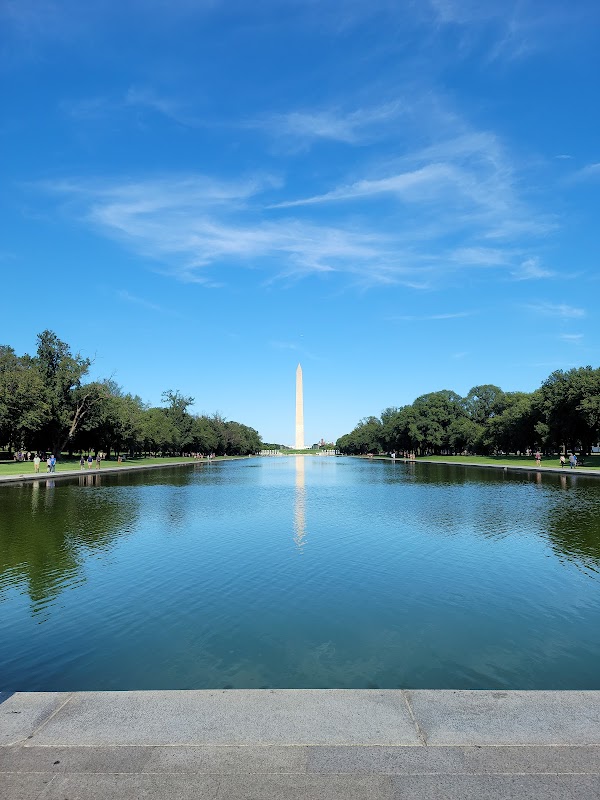
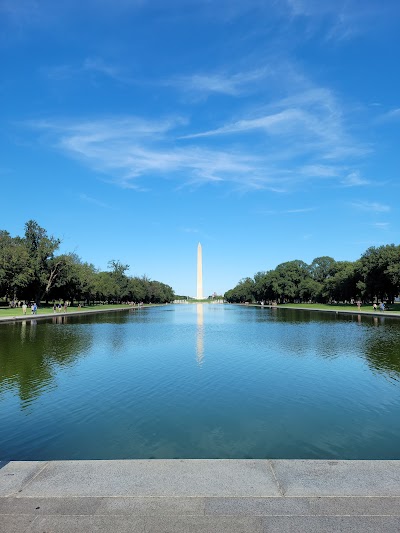
The National Mall, a landscaped park in Washington, D.C., is a hub of museums, art galleries, cultural institutions, and memorials. It's a popular destination for visitors, with an estimated 24 million people visiting annually. The Mall extends between the U.S. Capitol and the Washington Monument, with several museums and federal office buildings lining its north and south sides. It also encompasses areas of West Potomac Park and Constitution Gardens. The Mall's origins can be traced back to Pierre L'Enfant's 1791 plan for Washington, D.C., which envisioned a "grand avenue" in the area. The name "Mall" was first used in 1802 to refer to the area west of the Capitol, inspired by London's fashionable promenade. Over the years, the Mall has undergone various changes and additions. The Smithsonian Institution Building, constructed in the mid-19th century, is the oldest building on the Mall. The Washington Monument, completed in 1888, stands near the planned site of George Washington's equestrian statue. The Jefferson Pier marks the intended location of the statue itself. The Mall is a significant site for protests and rallies, including the 1963 March on Washington for Jobs and Freedom, where Martin Luther King Jr. delivered his "I Have a Dream" speech. It also hosts annual events such as the Blossom Kite Festival, Earth Day celebrations, and the National Cherry Blossom Festival.Presidential Inaugurations
The National Mall, an iconic expanse in the heart of Washington, D.C., holds a profound significance in the annals of American history, serving as the stage for the swearing-in ceremonies of the nation's presidents. Since 1801, this hallowed ground has witnessed the inaugurations of every U.S. president except George Washington, who took the oath of office in New York City and Philadelphia. The Mall's central location, stretching from the U.S. Capitol to the Lincoln Memorial, provides a majestic backdrop for these momentous events. The inaugural ceremonies typically unfold on the West Front of the Capitol, where the president-elect takes the oath of office administered by the Chief Justice of the Supreme Court. This solemn occasion is witnessed by a vast gathering of dignitaries, citizens, and international guests. Beyond the swearing-in ceremony, the National Mall hosts a multitude of inaugural festivities. The Presidential Inaugural Parade, a vibrant spectacle, marches down Pennsylvania Avenue, showcasing military units, marching bands, and floats representing various states and organizations. The National Mall also serves as the venue for the Inaugural Balls, where the newly inaugurated president and their guests celebrate with music, dancing, and speeches. For those seeking a deeper connection to the history of presidential inaugurations, the National Mall offers a wealth of opportunities. Visitors can explore the Smithsonian National Museum of American History, which houses artifacts and exhibits related to past inaugurations. The National Archives holds the original copies of the Constitution and Declaration of Independence, documents that have been present at every presidential inauguration since 1933. The National Mall's role in presidential inaugurations extends beyond its symbolic significance. It represents the continuity of American democracy, a testament to the peaceful transfer of power that has defined the nation for over two centuries. As the nation gathers on the Mall to witness the inauguration of a new president, it celebrates not only an individual but also the enduring principles of its founding.Cultural Events
The National Mall, an iconic stretch of land in the heart of Washington, D.C., serves as a vibrant stage for a diverse array of cultural events that captivate visitors throughout the year. From monumental concerts to thought-provoking exhibitions, the Mall transforms into a cultural epicenter, attracting enthusiasts and casual observers alike. One of the most significant events is the National Book Festival, a literary extravaganza that brings together renowned authors, bookworms, and aspiring writers. The festival features readings, discussions, and book signings, offering a unique opportunity to engage with literary giants and discover new voices. Music lovers flock to the National Mall for the National Symphony Orchestra's annual National Memorial Day Concert, a stirring tribute to fallen soldiers held on the west lawn of the U.S. Capitol. The concert features patriotic melodies, stirring performances, and a breathtaking fireworks display, creating an unforgettable evening of remembrance and celebration. The Smithsonian Folklife Festival, a vibrant showcase of traditional arts and cultures from around the world, takes over the Mall for two weeks each summer. Visitors can immerse themselves in diverse musical traditions, witness skilled artisans at work, and savor authentic cuisine, providing a glimpse into the rich tapestry of global heritage. The National Mall also hosts thought-provoking exhibitions and installations that explore pressing social issues and celebrate artistic expression. The AIDS Memorial Quilt, a poignant tribute to those lost to the AIDS epidemic, has been displayed on the Mall, creating a powerful and moving experience for visitors. These cultural events not only entertain and inspire but also foster a sense of community and shared experience. The National Mall becomes a melting pot of diverse perspectives, where individuals can engage in meaningful dialogue, appreciate artistic excellence, and celebrate the richness of human culture.
2
Washington Monument
View on map
Audio Narrations
English
Introduction
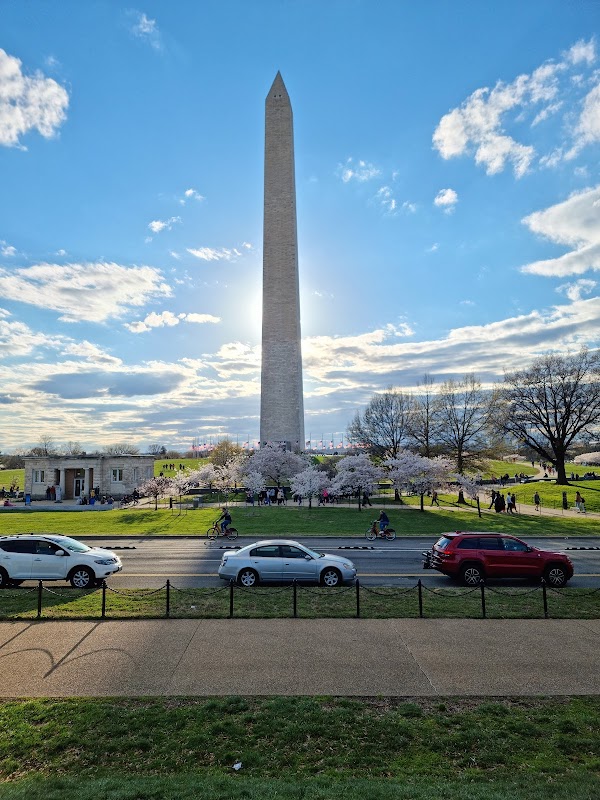
The Washington Monument, an iconic obelisk in Washington, D.C., stands as a testament to the legacy of George Washington, the United States' first president. Designed by Robert Mills and completed by Thomas Casey, the monument's construction spanned two phases, with private funding from 1848-1854 and public funding from 1876-1884. Its Egyptian-style design evokes the grandeur of ancient civilizations, symbolizing the nation's reverence for its founding father. The monument's foundation, initially deemed inadequate, was reinforced over four years to support the massive structure. The builders faced challenges in sourcing suitable stone, resulting in three distinct color bands visible on the monument's exterior. The final height of 555 feet, 5.125 inches was determined to be ten times the width of the base, ensuring optimal stability. The interior of the monument features a steam-powered elevator, later replaced by an electric one, that transports visitors to the observation deck. The walls are adorned with commemorative stones from admirers and donors worldwide, paying tribute to Washington's legacy. The monument's capstone bears the inscription "Laus Deo," meaning "Praise be to God," and an aluminum tip inscribed with notable names and dates in the monument's history.Construction Challenges
The construction of the Washington Monument was a monumental undertaking that presented numerous challenges. The initial foundation, laid in 1848, proved inadequate to support the massive structure, necessitating extensive reinforcement from 1879 to 1880. The procurement of suitable stone for the monument's exterior also posed difficulties. The quarry initially used was no longer available, and subsequent quarries yielded stone of varying quality and color, resulting in the monument's distinctive three-tone appearance. Another significant challenge was the transportation of the massive stone blocks to the construction site. The use of steam-powered elevators and a movable iron frame facilitated the process, but the sheer weight of the blocks required meticulous care and precision. The construction of the pyramidion, the capstone of the monument, presented further complexities. The angled walls and mortice and tenon joints required intricate craftsmanship to ensure stability. Despite these challenges, the Washington Monument was completed in 1884, standing as a testament to the ingenuity and perseverance of its builders. Its construction serves as a reminder of the complexities and triumphs involved in creating architectural marvels.National Monument
As a National Monument, the Washington Monument stands as a testament to the legacy of George Washington, the first President of the United States. Its towering height of 555 feet and 5/8 inches, composed of marble, granite, and bluestone gneiss, makes it the tallest structure in Washington, D.C. The monument's design, resembling an Egyptian obelisk, took 36 years to complete, and upon its completion in 1884, it held the title of the world's tallest building. From its observation deck, visitors can enjoy breathtaking views of the National Mall, including landmarks like the Lincoln Memorial, the White House, and the United States Capitol Building. The monument's significance extends beyond its architectural grandeur; it serves as a symbol of national pride and unity, commemorating the ideals and principles upon which the United States was founded.
3
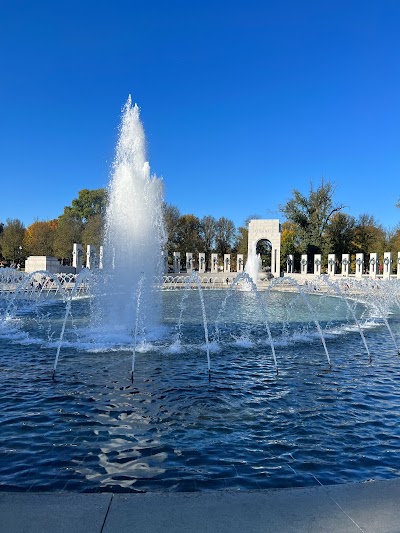
World War II Memorial
View on map
Audio Narrations
English
Introduction
The World War II Memorial in Washington, D.C., honors the 16 million Americans who served in the armed forces during the war, the over 400,000 who died, and the countless who supported the war effort from home. Its elliptical plaza features a central pool with fountains and jets, while 56 granite pillars represent the U.S. states and territories of the time. Two pavilions mark the midpoints on the north and south sides of the plaza, incorporating bronze baldachins, columns bearing American eagles, and inscriptions noting victories in the European and Pacific theaters. Around the perimeter, a bronze sculpted rope symbolizes the country's unified effort during the war. A curved Freedom Wall bears 4,004 gold stars, each representing 100 American military deaths, with the inscription "Here we mark the price of freedom." The memorial's design evokes classical monuments, with bronze bas-relief panels depicting scenes of combat and the home front.National Identity
The World War II Memorial in Washington, D.C., stands as a testament to the unwavering spirit and unity of the American people during a pivotal moment in history. Its design evokes a sense of national pride and collective sacrifice, reflecting the profound impact the war had on shaping the country's identity. The memorial's central vista, aligned with the Washington Monument and Lincoln Memorial, symbolizes the continuity of the American story and the enduring legacy of those who fought for freedom. The memorial's 56 granite pillars, representing the states and territories at the time of the war, encircle a central plaza adorned with a bronze sculpture of an eagle. This majestic symbol of the nation's strength and resilience serves as a poignant reminder of the sacrifices made by Americans from all walks of life. The surrounding walls are inscribed with the names of over 400,000 men and women who gave their lives in the conflict, a solemn tribute to their unwavering dedication. Beyond its physical grandeur, the memorial's significance lies in its ability to foster a sense of shared history and national purpose. It serves as a gathering place for veterans, their families, and all Americans to remember the fallen, honor the survivors, and reflect on the profound impact of the war on the nation's identity. Through its evocative design and poignant inscriptions, the World War II Memorial in Washington, D.C., stands as a powerful symbol of American resilience, unity, and the enduring legacy of those who fought for freedom.Emotional Impact
The World War II Memorial in Washington, D.C., evokes a profound emotional response, honoring the sacrifices of millions of Americans during the war. The memorial's design, with its towering columns and bronze reliefs, captures the magnitude of the conflict and the resilience of the human spirit. The Freedom Wall, inscribed with 4,048 gold stars, each representing 100 American lives lost, serves as a poignant reminder of the immense cost of war. Visitors are often overcome with a sense of awe and gratitude as they contemplate the sacrifices made by those who fought and died for their country. The memorial's serene setting, amidst the bustling National Mall, provides a contemplative space for reflection and remembrance, allowing visitors to connect with the emotions and experiences of those who lived through this pivotal moment in history.
4
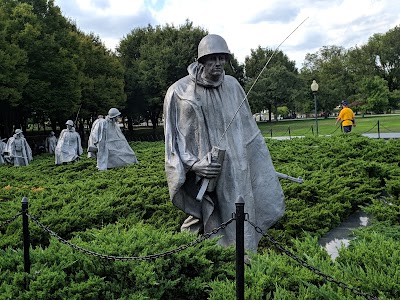
Korean War Veterans Memorial
View on map
5
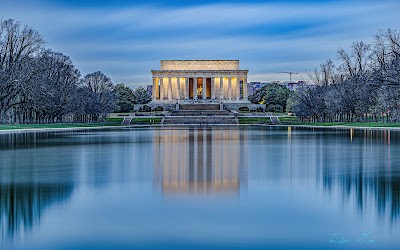
Lincoln Memorial
View on map
Audio Narrations
English
Introduction
The Lincoln Memorial, an iconic monument in Washington, D.C., stands as a testament to the legacy of the 16th U.S. president. Designed by Henry Bacon and inspired by ancient Greek temples, the memorial features a colossal seated statue of Lincoln, carved from Georgia white marble. The interior walls bear inscriptions of Lincoln's Gettysburg Address and Second Inaugural Address, while the exterior is adorned with 36 columns representing the states of the Union at the time of his assassination. The memorial has witnessed pivotal moments in American history, including Martin Luther King Jr.'s "I Have a Dream" speech in 1963. Its symbolic significance as a beacon of unity and equality continues to resonate, making it a cherished destination for visitors seeking inspiration and reflection.Symbolic Meaning
The Lincoln Memorial in Washington, D.C., stands as a testament to the profound legacy of President Abraham Lincoln. Beyond its architectural grandeur, the memorial is imbued with a wealth of symbolic meanings that resonate deeply with the American spirit. The temple-like structure evokes the reverence and holiness associated with Lincoln's character. The 36 columns represent the states reunited after the Civil War, while the inscriptions of the Gettysburg Address and Second Inaugural Address embody his unwavering commitment to liberty, equality, and the preservation of the Union. The statue of Lincoln, crafted from Georgia white marble, portrays him as a contemplative figure, his hands resting on Roman fasces. These bundles of rods symbolize the authority and power of the state, underscoring Lincoln's role as a unifier and protector of the nation. The murals by Jules Guerin depict scenes of emancipation and reconciliation, further emphasizing Lincoln's legacy as a champion of human rights. The cypress trees in the murals represent eternity, a fitting tribute to the enduring impact of his leadership. The Lincoln Memorial is not merely a monument to a historical figure but a living symbol of the ideals that have shaped the American identity. Its symbolic meanings continue to inspire and unite generations, reminding us of the transformative power of courage, compassion, and the unwavering pursuit of a more just and equitable society.National Unity
The Lincoln Memorial stands as an enduring symbol of national unity, embodying the spirit of reconciliation and healing that followed the Civil War. Its dedication in 1922 marked a pivotal moment in American history, serving as a reminder of the sacrifices made to preserve the Union. The memorial's iconic statue of Abraham Lincoln, seated in contemplation, evokes his profound wisdom and unwavering commitment to equality. The inscriptions on the memorial's walls, including the Gettysburg Address and Lincoln's Second Inaugural Address, resonate with timeless messages of unity, compassion, and the pursuit of a more perfect nation. The memorial's location at the western end of the National Mall, facing the Washington Monument and the Capitol, underscores its central role in the nation's narrative of unity and progress. It serves as a gathering place for Americans of all backgrounds, a testament to the enduring legacy of Lincoln's leadership and the power of national unity.
6
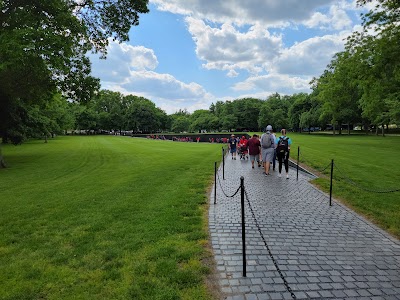
Vietnam Veterans Memorial
View on map
7
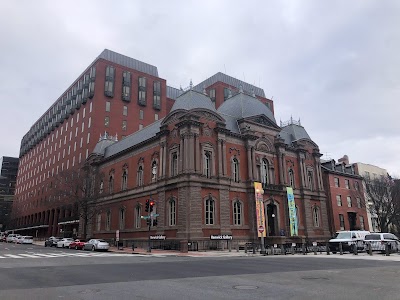
Renwick Gallery of the Smithsonian American Art Museum
View on map
8
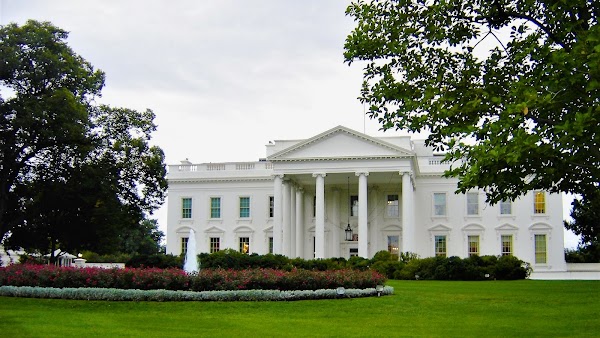
The White House
View on map
Experience the Full Tour
Download the DocentPro app to access all tour stops, complete audio narrations in multiple languages, offline maps, and interactive features.