
Wroclaw's Medieval Enchantment: A Journey Through Time

Walking Tour

6.8 km (4.3 miles)

1h 33min travel time

11 Stops

Wroclaw, Poland
Wroclaw's Medieval Enchantment: A Journey Through Time
Tour Stops
1
The Pillory
View on map
Audio Narrations
English
Introduction
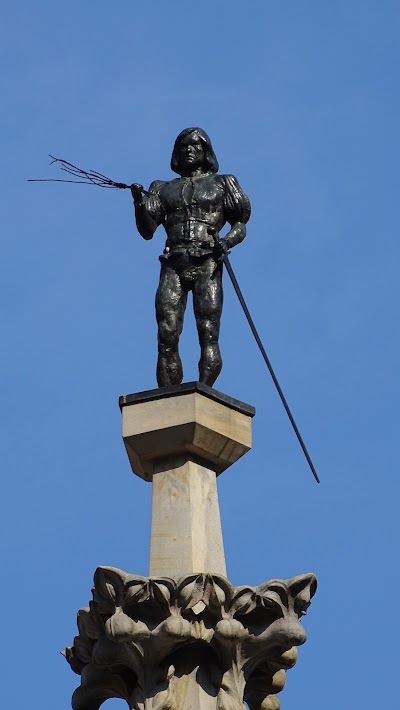
The Pillory in Wrocław, Dolnośląskie, Poland, stands as a silent sentinel of the city's past, a testament to its tumultuous history. Constructed in the 16th century, this imposing structure served as a public platform for punishment, where individuals deemed guilty of minor offenses were subjected to public humiliation and ridicule. The Pillory's octagonal base, adorned with intricate carvings and topped by a pointed roof, once held a wooden cage where offenders were confined, exposed to the scorn and jeers of passersby. Over the centuries, the Pillory witnessed countless episodes of public shaming, serving as a stark reminder of the consequences of societal transgression. Yet, beneath its grim exterior lies a hidden layer of intrigue. Legend has it that the Pillory was once used as a meeting place for secret societies, its secluded location and symbolic significance providing a clandestine haven for those seeking to operate beyond the watchful eyes of the authorities. Today, the Pillory stands as a poignant reminder of Wrocław's past, a silent witness to the city's evolution from a medieval settlement to a modern metropolis. Its weathered stones bear the marks of time, each scratch and inscription telling a story of human fallibility and the enduring power of public judgment. As visitors approach the Pillory, they are transported back to an era where punishment was swift and public, a stark contrast to the anonymity and privacy afforded by modern society.Market Square Landmark
The Pillory, a captivating landmark in Wrocław's Market Square, stands as a silent testament to the city's medieval past. This once-functional structure, used for public punishment, has been transformed into a poignant reminder of the city's history. Unlike other pillories, which were typically made of wood, Wrocław's Pillory is constructed from durable stone, showcasing its intended permanence. Its cylindrical shape and imposing presence evoke a sense of both authority and justice. The intricate carvings that adorn the Pillory's surface depict scenes of punishment, serving as a stark warning to those who might contemplate breaking the law. The Pillory's location in the heart of the Market Square underscores its significance as a public spectacle. It served as a focal point for the community, where pronouncements were made, judgments were passed, and punishments were carried out. The Pillory's presence in this central location ensured that its message of deterrence reached a wide audience. Today, the Pillory stands as a poignant reminder of a bygone era. Its weathered surface and faded carvings speak to the passage of time and the changing tides of justice. While no longer used for its original purpose, the Pillory remains an important landmark in Wrocław's Market Square, offering a glimpse into the city's rich and complex history.Architectural Symbol
The Pillory in Wrocław, Dolnośląskie, Poland, stands as a captivating architectural symbol, whispering tales of a bygone era when public punishment served as a stark reminder of societal norms. Erected in the 15th century, this imposing structure embodies the city's tumultuous past, bearing witness to centuries of shifting power dynamics and evolving legal practices. Unlike its counterparts across Europe, the Wrocław Pillory boasts a unique octagonal design, its eight sides symbolizing the eight cardinal sins. This architectural detail underscores the pillory's role as a moral compass, serving not only as a punishment device but also as a deterrent against societal transgressions. The pillory's intricate carvings and sculptures further enhance its symbolic significance. Depictions of biblical scenes and mythical creatures served as cautionary tales, reminding onlookers of the consequences of deviating from societal expectations. The pillory's location, strategically positioned in the heart of the city's marketplace, ensured maximum visibility, amplifying its impact on the public consciousness. As centuries passed, the pillory's role gradually shifted from punishment to preservation. Today, it stands as a poignant reminder of Wrocław's rich history, a testament to the city's resilience and its capacity to transform adversity into a symbol of cultural heritage. The pillory's enduring presence serves as a powerful reminder of the evolving nature of justice and the enduring human quest for order and accountability.
2
Wrocław Market Square
View on map
3
St Elizabeth of Hungary Roman Catholic parish
View on map
4
University of Wrocław
View on map
5
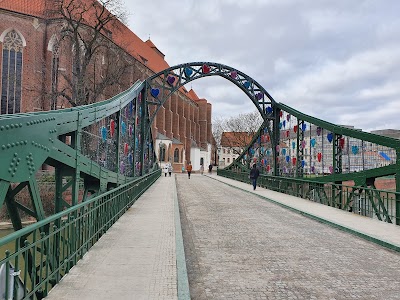
Tumski Bridge
View on map
6
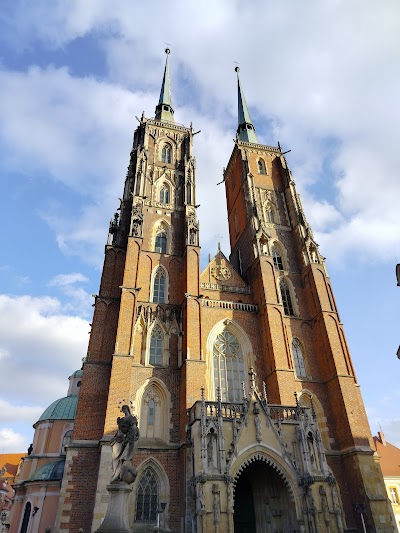
Cathedral of St. John the Baptist
View on map
7
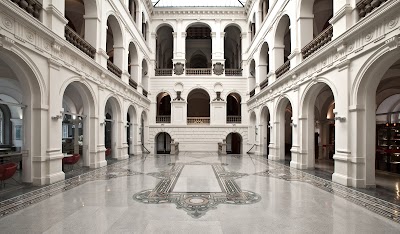
National Museum in Wrocław
View on map
8

Panorama of the Battle of Racławice
View on map
Audio Narrations
English
Introduction
The Panorama of the Battle of Racławice, a colossal 120m x 15m painting, is a captivating relic of 19th-century mass culture. Housed in a purpose-built rotunda in Wrocław, Poland, this immersive artwork commemorates the 1794 victory of Tadeusz Kosciuszko's Insurrection troops over the Russian army. Visitors can marvel at the intricate details and lifelike figures, enhanced by sophisticated lighting and artificial landscape elements. The Panorama's unique hyperboloid shape creates a panoramic illusion, transporting viewers into the heart of the battlefield. Its restoration in 1985 brought this national treasure back to its former glory, making it a must-see attraction for any visitor to Wrocław.Historical Battle Depiction
The Panorama of the Battle of Racławice in Wrocław, Dolnośląskie, Poland, stands as a captivating historical depiction of the eponymous battle that transpired in 1794. This monumental artwork, spanning an impressive 15 meters in height and 114 meters in length, transports viewers to the heart of the conflict, immersing them in the fervor and chaos of the battlefield. The panorama's meticulous attention to detail and use of innovative techniques, including sophisticated lighting and artificial landscape elements, create a truly immersive experience. The painting, completed in 1894 by renowned Polish painter Wojciech Kossak, commemorates the 100th anniversary of the Battle of Racławice, a pivotal moment in Polish history. The battle, led by national hero Tadeusz Kościuszko, marked a significant victory in the Polish struggle against Russian occupation. Kossak's masterpiece captures the intensity of the battle, portraying the clash between Polish and Russian forces with remarkable accuracy and emotional depth. Beyond its historical significance, the Panorama of the Battle of Racławice is also notable for its innovative use of 3D effects. The painting's placement within a specially designed rotunda allows for a unique viewing experience, with visitors able to walk around the circumference of the artwork, gaining different perspectives and appreciating the full scale and grandeur of the battle depiction. This immersive approach sets the Panorama apart from traditional battle paintings, offering a truly captivating and engaging experience for visitors.Symbol of Polish Patriotism
The Panorama of the Battle of Racławice, a monumental cycloramic painting, stands as a potent symbol of Polish patriotism. Created by Jan Styka and Wojciech Kossak, this immersive artwork depicts the pivotal 1794 battle during the Kościuszko Uprising. Housed in a dedicated rotunda in Wrocław, the panorama transports viewers to the heart of the battlefield, capturing the fierce struggle between Polish and Russian forces. Its colossal dimensions, spanning 15 meters high and 114 meters long, envelop spectators in a breathtaking historical tableau. Beyond its artistic grandeur, the panorama holds profound significance for Polish national identity. It commemorates a moment of triumph against overwhelming odds, when Polish forces led by Tadeusz Kościuszko repelled the Russian army. The painting's meticulous attention to detail and lifelike portrayal of the battle evoke a visceral connection to the sacrifices and heroism of the Polish people. As a symbol of Polish patriotism, the Panorama of the Battle of Racławice serves as a reminder of the nation's resilience and unwavering spirit in the face of adversity. It inspires a sense of pride and unity among Poles, fostering a deep appreciation for their country's history and the values it represents.
9
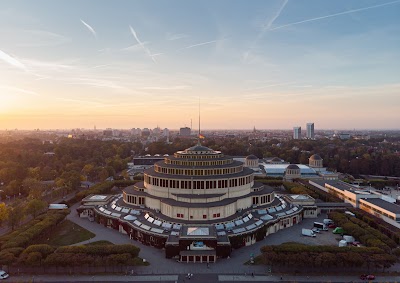
Centennial Hall
View on map
Audio Narrations
English
Introduction
The Centennial Hall in Wrocław, Poland, is an architectural marvel designed by Max Berg and completed in 1913. This expressionist masterpiece was built to commemorate the 100th anniversary of the Battle of the Nations against Napoleon. Its most striking feature is the massive reinforced concrete dome, which boasts a diameter of 67 meters and a height of 42 meters, making it one of the largest such structures in the world at the time of its construction. The hall's interior is equally impressive, with a vast central space surrounded by 56 exhibition rooms and extensive corridors. Its unique design and historical significance earned it a place on UNESCO's World Heritage List in 2006. Today, the Centennial Hall serves as a popular venue for concerts, exhibitions, and sporting events, attracting visitors from around the globe.UNESCO World Heritage Site
Centennial Hall, a remarkable architectural marvel in Wrocław, Poland, stands as a testament to human ingenuity and the power of reinforced concrete. Designed by Max Berg and completed in 1913, this iconic structure was recognized as a UNESCO World Heritage Site in 2006, solidifying its place among the world's most treasured cultural landmarks. The hall's innovative design, featuring a massive dome supported by a network of slender concrete ribs, defied the architectural norms of its time. Its construction was a testament to Berg's vision and the advancements in concrete technology. The dome, spanning 67 meters in diameter and soaring 42 meters high, remains an engineering marvel, showcasing the potential of reinforced concrete to create vast, column-free spaces. Beyond its architectural significance, Centennial Hall holds cultural and historical importance. It was built to commemorate the 100th anniversary of the Battle of Leipzig and served as a venue for the 1913 Centennial Exhibition, showcasing the economic and industrial achievements of Lower Silesia. During World War II, the hall miraculously survived the heavy bombardment of Wrocław, serving as a shelter for civilians. Today, Centennial Hall is a vibrant cultural hub, hosting concerts, exhibitions, sporting events, and other gatherings. Its unique acoustics and spacious interior make it an ideal venue for a wide range of performances, from classical music to contemporary theater. The surrounding park, with its lush greenery and serene atmosphere, complements the hall's architectural grandeur, creating a harmonious blend of nature and human creativity.Landmark of Wrocław
Centennial Hall, an architectural marvel in Wrocław, stands as a testament to the city's rich history and architectural prowess. Designed by Max Berg and completed in 1913, this iconic landmark was built to commemorate the 100th anniversary of the Battle of the Nations. Its colossal reinforced concrete dome, spanning 67 meters in diameter, was once the largest of its kind in the world. The hall's vast interior, with a capacity of 10,000 visitors, has hosted countless exhibitions, concerts, and sporting events over the years. Beyond its architectural significance, Centennial Hall holds a special place in Wrocław's cultural landscape. It was here that the city's first international exhibition was held, showcasing the latest advancements in science, technology, and industry. The hall has also been a venue for major political gatherings, including the 1948 World Peace Congress. In recognition of its historical and architectural value, Centennial Hall was designated a UNESCO World Heritage Site in 2006. Today, Centennial Hall remains a vibrant hub for cultural activities in Wrocław. It hosts a diverse range of events, from classical music concerts to contemporary art exhibitions. Visitors can explore the hall's permanent exhibition, which delves into its history and architectural significance. The surrounding Szczytnicki Park provides a picturesque setting for strolls and relaxation, making Centennial Hall a must-visit destination for anyone interested in Wrocław's architectural and cultural heritage.
10
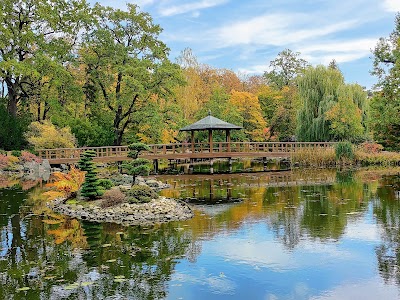
Japanese Garden
View on map
Audio Narrations
English
Introduction
The Japanese Garden in Wrocław, Poland, is a serene oasis nestled within the expansive Szczytnicki Park. Designed in accordance with traditional oriental principles, it harmoniously blends the forces of nature and human artistry. The garden boasts a diverse collection of approximately 200 plant species, including rare and exotic varieties from the Far East. Its meticulously arranged streams, cascades, and ponds evoke the tranquility of a distant land. The garden's architectural elements, such as gates, a teahouse, and stone lanterns, add to its authentic ambiance, some of which originate from original Asian gardens dating back to the 18th and 19th centuries. The garden's symbolic elements, such as the male and female cascades and the IKE Pond, invite contemplation and a deeper understanding of Eastern philosophy.Symbolism in Architecture
The Japanese Garden in Wrocław, Dolnośląskie, Poland, is a captivating fusion of Eastern philosophy and Western aesthetics, where symbolism permeates every element. Designed according to the principles of "feng shui," the garden embodies harmony and balance. Its meticulously placed rocks, serene ponds, and vibrant flora represent the elements of nature and the cycle of life. The garden's layout reflects the traditional Japanese concept of "shakkei," where borrowed scenery becomes an integral part of the design. The surrounding greenery of Szczytnicki Park seamlessly blends with the garden, creating an illusion of boundless space. This interplay between the garden and its surroundings symbolizes the interconnectedness of all things. The garden's architecture also holds symbolic significance. The "Moon Bridge," a curved wooden structure, represents the transition between the physical and spiritual realms. Its reflection in the water below evokes the duality of existence. The "Tea House," a secluded pavilion, embodies the Japanese tea ceremony's principles of simplicity, tranquility, and mindfulness. Through its thoughtful design and symbolic elements, the Japanese Garden in Wrocław invites visitors to contemplate the deeper meanings embedded within its beauty. It serves as a sanctuary for reflection, a reminder of the interconnectedness of nature and humanity, and a testament to the enduring power of symbolism in architecture.Diverse Flora
The Japanese Garden in Wrocław, Dolnośląskie, Poland, stands out for its diverse flora, a testament to the meticulous planning and horticultural expertise that went into its creation. The garden boasts over 100 species of plants, carefully selected to represent the rich botanical heritage of Japan. Visitors can marvel at the vibrant hues of Japanese maples, the delicate blossoms of cherry trees, and the serene beauty of lotus flowers. The garden's collection of bonsai trees is particularly noteworthy, showcasing the art of miniature tree cultivation. The Japanese Garden is a haven for botanists and nature enthusiasts alike, offering a unique opportunity to explore the diverse flora of Japan in the heart of Poland.
11
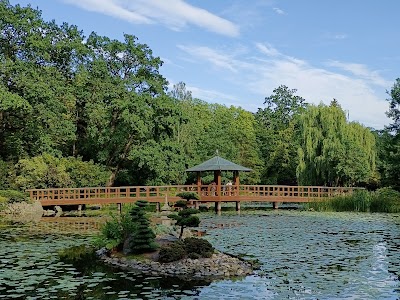
Szczytnicki Park
View on map
Audio Narrations
English
Introduction
Szczytnicki Park, a verdant oasis in Wrocław's southeastern corner, beckons nature enthusiasts with its picturesque landscapes. This 16-hectare park, dating back to the early 20th century, boasts over 350 tree species, including the captivating cherry blossoms that paint the park in vibrant hues during spring. Its tranquil atmosphere invites visitors to relax, exercise, or indulge in a leisurely picnic amidst the lush greenery. The park's charm lies in its English-style design, offering a serene escape from the city's hustle and bustle.Recreation
Szczytnicki Park, a verdant oasis in Wrocław, beckons nature enthusiasts and recreation seekers alike. Its sprawling lawns invite leisurely strolls, while the tranquil ponds offer respite from the urban hustle. The park's verdant trails wind through a diverse landscape, from towering trees to vibrant flowerbeds, providing a picturesque backdrop for joggers and cyclists. For those seeking aquatic adventures, the park's boating lake offers a serene setting for rowing and kayaking. The gentle currents of the Odra River, which borders the park, provide a scenic route for leisurely boat rides. Anglers can cast their lines in designated fishing spots, while birdwatchers can observe the park's diverse avian population. Families flock to Szczytnicki Park for its playgrounds, picnic areas, and open-air amphitheater. The park's central location makes it easily accessible, and its proximity to the city center allows visitors to combine recreation with cultural exploration. Whether seeking solitude or shared experiences, Szczytnicki Park offers a sanctuary for recreation and rejuvenation in the heart of Wrocław.Culture
Szczytnicki Park, a verdant oasis in the heart of Wrocław, is a cultural haven that seamlessly blends nature and art. Its sprawling lawns, adorned with intricate flowerbeds, provide a picturesque backdrop for leisurely strolls and picnics. The park's centerpiece is the Japanese Garden, a tranquil sanctuary inspired by the principles of Zen Buddhism. Its serene ponds, meticulously manicured paths, and traditional architecture offer a glimpse into the rich cultural heritage of the Far East. Beyond its natural beauty, Szczytnicki Park is a vibrant hub for cultural events. The open-air theater hosts a diverse program of performances, from classical concerts to contemporary dance. The park also boasts an impressive collection of sculptures, including works by renowned Polish artists such as Xawery Dunikowski and Henryk Kunka. These sculptures add an artistic dimension to the park's landscape, inviting visitors to engage with the interplay between nature and creativity. Furthermore, Szczytnicki Park is home to the Centennial Hall, a UNESCO World Heritage Site. This architectural masterpiece, designed by Max Berg, is a testament to the city's rich cultural history. Its vast interior, adorned with colorful mosaics and intricate stained-glass windows, has witnessed countless exhibitions, concerts, and other cultural events. The Centennial Hall stands as a symbol of Wrocław's cultural vibrancy and its commitment to preserving its architectural heritage.
Experience the Full Tour
Download the DocentPro app to access all tour stops, complete audio narrations in multiple languages, offline maps, and interactive features.