

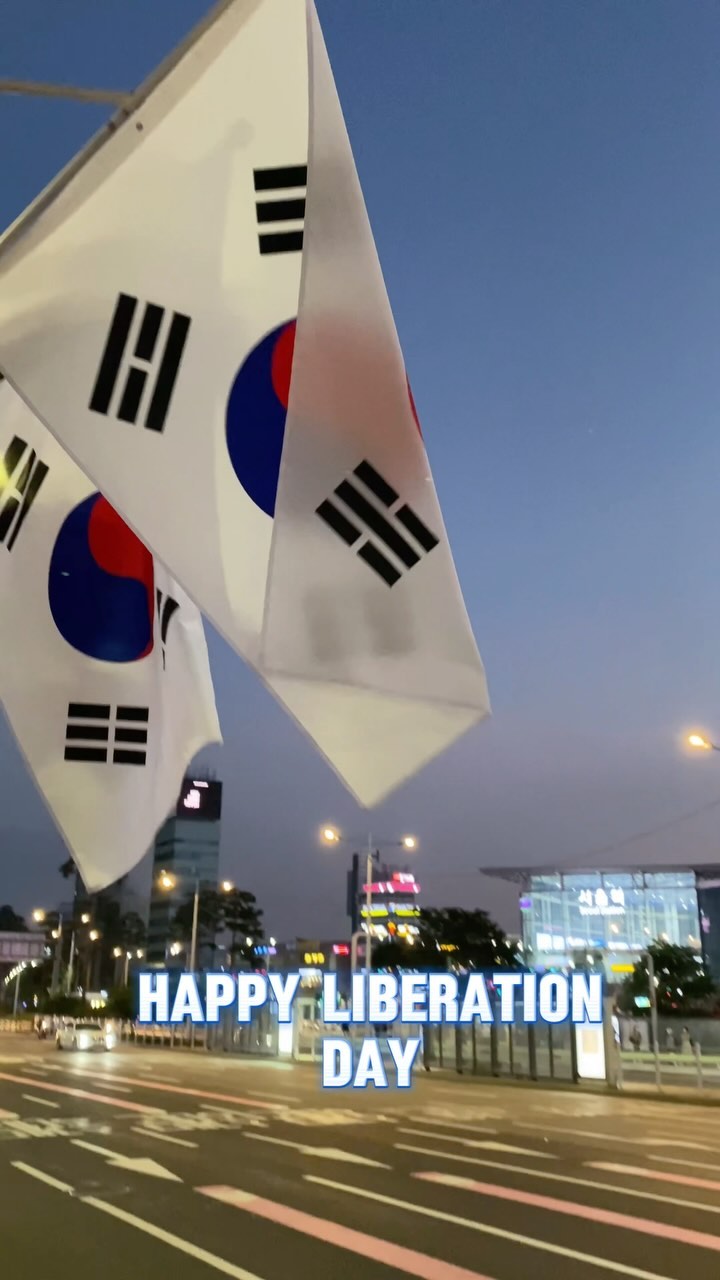

August 15, known as Gwangbokjeol or “Restoration of Light Day,” is a major public holiday in Korea, celebrating the end of 35 years of Japanese colonial rule in 1945 and the establishment of South Korea’s first government under Syngman Rhee in 1948. This day is also observed in North Korea as “Liberation Day.” Japanese rule from 1910 to 1945 was a harsh period for Korea, marked by military oppression and the suppression of Korean resistance, leading to the March 1st Movement in 1919—a pivotal push for independence now commemorated as a national holiday. The wartime mobilization of 1937-45 intensified Korean suffering, with men conscripted into the Japanese military and forced labor, while many women were coerced into becoming “Comfort Women” for Japanese soldiers. After Japan’s defeat in 1945, Korea gained its independence, but by 1948, the Korean Peninsula was divided, with the Soviet-backed Kim Il Sung leading North Korea and Syngman Rhee becoming South Korea’s first president. Today, Gwangbokjeol in South Korea is marked by nationwide festivities, ceremonies, and parades. The Taegeukgi, the national flag, is prominently displayed to honor those who fought for Korea’s freedom. As a statutory holiday, most schools, businesses, and government offices are closed, though many restaurants, hotels, and attractions remain open. The Independence Hall of Korea in Cheonan hosts parades and events to commemorate this significant day in Korean history. #광복절 #independanceday #southkorea #seoul #nationalholiday
Attraction

Independence Hall of Korea

Museum

4.6
Museum on Korean history & independence movements during Japan's colonization, with a 4D theater.