

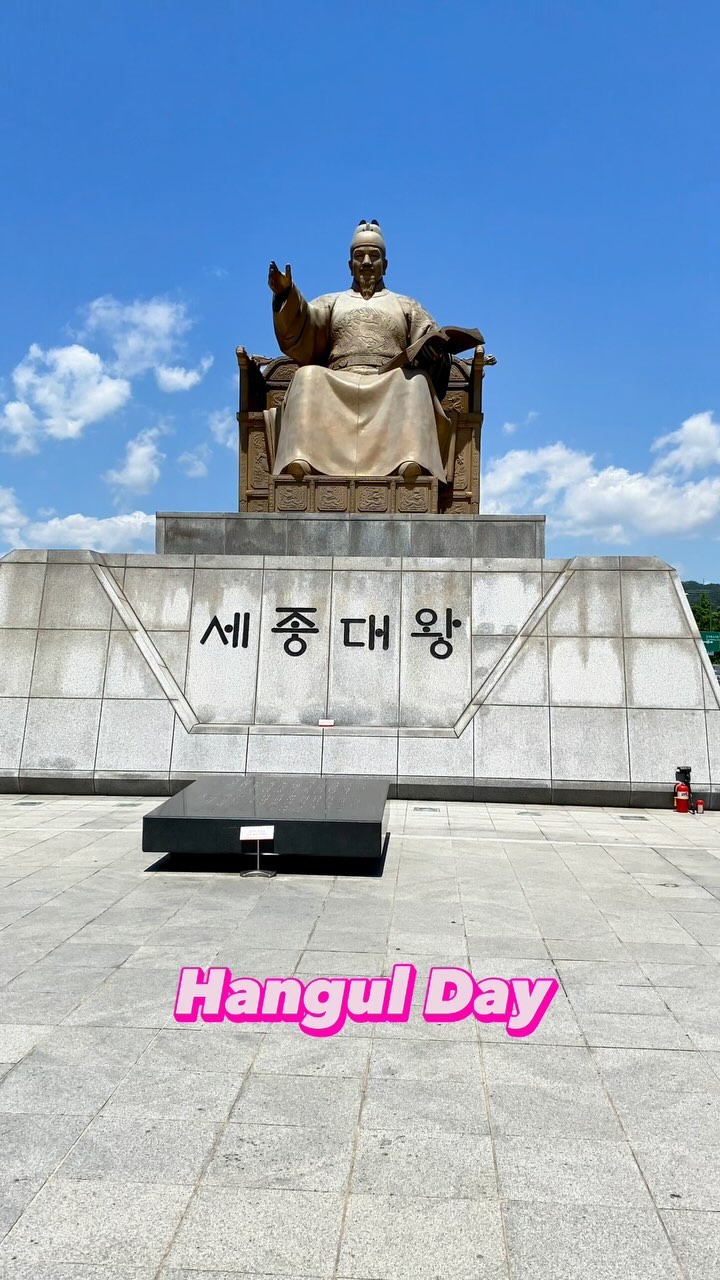

Hangul Day, celebrated on October 9th in South Korea and January 15th in North Korea, commemorates the creation of the Korean alphabet, Hangul, by King Sejong the Great in the 15th century. This remarkable event marked a pivotal turn in Korean history, as it democratized literacy in an era when the ability to read and write was a privilege of the elite. Before Hangul’s inception, Koreans primarily used Classical Chinese characters, a system that was complex and difficult for commoners to learn. The literary disconnect between the aristocrats and the common people was growing, and King Sejong, a visionary monarch, perceived this chasm as a threat to social harmony and governance. He commissioned a group of scholars to devise a new script that would be easily learnable by all Koreans, regardless of social standing. The result was Hangul, a phonetic script of 28 characters (now 24), that ingeniously reflected the shapes of the speech organs when pronouncing each sound. This intuitive design made Hangul a remarkably easy script to learn, and its adoption marked the dawn of widespread literacy in Korea. The unveiling of Hangul was met with resistance from the Confucian-educated elite who saw the new script as a threat to their social standing. However, over time, it was the simplicity and the elegance of Hangul that won over the hearts and minds of Koreans. Today, Hangul is cherished as a symbol of Korean identity and cultural pride. Hangul Day is not merely a tribute to an ancient script, but a celebration of Korea’s long-standing commitment to literacy and education. It reminds us of the transformative power of a well-designed writing system that can bridge social divides and empower a nation. As we observe Hangul Day, we are reminded of King Sejong’s remarkable legacy, which continues to resonate in the hearts of Koreans and in the pages of Korean history. The creation of Hangul was not merely an act of linguistic innovation, but a profound statement of social equity and national identity. Through Hangul, King Sejong gifted his people with the key to knowledge and self-expression, a legacy that continues to shape Korea’s cultural and intellectual landscape.
Attraction
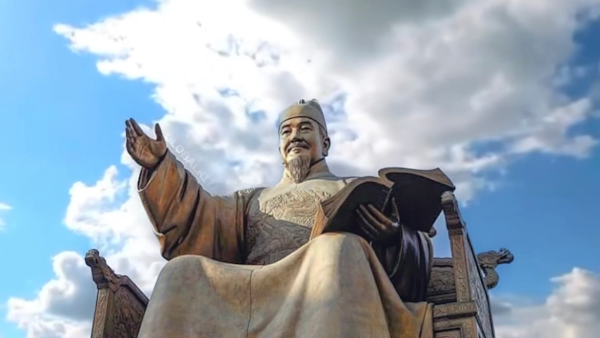
Statue of King Sejong the Great

Sculpture

4.7
Unveiled in 2009, this statue shows the 1400s King Sejon sitting above Gwanghwamun Plaza.