
Naples: A Journey Through Ancient Wonders

Walking Tour

4.2 km (2.6 miles)

1h 0min travel time

9 Stops

Naples, Italy
Naples: A Journey Through Ancient Wonders

9 places on the map
Explore the map in the DocentPro app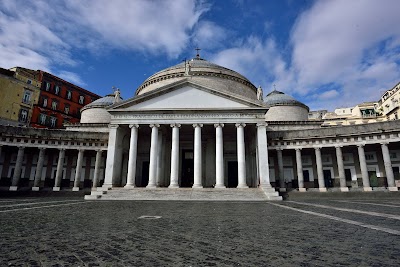
Tour Stops
1
Piazza del Plebiscito
View on map
Audio Narrations
RU
Введение
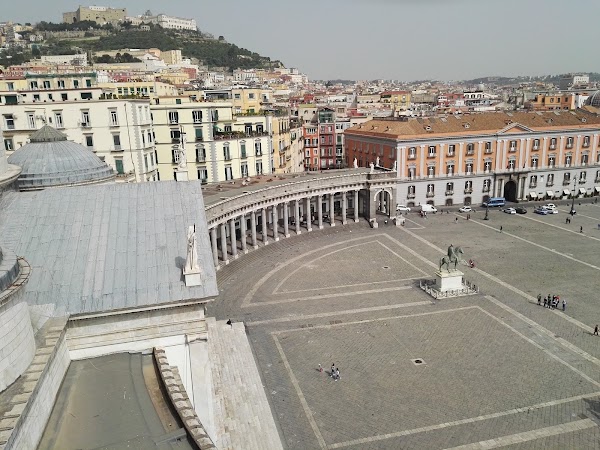
Пьяцца-дель-Плебишито, самая грандиозная площадь в Неаполе, представляет собой обширное, воздушное пространство в самом сердце города. Ее элегантный дизайн отличается изогнутой колоннадой, напоминающей площадь Святого Петра в Риме, создавая интимную атмосферу на просторной площади. На площади находятся известные памятники, в том числе купольная базилика Сан-Франческо-да-Паола, построенная по образцу Пантеона в Риме. Два пастельных дворца, Палаццо-делла-Префеттура и Палаццо-Салерно, являются основой площади, а конные статуи Карла III Испанского и Фердинанда I стоят на страже. Знаменитое Gran Caffe Gambrinus занимает угол Палаццо-делла-Префеттура. Пьяцца-дель-Плебишито с момента своего основания служила местом сбора, игровой площадкой и центральным центром города. Это обязательное место для посещения в Неаполе, предлагающее возможность заглянуть в богатую историю и яркую культуру города.Базилика Сан-Франческо-да-Паола
Базилика Сан-Франческо-да-Паола, великолепная базилика в стиле Пантеона, гордо возвышается на Пьяцца-дель-Плебишито, в самом сердце Неаполя. Построенная в период с 1816 по 1836 год, она была вдохновлена величием собора Святого Петра в Риме. Ее внушительный купол и элегантный портал перекликаются с архитектурным чудом Пантеона. Полукруглая колоннада базилики, напоминающая ее римский аналог, была спроектирована Иоахимом Мюратом, который представлял себе площадь как большой двор для города. Внутри интерьер базилики является свидетельством неаполитанского мастерства. Светлое и воздушное пространство украшено белым мрамором, а алтарь отличается изысканной инкрустацией из лазурита. Стены украшены потрясающими картинами Луки Джордано и других известных неаполитанских художников, изображающими сцены из жизни святых и евангельские темы. Купол базилики, шедевр инженерного искусства, имитирует форму Пантеона, создавая внушающее благоговение ощущение пространства и света. Строительство базилики имеет историческое значение. Она была построена в честь святого Франциска из Паолы, калабрийского святого, и для искупления разрушения Мюратом монастыря, который когда-то стоял на этом месте. Бурбонский король Фердинанд IV посвятил базилику святому и отметил возвращение своей семьи на трон Королевства Обеих Сицилий. Сегодня базилика Сан-Франческо-да-Паола остается любимой достопримечательностью Неаполя, свидетельствующей о богатой истории города, архитектурном мастерстве и незыблемой вере.Легенды и истории, Пьяцца-дель-Плебишито
Пьяцца-дель-Плебишито, величественная площадь в Неаполе, окутана легендами и историями, которые на протяжении веков захватывали воображение местных жителей и гостей города. Одна из самых известных историй связана с королевой Маргаритой, которая, как говорят, даровала помилование заключенным, которые могли успешно пересечь площадь с завязанными глазами. Однако считается, что проклятие, которое она наложила на площадь, помешало кому-либо выполнить это задание, гарантируя, что заключенные останутся в тюрьме. Еще одна легенда связана со статуями неаполитанских королей, которые украшают Королевский дворец. Говорят, что Карл Габсбург однажды спросил, кто мочится на стену, на что Карл III ответил, что не знает, а Иоахим Мюрат признал свою вину. Виктор Эммануил II, известный своим суровым нравом, изображен как хранитель мира, угрожающий наказать виновного. Необычная форма площади, состоящая из полукруглой и прямоугольной частей, также породила уникальную традицию. Местные жители и туристы пытаются пересечь площадь с завязанными глазами, начиная от Королевского дворца и направляясь к двум конным статуям в центре. Несмотря на кажущуюся простоту пути, небольшой уклон и неровная брусчатка делают почти невозможным идти по прямой линии, что приводит к забавным и часто неудачным попыткам.
2
Royal Palace of Naples
View on map
Audio Narrations
English
Introduction
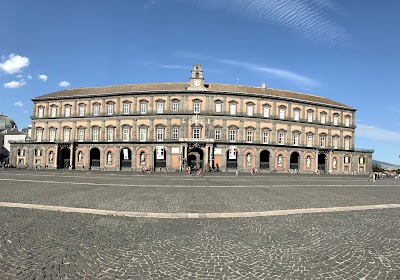
The Royal Palace of Naples, a majestic edifice nestled in the heart of Napoli, stands as a testament to the city's rich history and artistic heritage. Built in the 17th century for the Spanish viceroy, the palace boasts a captivating blend of architectural styles, from the austere grandeur of the Spanish Baroque to the playful elegance of the Rococo. Its opulent interiors, adorned with frescoes, stuccoes, and intricate tapestries, transport visitors to a bygone era of royal splendor. One of the palace's most striking features is its grand staircase, a masterpiece of Baroque architecture. The sweeping curves and intricate details of the balustrade create a sense of awe and grandeur, while the vibrant frescoes adorning the walls depict scenes from Neapolitan history and mythology. The Royal Apartments, once home to the Bourbon monarchs, offer a glimpse into the lavish lifestyle of the ruling class. The Throne Room, with its gilded furnishings and opulent décor, served as the setting for official ceremonies and receptions. The adjoining Ballroom, with its soaring ceilings and crystal chandeliers, hosted extravagant balls and social gatherings. Beyond its architectural and artistic treasures, the Royal Palace of Naples also houses a remarkable collection of historical artifacts. The Museum of the Palace displays a wide range of objects, from ancient Roman sculptures to 18th-century porcelain. The Capodimonte Gallery, located within the palace grounds, boasts an impressive collection of paintings by Italian masters, including Titian, Raphael, and Caravaggio. A visit to the Royal Palace of Naples is a journey through time, offering a glimpse into the city's rich cultural heritage and the opulent lifestyle of its former rulers. From its awe-inspiring architecture to its exquisite art collection, the palace stands as a symbol of Naples' enduring legacy as a center of art, culture, and power.Art and Culture Hub
Nestled in the heart of Naples, the Royal Palace stands as a testament to the city's rich artistic and cultural heritage. Beyond its opulent halls and grand architecture, the palace unveils a treasure trove of artistic wonders, transforming it into a vibrant hub for art and culture enthusiasts. Step into the opulent Teatro di San Carlo, a jewel of the Neapolitan cultural scene. Its gilded balconies, plush seating, and exquisite acoustics have witnessed centuries of operatic masterpieces, from the works of Rossini to the premieres of Verdi's operas. The adjoining Museum of the Teatro di San Carlo offers a glimpse into the theater's fascinating history, showcasing costumes, set designs, and original scores. Venture into the Royal Apartments, where the walls whisper tales of royal life and artistic patronage. Admire the exquisite frescoes by Battistello Caracciolo and the intricate tapestries woven with scenes from mythology and history. The palace's collection boasts masterpieces by Titian, Guido Reni, and Luca Giordano, offering a captivating journey through the evolution of Italian art. Descend into the evocative underground spaces, where the remains of a Roman theater lie hidden. These ancient ruins, unearthed during the palace's construction, offer a glimpse into Naples' layered history and its enduring connection to the arts. The Royal Palace of Naples is not merely a historical monument but a living testament to the city's artistic spirit. Its ongoing exhibitions, concerts, and cultural events breathe life into its storied walls, making it a dynamic hub for art and culture lovers. Whether you're captivated by the grandeur of opera, the allure of Renaissance masterpieces, or the echoes of ancient Roman theater, the Royal Palace of Naples promises an unforgettable journey through the heart of Neapolitan art and culture.Architectural Masterpiece
The Royal Palace of Naples, a majestic architectural masterpiece, stands as a testament to the city's rich history and artistic heritage. Its grandeur and intricate details have captivated visitors for centuries, making it a must-see destination for architecture enthusiasts. One of the palace's most striking features is its imposing facade, adorned with intricate carvings, sculptures, and columns. The main entrance, adorned with a grand archway and flanked by towering statues, creates a sense of awe and grandeur. The palace's interior is equally impressive, with its opulent halls, lavishly decorated rooms, and stunning frescoes. The palace's design is a testament to the architectural genius of the time. The use of symmetry, balance, and proportion creates a sense of harmony and order. The intricate details, such as the coffered ceilings, marble floors, and gilded moldings, add to the palace's opulence and sophistication. The Royal Palace of Naples is not only an architectural masterpiece but also a repository of art and history. Its walls are adorned with paintings by renowned artists, including Titian, Raphael, and Caravaggio. The palace also houses a collection of sculptures, tapestries, and furniture that reflect the tastes and styles of the Neapolitan court. In conclusion, the Royal Palace of Naples is a true architectural masterpiece that embodies the city's rich history and artistic heritage. Its grandeur, intricate details, and opulent interiors make it a must-see destination for architecture enthusiasts and art lovers alike.
3
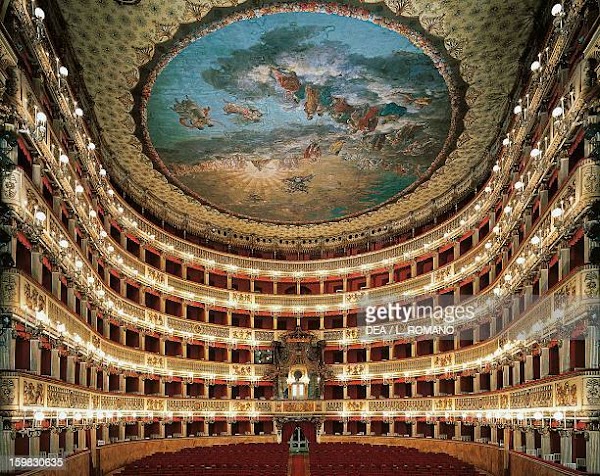
San Carlo Theatre
View on map
4
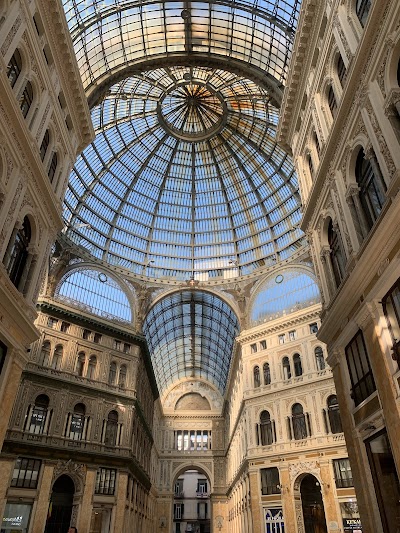
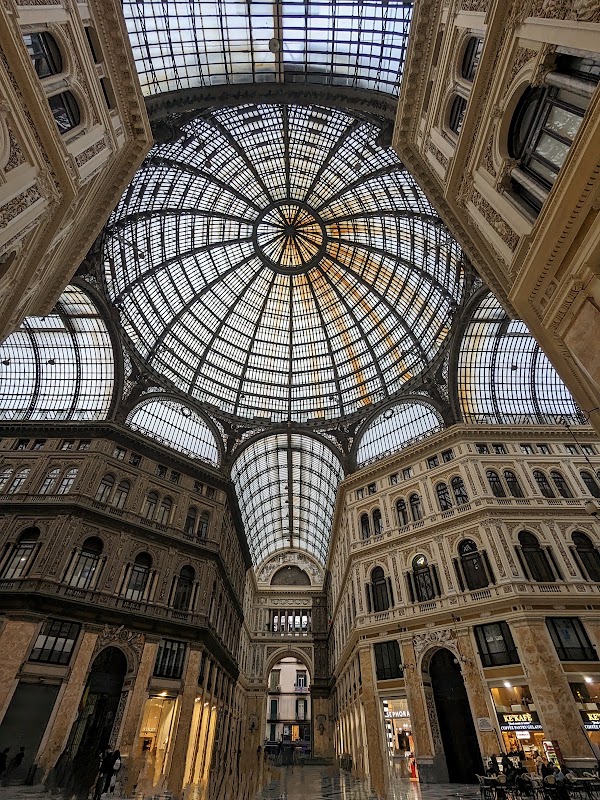
Galleria Umberto I
View on map
5
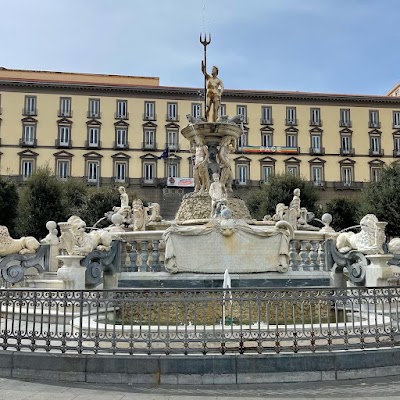
Fountain of Neptune
View on map
6
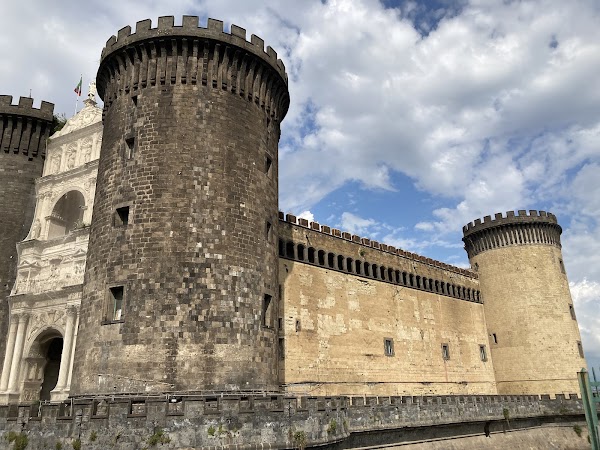
Castel Nuovo
View on map
Audio Narrations
English
Introduction
Castel Nuovo, also known as Maschio Angioino, is a medieval castle in Naples, Italy. Built in 1279 by Charles I of Anjou, it served as a royal seat for kings of Naples, Aragon, and Spain until 1815. The castle's imposing size and strategic location made it a significant architectural landmark. It features five cylindrical towers, a moat, and a triumphal arch designed by Francesco Laurana. Inside, visitors can explore the Palatine Chapel, adorned with frescoes by Maso di Banco and sculptures by Domenico Gagini. The Hall of the Barons, once the main hall, is known for its octagonal vault and frescoed ceiling. The castle also houses a civic museum with a collection of paintings, sculptures, and archaeological artifacts.Neapolitan Society of Homeland History
Castel Nuovo, also known as Maschio Angioino, stands as a testament to Naples' rich history and the Neapolitan Society of Homeland History's dedication to preserving it. The society, headquartered within the castle's walls, plays a pivotal role in safeguarding the legacy of this architectural marvel. Neapolitan Society of Homeland History members have meticulously chronicled the castle's evolution from its inception in 1279 as a royal residence and fortress to its current status as a cultural hub. They have unearthed fascinating tales of the monarchs, artists, and scholars who graced its halls, including Giotto, Petrarca, and Boccaccio. The society's research has shed light on the castle's architectural significance, highlighting the blend of Gothic and Renaissance elements that make it a masterpiece. They have documented the intricate details of its towers, courtyards, and grand halls, each imbued with historical significance. Furthermore, the society has played a crucial role in preserving the castle's priceless collection of artifacts and artwork. The civic museum housed within the complex showcases sculptures, paintings, and objects spanning centuries, offering a glimpse into Naples' artistic heritage. Through its unwavering commitment to preserving and promoting Castel Nuovo, the Neapolitan Society of Homeland History ensures that this iconic landmark remains a source of pride and inspiration for generations to come.Gothic Architecture
Castel Nuovo, a majestic fortress in Naples, stands as a testament to the grandeur of Gothic architecture. Its imposing cylindrical towers, each adorned with intricate merlons, soar towards the heavens, their rugged surfaces hinting at the castle's rich history. The imposing triumphal arch, a later addition by Alfonso V of Aragon, is a masterpiece of Renaissance architecture, yet it harmoniously complements the Gothic elements, creating a captivating blend of styles. The castle's interior reveals an equally captivating spectacle. The Sala dei Baroni, or Baron's Hall, is a breathtaking example of Gothic grandeur. Its vaulted ceiling, supported by slender columns, creates an ethereal atmosphere, while the walls are adorned with exquisite frescoes, some attributed to Giotto himself. The intricate details and vibrant colors of these frescoes transport visitors back to the vibrant era of the Angevin dynasty. Castel Nuovo's Gothic heritage is further evident in its numerous pointed arches, ribbed vaults, and stained-glass windows. These elements, combined with the castle's strategic location overlooking the Bay of Naples, create a sense of awe and wonder that has captivated visitors for centuries. As a testament to its enduring legacy, Castel Nuovo remains a beloved landmark, offering a glimpse into the architectural brilliance of the Gothic era.
7
Museo Cappella Sansevero
View on map
Audio Narrations
RU
Введение
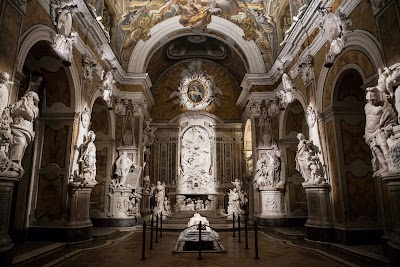
Музей Капелла Сан-Северо, очаровательная часовня-музей в Неаполе, Италия, славится своими изысканными мраморными скульптурами и барочным великолепием. Покровитель часовни Раймондо ди Сангро поручил ведущим итальянским художникам 18-го века создать шедевр, отражающий его династическую гордость и увлечение наукой и оккультизмом. Среди главных достопримечательностей часовни - "Христос под вуалью" Джузеппе Санмартино, захватывающе реалистичная скульптура, изображающая распятого Христа, покрытого тонкой вуалью. Другие известные работы включают "Разочарование" Франческо Кейроло, "Скромность" Антонио Коррадини и изысканный главный алтарь Франческо Челебрано и Паоло Персико. Интригующая атмосфера часовни дополняется ее анатомическими машинами, демонстрирующими научные интересы ди Сангро. Посетители могут полюбоваться замысловатыми деталями и символикой, воплощенными в этих скульптурах, что делает Музей Капелла Сан-Северо обязательным местом для посещения любителями искусства и теми, кто хочет познакомиться с богатым культурным наследием Неаполя.Смерть и смертность
Музей Капелла Сан-Северо в Неаполе, Кампания, Италия, — это необычная часовня, известная своей захватывающей коллекцией анатомических скульптур и произведений искусства, которые углубляются в тайны смерти и смертности. Центральным элементом часовни является захватывающий дух Завешенный Христос, мраморный шедевр Джузеппе Санмартино, где тонкая вуаль, наброшенная на тело Христа, выглядит так, как будто она соткана из тончайшего шелка, запечатлевая суть смертности с изысканной детализацией. Еще одной изюминкой являются Анатомические машины, серия человеческих фигур в натуральную величину с их кровеносной и нервной системами, тщательно сохраненными благодаря новаторской технике, изобретенной доктором Джузеппе Салерно. Эти фигуры дают представление о сложной работе человеческого тела и хрупкости жизни. В часовне также находится загадочный Христос в терновом венце, скульптура, изображающая страдания Христа с пронзительным реализмом. Музей Капелла Сан-Северо является свидетельством неаполитанского увлечения смертью и загробной жизнью. Его коллекция приглашает посетителей столкнуться с неизбежностью смертности, восхищаясь красотой и сложностью человеческой формы. Это место, где искусство и наука сходятся, чтобы исследовать глубокие тайны жизни и смерти.Мраморные скульптуры
Музей Капелла Сан-Северо, часовня в Неаполе, Италия, хранит необыкновенную коллекцию мраморных скульптур, которые на протяжении веков очаровывали любителей искусства. Самый известный шедевр часовни — «Завешенный Христос» Джузеппе Санмартино, скульптура в натуральную величину распятого Христа, окутанного тонкой мраморной вуалью. Изящные складки вуали и реалистичные детали тела под ней создают иллюзию прозрачности, поражая посетителей мастерством скульптора. Среди других выдающихся скульптур — «Скромность» Антонио Коррадини, изящная фигура, облаченная в развевающееся мраморное одеяние, которое, кажется, колышется на ветру, и «Разочарование» Франческо Кейроло, трогательное изображение отчаяния женщины. В часовне также находится анатомическая машина, экспозиция сохранившихся человеческих тел с неповрежденной сосудистой системой, демонстрирующая научное любопытство Раймондо ди Сангро, покровителя часовни. Уникальное сочетание искусства и науки в часовне, наряду с изысканным мастерством ее мраморных скульптур, делает ее обязательным местом для посещения для тех, кто ищет захватывающий опыт в сфере художественного совершенства.
8
Duomo di Napoli
View on map
Audio Narrations
English
Introduction
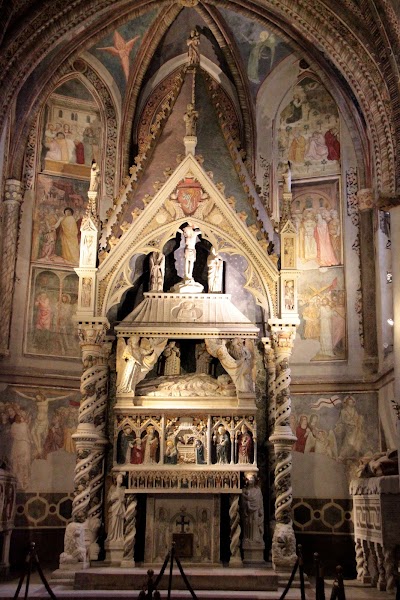
The Duomo di Napoli, also known as the Cathedral of Santa Maria Assunta, is a magnificent example of Gothic architecture and a symbol of Naples' history. Its origins date back to the 4th century AD, with the construction of the Basilica of Santa Restituta and the Baptistery of San Giovanni in Fonte. The current structure was largely completed under the reign of Roberto d'Angiò in 1314, incorporating elements of French and Italian craftsmanship. The Duomo's interior boasts a Latin cross plan with a central nave adorned with a 17th-century coffered ceiling. The transept, rebuilt in the 19th century, showcases a blend of neo-Gothic and Baroque styles. The Cappella del Succorpo, added in the 15th century, houses the relics of Saint Gennaro, Naples' patron saint. The Basilica of Santa Restituta, accessible from the Duomo, is an early Christian basilica featuring the oldest baptistery in the Western world. The Duomo's significance extends beyond its architectural beauty. It is the site of the annual miracle of the liquefaction of Saint Gennaro's blood, which occurs three times a year. This phenomenon, attributed to the saint's intercession, attracts countless pilgrims and devotees. The Duomo di Napoli stands as a testament to the city's rich history, religious fervor, and enduring cultural heritage.Cultural Symbol
Duomo di Napoli, a majestic cathedral in the heart of Naples, stands as a testament to the city's rich history and cultural heritage. Its grand facade, adorned with intricate sculptures and mosaics, reflects the fusion of Gothic, Renaissance, and Baroque architectural styles. The interior is equally awe-inspiring, boasting a vast nave, soaring columns, and a stunning dome adorned with vibrant frescoes. Beyond its architectural splendor, the Duomo holds immense cultural significance for the Neapolitan people. It is the seat of the Archbishop of Naples and a focal point for religious ceremonies and festivals. The most renowned of these is the annual Miracle of Saint Januarius, where the dried blood of the city's patron saint is said to liquefy in a solemn ritual. This event draws thousands of pilgrims and spectators, solidifying the Duomo's status as a symbol of Neapolitan faith and tradition. Moreover, the Duomo has played a pivotal role in shaping Naples' cultural identity. Its presence has fostered a vibrant artistic community, with renowned painters and sculptors contributing to its decoration throughout the centuries. The cathedral's vast collection of religious artifacts, including relics and precious objects, provides a glimpse into the city's spiritual and artistic heritage. In essence, Duomo di Napoli is not merely a religious edifice but an embodiment of Naples' cultural soul. It is a living testament to the city's enduring spirit, a symbol of its faith, and a source of pride for its people.Basilica di Santa Restituta
Nestled within the grand Duomo di Napoli, the Basilica di Santa Restituta stands as a testament to the city's rich Christian heritage. Originally dedicated to the Savior, this ancient basilica dates back to the 4th century, making it the oldest in Naples. Once a standalone structure with an independent facade and multiple entrances, it was incorporated into the Duomo during the 13th century, becoming a significant chapel within the larger cathedral. Despite its reduced size, Santa Restituta retains its architectural grandeur. Its interior boasts a series of stunning mosaics, including a 14th-century depiction of the Virgin Mary enthroned between Saint Januarius and Saint Restituta. The apse mosaic, created by the Italian artist Lello da Orvieto, is a masterpiece of medieval art. The basilica also houses the Battistero di San Giovanni in Fonte, considered the oldest baptistery in the Western world. Built between 364 and 410, it features remnants of its original 4th-century mosaic decoration. The baptismal font, supported by deer symbolizing purity, is a poignant reminder of the basilica's early Christian origins. Santa Restituta's significance extends beyond its artistic treasures. It was once the primary cathedral of Naples, serving as the seat of the bishop until the 9th century. Its rich history is intertwined with the city's own, making it a captivating destination for those seeking to delve into the spiritual and cultural heritage of Naples.
9
National Archaeological Museum of Naples
View on map
Audio Narrations
English
Introduction
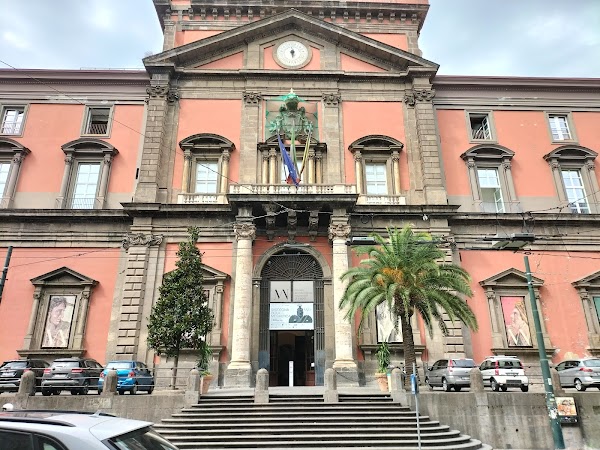
The National Archaeological Museum of Naples stands as a treasure chest of antiquity, its halls whispering tales of empires long gone. Within its walls reside not just artifacts, but fragments of life frozen in time, offering an unparalleled glimpse into the Roman world. The museum boasts the Farnese Collection, a renowned assemblage of Roman sculptures including the imposing Hercules Farnese and the hauntingly beautiful Bull Farnese, a colossal marble masterpiece. Journey deeper and discover the Gabinetto Segreto, once holding scandalous erotic art from Pompeii, now a testament to the complex morality of the past. Beyond the grandeur of Roman sculptures, the museum safeguards a collection of mosaics unearthed from Pompeii and Herculaneum, their vibrant colors defying the passage of centuries. These intricate pieces depict scenes of daily life, mythical tales, and even gladiatorial combat, each tessera a pixel in a vibrant tableau of the past. The museum's collection of everyday objects, from oil lamps to delicate glassware, offers a poignant reminder that these were not just historical figures, but individuals who lived, loved, and ultimately perished under the shadow of Vesuvius.Epigraphic Collection
The National Archaeological Museum of Naples houses an epigraphic collection of astounding breadth and depth, offering a unique window into the ancient world. Holding over 2,000 Greek inscriptions and more than 10,000 Latin examples, the collection provides unparalleled insights into the daily life, languages, and laws of ancient Rome and its neighboring civilizations. Many of these inscriptions were discovered in the Vesuvian cities, buried by the eruption of Mount Vesuvius in 79 AD, offering a snapshot of life frozen in time. Visitors can explore funerary epitaphs revealing societal hierarchies and familial relationships, public notices outlining legal codes and building projects, and even personal messages etched onto everyday objects. The collection is particularly renowned for its examples of electoral propaganda and graffiti, offering glimpses into the humor, concerns, and daily lives of the Pompeian people. The museum's meticulous preservation and display of these fragile artifacts, alongside translations and contextual information, make the epigraphic collection an invaluable resource for scholars and enthusiasts alike, bringing the voices of the past back to life.Archaeological Conservation
The National Archaeological Museum of Naples stands as a testament to not only the treasures of the past but also to the intricate art of archaeological conservation. The museum houses a dedicated laboratory, unseen by most visitors, where experts meticulously preserve fragile artifacts. Utilizing cutting-edge technology alongside traditional restoration techniques, these conservators combat the ravages of time on a vast collection spanning millennia. One remarkable example lies in the conservation of the vibrant Roman frescoes from Pompeii and Herculaneum. These delicate artworks, buried under volcanic ash for centuries, require painstaking cleaning, stabilization, and gap-filling to restore their original splendor. The museum's commitment to transparency is evident in its displays, often showcasing artifacts alongside photographs and descriptions of the conservation process. This approach provides visitors with a rare glimpse into the meticulous work that breathes new life into ancient relics, highlighting the museum's role as a leader in the field of archaeological preservation.
Experience the Full Tour
Download the DocentPro app to access all tour stops, complete audio narrations in multiple languages, offline maps, and interactive features.