
Naples: A Journey Through Ancient Wonders

Walking Tour

4.2 km (2.6 miles)

1h 0min travel time

9 Stops

Naples, Italy
Naples: A Journey Through Ancient Wonders
Tour Stops
1
Piazza del Plebiscito
View on map
Audio Narrations
English
Introduction
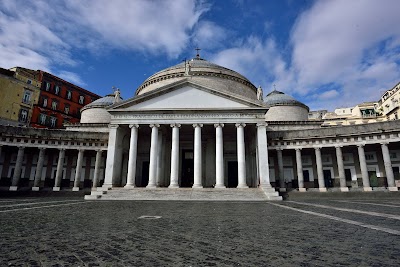
Piazza del Plebiscito, the grandest piazza in Naples, is a vast, airy expanse in the heart of the city. Its elegant design features a curving colonnade reminiscent of St. Peter's Square in Rome, creating an intimate ambiance within the spacious square. The piazza is home to notable monuments, including the domed Basilica of San Francesco da Paola, modeled after the Pantheon in Rome. Two pastel-hued palaces, Palazzo della Prefettura and Palazzo Salerno, anchor the square, while equestrian statues of Charles III of Spain and Ferdinand I stand guard. The renowned Gran Caffe Gambrinus occupies a corner of Palazzo della Prefettura. Piazza del Plebiscito has served as a gathering spot, playground, and central focal point for the city since its inception. It is a must-see destination for any visit to Naples, offering a glimpse into the city's rich history and vibrant culture.Basilica of San Francesco da Paola
Basilica of San Francesco da Paola, a magnificent Pantheon-style basilica, stands proudly in Piazza del Plebiscito, the heart of Naples. Built between 1816 and 1836, it was inspired by the grandeur of St. Peter's Basilica in Rome. Its imposing dome and elegant portal echo the architectural marvel of the Pantheon. The basilica's semi-circular colonnade, reminiscent of its Roman counterpart, was designed by Joachim Murat, who envisioned the piazza as a grand court for the city. Inside, the basilica's interior is a testament to Neapolitan artistry. The bright and airy space is adorned with white marble, while the altar features exquisite lapis lazuli inlay. The walls are adorned with stunning paintings by Luca Giordano and other renowned Neapolitan artists, depicting scenes from the lives of saints and gospel themes. The basilica's dome, a masterpiece of engineering, mimics the form of the Pantheon, creating an awe-inspiring sense of space and light. The basilica's construction holds historical significance. It was built to honor Saint Francis of Paola, a Calabrian saint, and to atone for Murat's destruction of the monastery that once stood on the site. The Bourbon king Ferdinand IV dedicated the basilica to the saint and marked the return of his family to the throne of the Kingdom of the Two Sicilies. Today, the Basilica of San Francesco da Paola remains a beloved landmark in Naples, a testament to the city's rich history, architectural prowess, and enduring faith.Legends and Stories, Piazza del Plebiscito
Piazza del Plebiscito, the grand square in Naples, is steeped in legends and stories that have captivated locals and visitors alike for centuries. One enduring tale is that of Queen Margherita, who is said to have granted pardons to prisoners who could successfully cross the square blindfolded. However, a curse she cast upon the square is believed to have prevented anyone from completing the challenge, ensuring that the prisoners remained incarcerated. Another legend revolves around the statues of the Neapolitan kings that adorn the Royal Palace. It is said that Charles of Hapsburg once asked who was urinating on the wall, to which Charles III replied that he did not know, while Joachim Murat admitted his guilt. Victor Emmanuel II, known for his stern demeanor, is depicted as keeping the peace by threatening to punish the culprit. The peculiar shape of the square, with its half-semicircular and half-rectangular structure, has also given rise to a unique tradition. Locals and tourists alike attempt to cross the square blindfolded, starting from the Royal Palace and aiming for the two horse statues in the center. Despite the seemingly straightforward path, the slight slope and irregular paving stones make it nearly impossible to walk in a straight line, leading to amusing and often unsuccessful attempts.
2
Royal Palace of Naples
View on map
Audio Narrations
Chinese
导言
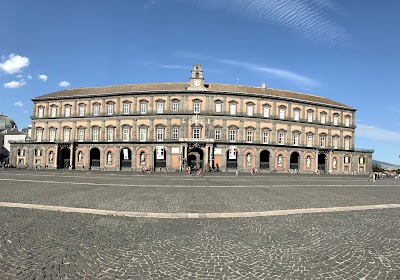
那不勒斯王宫,一座雄伟的建筑,坐落在那不勒斯的中心,见证了这座城市丰富的历史和艺术遗产。这座宫殿建于 17 世纪,为西班牙总督而建,融合了迷人的建筑风格,从西班牙巴洛克的庄严宏伟到洛可可的俏皮优雅。其富丽堂皇的内部装饰有壁画、灰泥和精美的挂毯,将游客带回皇室辉煌的时代。 这座宫殿最引人注目的特色之一是其宏伟的楼梯,是巴洛克建筑的杰作。栏杆的曲线和错综复杂的细节营造出一种敬畏和宏伟感,而装饰墙壁的生动壁画描绘了那不勒斯历史和神话中的场景。曾经是波旁王朝君主的住所的皇家公寓,让人们得以一窥统治阶级的奢华生活方式。王座厅以其镀金家具和华丽的装饰,是举行官方仪式和招待会的场所。相邻的宴会厅,以其高耸的天花板和水晶吊灯,举办了奢华的舞会和社交聚会。 除了其建筑和艺术瑰宝外,那不勒斯王宫还收藏了大量的历史文物。宫殿博物馆展示了各种物品,从古罗马雕塑到 18 世纪的瓷器。卡波迪蒙特美术馆位于宫殿内,收藏了意大利大师的令人印象深刻的绘画作品,包括提香、拉斐尔和卡拉瓦乔。 参观那不勒斯王宫是一次穿越时空的旅程,让人们得以一窥这座城市丰富的文化遗产及其昔日统治者的奢华生活方式。从其令人惊叹的建筑到其精美的艺术收藏,这座宫殿是那不勒斯作为艺术、文化和权力中心的持久遗产的象征。艺术文化中心
坐落在那不勒斯的心脏地带,王宫见证了这座城市丰富的艺术和文化遗产。除了富丽堂皇的大厅和宏伟的建筑外,这座宫殿还展示了艺术珍宝,使其成为艺术和文化爱好者的充满活力的中心。 走进富丽堂皇的圣卡洛剧院,那不勒斯文化场景的一颗明珠。其镀金的阳台、豪华的座位和精美的音响见证了几个世纪的歌剧杰作,从罗西尼的作品到威尔第歌剧的首演。毗邻的圣卡洛剧院博物馆让人们得以一窥剧院引人入胜的历史,展示了服装、布景设计和原始乐谱。 冒险进入王室公寓,那里墙壁低语着皇室生活和艺术赞助的故事。欣赏巴蒂斯特洛·卡拉乔洛的精美壁画和用神话和历史场景编织的错综复杂的挂毯。这座宫殿的藏品以提香、圭多·雷尼和卢卡·焦尔达诺的杰作而自豪,提供了一次引人入胜的意大利艺术演变之旅。 走下令人回味的地下空间,那里隐藏着罗马剧院的遗迹。这些古老的废墟在宫殿建造期间被发掘出来,让人们得以一窥那不勒斯的历史和它与艺术的持久联系。 那不勒斯王宫不仅仅是一座历史古迹,更是这座城市艺术精神的活生生的证明。其正在进行的展览、音乐会和文化活动为其历史悠久的墙壁注入了生命,使其成为艺术和文化爱好者的一个充满活力的中心。无论您是被歌剧的宏伟、文艺复兴杰作的魅力还是古罗马剧院的回声所吸引,那不勒斯王宫都承诺带您踏上一段难忘的那不勒斯艺术和文化之旅。建筑杰作
那不勒斯王宫,一座宏伟的建筑杰作,见证了这座城市丰富的历史和艺术遗产。几个世纪以来,它的宏伟和错综复杂的细节吸引了游客,使其成为建筑爱好者的必游之地。 王宫最引人注目的特点之一是其宏伟的外观,装饰着错综复杂的雕刻、雕塑和柱子。正门装饰着一个宏伟的拱门,两侧矗立着高大的雕像,营造出一种敬畏和宏伟的感觉。王宫的内部同样令人印象深刻,拥有富丽堂皇的大厅、装饰华丽的房间和令人惊叹的壁画。 王宫的设计证明了当时建筑天才的才华。对称、平衡和比例的使用营造出一种和谐与秩序感。错综复杂的细节,如藻井天花板、大理石地板和镀金饰条,增添了王宫的奢华和精致。 那不勒斯王宫不仅是一座建筑杰作,也是艺术和历史的宝库。它的墙壁上装饰着提香、拉斐尔和卡拉瓦乔等著名艺术家的画作。王宫还收藏了一系列雕塑、挂毯和家具,反映了那不勒斯宫廷的品味和风格。 总之,那不勒斯王宫是一座真正的建筑杰作,体现了这座城市丰富的历史和艺术遗产。它的宏伟、错综复杂的细节和富丽堂皇的内部使其成为建筑爱好者和艺术爱好者的必游之地。
3
San Carlo Theatre
View on map
4
Galleria Umberto I
View on map
5
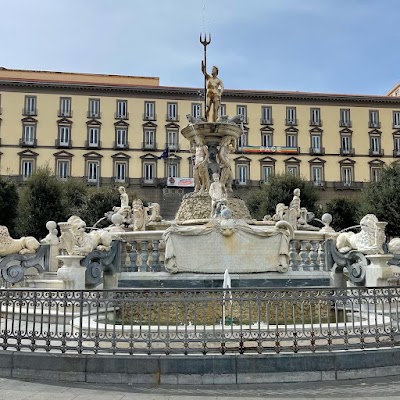
Fountain of Neptune
View on map
6
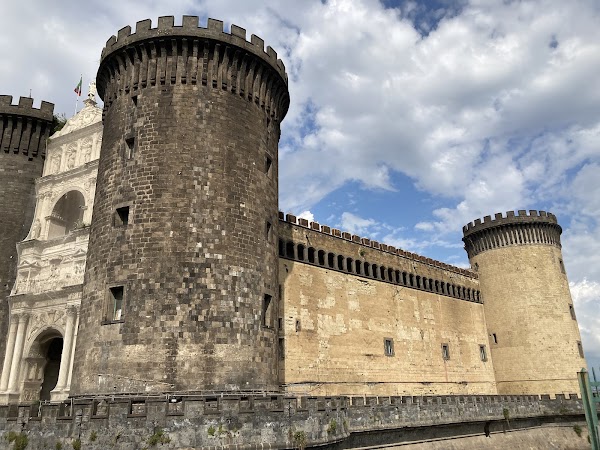
Castel Nuovo
View on map
Audio Narrations
Chinese
引言
新堡,又称安茹堡,是意大利那不勒斯的一座中世纪城堡。它建于 1279 年,由安茹的查理一世建造,直到 1815 年一直是那不勒斯、阿拉贡和西班牙国王的王座。这座城堡的宏伟规模和战略位置使其成为重要的建筑地标。它有五座圆柱形塔楼、一条护城河和一座由弗朗切斯科·劳拉纳设计的凯旋门。在里面,游客可以探索帕拉蒂尼教堂,那里装饰着马索·迪·班科的壁画和多梅尼科·加吉尼的雕塑。男爵大厅曾经是主厅,以其八角形拱顶和壁画天花板而闻名。这座城堡还设有一个市民博物馆,里面收藏了绘画、雕塑和考古文物。那不勒斯故乡历史学会
卡斯特尔诺沃,又称马斯基奥安吉奥诺,见证了那不勒斯的悠久历史和那不勒斯祖国历史协会致力于保护它的历史。该协会总部设在城堡内,在保护这座建筑奇迹的遗产方面发挥着至关重要的作用。 那不勒斯祖国历史协会成员从 1279 年它作为皇室住所和堡垒开始,到它目前作为文化中心的地位,一丝不苟地记录了这座城堡的演变。他们挖掘了在它的大厅里出现的君主、艺术家和学者的迷人故事,包括乔托、彼特拉克和薄伽丘。 该协会的研究揭示了这座城堡的建筑意义,突出了使它成为杰作的哥特式和文艺复兴元素的融合。他们记录了它的塔楼、庭院和大厅的错综复杂的细节,每一个都具有历史意义。 此外,该协会还在保护城堡无价的文物和艺术品方面发挥了至关重要的作用。该综合体内的市民博物馆展示了跨越几个世纪的雕塑、绘画和物品,让人们得以一窥那不勒斯的艺术遗产。 那不勒斯祖国历史协会通过坚定不移地致力于保护和宣传卡斯特尔诺沃,确保了这座标志性地标在未来几代人中仍然是自豪和灵感的源泉。哥特式建筑
卡斯特尔诺沃,那不勒斯的一座雄伟堡垒,是哥特式建筑宏伟的见证。它那令人印象深刻的圆柱形塔楼,每个都装饰着错综复杂的垛口,直冲云霄,它们粗糙的表面暗示着城堡丰富的历史。这座宏伟的凯旋门是阿拉贡的阿方索五世后来的增建,是文艺复兴时期建筑的杰作,但它与哥特式元素和谐地融合在一起,创造出一种迷人的风格融合。 城堡的内部展示了一场同样引人入胜的奇观。萨拉·德伊·巴罗尼,或男爵大厅,是哥特式宏伟的惊人典范。它的拱形天花板由细长的柱子支撑,营造出一种空灵的氛围,而墙壁上装饰着精美的壁画,其中一些归功于乔托本人。这些壁画的错综复杂的细节和鲜艳的色彩将游客带回到安茹王朝充满活力的时代。 卡斯特尔诺沃的哥特式传统在其众多的尖拱、肋状拱顶和彩色玻璃窗中进一步体现。这些元素与城堡俯瞰那不勒斯湾的战略位置相结合,创造出一种敬畏和惊奇感,几个世纪以来一直吸引着游客。作为其持久遗产的证明,卡斯特尔诺沃仍然是一个备受喜爱的地标,让人们得以一窥哥特时代的建筑辉煌。
7
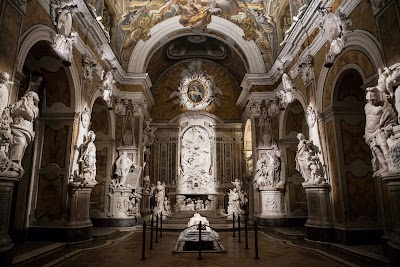
Museo Cappella Sansevero
View on map
Audio Narrations
Chinese
导言
那不勒斯圣塞维罗礼拜堂博物馆是一座迷人的礼拜堂博物馆,以其精美的雕塑和大理石巴洛克风格而闻名。礼拜堂的赞助人雷蒙多·迪·桑格罗委托18世纪意大利著名艺术家创作了一件杰作,反映了他对科学和神秘学的迷恋以及对家族的骄傲。礼拜堂的亮点之一是朱塞佩·桑马蒂诺的《蒙面基督》,这是一件令人惊叹的逼真雕塑,描绘了被一块薄面纱覆盖的被钉在十字架上的基督。其他著名作品包括弗朗切斯科·奎罗洛的《幻灭》,安东尼奥·科拉迪尼的《谦虚》,以及弗朗切斯科·切莱布拉诺和保罗·佩西科精心制作的高坛。礼拜堂迷人的氛围因其解剖机器而进一步增强,这些机器展示了迪·桑格罗的科学兴趣。游客可以惊叹于这些雕塑中错综复杂的细节和象征意义,这使得圣塞维罗礼拜堂博物馆成为艺术爱好者和那些寻求一睹那不勒斯丰富文化遗产的人的必游之地。死亡与死亡率
那不勒斯坎帕尼亚大区的圣塞维罗礼拜堂博物馆是座非凡的礼拜堂,以其引人入胜的解剖雕塑和艺术品收藏而闻名,这些作品深入探讨了死亡和死亡率的神秘之处。礼拜堂的中心部分是令人惊叹的蒙面基督,这是朱塞佩·圣马蒂诺的大理石杰作,覆盖在基督身体上的薄纱看起来像是用最精细的丝绸编织而成,以精美的细节捕捉到了死亡率的本质。 另一个亮点是解剖机器,这是一系列真人大小的人体模型,其循环系统和神经系统通过朱塞佩·萨勒诺博士发明的开创性技术得到了细致的保存。这些模型让人们得以一窥人体错综复杂的运作方式和生命的脆弱性。礼拜堂还收藏着神秘的带荆棘王冠的基督,这是一座描绘了基督受难的雕塑,具有令人难忘的真实感。 圣塞维罗礼拜堂博物馆证明了那不勒斯人对死亡和来世的迷恋。它的收藏邀请游客面对死亡率的不可避免性,同时惊叹于人体的美丽和复杂性。这是一个艺术与科学交汇的地方,探索着生与死的深刻奥秘。大理石雕塑
那不勒斯圣塞维罗礼拜堂是意大利那不勒斯的一座礼拜堂,收藏着一系列非凡的大理石雕塑,几个世纪以来一直吸引着艺术爱好者。礼拜堂最著名的杰作是朱塞佩·圣马蒂诺创作的《戴面纱的基督》,这是一幅真人大小的受难基督雕像,身披一块精致的大理石面纱。面纱的褶皱错综复杂,身躯的细节栩栩如生,营造出一种透明的错觉,让参观者惊叹于雕塑家的精湛技艺。 其他著名的雕塑包括安东尼奥·科拉迪尼创作的《谦虚》,一个身披飘逸大理石长袍的优雅人物,仿佛在风中飘动;以及弗朗切斯科·奎罗洛创作的《幻灭》,一个令人心酸的女性绝望形象。礼拜堂还展出了一个解剖机器,展示了保存完好的人体,其血管系统完好无损,展示了礼拜堂赞助人莱蒙多·迪·桑格罗的科学好奇心。 礼拜堂将艺术与科学独特地融合在一起,加上其大理石雕塑的精湛工艺,使其成为寻求在艺术卓越领域获得沉浸式体验的人们的必游之地。
8
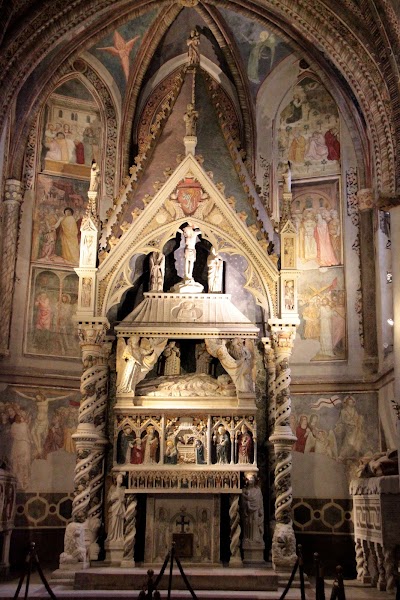
Duomo di Napoli
View on map
Audio Narrations
English
Introduction
The Duomo di Napoli, also known as the Cathedral of Santa Maria Assunta, is a magnificent example of Gothic architecture and a symbol of Naples' history. Its origins date back to the 4th century AD, with the construction of the Basilica of Santa Restituta and the Baptistery of San Giovanni in Fonte. The current structure was largely completed under the reign of Roberto d'Angiò in 1314, incorporating elements of French and Italian craftsmanship. The Duomo's interior boasts a Latin cross plan with a central nave adorned with a 17th-century coffered ceiling. The transept, rebuilt in the 19th century, showcases a blend of neo-Gothic and Baroque styles. The Cappella del Succorpo, added in the 15th century, houses the relics of Saint Gennaro, Naples' patron saint. The Basilica of Santa Restituta, accessible from the Duomo, is an early Christian basilica featuring the oldest baptistery in the Western world. The Duomo's significance extends beyond its architectural beauty. It is the site of the annual miracle of the liquefaction of Saint Gennaro's blood, which occurs three times a year. This phenomenon, attributed to the saint's intercession, attracts countless pilgrims and devotees. The Duomo di Napoli stands as a testament to the city's rich history, religious fervor, and enduring cultural heritage.Cultural Symbol
Duomo di Napoli, a majestic cathedral in the heart of Naples, stands as a testament to the city's rich history and cultural heritage. Its grand facade, adorned with intricate sculptures and mosaics, reflects the fusion of Gothic, Renaissance, and Baroque architectural styles. The interior is equally awe-inspiring, boasting a vast nave, soaring columns, and a stunning dome adorned with vibrant frescoes. Beyond its architectural splendor, the Duomo holds immense cultural significance for the Neapolitan people. It is the seat of the Archbishop of Naples and a focal point for religious ceremonies and festivals. The most renowned of these is the annual Miracle of Saint Januarius, where the dried blood of the city's patron saint is said to liquefy in a solemn ritual. This event draws thousands of pilgrims and spectators, solidifying the Duomo's status as a symbol of Neapolitan faith and tradition. Moreover, the Duomo has played a pivotal role in shaping Naples' cultural identity. Its presence has fostered a vibrant artistic community, with renowned painters and sculptors contributing to its decoration throughout the centuries. The cathedral's vast collection of religious artifacts, including relics and precious objects, provides a glimpse into the city's spiritual and artistic heritage. In essence, Duomo di Napoli is not merely a religious edifice but an embodiment of Naples' cultural soul. It is a living testament to the city's enduring spirit, a symbol of its faith, and a source of pride for its people.Basilica di Santa Restituta
Nestled within the grand Duomo di Napoli, the Basilica di Santa Restituta stands as a testament to the city's rich Christian heritage. Originally dedicated to the Savior, this ancient basilica dates back to the 4th century, making it the oldest in Naples. Once a standalone structure with an independent facade and multiple entrances, it was incorporated into the Duomo during the 13th century, becoming a significant chapel within the larger cathedral. Despite its reduced size, Santa Restituta retains its architectural grandeur. Its interior boasts a series of stunning mosaics, including a 14th-century depiction of the Virgin Mary enthroned between Saint Januarius and Saint Restituta. The apse mosaic, created by the Italian artist Lello da Orvieto, is a masterpiece of medieval art. The basilica also houses the Battistero di San Giovanni in Fonte, considered the oldest baptistery in the Western world. Built between 364 and 410, it features remnants of its original 4th-century mosaic decoration. The baptismal font, supported by deer symbolizing purity, is a poignant reminder of the basilica's early Christian origins. Santa Restituta's significance extends beyond its artistic treasures. It was once the primary cathedral of Naples, serving as the seat of the bishop until the 9th century. Its rich history is intertwined with the city's own, making it a captivating destination for those seeking to delve into the spiritual and cultural heritage of Naples.
9
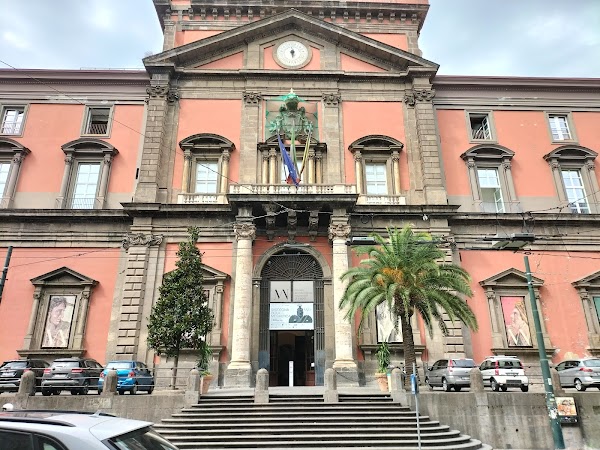
National Archaeological Museum of Naples
View on map
Audio Narrations
English
Introduction
The National Archaeological Museum of Naples stands as a treasure chest of antiquity, its halls whispering tales of empires long gone. Within its walls reside not just artifacts, but fragments of life frozen in time, offering an unparalleled glimpse into the Roman world. The museum boasts the Farnese Collection, a renowned assemblage of Roman sculptures including the imposing Hercules Farnese and the hauntingly beautiful Bull Farnese, a colossal marble masterpiece. Journey deeper and discover the Gabinetto Segreto, once holding scandalous erotic art from Pompeii, now a testament to the complex morality of the past. Beyond the grandeur of Roman sculptures, the museum safeguards a collection of mosaics unearthed from Pompeii and Herculaneum, their vibrant colors defying the passage of centuries. These intricate pieces depict scenes of daily life, mythical tales, and even gladiatorial combat, each tessera a pixel in a vibrant tableau of the past. The museum's collection of everyday objects, from oil lamps to delicate glassware, offers a poignant reminder that these were not just historical figures, but individuals who lived, loved, and ultimately perished under the shadow of Vesuvius.Epigraphic Collection
The National Archaeological Museum of Naples houses an epigraphic collection of astounding breadth and depth, offering a unique window into the ancient world. Holding over 2,000 Greek inscriptions and more than 10,000 Latin examples, the collection provides unparalleled insights into the daily life, languages, and laws of ancient Rome and its neighboring civilizations. Many of these inscriptions were discovered in the Vesuvian cities, buried by the eruption of Mount Vesuvius in 79 AD, offering a snapshot of life frozen in time. Visitors can explore funerary epitaphs revealing societal hierarchies and familial relationships, public notices outlining legal codes and building projects, and even personal messages etched onto everyday objects. The collection is particularly renowned for its examples of electoral propaganda and graffiti, offering glimpses into the humor, concerns, and daily lives of the Pompeian people. The museum's meticulous preservation and display of these fragile artifacts, alongside translations and contextual information, make the epigraphic collection an invaluable resource for scholars and enthusiasts alike, bringing the voices of the past back to life.Archaeological Conservation
The National Archaeological Museum of Naples stands as a testament to not only the treasures of the past but also to the intricate art of archaeological conservation. The museum houses a dedicated laboratory, unseen by most visitors, where experts meticulously preserve fragile artifacts. Utilizing cutting-edge technology alongside traditional restoration techniques, these conservators combat the ravages of time on a vast collection spanning millennia. One remarkable example lies in the conservation of the vibrant Roman frescoes from Pompeii and Herculaneum. These delicate artworks, buried under volcanic ash for centuries, require painstaking cleaning, stabilization, and gap-filling to restore their original splendor. The museum's commitment to transparency is evident in its displays, often showcasing artifacts alongside photographs and descriptions of the conservation process. This approach provides visitors with a rare glimpse into the meticulous work that breathes new life into ancient relics, highlighting the museum's role as a leader in the field of archaeological preservation.
Experience the Full Tour
Download the DocentPro app to access all tour stops, complete audio narrations in multiple languages, offline maps, and interactive features.