
Artful Paris: A Creative Odyssey Through the City of Lights

Walking Tour

4.0 km (2.5 miles)

55 min travel time

6 Stops

Paris, France
Artful Paris: A Creative Odyssey Through the City of Lights
Tour Stops
1
Louvre Museum
View on map
Audio Narrations
English
Introduction
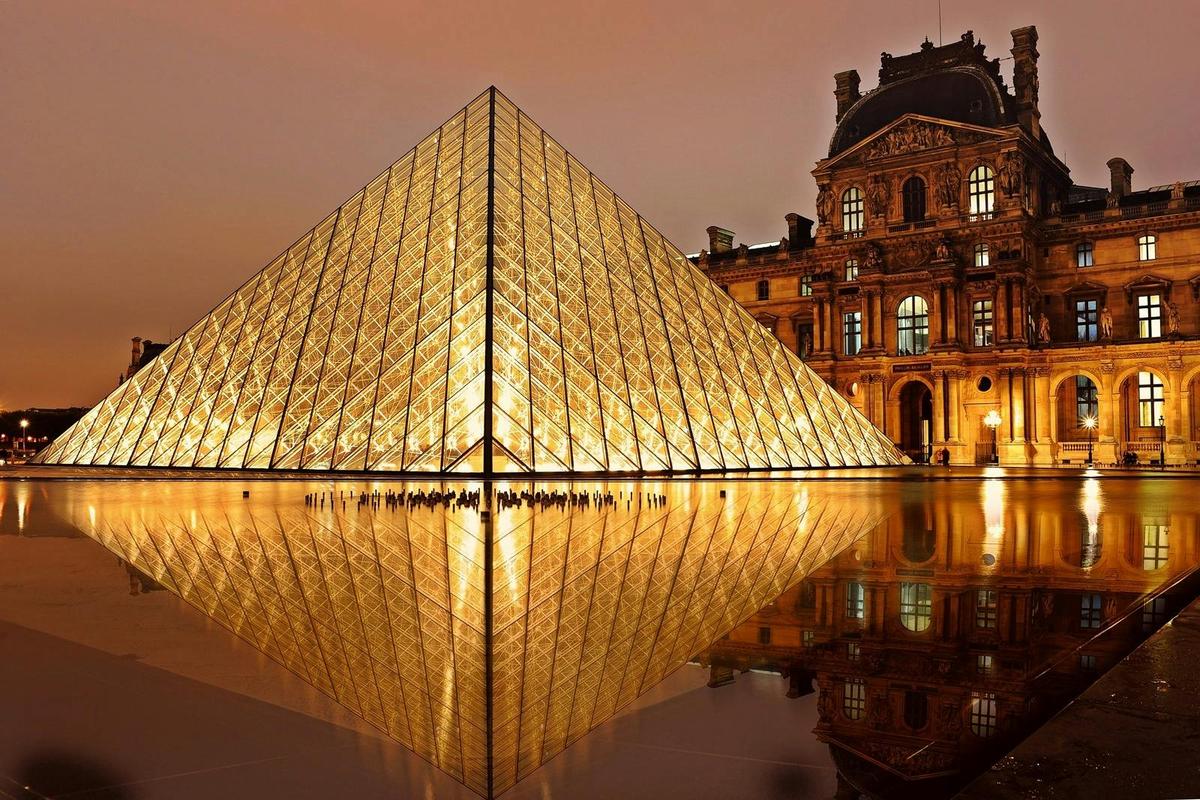
The Louvre Museum, a majestic palace in the heart of Paris, houses one of the world's most renowned art collections. Its vast halls showcase over 35,000 masterpieces spanning ancient civilizations to modern times. The iconic Mona Lisa, with her enigmatic smile, draws countless visitors, while the majestic Venus de Milo, a symbol of classical beauty, captivates with her timeless grace. The museum's Egyptian antiquities collection is unparalleled, featuring the enigmatic Sphinx of Tanis and the exquisite Seated Scribe. Near Eastern treasures, such as the Code of Hammurabi, provide a glimpse into ancient civilizations. Greek, Etruscan, and Roman art are also well represented, with highlights including the Winged Victory of Samothrace and the Apollo Belvedere. The Louvre's collection extends beyond sculptures and paintings, encompassing decorative arts, Islamic art, and a vast array of artifacts that tell the story of human creativity and cultural heritage.World's Largest Museum
As the world's largest museum, the Louvre Museum in Paris, Île-de-France, France, boasts an unparalleled collection of over 380,000 objects and displays 35,000 works of art across eight curatorial departments. Its vast exhibition space spans an impressive 60,600 square meters, making it a colossal treasure trove of artistic and historical wonders. The Louvre's sheer size presents a unique challenge, as visitors could spend 100 consecutive days exploring its galleries and still not fully absorb its immense collection. This extraordinary museum is a testament to the rich cultural heritage of humanity, showcasing masterpieces from prehistory to the 19th century.Architectural Marvel
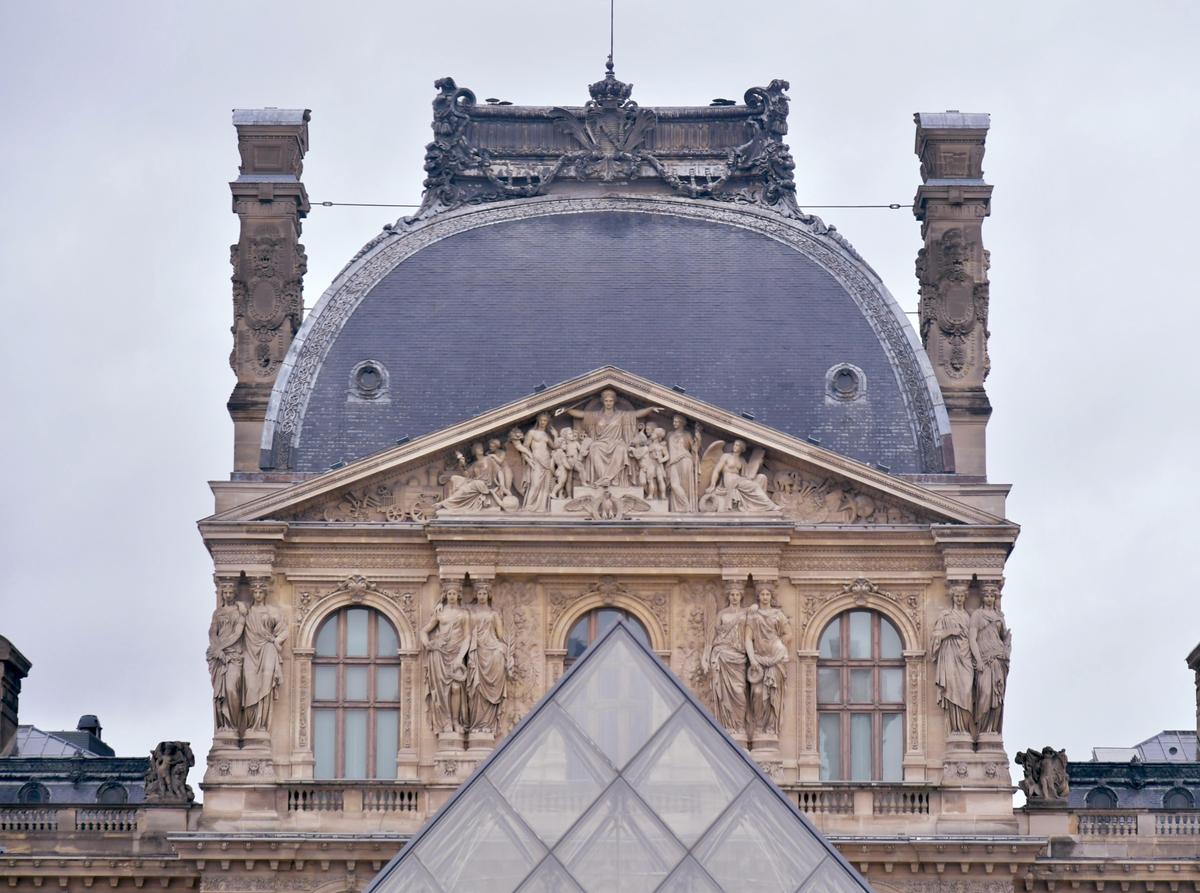
The Louvre Museum in Paris, Île-de-France, France, stands as a testament to architectural brilliance, blending historical grandeur with modern ingenuity. Its iconic glass pyramid, designed by I.M. Pei, serves as a striking entrance, contrasting with the museum's classical facade. The pyramid's transparent structure allows natural light to flood the subterranean lobby, creating an ethereal ambiance. Beneath the pyramid lies a labyrinth of galleries, each showcasing a distinct era or civilization. The museum's vast collection of sculptures, paintings, and artifacts is housed within meticulously designed spaces that enhance the visitor experience. The Grande Galerie, stretching over 400 meters, displays masterpieces like Leonardo da Vinci's Mona Lisa and Jacques-Louis David's The Coronation of Napoleon. The Louvre's architectural evolution is evident throughout its sprawling complex. The medieval foundations of the Louvre Palace, once a fortress, are juxtaposed with the elegant Renaissance additions of the Tuileries Palace. The museum's courtyards, such as the Cour Carrée and the Cour Napoléon, provide serene respites amidst the bustling crowds. Beyond its aesthetic appeal, the Louvre's architecture serves a functional purpose. Its galleries are carefully curated to guide visitors through art history, from ancient Egypt to the 19th century. The museum's innovative use of space, including mezzanines and underground levels, maximizes display capacity while maintaining a coherent flow. As an architectural marvel, the Louvre Museum captivates visitors with its harmonious blend of historical and contemporary elements. Its iconic pyramid, vast galleries, and intricate courtyards make it a masterpiece of design, showcasing the enduring power of architecture to inspire and awe.
2
Tuileries Garden
View on map
Audio Narrations
Italian
Introduzione
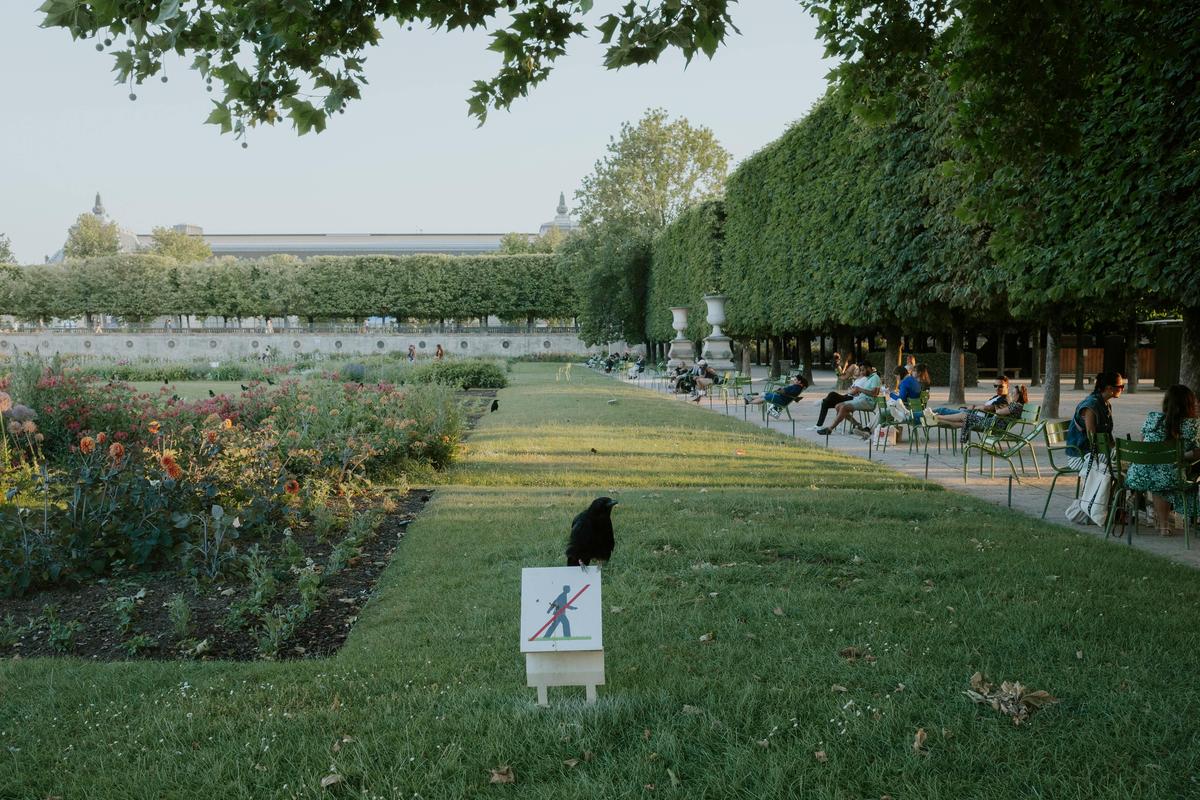
Il Giardino delle Tuileries, un'oasi verdeggiante nel cuore di Parigi, dispiega il suo splendore tra il Louvre e Place de la Concorde. Le sue origini risalgono al XVI secolo, quando Caterina de' Medici trasformò un quartiere di produzione di tegole in un giardino reale. La riprogettazione di André Le Nôtre nel XVII secolo gli conferì la grandiosità di un giardino formale francese, caratterizzato da viali simmetrici, prati curati e fontane ornate. Nel corso dei secoli, le Tuileries hanno assistito a momenti cruciali della storia francese. Hanno fatto da sfondo a celebrazioni reali, alla presa della Bastiglia e ai tragici eventi della Rivoluzione francese. Oggi, rimangono uno spazio pubblico amato, che offre un rifugio dal trambusto della città. I visitatori possono passeggiare lungo la Grand Allée, fiancheggiata da maestosi castagni, o rilassarsi presso il bacino ottagonale, un luogo popolare per i lavoratori d'ufficio che pranzano e per i bambini che fanno navigare barche in miniatura. Il giardino è adornato da una serie di sculture, dai capolavori classici alle opere moderne di Rodin e Dubuffet. Le Tuileries ospitano anche due rinomati musei: il Musée de l'Orangerie, che espone l'iconica serie delle Ninfee di Monet, e il Jeu de Paume, dedicato all'arte contemporanea. La sua ricca storia, i tesori artistici e l'atmosfera serena rendono il Giardino delle Tuileries una destinazione affascinante per gli appassionati d'arte, gli amanti della storia e gli amanti della natura.Claude Monet
Il Giardino delle Tuileries, un'oasi verdeggiante nel cuore di Parigi, riveste un profondo significato per Claude Monet, il celebre pittore impressionista. Fu qui, tra prati curati e aiuole fiorite, che Monet trovò ispirazione per alcune delle sue opere più iconiche, in particolare la celebre serie delle "Ninfee". Il fascino di Monet per il giardino iniziò negli anni '60 dell'Ottocento, quando lo frequentava come giovane artista. L'ambiente idilliaco del giardino, con i suoi stagni scintillanti e la vegetazione lussureggiante, catturò la sua immaginazione. Spesso sistemava il suo cavalletto lungo le rive del Grand Bassin, catturando il gioco di luci e riflessi sulla superficie dell'acqua. Negli anni '90 dell'Ottocento, Monet acquistò una casa a Giverny, un villaggio appena fuori Parigi. Tuttavia, continuò a visitare regolarmente il Giardino delle Tuileries, trovando conforto e ispirazione nella sua atmosfera tranquilla. Fu durante questo periodo che iniziò a sviluppare il suo stile pittorico unico, caratterizzato da pennellate sciolte e colori vivaci. I dipinti "Ninfee" di Monet, che raffigurano lo stagno delle ninfee del giardino, sono una testimonianza del suo profondo legame con le Tuileries. Queste opere, ora ospitate nel Musée de l'Orangerie, evocano un senso di serenità e contemplazione, invitando gli spettatori a immergersi nella bellezza della natura. Oltre al suo fascino estetico, il Giardino delle Tuileries offrì a Monet anche un senso di comunità. Spesso si riuniva con altri artisti, tra cui Pierre-Auguste Renoir ed Edgar Degas, per discutere di arte e condividere idee. Il giardino divenne un centro di scambio artistico e ispirazione, favorendo la crescita di Monet come artista. Oggi, il Giardino delle Tuileries rimane una testimonianza vivente dell'eredità di Monet. I visitatori possono passeggiare lungo gli stessi sentieri che un tempo percorreva, ammirando la bellezza che ha affascinato la sua anima artistica. Il giardino serve come un promemoria del profondo impatto che la natura ebbe sul lavoro di Monet e dell'influenza duratura della sua arte sul mondo.Palazzo delle Tuileries
Il Giardino delle Tuileries, un'oasi verdeggiante nel cuore di Parigi, custodisce un'affascinante storia intrecciata con la magnificenza del Palazzo delle Tuileries. Originariamente concepito come un'estensione del palazzo, il giardino fu progettato da Caterina de' Medici nel XVI secolo. Il suo nome, derivato dalle fabbriche di tegole che un tempo occupavano il sito, evoca le umili origini del palazzo. Nel corso dei secoli, il giardino si è evoluto sotto il patrocinio di successivi monarchi. Enrico IV lo ampliò, aggiungendo il Jardin Neuf con la sua fontana centrale. Luigi XIII lo trasformò in un parco giochi privato, completo di uno zoo. André Le Nôtre, il rinomato architetto paesaggista, ridisegnò il giardino nel XVII secolo, creando l'iconico asse centrale che si estende dal Louvre a Place de la Concorde. La vicinanza del giardino al palazzo lo rese un palcoscenico per eventi e celebrazioni reali. Caterina de' Medici ospitò sontuosi ricevimenti, mentre Luigi XIV lo utilizzò per grandi passeggiate e spettacoli pirotecnici. Il giardino fu anche testimone di momenti di tumulto, come l'assalto al Palazzo delle Tuileries durante la Rivoluzione francese. Oggi, il Giardino delle Tuileries si erge come una testimonianza dell'antica gloria del palazzo. I suoi prati curati, adornati con sculture di Rodin, Giacometti e Maillol, invitano i visitatori a passeggiare e ad ammirare i resti della grandezza reale. L'asse centrale del giardino, un tempo simbolo del potere della monarchia, ora funge da tranquilla passeggiata, collegando il Louvre a Place de la Concorde. Mentre passeggiate nel Giardino delle Tuileries, lasciate che la vostra immaginazione vi trasporti ai giorni opulenti del Palazzo delle Tuileries. Immaginate la corte reale passeggiare lungo l'asse centrale, il suono delle risate e della musica che riempie l'aria. La bellezza e la storia del giardino si intrecciano, offrendo uno scorcio della grandezza e dell'intrigo che un tempo si svolgevano all'interno delle mura del palazzo.
3
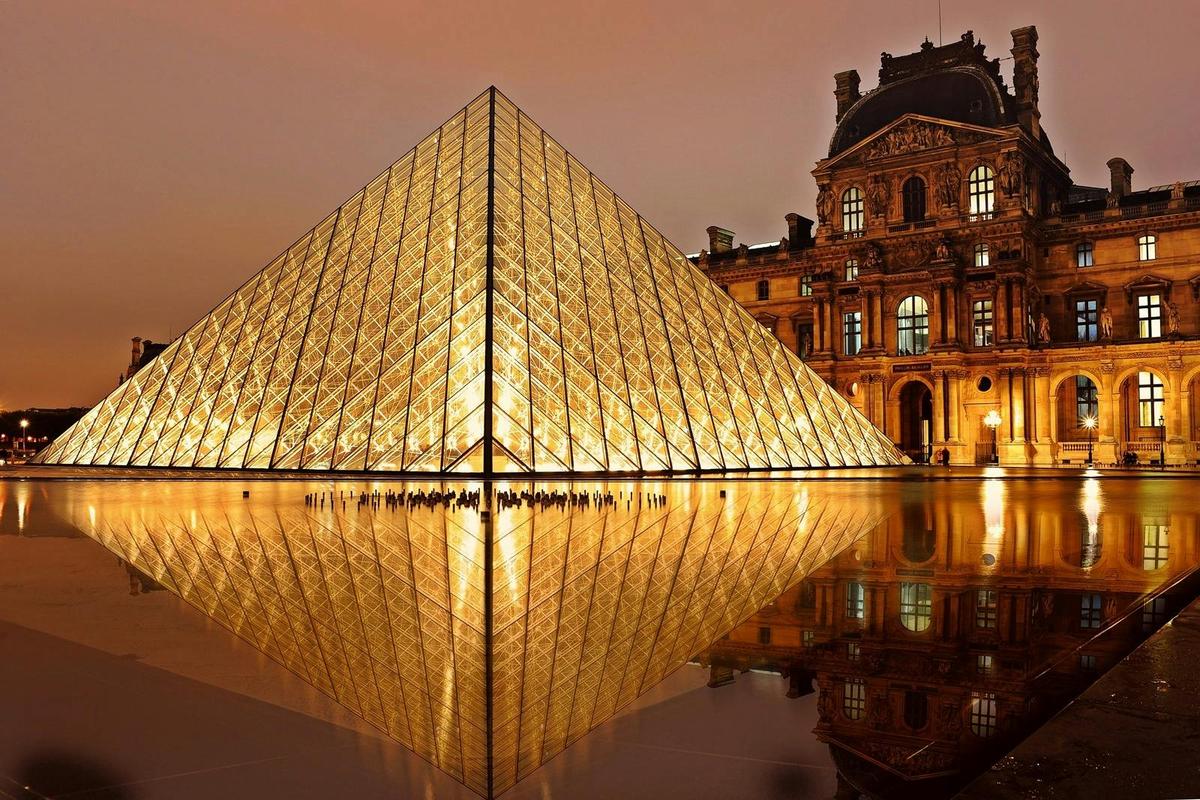
Passerelle Léopold-Sédar-Senghor
View on map
Audio Narrations
English
Introduction
The Passerelle Léopold-Sédar-Senghor, a pedestrian bridge spanning the Seine River in Paris, is a captivating feat of modern architecture. Designed by the renowned Marc Mimram, the bridge's unique form resembles a giant harp, its strings gracefully arching over the water. The bridge's name honors Léopold Sédar Senghor, the first president of Senegal and a renowned poet. The Passerelle Léopold-Sédar-Senghor is not just a means of crossing the Seine; it is a work of art in its own right. The bridge's steel structure is adorned with 49 harp strings, each representing a different country in Africa. As the wind blows, the strings vibrate, creating a haunting melody that echoes across the river. The bridge is a popular destination for both locals and tourists, offering stunning views of the city skyline. From the bridge, visitors can admire the Eiffel Tower, the Louvre Museum, and the Notre Dame Cathedral. The Passerelle Léopold-Sédar-Senghor is a testament to the power of architecture to inspire and connect people.Public Art
Passerelle Léopold-Sédar-Senghor: A Public Art Gem in Paris The Passerelle Léopold-Sédar-Senghor, more than just a bridge across the Seine, is a public art masterpiece. Its sleek, modern design, crafted by renowned architect Marc Mimram, seamlessly blends form and function, creating a visually striking landmark. The bridge's single arch, devoid of supporting structures, allows for a wider span and a more expansive view of the river. Beyond its aesthetic appeal, the bridge embodies a deeper meaning. Its dedication to Léopold Sédar Senghor, a prominent Senegalese poet, politician, and cultural theorist, celebrates his contributions to African identity and cultural empowerment. This tribute is further reflected in the bridge's construction, which utilizes azobé wood, a material native to Sub-Saharan Africa, for its flooring and stairs. The Passerelle Léopold-Sédar-Senghor also serves as a testament to the innovative spirit of French engineering. Its intricate metallic framework, reminiscent of the iconic Eiffel Tower, was crafted in the renowned Eiffel workshops. The bridge's stability is ensured by two robust concrete piers, each anchored 15 meters deep into the earth. Despite its initial challenges with slight oscillations and slippery surfaces, the bridge's design has been recognized with the prestigious L'Équerre d'Argent prize. Today, it stands as a testament to Mimram's ingenuity and a beloved public art piece in the heart of Paris. The Passerelle Léopold-Sédar-Senghor offers a unique perspective on the city, allowing pedestrians to experience the Seine from a different vantage point. Its benches and lampposts provide a space for contemplation and relaxation, while the bridge's two levels offer a dynamic walking experience. This bridge is not just a means of crossing the river; it is a public art installation that celebrates cultural diversity, innovation, and the beauty of Parisian architecture. It serves as a reminder of the power of art to connect people and inspire them to embrace new perspectives.Urban Regeneration
Passerelle Léopold-Sédar-Senghor: A Symbol of Urban Regeneration in Paris The Passerelle Léopold-Sédar-Senghor, a pedestrian bridge spanning the Seine in Paris, stands as a testament to urban regeneration. Originally constructed in 1861 as the Pont de Solférino, the bridge underwent a significant transformation in 1999, evolving from a vehicular bridge to a modern pedestrian walkway. This metamorphosis embodies the city's commitment to revitalizing its riverfront and prioritizing pedestrian accessibility. The bridge's initial incarnation as a cast-iron structure served the needs of a rapidly industrializing Paris. However, as the city matured and traffic patterns shifted, the Pont de Solférino became obsolete. Its demolition and subsequent replacement with a sleek, steel footbridge marked a turning point in the city's approach to urban development. The Passerelle Léopold-Sédar-Senghor's design reflects a conscious effort to integrate the bridge seamlessly into its surroundings. The single-span structure, devoid of intermediate support, minimizes its footprint on the river, allowing for unobstructed views and enhanced water flow. The use of exotic hardwood for the walkways adds a touch of natural elegance, complementing the surrounding landscape. Beyond its aesthetic appeal, the bridge serves a crucial role in connecting disparate parts of the city. It provides a direct link between the Musée d'Orsay on the Left Bank and the Jardin des Tuileries on the Right Bank, fostering pedestrian movement and encouraging cultural exchange. This enhanced connectivity contributes to the revitalization of both riverbanks, attracting visitors and residents alike. The Passerelle Léopold-Sédar-Senghor's transformation exemplifies Paris's commitment to urban regeneration. It showcases a shift towards prioritizing pedestrian-friendly spaces, promoting cultural engagement, and revitalizing underutilized areas. The bridge stands as a testament to the city's ability to adapt and evolve, embracing innovative solutions to enhance its urban landscape.
4
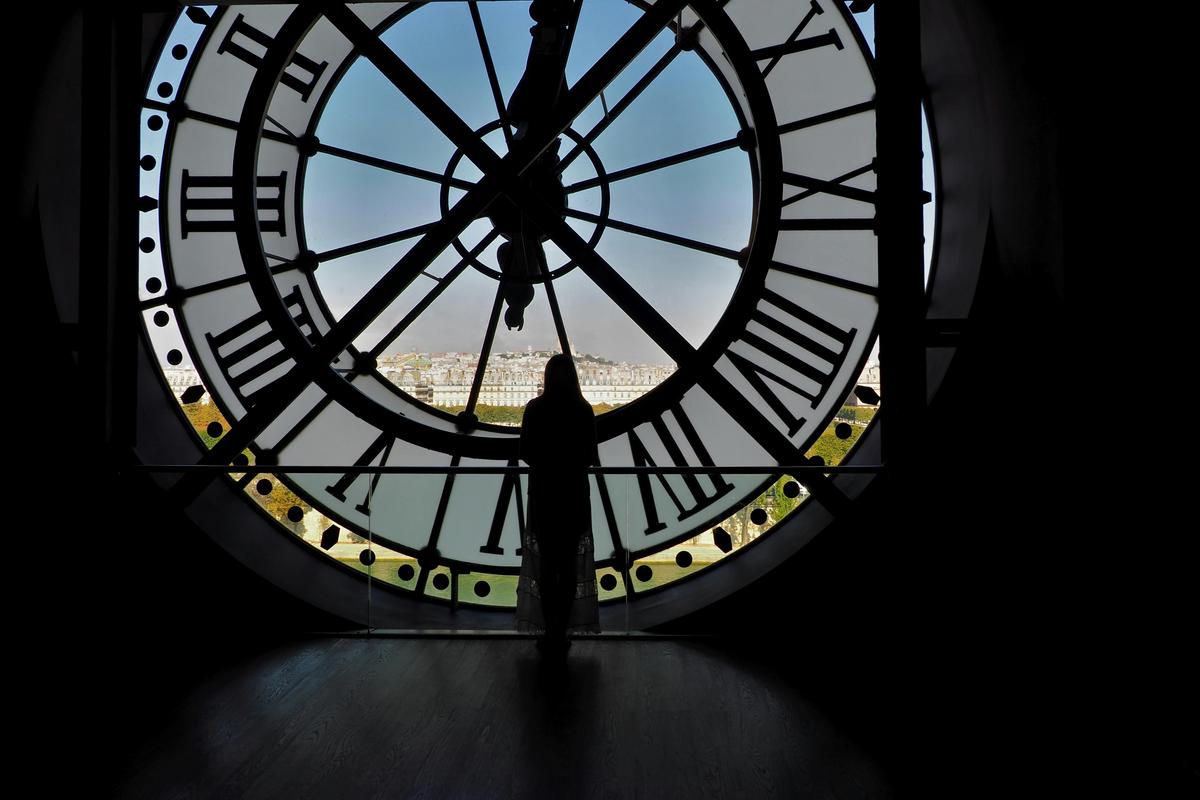
Musée d'Orsay
View on map
Audio Narrations
English
Introduction
The Musée d'Orsay, a renowned art museum in Paris, resides in the former Gare d'Orsay, a Beaux-Arts railway station built for the 1900 Exposition Universelle. Its collection spans French art from 1848 to 1914, boasting the world's largest assemblage of Impressionist and post-Impressionist masterpieces. Notable artists represented include Monet, Manet, Cézanne, Renoir, and van Gogh. The museum's unique architecture, featuring a central nave formed by the original train platforms, provides an awe-inspiring setting for these artistic treasures. One captivating highlight is a 1:100 scale model of the Paris Opera and its surroundings, encapsulated under glass flooring, offering visitors a glimpse into the city's historical urban planning.Former Railway Station
Musée d'Orsay in Paris, Île-de-France, France, stands as a testament to the ingenuity of repurposing historic structures. Once a bustling railway station, the Gare d'Orsay was transformed into a magnificent museum in 1986, preserving its architectural grandeur while embracing a new cultural purpose. The station's original design, conceived by Victor Laloux, showcased a Beaux-Arts style with ornate facades adorned with sculptures representing railway destinations. Its vast train shed, a marvel of engineering, featured a steel and glass arch spanning over 138 meters, creating an awe-inspiring space. Today, the museum's grand hall, once filled with the clamor of arriving and departing trains, serves as a majestic setting for monumental sculptures. The former railway hotel, now housing the museum's painting collection, offers a serene ambiance for contemplating masterpieces by Monet, Renoir, and Van Gogh. The conversion of the Gare d'Orsay into the Musée d'Orsay not only saved a remarkable architectural landmark but also created a unique and immersive experience for visitors. The museum's galleries, nestled within the station's original structure, seamlessly blend the industrial heritage of the past with the artistic treasures of the present.Post-Impressionism
Musée d'Orsay in Paris, Île-de-France, France, houses an unparalleled collection of Post-Impressionist masterpieces, offering a profound immersion into this transformative art movement. The museum's fifth floor is a sanctuary for Post-Impressionist enthusiasts, showcasing works by trailblazing artists who pushed the boundaries of traditional painting. One of the highlights is Paul Cézanne's "The Card Players," a series of paintings that deconstruct form and perspective, laying the groundwork for Cubism. Vincent van Gogh's vibrant "Starry Night Over the Rhône" captivates with its swirling, expressive brushstrokes, while Georges Seurat's "A Sunday Afternoon on the Island of La Grande Jatte" exemplifies Pointillism's meticulous application of tiny dots to create a mosaic-like effect. Beyond these iconic works, Musée d'Orsay presents a comprehensive survey of Post-Impressionism's diverse expressions. Paul Gauguin's vibrant depictions of Tahiti explore the interplay of color and symbolism, while Henri de Toulouse-Lautrec's incisive social commentary is evident in his depictions of Parisian nightlife. Odilon Redon's ethereal pastels delve into the realm of dreams and the subconscious. The museum's collection not only showcases the evolution of Post-Impressionism but also its profound influence on subsequent art movements. Visitors can trace the transition from Impressionism's focus on light and atmosphere to Post-Impressionism's exploration of structure, symbolism, and emotional expression. Musée d'Orsay's Post-Impressionist collection is a testament to the transformative power of art. It invites visitors to engage with the bold visions and innovative techniques that shaped the course of modern art, leaving an enduring legacy that continues to inspire and captivate.
5
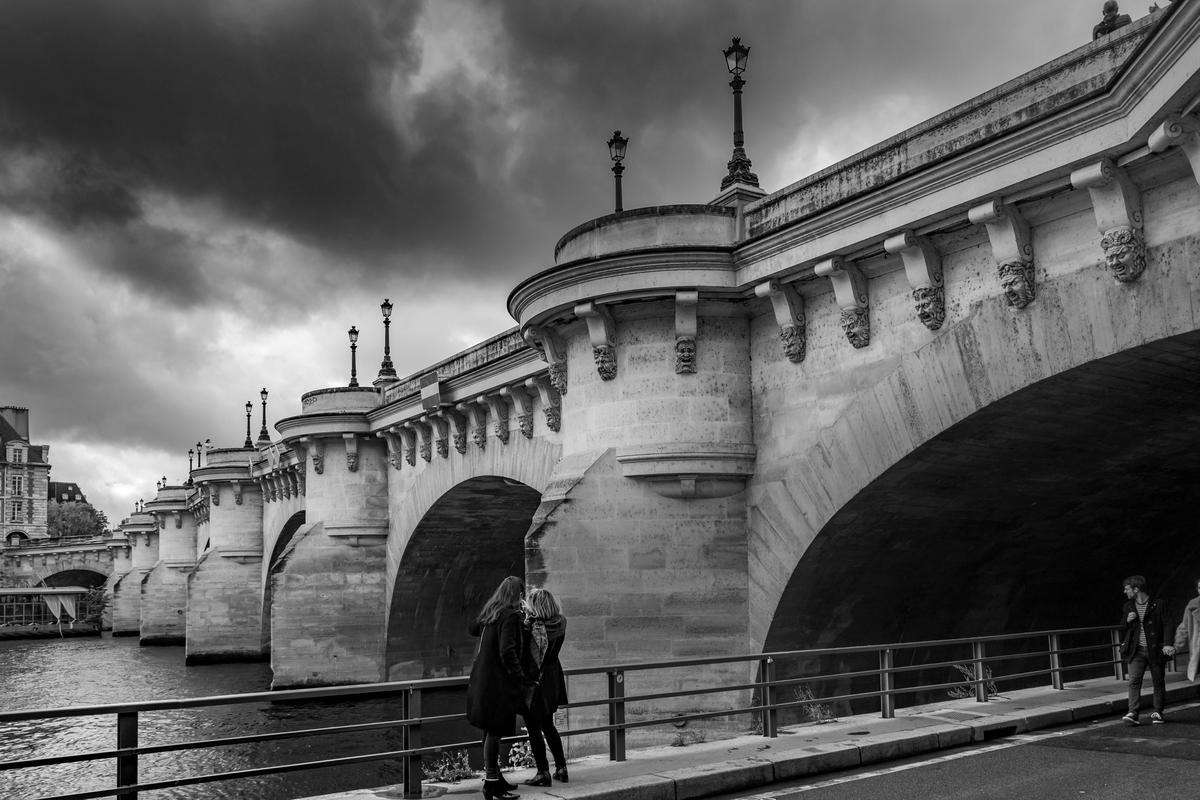
Pont Neuf
View on map
Audio Narrations
English
Introduction
The Pont Neuf, a majestic stone bridge spanning the Seine River in Paris, stands as the oldest existing bridge in the city. Constructed between 1578 and 1607, it was designed by Baptiste du Cerceau and Pierre des Illes, possibly incorporating an earlier design by Guillaume Marchand. The bridge's unique design, featuring two separate spans connecting the Île de la Cité to both banks of the Seine, has made it an architectural marvel. The Pont Neuf boasts an impressive length of 238 meters and a width of 20.50 meters, including a causeway of 11.50 meters and two pavements of 4.50 meters each. Its 12 arches symbolize the 12 countries that adopted the euro currency in 2002. One of the bridge's most striking features is its collection of 381 mascarons, or stone masks, adorning each pile. These intricate sculptures, attributed to Germain Pilon, depict forest and field divinities, satyrs, and sylvains, adding a touch of whimsy to the bridge's otherwise austere design. At the point where the bridge crosses the Île de la Cité, a bronze equestrian statue of King Henry IV stands proudly. Originally commissioned in 1614, the statue was destroyed during the French Revolution but later rebuilt in 1818. Throughout its history, the Pont Neuf has been a hub of Parisian life, attracting merchants, entertainers, and even charlatans. It has witnessed countless events, from the Corpus Christi processions to the unveiling of the first photograph featuring a human being. Today, the bridge remains a popular destination for tourists and locals alike, offering breathtaking views of the city and a glimpse into its rich past.Landmark of Paris
The Pont Neuf, a testament to architectural ingenuity, stands as a prominent landmark in the heart of Paris. Completed in 1607, it holds the distinction of being the oldest bridge in the city, spanning the Seine River with its two separate spans. Its name, meaning "New Bridge," ironically reflects its enduring legacy as the oldest. Unlike other bridges of its time, the Pont Neuf was designed without houses lining its sides, a feature that set it apart and contributed to its enduring appeal. The bridge's design incorporates several notable elements. Its two sections, one with five arches and the other with seven, were constructed at a slight angle to enhance their resilience against the river's currents. The decision to omit houses from the bridge was driven by King Henry IV's desire to preserve an unobstructed view of the Louvre Palace. This foresight has allowed the bridge to remain a popular spot for admiring the city's architectural marvels. Over the centuries, the Pont Neuf has witnessed countless historical events and cultural transformations. It has served as a stage for street performers, a gathering place for social commentary, and a backdrop for artistic inspiration. Its central location has made it a hub for both locals and tourists, who flock to its banks to soak in the Parisian ambiance. Today, the Pont Neuf stands as a symbol of Paris' rich history and architectural heritage. Its enduring charm and timeless design continue to captivate visitors, making it a beloved landmark and a must-see destination for anyone seeking to delve into the heart of the City of Lights.Historic Parisian Bridge
Pont Neuf, the oldest standing bridge in Paris, stands out as a testament to innovative bridge engineering and architectural prowess. Unlike its predecessors, Pont Neuf was the first bridge in Paris to be constructed without houses lining its sides, a design choice that set the standard for subsequent bridges. It was also the first to feature dedicated pedestrian walkways, protecting foot traffic from the bustling thoroughfare and muddy conditions. Pont Neuf's unique design extended to its structural elements. Its arches were built at a slight angle to enhance its resilience against the river's currents, a modification from the originally planned straight alignment. The bridge's construction spanned several decades, with interruptions due to political unrest and religious wars. Upon its completion in 1607, Pont Neuf became a hub for itinerant merchants, charlatans, and booksellers, who took advantage of its wide sidewalks and alcoves for their commercial activities. The bridge's 381 mascarons, grotesque sculptures adorning its stone brackets, added a touch of whimsy and served as a protective charm against evil spirits. Today, Pont Neuf remains a beloved Parisian landmark, its historical significance and architectural beauty attracting visitors from around the world. Its enduring legacy as a Historic Parisian Bridge is a testament to the ingenuity and foresight of its creators, who shaped the course of bridge design in the city and beyond.
6
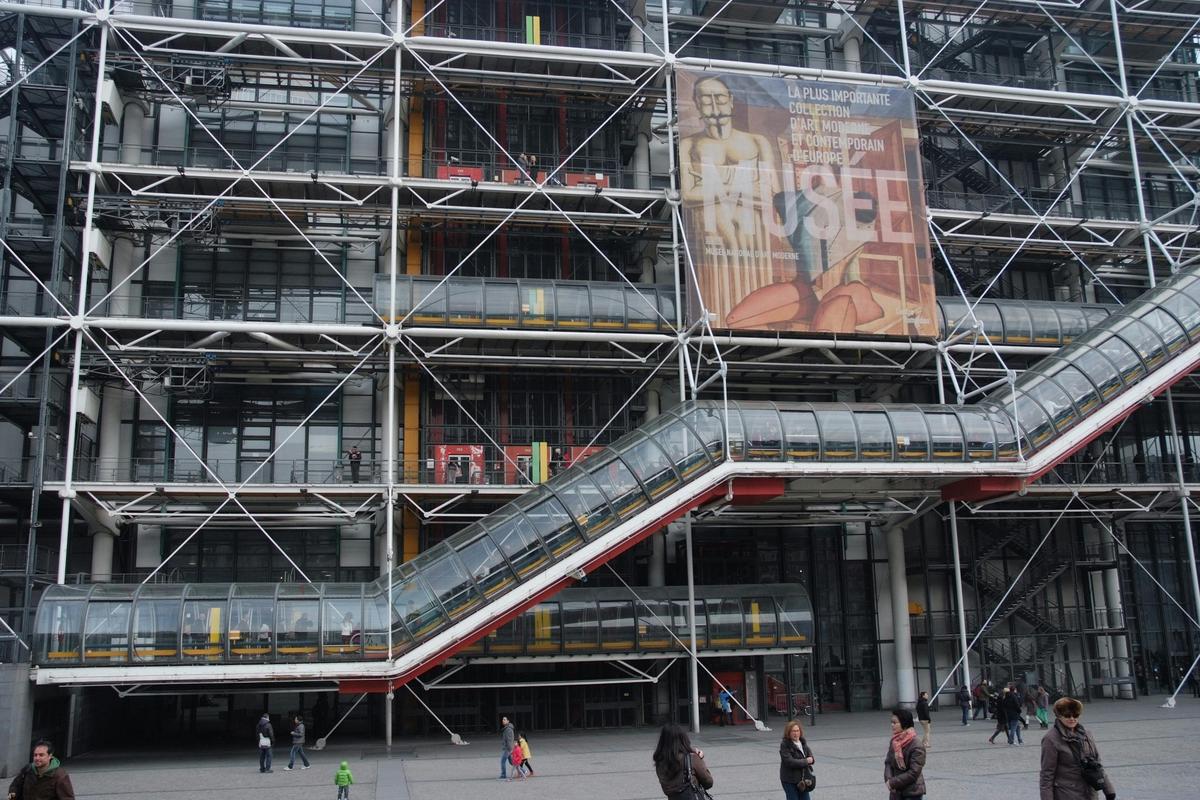
The Centre Pompidou
View on map
Audio Narrations
English
Introduction
The Centre Pompidou, an architectural marvel in the heart of Paris, is a complex that houses the Musée National d'Art Moderne, the largest museum for modern art in Europe. Designed by Renzo Piano and Richard Rogers, the building's distinctive exterior features exposed structural elements painted in vibrant colors, earning it the nickname "Beaubourg." The museum boasts an extensive collection of 20th and 21st-century art, including masterpieces by Picasso, Matisse, and Kandinsky. In addition to its art collection, the Centre Pompidou also hosts exhibitions, film screenings, and concerts, making it a vibrant hub for cultural exploration.Contemporary Art Center
The Centre Pompidou, an architectural marvel in the heart of Paris, stands as a beacon of contemporary art. Its unconventional design, with its exposed structural elements and colorful piping, reflects the avant-garde spirit of the art it houses. The Musée National d'Art Moderne, the largest museum for modern art in Europe, calls the Centre Pompidou home. Its vast collection spans the 20th and 21st centuries, showcasing masterpieces from Picasso, Matisse, and Kandinsky to Warhol, Pollock, and Koons. The Centre Pompidou also boasts a renowned library, the Bibliothèque publique d'information, offering an extensive collection of art-related literature and resources. It is a hub for exhibitions, performances, and educational programs, fostering a vibrant and dynamic contemporary art scene. The Centre Pompidou's commitment to pushing boundaries and showcasing the latest trends in art makes it a must-visit destination for any enthusiast seeking an immersive experience in the realm of contemporary art.International Expansion
The Centre Pompidou's international expansion strategy has seen the establishment of satellite museums and partnerships worldwide. In 2015, a temporary outpost, "The Cube," was unveiled in Málaga, Spain, showcasing a rotating collection of 20th and 21st-century works. The Centre Pompidou also has a presence in Brussels, where it operates KANAL - Centre Pompidou, a multidisciplinary art center housed in a former Citroën garage. In Asia, the Centre Pompidou has partnered with the West Bund Art Museum in Shanghai, China, to establish the Centre Pompidou x West Bund Museum. This collaboration features exhibitions curated by the Centre Pompidou and highlights works from its collection. The Centre Pompidou's global reach extends to North America, with plans for a satellite museum in Jersey City, New Jersey, set to open in 2024. This outpost will mark the Centre Pompidou's first presence in the United States. The Centre Pompidou's international expansion not only extends its reach but also fosters cultural exchange and promotes the appreciation of modern and contemporary art on a global scale.
Experience the Full Tour
Download the DocentPro app to access all tour stops, complete audio narrations in multiple languages, offline maps, and interactive features.