
2024 Paris Olympics Special: Experience Venues

Walking Tour

7.6 km (4.7 miles)

1h 52min travel time

6 Stops

Paris, France
2024 Paris Olympics Special: Experience Venues
Tour Stops
1
Place de la Concorde
View on map
Site for Basketball, Breaking, Cycling, and Skateboarding
Audio Narrations
Italian
Introduzione
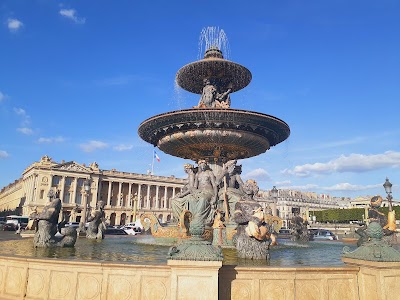
Place de la Concorde, una delle piazze pubbliche più grandi e storiche di Parigi, è destinata a diventare un fulcro centrale per i Giochi Olimpici del 2024. Questa iconica piazza ospiterà eventi come basket, breakdance, ciclismo e skateboard. La sua posizione, circondata dalla splendida architettura parigina e da monumenti storici, offre uno sfondo unico e vibrante per gli sport moderni. L'energia frenetica di Place de la Concorde, unita all'eccitazione degli eventi olimpici, creerà un'esperienza indimenticabile per atleti e spettatori.Storia
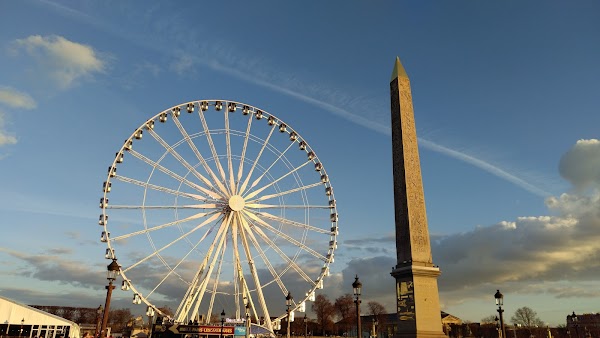
La Place de la Concorde era originariamente chiamata Place Louis XV in onore del re, ma fu poi rinominata Place de la Révolution durante la Rivoluzione francese. Divenne tristemente famosa come il luogo in cui re Luigi XVI, Maria Antonietta e molti altri furono ghigliottinati. Dopo la rivoluzione, la piazza fu rinominata Place de la Concorde per simboleggiare pace e riconciliazione. Oggi, è una testimonianza della ricca e turbolenta storia di Parigi, caratterizzata dalle sue splendide fontane, statue e dall'imponente Obelisco di Luxor, un dono dall'Egitto.Origine e sport
Fin dalle prime fasi di candidatura ai Giochi, Parigi 2024 ha puntato a far svolgere gli sport urbani nel loro ambiente naturale, lontano dagli stadi tradizionali, proprio nel cuore della città. Place de la Concorde illustra perfettamente questa visione trasformandosi in un'arena all'aperto. L'Agenda Olimpica 2020 del CIO del 2014 ha consentito l'aggiunta di sport moderni e spettacolari, portando Parigi 2024 a includere breaking, skateboard, BMX freestyle e basket 3X3.
2
Grand Palais
View on map
Fencing and Taekwondo
Audio Narrations
English
Introduction
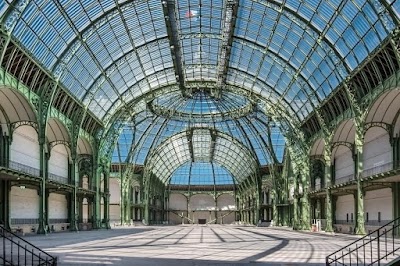
The Grand Palais, an architectural marvel with its magnificent glass dome and Beaux-Arts design, is a prime venue for the 2024 Olympics, hosting fencing and taekwondo events. This iconic building, situated in the heart of Paris, provides a grand and elegant setting for these precise and disciplined sports. The combination of historical architecture and modern athletic competition creates a unique and captivating atmosphere for athletes and spectators.History
Constructed for the 1900 Exposition Universelle, the Grand Palais has served various roles over the years, from an exhibition hall to a military hospital during World War I. Its grandeur and versatility have made it a significant cultural and historical landmark in Paris. The building’s majestic façade and expansive interior have hosted countless notable events, ranging from art exhibitions to fashion shows, and now, the Olympic Games.Origin and Sports
Selected for its historical significance and architectural splendor, the Grand Palais will host fencing and taekwondo during the 2024 Olympics. The venue’s spacious interior and striking design make it an ideal location for these sports, providing an impressive environment for competitors. Built with over 6,000 tonnes of steel, its glass roof and elegant structure are renowned worldwide. The Grand Palais has hosted the World Fencing Championships and numerous prestigious exhibitions. Following its restoration, it will continue to be a cultural hub, reopening in spring 2025. This legacy of blending art, culture, and sport underscores the Grand Palais’s role in both the 2024 Olympics and Paris’s ongoing cultural heritage, making it a focal point for international visitors.
3
Pont Alexandre III
View on map
Triathlon, Cycling, and Aquatics
Audio Narrations
English
Introduction
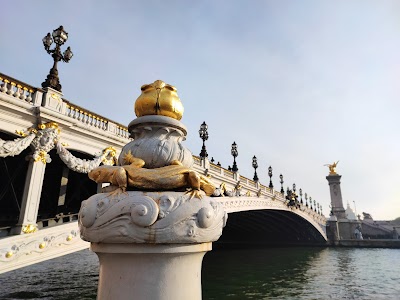
Pont Alexandre III, one of Paris’s most beautiful and iconic bridges, will host triathlon, cycling, and aquatic events during the 2024 Olympics. This elegant bridge, adorned with stunning sculptures and Art Nouveau lamps, offers a spectacular setting for these dynamic sports. The picturesque views of the Seine and the surrounding landmarks provide an unforgettable backdrop for athletes and spectators, blending the excitement of the Olympics with the charm of Parisian architecture.History
Completed in 1900 for the Exposition Universelle, Pont Alexandre III was named to honor Tsar Alexander III of Russia. The bridge symbolizes Franco-Russian friendship and is renowned for its architectural beauty and structural ingenuity. It features elaborate sculptures of nymphs, cherubs, and winged horses, representing the arts, sciences, and commerce. Over the years, the bridge has become a beloved landmark in Paris, celebrated for its elegance and historical significance.Origin and Sports
Chosen for its central location and aesthetic appeal, Pont Alexandre III will host triathlon, cycling, and aquatic events. The bridge’s wide spans and scenic surroundings make it an ideal venue for these physically demanding sports. This site underscores Paris’s ability to integrate historical landmarks into the modern spectacle of the Olympics. During the Games, Pont d’Iéna will be fully outfitted with overlay facilities to accommodate spectators and enhance the athlete experience. Trocadéro will offer exceptional viewing platforms for triathlon, road cycling, and athletics events. The 2024 Games continue the tradition of using the Seine for water sports, bridging past and present Olympic experiences.
4
Hôtel des Invalides
View on map
Cycling, Athletics, and Archery
Audio Narrations
English
Introduction
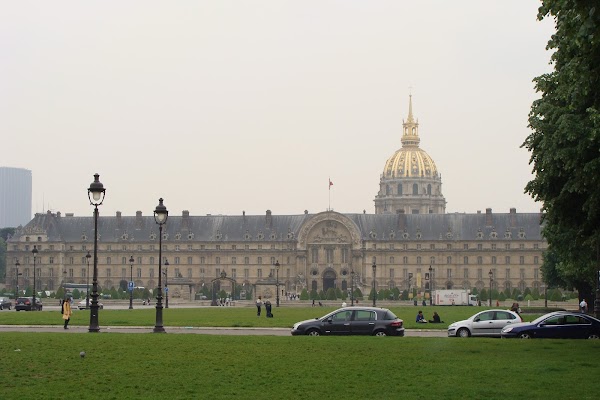
Hôtel des Invalides, a grand complex with a rich military history, serves as a majestic venue for cycling, athletics, and archery during the 2024 Olympics. This historical site provides a unique and impressive backdrop for these diverse sports, blending the past with the present. The expansive grounds and iconic architecture of Hôtel des Invalides create a visually stunning environment that enhances the Olympic experience for athletes and spectators alike.History
Established by Louis XIV in 1670 as a hospital and home for war veterans, Hôtel des Invalides includes museums and monuments related to France’s military history. The complex is also the final resting place of Napoleon Bonaparte, adding to its historical significance. Over the centuries, Hôtel des Invalides has played a crucial role in French history, serving as a symbol of the country’s military might and dedication to its veterans.Origin and Sports
Selected for its historical and cultural significance, Hôtel des Invalides will host cycling, athletics, and archery events. Its expansive esplanades and iconic architecture provide an ideal setting for these competitions. The Esplanade des Invalides will be the stage for the archery and para archery events, characterized by its north-south orientation and flanked by rows of trees. This location at the heart of Paris promises a unique experience for athletes and spectators. The venue’s temporary nature for the Olympic and Paralympic Games ensures that while it will transform into a dynamic sports arena, it will retain its historical charm. Post-Games, Hôtel des Invalides will continue to be a preferred leisure destination for Parisians and tourists, preserving its legacy as a site of historical and cultural importance.
5
Grand Palais Éphémère
View on map
Judo and Wrestling
Audio Narrations
English
Introduction
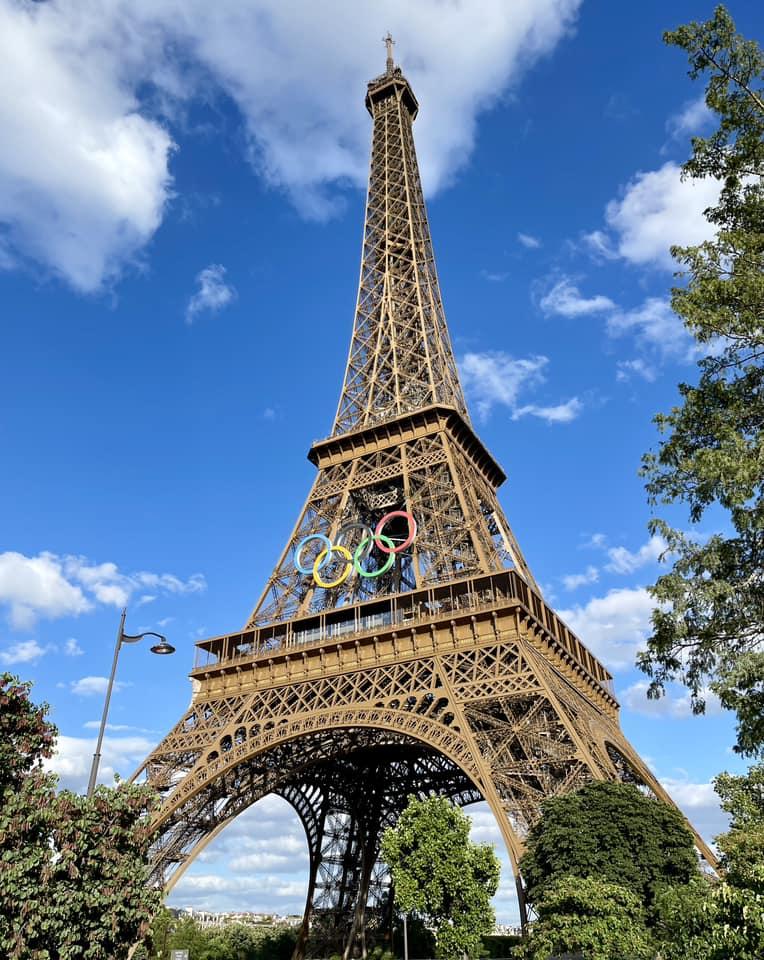
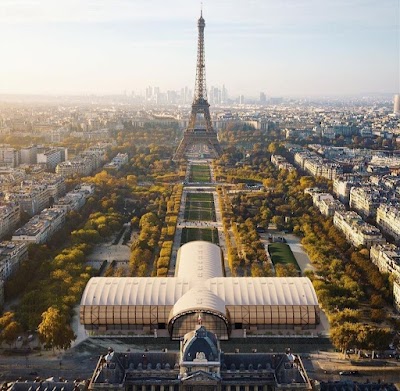
Arena Champ-de-Mars, situated near the Eiffel Tower, is set to host judo and wrestling events during the 2024 Olympics. This location provides a spectacular setting for these intense and strategic sports, combining the excitement of athletic competition with the iconic beauty of Paris. The proximity to the Eiffel Tower adds a dramatic flair to the events, making Arena Champ-de-Mars a prime venue for Olympic spectators.History
The Champ-de-Mars has a long history as a public green space and has hosted numerous significant events, including World Fairs and military parades. Originally a parade ground for the French military, it has evolved into a popular recreational area for both locals and tourists. The wide, open spaces of the Champ-de-Mars have made it an ideal location for large public gatherings, from national celebrations to cultural festivals.Origin and Sports
Designed by architect Jean-Michel Wilmotte, the temporary Arena Champ-de-Mars will host judo and wrestling while work is carried out on the Grand Palais. Built with sustainable materials and harmonious aesthetics reflecting the Grand Palais, this 10,000 sqm structure blends seamlessly into the urban landscape. After the Games, the facility will be dismantled and potentially reused elsewhere, ensuring no lasting trace of the Olympic or Paralympic events remains. The choice of this venue highlights Paris’s commitment to integrating historical landmarks with contemporary sports, providing a fitting stage for these ancient and intense competitions.
6
Trocadéro Gardens
View on map
Athletics and Cycling Road
Audio Narrations
English
Introduction
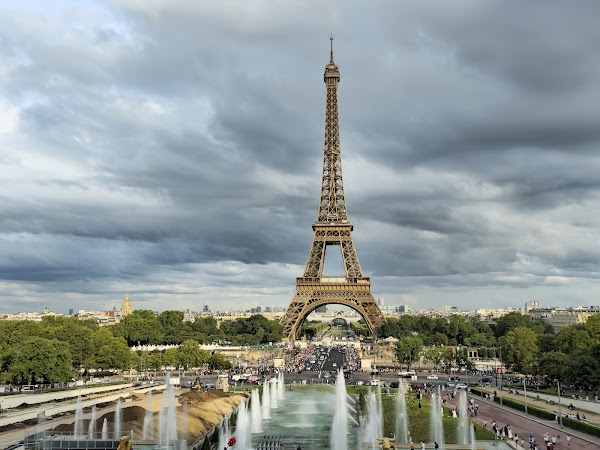
The Jardins du Trocadéro, located directly across from the Eiffel Tower, is an iconic setting for the 2024 Olympics, hosting athletics events such as race walking, decathlon, hammer throw qualification, and high jump, as well as cycling road races. This picturesque location offers athletes and spectators breathtaking views of Paris’s most famous landmark, combining natural beauty with the excitement of Olympic competition.History
The Jardins du Trocadéro were created for the 1937 Exposition Internationale, designed by architect Roger-Henri Expert. The gardens, known for their beautiful fountains, sculptures, and expansive green spaces, have become a popular spot for both locals and tourists. Over the years, the Trocadéro has hosted numerous cultural events and public gatherings, making it a significant and beloved part of Parisian life.Origin and Sports
Chosen for its scenic views and expansive layout, the Jardins du Trocadéro will host athletics and cycling road events. The proximity to the Eiffel Tower provides a stunning backdrop, enhancing the overall spectator experience. Trocadéro and the Eiffel Tower face one another in one of Paris’ most iconic landmarks, dedicated to multiple events and activities to celebrate the Games. Pont d’Iéna will be outfitted with facilities to accommodate spectators, offering a unique experience for athletes. Post-Games, the Trocadéro will continue to be a preferred spot for cultural and recreational activities, maintaining its legacy as a central and beloved Parisian landmark.
Experience the Full Tour
Download the DocentPro app to access all tour stops, complete audio narrations in multiple languages, offline maps, and interactive features.