
London: A Timeless Tapestry of History, Culture, and Fun

Walking Tour

2.2 km (1.3 miles)

31 min travel time

9 Stops

London, United Kingdom
London: A Timeless Tapestry of History, Culture, and Fun
Tour Stops
1
Buckingham Palace
View on map
Audio Narrations
Introduction
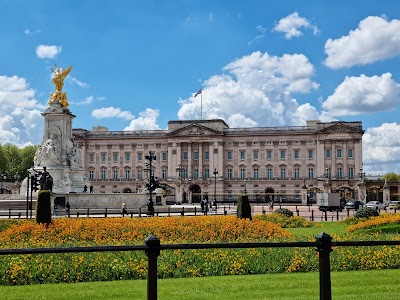
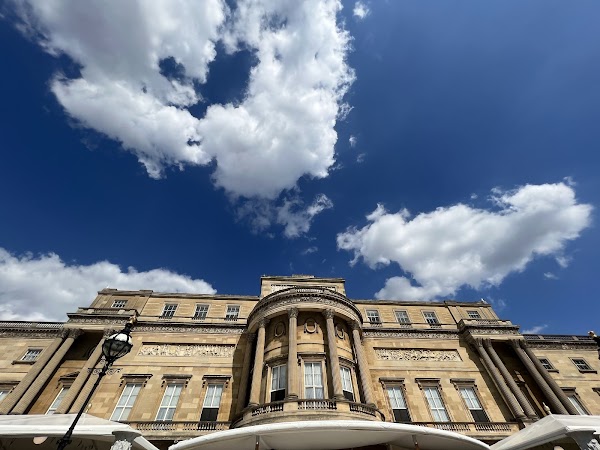
Buckingham Palace, the official London residence of the British monarch, is a grand palace with a rich history and architectural significance. Located in the heart of Westminster, it boasts 775 rooms, including 19 grand state rooms, 52 principal bedrooms, and 188 staff bedrooms. The palace's iconic façade, designed by John Nash and Edward Blore, features a central balcony from which the royal family traditionally greets the public. Its interior is adorned with exquisite works of art from the Royal Collection, including paintings by Rembrandt, van Dyck, and Vermeer. Buckingham Palace is not only a symbol of the British monarchy but also a popular tourist attraction, with its State Rooms open to the public during the summer months.State Rooms
Buckingham Palace, the official London residence of the British monarch, boasts 19 magnificent State Rooms that offer a glimpse into the grandeur and history of the monarchy. These rooms, open to the public during the summer months, are adorned with priceless treasures from the Royal Collection, including paintings by Rembrandt, Rubens, and Van Dyck. The centerpiece of the State Rooms is the Music Room, with its exquisite parquet floor and a grand piano that has graced countless royal performances. The Blue Drawing Room, known for its cobalt blue silk walls and ornate ceiling, serves as a reception room for guests attending state banquets and other formal events. The White Drawing Room, the largest of the State Rooms, features a spectacular crystal chandelier and is used for official receptions and ceremonies. The Throne Room, perhaps the most iconic of the State Rooms, is where the monarch receives guests during official ceremonies. It houses the magnificent Throne Chairs, crafted for the coronation of Queen Elizabeth II and Prince Philip in 1953. The Green Drawing Room, with its verdant silk walls and intricate plasterwork, is where guests gather before being presented to the monarch. Exploring the State Rooms of Buckingham Palace is an unforgettable experience, offering a rare opportunity to witness the splendor and heritage of the British monarchy. From the opulent furnishings to the priceless artwork, each room tells a captivating story of royal history and tradition.Ceremonial Occasions
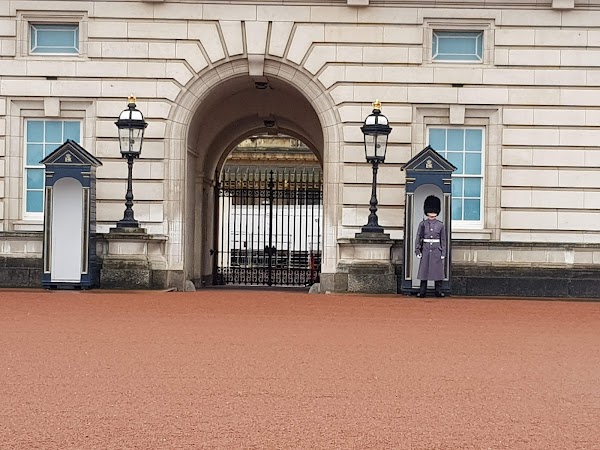
Buckingham Palace, the iconic London residence of the British monarch, plays a central role in the United Kingdom's ceremonial calendar. Throughout the year, the palace hosts a variety of spectacular events that showcase the rich traditions and pageantry of the British monarchy. One of the most famous ceremonies is the Changing of the Guard, which takes place outside Buckingham Palace every Monday, Wednesday, Friday, and Sunday. This colorful spectacle involves the handover of duties between the Old Guard and the New Guard, accompanied by marching bands and the iconic bearskin hats of the Foot Guards. Another highlight is the annual Trooping the Colour, held on the second Saturday of June. This grand parade celebrates the monarch's official birthday and features over 1,400 soldiers, 200 horses, and 400 musicians. The Queen traditionally takes the salute from the balcony of Buckingham Palace, watched by thousands of spectators. For those seeking a more intimate experience, the State Rooms of Buckingham Palace are open to the public during the summer months. These opulent rooms, used for official receptions and ceremonies, offer a glimpse into the grandeur and history of the palace. Visitors can admire priceless works of art, exquisite furniture, and the magnificent Throne Room, where the monarch holds investitures and other important ceremonies. Buckingham Palace also hosts special events throughout the year, such as garden parties, state banquets, and royal weddings. These occasions provide a rare opportunity to witness the palace's ceremonial splendor and the traditions that have been passed down through centuries.
2
Victoria Memorial
View on map
Audio Narrations
Introduction
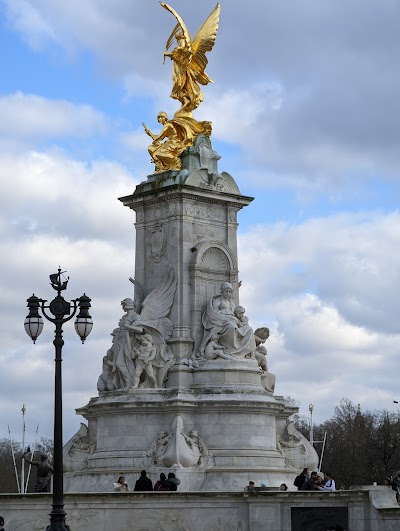
The Victoria Memorial, situated prominently before Buckingham Palace, is more than a mere monument; it's a complex allegorical sculpture. Sir Thomas Brock's design features a gilded bronze Winged Victory atop a marble pylon, symbolizing triumph. Below, Queen Victoria sits enthroned, facing The Mall, embodying her imperial power. What's often overlooked are the surrounding figures representing Courage, Truth, and Charity, each sculpted with distinct characteristics. The entire structure is crafted from 2,300 tons of white Carrara marble, a material chosen for its purity and association with classical sculpture. Interestingly, the memorial was unveiled in 1911, a decade after Victoria's death, and funded entirely by public subscription, demonstrating the widespread affection for the late Queen. The fountains at its base, though seemingly decorative, are integral to the allegorical scheme, representing the civilizing influence of British rule spreading across the globe. The memorial's strategic placement ensures it serves as a focal point, framing the palace and emphasizing the monarchy's enduring presence.Iconographic Symbolism
The Victoria Memorial's iconographic program celebrates Queen Victoria through carefully chosen symbols and allegorical figures. At the apex, a gilded bronze Winged Victory stands on a globe, holding a victor's palm, symbolizing triumph and global reach. Beneath Victory, personifications of Constancy, with a compass pointing north, and Courage, holding a club, represent key virtues. Eagles with outspread wings embody Empire, while statues of Queen Victoria, Motherhood, Justice, and Truth represent her qualities and ideals. Sculptor Thomas Brock explained that the Queen's statue faces the city, flanked by Truth and Justice, reflecting her pursuit of these principles. Motherhood symbolizes her love for her people. The memorial's nautical theme, evident in mermaids, mermen, and hippogriffs, alludes to the United Kingdom's naval power. At the monument's corners, bronze figures with lions represent Peace, Progress, Agriculture, and Manufacture, each embodying aspects of Victorian society. The inclusion of figures representing Agriculture and Manufacture, with inscriptions noting "THE GIFT OF NEW ZEALAND," acknowledges colonial contributions. The memorial aimed to fuse Victoria's personal virtues with the nation's achievements, creating a space for processions and ritual events. The layers of symbolism celebrate Victoria's role and personal character, while also reflecting how she was assimilated into narratives of nationhood and imperialism.Architectural Design
Designed in 1901 by Sir Thomas Brock, the Victoria Memorial stands as the centerpiece of an ambitious urban planning scheme that included Queen’s Gardens and the refacing of Buckingham Palace by Sir Aston Webb. The memorial's central pylon is constructed of Pentelic marble, while the individual statues are crafted from Lasa marble and gilt bronze. The Victoria Memorial weighs 2,300 tonnes and has a diameter of 32 meters. Competing architectural designs for the memorial included proposals from Ernest George and Thomas Jackson, each envisioning a Roman colonnade surrounding Brock’s statuary. George’s design altered Brock’s fountains, placing them north and south of the central memorial, and enclosed the statue of Victoria with a semicircular screen featuring a double colonnade. Jackson’s plan similarly used a colonnade to enclose the memorial space, incorporating ornamental parterres symbolizing South Africa, Canada, India, and Australasia. Ultimately, Aston Webb’s plans were chosen, featuring a semicircular peristyle with domed gateways. Webb’s design included ornamental lakes and new entrances from Constitution Hill and Buckingham Palace Road. A stone arcade in front of the palace was intended to form the backdrop to the memorial, with a domed roof added above the central entrance of the palace. The Mall was widened into a grand processional road, featuring allegorical statues representing Britain’s colonies.
3
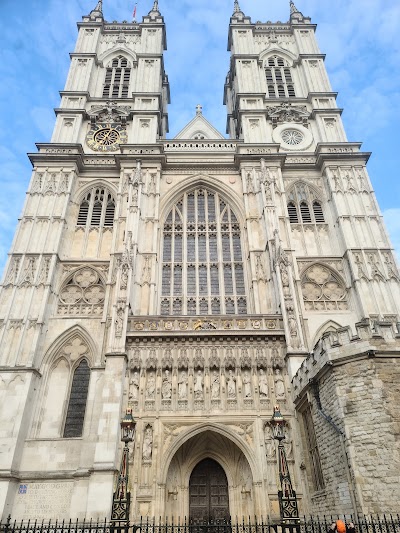
Westminster Abbey
View on map
Audio Narrations
Introducción
La Abadía de Westminster, una magnífica obra maestra gótica en el corazón de Londres, se erige como un testimonio de siglos de historia británica y brillantez arquitectónica. Su intrincada silueta, una mezcla de estilos normando, inglés temprano y perpendicular, ha simbolizado la monarquía, la religión y el poder desde su inicio. El interior de la abadía cuenta con un impresionante techo abovedado en abanico, adornado con 95 estatuas de santos, y sus paredes están adornadas con intrincadas tallas y pinturas. La Capilla de Enrique VII, una obra maestra de la arquitectura gótica perpendicular tardía, alberga las tumbas de Enrique VII e Isabel de York. Más de 3300 figuras notables están enterradas o conmemoradas dentro de los sagrados salones de la abadía, incluyendo monarcas, estadistas, científicos y gigantes literarios. El Rincón de los Poetas, una sección renombrada de la abadía, es el lugar de descanso final de luminarias literarias como Chaucer, Shakespeare y Dickens. La Abadía de Westminster sigue siendo una institución viva y palpitante, que alberga coronaciones, bodas reales y servicios de culto diarios, mientras que su belleza atemporal continúa cautivando a visitantes de todo el mundo.Arquitectura Gótica
La Abadía de Westminster, un magnífico edificio en Londres, se erige como un testimonio de la grandeza de la arquitectura gótica. Su construcción, que abarcó desde 1245 hasta 1517, exhibe los elementos esenciales de este estilo. La imponente nave, la más alta de Inglaterra, es un espectáculo impresionante, sostenida por intrincados arbotantes que distribuyen el peso de la estructura. Los arcos apuntados y las bóvedas de crucería crean una atmósfera etérea, mientras que las vidrieras proyectan un caleidoscopio de colores sobre el interior. La fachada oeste de la abadía, diseñada por Henry Yevele, ejemplifica el estilo gótico perpendicular, caracterizado por su elaborada tracería y su énfasis vertical. La Capilla de Enrique VII, una adición posterior, cuenta con un techo de bóveda de abanico e intrincados detalles Tudor, que combinan influencias góticas y renacentistas. La arquitectura gótica de la Abadía de Westminster no solo refleja el fervor religioso del período medieval, sino que también encarna la destreza artística y técnica de su tiempo.Lugar de Entierro de Monarcas
La Abadía de Westminster, una magnífica maravilla arquitectónica en Londres, tiene un profundo significado como el lugar de descanso final de numerosos monarcas británicos. Desde la coronación de Guillermo el Conquistador en 1066, la Abadía ha sido testigo de los entierros de 30 reyes y reinas, cuyos reinados abarcan siglos de historia inglesa. Entre los monarcas más notables enterrados dentro de sus sagrados salones se encuentran Eduardo el Confesor, Enrique III e Isabel I. Sus elaboradas tumbas y efigies adornan la Abadía, ofreciendo una visión de las vidas y los legados de estos venerados gobernantes. La Capilla de la Virgen de la Abadía, un impresionante ejemplo de arquitectura gótica, sirve como lugar de entierro para varios monarcas, incluidos Enrique VII e Isabel de York. Su magnífica tumba, adornada con intrincadas tallas y efigies de bronce dorado, es un testimonio de su perdurable legado. El Rincón de los Poetas de la Abadía, un espacio sagrado dedicado a los gigantes literarios, también alberga los restos de monarcas como Jacobo I y su hija Isabel, Reina de Bohemia. El papel de la Abadía de Westminster como cementerio de monarcas se extiende más allá de la época medieval. En 1760, Jorge II se convirtió en el último monarca en ser enterrado dentro de sus muros. Sin embargo, la conexión de la Abadía con la realeza continúa hasta el día de hoy, con servicios conmemorativos y bodas reales que adornan sus sagrados salones. La combinación única de esplendor arquitectónico y significado histórico de la Abadía la convierte en un destino cautivador para aquellos que buscan profundizar en el rico tapiz de la monarquía británica.
4
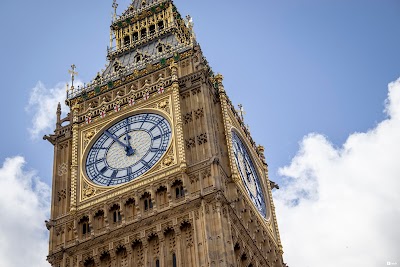
Big Ben
View on map
Audio Narrations
Introducción
El Big Ben, la emblemática torre del reloj del Palacio de Westminster en Londres, se erige como un símbolo de la democracia parlamentaria británica. Su nombre oficial, Torre Elizabeth, le fue otorgado en 2012 para honrar el Jubileo de Diamante de la Reina Isabel II. La torre, diseñada por Augustus Pugin en estilo neogótico, alberga la Gran Campana, conocida cariñosamente como Big Ben. Fundida en 1858, la campana de 13,5 toneladas toca la hora con un resonante tono Mi natural. Junto con la Gran Campana, cuatro campanas de cuarto tocan los Cuartos de Westminster en los cuartos de hora. El mecanismo del reloj, diseñado por Edmund Beckett Denison, es famoso por su precisión, con ajustes realizados añadiendo o quitando peniques predecimales del péndulo. El Big Ben se ha convertido en un icono cultural, apareciendo en innumerables películas y programas de televisión como símbolo de Londres y del Reino Unido.Torre de Westminster
La Torre de Westminster, una destacada obra maestra arquitectónica, es famosa por su icónica torre del reloj, que alberga la colosal campana conocida como Big Ben. Esta majestuosa torre, que se alza a 96 metros de altura, es una parte integral del Palacio de Westminster, la sede del Parlamento británico. Su diseño neogótico, concebido por Augustus Pugin, complementa la grandeza del palacio, convirtiéndola en un hito cautivador. La torre del reloj, inicialmente llamada Clock Tower, fue renombrada Elizabeth Tower en 2012 para honrar el Jubileo de Diamante de la Reina Isabel II. Sus cuatro esferas de reloj, cada una con un diámetro de 6,9 metros, están meticulosamente elaboradas con secciones de hierro fundido y adornadas con 324 piezas de vidrio opalescente. Las esferas, inicialmente iluminadas con lámparas de gas, han sido iluminadas eléctricamente desde principios del siglo XX. El intrincado mecanismo del reloj, diseñado por Edmund Beckett Denison y George Airy, es un testimonio de la destreza de la ingeniería victoriana. Su escape de gravedad doble de tres patas garantiza una precisión excepcional, manteniendo la hora con una exactitud de unos pocos segundos por semana. El péndulo del reloj, con su pila de monedas de penique predecimales, permite ajustes precisos de la hora. La Gran Campana, conocida cariñosamente como Big Ben, es la campana más grande de la torre. Con un peso de 13,7 toneladas, produce una resonante nota de Mi natural que resuena en todo Westminster. Junto con Big Ben, cuatro campanas de cuarto más pequeñas suenan cada 15 minutos, creando la melodía distintiva de la torre. La resistencia de la torre es evidente en su capacidad para resistir eventos históricos. Durante la Segunda Guerra Mundial, las bombas alemanas dañaron la cámara de la Cámara de los Comunes, pero la Elizabeth Tower permaneció en gran parte intacta, y Big Ben continuó sonando durante todo el Blitz. Hoy en día, la Elizabeth Tower se erige como un símbolo del patrimonio británico y la democracia parlamentaria. Sus características arquitectónicas únicas, su intrincada relojería y el sonido icónico de Big Ben la convierten en un hito querido, que atrae a visitantes de todo el mundo.Mecanismo del Reloj
En el corazón del Big Ben reside una obra maestra de la relojería, el escape de gravedad de doble pata, una creación de Edmund Beckett Denison. Este ingenioso mecanismo aísla el péndulo de las influencias externas, garantizando una precisión sin igual. Los "brazos de gravedad" con peso del escape previenen eficazmente que el viento u otras perturbaciones afecten el ritmo del reloj. Otra característica notable es el péndulo de compensación de temperatura de 4,5 metros de largo. Construido con tubos concéntricos de zinc y acero, contrarresta las fluctuaciones de temperatura que de otro modo podrían alterar la longitud del péndulo y comprometer la medición del tiempo. El diseño del péndulo asegura que el Big Ben permanezca firme, sin verse afectado por los caprichos del clima. La fiabilidad del reloj se ve reforzada aún más por su dedicado equipo de relojeros, que mantienen y ajustan meticulosamente el mecanismo. Dan cuerda a los tres enormes pesos que impulsan los trenes del reloj, una tarea que requiere una ardua subida por los 334 escalones en espiral de la torre. Se realizan pequeños ajustes en la velocidad del péndulo añadiendo o quitando peniques predecimales, y cada penique altera el ritmo del reloj en dos quintos de segundo por día. El próximo proyecto de restauración brindará una rara oportunidad para un examen exhaustivo del mecanismo del reloj. Las esferas se retirarán para su reparación, mientras que los relojeros inspeccionarán y restaurarán meticulosamente cada componente, asegurando que el Big Ben continúe marcando las horas con una precisión inquebrantable durante generaciones venideras.
5
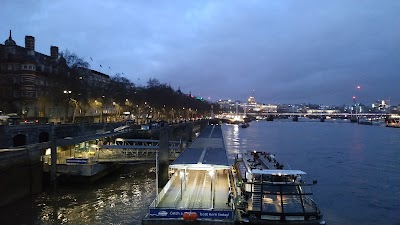
Westminster Millennium Pier
View on map
6
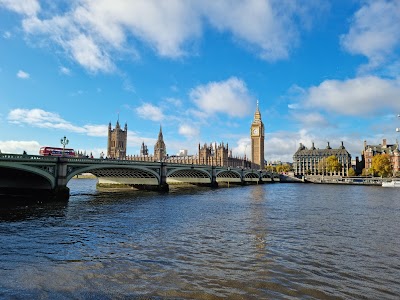
Westminster Bridge
View on map
7
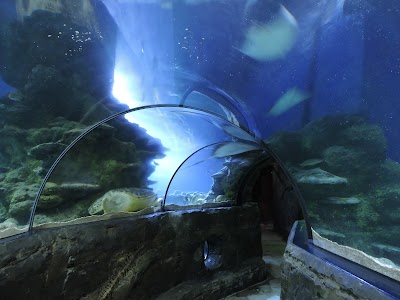
SEA LIFE London Aquarium
View on map
Audio Narrations
Introduction
SEA LIFE London Aquarium, nestled in the heart of London, is a captivating underwater sanctuary that transports visitors to the depths of the ocean. Home to over 500 species from every corner of the globe, the aquarium boasts 14 themed zones spread across three floors. Immerse yourself in the Pacific Shipwreck, where you'll come face-to-face with an array of shark species. Marvel at the UK's largest living Coral Reef, teeming with vibrant clownfish, blue tangs, and sea goldies. Discover the playful antics of penguins in the Antarctic zone and witness the graceful movements of jellyfish in the mesmerizing Ocean Tunnel. SEA LIFE London Aquarium offers an unforgettable experience for all ages, providing a glimpse into the wonders of the marine world.World-Class Aquarium
SEA LIFE London Aquarium, a world-renowned destination for marine enthusiasts, stands as a testament to the wonders of the underwater realm. As a world-class aquarium, it boasts an unparalleled collection of over 400 species, including majestic sharks, playful penguins, and vibrant tropical fish. Its immersive exhibits transport visitors to diverse marine ecosystems, from the depths of the Atlantic Ocean to the vibrant coral reefs of the Pacific. One of the highlights of SEA LIFE London Aquarium is its awe-inspiring shark tank, home to various shark species, including the formidable tiger shark and the graceful nurse shark. Visitors can marvel at these apex predators as they glide effortlessly through the water, gaining a deeper understanding of their behavior and ecological importance. Beyond its impressive marine life collection, SEA LIFE London Aquarium is renowned for its commitment to conservation and education. Through interactive displays and engaging talks, visitors learn about the threats facing marine environments and the crucial role aquariums play in protecting and preserving these fragile ecosystems. The aquarium's dedication to providing an exceptional visitor experience is evident in its state-of-the-art facilities and knowledgeable staff. Visitors can embark on a self-guided tour, immersing themselves in the wonders of the underwater world at their own pace. Alternatively, they can join guided tours led by expert marine biologists, gaining exclusive insights into the aquarium's inhabitants and conservation efforts. SEA LIFE London Aquarium is not merely an entertainment destination; it is a sanctuary for marine life and a hub for marine conservation. Its world-class exhibits, educational programs, and commitment to protecting the oceans make it a must-visit destination for anyone passionate about the wonders of the underwater world.Educational Value
SEA LIFE London Aquarium, renowned as England's largest aquarium, offers an exceptional educational experience for visitors of all ages. Its 14 immersive zones, spread across three floors, provide a comprehensive journey through diverse marine ecosystems. The aquarium's interactive exhibits and knowledgeable staff engage visitors in hands-on learning, fostering a deep understanding of marine life. Educational programs tailored for school groups and families delve into marine biology, conservation, and environmental stewardship. Guided tours led by marine experts offer exclusive insights into the fascinating creatures that inhabit the aquarium, including sharks, penguins, and sea turtles. Visitors can witness live feedings and participate in interactive Q&A sessions, gaining firsthand knowledge from experts in the field. Beyond its exhibits, SEA LIFE London Aquarium actively supports conservation initiatives and research programs. Its partnership with the Marine Conservation Society empowers visitors to contribute to marine conservation efforts. The aquarium's commitment to education extends beyond its walls, with outreach programs that bring marine science to schools and communities, inspiring future generations of ocean advocates.
8
The London Dungeon
View on map
Audio Narrations
Introduction
The London Dungeon is a thrilling attraction that transports visitors back to London's perilous past. It features a cast of theatrical actors, special effects, and immersive sets that bring to life notorious characters like Jack the Ripper and Sweeney Todd. Visitors embark on a journey through 1000 years of history, encountering scenes of the Great Fire of London, the Black Death, and the Gunpowder Plot. The experience includes interactive shows, a free-fall ride simulating a public hanging, and a labyrinthine maze evoking the fear of Whitechapel's foggy streets. The Dungeon's unique blend of entertainment and historical education makes it a captivating destination for those seeking a thrilling and unforgettable adventure.Educational Value
The London Dungeon is an award-winning educational venue, recognized by the Council for Learning Outside the Classroom (CLOtc) and Learning Outside the Classroom (LOtC). It offers a unique and immersive learning experience for secondary school students, bringing history to life through interactive shows, exhibits, and activities. The Dungeon's educational value lies in its ability to engage students with the darker aspects of London's past, fostering critical thinking and historical understanding. Through its interactive storytelling, the Dungeon challenges students to confront historical events and their consequences, promoting empathy and a deeper appreciation for the complexities of the past. The Dungeon's educational programs are designed to align with the National Curriculum for History, providing teachers with valuable resources and lesson plans to enhance their students' learning experience.Memorable Characters
The London Dungeon is a captivating attraction that transports visitors through London's gruesome history, featuring a cast of unforgettable characters. Among them is the sinister Sweeney Todd, the infamous barber who slit throats in his Fleet Street shop. Jack the Ripper, the enigmatic serial killer who terrorized Whitechapel, also haunts the Dungeon's labyrinthine corridors. Visitors can encounter the notorious Judge Jeffreys, known for his brutal sentencing of Monmouth rebels, and the terrifying Plague Doctor, a symbol of the horrors of the Black Death. These characters, brought to life by talented actors, create an immersive and spine-tingling experience that lingers long after the visit.
9
London Eye
View on map
lastminute.com London Eye
Audio Narrations
Introduction
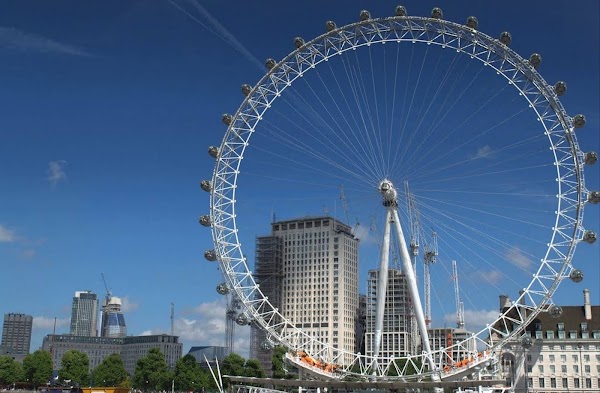
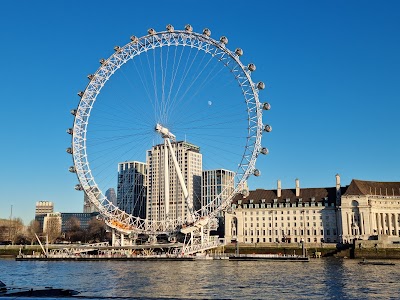
The London Eye, a colossal Ferris wheel on the South Bank of the River Thames, stands as a symbol of London's skyline. At 443 feet tall, it was once the world's tallest Ferris wheel, offering breathtaking panoramic views of the city. Its 32 glass capsules, each representing a London borough, provide a unique perspective from which to admire landmarks like Buckingham Palace, Big Ben, and St. Paul's Cathedral. The Eye's innovative cantilevered design, supported by A-frame struts, allows it to rotate smoothly without the need for a central support tower. Its LED lighting system transforms the wheel into a vibrant spectacle after dark, making it an iconic sight in London's cityscape.Iconic Landmark
As an iconic landmark, the London Eye stands as a testament to architectural ingenuity and a symbol of London's vibrant spirit. Its colossal stature, reaching 135 meters into the sky, offers unparalleled panoramic vistas of the city's most cherished landmarks, including Big Ben, Buckingham Palace, and the Houses of Parliament. The 32 glass capsules, each accommodating up to 25 individuals, provide a serene and air-conditioned environment for visitors to soak in the breathtaking views. The London Eye's design is a marvel of engineering, featuring a cantilevered structure supported by a single A-frame on one side. This unique construction allows for unobstructed views from every capsule, ensuring that visitors experience the city's grandeur from every angle. The wheel's slow and steady rotation, taking approximately 30 minutes for a full revolution, provides ample time to capture the perfect shots and savor the mesmerizing panorama. Beyond its architectural significance, the London Eye holds a special place in the hearts of Londoners and visitors alike. Its iconic silhouette has graced countless postcards, films, and television shows, becoming synonymous with the city's skyline. The nightly illumination of the wheel with over 5,500 LED lights transforms it into a captivating spectacle, adding a touch of magic to the cityscape. The London Eye's status as an iconic landmark is further cemented by its enduring popularity. As one of the most visited paid tourist attractions in the United Kingdom, it draws millions of visitors annually, eager to experience its unparalleled views and become part of its enduring legacy.Thames River Symbol
The London Eye, an iconic symbol of London, stands majestically on the South Bank of the River Thames, offering breathtaking panoramic views of the city. As a symbol of the Thames River, the London Eye holds a unique significance, embodying the river's transformative role in shaping London's history and identity. The Eye's 32 glass capsules, representing the 32 boroughs of London, provide a bird's-eye perspective of the river's meandering course through the heart of the city. From the capsules, visitors can marvel at the historic bridges that span the Thames, including the majestic Tower Bridge and the elegant Westminster Bridge. The river's bustling maritime traffic, from sleek passenger boats to traditional barges, adds to the vibrant tapestry of the cityscape. The London Eye's location on the South Bank, once an industrial hub, symbolizes the river's transformative power. The area has been revitalized into a vibrant cultural and entertainment district, with theaters, art galleries, and restaurants lining the riverfront. The Eye serves as a beacon of this transformation, showcasing the river's ability to inspire creativity and innovation. As the sun sets, the London Eye transforms into a mesmerizing spectacle, its LED lights illuminating the night sky. The river reflects the Eye's vibrant colors, creating a breathtaking display that celebrates the enduring bond between the Thames and this iconic landmark.
Experience the Full Tour
Download the DocentPro app to access all tour stops, complete audio narrations in multiple languages, offline maps, and interactive features.