
Lisbon : Exploring Lisbon's Age of Discoveries: Belém's Historical Tapestry

Walking Tour

4.4 km (2.8 miles)

1h 6min travel time

8 Stops

Lisbon, Portugal
: Exploring Lisbon's Age of Discoveries: Belém's Historical Tapestry
Tour Stops
1
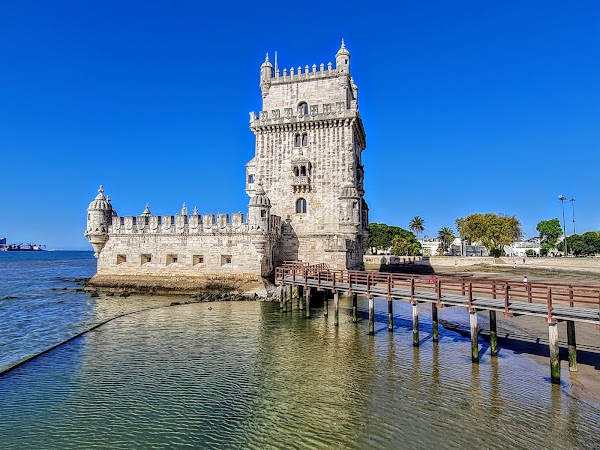
Belém Tower
View on map
Audio Narrations
English
Introduction
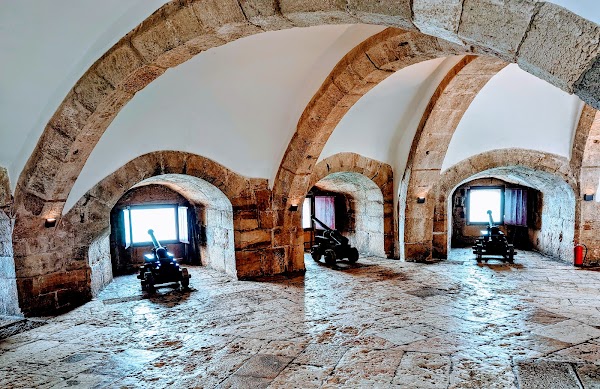
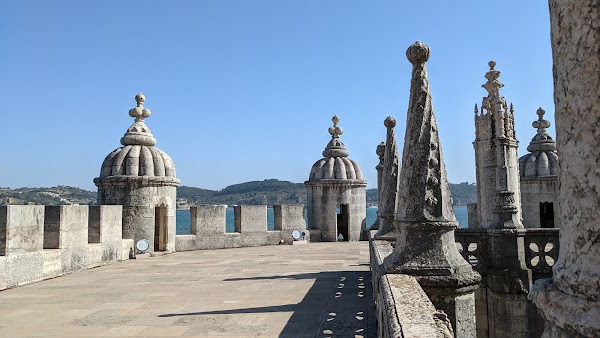
The Belém Tower, a UNESCO World Heritage Site, stands as a testament to Portugal's maritime prowess and architectural ingenuity. Built in the early 16th century, this iconic monument served as a fort, customs center, and lighthouse, guarding the entrance to Lisbon's harbor. Its Manueline style, a blend of Gothic and Renaissance elements, is evident in its elaborate rib vaulting, twisted rope motifs, and armillary spheres. The tower's bastion, featuring 17 cannons, reflects the transitional nature of military architecture, combining medieval and Renaissance influences. Inside, visitors can explore the Governor's Hall, Kings' Hall, Audience Hall, and Chapel, each adorned with intricate carvings and stunning views of the Tagus River. A curious feature is the rhinoceros gargoyle on the western façade, commemorating the first rhino to arrive in Europe from India in 1513. Today, the Belém Tower remains a symbol of Portugal's rich history and a must-visit destination for anyone exploring Lisbon's architectural and cultural heritage.Tourism Icon
Belém Tower, a UNESCO World Heritage Site, stands as a testament to Portugal's maritime prowess and is an iconic symbol of Lisbon. Built in the 16th century, this architectural masterpiece served as a defensive fortress guarding the entrance to the Tagus River. Its unique design blends Manueline and Moorish elements, showcasing intricate stone carvings, turrets, and a prominent bastion. Beyond its historical significance, Belém Tower has become a beloved tourist destination. Visitors can explore its chambers, marveling at the intricate details and imagining the tower's role in Portugal's Age of Discovery. The panoramic views from the top offer breathtaking vistas of the river and the city skyline. One of the tower's most captivating features is its association with the Portuguese explorer Vasco da Gama. Legend has it that da Gama and his crew prayed at the chapel within the tower before embarking on their historic voyage to India. This connection adds a layer of mystique and allure to the monument, making it a pilgrimage site for history buffs and adventure enthusiasts alike. Belém Tower's enduring appeal lies in its embodiment of Portugal's rich maritime heritage and its captivating blend of architectural styles. It stands as a symbol of the nation's past glories and continues to inspire awe and wonder in visitors from around the world.Portuguese Identity
Belém Tower, a UNESCO World Heritage Site, stands as a testament to Portugal's maritime prowess and its enduring national identity. Built in the 16th century during the reign of King Manuel I, the tower embodies the spirit of Portuguese exploration and discovery. Its Manueline architectural style, a blend of Gothic and Renaissance elements, showcases intricate carvings depicting nautical motifs, royal symbols, and the armillary sphere, a symbol of Portugal's global reach. The tower's strategic location at the mouth of the Tagus River served as a defensive outpost, protecting Lisbon from potential invaders while also serving as a ceremonial gateway for Portuguese explorers embarking on their voyages. Today, Belém Tower remains a poignant symbol of Portugal's rich maritime history and its enduring connection to the sea, serving as a reminder of the nation's past glories and its unwavering spirit of adventure.
2
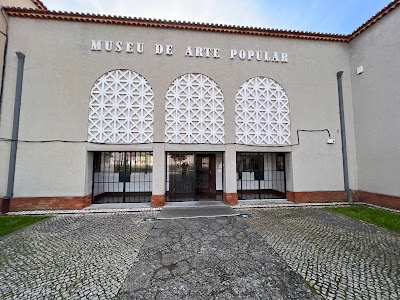
Popular Art Museum
View on map
Audio Narrations
English
Introduction
The Popular Art Museum in Lisbon, Portugal, is a treasure trove of traditional Portuguese culture. The museum's collection includes a rich array of paintings, sculptures, textiles, and ceramics, spanning centuries of artistic expression. One of the museum's highlights is the collection of "Namban screens," which depict the arrival of Portuguese caravel ships in Japan. These fascinating screens offer a glimpse into the early interactions between Portugal and Japan and showcase the intricate artistry of Japanese craftsmen. Another highlight of the museum is the collection of "ex-votos," small offerings made to deities in gratitude for answered prayers. These ex-votos provide a unique window into the religious beliefs and practices of the Portuguese people. The museum also houses a collection of "gigapixel ethnographic drawings," which offer an incredibly detailed look at traditional Portuguese costumes and customs. These drawings are a testament to the skill and artistry of Portuguese draftsmen. The Popular Art Museum is a must-visit for anyone interested in learning more about Portuguese culture and history. The museum's collection is both beautiful and informative, and it provides a fascinating glimpse into the lives of the Portuguese people.Historical Documentation
The Popular Art Museum in Lisboa, Portugal, stands as a testament to the rich history and cultural heritage of the Portuguese people. Its collection of artifacts and documents provides invaluable insights into the lives and traditions of generations past. One of the museum's most significant contributions to historical documentation is its extensive collection of traditional costumes. These garments, meticulously preserved and displayed, offer a glimpse into the sartorial styles and social customs of different regions and eras. From the vibrant embroidery of the north to the intricate lacework of the south, each piece tells a story of craftsmanship, artistry, and cultural identity. Beyond clothing, the museum houses a wealth of everyday objects that shed light on the domestic lives of ordinary people. Kitchen utensils, agricultural tools, and household furnishings provide tangible evidence of the ingenuity and resourcefulness of past generations. These artifacts offer a window into the challenges and triumphs of daily life, revealing the values, beliefs, and practices that shaped Portuguese society. The museum's collection also includes a significant number of historical documents, including letters, diaries, and official records. These written accounts offer firsthand perspectives on historical events, social movements, and personal experiences. They provide invaluable insights into the political, economic, and social forces that have shaped Portugal's history. Through its diverse collection, the Popular Art Museum in Lisboa serves as a vital repository of historical documentation. Its artifacts and documents offer a rich tapestry of information that illuminates the lives, traditions, and values of the Portuguese people throughout the centuries. By preserving and interpreting these materials, the museum plays a crucial role in safeguarding Portugal's cultural heritage and ensuring its transmission to future generations.Authentic Artifacts
Stepping into the Popular Art Museum in Lisbon is like stepping into a time machine, transporting you to a world where tradition and craftsmanship reign supreme. Here, amidst the vibrant displays of everyday objects, you'll discover a treasure trove of authentic artifacts that whisper stories of Portugal's rich cultural heritage. One of the museum's most captivating features is its collection of intricate embroidery and lacework. Each stitch, meticulously crafted by skilled artisans, tells a tale of patience, dedication, and the enduring power of tradition. The intricate patterns and vibrant colors reflect the unique artistic sensibilities of different regions, offering a glimpse into the lives and customs of generations past. Beyond textiles, the museum houses an array of handcrafted furniture, ceramics, and metalwork, each piece bearing the unique touch of its creator. The rustic charm of hand-painted furniture, the delicate beauty of hand-thrown pottery, and the intricate designs etched on copper and brass all speak to the ingenuity and artistry of Portugal's craftspeople. As you wander through the museum's halls, you'll encounter a fascinating collection of traditional costumes, each representing a specific region or social class. The vibrant colors, intricate embroidery, and unique embellishments offer a window into the sartorial traditions of Portugal, showcasing the country's rich cultural diversity. The Popular Art Museum in Lisbon is more than just a repository of artifacts; it's a vibrant testament to the enduring spirit of Portuguese craftsmanship. Through its collection of authentic artifacts, the museum offers a unique opportunity to connect with the country's cultural heritage, appreciate the skill and artistry of its craftspeople, and gain a deeper understanding of the traditions that have shaped Portugal's identity.
3
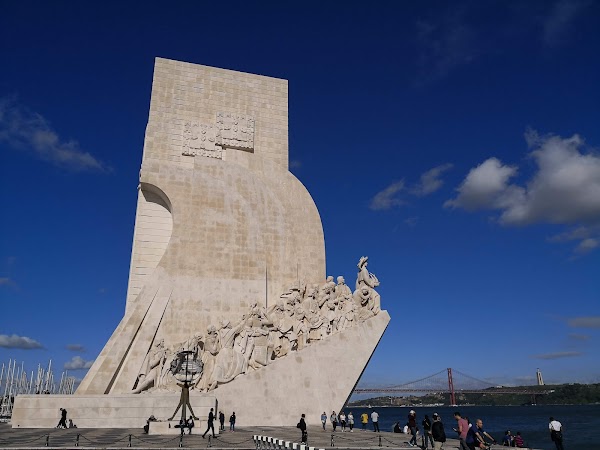
Padrão dos Descobrimentos
View on map
Audio Narrations
English
Introduction
The Padrão dos Descobrimentos, a monument in Lisbon, Portugal, stands as a testament to the country's Age of Discovery. Inaugurated in 1960, it commemorates the 500th anniversary of the death of Prince Henry the Navigator, a key figure in Portugal's maritime explorations. The monument, designed by José Ângelo Cottinelli Telmo and Leopoldo de Almeida, is a striking representation of a caravel, a type of ship used by Portuguese explorers. At the prow stands the figure of Henry the Navigator, holding a model of a caravel, while 32 other figures representing significant individuals from the Age of Discovery flank him. The monument's observation deck offers breathtaking views of the Tagus River, the Belém neighborhood, and the Jerónimos Monastery, another iconic landmark from the era.Exploration
The Padrão dos Descobrimentos in Lisbon, Portugal, stands as a testament to the nation's rich maritime history and the Age of Exploration. This iconic monument, inaugurated in 1960, commemorates the 500th anniversary of the death of Prince Henry the Navigator, a pivotal figure in Portuguese exploration. The monument's design is a striking representation of a ship's prow, with Prince Henry the Navigator standing at the helm, leading a procession of 32 other notable figures from Portugal's Age of Discovery. These include explorers like Vasco da Gama and Ferdinand Magellan, as well as cartographers, scientists, and missionaries who played crucial roles in expanding Portugal's global reach. At the base of the monument lies a captivating marble mosaic, a gift from South Africa, depicting a world map and the routes taken by Portuguese explorers. This intricate artwork serves as a reminder of the vast extent of Portugal's maritime empire and the profound impact its explorers had on shaping the world as we know it. The Padrão dos Descobrimentos offers visitors a unique opportunity to delve into the history of Portuguese exploration and appreciate the profound impact it had on global knowledge and trade. It stands as a symbol of Portugal's enduring legacy as a maritime nation and a testament to the spirit of exploration that continues to inspire generations.Monument of Discoveries
The Monument of Discoveries in Lisbon, Portugal, known as the Padrão dos Descobrimentos, stands as a testament to the nation's maritime prowess during the Age of Discovery. This colossal monument, towering at 170 feet, is a poignant tribute to Prince Henry the Navigator, whose pioneering spirit propelled Portuguese explorers to traverse uncharted waters. The monument's design is a masterpiece of symbolism. It depicts a ship's prow, with Prince Henry the Navigator at the helm, leading a procession of 33 figures representing explorers, scientists, missionaries, and artists who played pivotal roles in Portugal's golden age of exploration. The intricate details of each figure capture their determination and unwavering pursuit of knowledge. At the base of the monument lies a captivating mosaic compass, a gift from South Africa, which symbolizes the global reach of Portuguese explorers. The compass's 50-meter diameter invites visitors to contemplate the vastness of the oceans navigated by these intrepid adventurers. Ascending to the observation deck offers breathtaking panoramic views of Lisbon's western neighborhoods and the Tagus River. From this vantage point, visitors can appreciate the monument's grandeur and the city's rich maritime history. The Padrão dos Descobrimentos stands as a beacon of Portugal's past achievements and a reminder of the indomitable spirit that drove its explorers to shape the course of history.
4
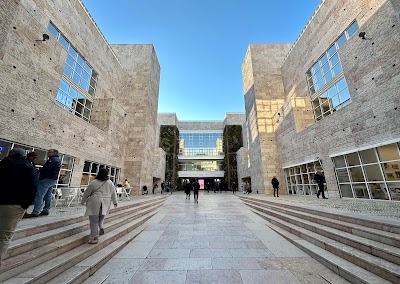
Centro Cultural de Belém
View on map
Audio Narrations
English
Introduction
The Centro Cultural de Belém (CCB) is a prominent cultural hub in Lisbon, Portugal, situated near the riverfront in the Belém district. Designed by architects Vittorio Gregotti and Manuel Salgado, the CCB is renowned for its striking modern architecture, which contrasts with the historic Jerónimos Monastery nearby. The CCB comprises various venues, including the Museu Coleção Berardo, which houses a notable collection of modern and contemporary art. The center also features auditoriums, exhibition spaces, and a recreational area dedicated to younger audiences. Its outdoor terrace and restaurant offer panoramic views of the Tagus River, making it a popular leisure destination. The CCB has hosted numerous international exhibitions, cultural events, and congresses. It has also been the venue for significant events like the summit meeting of the Organization for Security and Co-operation in Europe (OSCE). The center's unique architectural style, which incorporates courtyards and "patio-squares," has earned it the International Stone Architecture Award at the Verona Fair.Versatility and Diverse Offerings
Centro Cultural de Belém, a multifaceted cultural hub in Lisbon, Portugal, stands as a testament to versatility and diverse offerings. This iconic venue boasts a range of spaces that cater to a multitude of events, from intimate gatherings to grand-scale productions. Its versatility extends to its programming, encompassing a vast spectrum of artistic disciplines, including contemporary art exhibitions, classical music concerts, dance performances, and thought-provoking lectures. The Grand Auditorium, with its soaring ceiling and plush seating, provides an awe-inspiring setting for opera, ballet, and symphony orchestras. In contrast, the intimate Black Box Theater offers a flexible space for experimental performances, workshops, and film screenings. The versatile Studios, equipped with state-of-the-art technology, serve as ideal venues for conferences, product launches, and corporate events. Beyond its performance spaces, Centro Cultural de Belém houses the Berardo Collection Museum, showcasing a renowned collection of contemporary and modern art. The museum's diverse holdings include works by renowned artists such as Pablo Picasso, Salvador Dalí, and Francis Bacon, offering visitors a captivating journey through the evolution of artistic expression. The center's commitment to diversity extends to its educational initiatives. It hosts workshops, masterclasses, and artist residencies, providing opportunities for aspiring artists and the public to engage with the creative process. Its extensive outreach programs bring art and culture to underserved communities, fostering inclusivity and accessibility. Centro Cultural de Belém's versatility and diverse offerings make it a vibrant and dynamic cultural destination. It is a place where artistic boundaries are pushed, new ideas are explored, and the community is engaged in a meaningful dialogue with the arts.Historical Context
The Centro Cultural de Belém, a prominent cultural hub in Lisbon, Portugal, holds significant historical value. Its genesis lies in the Portuguese government's vision to host the Portuguese Presidency of the European Council in 1992. The center's design, a collaboration between Italian architect Vittorio Gregotti and Portuguese architect Manuel Salgado, was selected through an international competition. The center's architectural design is a testament to its historical significance. Its fortress-like structure, reminiscent of ancient castles, reflects the country's rich past. The use of sober and minimalist straight lines, along with a central cube measuring seven and a half meters in length, width, and height, adds to its striking visual appeal. The center's historical significance extends beyond its architectural design. It was built on the site of a former cultural center, the 1940 "Pavilion of the Portuguese in the World" for the Portuguese World Exhibition. This continuity highlights the center's role in preserving and promoting Portuguese culture. Today, the Centro Cultural de Belém stands as a symbol of Portugal's cultural heritage and its commitment to fostering artistic expression. Its historical roots and architectural grandeur make it a must-visit destination for those seeking a deeper understanding of Lisbon's cultural landscape.
5
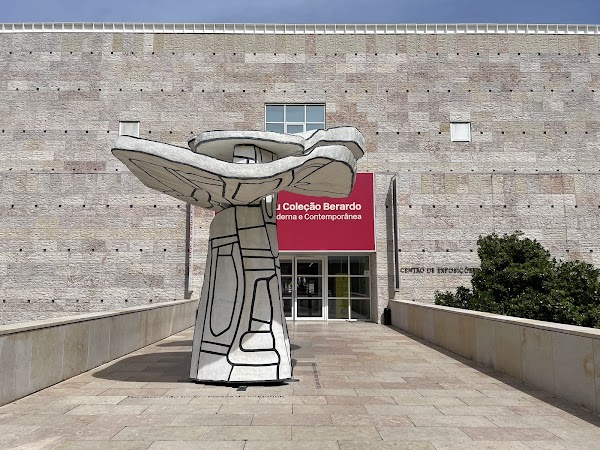
Museu Coleção Berardo
View on map
Audio Narrations
Chinese
导言
贝拉多收藏博物馆位于里斯本的贝伦区,是一座著名的现代和当代艺术博物馆。它收藏了 900 多件艺术品,跨越 20 世纪和 21 世纪。该博物馆的藏品最初属于葡萄牙商人乔·贝拉多,2006 年被佳士得拍卖行估价为 3.16 亿欧元。 该博物馆的永久藏品展示了各种艺术流派,包括立体主义、超现实主义、波普艺术、极简主义和观念主义。参观者可以欣赏到巴勃罗·毕加索、马塞尔·杜尚、安迪·沃霍尔、弗朗西斯·培根和保拉·雷戈等著名艺术家的作品。该博物馆还举办临时展览,展出国内外当代艺术。 2022 年,由于贝拉多未偿还的债务,葡萄牙政府没收了贝拉多收藏的大部分藏品。因此,贝拉多收藏博物馆于 2022 年 12 月 31 日闭馆。该藏品随后被并入当代艺术博物馆 - 贝伦文化中心 (MAC-CCB),该中心于 2023 年 1 月开馆。 MAC-CCB 现在收藏了贝拉多收藏以及其他当代艺术收藏,为参观者提供了葡萄牙及其他地区现代和当代艺术的全面概览。该博物馆继续举办临时展览和教育项目,使其成为里斯本艺术和文化的一个充满活力的中心。文化中心
贝拉多收藏博物馆:里斯本的文化中心 贝拉多收藏博物馆坐落在贝伦文化中心内,是里斯本现代和当代艺术的灯塔。这个独特的机构拥有葡萄牙企业家和艺术赞助人何塞·贝拉多收集的非凡藏品。踏入博物馆,游客将踏上穿越 20 世纪和 21 世纪的旅程,邂逅各种艺术表现形式。 博物馆的藏品证明了贝拉多敏锐的眼光和对艺术创新的热情。它包含 1,000 多件著名国际艺术家的作品,包括毕加索、安迪·沃霍尔、弗朗西斯·培根和杰夫·昆斯。除了这些标志性人物外,该藏品还展出了葡萄牙艺术家的作品,让人们得以一窥该国的充满活力的艺术景观。 除了令人印象深刻的藏品外,贝拉多收藏博物馆还积极促进文化交流。博物馆定期举办临时展览、教育计划和研讨会,为对话和探索提供平台。它致力于通过驻留和奖励来支持新兴艺术家,从而促进当代艺术的发展。 博物馆位于贝伦文化中心内,进一步放大了其文化意义。贝拉多收藏博物馆与热罗尼莫斯修道院和 Champalimaud 基金会等其他著名机构毗邻,为该地区的丰富文化产品做出了贡献。这种邻近关系促进了合作和思想的交叉授粉,丰富了游客的体验。 总之,贝拉多收藏博物馆超越了其作为艺术仓库的角色。它是一个充满活力的文化中心,积极参与社区并促进艺术对话。它致力于展示已成名和新兴艺术家,再加上其动态的规划,使该博物馆成为里斯本文化景观中的一支重要力量。国际收藏
里斯本贝拉多收藏博物馆是葡萄牙国际当代艺术的宝库,拥有欧洲最重要的藏品之一。其国际化重点体现在所代表的艺术家多样性上,他们来自全球各地,包括欧洲、美洲、亚洲和非洲。这种全球视角让参观者能够接触到丰富的艺术表现形式,反映了当代艺术世界的复杂性和相互联系。 该博物馆的国际藏品以其波普艺术、极简主义和观念艺术而闻名。参观者可以欣赏安迪·沃霍尔、罗伊·利希滕斯坦和罗伯特·劳森伯格的标志性作品,以及伊夫·克莱因、卢西奥·丰塔纳和格哈德·里希特等欧洲大师的作品。该藏品还精选了费尔南多·博特罗、莉吉娅·克拉克和西尔多·梅雷莱斯等拉丁美洲艺术家的作品,为该地区的充满活力的艺术景观提供了一个独特的窗口。 除了这些主要流派之外,贝拉多收藏博物馆的国际藏品还深入探讨了各种当代艺术实践,包括录像艺术、装置和表演。这种折衷的组合全面概述了近几十年来塑造国际艺术界的各种趋势和方法。 通过其国际藏品,贝拉多收藏博物馆提供了一个探索当代艺术全球对话的平台。参观者可以追溯艺术思想跨越国界的演变,欣赏各个艺术家的独特贡献,并对复杂且不断变化的当代艺术世界有更深入的了解。
6
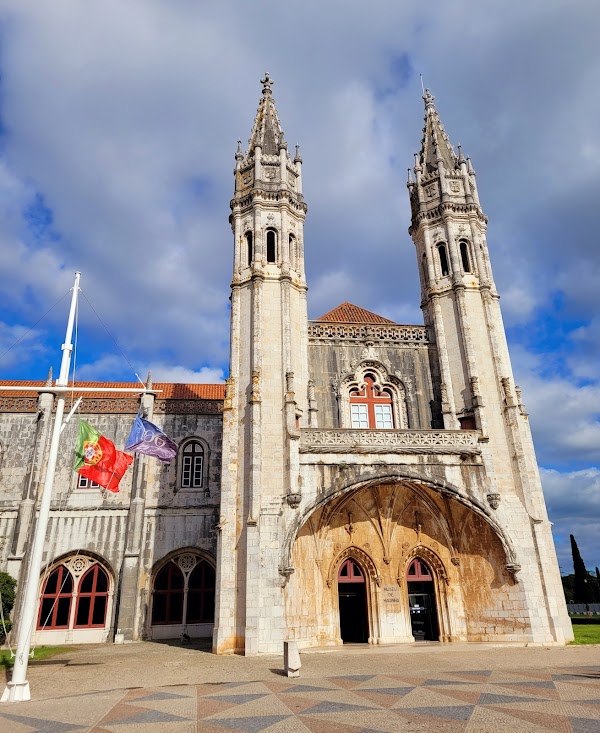
Museu de Marinha
View on map
Audio Narrations
English
Introduction
The Museu de Marinha, located in Lisbon's Belém district, is a maritime museum dedicated to Portugal's rich naval history. Housed within the neo-Manueline wing of the Jerónimos Monastery, the museum boasts an impressive collection of over 20,000 artifacts, including scale models of ships from the Age of Discoveries, navigation instruments, and maps. Visitors can marvel at royal barges, the Fairey III "Santa Cruz" that crossed the Atlantic in 1923, and the Portuguese Navy's first aircraft, an FBA Type B flying boat. The museum's exhibits also showcase historical paintings, archaeological finds, and a vast collection of astrolabes, offering a comprehensive insight into Portugal's maritime heritage and its pioneering role in world exploration.Nautical Exhibits
Museu de Marinha in Lisbon, Portugal, houses an impressive collection of nautical exhibits that delve into the rich maritime history of the nation. As you step into the museum, you'll be greeted by a captivating display of scale models, showcasing the evolution of Portuguese ships and watercraft. These intricate models provide a glimpse into the ingenuity and craftsmanship of Portuguese shipbuilders throughout the ages. Venture deeper into the museum, and you'll encounter a remarkable collection of royal barges, fishing boats, recreational vessels, and seaplanes. The grandeur of the Royal Barge, built in 1780 for Queen Maria I, is particularly awe-inspiring. Wander around and beneath these vessels or ascend the elevated walkway for a panoramic view, offering a unique perspective on the maritime heritage of Portugal. The museum's collection extends beyond vessels, encompassing a vast array of nautical instruments, maps, and uniforms. These artifacts provide insights into the tools and techniques used by Portuguese navigators and explorers as they embarked on their epic voyages of discovery. Interactive exhibits, such as a mock-up of a ship's bridge, engage visitors of all ages, allowing them to experience the thrill of navigating the high seas. Museu de Marinha is a treasure trove for anyone fascinated by nautical history. Its comprehensive collection, coupled with engaging exhibits, offers a captivating journey through Portugal's maritime past, showcasing the nation's pivotal role in global exploration and discovery.Naval Architecture
Museu de Marinha in Lisbon, Portugal, is a treasure trove for enthusiasts of naval architecture. Its collection boasts an array of meticulously crafted scale models that trace the evolution of Portuguese shipbuilding, from ancient vessels to modern marvels. These models provide invaluable insights into the design, construction, and performance of ships throughout history. The museum also houses a remarkable collection of full-sized vessels, including the replica of Vasco da Gama's caravel "Bérrio." Visitors can explore the intricate details of these ships, gaining a firsthand understanding of the challenges and ingenuity involved in seafaring. Furthermore, the museum's exhibits delve into the scientific and technological advancements that have shaped naval architecture. Visitors can learn about the development of navigation instruments, such as astrolabes and sextants, and the evolution of shipbuilding techniques. The museum's collection is not limited to Portuguese vessels. It also features examples of ships from around the world, showcasing the diversity and cross-cultural influences in naval architecture. This comprehensive approach provides a global perspective on the subject, allowing visitors to appreciate the interconnectedness of maritime history.
7
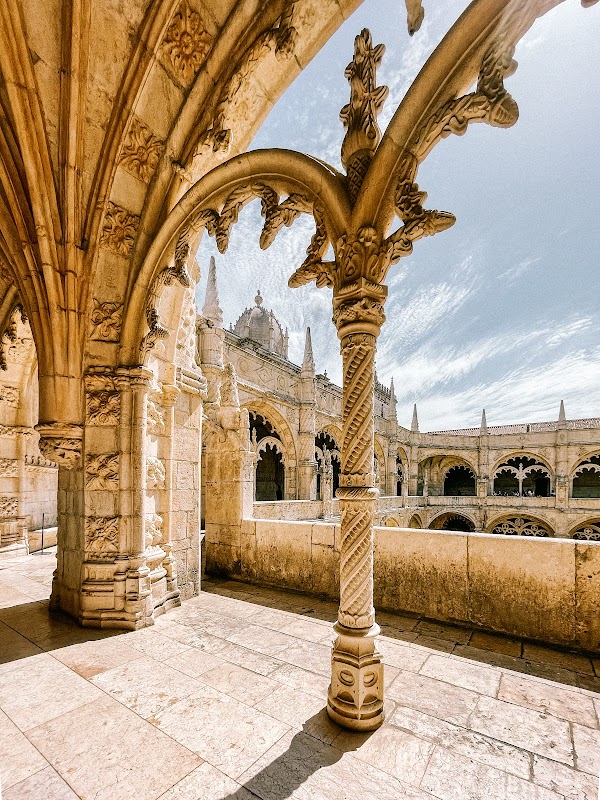
Jerónimos Monastery
View on map
Audio Narrations
English
Introduction
Jerónimos Monastery, a UNESCO World Heritage Site, stands as a testament to Portugal's golden age of exploration. Built in the 16th century to commemorate Vasco da Gama's voyage to India, it is a masterpiece of Manueline architecture, a unique blend of Gothic and Renaissance styles. The monastery's intricate carvings depict maritime motifs, symbolizing Portugal's seafaring prowess. Inside, the vast nave is supported by six beautifully sculpted columns, creating an awe-inspiring sense of space. The church houses the tombs of Vasco da Gama and Luís de Camões, a renowned poet who chronicled the Age of Discoveries. The two-story cloister is equally impressive, with its delicate ornamentation and symbolism. It offers a serene retreat from the bustling city, inviting visitors to contemplate the monastery's rich history and architectural splendor.Renaissance and Gothic Influences
Jerónimos Monastery in Lisbon, Portugal, stands as a testament to the convergence of Renaissance and Gothic influences. Its construction, initiated in 1501, spanned over a century, allowing for the incorporation of evolving architectural styles. The monastery's facade exemplifies the Manueline style, a unique Portuguese blend that emerged during the reign of King Manuel I. This style seamlessly merges maritime and religious symbolism, with intricate carvings depicting anchors, ropes, and other nautical motifs. The Gothic influence is evident in the monastery's soaring vaulted ceilings, ribbed arches, and pointed windows. The cloisters, a serene sanctuary within the monastery, showcase a harmonious blend of Gothic and Manueline elements. The arches and columns are adorned with intricate carvings of exotic animals and mythical sea creatures, reflecting the era's fascination with exploration and discovery. The interior of the church further showcases the interplay of these styles. The high altar, a masterpiece of the Renaissance, features a rounded colonnade and stunning paintings reminiscent of Italian masters. The Main Portal, located on the south side, exhibits a blend of Gothic and Manueline influences, with its towering spires and intricate sculptures depicting biblical scenes and the life of Saint Jerome. Jerónimos Monastery stands as a testament to the artistic and cultural exchange that characterized the Renaissance and Gothic periods. Its unique blend of architectural styles reflects the confluence of ideas and influences that shaped the era, making it a captivating destination for those seeking to delve into the rich tapestry of architectural history.Manueline Architecture
Jerónimos Monastery in Lisbon, Portugal, stands as a testament to the grandeur of Manueline architecture, a style that flourished during the reign of King Manuel I. Its intricate carvings and maritime motifs pay homage to Portugal's Age of Discoveries, when explorers embarked on daring voyages to distant lands. The monastery's facade is a masterpiece of Manueline artistry, adorned with elaborate stonework depicting nautical symbols, such as ropes, anchors, and sea monsters. The interior is equally impressive, featuring soaring vaulted ceilings and ornate altarpieces. The cloisters, with their delicate arches and columns, are a serene oasis, adorned with carvings of exotic animals and plants. Jerónimos Monastery is a UNESCO World Heritage Site and a must-see for anyone interested in Manueline architecture and Portuguese history.
8
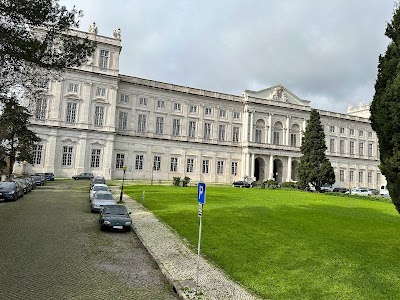
Palácio Nacional da Ajuda
View on map
Audio Narrations
Chinese
导言
阿茹达国家宫殿是葡萄牙里斯本的一座宏伟的新古典主义纪念碑,拥有丰富的历史和迷人的建筑特色。最初设想为一座宏伟的宫殿,其建造历时一个多世纪,经历了进步和挫折的时期。 这座宫殿的故事始于 1755 年里斯本大地震之后,当时若泽一世国王在阿茹达山顶的一个临时木结构中避难。这座临时住所被称为 Real Barraca,最终演变成一座更永久的宫殿,成为皇室近三十年的家园。 1796 年,若昂六世国王委托在该遗址建造一座永久性宫殿。该项目委托给著名建筑师曼努埃尔·卡埃塔诺·德·索萨、若泽·达·科斯塔·埃·席尔瓦和弗朗西斯科·哈维尔·法布里,旨在创造一件宏伟的新古典主义杰作。然而,财政限制和政治动荡导致了原计划的多次延误和修改。 尽管面临挑战,这座宫殿还是逐渐成形。其宏伟的外观饰有托斯卡纳和托斯卡纳-爱奥尼亚柱,展示了新古典主义建筑的宏伟。内部以其相互连接的大厅和宏伟的楼梯,反映了皇室的富丽堂皇。 这座宫殿在其整个历史中见证了重大事件。它曾是路易斯一世国王的妻子玛丽亚·皮娅女王的官方住所,并举办了许多国家仪式和宴会。1910 年革命后,这座宫殿被改建成博物馆,保存了其丰富的艺术品和文物收藏。 如今,阿茹达国家宫殿作为葡萄牙皇室历史和建筑遗产的见证而屹立。其优雅的内饰饰有精美的装饰和精致的家具,让人们得以一窥葡萄牙君主的生活。这座宫殿还设有一个著名的博物馆,展示了各种绘画、雕塑和装饰艺术品。 参观阿茹达国家宫殿是一次身临其境的时光之旅,提供了一个独特的机会来探索葡萄牙皇室历史的宏伟,并欣赏新古典主义时代建筑的辉煌。历史意义
阿茹达国家宫殿:见证葡萄牙动荡历史的建筑 葡萄牙里斯本的阿茹达国家宫殿是该国动荡过去的见证。宫殿始建于 18 世纪末,由玛丽亚一世女王统治时期,以躲避 1755 年里斯本大地震的破坏。然而,宫殿的完工受到政治动荡和财政限制的影响,反映了葡萄牙在此期间的斗争。 这座宫殿见证了葡萄牙君主制的兴衰,从 1861 年到 1910 年共和革命期间一直是皇室的官方住所。在宫殿的围墙内,路易斯一世国王于 1869 年签署了废除奴隶制的法令,这是葡萄牙历史上的一个关键时刻。这座宫殿在共和国的早期还曾作为议会所在地,进一步巩固了其作为葡萄牙政治变革舞台的作用。 除了其政治意义之外,阿茹达国家宫殿还体现了 19 世纪葡萄牙的艺术和文化精神。其新古典主义建筑装饰着精美的雕塑和装饰元素,反映了当时流行的艺术潮流。这座宫殿还收藏了大量的绘画、家具和其他文物,让人们得以一窥葡萄牙皇室的奢华生活方式和那个时代的艺术品味。 如今,阿茹达国家宫殿作为博物馆,保存着葡萄牙过去的记忆,并为游客提供了一个深入了解该国丰富历史的独特机会。它的墙壁诉说着政治阴谋、艺术宏伟和一个国家持续演变的故事。当您探索它的大厅并欣赏它的珍宝时,您将成为葡萄牙穿越时间的见证者,体验塑造该国现在和未来的动荡过去的回声。火灾损毁
葡萄牙里斯本的阿茹达国家宫殿是一座宏伟的 19 世纪皇家住所,其复杂的历史与火灾交织在一起。1910 年,一场毁灭性的火灾席卷了这座宫殿,摧毁了其大部分内部结构,只留下了一具烧焦的外壳。这场火灾据信是由电气系统故障引起的,它迅速吞噬了这座建筑,并因大量的木材和织物装饰而助长了火势。大火肆虐了数小时,对宫殿的豪华房间造成了广泛的破坏,包括王座厅、舞厅和皇家图书馆。这场火灾还摧毁了无数艺术品、历史文献和无价文物。 火灾的后果对葡萄牙的文化遗产来说是一场悲惨的损失。这座宫殿曾经是国家财富和权力的象征,如今却沦为废墟。修复过程历经数十年才得以完成,其目的是在融入现代安全功能的同时,保留宫殿的建筑完整性。如今,阿茹达国家宫殿屹立在那里,证明了人类精神的韧性和艺术与建筑的持久力量。受火灾损坏的区域已得到精心修复,展示了宫殿昔日的宏伟,并让人们得以一窥其动荡的过去。火灾留下的伤疤提醒着人们历史的脆弱性和保护我们文化遗产的重要性。
Experience the Full Tour
Download the DocentPro app to access all tour stops, complete audio narrations in multiple languages, offline maps, and interactive features.