
Madrid: A Journey Through History, Art, and Nature #2

Walking Tour

4.0 km (2.5 miles)

58 min travel time

13 Stops

Madrid, Spain
Madrid: A Journey Through History, Art, and Nature #2
Tour Stops
1
Museo Nacional Centro de Arte Reina Sofía
View on map
Audio Narrations
English
Introduction
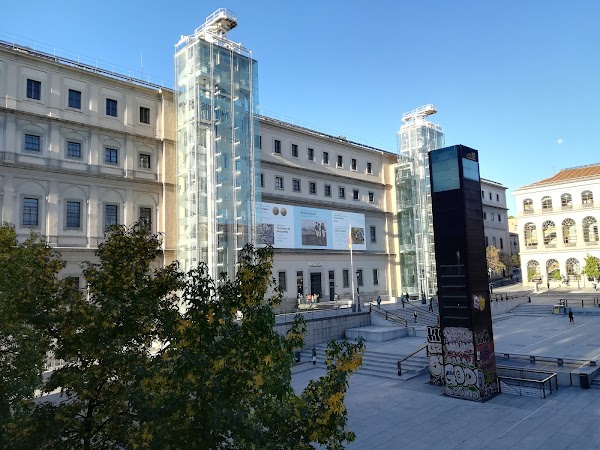
The Museo Nacional Centro de Arte Reina Sofía, located in Madrid, Spain, is a renowned art museum dedicated to 20th-century Spanish art. It houses a vast collection of works by renowned artists such as Pablo Picasso, Salvador Dalí, and Joan Miró. The museum's most famous masterpiece is Picasso's iconic painting, Guernica, a powerful depiction of the horrors of war. Beyond its extensive collection, the museum offers a diverse range of temporary exhibitions and educational programs. It also boasts a specialized library with over 100,000 books, 3,500 sound recordings, and nearly 1,000 videos. The museum's building itself is a historical landmark, having served as a hospital in the 18th century. Its architectural identity was transformed in 1989 by the addition of three glass circulation towers designed by Ian Ritchie. In 2005, an 8,000-square-meter expansion designed by French architect Jean Nouvel was added, providing additional exhibition spaces and amenities. The Reina Sofía is not only a repository of art but also a vibrant cultural hub. It hosts lectures, workshops, and film screenings, fostering dialogue and engagement with the public. Its commitment to preserving and promoting Spanish art makes it a must-visit destination for art enthusiasts and anyone seeking a deeper understanding of Spain's rich cultural heritage.Picasso
Museo Nacional Centro de Arte Reina Sofía in Madrid, Comunidad de Madrid, Spain, houses an extensive collection of Pablo Picasso's works, making it a must-visit destination for art enthusiasts. Among the highlights is Picasso's iconic masterpiece, Guernica, a powerful depiction of the horrors of war. The museum also boasts a significant collection of Picasso's early works, including his Blue Period and Cubist paintings. Visitors can trace the evolution of Picasso's artistic journey through these diverse pieces, gaining insights into his groundbreaking techniques and artistic vision. The museum's collection extends beyond Picasso, showcasing works by other renowned Spanish artists such as Salvador Dalí and Joan Miró, providing a comprehensive overview of Spanish art in the 20th century.Collection
Museo Nacional Centro de Arte Reina Sofía in Madrid, Comunidad de Madrid, Spain, houses an exceptional collection dedicated to Spanish art, particularly from the 20th century. The museum's collection is renowned for its masterpieces by Pablo Picasso, including the iconic "Guernica," a powerful depiction of the horrors of war. Another highlight is Salvador Dalí's surrealist works, showcasing his unique imagination and dreamlike imagery. Beyond these renowned artists, the museum boasts an impressive array of works by other Spanish masters, such as Joan Miró, Eduardo Chillida, and Antoni Tàpies. Their contributions have shaped the landscape of Spanish art, and their works provide valuable insights into the artistic and cultural movements of their time. The international art collection at Museo Nacional Centro de Arte Reina Sofía is equally impressive, featuring works by renowned artists such as Francis Bacon, Yves Klein, and Robert Delaunay. These pieces offer a broader perspective on the development of modern and contemporary art, allowing visitors to explore the connections and influences between Spanish and international artistic practices. The museum's collection is not limited to paintings and sculptures; it also includes a significant collection of drawings, prints, and photographs. These works provide a deeper understanding of the creative processes and techniques employed by the artists, offering a glimpse into their inspirations and artistic journeys. Overall, the Museo Nacional Centro de Arte Reina Sofía's collection is a treasure trove for art enthusiasts, showcasing the evolution of Spanish and international art from the 20th century to the present day. Through its diverse and captivating collection, the museum invites visitors to delve into the depths of artistic expression and explore the transformative power of art.
2
Real Jardín Botánico
View on map
Audio Narrations
English
Introduction
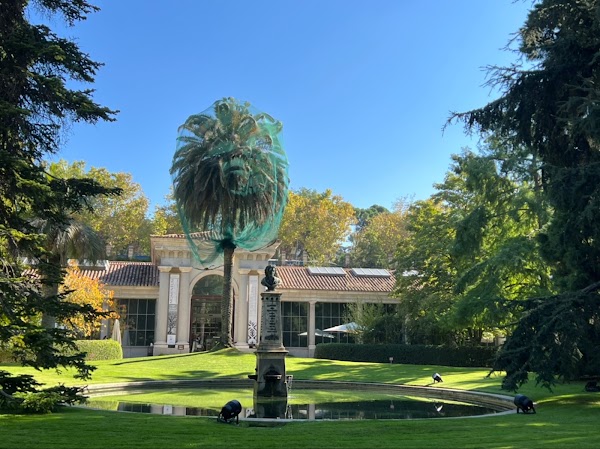
Nestled in the heart of Madrid, the Real Jardín Botánico is an 8-hectare botanical garden that boasts a rich history and diverse collection of plant life. Founded in 1755, it is one of the oldest botanical gardens in Europe and has played a pivotal role in the advancement of botanical research and education. The garden is home to over 5,000 species of plants, including a significant collection of roses. The Rosaleda, or rose garden, features over 2,000 square meters of blooming roses, showcasing a wide range of varieties from ancient species to modern hybrids. Beyond its botanical significance, the Real Jardín Botánico is also a haven of tranquility and beauty. Its serene atmosphere and picturesque landscapes make it a popular destination for locals and tourists alike. Visitors can stroll through the garden's various sections, admiring the vibrant colors and delicate fragrances of the plant life. One of the highlights of the garden is its collection of ancient trees, including a majestic 200-year-old cypress tree. These venerable specimens provide a glimpse into the garden's rich past and serve as a testament to the enduring power of nature. The Real Jardín Botánico is a living testament to the beauty and diversity of the plant kingdom. Its historical significance, extensive collections, and serene atmosphere make it a must-visit destination for anyone interested in botany, horticulture, or simply the wonders of nature.Conservation Efforts
Real Jardín Botánico in Madrid, Comunidad de Madrid, Spain, plays a pivotal role in plant conservation, boasting a seed bank that safeguards over 20,000 species. Its living collections serve as a valuable resource for scientific research and ex situ conservation, ensuring the preservation of rare and endangered plant species. The garden actively participates in international conservation initiatives, collaborating with botanical institutions worldwide to protect threatened flora. Through its educational programs, Real Jardín Botánico raises awareness about the importance of plant conservation and promotes sustainable practices among the public. Additionally, the garden's commitment to ex situ conservation extends to its role as a member of the International Agenda for Botanic Gardens in Conservation, further solidifying its dedication to safeguarding plant diversity.Architectural Beauty
The Real Jardín Botánico in Madrid, Comunidad de Madrid, Spain, is a botanical garden that stands out for its architectural beauty. Founded in 1755, it was designed by architects Francesco Sabatini and Juan de Villanueva, who created a harmonious blend of neoclassical and botanical elements. The garden's layout features seven outdoor gardens and five indoor greenhouses, each showcasing a distinct theme and origin. One of the highlights of the garden's architectural design is the "Terraza de Cuadros," a series of box-edged plots arranged around a fountain. These plots showcase medicinal, aromatic, and orchard-like plants, creating a vibrant and fragrant display. Another notable feature is the romantic English garden, with its lush trees and shrubs, evoking the charm of traditional English gardens. The garden's greenhouses are equally impressive, particularly the one that recreates a desert climate. This greenhouse allows visitors to experience an authentic desert environment without leaving continental Europe, showcasing the garden's commitment to botanical diversity and scientific research. Overall, the Real Jardín Botánico in Madrid, Comunidad de Madrid, Spain, is a testament to the harmonious integration of architecture and nature. Its diverse gardens and greenhouses, combined with its neoclassical design, create a visually stunning and intellectually stimulating space that celebrates the beauty of the natural world.
3
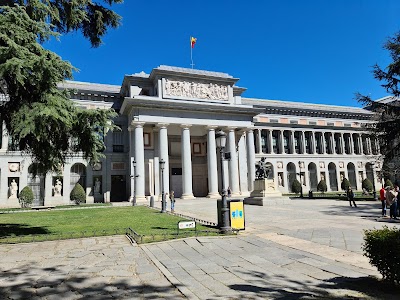
Museo Nacional del Prado
View on map
Audio Narrations
English
Introduction
The Museo Nacional del Prado, located in Madrid, Spain, is a renowned art museum that houses a vast collection of European art from the 12th to the early 20th century. Founded in 1819, the Prado is particularly celebrated for its exceptional holdings of Spanish art, including masterpieces by El Greco, Velázquez, and Goya. The museum's collection boasts over 8,200 drawings, 7,600 paintings, 4,800 prints, and 1,000 sculptures, in addition to numerous other works of art and historic documents. Among its highlights are "Las Meninas" by Velázquez, "The Third of May 1808" by Goya, and "The Garden of Earthly Delights" by Hieronymus Bosch. The Prado's building, designed by Juan de Villanueva, is an architectural marvel in its own right. A glass-roofed foyer now houses the museum's shops and cafeteria, while the 16th-century Cloister of Jerónimo has been carefully preserved and reassembled within the museum's extension. In 2009, the Prado made a selection of its most important paintings available for viewing in extremely high resolution on Google Earth and Google Maps, allowing art enthusiasts worldwide to explore the museum's treasures from the comfort of their own homes.Architectural Significance
The Museo Nacional del Prado, an architectural masterpiece in Madrid, Spain, stands as a testament to the grandeur of Neoclassical design. Conceived by architect Juan de Villanueva in 1785, the museum's imposing facade, adorned with Doric columns and triangular pediments, exudes an aura of timeless elegance. Its symmetrical layout and harmonious proportions create a sense of balance and order, reflecting the Enlightenment ideals of the time. The museum's interior is equally impressive, with a central gallery that soars to a height of 30 meters. Natural light floods the space through large windows, illuminating the masterpieces within. The galleries are arranged in a logical sequence, guiding visitors through the evolution of Spanish art from the Middle Ages to the 19th century. One of the most striking features of the Prado is its use of natural light. The large windows in the central gallery and the skylights in the other galleries allow visitors to appreciate the paintings in their natural light, which enhances the colors and textures of the works. The Prado's architectural significance extends beyond its Neoclassical facade. In the 20th century, the museum underwent several expansions, including the addition of the Jerónimos Cloister and the Casón del Buen Retiro. These additions, designed by renowned architects such as Rafael Moneo and Norman Foster, seamlessly blend modern and historical elements, creating a dynamic and visually appealing complex. Today, the Museo Nacional del Prado stands as one of the most important architectural landmarks in Madrid and a must-visit destination for art enthusiasts worldwide. Its unique blend of Neoclassical grandeur and modern functionality makes it a testament to the enduring power of architectural design.Art History
The Museo Nacional del Prado, a cornerstone of Madrid's "Golden Triangle of Art," stands as a testament to Spain's rich artistic heritage. Its collection, spanning the 12th to the early 20th centuries, offers a comprehensive journey through the evolution of European art. The Prado's Spanish holdings are unparalleled, boasting masterpieces by El Greco, Velázquez, and Goya. El Greco's "The Knight with his Hand on his Breast" and "The Holy Trinity" exemplify his unique style, while Velázquez's "Las Meninas" and "The Seamstresses" showcase his mastery of realism. Goya's "Third of May, 1808" and the haunting "Black Paintings" reflect the tumultuous political and social climate of his time. Beyond Spanish art, the Prado houses an impressive collection of Italian, Flemish, and Dutch works. Fra Angelico's "Annunciation," Titian's "Venus of Urbino," and Rubens' "The Three Graces" are among the highlights. The museum's Flemish collection includes masterpieces by Van der Weyden, Hieronymus Bosch, and Bruegel the Elder. The Prado's significance extends beyond its collection. It played a pivotal role in the rediscovery of Spanish Primitives and the elevation of Velázquez as a preeminent figure in Spanish art. Its galleries have inspired generations of avant-garde painters, solidifying its status as a beacon of artistic innovation and a treasure trove for art enthusiasts worldwide.
4
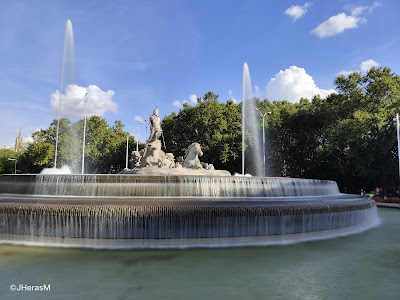
Neptune Fountain
View on map
Audio Narrations
English
Introduction
The Neptune Fountain, a captivating monument in Madrid's Plaza de Cánovas del Castillo, is a testament to the grandeur of the Spanish capital. Sculpted from pristine white marble, this masterpiece depicts Neptune, the Roman god of the sea, standing majestically on a chariot drawn by two sea horses. His commanding presence is further enhanced by the surrounding dolphins, symbolizing his dominion over the watery realm. The fountain's origins trace back to the reign of King Carlos III, who commissioned its creation in 1780. Sculptor Juan Pascual de Mena began the project, but it was completed in 1786 by his disciple, José Rodríguez. The fountain's intricate details and harmonious proportions have made it a beloved landmark, often serving as a gathering point for locals and tourists alike. Beyond its aesthetic appeal, the Neptune Fountain holds historical significance. It has witnessed countless events, including the jubilant celebrations of Atlético de Madrid football club victories. Its proximity to iconic landmarks such as the Prado Museum, the Ritz Hotel, and the Congreso de los Diputados further enhances its allure. The fountain's enduring charm lies in its ability to evoke a sense of awe and wonder. Its timeless beauty and symbolic representation of Neptune's power continue to captivate visitors, making it an unforgettable highlight of any visit to Madrid.Architectural Heritage
Neptune Fountain, a captivating work of art in Madrid's Paseo del Prado, stands as a testament to the city's rich architectural heritage. Commissioned by King Carlos III in the 18th century, this marble masterpiece was designed by Juan Pascual de Mena and completed by his disciple José Rodríguez. Its central figure, Neptune, the Roman god of the sea, is depicted standing majestically on a chariot drawn by two sea horses, surrounded by dolphins. The fountain's intricate details and allegorical symbolism reflect the Baroque and Neoclassical influences prevalent during its creation. Neptune Fountain's architectural significance lies in its harmonious fusion of sculpture and water elements. The fountain's basin, adorned with intricate carvings, serves as a stage for the dynamic interplay of water jets, creating a mesmerizing spectacle. The surrounding landscape, featuring lush gardens and stately buildings, further enhances the fountain's aesthetic appeal. As a symbol of Madrid's architectural heritage, Neptune Fountain has witnessed countless historical events and celebrations. It has become an iconic landmark, beloved by locals and admired by visitors worldwide. Its enduring presence serves as a reminder of the city's rich artistic and cultural legacy.Tourism Icon
Neptune Fountain, an iconic symbol of Madrid, stands majestically in the heart of Plaza de Cánovas del Castillo. This captivating work of art, attributed to Ventura Rodríguez, depicts the Roman god Neptune triumphantly riding a chariot drawn by two majestic sea-horses. The fountain's intricate details and symbolism invite visitors to delve into its rich history and cultural significance. Neptune, the ruler of the seas, is portrayed with his powerful trident and a coiled serpent, representing his dominion over both the ocean and the underworld. The fountain's central figure exudes strength and authority, making it a popular gathering spot for locals and tourists alike. Beyond its visual appeal, Neptune Fountain holds a special place in the hearts of Madrileños. It serves as a focal point for celebrations, particularly for fans of Atlético de Madrid football club. The fountain's proximity to the city's renowned museums, such as the Thyssen-Bornemisza Museum and the Prado Museum, further enhances its allure as a must-visit destination. Neptune Fountain is not just a beautiful work of art; it is a symbol of Madrid's vibrant culture and a testament to the city's rich history. Its captivating presence and unique symbolism make it a true tourism icon, beckoning visitors to explore its depths and immerse themselves in the captivating spirit of Madrid.
5
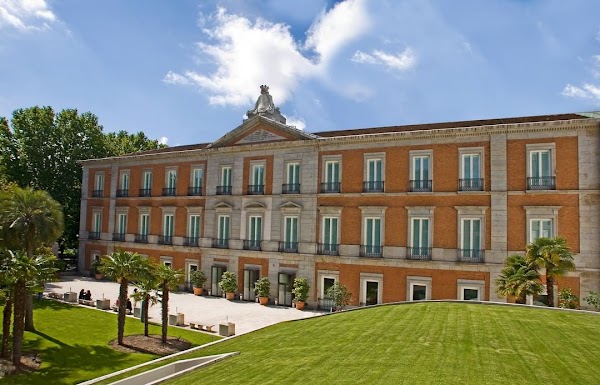
Thyssen-Bornemisza Museum
View on map
Audio Narrations
English
Introduction
The Thyssen-Bornemisza Museum in Madrid, Spain, houses an exceptional collection of Western art spanning the 13th to the 20th centuries. Its nearly 1,000 paintings include masterpieces by Van Eyck, Dürer, Caravaggio, Rembrandt, Monet, Van Gogh, and Picasso. The museum's origins trace back to the private collection of Baron Heinrich Thyssen-Bornemisza, who began acquiring works in the late 1920s. His son, Hans Heinrich, continued to expand the collection, amassing a vast array of styles and periods. The museum opened to the public in 1992, showcasing the Thyssen-Bornemisza family's legacy as passionate art collectors. Today, it stands as a testament to their discerning taste and the enduring power of artistic expression.Art Collection
The Thyssen-Bornemisza Museum in Madrid houses an exceptional art collection spanning centuries and artistic movements. Its American Art collection, a result of a research project funded by the Terra Foundation for American Art, offers a comprehensive exploration of American art and culture through the lens of history, politics, science, and urban life. The museum's collection boasts a wide selection of 19th-century American paintings, making it a significant reference point in Europe for this period. The Carmen Thyssen Collection, another highlight, showcases a diverse range of works from the 17th to the 20th centuries. It includes masterpieces by Old Masters like Jan Brueghel I and Fragonard, as well as a notable collection of Impressionist, Post-Impressionist, Expressionist, and North American paintings. The collection reflects the personal taste of Carmen Thyssen, with a particular emphasis on landscape painting and movements like Impressionism and German Expressionism. The Thyssen-Bornemisza Museum's collection is not limited to these two highlights. It encompasses a vast array of paintings from the 13th to the 20th century, featuring renowned artists such as Duccio, Van Eyck, Dürer, Caravaggio, Rembrandt, Canaletto, Monet, Degas, Morisot, Van Gogh, Gauguin, Kirchner, Mondrian, O'Keeffe, and Hopper. The museum's collection is constantly evolving, with temporary exhibitions and loans, ensuring a dynamic and ever-changing art experience for visitors.Educational Resource
The Thyssen-Bornemisza Museum in Madrid, Spain, stands as a beacon of educational resources for art enthusiasts and professionals alike. Since 2013, the museum's "Education +" initiative has hosted a series of thought-provoking discussions and workshops, inviting renowned experts to share their insights on pressing issues in museum education. These sessions, available in Spanish, offer a wealth of knowledge on best practices and innovative approaches in the field. The museum's commitment to accessibility extends to its resources. Visitors can download a comprehensive map in PDF format, ensuring they can navigate the museum's vast collection at their own pace. The museum's website provides detailed information on its services and resources, including accessibility features and educational programs. For those seeking a deeper dive into the museum's collection, the "Multimedia Resources" section offers a range of materials, including virtual tours, interactive exhibitions, and online publications. These resources allow educators and students to engage with the museum's masterpieces from anywhere in the world. The Thyssen-Bornemisza Museum's unwavering dedication to education makes it an invaluable resource for anyone seeking to expand their knowledge of art and museum practices. Its diverse offerings cater to a wide range of learners, fostering a lifelong appreciation for the transformative power of art.
6
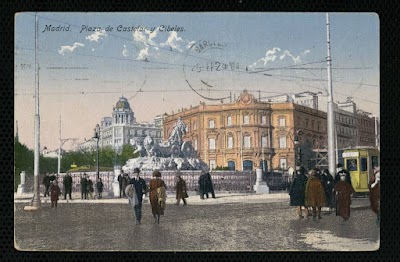
Casa de América
View on map
7
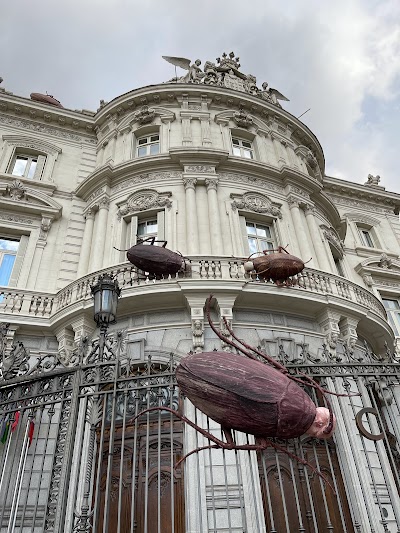
Linares Palace
View on map
8
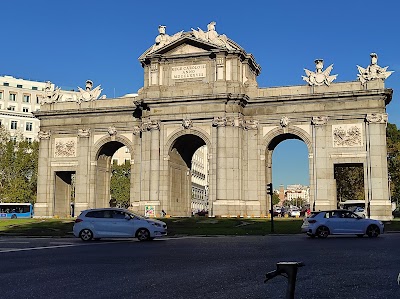
Puerta de Alcalá
View on map
Audio Narrations
Chinese
简介
阿尔卡拉门是马德里一座标志性的新古典主义风格城门,傲然矗立在独立广场上。它由查理三世国王于 1774 年委托建造,由弗朗西斯科·萨巴蒂尼设计,作为城市的一座纪念性入口,取代了一座较旧的城门。该城门于 1778 年落成,其错综复杂的装饰细节由弗朗西斯科·古铁雷斯和罗伯托·米歇尔雕刻,展示了战争奖杯、皇家徽章和代表基本美德的寓意人物。其中心铭牌刻有铭文“Rege Carolo III Anno MDCCLXXVIII”。该城门有五个拱门,这是马德里城门中独一无二的特色,象征着这座城市超越了中世纪城墙的扩张。它的名字阿尔卡拉门源于通往附近阿尔卡拉德埃纳雷斯镇的道路,那里是著名作家米格尔·德·塞万提斯的出生地。文化意义
阿尔卡拉门是马德里的一座标志性纪念碑,具有深厚的文化意义。它建于 18 世纪,见证了这座城市丰富的历史和建筑实力。这座城门的采用新古典主义设计,装饰有精美的雕塑和浮雕,反映了塑造其时代的启蒙思想。它的五个拱门象征着这座城市的开放性及其作为通往世界门户的作用。 除了其建筑价值之外,阿尔卡拉门已成为马德里文化认同的持久象征。它见证了无数历史事件,从皇室游行到民众起义。它在文学、音乐和艺术中的存在巩固了它在城市居民集体意识中的地位。这座城门激发了无数艺术作品,包括绘画、雕塑和文学作品,展示了其持久的文化意义。 此外,阿尔卡拉门还作为文化活动和庆祝活动的舞台。其宽敞的广场举办音乐会、展览和节日,吸引了当地人和游客。这座城门的象征意义和中心位置使其成为文化表达和社区聚会的理想背景。 为了表彰其非凡的文化价值,阿尔卡拉门于 1904 年被宣布为国家古迹。如今,它仍然是一座备受喜爱的地标,体现了马德里的文化遗产和精神。马德里标志
阿尔卡拉门是马德里标志性的纪念碑,象征着这座城市丰富的历史和充满活力的精神。它建于 18 世纪,作为进入这座城市的宏伟入口,见证了塑造马德里特色的无数事件。这座城门的优雅新古典主义设计,饰有精美的雕塑和寓意人物,反映了这座城市的建筑遗产和艺术实力。 除了其建筑意义之外,阿尔卡拉门已深深融入马德里的文化结构中。它一直是无数庆祝活动、抗议活动和聚会的背景,成为这座城市集体记忆的焦点。它出现在无数的艺术作品、文学作品和音乐作品中,进一步巩固了它作为马德里文化活力的象征的地位。 这座城门经久不衰的受欢迎程度源于它能够在马德里人中唤起一种自豪感和归属感。它的形象被广泛用于纪念品、明信片和其他纪念品中,代表着这座城市的精髓,并作为其丰富历史和充满活力的现在的提醒。阿尔卡拉门不仅仅是一座纪念碑,更是马德里身份不可或缺的一部分,体现了这座城市坚韧、创造力和坚定乐观的精神。
9
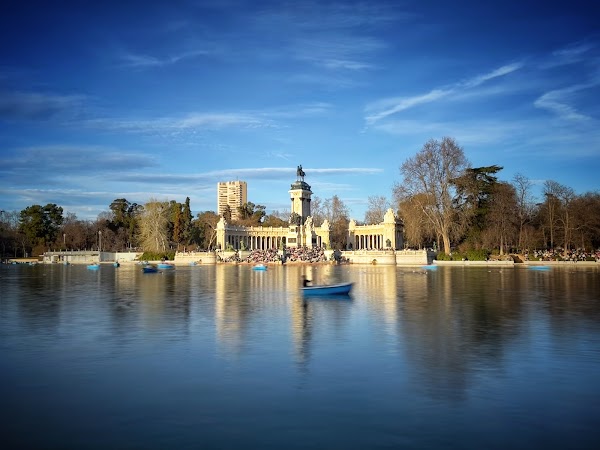
Great Pond of El Retiro
View on map
10
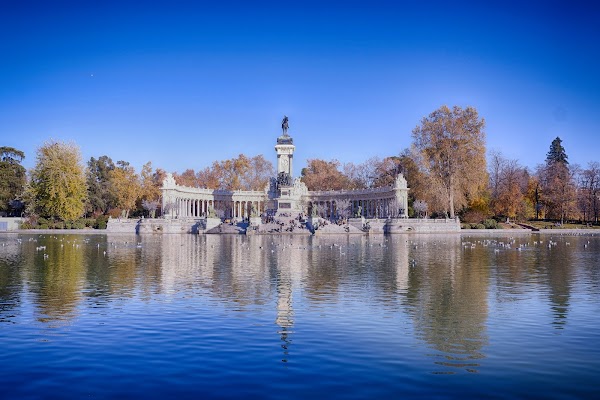
El Retiro Park
View on map
Audio Narrations
English
Introduction
El Retiro Park, a verdant oasis in Madrid's heart, boasts over 15,000 trees and spans 125 hectares. Designated a UNESCO World Heritage Site, it's a haven for locals and tourists alike. The park's centerpiece is the large artificial lake, where visitors can rent rowing boats. The Velázquez Palace and Glass Palace, now exhibition halls for the Reina Sofía Museum, are architectural gems. El Retiro is also renowned for its sculptures and fountains. The magnificent Monument to Alfonso XII overlooks the lake, while the statue of the Fallen Angel, the only sculpture in the world dedicated to the devil, stands at 666m above sea level. The Galápagos Fountain, built for Princess Isabella II, and the Teatro de Títeres, Europe's only theater dedicated to puppet shows, are other notable attractions. For nature enthusiasts, the ahuehuete or Montezuma cypress, believed to be Madrid's oldest tree, is a must-see. Planted in 1630, it's an exotic species that retains its foliage year-round. The park also houses a 627-year-old olive tree, the oldest in El Retiro. Whether you seek relaxation, exercise, or cultural enrichment, El Retiro Park offers a myriad of experiences. Its playgrounds, sports facilities, and outdoor cafés cater to diverse interests. The park's rich history, from its origins as a royal retreat to its transformation into a public space, adds to its allure.Environmental Significance
El Retiro Park, a verdant oasis in the heart of Madrid, stands as a testament to the harmonious coexistence of urban life and environmental preservation. Its sprawling 120 hectares encompass a rich tapestry of ecosystems, providing refuge for diverse flora and fauna. The park's towering trees, including majestic elms, horse chestnuts, and plane trees, form a verdant canopy that filters pollutants and releases oxygen, contributing to the city's air quality. El Retiro Park is a sanctuary for wildlife, with over 150 species of birds recorded within its boundaries. The tranquil waters of the lake attract a variety of waterfowl, including ducks, geese, and herons. The park's lush vegetation provides nesting and feeding grounds for numerous songbirds, such as nightingales, goldfinches, and blackcaps. Beyond its ecological value, El Retiro Park plays a vital role in mitigating the urban heat island effect. Its abundant vegetation absorbs sunlight and releases water vapor through transpiration, cooling the surrounding air. The park's large water bodies, such as the lake and the Crystal Palace pond, further contribute to temperature regulation by absorbing and releasing heat. El Retiro Park's environmental significance extends to its role as an urban oasis for recreation and respite. Its serene atmosphere and diverse landscapes provide a sanctuary for city dwellers to escape the hustle and bustle of urban life. The park's numerous gardens, including the Rose Garden and the Parterre Garden, showcase a kaleidoscope of colors and fragrances, offering a feast for the senses. El Retiro Park is a living testament to the importance of urban green spaces in fostering environmental sustainability and enhancing the well-being of city residents. Its rich biodiversity, air-purifying vegetation, and cooling effects make it an invaluable asset to the city of Madrid and a model for urban parks worldwide.Architectural Heritage
El Retiro Park, a UNESCO World Heritage Site, is a testament to Madrid's rich architectural heritage. The park boasts a diverse array of structures, each with its own unique story to tell. The centerpiece of the park is the Crystal Palace, a stunning glass and iron structure built in 1887. Originally designed as a greenhouse for an exhibition on the Philippines, it now serves as an exhibition space for contemporary art. Another architectural gem is the Velázquez Palace, a brick and tile building that houses temporary exhibitions. The park is also home to the Monument to Alfonso XII, a grand monument that commemorates the former king of Spain. The monument features a colonnade of Doric columns and a bronze statue of the king. These architectural wonders, along with the park's lush gardens and tranquil atmosphere, make El Retiro Park a must-visit destination for anyone interested in Madrid's architectural heritage.
11
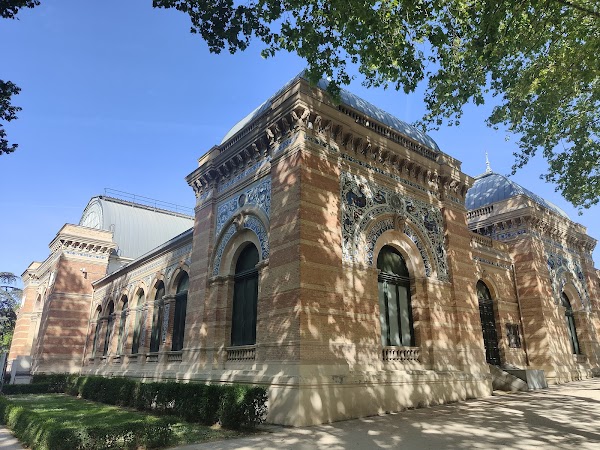
Velázquez Palace
View on map
Audio Narrations
Chinese
导言
委拉斯开兹宫是马德里丽池公园内一座引人注目的新古典主义建筑,拥有丰富的历史和建筑意义。该宫殿由里卡多·委拉斯开兹·博斯科于 1883 年建造,作为国际采矿、金属艺术、陶瓷、玻璃制品和矿泉水博览会的主展馆。该建筑受伦敦水晶宫的启发,采用宽敞的平面布局、带有铁结构的拱形天花板,以及得益于其广泛的玻璃制品而获得充足的自然光线。 如今,委拉斯开兹宫是西班牙国家现代艺术博物馆的著名展览空间,展示了辛迪·舍曼、南·戈尔丁、胡安·穆尼奥斯和何塞·曼努埃尔·布罗托等著名艺术家的作品。游客可以在宫殿优雅的建筑中沉浸在当代艺术中,该建筑将双色砖砌与丹尼尔·祖洛阿加设计的彩色瓷砖无缝融合。 除了其艺术品外,委拉斯开兹宫还让人们得以一窥马德里的建筑遗产。它靠近公园内的另一座著名建筑水晶宫,创造了建筑风格的独特并置。该宫殿还拥有通往其正门的令人印象深刻的大理石台阶,增添了其宏伟感。 无论您是艺术爱好者还是建筑爱好者,委拉斯开兹宫都是马德里必游之地。它迷人的历史、艺术和建筑杰作的融合,保证了丰富而难忘的体验。新古典主义设计
委拉斯开兹宫:马德里的新古典主义瑰宝 委拉斯开兹宫是新古典主义建筑的典范,见证了 19 世纪对古典理想的复兴。这座宫殿建于 1881 年至 1900 年间,由里卡多·委拉斯开兹·博斯科设计,他是西班牙新古典主义风格的著名建筑师。 宫殿的外观是新古典主义设计原则的典范。其宏伟的立面采用对称构图,中央门廊由六根高耸的离子柱支撑。干净的线条、几何形状和克制的装饰反映了该运动对秩序、清晰度和理性的强调。 踏入内部,游客会看到一个宏伟的入口大厅,装饰着大理石柱和精美的灰泥制品。宫殿的内部空间以高高的天花板、大窗户和宽敞感为特征。自然光和通风比例的使用营造出和谐优雅的氛围。 委拉斯开兹宫最引人注目的特点之一是其宏伟的楼梯。这座蜿蜒的双楼梯,带有精美的锻铁栏杆和大理石台阶,是新古典主义设计的杰作。楼梯是宫殿的焦点,连接着不同的楼层,营造出一种宏伟感。 委拉斯开兹宫不仅是新古典主义建筑的见证,也是西班牙文化遗产的象征。它容纳了雷纳·索菲亚国家艺术中心博物馆,这是世界上领先的现代和当代艺术博物馆之一。博物馆的藏品包括毕加索、萨尔瓦多·达利和胡安·米罗的杰作,展示了西班牙丰富的艺术遗产。 总之,委拉斯开兹宫是马德里新古典主义设计的杰出典范。其优雅的建筑、宽敞的内部和丰富的历史使其成为任何对艺术、建筑和西班牙文化感兴趣的人的必游之地。19 世纪建筑
马德里韦拉斯克斯宫殿是西班牙新古典主义风格从 18 世纪过渡到 19 世纪折衷主义风格的建筑见证。这座宫殿建于 1881 年至 1883 年之间,由当时著名的建筑师里卡多·韦拉斯克斯·博斯科设计。 韦拉斯克斯宫殿最引人注目的特点之一是其折衷主义的外观,融合了新古典主义、文艺复兴和摩尔式建筑元素。正门装饰着一个宏伟的拱门,两侧是科林斯柱,而上层则有一系列带有复杂雕刻的阳台和窗户。红砖和白石的使用增加了立面的视觉丰富性。 在宫殿内部,宏伟的楼梯是 19 世纪设计的杰作。这座宽阔的楼梯设有锻铁栏杆和彩色玻璃天窗,营造出一种宏伟和优雅的感觉。宫殿还拥有许多装饰华丽的房间,包括王座厅、舞厅和图书馆。 韦拉斯克斯宫殿是马德里 19 世纪建筑的重要典范。其折衷主义的设计反映了当时不断变化的品味,而其宏伟的内部则展示了那个时代的奢华和工艺。这座宫殿证明了里卡多·韦拉斯克斯·博斯科的建筑天才,也是一个有价值的文化遗产地。
12
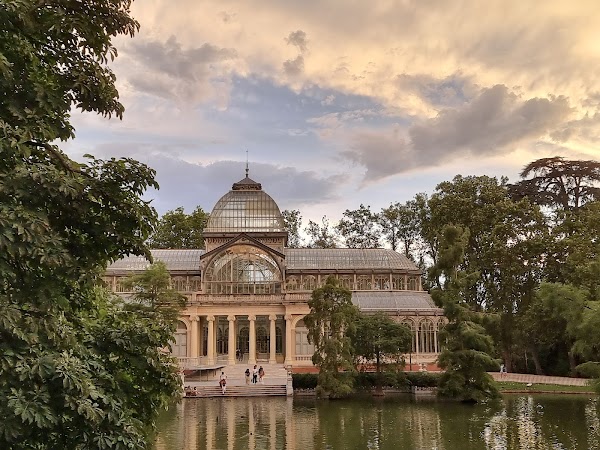
Palacio de Cristal
View on map
Audio Narrations
Chinese
导言
水晶宫,一座宏伟的玻璃和铁结构建筑,坐落在西班牙马德里的丽池公园。由里卡多·贝拉斯克斯·博斯科设计,它仿照伦敦的水晶宫,在其铁框架内展示了玻璃和金属的融合。这座宫殿的圆顶使其高度超过 22 米,而其砖砌底座则饰有丹尼尔·苏洛阿加错综复杂的陶瓷装饰。最初用作菲律宾异域植物的温室,现在在雷纳·索菲亚博物馆的管理下用作当代艺术的展览空间。这座宫殿坐落在一个宁静的湖泊旁,周围环绕着郁郁葱葱的绿色植物,为内部的艺术和外部的自然美景提供了如画的背景。展览场馆
水晶宫,一个令人惊叹的玻璃和铁结构,坐落在马德里丽池公园的翠绿之中,是建筑创新和艺术表现的见证。最初构想为 1887 年菲律宾博览会的温室,这个标志性的场馆现已演变成一个迷人的展览空间,展示了各种当代艺术装置。 水晶宫独特的设计灵感来自伦敦的水晶宫,其特点是高耸的玻璃穹顶和错综复杂的铁框架,营造出一种空灵而充满光线的光线氛围。其宽敞的内部没有支撑柱,为策展人提供了无与伦比的灵活性,可以构想身临其境且发人深省的展览。 多年来,水晶宫举办了辛迪·舍曼、南·戈尔丁和何塞·曼努埃尔·布罗托等著名艺术家的开创性作品。其展览经常探讨身份、殖民主义和人类状况等主题,邀请参观者在深刻的层面上与艺术互动。场馆独特的环境,周围环绕着郁郁葱葱的绿色植物和宁静的水域,进一步增强了沉思体验,促进了艺术与自然之间的对话。 作为展览场地,水晶宫不仅仅是一个背景,而是艺术体验中不可或缺的一部分。其透明的墙壁模糊了内部和外部的界限,让自然光沐浴在艺术品上,并与周围的公园绿地营造出一种和谐感。艺术、建筑和环境之间的这种相互作用将水晶宫提升到了传统展览空间之外,将其转变为艺术爱好者和好奇心人士的迷人目的地。马德里标志
水晶宫,一个宏伟的玻璃和铁结构,坐落在布恩雷蒂罗公园的翠绿之中,是马德里建筑实力的证明,也是这座城市充满活力的精神的象征。这座宫殿建于 1887 年,用于举办国家采矿、冶金和地质展览会,最初的目的是作为温室来展示来自菲律宾(当时是西班牙殖民地)的奇花异草。它错综复杂的框架让人联想到伦敦的水晶宫,让自然光照亮内部,营造出一种空灵的氛围。如今,水晶宫是一个用途广泛的展览空间,举办艺术装置、文化活动,甚至还有时装秀。它透明的墙壁提供了周围公园的壮丽景色,使其成为摄影和休闲漫步的热门场所。作为马德里的象征,水晶宫体现了这座城市对现代性的拥抱以及对保护其自然美的承诺。
13
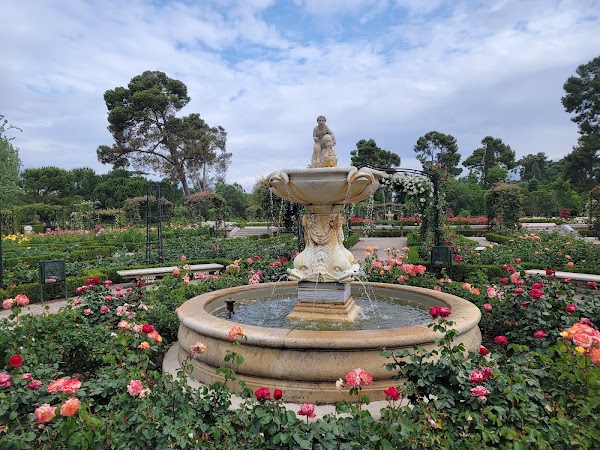
Rose Garden
View on map
Experience the Full Tour
Download the DocentPro app to access all tour stops, complete audio narrations in multiple languages, offline maps, and interactive features.