
Barcelona Enchantments: A Delightful Journey Through the City's Heart

Walking Tour

4.7 km (2.9 miles)

1h 3min travel time

20 Stops

Barcelona, Spain
Barcelona Enchantments: A Delightful Journey Through the City's Heart
Tour Stops
1
La Sagrada Familia
View on map
Audio Narrations
Introduction
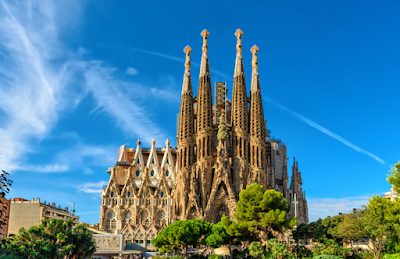
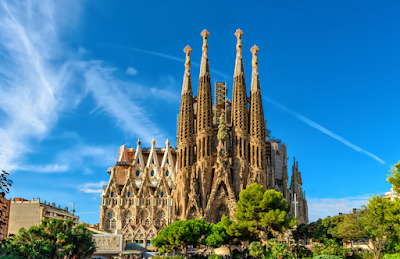
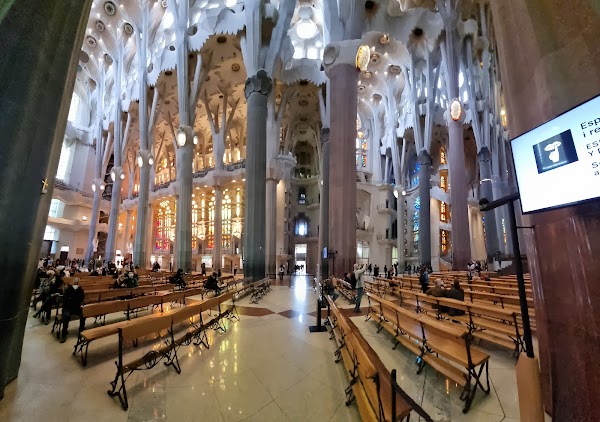
La Sagrada Familia, a colossal basilica in Barcelona, Spain, is the magnum opus of renowned architect Antoni Gaudí. Begun in 1882, this architectural marvel remains unfinished, with its completion projected for 2026. The basilica's design is a captivating blend of Gothic and Art Nouveau styles, featuring intricate facades, soaring spires, and a forest of helicoidal piers. The Nativity facade, completed before Gaudí's death in 1926, is a testament to his naturalistic style. Adorned with scenes from Jesus' birth, it showcases Gaudí's love for nature and symbolism. The Passion facade, in contrast, is a stark and somber tribute to Christ's crucifixion, with angular lines and haunting sculptures. The Glory facade, still under construction, promises to be the most monumental, depicting the path to God and incorporating elements like the seven deadly sins and heavenly virtues. Inside, the basilica is a symphony of light and space. Hyperboloid vaults and sidewalls create a sense of ethereal grandeur, while stained-glass windows cast vibrant hues upon the interior. Eighteen spires, representing biblical figures, will eventually crown the basilica, with the central spire dedicated to Jesus Christ and reaching a height of 172.5 meters. La Sagrada Familia is a testament to Gaudí's genius and a symbol of Barcelona's cultural heritage. Its unique design and ongoing construction have captivated visitors for generations, making it one of the most iconic and beloved landmarks in the world.Symbol of Barcelona
La Sagrada Familia, an architectural masterpiece by Antoni Gaudí, stands as a testament to Barcelona's unique spirit and a symbol of Catalan Modernism. Its grandeur and intricate details have made it an iconic landmark, drawing millions of visitors annually. As a symbol of Barcelona, La Sagrada Familia embodies the city's vibrant culture, its dedication to art and architecture, and its enduring legacy. Gaudí's vision for La Sagrada Familia was to create a temple that would surpass all others, a testament to his deep faith and love for nature. He incorporated organic forms, vibrant colors, and intricate symbolism into every aspect of the basilica's design. The towering spires, resembling inverted palm trees, reach towards the heavens, while the facades depict scenes from the life of Christ, inviting contemplation and awe. Beyond its architectural significance, La Sagrada Familia holds a special place in the hearts of Barcelonians. It is a symbol of their resilience, having survived political turmoil and financial setbacks throughout its construction. The basilica's ongoing construction, funded by private donations, reflects the city's unwavering commitment to preserving its cultural heritage. As a symbol of Barcelona, La Sagrada Familia represents the city's pride, its passion for art, and its enduring spirit. It is a testament to the transformative power of architecture and a beacon of inspiration for generations to come.Construction Journey
The construction journey of La Sagrada Familia in Barcelona, Spain, is a testament to the vision and dedication of its architect, Antoni Gaudí. Begun in 1882, the basilica has been under continuous construction for over 140 years and is still not complete. Gaudí's unique approach to architecture, inspired by nature and organic forms, has resulted in a building that is both visually stunning and structurally innovative. One of the most striking features of La Sagrada Familia is its use of parabolic vaults, which distribute weight evenly and allow for large, open spaces. Gaudí also pioneered the use of trencadís, a mosaic technique made from broken ceramic tiles, which adds color and texture to the building's exterior. The construction of La Sagrada Familia has been a complex and challenging process. The building has been damaged by fires, storms, and political unrest, and its progress has been slowed by funding issues. However, the team of architects and engineers who have worked on the project have remained committed to Gaudí's vision, and the basilica is now nearing completion. When it is finally finished, La Sagrada Familia will be one of the tallest and most iconic churches in the world. It will be a testament to the genius of Antoni Gaudí and a symbol of the enduring power of human creativity.
2
Plaça de la Sagrada Família
View on map
Audio Narrations
Introduction
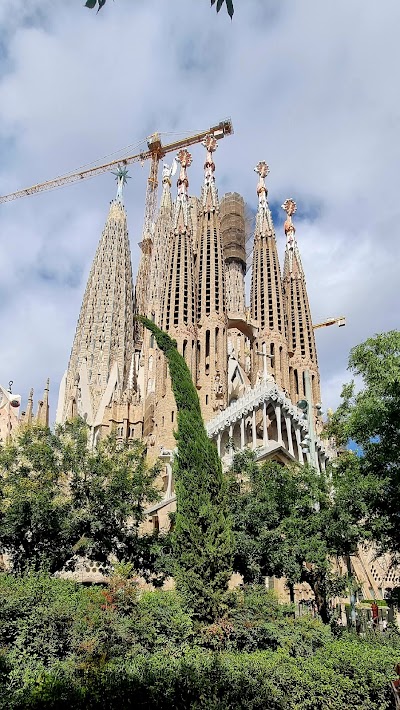
The Plaça de la Sagrada Família, a bustling square in Barcelona, Catalunya, Spain, serves as the gateway to the iconic Sagrada Família basilica. This vibrant plaza, adorned with palm trees and elegant porticoed buildings, offers a unique blend of history, culture, and architectural marvels. At the heart of the square stands the Three Graces fountain, a captivating sculpture depicting three graceful women holding aloft a basin. The street lanterns, designed by Antoni Gaudí, add a touch of whimsical charm to the plaza's ambiance. The Plaça de la Sagrada Família is a popular gathering spot for locals and tourists alike. Its lively atmosphere is enhanced by the presence of numerous restaurants, cafes, and souvenir shops. Visitors can savor delicious tapas, sip on refreshing drinks, and browse through a diverse selection of handcrafted goods. A short walk from the plaza leads to the Sagrada Família basilica, a masterpiece of Catalan architecture. This unfinished Roman Catholic church, designed by Antoni Gaudí, is renowned for its intricate details, soaring spires, and colorful mosaics. Visitors can marvel at the basilica's grandeur, explore its crypt, and ascend its towers for breathtaking views of the city. The Plaça de la Sagrada Família is a must-visit destination for anyone exploring Barcelona. Its rich history, vibrant atmosphere, and proximity to the Sagrada Família basilica make it an unforgettable experience.Public Space
Plaça de la Sagrada Família: A Public Space Masterpiece The Plaça de la Sagrada Família, a public square in Barcelona, is more than just a gathering place. It's a masterpiece of urban design, seamlessly integrating with Gaudí's iconic basilica while offering a vibrant public space for locals and tourists alike. The plaza's unique layout fosters a sense of community. The central space, free of vehicular traffic, provides a safe haven for children to play and families to gather. Benches strategically placed under the shade of mature trees offer respite from the Mediterranean sun, inviting people to linger and soak in the atmosphere. The plaza's design subtly guides visitors towards the basilica. The pathways converge towards the Sagrada Família, creating a sense of anticipation and awe as the magnificent structure gradually reveals itself. This interplay between public space and architectural wonder makes the Plaça de la Sagrada Família a truly immersive experience. Beyond its aesthetic appeal, the plaza serves a vital social function. It hosts cultural events, farmers markets, and public demonstrations, reflecting the dynamic spirit of Barcelona. The open space fosters a sense of inclusivity, welcoming people from all walks of life to share in the city's cultural richness. The Plaça de la Sagrada Família stands as a testament to the power of public space design. It's a place where art, architecture, and community converge, creating a vibrant and meaningful experience for all who visit.Tourist Destination
The Plaça de la Sagrada Família, the heart of Barcelona's most iconic landmark, Sagrada Família, is a captivating tourist destination that transcends the typical city square experience. This vibrant plaza, designed by Antoni Gaudí, seamlessly blends architectural brilliance with urban functionality, creating a unique space that pulsates with life and artistic spirit. Beyond the awe-inspiring basilica, the plaza itself offers a treasure trove of hidden gems for the discerning tourist. The intricate mosaic pavement, depicting scenes from the Nativity, is a testament to Gaudí's meticulous attention to detail. The whimsical lampposts, resembling giant mushrooms, cast an ethereal glow at night, transforming the plaza into a magical wonderland. The Plaça de la Sagrada Família is not just a visual feast; it's a sensory experience. Street performers fill the air with music, while vendors tempt passersby with local delicacies. The lively atmosphere is infectious, inviting visitors to linger and soak in the vibrant energy of the city. For the history buff, the plaza offers a glimpse into Barcelona's past. The remains of the Roman city wall, unearthed during construction, are a tangible reminder of the city's ancient roots. The nearby Sagrada Família museum houses a collection of Gaudí's sketches and models, providing insights into the genius behind the basilica. The Plaça de la Sagrada Família is more than just a tourist destination; it's a living testament to Gaudí's vision and Barcelona's vibrant spirit. It's a place where history, art, and culture converge, creating an unforgettable experience for every visitor.
3
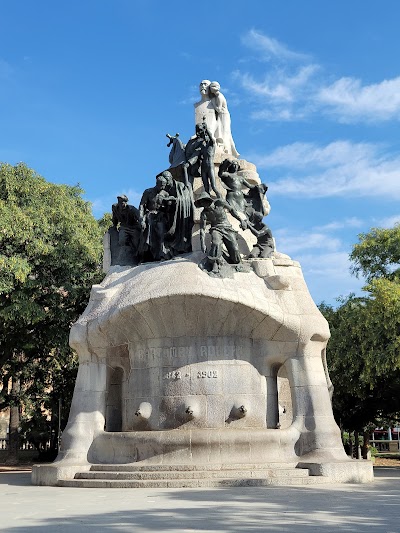
Plaça de Tetuan
View on map
4
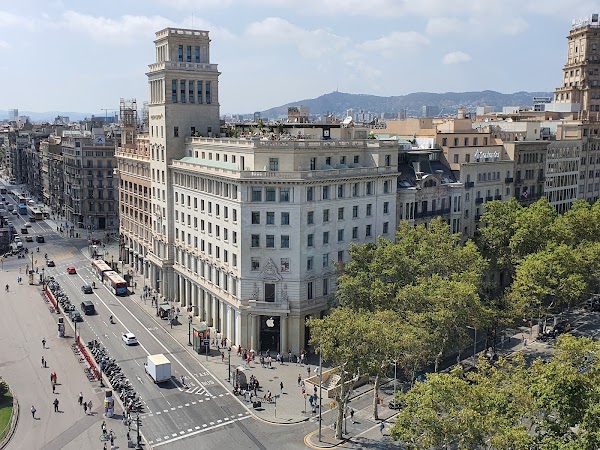
Plaça de Catalunya
View on map
Audio Narrations
Introduction
Plaça de Catalunya, a vast plaza in Barcelona, is the city's central hub, connecting the old town to the 19th-century Eixample district. The plaza is renowned for its monumental buildings, including the iconic El Corte Inglés department store, and is a popular gathering spot for locals and tourists alike. At the plaza's center, a series of fountains and sculptures create a serene oasis amidst the bustling city. The most prominent sculpture is the Monument a Francesc Macià, honoring the former president of Catalonia. Another notable work is "La Deessa," a striking statue of a female figure by Josep Clara. Plaça de Catalunya is also a transportation hub, with metro lines and buses connecting it to various parts of the city. The Aerobus, an express bus service, provides a convenient link to Barcelona Airport. Beyond its practical significance, Plaça de Catalunya holds historical and cultural importance. It was once a rural area outside the city walls, but in the mid-19th century, the defensive walls were demolished, allowing for the expansion of the city. The plaza was designed by architect Puig i Cadafalch and completed in 1927. Today, Plaça de Catalunya remains a vibrant and dynamic space, hosting events, concerts, and exhibitions throughout the year. It is a testament to Barcelona's rich history and its enduring spirit as a cultural and cosmopolitan city.Urban Planning and Design
Plaça de Catalunya, a central square in Barcelona, exemplifies urban planning and design principles. Originally envisioned as a monumental open space connecting the old city to the new Eixample district, the square's design was influenced by engineer Ildefons Cerdà's grid plan. Its rectangular shape and spacious layout facilitate pedestrian movement and create a sense of order and harmony. The square's focal point is a large fountain, surrounded by six sculptural groups representing Catalonia's provincial capitals and the virtues of wisdom and labor. These elements contribute to the square's symbolic significance as a meeting point and a celebration of Catalan identity. The square's design also incorporates elements of sustainability. Its ample green spaces, including trees and flowerbeds, provide shade and reduce the urban heat island effect. The use of natural materials, such as stone and marble, adds to the square's aesthetic appeal while ensuring durability. Additionally, the square's proximity to public transportation hubs promotes accessibility and reduces reliance on private vehicles. Plaça de Catalunya's urban design has evolved over time, reflecting changing societal needs and values. In the early 20th century, the square was a bustling commercial center, with department stores and hotels lining its perimeter. However, in recent years, there has been a shift towards pedestrianization and the creation of more public spaces. The square now hosts cultural events, markets, and exhibitions, fostering a vibrant and inclusive urban environment. Overall, Plaça de Catalunya is a testament to the power of urban planning and design in shaping a city's identity and quality of life. Its harmonious layout, symbolic elements, and sustainable features make it a model for urban spaces that prioritize both aesthetics and functionality.Cultural Events and Festivals
Plaça de Catalunya, the vibrant heart of Barcelona, pulsates with cultural events and festivals throughout the year. This iconic square transforms into a stage for a diverse array of artistic expressions. From grand concerts to intimate performances, Plaça de Catalunya captivates audiences with its unique ambiance. The square's central location makes it a natural gathering point for major celebrations. During the annual La Mercè festival, Plaça de Catalunya explodes with color, music, and dance. The square hosts the main events, including the spectacular opening ceremony, featuring a vibrant parade of giants and "castellers" building human towers. Beyond these grand spectacles, Plaça de Catalunya also nurtures smaller-scale cultural events. The Barcelona Jazz Festival, held annually in November and December, brings renowned musicians to the square's intimate stages. The Setmana del Llibre en Català, a week-long celebration of Catalan literature, transforms the square into a literary haven, hosting book signings, readings, and discussions. Plaça de Catalunya's cultural significance extends beyond its role as a venue. The square itself is a work of art, adorned with sculptures, fountains, and mosaics that reflect Barcelona's rich heritage. The "Mosaic de Miró" by Joan Miró, a vibrant abstract masterpiece, invites contemplation and adds a touch of whimsy to the bustling atmosphere. For those seeking a deeper cultural immersion, Plaça de Catalunya offers a gateway to Barcelona's vibrant arts scene. The square is surrounded by theaters, including the historic Teatre Colón and the intimate Teatre Suís, showcasing a diverse range of performances from traditional plays to experimental dance. Plaça de Catalunya is not merely a physical space but a cultural melting pot where art, music, and literature converge. Its unique blend of grandeur and intimacy makes it a captivating destination for anyone seeking an authentic and enriching cultural experience in the heart of Barcelona.
5
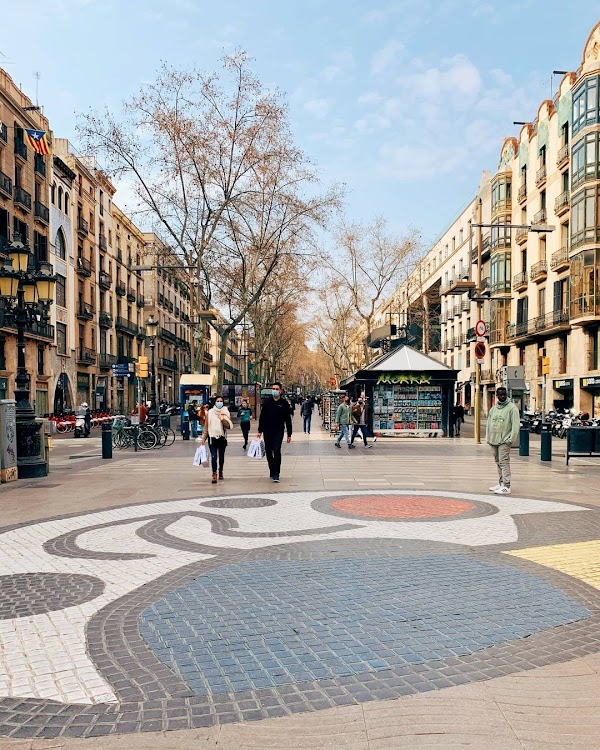
La Rambla
View on map
Audio Narrations
Introduction
La Rambla, the heart of Barcelona, pulsates with life and history. This 1.2-kilometer boulevard, stretching from Plaça de Catalunya to the Christopher Columbus Monument, is a vibrant tapestry of sights, sounds, and experiences. Flanked by the Gothic Quarter and El Raval, La Rambla is a microcosm of Barcelona's diverse character. Street performers, human statues, and flower vendors add a touch of whimsy, while the iconic Boqueria Market bursts with the colors and aromas of fresh produce. The mosaic by Joan Miró, embedded near the Boqueria, is a hidden gem often overlooked by hurried feet. The Liceu Theatre, a majestic opera house, stands as a testament to Barcelona's cultural heritage. Las Ramblas is not without its quirks. The southern end, near the port, transforms into a lively, albeit slightly seedy, district at night. Pickpockets and street vendors vie for attention, adding a touch of grit to the otherwise charming atmosphere. For a taste of authentic Barcelona, wander down the narrow alleyways branching off La Rambla. Discover hidden tapas bars, quaint shops, and architectural gems like the Palau Güell. Whether you're seeking cultural immersion, a taste of local life, or simply a leisurely stroll, La Rambla offers an unforgettable experience. It's a place where history whispers in your ear, art comes alive on the pavement, and the spirit of Barcelona unfolds before your eyes.Cultural Hub
La Rambla: A Cultural Tapestry in the Heart of Barcelona La Rambla, Barcelona's iconic pedestrian boulevard, pulsates with a vibrant cultural energy that transcends its bustling atmosphere. More than just a thoroughfare, it's a living stage where history, art, and local life converge, creating a captivating experience for the culturally curious. The avenue's rich tapestry unfolds through its diverse offerings. Start your journey at the Plaça de Catalunya, where the mosaic-adorned pavement sets the stage for the artistic spectacle ahead. Stroll down the central promenade, flanked by rows of plane trees, and immerse yourself in the lively street performances. Witness the artistry of human statues, be captivated by the rhythmic flamenco dancers, and marvel at the whimsical soap bubble displays. As you delve deeper, La Rambla unveils its historical treasures. The Gran Teatre del Liceu, a majestic opera house, stands as a testament to Barcelona's artistic heritage. The Palau Güell, a Gaudí masterpiece, showcases the architect's visionary genius. And tucked away in hidden corners, you'll find charming museums like the Museu de l'Eròtica and the Museu de Cera, offering unique glimpses into the city's cultural tapestry. But La Rambla's cultural essence extends beyond its landmarks. It's in the vibrant stalls of La Boqueria market, where the sights and scents of fresh produce ignite the senses. It's in the lively cafes and bars, where locals and visitors mingle over tapas and animated conversations. It's in the spontaneous street musicians who fill the air with melodies, creating an impromptu symphony of urban life. As you reach the end of La Rambla, the towering Christopher Columbus monument marks the culmination of your cultural journey. But the experience lingers, leaving you with a profound appreciation for the city's vibrant spirit and its ability to weave history, art, and everyday life into a captivating cultural tapestry.Urban Oasis
La Rambla, the beating heart of Barcelona, pulsates with life, offering a vibrant escape within the urban landscape. This iconic boulevard, stretching over 1.2 kilometers, transforms into a verdant oasis, a sanctuary amidst the city's bustling energy. Towering plane trees line the pedestrian promenade, casting dappled shadows that dance upon the mosaic pavement below. The air hums with the melodies of street performers, their music weaving through the rustling leaves, creating a symphony of urban nature. Beneath the leafy canopy, a vibrant tapestry of life unfolds. Flower stalls burst with color, their fragrant blooms perfuming the air. Lively cafes spill onto the pedestrian walkway, inviting passersby to linger over a café con leche and soak in the atmosphere. Street vendors tempt with local delicacies, the aroma of churros and roasted chestnuts mingling with the scent of freshly squeezed orange juice. La Rambla's urban oasis extends beyond its verdant canopy. The bustling La Boqueria market, a kaleidoscope of sights and smells, offers a glimpse into the city's culinary soul. Stalls overflow with fresh produce, exotic spices, and local delicacies, a testament to Barcelona's rich gastronomic heritage. The nearby Gran Teatre del Liceu, a majestic opera house, provides a haven for art and culture, its opulent interiors transporting visitors to a world of elegance and grandeur. As the sun begins its descent, La Rambla transforms into a nocturnal wonderland. Streetlamps illuminate the promenade, casting a warm glow upon the vibrant crowds. The air fills with the sounds of laughter and conversation, as locals and tourists alike gather to enjoy the city's nightlife. The rhythmic beats of flamenco dancers echo through the streets, their passionate movements captivating the audience. La Rambla, an urban oasis in the heart of Barcelona, offers a unique blend of nature, culture, and urban energy. It is a place where the city's vibrant spirit meets the tranquility of its green spaces, creating an unforgettable experience for all who wander its path.
6
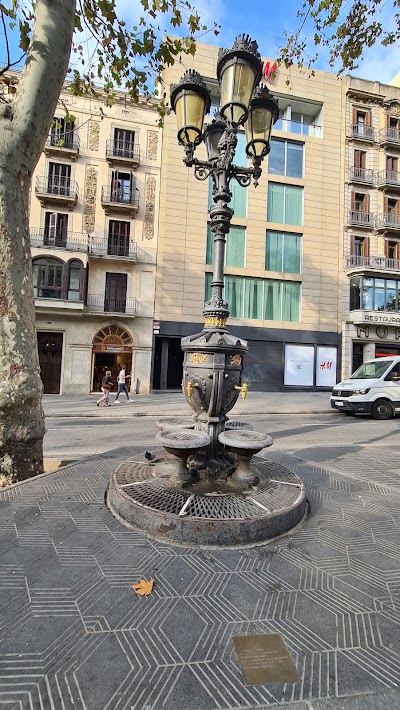
Font de Canaletes
View on map
7
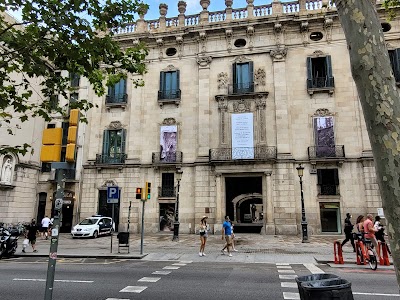
Virreina Palace
View on map
8
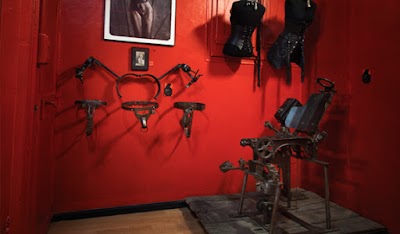
Barcelona Erotic Museum
View on map
9
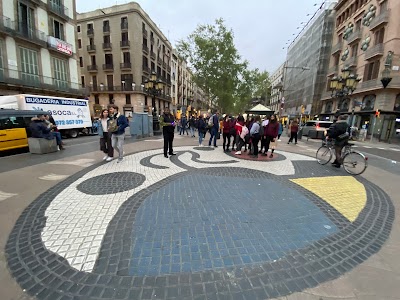
Mosaic de Joan Miró
View on map
10
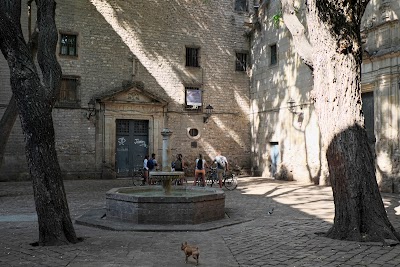
Gothic Quarter
View on map
11
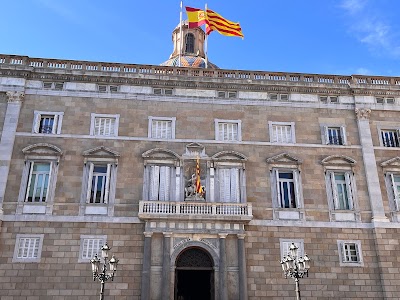
Plaça de Sant Jaume
View on map
Audio Narrations
Introduction
Plaça de Sant Jaume, the heart of Barcelona's Gothic Quarter, is a historic square that has witnessed pivotal moments in Catalan history. It is flanked by two imposing buildings: the Palau de la Generalitat, the seat of the Catalan government, and Barcelona City Hall. The square's origins date back to the Roman era, where it served as the city's forum. In the Middle Ages, the church of Sant Jaume stood here, giving the square its name. The church was demolished in the 19th century, opening up the square and allowing for the construction of the current buildings. Plaça de Sant Jaume is a vibrant hub for political events, cultural celebrations, and local gatherings. It hosts the annual La Mercè festival, featuring traditional Catalan dances, music, and human tower competitions. The square is also a popular spot for locals to relax and enjoy the city's atmosphere.La Mercè Festival
Plaça de Sant Jaume, the heart of Barcelona's political and cultural life, transforms into a vibrant hub during the La Mercè Festival. The square, flanked by the City Hall and the Palau de la Generalitat, hosts a captivating array of events that showcase Catalan traditions and heritage. The festival's highlight is the Castellers performance, where human towers soar towards the sky, defying gravity with precision and teamwork. The square fills with awe-inspiring feats as the Castellers construct towering structures, each tier symbolizing unity and strength. Another captivating spectacle is the Sardana dance, a traditional Catalan folk dance performed in a circle. The rhythmic steps and graceful movements create a mesmerizing spectacle, inviting visitors to join in the joyous celebration. As the festival reaches its climax, Plaça de Sant Jaume becomes the stage for a spectacular projection show. The facades of the surrounding buildings are illuminated with vibrant images, narrating the history and legends of Barcelona. The square transforms into a canvas of light and color, captivating the audience with its visual splendor. Throughout the festival, Plaça de Sant Jaume pulsates with music, laughter, and the spirit of La Mercè. It's a place where tradition meets innovation, where the past and present intertwine, creating an unforgettable experience for all who witness its magic.Gothic Quarter
Plaça de Sant Jaume is a central square in Barcelona's Gothic Quarter, a historic district known for its medieval architecture and narrow, winding streets. The square is a popular gathering place for locals and tourists alike, and is home to several important buildings, including the Palau de la Generalitat de Catalunya, the seat of the Catalan government, and the Barcelona City Hall. The square's most striking feature is its beautiful Gothic architecture. The Palau de la Generalitat, built in the 15th century, is a masterpiece of Catalan Gothic architecture, with its elaborate facade and ornate interior courtyard. The Barcelona City Hall, built in the 19th century, is a more modern building, but it still features many Gothic elements, such as its pointed arches and ribbed vaults. Plaça de Sant Jaume is also home to several other historic buildings, including the Casa de l'Ardiaca, a 15th-century palace that now houses the Barcelona History Museum, and the Capella de Sant Marc, a 14th-century chapel that is one of the oldest buildings in the city. The square is a popular place to relax and people-watch, and there are several cafes and restaurants with outdoor seating. It is also a popular venue for concerts and other events, and during the summer months, the square is often filled with music and laughter. If you are visiting the Gothic Quarter, be sure to stop by Plaça de Sant Jaume. It is a beautiful and historic square that is full of life and energy.
12
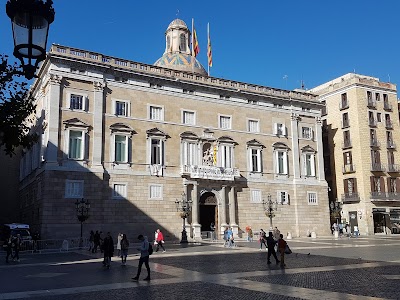
Palau de la Generalitat de Catalunya
View on map
13
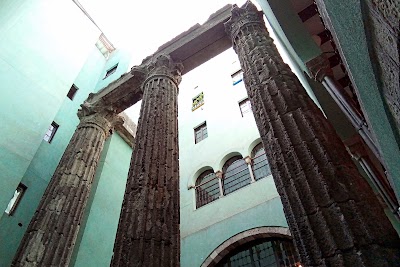
MUHBA Temple d'August
View on map
14
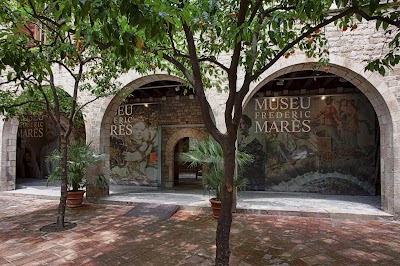
Museu Frederic Marès
View on map
15
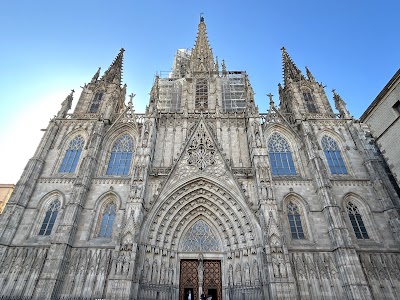
Cathedral of Barcelona
View on map
Audio Narrations
Introduction
The Cathedral of Barcelona, a Gothic masterpiece, stands as the seat of the Archbishop of Barcelona. Its construction spanned from the 13th to 15th centuries, with the cloister completed in 1448. The neo-Gothic façade, a striking addition, was constructed in the late 19th century. Inside, the cathedral boasts five aisles, a truncated transept, and a chevet with nine radiating chapels. The high altar, raised above the crypt, offers a clear view of the entombed body of Saint Eulalia, the city's co-patron saint. The choir stalls, adorned with the coats-of-arms of the Order of the Golden Fleece, add to the cathedral's grandeur. The Chapel of the Holy Sacrament and of the Holy Christ of Lepanto houses a cross said to date back to the Battle of Lepanto in 1571. The secluded Gothic cloister is home to 13 white geese, a symbolic representation of Eulalia's age at her martyrdom. Beyond its architectural beauty, the cathedral holds significant historical value. It was built over the crypt of an earlier Romanesque cathedral and incorporates elements of an early Christian and Visigothic episcopal complex. The cathedral has witnessed numerous events, including the investiture of Charles, the future Holy Roman Emperor, as Count of Barcelona.Gothic Architecture
The Cathedral of Barcelona, a magnificent edifice in the heart of the Gothic Quarter, stands as a testament to the Catalan Gothic architectural style. Its construction, spanning from the 13th to the 15th centuries, showcases the region's unique approach to Gothic design. Unlike towering Gothic cathedrals elsewhere, the Barcelona Cathedral emphasizes balance and harmony. Its three naves are of equal height, creating a sense of spaciousness and light. The ribbed vaults, supported by slender columns, soar overhead, giving the interior an ethereal quality. The facade, a neo-Gothic addition from the late 19th century, is adorned with intricate carvings and gargoyles. The main portal features a tympanum depicting scenes from the life of Christ, while the side portals showcase the martyrdom of Saint Eulalia, Barcelona's patron saint. Inside, the cathedral houses a wealth of Gothic treasures. The 14th-century choir stalls, carved from walnut, depict biblical scenes and allegorical figures. The alabaster tomb of Saint Eulalia, adorned with reliefs of her martyrdom, is a poignant reminder of the city's Christian heritage. The cloister, a serene oasis amidst the bustling city, features pointed arches and delicate tracery. Its walls are lined with chapels, each with its own unique architectural details. The Cathedral of Barcelona is not merely a historical monument but a living testament to the enduring legacy of Gothic architecture. Its harmonious proportions, intricate carvings, and spiritual atmosphere continue to inspire awe and wonder in visitors from around the world.Symbol of Barcelona
The Cathedral of Barcelona, a majestic Gothic masterpiece, stands as an enduring symbol of Barcelona's rich history and cultural heritage. Its imposing façade, adorned with intricate sculptures and gargoyles, reflects the city's architectural prowess. The cathedral's grandeur extends within, where soaring vaults, stained-glass windows, and an elaborate choir create an awe-inspiring ambiance. It is here that the city's patron saint, Saint Eulalia, is entombed, making the cathedral a sacred pilgrimage site for locals and visitors alike. As a testament to Barcelona's enduring spirit, the cathedral has witnessed countless historical events, from royal coronations to religious ceremonies, solidifying its place as a cherished landmark and a symbol of the city's unwavering identity.
16
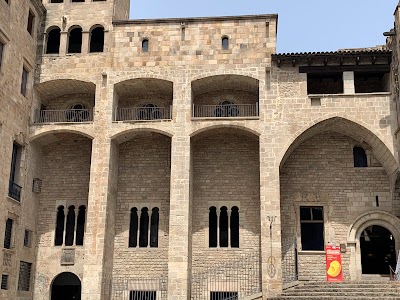
Plaça del Rei
View on map
17
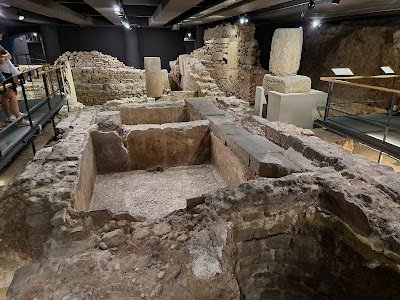
Barcelona History Museum MUHBA
View on map
18
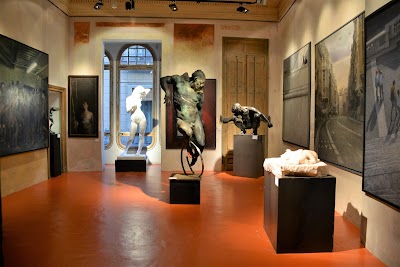
European Museum of Modern Art
View on map
19
Museu Etnològic i de Cultures del Món
View on map
Audio Narrations
Introduction
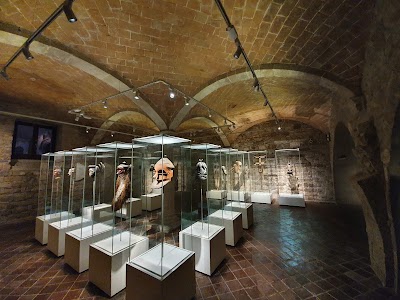
Le Museu Etnològic i de Cultures del Món de Barcelone, en Espagne, est un musée fascinant dédié à l'exploration des diverses cultures du monde. Avec deux sites, les sites de Montjuïc et de Montcada, le musée offre un aperçu complet du patrimoine artistique et culturel de divers pays et îles, notamment la Nouvelle-Zélande, les îles Marquises, les Tonga et Rapa Nui. Le site de Montjuïc, installé dans un bâtiment construit à l'origine en 1973 et rouvert en 2015 après quatre ans de rénovation, présente une exposition permanente intitulée "Ressentir l'héritage". Cette exposition explore le concept des objets en tant qu'incarnations des communautés qui les ont créés et utilisés, offrant une perspective unique sur l'identité et l'expression culturelles. Les visiteurs peuvent explorer une gamme d'artefacts, des objets du quotidien aux objets cérémoniels, et découvrir la vie et les traditions des peuples du monde entier. Le site de Montcada, installé dans les palais restaurés de Nadal et du Marquès de Llió, présente une exposition permanente d'environ 530 pièces de diverses cultures d'Afrique, d'Océanie, d'Asie et des Amériques. Les expositions sont organisées par continent et présentent des supports interactifs et audiovisuels, permettant aux visiteurs de s'immerger dans les contextes culturels des objets exposés. Outre les expositions permanentes, le musée accueille également des expositions temporaires qui explorent des thèmes ou des cultures spécifiques plus en profondeur. Ces expositions permettent aux visiteurs d'approfondir des domaines d'intérêt spécifiques et d'acquérir une compréhension plus approfondie du patrimoine culturel diversifié du monde. Le Museu Etnològic i de Cultures del Món est une ressource précieuse pour toute personne souhaitant découvrir la riche tapisserie des cultures humaines. Grâce à ses expositions captivantes et à ses programmes éducatifs, le musée favorise la compréhension interculturelle et l'appréciation de la diversité de l'expression humaine.Patrimoine mondial
Le Museu Etnològic i de Cultures del Món de Barcelone, en Catalogne, en Espagne, témoigne de l'interconnexion du patrimoine mondial. Sa collection transcende les frontières géographiques, présentant la riche tapisserie des cultures humaines du monde entier. À travers ses diverses expositions, le musée invite les visiteurs à se lancer dans un voyage de découverte, explorant les fils communs qui unissent l'humanité. L'une des forces uniques du musée réside dans son intérêt pour les cultures et traditions moins connues. Il explore les détails complexes de la vie quotidienne, des rituels et des croyances, offrant un aperçu du vaste spectre de l'expérience humaine. Les visiteurs peuvent s'immerger dans le monde vibrant des communautés indigènes, s'émerveiller devant le savoir-faire complexe des textiles traditionnels et découvrir les pratiques spirituelles qui ont façonné diverses sociétés. L'engagement du musée envers le patrimoine mondial va au-delà de ses expositions. Il participe activement à des initiatives de recherche et d'éducation, favorisant la compréhension interculturelle et promouvant la préservation des pratiques culturelles menacées. Grâce à ses programmes de sensibilisation, le musée établit des liens avec les communautés locales, favorisant le dialogue et la collaboration. Une visite au Museu Etnològic i de Cultures del Món n'est pas simplement une exploration de cultures lointaines ; c'est une profonde réflexion sur l'interconnexion de l'humanité. Il invite les visiteurs à reconsidérer leurs propres perspectives culturelles et à apprécier la richesse et la diversité de l'expérience humaine. En tant que dépositaire du patrimoine mondial, le musée sert de rappel essentiel des valeurs et traditions partagées qui nous unissent tous.Musées de Barcelone
Un monde de cultures vous attend au Museu Etnològic i de Cultures del Món Niché au cœur de la vibrante tapisserie des musées de Barcelone, le Museu Etnològic i de Cultures del Món est un joyau unique, offrant un voyage captivant à travers la diversité des cultures humaines. Contrairement aux autres musées de Barcelone, cette institution s'aventure dans les profondeurs de l'anthropologie et de l'ethnographie, présentant le riche héritage et les traditions des communautés du monde entier. Entrez et embarquez pour un voyage à travers les continents et les siècles. Plongez dans les costumes vibrants et les textiles complexes des communautés indigènes, émerveillez-vous devant le savoir-faire des outils et artefacts anciens, et assistez à l'évolution de l'ingéniosité humaine à travers des expositions captivantes. La collection du musée compte plus de 30 000 objets, chacun racontant des histoires d'échanges culturels, d'adaptation et de résilience. Au-delà de sa vaste collection, le Museu Etnològic i de Cultures del Món se distingue par son approche immersive. Des expositions interactives invitent les visiteurs à s'engager avec différentes cultures, favorisant une compréhension et une appréciation plus profondes de la diversité du monde. Des expositions temporaires explorent des thèmes et des régions spécifiques, offrant de nouvelles perspectives et des éclairages. Pour ceux qui recherchent une immersion plus approfondie, le centre de recherche du musée donne accès à une multitude de ressources, notamment une bibliothèque spécialisée et des archives. Des programmes éducatifs et des ateliers s'adressent à tous les âges, favorisant le dialogue interculturel et promouvant la compréhension globale. Que vous soyez un habitué des musées ou un nouveau venu curieux, le Museu Etnològic i de Cultures del Món promet une expérience enrichissante. C'est un lieu pour entrer en contact avec les diverses communautés du monde, remettre en question vos perspectives et découvrir la beauté et la complexité de la culture humaine. Alors, entrez dans ce monde vibrant et embarquez pour un voyage de découverte qui laissera une impression durable.
20
Picasso Museum
View on map
Audio Narrations
Introduction
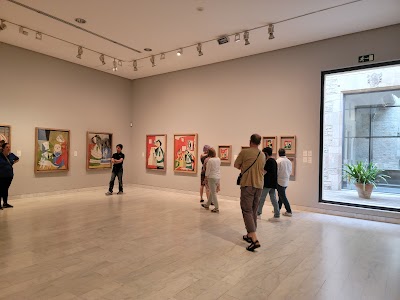
Niché au cœur du quartier gothique de Barcelone, le musée Picasso présente une collection inégalée de plus de 4 250 œuvres du célèbre artiste espagnol. Installé dans cinq palais médiévaux interconnectés, le musée offre un voyage chronologique à travers l'évolution artistique de Picasso, de ses premières années de formation à ses chefs-d'œuvre ultérieurs. Les visiteurs peuvent suivre la trajectoire artistique de Picasso à travers la vaste collection du musée de peintures, dessins, sculptures et céramiques. Parmi les points forts figurent "La Première Communion" (1896), une œuvre de jeunesse qui révèle sa formation académique, et "Science et Charité" (1897), une représentation poignante de la pauvreté et de l'injustice sociale. Le musée abrite également la célèbre série de Picasso "Las Meninas" (1957), une réinterprétation du tableau emblématique de Velázquez, mettant en valeur l'approche unique de Picasso de l'art classique. Au-delà de ses trésors artistiques, le musée Picasso offre un aperçu de la vie personnelle de l'artiste et de son lien profond avec Barcelone. La collection du musée comprend des œuvres données par l'ami proche et secrétaire de Picasso, Jaume Sabartés, offrant un aperçu du processus créatif de l'artiste et de sa relation avec la ville qui a façonné sa vision artistique.Influence sur l'art moderne
Niché au cœur de Barcelone, le musée Picasso est un trésor des années de formation de l'artiste légendaire, offrant une perspective unique sur la genèse de l'art moderne. Le musée abrite plus de 4 000 pièces, retraçant l'évolution artistique de Picasso, de ses premières œuvres académiques aux styles révolutionnaires qui allaient définir l'art du XXe siècle. La collection du musée met en valeur la profonde influence de Picasso sur l'art moderne. Ses premières œuvres, influencées par le symbolisme et l'impressionnisme, révèlent ses prouesses techniques et ses expérimentations avec différents styles. Alors qu'il s'enfonçait plus profondément dans son parcours artistique, la vision unique de Picasso a émergé, culminant dans le développement du cubisme aux côtés de Georges Braque. La collection du musée comprend des chefs-d'œuvre cubistes emblématiques, tels que "Les Demoiselles d'Avignon", qui ont brisé les notions traditionnelles de perspective et de représentation. Au-delà du cubisme, le musée met en lumière l'exploration du surréalisme, de l'expressionnisme et du néoclassicisme par Picasso. Sa capacité à passer sans heurts entre ces styles divers souligne sa polyvalence artistique et son esprit sans repos. Le musée met également en lumière les commentaires politiques et sociaux de Picasso, notamment à travers ses puissantes peintures anti-guerre comme "Guernica". Grâce à sa collection complète et à sa curation perspicace, le musée Picasso de Barcelone offre une occasion inégalée de plonger dans l'esprit d'un artiste visionnaire qui a révolutionné le cours de l'art moderne. C'est une destination incontournable pour quiconque cherche à comprendre l'impact profond du génie de Picasso sur le monde de l'art et au-delà.Inspiration artistique
Niché au cœur du quartier gothique de Barcelone, le musée Picasso est un trésor d'inspiration artistique. Le musée abrite plus de 4 200 œuvres de Picasso, couvrant ses années de formation jusqu'à ses chefs-d'œuvre ultérieurs. L'un des aspects uniques du musée est son accent sur le développement précoce de Picasso. Les visiteurs peuvent retracer l'évolution de son style, de ses débuts académiques à ses œuvres cubistes révolutionnaires. Le musée présente également une collection de céramiques de Picasso, qui offrent un aperçu de sa nature expérimentale et de sa fascination pour différents médiums. Au-delà des œuvres physiques, le musée offre une compréhension plus approfondie du processus artistique et des inspirations de Picasso. Grâce à des expositions interactives et des visites guidées, les visiteurs peuvent découvrir les influences qui ont façonné son travail, de son héritage espagnol à ses rencontres avec d'autres artistes et mouvements. L'emplacement du musée dans le quartier gothique ajoute à son attrait. Les rues étroites et l'architecture médiévale offrent une toile de fond qui transporte les visiteurs à l'époque où Picasso vivait et travaillait à Barcelone. Le musée lui-même est installé dans cinq palais médiévaux interconnectés, créant un cadre unique et atmosphérique pour explorer le parcours artistique de Picasso.
Experience the Full Tour
Download the DocentPro app to access all tour stops, complete audio narrations in multiple languages, offline maps, and interactive features.