
Barcelona Enchantments: A Delightful Journey Through the City's Heart

Walking Tour

4.7 km (2.9 miles)

1h 3min travel time

20 Stops

Barcelona, Spain
Barcelona Enchantments: A Delightful Journey Through the City's Heart
Tour Stops
1
La Sagrada Familia
View on map
Audio Narrations
소개
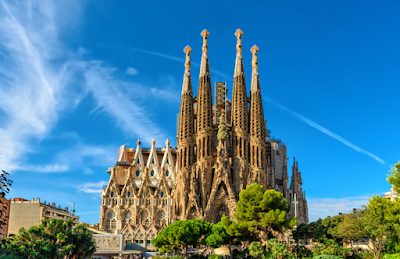
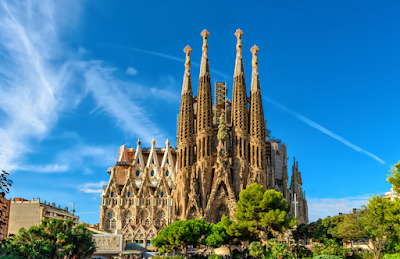
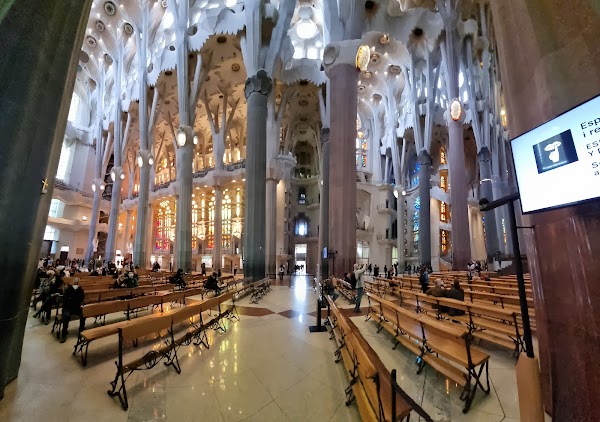
바르셀로나에 있는 거대한 성당, 사그라다 파밀리아는 유명한 건축가 안토니 가우디의 대표작입니다. 1882년에 시작된 이 건축학적 경이로움은 아직 미완성 상태이며, 2026년에 완공될 것으로 예상됩니다. 성당의 디자인은 고딕 양식과 아르누보 양식이 매혹적으로 혼합되어 있으며, 복잡한 파사드, 솟아오르는 첨탑, 그리고 나선형 기둥의 숲이 특징입니다. 가우디가 1926년에 사망하기 전에 완성된 탄생 파사드는 그의 자연주의적 스타일을 보여주는 증거입니다. 예수의 탄생 장면으로 장식된 이 파사드는 자연과 상징주의에 대한 가우디의 사랑을 보여줍니다. 반면, 수난 파사드는 그리스도의 십자가형에 대한 엄격하고 침울한 헌정이며, 각진 선과 잊혀지지 않는 조각상들이 특징입니다. 아직 건설 중인 영광 파사드는 가장 기념비적인 파사드가 될 것으로 예상되며, 신에게 이르는 길을 묘사하고 칠죄종과 천상의 미덕과 같은 요소들을 포함할 것입니다. 내부에서 성당은 빛과 공간의 교향곡입니다. 쌍곡면 볼트와 측벽은 천상의 웅장함을 느끼게 하고, 스테인드글라스 창문은 내부를 생생한 색조로 물들입니다. 성경 속 인물들을 상징하는 18개의 첨탑이 결국 성당을 장식할 것이며, 중앙 첨탑은 예수 그리스도에게 헌정되어 172.5미터 높이에 도달할 것입니다. 사그라다 파밀리아는 가우디의 천재성과 바르셀로나 문화유산의 상징입니다. 독특한 디자인과 계속되는 건설은 여러 세대에 걸쳐 방문객들을 사로잡았으며, 세계에서 가장 상징적이고 사랑받는 랜드마크 중 하나가 되었습니다.바르셀로나의 상징
라 사그라다 파밀리아는 안토니 가우디의 건축학적 걸작으로, 바르셀로나의 독특한 정신과 카탈루냐 모더니즘의 상징으로 자리 잡고 있습니다. 그 웅장함과 복잡한 디테일은 이곳을 상징적인 랜드마크로 만들었으며, 매년 수백만 명의 방문객을 끌어모으고 있습니다. 바르셀로나의 상징으로서 라 사그라다 파밀리아는 도시의 활기찬 문화, 예술과 건축에 대한 헌신, 그리고 지속적인 유산을 구현합니다. 가우디의 라 사그라다 파밀리아에 대한 비전은 다른 모든 것을 능가하는 성전을 창조하는 것이었습니다. 이는 그의 깊은 신앙과 자연에 대한 사랑의 증거입니다. 그는 유기적인 형태, 생생한 색상, 그리고 복잡한 상징주의를 바실리카 디자인의 모든 측면에 통합했습니다. 거꾸로 된 야자수와 닮은 우뚝 솟은 첨탑은 하늘을 향해 뻗어 있으며, 파사드는 그리스도의 생애 장면을 묘사하여 묵상과 경외심을 불러일으킵니다. 건축학적 중요성 외에도 라 사그라다 파밀리아는 바르셀로나 사람들의 마음속에 특별한 위치를 차지하고 있습니다. 이는 건설 과정에서 정치적 혼란과 재정적 차질을 겪으면서도 살아남은 그들의 회복력의 상징입니다. 개인 기부금으로 자금을 조달하는 바실리카의 지속적인 건설은 문화유산을 보존하려는 도시의 변함없는 의지를 반영합니다. 바르셀로나의 상징으로서 라 사그라다 파밀리아는 도시의 자부심, 예술에 대한 열정, 그리고 지속적인 정신을 나타냅니다. 이는 건축의 변혁적인 힘에 대한 증거이자 미래 세대를 위한 영감의 등대입니다.건축 여정
바르셀로나, 스페인에 위치한 사그라다 파밀리아 성당의 건설 여정은 건축가 안토니 가우디의 비전과 헌신에 대한 증거입니다. 1882년에 시작된 이 성당은 140년이 넘는 기간 동안 끊임없이 건설 중이며 아직 완공되지 않았습니다. 자연과 유기적인 형태에서 영감을 받은 가우디의 독특한 건축 방식은 시각적으로 놀랍고 구조적으로 혁신적인 건물을 탄생시켰습니다. 사그라다 파밀리아의 가장 눈에 띄는 특징 중 하나는 하중을 고르게 분산시키고 넓고 개방된 공간을 가능하게 하는 포물선 볼트의 사용입니다. 가우디는 또한 깨진 세라믹 타일로 만든 모자이크 기법인 트렌카디스 기법을 개척하여 건물 외관에 색상과 질감을 더했습니다. 사그라다 파밀리아의 건설은 복잡하고 어려운 과정이었습니다. 이 건물은 화재, 폭풍, 정치적 불안으로 인해 손상되었으며 자금 문제로 인해 진행 속도가 느려졌습니다. 그러나 프로젝트에 참여한 건축가 및 엔지니어 팀은 가우디의 비전에 전념해 왔으며 현재 성당은 완공을 눈앞에 두고 있습니다. 마침내 완공되면 사그라다 파밀리아는 세계에서 가장 높고 상징적인 교회 중 하나가 될 것입니다. 그것은 안토니 가우디의 천재성과 인간 창의력의 지속적인 힘을 보여주는 증거가 될 것입니다.
2
Plaça de la Sagrada Família
View on map
Audio Narrations
서론
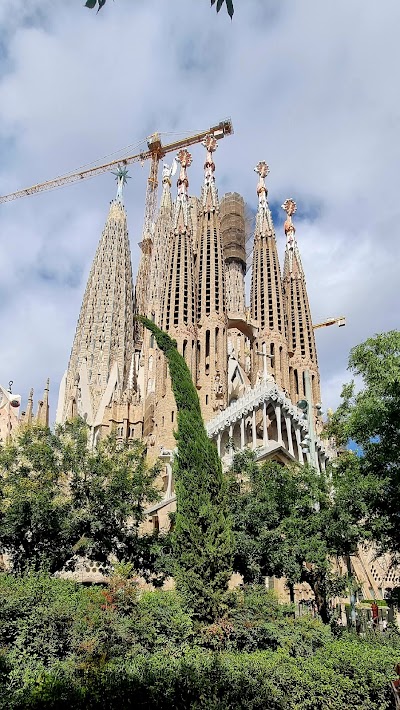
카탈루냐, 스페인, 바르셀로나에 있는 번화한 광장인 사그라다 파밀리아 광장은 상징적인 사그라다 파밀리아 대성당으로 가는 관문 역할을 합니다. 야자수와 우아한 현관이 있는 건물로 장식된 이 활기찬 광장은 역사, 문화, 건축적 경이로움이 독특하게 조화를 이룹니다. 광장 중심에는 세 그레이스 분수가 있는데, 세 명의 우아한 여성이 분지를 들어 올리는 모습을 묘사한 매력적인 조각품입니다. 안토니 가우디가 디자인한 가로등은 광장의 분위기에 기발한 매력을 더합니다. 사그라다 파밀리아 광장은 지역 주민과 관광객 모두가 모이는 인기 있는 장소입니다. 수많은 레스토랑, 카페, 기념품 가게가 있어 활기찬 분위기를 더합니다. 방문객들은 맛있는 타파스를 즐기고, 상쾌한 음료를 마시며, 다양한 수제품을 둘러볼 수 있습니다. 광장에서 조금만 걸어가면 카탈루냐 건축의 걸작인 사그라다 파밀리아 대성당에 도착합니다. 안토니 가우디가 설계한 이 미완성 로마 가톨릭 교회는 복잡한 디테일, 우뚝 솟은 첨탑, 화려한 모자이크로 유명합니다. 방문객들은 대성당의 웅장함에 감탄하고, 지하실을 탐험하며, 탑에 올라 도시의 숨 막히는 전경을 감상할 수 있습니다. 사그라다 파밀리아 광장은 바르셀로나를 탐험하는 모든 사람이 반드시 방문해야 할 곳입니다. 풍부한 역사, 활기찬 분위기, 사그라다 파밀리아 대성당과의 근접성이 잊지 못할 경험을 선사합니다.공공 공간
플라사 드 라 사그라다 파밀리아: 공공 공간의 걸작 바르셀로나의 공공 광장인 플라사 드 라 사그라다 파밀리아는 단순한 모임 장소가 아닙니다. 이는 도시 디자인의 걸작으로, 가우디의 상징적인 성당과 완벽하게 조화를 이루면서도 지역 주민과 관광객 모두에게 활기찬 공공 공간을 제공합니다. 광장의 독특한 배치는 공동체 의식을 조성합니다. 차량 통행이 없는 중앙 공간은 아이들이 놀고 가족이 모일 수 있는 안전한 피난처를 제공합니다. 성숙한 나무 그늘 아래에 전략적으로 배치된 벤치는 지중해의 햇살로부터 휴식을 취할 수 있도록 하여 사람들이 머물며 분위기를 즐길 수 있도록 합니다. 광장의 디자인은 방문객을 성당으로 미묘하게 유도합니다. 통로는 사그라다 파밀리아로 모여들어 웅장한 구조물이 점차 드러나면서 기대감과 경외감을 불러일으킵니다. 공공 공간과 건축적 경이로움이 상호 작용하는 이러한 상호 작용은 플라사 드 라 사그라다 파밀리아를 진정으로 몰입적인 경험으로 만듭니다. 미적 매력을 넘어서 광장은 중요한 사회적 기능을 수행합니다. 바르셀로나의 역동적인 정신을 반영하여 문화 행사, 농산물 시장, 공개 시위를 개최합니다. 개방된 공간은 포용적인 분위기를 조성하여 모든 계층의 사람들이 도시의 문화적 풍요로움을 공유할 수 있도록 합니다. 플라사 드 라 사그라다 파밀리아는 공공 공간 디자인의 힘을 증명하는 증거입니다. 이는 예술, 건축, 공동체가 모여 방문하는 모든 사람에게 활기차고 의미 있는 경험을 만드는 장소입니다.관광지
사그라다 파밀리아의 심장부인 사그라다 파밀리아 광장은 바르셀로나에서 가장 상징적인 랜드마크로, 일반적인 도시 광장 경험을 뛰어넘는 매력적인 관광지입니다. 안토니 가우디가 설계한 이 활기찬 광장은 건축적 뛰어남과 도시적 기능성을 완벽하게 조화시켜 생명력과 예술적 정신으로 뛰는 독특한 공간을 만들었습니다. 경외감을 불러일으키는 대성당 너머에 있는 광장 자체는 안목 있는 관광객을 위한 숨겨진 보석의 보고입니다. 성탄절 장면을 묘사한 복잡한 모자이크 포장은 가우디의 세심한 디테일 처리에 대한 증거입니다. 거대한 버섯을 닮은 기발한 가로등은 밤에 환상적인 빛을 발하며 광장을 마법의 이상향으로 바꿉니다. 사그라다 파밀리아 광장은 단순한 시각적 향연이 아니라 감각적 경험입니다. 거리 공연자들이 음악으로 공기를 가득 채우는 반면, 상인들은 지나가는 사람들을 지역 별미로 유혹합니다. 활기찬 분위기는 전염성이 있어 방문객들이 머물며 도시의 활기찬 에너지를 흡수하도록 합니다. 역사 애호가에게 이 광장은 바르셀로나의 과거를 엿볼 수 있는 기회를 제공합니다. 건설 중에 발굴된 로마 성벽의 유적은 도시의 고대 뿌리에 대한 확실한 증거입니다. 인근 사그라다 파밀리아 박물관에는 가우디의 스케치와 모델이 소장되어 있으며, 대성당 뒤에 있는 천재에 대한 통찰력을 제공합니다. 사그라다 파밀리아 광장은 단순한 관광지가 아니라 가우디의 비전과 바르셀로나의 활기찬 정신에 대한 살아있는 증거입니다. 역사, 예술, 문화가 만나는 곳으로 모든 방문객에게 잊지 못할 경험을 선사합니다.
3
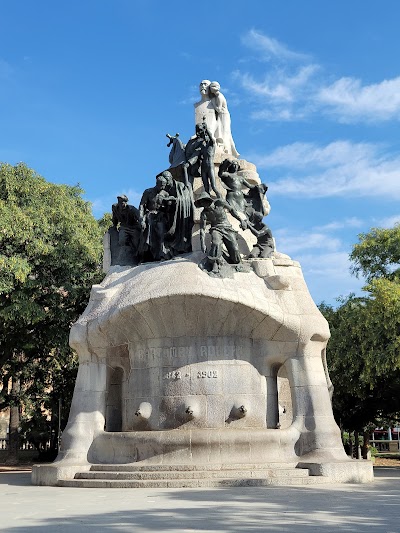
Plaça de Tetuan
View on map
4
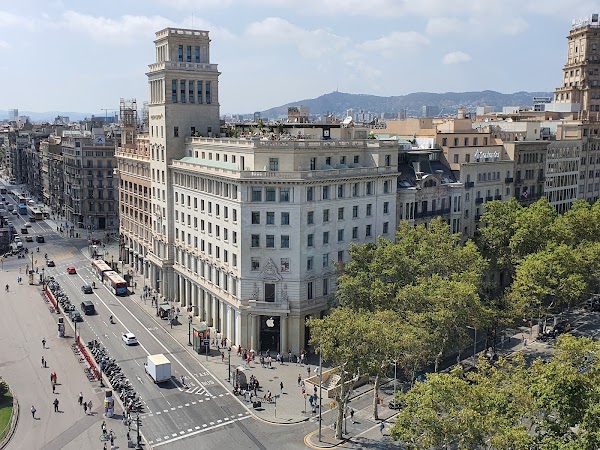
Plaça de Catalunya
View on map
Audio Narrations
Introduction
Plaça de Catalunya, a vast plaza in Barcelona, is the city's central hub, connecting the old town to the 19th-century Eixample district. The plaza is renowned for its monumental buildings, including the iconic El Corte Inglés department store, and is a popular gathering spot for locals and tourists alike. At the plaza's center, a series of fountains and sculptures create a serene oasis amidst the bustling city. The most prominent sculpture is the Monument a Francesc Macià, honoring the former president of Catalonia. Another notable work is "La Deessa," a striking statue of a female figure by Josep Clara. Plaça de Catalunya is also a transportation hub, with metro lines and buses connecting it to various parts of the city. The Aerobus, an express bus service, provides a convenient link to Barcelona Airport. Beyond its practical significance, Plaça de Catalunya holds historical and cultural importance. It was once a rural area outside the city walls, but in the mid-19th century, the defensive walls were demolished, allowing for the expansion of the city. The plaza was designed by architect Puig i Cadafalch and completed in 1927. Today, Plaça de Catalunya remains a vibrant and dynamic space, hosting events, concerts, and exhibitions throughout the year. It is a testament to Barcelona's rich history and its enduring spirit as a cultural and cosmopolitan city.Urban Planning and Design
Plaça de Catalunya, a central square in Barcelona, exemplifies urban planning and design principles. Originally envisioned as a monumental open space connecting the old city to the new Eixample district, the square's design was influenced by engineer Ildefons Cerdà's grid plan. Its rectangular shape and spacious layout facilitate pedestrian movement and create a sense of order and harmony. The square's focal point is a large fountain, surrounded by six sculptural groups representing Catalonia's provincial capitals and the virtues of wisdom and labor. These elements contribute to the square's symbolic significance as a meeting point and a celebration of Catalan identity. The square's design also incorporates elements of sustainability. Its ample green spaces, including trees and flowerbeds, provide shade and reduce the urban heat island effect. The use of natural materials, such as stone and marble, adds to the square's aesthetic appeal while ensuring durability. Additionally, the square's proximity to public transportation hubs promotes accessibility and reduces reliance on private vehicles. Plaça de Catalunya's urban design has evolved over time, reflecting changing societal needs and values. In the early 20th century, the square was a bustling commercial center, with department stores and hotels lining its perimeter. However, in recent years, there has been a shift towards pedestrianization and the creation of more public spaces. The square now hosts cultural events, markets, and exhibitions, fostering a vibrant and inclusive urban environment. Overall, Plaça de Catalunya is a testament to the power of urban planning and design in shaping a city's identity and quality of life. Its harmonious layout, symbolic elements, and sustainable features make it a model for urban spaces that prioritize both aesthetics and functionality.Cultural Events and Festivals
Plaça de Catalunya, the vibrant heart of Barcelona, pulsates with cultural events and festivals throughout the year. This iconic square transforms into a stage for a diverse array of artistic expressions. From grand concerts to intimate performances, Plaça de Catalunya captivates audiences with its unique ambiance. The square's central location makes it a natural gathering point for major celebrations. During the annual La Mercè festival, Plaça de Catalunya explodes with color, music, and dance. The square hosts the main events, including the spectacular opening ceremony, featuring a vibrant parade of giants and "castellers" building human towers. Beyond these grand spectacles, Plaça de Catalunya also nurtures smaller-scale cultural events. The Barcelona Jazz Festival, held annually in November and December, brings renowned musicians to the square's intimate stages. The Setmana del Llibre en Català, a week-long celebration of Catalan literature, transforms the square into a literary haven, hosting book signings, readings, and discussions. Plaça de Catalunya's cultural significance extends beyond its role as a venue. The square itself is a work of art, adorned with sculptures, fountains, and mosaics that reflect Barcelona's rich heritage. The "Mosaic de Miró" by Joan Miró, a vibrant abstract masterpiece, invites contemplation and adds a touch of whimsy to the bustling atmosphere. For those seeking a deeper cultural immersion, Plaça de Catalunya offers a gateway to Barcelona's vibrant arts scene. The square is surrounded by theaters, including the historic Teatre Colón and the intimate Teatre Suís, showcasing a diverse range of performances from traditional plays to experimental dance. Plaça de Catalunya is not merely a physical space but a cultural melting pot where art, music, and literature converge. Its unique blend of grandeur and intimacy makes it a captivating destination for anyone seeking an authentic and enriching cultural experience in the heart of Barcelona.
5
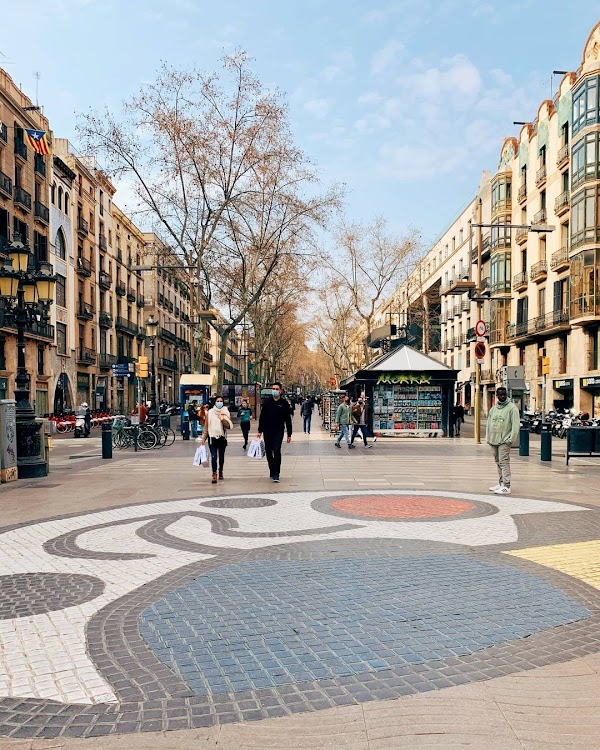
La Rambla
View on map
Audio Narrations
서론
라스람블라스는 바르셀로나의 심장부로, 생명과 역사가 뛰동입니다. 플라사 드 카탈루냐에서 크리스토퍼 콜럼버스 기념비까지 뻗어 있는 1.2km 길이의 이대로는 다양한 광경, 소리, 경험으로 짜여진 생생한 태피스트리입니다. 고딕 지구와 엘 라발에 둘러싸인 라스람블라스는 바르셀로나의 다양한 특성을 축소해 보여줍니다. 거리 공연자, 인간 조각상, 꽃 장수들이 기발한 분위기를 더하고, 상징적인 보케리아 시장은 신선한 농산물의 색감과 향기로 가득합니다. 보케리아 근처에 박힌 조안 미로의 모자이크는 서둘러 지나가는 사람들이 종종 간과하는 숨겨진 보석입니다. 장엄한 오페라 하우스인 리세우 극장은 바르셀로나의 문화적 유산을 증명하는 건축물입니다. 라스람블라스에도 독특한 점이 있습니다. 항구 근처의 남쪽 끝은 밤이 되면 활기차지만 약간 퇴폐적인 지역으로 변모합니다. 주머니털보와 거리 장수들이 관심을 끌기 위해 경쟁하며, 그렇지 않으면 매력적인 분위기에 약간의 거친 맛을 더합니다. 진정한 바르셀로나의 맛을 느끼려면 라스람블라스에서 갈라지는 좁은 골목길을 거닐어 보세요. 숨겨진 타파스 바, 기이한 상점, 파우 구엘 궁전과 같은 건축적 보석을 발견하세요. 문화적 몰입, 지역 생활의 맛, 또는 단순히 여유로운 산책을 원하든, 라스람블라스는 잊지 못할 경험을 선사합니다. 역사가 귀에 속삭이고, 예술이 포장도로에서 살아 움직이며, 바르셀로나의 정신이 눈앞에 펼쳐지는 곳입니다.문화 허브
라 람블라: 바르셀로나 중심부의 문화적 태피스트리 바르셀로나의 상징적인 보행자 전용 도로인 라 람블라는 활기찬 분위기를 넘어서는 생생한 문화적 에너지로 맥박을 칩니다. 단순한 도로 이상으로, 역사, 예술, 지역 생활이 만나는 살아있는 무대이며, 문화에 호기심이 많은 사람들에게 매력적인 경험을 선사합니다. 이 거리의 풍부한 태피스트리는 다양한 제공품을 통해 펼쳐집니다. 모자이크로 장식된 포장도로가 앞으로 펼쳐질 예술적 광경을 위한 무대를 마련하는 카탈루냐 광장에서 여정을 시작하세요. 플라타너스 나무 줄기가 늘어선 중앙 산책로를 거닐며 활기찬 거리 공연에 몰입하세요. 인간 조각상의 예술성을 목격하고, 리드미컬한 플라멩코 댄서에게 매료되고, 기발한 비눗방울 디스플레이에 경탄하세요. 더 깊이 들어가면서 라 람블라는 역사적 보물을 공개합니다. 장엄한 오페라 하우스인 그란 테아트레 델 리세우는 바르셀로나의 예술적 유산을 증명합니다. 가우디의 걸작인 팔라우 구엘은 건축가의 비전적 천재성을 보여줍니다. 숨겨진 구석에 자리한 무세우 드 레로티카와 무세우 드 세라와 같은 매력적인 박물관을 찾아 도시의 문화적 태피스트리에 대한 독특한 통찰력을 얻을 수 있습니다. 그러나 라 람블라의 문화적 본질은 랜드마크를 넘어섭니다. 신선한 농산물의 광경과 향기가 감각을 자극하는 라 보케리아 시장의 활기찬 노점에 있습니다. 현지인과 방문객이 타파스와 활기찬 대화를 나누는 활기찬 카페와 바에 있습니다. 즉흥적인 도시 생활의 교향곡을 연출하며 공기를 멜로디로 채우는 자발적인 거리 음악가에 있습니다. 라 람블라의 끝에 다다르면 우뚝 솟은 크리스토퍼 콜럼버스 기념비가 문화적 여정의 정점을 알립니다. 그러나 경험은 남아 도시의 생생한 정신과 역사, 예술, 일상 생활을 매력적인 문화적 태피스트리로 엮어내는 능력에 대한 깊은 감사를 남깁니다.도시 오아시스
바르셀로나의 심장부인 라스람블라스는 생명력으로 뛰고 있으며, 도시 풍경 속에서 활기찬 휴식을 제공합니다. 1.2km가 넘게 뻗어 있는 이 상징적인 대로는 도시의 번화한 에너지 속에서 성역인 푸른 오아시스로 변모합니다. 거대한 플라타너스 나무가 보행자 산책로를 따라 줄지어 서서 아래의 모자이크 포장도로에 반점덜룩한 그림자를 드리웁니다. 거리 공연자들의 멜로디가 공중에 울려 퍼지고, 그들의 음악이 바스락거리는 잎사귀 사이를 스며들어 도시 자연의 교향곡을 연주합니다. 울창한 캐노피 아래에서 생생한 삶의 태피스트리가 펼쳐집니다. 꽃 가판대는 색감으로 터져나오고, 향기로운 꽃들이 공기를 향기롭게 합니다. 활기찬 카페가 보행자 통로로 쏟아져 나와 지나가는 사람들을 카페 콘 레체를 마시며 분위기를 즐기도록 유혹합니다. 길거리 상인들은 지역 별미로 유혹하며, 추로스와 구운 밤의 향기가 갓 짜낸 오렌지 주스의 향기와 어우러집니다. 라스람블라스의 도시 오아시스는 푸른 캐노피 너머로 확장됩니다. 시내의 요리적 영혼을 엿볼 수 있는 번화한 라 보케리아 시장은 다양한 광경과 냄새의 만화경입니다. 가판대에는 신선한 농산물, 이국적인 향신료, 지역 별미가 넘쳐 흐르며, 바르셀로나의 풍부한 미식 유산을 증명합니다. 근처의 그란 테아트레 델 리세우는 장엄한 오페라 하우스로, 예술과 문화의 안식처를 제공하며, 화려한 인테리어는 방문객을 우아함과 웅장함의 세계로 안내합니다. 해가 지기 시작하면서 라스람블라스는 야간 원더랜드로 변모합니다. 가로등이 산책로를 비추고, 활기찬 군중에게 따뜻한 빛을 드리웁니다. 공기는 웃음소리와 대화로 가득 차고, 지역 주민과 관광객 모두가 도시의 밤문화를 즐기기 위해 모입니다. 플라멩코 댄서들의 리드미컬한 비트가 거리를 따라 울려 퍼지고, 그들의 열정적인 움직임이 관객을 사로잡습니다. 바르셀로나 중심부의 도시 오아시스인 라스람블라스는 자연, 문화, 도시 에너지의 독특한 조화를 제공합니다. 이곳은 도시의 활기찬 정신이 푸른 공간의 고요함을 만나는 곳으로, 그 길을 거닐는 모든 사람에게 잊지 못할 경험을 선사합니다.
6
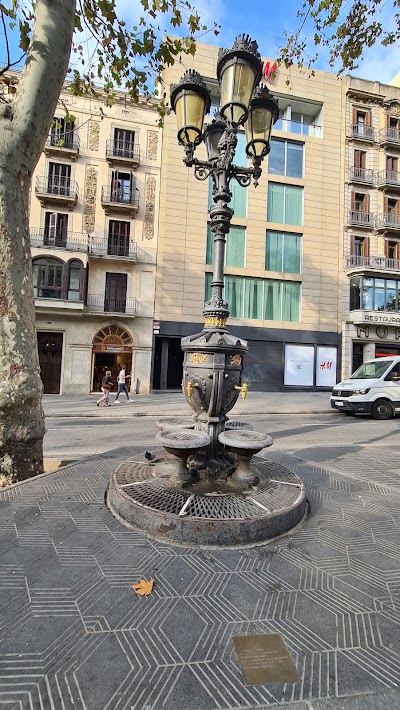
Font de Canaletes
View on map
7
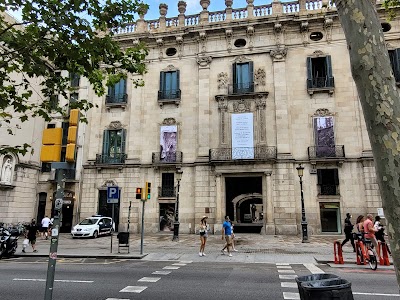
Virreina Palace
View on map
8
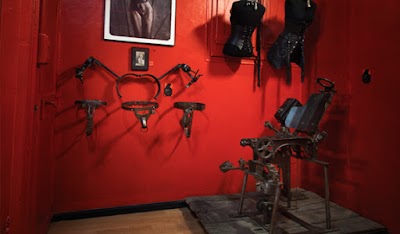
Barcelona Erotic Museum
View on map
9
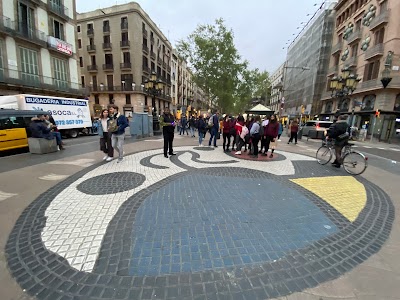
Mosaic de Joan Miró
View on map
10
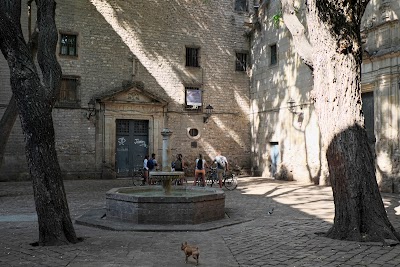
Gothic Quarter
View on map
11
Plaça de Sant Jaume
View on map
Audio Narrations
Introduction
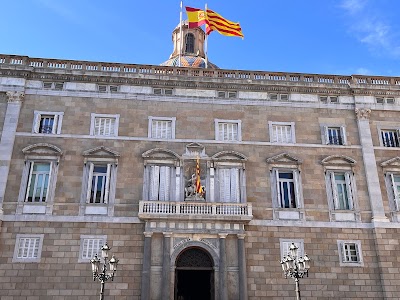
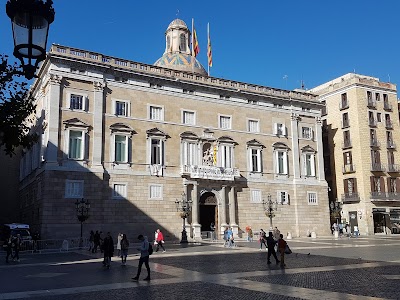
Plaça de Sant Jaume, the heart of Barcelona's Gothic Quarter, is a historic square that has witnessed pivotal moments in Catalan history. It is flanked by two imposing buildings: the Palau de la Generalitat, the seat of the Catalan government, and Barcelona City Hall. The square's origins date back to the Roman era, where it served as the city's forum. In the Middle Ages, the church of Sant Jaume stood here, giving the square its name. The church was demolished in the 19th century, opening up the square and allowing for the construction of the current buildings. Plaça de Sant Jaume is a vibrant hub for political events, cultural celebrations, and local gatherings. It hosts the annual La Mercè festival, featuring traditional Catalan dances, music, and human tower competitions. The square is also a popular spot for locals to relax and enjoy the city's atmosphere.La Mercè Festival
Plaça de Sant Jaume, the heart of Barcelona's political and cultural life, transforms into a vibrant hub during the La Mercè Festival. The square, flanked by the City Hall and the Palau de la Generalitat, hosts a captivating array of events that showcase Catalan traditions and heritage. The festival's highlight is the Castellers performance, where human towers soar towards the sky, defying gravity with precision and teamwork. The square fills with awe-inspiring feats as the Castellers construct towering structures, each tier symbolizing unity and strength. Another captivating spectacle is the Sardana dance, a traditional Catalan folk dance performed in a circle. The rhythmic steps and graceful movements create a mesmerizing spectacle, inviting visitors to join in the joyous celebration. As the festival reaches its climax, Plaça de Sant Jaume becomes the stage for a spectacular projection show. The facades of the surrounding buildings are illuminated with vibrant images, narrating the history and legends of Barcelona. The square transforms into a canvas of light and color, captivating the audience with its visual splendor. Throughout the festival, Plaça de Sant Jaume pulsates with music, laughter, and the spirit of La Mercè. It's a place where tradition meets innovation, where the past and present intertwine, creating an unforgettable experience for all who witness its magic.Gothic Quarter
Plaça de Sant Jaume is a central square in Barcelona's Gothic Quarter, a historic district known for its medieval architecture and narrow, winding streets. The square is a popular gathering place for locals and tourists alike, and is home to several important buildings, including the Palau de la Generalitat de Catalunya, the seat of the Catalan government, and the Barcelona City Hall. The square's most striking feature is its beautiful Gothic architecture. The Palau de la Generalitat, built in the 15th century, is a masterpiece of Catalan Gothic architecture, with its elaborate facade and ornate interior courtyard. The Barcelona City Hall, built in the 19th century, is a more modern building, but it still features many Gothic elements, such as its pointed arches and ribbed vaults. Plaça de Sant Jaume is also home to several other historic buildings, including the Casa de l'Ardiaca, a 15th-century palace that now houses the Barcelona History Museum, and the Capella de Sant Marc, a 14th-century chapel that is one of the oldest buildings in the city. The square is a popular place to relax and people-watch, and there are several cafes and restaurants with outdoor seating. It is also a popular venue for concerts and other events, and during the summer months, the square is often filled with music and laughter. If you are visiting the Gothic Quarter, be sure to stop by Plaça de Sant Jaume. It is a beautiful and historic square that is full of life and energy.
12
Palau de la Generalitat de Catalunya
View on map
13
MUHBA Temple d'August
View on map
14
Museu Frederic Marès
View on map
15
Cathedral of Barcelona
View on map
Audio Narrations
Introduction
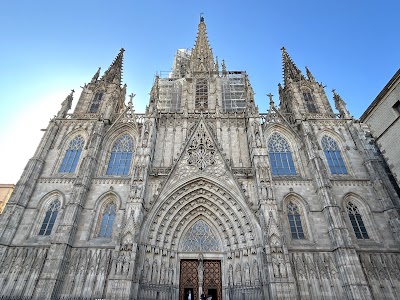
The Cathedral of Barcelona, a Gothic masterpiece, stands as the seat of the Archbishop of Barcelona. Its construction spanned from the 13th to 15th centuries, with the cloister completed in 1448. The neo-Gothic façade, a striking addition, was constructed in the late 19th century. Inside, the cathedral boasts five aisles, a truncated transept, and a chevet with nine radiating chapels. The high altar, raised above the crypt, offers a clear view of the entombed body of Saint Eulalia, the city's co-patron saint. The choir stalls, adorned with the coats-of-arms of the Order of the Golden Fleece, add to the cathedral's grandeur. The Chapel of the Holy Sacrament and of the Holy Christ of Lepanto houses a cross said to date back to the Battle of Lepanto in 1571. The secluded Gothic cloister is home to 13 white geese, a symbolic representation of Eulalia's age at her martyrdom. Beyond its architectural beauty, the cathedral holds significant historical value. It was built over the crypt of an earlier Romanesque cathedral and incorporates elements of an early Christian and Visigothic episcopal complex. The cathedral has witnessed numerous events, including the investiture of Charles, the future Holy Roman Emperor, as Count of Barcelona.Gothic Architecture
The Cathedral of Barcelona, a magnificent edifice in the heart of the Gothic Quarter, stands as a testament to the Catalan Gothic architectural style. Its construction, spanning from the 13th to the 15th centuries, showcases the region's unique approach to Gothic design. Unlike towering Gothic cathedrals elsewhere, the Barcelona Cathedral emphasizes balance and harmony. Its three naves are of equal height, creating a sense of spaciousness and light. The ribbed vaults, supported by slender columns, soar overhead, giving the interior an ethereal quality. The facade, a neo-Gothic addition from the late 19th century, is adorned with intricate carvings and gargoyles. The main portal features a tympanum depicting scenes from the life of Christ, while the side portals showcase the martyrdom of Saint Eulalia, Barcelona's patron saint. Inside, the cathedral houses a wealth of Gothic treasures. The 14th-century choir stalls, carved from walnut, depict biblical scenes and allegorical figures. The alabaster tomb of Saint Eulalia, adorned with reliefs of her martyrdom, is a poignant reminder of the city's Christian heritage. The cloister, a serene oasis amidst the bustling city, features pointed arches and delicate tracery. Its walls are lined with chapels, each with its own unique architectural details. The Cathedral of Barcelona is not merely a historical monument but a living testament to the enduring legacy of Gothic architecture. Its harmonious proportions, intricate carvings, and spiritual atmosphere continue to inspire awe and wonder in visitors from around the world.Symbol of Barcelona
The Cathedral of Barcelona, a majestic Gothic masterpiece, stands as an enduring symbol of Barcelona's rich history and cultural heritage. Its imposing façade, adorned with intricate sculptures and gargoyles, reflects the city's architectural prowess. The cathedral's grandeur extends within, where soaring vaults, stained-glass windows, and an elaborate choir create an awe-inspiring ambiance. It is here that the city's patron saint, Saint Eulalia, is entombed, making the cathedral a sacred pilgrimage site for locals and visitors alike. As a testament to Barcelona's enduring spirit, the cathedral has witnessed countless historical events, from royal coronations to religious ceremonies, solidifying its place as a cherished landmark and a symbol of the city's unwavering identity.
16
Plaça del Rei
View on map
17
Barcelona History Museum MUHBA
View on map
18
European Museum of Modern Art
View on map
19
Museu Etnològic i de Cultures del Món
View on map
Audio Narrations
Introduction
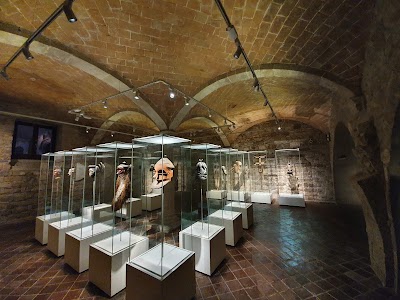
The Museu Etnològic i de Cultures del Món in Barcelona, Spain, is a fascinating museum dedicated to exploring the diverse cultures of the world. With two locations, the Montjuïc and Montcada venues, the museum offers a comprehensive look at the artistic and cultural heritage of various countries and islands, including New Zealand, the Marquesas Islands, Tonga, and Rapa Nui. The Montjuïc venue, housed in a building originally constructed in 1973 and reopened in 2015 after a four-year renovation, features a permanent exhibition titled "Feeling the Heritage." This exhibition delves into the concept of objects as embodiments of the communities that created and used them, offering a unique perspective on cultural identity and expression. Visitors can explore a range of artifacts, from everyday items to ceremonial objects, and gain insights into the lives and traditions of people from around the globe. The Montcada venue, housed in the restored Nadal and Marquès de Llió palaces, showcases a permanent exhibition of approximately 530 pieces from various cultures in Africa, Oceania, Asia, and the Americas. The exhibits are arranged by continent and feature interactive and audiovisual media, allowing visitors to immerse themselves in the cultural contexts of the objects on display. In addition to the permanent exhibitions, the museum also hosts temporary exhibitions that explore specific themes or cultures in greater depth. These exhibitions provide opportunities for visitors to delve into specific areas of interest and gain a deeper understanding of the world's diverse cultural heritage. The Museu Etnològic i de Cultures del Món is a valuable resource for anyone interested in learning about the rich tapestry of human cultures. Through its engaging exhibits and educational programs, the museum fosters intercultural understanding and appreciation for the diversity of human expression.Global Heritage
Museu Etnològic i de Cultures del Món in Barcelona, Cataluña, Spain, stands as a testament to the interconnectedness of global heritage. Its collection transcends geographical boundaries, showcasing the rich tapestry of human cultures from around the world. Through its diverse exhibits, the museum invites visitors to embark on a journey of discovery, exploring the shared threads that bind humanity together. One of the museum's unique strengths lies in its focus on lesser-known cultures and traditions. It delves into the intricate details of daily life, rituals, and beliefs, offering a glimpse into the vast spectrum of human experience. Visitors can immerse themselves in the vibrant world of indigenous communities, marvel at the intricate craftsmanship of traditional textiles, and gain insights into the spiritual practices that have shaped diverse societies. The museum's commitment to global heritage extends beyond its exhibits. It actively engages in research and educational initiatives, fostering cross-cultural understanding and promoting the preservation of endangered cultural practices. Through its outreach programs, the museum connects with local communities, fostering dialogue and collaboration. A visit to Museu Etnològic i de Cultures del Món is not merely an exploration of distant cultures; it is a profound reflection on the interconnectedness of humanity. It challenges visitors to reconsider their own cultural perspectives and appreciate the richness and diversity of the human experience. As a repository of global heritage, the museum serves as a vital reminder of the shared values and traditions that unite us all.Barcelona Museums
A World of Cultures Awaits at the Museu Etnològic i de Cultures del Món Nestled within the vibrant tapestry of Barcelona's museums, the Museu Etnològic i de Cultures del Món stands as a unique gem, offering a captivating journey through the diverse tapestry of human cultures. Unlike other museums in Barcelona, this institution delves into the depths of anthropology and ethnography, showcasing the rich heritage and traditions of communities across the globe. Step inside and embark on a voyage through continents and centuries. Immerse yourself in the vibrant costumes and intricate textiles of indigenous communities, marvel at the craftsmanship of ancient tools and artifacts, and witness the evolution of human ingenuity through captivating displays. The museum's collection boasts over 30,000 objects, each whispering stories of cultural exchange, adaptation, and resilience. Beyond its vast collection, the Museu Etnològic i de Cultures del Món distinguishes itself through its immersive approach. Interactive exhibits invite visitors to engage with different cultures, fostering a deeper understanding and appreciation for the world's diverse tapestry. Temporary exhibitions delve into specific themes and regions, offering fresh perspectives and insights. For those seeking a deeper dive, the museum's research center provides access to a wealth of resources, including a specialized library and archives. Educational programs and workshops cater to all ages, fostering intercultural dialogue and promoting global understanding. Whether you're a seasoned museum-goer or a curious newcomer, the Museu Etnològic i de Cultures del Món promises an enriching experience. It's a place to connect with the world's diverse communities, challenge your perspectives, and discover the beauty and complexity of human culture. So, step into this vibrant world and embark on a journey of discovery that will leave a lasting impression.
20
Picasso Museum
View on map
Audio Narrations
Introduction
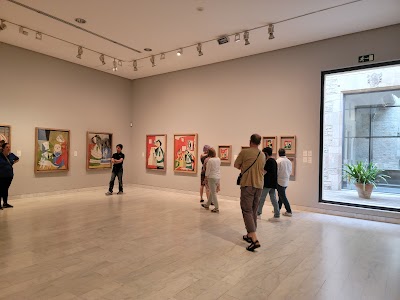
Nestled in the heart of Barcelona's Gothic Quarter, the Picasso Museum showcases an unparalleled collection of over 4,250 artworks by the renowned Spanish artist. Housed within five interconnected medieval palaces, the museum offers a chronological journey through Picasso's artistic evolution, from his early formative years to his later masterpieces. Visitors can trace Picasso's artistic trajectory through the museum's extensive collection of paintings, drawings, sculptures, and ceramics. Highlights include "The First Communion" (1896), an early work that reveals his academic training, and "Science and Charity" (1897), a poignant depiction of poverty and social injustice. The museum also houses Picasso's renowned series "Las Meninas" (1957), a reinterpretation of Velázquez's iconic painting, showcasing Picasso's unique approach to classical art. Beyond its artistic treasures, the Picasso Museum offers insights into the artist's personal life and his deep connection to Barcelona. The museum's collection includes works donated by Picasso's close friend and secretary, Jaume Sabartés, providing a glimpse into the artist's creative process and his relationship with the city that shaped his artistic vision.Influence on Modern Art
Nestled in the heart of Barcelona, the Picasso Museum is a treasure trove of the legendary artist's formative years, offering a unique lens into the genesis of modern art. The museum houses over 4,000 pieces, tracing Picasso's artistic evolution from his early academic works to the groundbreaking styles that would define 20th-century art. The museum's collection showcases Picasso's profound influence on modern art. His early works, influenced by Symbolism and Impressionism, reveal his technical prowess and experimentation with different styles. As he delved deeper into his artistic journey, Picasso's unique vision emerged, culminating in the development of Cubism alongside Georges Braque. The museum's collection includes seminal Cubist masterpieces, such as "Les Demoiselles d'Avignon," which shattered traditional notions of perspective and representation. Beyond Cubism, the museum highlights Picasso's exploration of Surrealism, Expressionism, and Neoclassicism. His ability to seamlessly transition between these diverse styles underscores his artistic versatility and restless spirit. The museum also sheds light on Picasso's political and social commentary, particularly through his powerful anti-war paintings like "Guernica." Through its comprehensive collection and insightful curation, the Picasso Museum in Barcelona provides an unparalleled opportunity to delve into the mind of a visionary artist who revolutionized the course of modern art. It is a must-visit destination for anyone seeking to understand the profound impact of Picasso's genius on the art world and beyond.Artistic Inspiration
Nestled in the heart of Barcelona's Gothic Quarter, the Picasso Museum is a treasure trove of artistic inspiration. The museum houses over 4,200 pieces of Picasso's work, spanning his formative years to his later masterpieces. One of the unique aspects of the museum is its focus on Picasso's early development. Visitors can trace the evolution of his style from his academic beginnings to his groundbreaking Cubist works. The museum also features a collection of Picasso's ceramics, which offer a glimpse into his experimental nature and his fascination with different mediums. Beyond the physical works, the museum provides a deeper understanding of Picasso's artistic process and inspirations. Through interactive exhibits and guided tours, visitors can learn about the influences that shaped his work, from his Spanish heritage to his encounters with other artists and movements. The museum's location in the Gothic Quarter adds to its allure. The narrow streets and medieval architecture provide a backdrop that transports visitors to the time when Picasso lived and worked in Barcelona. The museum itself is housed in five interconnected medieval palaces, creating a unique and atmospheric setting for exploring Picasso's artistic journey.
Experience the Full Tour
Download the DocentPro app to access all tour stops, complete audio narrations in multiple languages, offline maps, and interactive features.