
Barcelona Enchantments: A Delightful Journey Through the City's Heart

Walking Tour

4.7 km (2.9 miles)

1h 3min travel time

20 Stops

Barcelona, Spain
Barcelona Enchantments: A Delightful Journey Through the City's Heart
Tour Stops
1
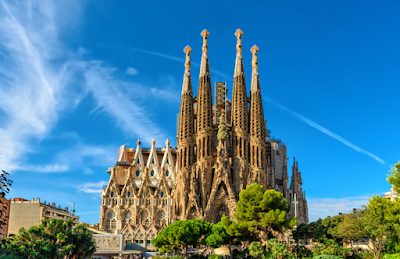
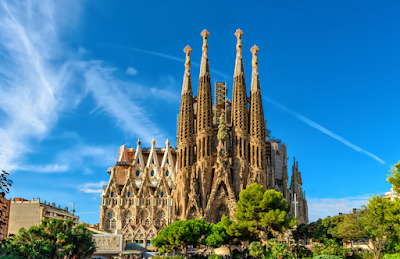
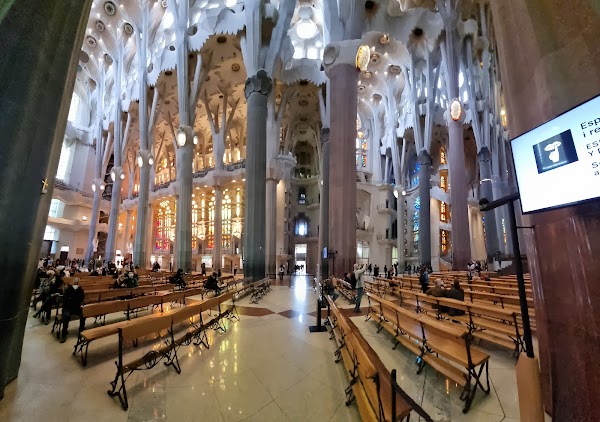
La Sagrada Familia
View on map
Audio Narrations
导言
圣家堂,西班牙巴塞罗那的一座宏伟大教堂,是著名建筑师安东尼·高迪的杰作。始建于 1882 年,这座建筑奇迹至今仍未完成,预计将于 2026 年完工。大教堂的设计融合了哥特式和新艺术风格,具有错综复杂的立面、高耸的尖顶和螺旋形支柱森林。 诞生立面在高迪于 1926 年去世前完成,证明了他的自然主义风格。它装饰着耶稣诞生的场景,展示了高迪对自然和象征主义的热爱。相比之下,受难立面是对基督受难的严峻而阴郁的致敬,具有棱角分明的线条和令人难忘的雕塑。荣耀立面仍在建造中,有望成为最具纪念意义的立面,描绘了通往上帝的道路,并融合了七宗罪和天堂美德等元素。 大教堂内部是光线和空间的交响曲。双曲抛物面拱顶和侧墙营造出一种空灵的宏伟感,而彩色玻璃窗则在内部投射出鲜艳的色调。十八座尖顶代表着圣经人物,最终将加冕大教堂,中央尖顶专用于耶稣基督,高度达到 172.5 米。 圣家堂证明了高迪的天才,是巴塞罗那文化遗产的象征。其独特的设计和持续的建设吸引了世代游客,使其成为世界上最具标志性和最受喜爱的地标之一。巴塞罗那的象征
圣家堂,安东尼·高迪的建筑杰作,是巴塞罗那独特精神的见证,也是加泰罗尼亚现代主义的象征。它的宏伟和错综复杂的细节使其成为一个标志性的地标,每年吸引数百万游客。作为巴塞罗那的象征,圣家堂体现了这座城市的充满活力的文化、对艺术和建筑的奉献以及它持久的遗产。 高迪对圣家堂的愿景是创造一座超越所有其他教堂的圣殿,以证明他对大自然的信仰和热爱。他在大教堂设计的各个方面都融入了有机形式、鲜艳的色彩和错综复杂的象征。高耸的尖顶,类似于倒置的棕榈树,直指天堂,而立面则描绘了基督生平的场景,让人沉思和敬畏。 除了其建筑意义之外,圣家堂在巴塞罗那人的心中占有特殊的地位。它是他们韧性的象征,在整个建造过程中经历了政治动荡和经济挫折。大教堂正在进行的建设由私人捐款资助,反映了这座城市对保护其文化遗产的坚定承诺。 作为巴塞罗那的象征,圣家堂代表了这座城市的骄傲、对艺术的热情和持久的精神。它是建筑变革力量的证明,也是未来几代人的灵感灯塔。建造历程
圣家堂是西班牙巴塞罗那的一座教堂,它的建造历程见证了其建筑师安东尼·高迪的远见和奉献精神。这座教堂始建于 1882 年,持续建造了 140 多年,至今仍未竣工。高迪独特的建筑理念源自自然和有机形态,造就了一座在视觉上令人惊叹、在结构上极具创新性的建筑。 圣家堂最引人注目的特点之一是它使用了抛物线拱顶,这种拱顶可以均匀地分布重量,从而形成宽敞的开放空间。高迪还率先使用了 trencadís,这是一种由破碎瓷砖制成的马赛克技术,为建筑物的外部增添了色彩和纹理。 圣家堂的建造是一个复杂且充满挑战的过程。这座建筑曾被火灾、风暴和政治动荡损坏,其建造进度也因资金问题而放缓。然而,参与该项目的建筑师和工程师团队始终致力于实现高迪的愿景,这座教堂现在已接近完工。 当圣家堂最终完工时,它将成为世界上最高、最具标志性的教堂之一。它将成为安东尼·高迪天才的证明,也是人类创造力持久力量的象征。
2
Plaça de la Sagrada Família
View on map
Audio Narrations
导言
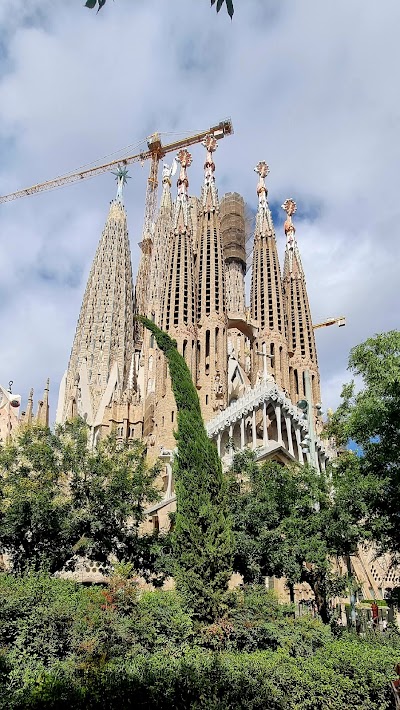
圣家堂广场是西班牙加泰罗尼亚巴塞罗那的一个热闹广场,是标志性的圣家堂大教堂的门户。这个充满活力的广场,点缀着棕榈树和优雅的门廊建筑,提供了一种历史、文化和建筑奇观的独特融合。 广场的中心矗立着三恩喷泉,这是一座迷人的雕塑,描绘了三个优雅的女性高举着一个盆子。由安东尼·高迪设计的街灯为广场的氛围增添了一丝异想天开的魅力。 圣家堂广场是当地人和游客的热门聚会场所。众多餐馆、咖啡馆和纪念品商店的存在增强了其热闹的氛围。游客可以品尝美味的小吃,啜饮清凉的饮料,并浏览各种手工制品。 从广场步行一小段路即可到达圣家堂大教堂,这是加泰罗尼亚建筑的杰作。这座由安东尼·高迪设计的未完成的罗马天主教堂以其错综复杂的细节、高耸的尖顶和色彩缤纷的马赛克而闻名。游客可以惊叹于大教堂的宏伟,探索其地下室,并登上其塔楼,欣赏城市令人惊叹的景色。 圣家堂广场是任何探索巴塞罗那的人的必游之地。其丰富的历史、充满活力的氛围以及靠近圣家堂大教堂使其成为一次难忘的经历。公共空间
圣家堂广场:公共空间杰作 巴塞罗那的圣家堂广场不仅仅是一个聚集场所,它还是城市设计的杰作,与高迪标志性的教堂无缝融合,同时为当地人和游客提供了一个充满活力的公共空间。 广场独特的布局营造出一种社区感。中央空间没有车辆通行,为儿童玩耍和家庭聚会提供了一个安全的避风港。长椅被策略性地放置在成熟树木的树荫下,为人们提供了一个躲避地中海阳光、驻足欣赏周围环境的地方。 广场的设计巧妙地引导游客走向教堂。小径向圣家堂汇聚,随着这座宏伟建筑逐渐显露出来,营造出一种期待和敬畏感。公共空间和建筑奇观之间的这种相互作用使圣家堂广场成为一种真正身临其境的体验。 除了美学吸引力之外,广场还发挥着重要的社会功能。它举办文化活动、农贸市场和公众示威活动,反映了巴塞罗那的活力。开放的空间营造出一种包容感,欢迎各行各业的人们分享这座城市的文化财富。 圣家堂广场证明了公共空间设计的强大力量。这是一个艺术、建筑和社区汇聚的地方,为所有来访者创造了充满活力和意义的体验。旅游目的地
圣家堂广场是巴塞罗那最具标志性的地标圣家堂的核心,是一个迷人的旅游目的地,超越了典型的城市广场体验。这个充满活力的广场由安东尼·高迪设计,将建筑的辉煌与城市的功能性无缝融合,创造了一个充满生活和艺术精神的独特空间。 除了令人敬畏的大教堂外,广场本身还为眼光敏锐的游客提供了许多隐藏的瑰宝。描绘耶稣诞生场景的错综复杂的马赛克路面证明了高迪对细节一丝不苟的关注。奇特的灯柱像巨大的蘑菇,在夜间投射出一种空灵的光芒,将广场变成了一个神奇的仙境。 圣家堂广场不仅仅是一场视觉盛宴;它是一种感官体验。街头艺人用音乐填满空气,而小贩则用当地美食诱惑路人。热闹的气氛具有感染力,邀请游客驻足并沉浸在城市的活力中。 对于历史爱好者来说,这个广场提供了了解巴塞罗那过去的窗口。在施工过程中出土的罗马城墙遗迹是这座城市古老根源的切实提醒。附近的圣家堂博物馆收藏了高迪的草图和模型,让人们了解大教堂背后的天才。 圣家堂广场不仅仅是一个旅游目的地;它是高迪愿景和巴塞罗那充满活力的精神的活生生的证明。这是一个历史、艺术和文化交汇的地方,为每一位游客创造了难忘的体验。
3
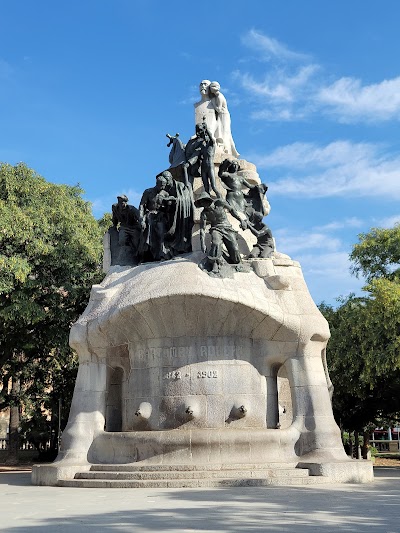
Plaça de Tetuan
View on map
4
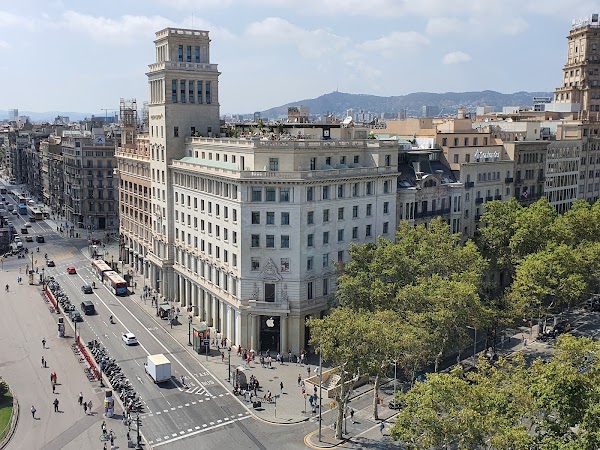
Plaça de Catalunya
View on map
Audio Narrations
Introduction
Plaça de Catalunya, a vast plaza in Barcelona, is the city's central hub, connecting the old town to the 19th-century Eixample district. The plaza is renowned for its monumental buildings, including the iconic El Corte Inglés department store, and is a popular gathering spot for locals and tourists alike. At the plaza's center, a series of fountains and sculptures create a serene oasis amidst the bustling city. The most prominent sculpture is the Monument a Francesc Macià, honoring the former president of Catalonia. Another notable work is "La Deessa," a striking statue of a female figure by Josep Clara. Plaça de Catalunya is also a transportation hub, with metro lines and buses connecting it to various parts of the city. The Aerobus, an express bus service, provides a convenient link to Barcelona Airport. Beyond its practical significance, Plaça de Catalunya holds historical and cultural importance. It was once a rural area outside the city walls, but in the mid-19th century, the defensive walls were demolished, allowing for the expansion of the city. The plaza was designed by architect Puig i Cadafalch and completed in 1927. Today, Plaça de Catalunya remains a vibrant and dynamic space, hosting events, concerts, and exhibitions throughout the year. It is a testament to Barcelona's rich history and its enduring spirit as a cultural and cosmopolitan city.Urban Planning and Design
Plaça de Catalunya, a central square in Barcelona, exemplifies urban planning and design principles. Originally envisioned as a monumental open space connecting the old city to the new Eixample district, the square's design was influenced by engineer Ildefons Cerdà's grid plan. Its rectangular shape and spacious layout facilitate pedestrian movement and create a sense of order and harmony. The square's focal point is a large fountain, surrounded by six sculptural groups representing Catalonia's provincial capitals and the virtues of wisdom and labor. These elements contribute to the square's symbolic significance as a meeting point and a celebration of Catalan identity. The square's design also incorporates elements of sustainability. Its ample green spaces, including trees and flowerbeds, provide shade and reduce the urban heat island effect. The use of natural materials, such as stone and marble, adds to the square's aesthetic appeal while ensuring durability. Additionally, the square's proximity to public transportation hubs promotes accessibility and reduces reliance on private vehicles. Plaça de Catalunya's urban design has evolved over time, reflecting changing societal needs and values. In the early 20th century, the square was a bustling commercial center, with department stores and hotels lining its perimeter. However, in recent years, there has been a shift towards pedestrianization and the creation of more public spaces. The square now hosts cultural events, markets, and exhibitions, fostering a vibrant and inclusive urban environment. Overall, Plaça de Catalunya is a testament to the power of urban planning and design in shaping a city's identity and quality of life. Its harmonious layout, symbolic elements, and sustainable features make it a model for urban spaces that prioritize both aesthetics and functionality.Cultural Events and Festivals
Plaça de Catalunya, the vibrant heart of Barcelona, pulsates with cultural events and festivals throughout the year. This iconic square transforms into a stage for a diverse array of artistic expressions. From grand concerts to intimate performances, Plaça de Catalunya captivates audiences with its unique ambiance. The square's central location makes it a natural gathering point for major celebrations. During the annual La Mercè festival, Plaça de Catalunya explodes with color, music, and dance. The square hosts the main events, including the spectacular opening ceremony, featuring a vibrant parade of giants and "castellers" building human towers. Beyond these grand spectacles, Plaça de Catalunya also nurtures smaller-scale cultural events. The Barcelona Jazz Festival, held annually in November and December, brings renowned musicians to the square's intimate stages. The Setmana del Llibre en Català, a week-long celebration of Catalan literature, transforms the square into a literary haven, hosting book signings, readings, and discussions. Plaça de Catalunya's cultural significance extends beyond its role as a venue. The square itself is a work of art, adorned with sculptures, fountains, and mosaics that reflect Barcelona's rich heritage. The "Mosaic de Miró" by Joan Miró, a vibrant abstract masterpiece, invites contemplation and adds a touch of whimsy to the bustling atmosphere. For those seeking a deeper cultural immersion, Plaça de Catalunya offers a gateway to Barcelona's vibrant arts scene. The square is surrounded by theaters, including the historic Teatre Colón and the intimate Teatre Suís, showcasing a diverse range of performances from traditional plays to experimental dance. Plaça de Catalunya is not merely a physical space but a cultural melting pot where art, music, and literature converge. Its unique blend of grandeur and intimacy makes it a captivating destination for anyone seeking an authentic and enriching cultural experience in the heart of Barcelona.
5
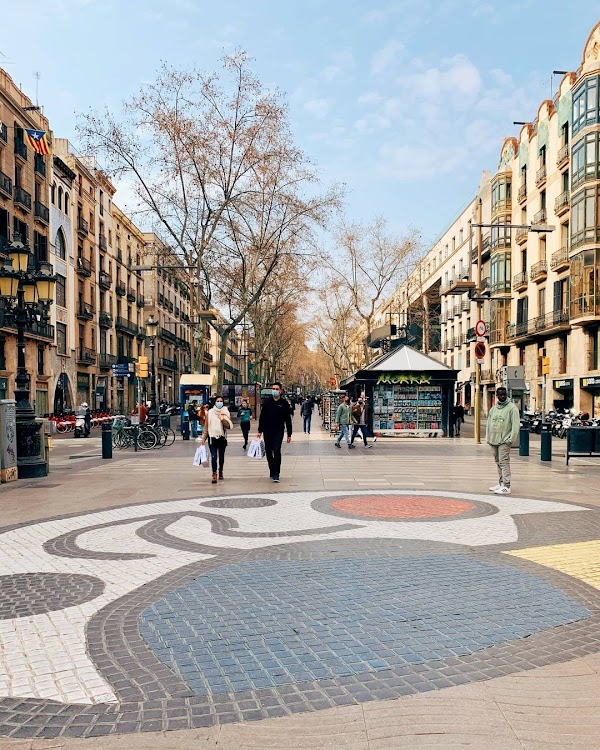
La Rambla
View on map
Audio Narrations
Introduction
La Rambla, the heart of Barcelona, pulsates with life and history. This 1.2-kilometer boulevard, stretching from Plaça de Catalunya to the Christopher Columbus Monument, is a vibrant tapestry of sights, sounds, and experiences. Flanked by the Gothic Quarter and El Raval, La Rambla is a microcosm of Barcelona's diverse character. Street performers, human statues, and flower vendors add a touch of whimsy, while the iconic Boqueria Market bursts with the colors and aromas of fresh produce. The mosaic by Joan Miró, embedded near the Boqueria, is a hidden gem often overlooked by hurried feet. The Liceu Theatre, a majestic opera house, stands as a testament to Barcelona's cultural heritage. Las Ramblas is not without its quirks. The southern end, near the port, transforms into a lively, albeit slightly seedy, district at night. Pickpockets and street vendors vie for attention, adding a touch of grit to the otherwise charming atmosphere. For a taste of authentic Barcelona, wander down the narrow alleyways branching off La Rambla. Discover hidden tapas bars, quaint shops, and architectural gems like the Palau Güell. Whether you're seeking cultural immersion, a taste of local life, or simply a leisurely stroll, La Rambla offers an unforgettable experience. It's a place where history whispers in your ear, art comes alive on the pavement, and the spirit of Barcelona unfolds before your eyes.Cultural Hub
La Rambla: A Cultural Tapestry in the Heart of Barcelona La Rambla, Barcelona's iconic pedestrian boulevard, pulsates with a vibrant cultural energy that transcends its bustling atmosphere. More than just a thoroughfare, it's a living stage where history, art, and local life converge, creating a captivating experience for the culturally curious. The avenue's rich tapestry unfolds through its diverse offerings. Start your journey at the Plaça de Catalunya, where the mosaic-adorned pavement sets the stage for the artistic spectacle ahead. Stroll down the central promenade, flanked by rows of plane trees, and immerse yourself in the lively street performances. Witness the artistry of human statues, be captivated by the rhythmic flamenco dancers, and marvel at the whimsical soap bubble displays. As you delve deeper, La Rambla unveils its historical treasures. The Gran Teatre del Liceu, a majestic opera house, stands as a testament to Barcelona's artistic heritage. The Palau Güell, a Gaudí masterpiece, showcases the architect's visionary genius. And tucked away in hidden corners, you'll find charming museums like the Museu de l'Eròtica and the Museu de Cera, offering unique glimpses into the city's cultural tapestry. But La Rambla's cultural essence extends beyond its landmarks. It's in the vibrant stalls of La Boqueria market, where the sights and scents of fresh produce ignite the senses. It's in the lively cafes and bars, where locals and visitors mingle over tapas and animated conversations. It's in the spontaneous street musicians who fill the air with melodies, creating an impromptu symphony of urban life. As you reach the end of La Rambla, the towering Christopher Columbus monument marks the culmination of your cultural journey. But the experience lingers, leaving you with a profound appreciation for the city's vibrant spirit and its ability to weave history, art, and everyday life into a captivating cultural tapestry.Urban Oasis
La Rambla, the beating heart of Barcelona, pulsates with life, offering a vibrant escape within the urban landscape. This iconic boulevard, stretching over 1.2 kilometers, transforms into a verdant oasis, a sanctuary amidst the city's bustling energy. Towering plane trees line the pedestrian promenade, casting dappled shadows that dance upon the mosaic pavement below. The air hums with the melodies of street performers, their music weaving through the rustling leaves, creating a symphony of urban nature. Beneath the leafy canopy, a vibrant tapestry of life unfolds. Flower stalls burst with color, their fragrant blooms perfuming the air. Lively cafes spill onto the pedestrian walkway, inviting passersby to linger over a café con leche and soak in the atmosphere. Street vendors tempt with local delicacies, the aroma of churros and roasted chestnuts mingling with the scent of freshly squeezed orange juice. La Rambla's urban oasis extends beyond its verdant canopy. The bustling La Boqueria market, a kaleidoscope of sights and smells, offers a glimpse into the city's culinary soul. Stalls overflow with fresh produce, exotic spices, and local delicacies, a testament to Barcelona's rich gastronomic heritage. The nearby Gran Teatre del Liceu, a majestic opera house, provides a haven for art and culture, its opulent interiors transporting visitors to a world of elegance and grandeur. As the sun begins its descent, La Rambla transforms into a nocturnal wonderland. Streetlamps illuminate the promenade, casting a warm glow upon the vibrant crowds. The air fills with the sounds of laughter and conversation, as locals and tourists alike gather to enjoy the city's nightlife. The rhythmic beats of flamenco dancers echo through the streets, their passionate movements captivating the audience. La Rambla, an urban oasis in the heart of Barcelona, offers a unique blend of nature, culture, and urban energy. It is a place where the city's vibrant spirit meets the tranquility of its green spaces, creating an unforgettable experience for all who wander its path.
6
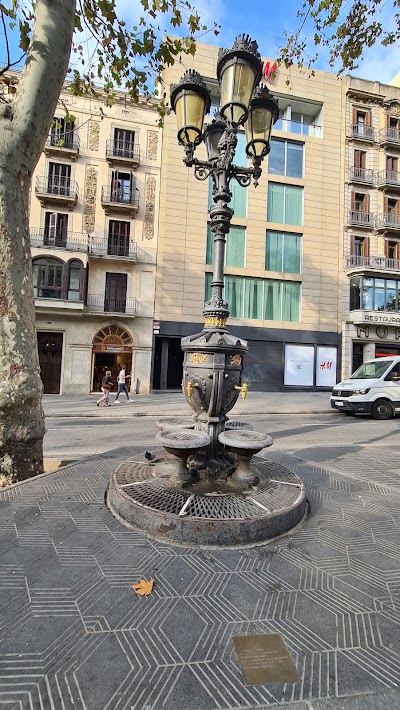
Font de Canaletes
View on map
7
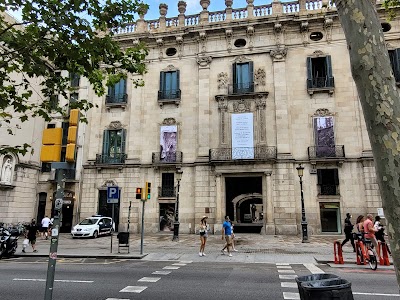
Virreina Palace
View on map
8
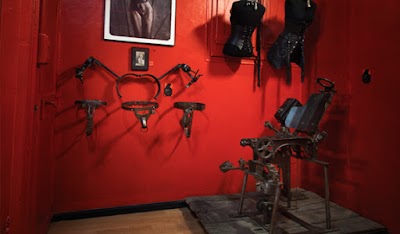
Barcelona Erotic Museum
View on map
9
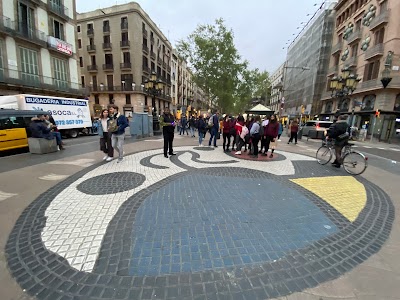
Mosaic de Joan Miró
View on map
10
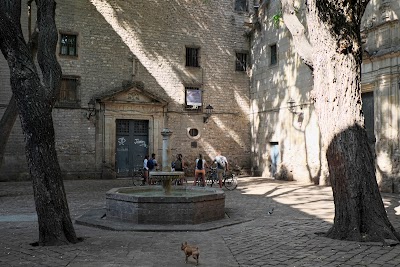
Gothic Quarter
View on map
11
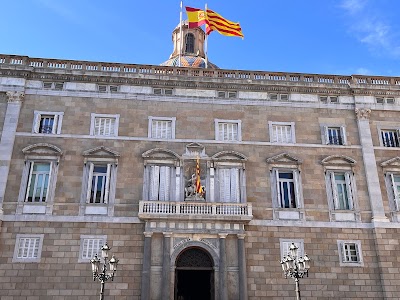
Plaça de Sant Jaume
View on map
Audio Narrations
Introduction
Plaça de Sant Jaume, the heart of Barcelona's Gothic Quarter, is a historic square that has witnessed pivotal moments in Catalan history. It is flanked by two imposing buildings: the Palau de la Generalitat, the seat of the Catalan government, and Barcelona City Hall. The square's origins date back to the Roman era, where it served as the city's forum. In the Middle Ages, the church of Sant Jaume stood here, giving the square its name. The church was demolished in the 19th century, opening up the square and allowing for the construction of the current buildings. Plaça de Sant Jaume is a vibrant hub for political events, cultural celebrations, and local gatherings. It hosts the annual La Mercè festival, featuring traditional Catalan dances, music, and human tower competitions. The square is also a popular spot for locals to relax and enjoy the city's atmosphere.La Mercè Festival
Plaça de Sant Jaume, the heart of Barcelona's political and cultural life, transforms into a vibrant hub during the La Mercè Festival. The square, flanked by the City Hall and the Palau de la Generalitat, hosts a captivating array of events that showcase Catalan traditions and heritage. The festival's highlight is the Castellers performance, where human towers soar towards the sky, defying gravity with precision and teamwork. The square fills with awe-inspiring feats as the Castellers construct towering structures, each tier symbolizing unity and strength. Another captivating spectacle is the Sardana dance, a traditional Catalan folk dance performed in a circle. The rhythmic steps and graceful movements create a mesmerizing spectacle, inviting visitors to join in the joyous celebration. As the festival reaches its climax, Plaça de Sant Jaume becomes the stage for a spectacular projection show. The facades of the surrounding buildings are illuminated with vibrant images, narrating the history and legends of Barcelona. The square transforms into a canvas of light and color, captivating the audience with its visual splendor. Throughout the festival, Plaça de Sant Jaume pulsates with music, laughter, and the spirit of La Mercè. It's a place where tradition meets innovation, where the past and present intertwine, creating an unforgettable experience for all who witness its magic.Gothic Quarter
Plaça de Sant Jaume is a central square in Barcelona's Gothic Quarter, a historic district known for its medieval architecture and narrow, winding streets. The square is a popular gathering place for locals and tourists alike, and is home to several important buildings, including the Palau de la Generalitat de Catalunya, the seat of the Catalan government, and the Barcelona City Hall. The square's most striking feature is its beautiful Gothic architecture. The Palau de la Generalitat, built in the 15th century, is a masterpiece of Catalan Gothic architecture, with its elaborate facade and ornate interior courtyard. The Barcelona City Hall, built in the 19th century, is a more modern building, but it still features many Gothic elements, such as its pointed arches and ribbed vaults. Plaça de Sant Jaume is also home to several other historic buildings, including the Casa de l'Ardiaca, a 15th-century palace that now houses the Barcelona History Museum, and the Capella de Sant Marc, a 14th-century chapel that is one of the oldest buildings in the city. The square is a popular place to relax and people-watch, and there are several cafes and restaurants with outdoor seating. It is also a popular venue for concerts and other events, and during the summer months, the square is often filled with music and laughter. If you are visiting the Gothic Quarter, be sure to stop by Plaça de Sant Jaume. It is a beautiful and historic square that is full of life and energy.
12
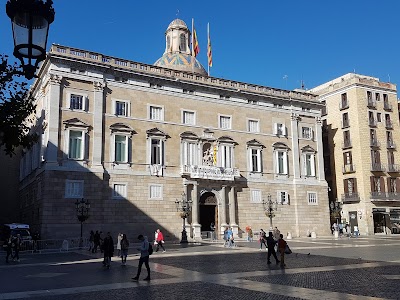
Palau de la Generalitat de Catalunya
View on map
13
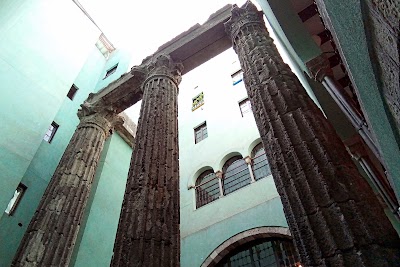
MUHBA Temple d'August
View on map
14
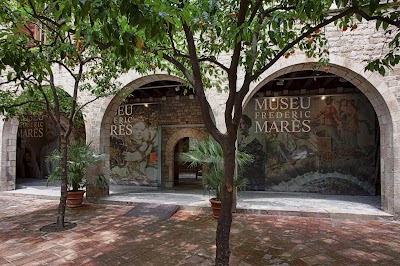
Museu Frederic Marès
View on map
15
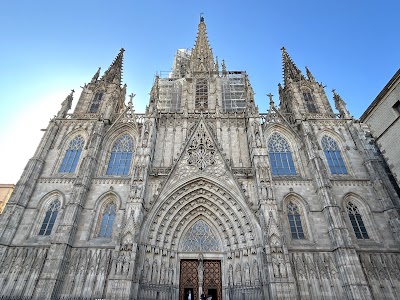
Cathedral of Barcelona
View on map
Audio Narrations
Introduction
The Cathedral of Barcelona, a Gothic masterpiece, stands as the seat of the Archbishop of Barcelona. Its construction spanned from the 13th to 15th centuries, with the cloister completed in 1448. The neo-Gothic façade, a striking addition, was constructed in the late 19th century. Inside, the cathedral boasts five aisles, a truncated transept, and a chevet with nine radiating chapels. The high altar, raised above the crypt, offers a clear view of the entombed body of Saint Eulalia, the city's co-patron saint. The choir stalls, adorned with the coats-of-arms of the Order of the Golden Fleece, add to the cathedral's grandeur. The Chapel of the Holy Sacrament and of the Holy Christ of Lepanto houses a cross said to date back to the Battle of Lepanto in 1571. The secluded Gothic cloister is home to 13 white geese, a symbolic representation of Eulalia's age at her martyrdom. Beyond its architectural beauty, the cathedral holds significant historical value. It was built over the crypt of an earlier Romanesque cathedral and incorporates elements of an early Christian and Visigothic episcopal complex. The cathedral has witnessed numerous events, including the investiture of Charles, the future Holy Roman Emperor, as Count of Barcelona.Gothic Architecture
The Cathedral of Barcelona, a magnificent edifice in the heart of the Gothic Quarter, stands as a testament to the Catalan Gothic architectural style. Its construction, spanning from the 13th to the 15th centuries, showcases the region's unique approach to Gothic design. Unlike towering Gothic cathedrals elsewhere, the Barcelona Cathedral emphasizes balance and harmony. Its three naves are of equal height, creating a sense of spaciousness and light. The ribbed vaults, supported by slender columns, soar overhead, giving the interior an ethereal quality. The facade, a neo-Gothic addition from the late 19th century, is adorned with intricate carvings and gargoyles. The main portal features a tympanum depicting scenes from the life of Christ, while the side portals showcase the martyrdom of Saint Eulalia, Barcelona's patron saint. Inside, the cathedral houses a wealth of Gothic treasures. The 14th-century choir stalls, carved from walnut, depict biblical scenes and allegorical figures. The alabaster tomb of Saint Eulalia, adorned with reliefs of her martyrdom, is a poignant reminder of the city's Christian heritage. The cloister, a serene oasis amidst the bustling city, features pointed arches and delicate tracery. Its walls are lined with chapels, each with its own unique architectural details. The Cathedral of Barcelona is not merely a historical monument but a living testament to the enduring legacy of Gothic architecture. Its harmonious proportions, intricate carvings, and spiritual atmosphere continue to inspire awe and wonder in visitors from around the world.Symbol of Barcelona
The Cathedral of Barcelona, a majestic Gothic masterpiece, stands as an enduring symbol of Barcelona's rich history and cultural heritage. Its imposing façade, adorned with intricate sculptures and gargoyles, reflects the city's architectural prowess. The cathedral's grandeur extends within, where soaring vaults, stained-glass windows, and an elaborate choir create an awe-inspiring ambiance. It is here that the city's patron saint, Saint Eulalia, is entombed, making the cathedral a sacred pilgrimage site for locals and visitors alike. As a testament to Barcelona's enduring spirit, the cathedral has witnessed countless historical events, from royal coronations to religious ceremonies, solidifying its place as a cherished landmark and a symbol of the city's unwavering identity.
16
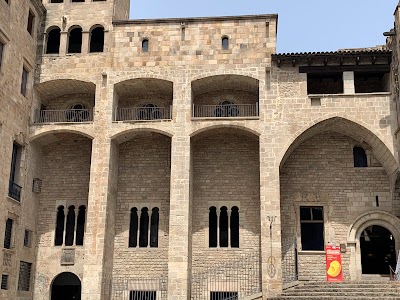
Plaça del Rei
View on map
17
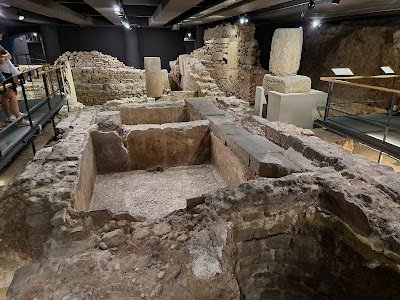
Barcelona History Museum MUHBA
View on map
18
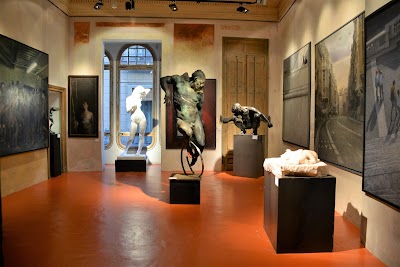
European Museum of Modern Art
View on map
19
Museu Etnològic i de Cultures del Món
View on map
Audio Narrations
Introduction
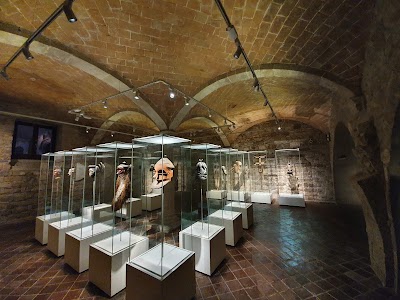
The Museu Etnològic i de Cultures del Món in Barcelona, Spain, is a fascinating museum dedicated to exploring the diverse cultures of the world. With two locations, the Montjuïc and Montcada venues, the museum offers a comprehensive look at the artistic and cultural heritage of various countries and islands, including New Zealand, the Marquesas Islands, Tonga, and Rapa Nui. The Montjuïc venue, housed in a building originally constructed in 1973 and reopened in 2015 after a four-year renovation, features a permanent exhibition titled "Feeling the Heritage." This exhibition delves into the concept of objects as embodiments of the communities that created and used them, offering a unique perspective on cultural identity and expression. Visitors can explore a range of artifacts, from everyday items to ceremonial objects, and gain insights into the lives and traditions of people from around the globe. The Montcada venue, housed in the restored Nadal and Marquès de Llió palaces, showcases a permanent exhibition of approximately 530 pieces from various cultures in Africa, Oceania, Asia, and the Americas. The exhibits are arranged by continent and feature interactive and audiovisual media, allowing visitors to immerse themselves in the cultural contexts of the objects on display. In addition to the permanent exhibitions, the museum also hosts temporary exhibitions that explore specific themes or cultures in greater depth. These exhibitions provide opportunities for visitors to delve into specific areas of interest and gain a deeper understanding of the world's diverse cultural heritage. The Museu Etnològic i de Cultures del Món is a valuable resource for anyone interested in learning about the rich tapestry of human cultures. Through its engaging exhibits and educational programs, the museum fosters intercultural understanding and appreciation for the diversity of human expression.Global Heritage
Museu Etnològic i de Cultures del Món in Barcelona, Cataluña, Spain, stands as a testament to the interconnectedness of global heritage. Its collection transcends geographical boundaries, showcasing the rich tapestry of human cultures from around the world. Through its diverse exhibits, the museum invites visitors to embark on a journey of discovery, exploring the shared threads that bind humanity together. One of the museum's unique strengths lies in its focus on lesser-known cultures and traditions. It delves into the intricate details of daily life, rituals, and beliefs, offering a glimpse into the vast spectrum of human experience. Visitors can immerse themselves in the vibrant world of indigenous communities, marvel at the intricate craftsmanship of traditional textiles, and gain insights into the spiritual practices that have shaped diverse societies. The museum's commitment to global heritage extends beyond its exhibits. It actively engages in research and educational initiatives, fostering cross-cultural understanding and promoting the preservation of endangered cultural practices. Through its outreach programs, the museum connects with local communities, fostering dialogue and collaboration. A visit to Museu Etnològic i de Cultures del Món is not merely an exploration of distant cultures; it is a profound reflection on the interconnectedness of humanity. It challenges visitors to reconsider their own cultural perspectives and appreciate the richness and diversity of the human experience. As a repository of global heritage, the museum serves as a vital reminder of the shared values and traditions that unite us all.Barcelona Museums
A World of Cultures Awaits at the Museu Etnològic i de Cultures del Món Nestled within the vibrant tapestry of Barcelona's museums, the Museu Etnològic i de Cultures del Món stands as a unique gem, offering a captivating journey through the diverse tapestry of human cultures. Unlike other museums in Barcelona, this institution delves into the depths of anthropology and ethnography, showcasing the rich heritage and traditions of communities across the globe. Step inside and embark on a voyage through continents and centuries. Immerse yourself in the vibrant costumes and intricate textiles of indigenous communities, marvel at the craftsmanship of ancient tools and artifacts, and witness the evolution of human ingenuity through captivating displays. The museum's collection boasts over 30,000 objects, each whispering stories of cultural exchange, adaptation, and resilience. Beyond its vast collection, the Museu Etnològic i de Cultures del Món distinguishes itself through its immersive approach. Interactive exhibits invite visitors to engage with different cultures, fostering a deeper understanding and appreciation for the world's diverse tapestry. Temporary exhibitions delve into specific themes and regions, offering fresh perspectives and insights. For those seeking a deeper dive, the museum's research center provides access to a wealth of resources, including a specialized library and archives. Educational programs and workshops cater to all ages, fostering intercultural dialogue and promoting global understanding. Whether you're a seasoned museum-goer or a curious newcomer, the Museu Etnològic i de Cultures del Món promises an enriching experience. It's a place to connect with the world's diverse communities, challenge your perspectives, and discover the beauty and complexity of human culture. So, step into this vibrant world and embark on a journey of discovery that will leave a lasting impression.
20
Picasso Museum
View on map
Audio Narrations
Introduction
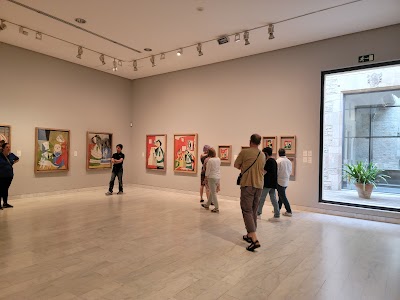
Nestled in the heart of Barcelona's Gothic Quarter, the Picasso Museum showcases an unparalleled collection of over 4,250 artworks by the renowned Spanish artist. Housed within five interconnected medieval palaces, the museum offers a chronological journey through Picasso's artistic evolution, from his early formative years to his later masterpieces. Visitors can trace Picasso's artistic trajectory through the museum's extensive collection of paintings, drawings, sculptures, and ceramics. Highlights include "The First Communion" (1896), an early work that reveals his academic training, and "Science and Charity" (1897), a poignant depiction of poverty and social injustice. The museum also houses Picasso's renowned series "Las Meninas" (1957), a reinterpretation of Velázquez's iconic painting, showcasing Picasso's unique approach to classical art. Beyond its artistic treasures, the Picasso Museum offers insights into the artist's personal life and his deep connection to Barcelona. The museum's collection includes works donated by Picasso's close friend and secretary, Jaume Sabartés, providing a glimpse into the artist's creative process and his relationship with the city that shaped his artistic vision.Influence on Modern Art
Nestled in the heart of Barcelona, the Picasso Museum is a treasure trove of the legendary artist's formative years, offering a unique lens into the genesis of modern art. The museum houses over 4,000 pieces, tracing Picasso's artistic evolution from his early academic works to the groundbreaking styles that would define 20th-century art. The museum's collection showcases Picasso's profound influence on modern art. His early works, influenced by Symbolism and Impressionism, reveal his technical prowess and experimentation with different styles. As he delved deeper into his artistic journey, Picasso's unique vision emerged, culminating in the development of Cubism alongside Georges Braque. The museum's collection includes seminal Cubist masterpieces, such as "Les Demoiselles d'Avignon," which shattered traditional notions of perspective and representation. Beyond Cubism, the museum highlights Picasso's exploration of Surrealism, Expressionism, and Neoclassicism. His ability to seamlessly transition between these diverse styles underscores his artistic versatility and restless spirit. The museum also sheds light on Picasso's political and social commentary, particularly through his powerful anti-war paintings like "Guernica." Through its comprehensive collection and insightful curation, the Picasso Museum in Barcelona provides an unparalleled opportunity to delve into the mind of a visionary artist who revolutionized the course of modern art. It is a must-visit destination for anyone seeking to understand the profound impact of Picasso's genius on the art world and beyond.Artistic Inspiration
Nestled in the heart of Barcelona's Gothic Quarter, the Picasso Museum is a treasure trove of artistic inspiration. The museum houses over 4,200 pieces of Picasso's work, spanning his formative years to his later masterpieces. One of the unique aspects of the museum is its focus on Picasso's early development. Visitors can trace the evolution of his style from his academic beginnings to his groundbreaking Cubist works. The museum also features a collection of Picasso's ceramics, which offer a glimpse into his experimental nature and his fascination with different mediums. Beyond the physical works, the museum provides a deeper understanding of Picasso's artistic process and inspirations. Through interactive exhibits and guided tours, visitors can learn about the influences that shaped his work, from his Spanish heritage to his encounters with other artists and movements. The museum's location in the Gothic Quarter adds to its allure. The narrow streets and medieval architecture provide a backdrop that transports visitors to the time when Picasso lived and worked in Barcelona. The museum itself is housed in five interconnected medieval palaces, creating a unique and atmospheric setting for exploring Picasso's artistic journey.
Experience the Full Tour
Download the DocentPro app to access all tour stops, complete audio narrations in multiple languages, offline maps, and interactive features.