
Toronto's Urban Symphony: A Full-Day Exploration of Iconic Landmarks

Walking Tour

8.0 km (4.9 miles)

1h 54min travel time

10 Stops

Toronto, Canada
Toronto's Urban Symphony: A Full-Day Exploration of Iconic Landmarks
Tour Stops
1
Rogers Centre
View on map
Audio Narrations
Chinese
介绍
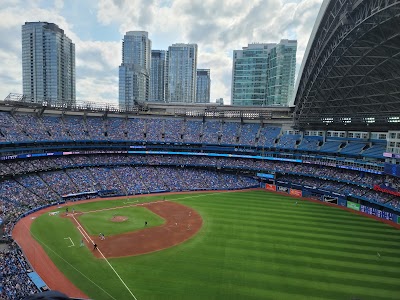
罗渣士中心,原名天虹体育馆,是加拿大安大略省多伦多市中心一座可伸缩屋顶体育场。它是美国职业棒球大联盟多伦多蓝鸟队的主场,也曾是加拿大橄榄球联盟多伦多阿尔戈英雄队和美国国家篮球协会多伦多猛龙队的主场。这座体育场是北美第一个拥有完全可伸缩屋顶的大型团队运动体育场,开合屋顶只需20分钟,这一点尤为引人注目。它还附设一家拥有348间客房的酒店,其中70间客房可以俯瞰赛场。该体育场曾举办过众多赛事,包括1991年美国职业棒球大联盟全明星赛、1993年世界大赛以及2015年泛美运动会的开闭幕式。它也是一个热门的演唱会举办地,接待过滚石乐队、麦当娜和U2等艺术家的演出。多伦多蓝鸟队
多伦多蓝鸟队的主场罗渣士中心,是一座见证了无数棒球历史性时刻的建筑奇迹。其可伸缩屋顶是体育场设计领域的先锋创新,可全年进行比赛,确保蓝鸟球迷无论天气如何都能为他们的球队加油助威。宽敞的座位碗营造出一种亲密的氛围,让球迷更接近场上的比赛。 除了令人印象深刻的结构外,罗渣士中心还以其一流的设施而闻名。“蓝鸟卓越水平”是对那些为球队留下不可磨灭印记的传奇球员和人物的致敬,他们的成就激励着球迷。体育场的视频板是美国职业棒球大联盟中最大的视频板之一,提供清晰的回放和身临其境的比赛报道,增强了球迷的体验。 对于那些寻求优质体验的人来说,TD行政包厢提供无与伦比的舒适和专属体验。这些包厢可容纳 12 至 300 位客人,享有比赛的壮丽景色,并可使用专属设施。体育场的餐饮服务满足各种口味,在整个大厅提供各种食品和饮料选择。 罗渣士中心不仅仅是一座体育场;它还是一个充满活力的娱乐和社区活动中心。该场馆已举办过著名艺术家的音乐会、激动人心的体育赛事和迷人的展览,进一步巩固了其作为多伦多地标的地位。随着蓝鸟队继续将罗渣士中心作为他们的主场,球迷们可以期待一种难忘的体验,将棒球的兴奋与只有这座标志性体育场才能提供的无与伦比的设施和氛围融为一体。可伸缩屋顶体育场
罗渣士中心(Rogers Centre)是美国职业棒球大联盟历史上第一个可伸缩屋顶体育场,堪称建筑领域的开创性奇迹。其创新设计使其能够全年举办各种活动,不受天气限制,成为一座功能多样的场馆。可伸缩屋顶重达2100多万磅,由四个独立的板块组成,可在20分钟内无缝开启或关闭。这项工程奇迹不仅能为观众遮风挡雨,还能营造出动感的氛围,提升比赛日体验。 为确保其持续运作,该体育场的可伸缩屋顶已进行重大升级。现代化的计算机操作系统支持一键式开启和关闭,而轨道系统的大规模改造则确保了顶棚的平稳移动。这些改进措施保证了体育场的长期使用寿命,并使其始终保持着尖端可伸缩屋顶体育场的地位。 罗渣士中心的伸缩屋顶设计影响了全球其他类似体育场的建设,展现了其在体育建筑演变中的先锋作用。它仍然是塑造现代体育景观的独创性和创新精神的证明。
2
CN Tower
View on map
Audio Narrations
Chinese
介绍
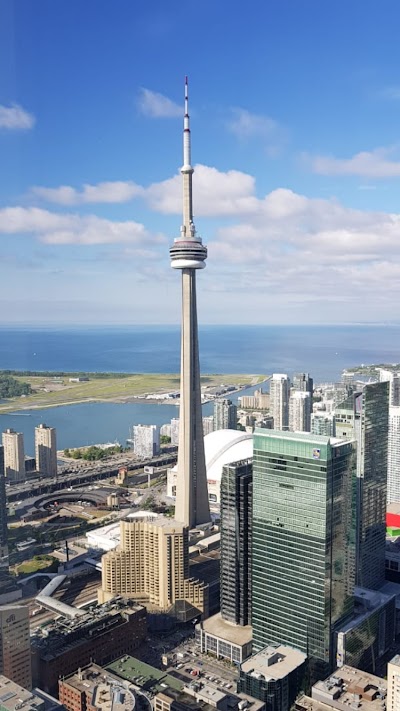
加拿大安大略省多伦多的标志性建筑——加拿大国家电视塔(CN Tower),是世界第十高的独立式建筑,高达 553.3 米(1,815.3 英尺)。这座混凝土结构的通讯和观光塔建成于 1976 年,曾是世界上最高的独立式建筑,长达 32 年之久,直到 2007 年才被哈利法塔超越。加拿大国家电视塔的六边形核心和三个支撑腿使其在地面上呈现出独特的 Y 形,而其天空之盖 (SkyPod) 则在 446.5 米(1,465 英尺)的高空提供了令人叹为观止的城市景观。作为其建筑实力的证明,加拿大国家电视塔在 1995 年被美国土木工程师学会宣布为世界七大现代奇迹之一。现代奇迹
多伦多电视塔,这座现代工程技术的典范,巍然屹立,成为多伦多天际线的巨型象征。它竣工于 1976 年,凭借其创新的设计和建造,保持了世界最高独立式建筑的头衔长达三十多年。这座塔独特的六边形核心由三条巨大的支腿支撑,提供了非凡的稳定性和强度,使其能够承受强风和地震活动。 除了结构上的奇迹外,加拿大国家电视塔还为游客提供了迷人的体验。观景台位于 346 米处,可以欣赏到城市和安大略湖的壮丽全景。天空之盖位于 447 米的更高处,视野无与伦比,在晴朗的日子里,视野可达 160 公里。 这座塔的建筑辉煌还体现在其标志性的天线上,它是多伦多及周边地区重要的通信枢纽。其创新的设计可以传输电视、广播和蜂窝信号,将这座城市与世界连接起来。 加拿大国家电视塔对可持续发展的承诺进一步巩固了其作为现代奇迹的地位。其节能设计和对可再生能源的利用使其成为环保意识的灯塔。这座塔的标志性地位及其作为多伦多现代化象征的作用使其成为一个备受喜爱的地标,每年吸引数百万游客。最高的独立式建筑
加拿大安大略省多伦多的加拿大国家电视塔(CN Tower)是人类智慧和工程技术的证明。作为西半球最高的独立式建筑,它已经保持这一称号三十多年了,这证明了其卓越的设计和建造。这座塔独特的六边形核心由三个巨大的支腿支撑,提供了无与伦比的稳定性和强度,使其即使在最强风中也能屹立不倒。其标志性的轮廓已成为多伦多天际线的代名词,使其成为备受喜爱的地标和加拿大人的骄傲象征。
3
Scotiabank Arena
View on map
Audio Narrations
English
Introduction
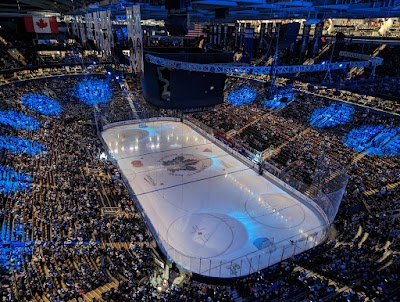
Scotiabank Arena, formerly known as Air Canada Centre, is a multi-purpose arena in Toronto, Ontario, Canada. It is home to the Toronto Maple Leafs of the National Hockey League (NHL) and the Toronto Raptors of the National Basketball Association (NBA). The arena also hosts concerts, political conventions, and video game competitions. Scotiabank Arena opened in 1999 and has a capacity of over 19,000. It is the largest indoor arena in Canada and the third-largest in the NHL. The arena has undergone several renovations over the years, including a $10 million upgrade in 2015 and a $350 million renovation that is currently underway. Scotiabank Arena is a popular tourist destination and is often used for major events. In 2017, the arena hosted the opening and closing ceremonies for the Invictus Games. The arena has also hosted several UFC events and was the site of the sixth season of the Summer North American Championship Series of League of Legends in 2016.Basketball Entertainment
Scotiabank Arena, the iconic home of the Toronto Raptors, stands as a basketball mecca in the heart of Toronto. Its 19,800-seat capacity transforms into a sea of roaring fans during Raptors games, creating an electrifying atmosphere that rivals the most renowned basketball arenas globally. The arena's state-of-the-art facilities cater to every basketball enthusiast's needs, from premium courtside seats to exclusive club experiences. Beyond the court, Scotiabank Arena boasts a rich history intertwined with basketball legends. The Raptors' championship victory in 2019 left an indelible mark on the arena, etching their legacy into the hardwood. The arena's ICONS program immortalizes basketball greats like Vince Carter and Kyle Lowry, whose iconic moments continue to inspire fans. For those seeking an immersive basketball experience, the Raptors Practice Court offers a glimpse into the team's training regimen. The court, one of only eleven in the NBA built within an arena, provides an exclusive opportunity to witness the team's preparation firsthand. Scotiabank Arena's commitment to basketball extends beyond game nights. The arena hosts numerous basketball-related events, including youth clinics, tournaments, and community outreach programs. These initiatives foster a love for the sport and provide aspiring players with invaluable opportunities. Whether you're a seasoned Raptors fan or a basketball aficionado, Scotiabank Arena offers an unparalleled basketball entertainment experience. Its vibrant atmosphere, legendary history, and dedication to the sport make it a must-visit destination for any basketball enthusiast.Entertainment Destination
Scotiabank Arena, a world-renowned entertainment hub in the heart of Toronto, Ontario, Canada, captivates audiences with its unparalleled offerings. As a premier sports and entertainment venue, it has hosted a staggering array of events, including thrilling NHL and NBA games, captivating concerts, and spectacular family shows. The arena's versatility extends to hosting corporate trade shows, circuses, and even private functions, making it a true entertainment chameleon. Beyond its impressive event roster, Scotiabank Arena boasts an array of themed concession stands, unique restaurants, and kiosks, tantalizing taste buds with a diverse culinary experience that reflects Toronto's vibrant multicultural tapestry. The venue's three signature restaurants—Scotia Club, Platinum Club, and Hot Stove Club—offer delectable dining options, from casual fare to fine dining experiences. Scotiabank Arena's commitment to accessibility is evident in its user-friendly design, ensuring that every patron can fully immerse themselves in the entertainment. The arena provides ample accessible seating strategically located throughout the building, allowing individuals with disabilities to enjoy events comfortably. The arena's state-of-the-art technology further enhances the entertainment experience. The BOSE sound system, valued at over $1 million, delivers exceptional acoustics, ensuring that every note and roar reverberates with crystal clarity. The massive 17-screen high-definition video scoreboard, measuring an impressive 10 feet high by 17 feet wide, provides stunning visuals that captivate the audience. Scotiabank Arena's external space has transformed into a vibrant entertainment destination in its own right. The Leafs Legends Row, featuring bronzed statues of the Toronto Maple Leafs' greatest players, pays homage to the city's hockey legacy. During the Toronto Raptors' postseason games, thousands of fans gather in "Jurassic Park" to cheer on their team, creating an electrifying atmosphere that extends beyond the arena walls.
4
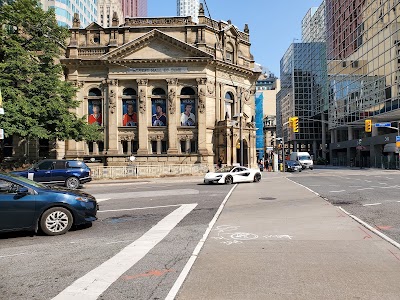
Hockey Hall of Fame
View on map
Audio Narrations
English
Introduction
The Hockey Hall of Fame in Toronto, Ontario, Canada, stands as a monument to the sport's rich history and enduring legacy. Nestled within the bustling metropolis, the Hall of Fame offers an immersive journey through the annals of hockey, showcasing the legends, the milestones, and the moments that have shaped the game. Upon entering the Hall, visitors are greeted by a dazzling display of trophies, including the coveted Stanley Cup, the ultimate prize in professional hockey. The Great Hall, a soaring space adorned with portraits of inductees, evokes a sense of awe and reverence for the sport's icons. Interactive exhibits bring the stories of hockey's greatest players to life, allowing visitors to experience the thrill of legendary goals and the agony of heartbreaking defeats. Beyond the exhibits, the Hall of Fame houses a treasure trove of artifacts, from vintage equipment to game-worn jerseys. The Esso Great Hall, a replica of the original arena where the Toronto Maple Leafs played, transports visitors back to the golden age of hockey. The Theatre, a state-of-the-art facility, showcases classic games and documentaries, providing a glimpse into the evolution of the sport. The Hockey Hall of Fame is not merely a museum; it is a vibrant hub for hockey enthusiasts. Throughout the year, the Hall hosts special events, educational programs, and interactive workshops, fostering a sense of community and passion for the game. Whether you are a seasoned fan or a curious newcomer, the Hockey Hall of Fame offers an unforgettable experience that celebrates the spirit and legacy of hockey.Hockey History
The Hockey Hall of Fame in Toronto, Ontario, Canada, stands as a testament to the rich history of the sport, showcasing the legendary players, builders, and on-ice officials who have shaped the game. Established in 1943, the Hall of Fame initially resided in Kingston, Ontario, before finding its permanent home in Toronto in 1958. The Hall of Fame boasts an impressive collection of artifacts, photographs, and memorabilia, offering visitors a glimpse into the evolution of hockey from its humble beginnings to its modern-day prominence. Among its most prized possessions are the Stanley Cup, the oldest professional sports trophy in North America, and the original rulebook handwritten by Lord Stanley of Preston in 1893. The Hall of Fame's induction ceremonies, held annually since 1945, have become a highly anticipated event in the hockey world, honoring the individuals who have made exceptional contributions to the sport. The list of inductees includes some of the greatest names in hockey history, from Gordie Howe and Wayne Gretzky to Bobby Orr and Mario Lemieux. Beyond its collection and ceremonies, the Hall of Fame serves as an educational resource, offering interactive exhibits and programs that explore the history, culture, and science of hockey. Visitors can learn about the development of the game, the impact of technology, and the stories of the individuals who have left an indelible mark on the sport. The Hockey Hall of Fame in Toronto is not merely a museum; it is a living testament to the enduring legacy of hockey. It is a place where fans can connect with the past, celebrate the present, and be inspired by the future of the sport.Stanley Cup
The Stanley Cup: A Holy Grail at the Hockey Hall of Fame The Hockey Hall of Fame in Toronto is a treasure trove of hockey history, but for many, the crown jewel is undoubtedly the Stanley Cup. This iconic trophy, awarded annually to the National Hockey League (NHL) champion, holds a mystique that transcends the sport itself. At the Hall of Fame, visitors can come face-to-face with the original Stanley Cup, known as the "Dominion Hockey Challenge Cup." This silver chalice, first awarded in 1893, sits proudly in the newly revamped Lord Stanley's Vault, a testament to its rich history. But the Stanley Cup experience goes beyond just viewing the trophy. Visitors can learn about its fascinating journey through time, from its humble beginnings to its status as a national symbol. The vault also showcases a collection of retired Stanley Cup bands, each engraved with the names of the winning teams, offering a glimpse into the lineage of champions. For a truly immersive experience, visitors can step into the "Cathedral of Hockey," the grand hall where the Stanley Cup resides alongside other NHL trophies. Here, you can admire the names of your favorite players etched on the Cup, relive past victories, and feel the awe that surrounds this legendary prize. And if you're lucky, you might even get your picture taken with the Stanley Cup, a once-in-a-lifetime opportunity to hold a piece of hockey history in your hands. Whether you're a die-hard fan or simply curious about this iconic trophy, the Hockey Hall of Fame offers a unique and unforgettable Stanley Cup experience.
5
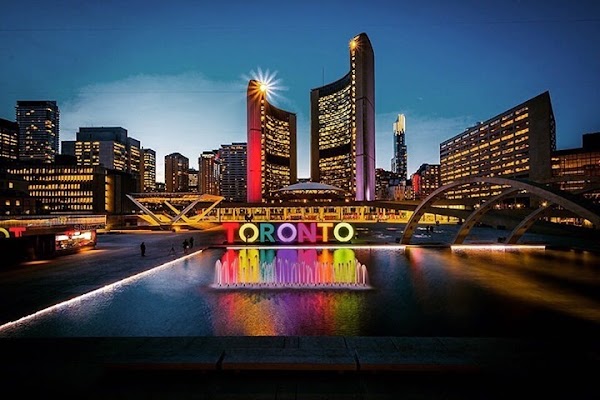
Nathan Phillips Square
View on map
Audio Narrations
English
Introduction
Nathan Phillips Square, a 4.85-hectare urban plaza in Toronto, Ontario, is Canada's largest city square. Designed by City Hall architect Viljo Revell and landscape architect Richard Strong, it opened in 1965 and is named after Nathan Phillips, Toronto's mayor from 1955 to 1962. The square features a performance pavilion hosting music festivals, civic events, and touring groups. Its stepped design provides shade for visitors. The stage area is equipped with sound and lighting systems, and a robust overhead rigging infrastructure accommodates elaborate touring acts. Backstage support spaces include a rehearsal room, performer assembly area, administrative offices, and a loading area. Below the stage, dressing rooms, a green room, VIP suite, crew rooms, and administrative offices cater to performers' needs. The square also boasts a reflecting pool that transforms into an ice rink during winter, attracting an estimated 1.5 million visitors annually.Skating Rink
Nathan Phillips Square transforms into a winter wonderland with its iconic skating rink, a beloved Toronto tradition for over six decades. The rink is nestled amidst the square's stunning architecture, including the Freedom Arches and the Toronto sign, providing a picturesque backdrop for skaters of all ages. Skate rentals and sharpening services are available on-site, ensuring a hassle-free skating experience. The rink is open from early December until March, weather permitting, offering ample opportunities to glide across the ice. During the holiday season, the rink is adorned with festive lights and a towering Christmas tree, creating a magical atmosphere for skaters. Beyond the rink, the square boasts an elevated walkway, offering panoramic views of the skating action and the surrounding cityscape. The Peace Garden, dedicated to the victims of the Hiroshima bombing, provides a serene retreat amidst the winter festivities.Accessible Destination
Nathan Phillips Square, the heart of Toronto, welcomes visitors with an array of accessible features, making it an inclusive destination for all. The square's spacious layout and wide pathways provide ample room for wheelchairs and mobility devices to navigate comfortably. Accessible washrooms are conveniently located throughout the area, ensuring ease of use for individuals with disabilities. Beyond physical accessibility, Nathan Phillips Square offers sensory-friendly experiences. The iconic Toronto sign, a popular photo spot, features raised letters for visually impaired visitors to feel and engage with. Audio descriptions of the square's landmarks and events are available through the city's website, catering to those with visual impairments. For individuals with cognitive disabilities, the square provides a calming and supportive environment. Clear signage and wayfinding elements assist with orientation, while designated quiet zones offer respite from the bustling crowds. The square's events and festivals often incorporate accessible features, such as sign language interpretation and assistive listening devices, ensuring inclusivity for all attendees. Nathan Phillips Square's commitment to accessibility extends to its surrounding attractions. The nearby City Hall offers accessible entrances, elevators, and assistive listening systems. The Eaton Centre, a popular shopping destination, is fully accessible, with ramps, elevators, and accessible washrooms. Overall, Nathan Phillips Square stands as an exemplary accessible destination, providing a welcoming and inclusive experience for visitors of all abilities. Its thoughtful design and comprehensive accessibility features empower individuals with disabilities to fully participate in the square's vibrant atmosphere and enjoy the heart of Toronto.
6
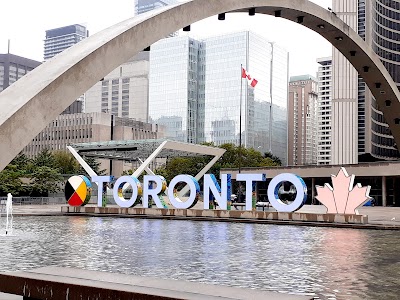
Toronto Sign
View on map
Audio Narrations
English
Introduction
The Toronto Sign, an illuminated 3D landmark in Nathan Phillips Square, spells out the city's name in vibrant LED lights. Standing 3 meters tall and spanning 22 meters long, it has become an iconic symbol of Toronto. Originally installed for the 2015 Pan American Games, its popularity led to its permanent placement. The sign has undergone modifications over the years, including the addition of a maple leaf for Canada's 150th anniversary and a medicine wheel to honor Indigenous Peoples Day. Despite wear and tear, the sign remains a beloved destination for tourists and locals alike, capturing the city's spirit and providing a backdrop for countless memorable moments.Maple Leaf Addition
In December 2016, the Toronto Sign in Nathan Phillips Square underwent a significant modification to commemorate the 150th anniversary of Canadian Confederation. A three-dimensional maple leaf was added adjacent to the final "O," symbolizing Canada's national identity and heritage. The maple leaf, a prominent emblem of the country, further enhanced the sign's iconic status, making it an even more recognizable landmark for tourists and locals alike. The addition of the maple leaf not only celebrated a historical milestone but also reinforced the sign's connection to the city and the nation it represents.Celebratory Lightings
The Toronto Sign, an iconic landmark in Nathan Phillips Square, transforms into a vibrant canvas for celebratory lightings, illuminating the city with its dynamic displays. The sign's customizable LED lights allow for a kaleidoscope of colors and patterns, tailored to commemorate special events, festivals, and causes. The sign's lighting program, managed by the City of Toronto, adheres to strict criteria, ensuring that each illumination aligns with the city's values and cultural diversity. Applications for lighting requests undergo a rigorous review process, considering factors such as the event's significance, community impact, and adherence to established categories. Approved lightings showcase a spectrum of themes, from national celebrations and historic commemorations to professional sports victories and amateur athletic achievements. The sign has illuminated in vibrant hues for Rugby on the Square, Pride Month, and National Indigenous Peoples Day, among others. The sign's celebratory lightings not only enhance the city's visual landscape but also serve as a platform for raising awareness and fostering community spirit. Through its dynamic displays, the Toronto Sign becomes a symbol of unity, celebration, and the city's unwavering support for its diverse cultural fabric.
7
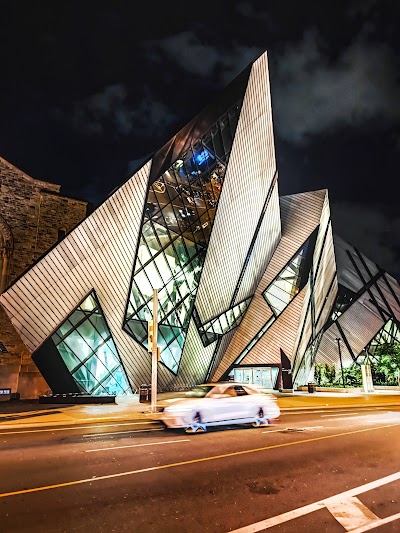
Royal Ontario Museum
View on map
Audio Narrations
English
Introduction
The Royal Ontario Museum (ROM) in Toronto, Ontario, Canada, is a renowned institution dedicated to art, world culture, and natural history. Established in 1912, it is one of North America's largest museums and Canada's most visited, attracting over a million visitors annually. The ROM's diverse collections encompass over 13 million items and 40 galleries, showcasing an array of artifacts, specimens, and artworks from around the world. Notable highlights include the James and Louise Temerty Galleries of the Age of Dinosaurs and Gallery of the Age of Mammals, featuring complete dinosaur skeletons and fossils from the Jurassic and Cretaceous periods. The Willner Madge Gallery, Dawn of Life, delves into the evolution of life from billions of years ago to the Late Triassic, showcasing fossils from sites like the Burgess Shale and Mistaken Point. The ROM's world culture galleries offer a glimpse into diverse artistic traditions. The Shreyas and Mina Ajmera Gallery of Africa, the Americas, and Asia-Pacific displays artifacts from indigenous cultures worldwide, while the Sir Christopher Ondaatje South Asian Gallery showcases the rich heritage of the Indian subcontinent. The Wirth Gallery of the Middle East explores ancient civilizations from the Fertile Crescent, featuring artifacts from Mesopotamia and the Arabian Peninsula. The ROM also houses a significant collection of Chinese art and artifacts, including the Bishop White Gallery of Chinese Temple Art, the Joey and Toby Tanenbaum Gallery of China, and the ROM Gallery of Chinese Architecture. The museum's East Asian collection includes Korean, Japanese, and Southeast Asian art, with notable pieces like the Portrait of Namjar and the Prince Takamado Gallery of Japan. The ROM's natural history galleries showcase the diversity of life on Earth, from insects and birds to mammals and marine animals. The Life in Crisis: Schad Gallery of Biodiversity highlights endangered species and raises awareness about conservation efforts. The CIBC Discovery Gallery, designed for children, offers interactive exhibits and hands-on experiences to engage young minds with the wonders of nature.Canadian History
Delve into the rich tapestry of Canadian history at the Royal Ontario Museum (ROM) in Toronto. As you step through its hallowed halls, discover the museum's profound connection to the nation's past. Explore the Daphne Cockwell Gallery of Canada: First Peoples, where over 1,000 artifacts narrate the captivating stories of Canada's Indigenous societies. Marvel at the intricate Northwest Coast native art and artifacts, a testament to the region's vibrant cultural heritage. Unveil the Sigmund Samuel Gallery of Canada, showcasing a diverse collection of early Canadian memorabilia, providing a glimpse into the nation's formative years. Admire The Death of General Wolfe by Benjamin West, a poignant depiction of a pivotal moment in Canadian history. Immerse yourself in the ROM's world-renowned collection of fossils from the Burgess Shale, offering an unparalleled window into the ancient life forms that shaped Canada's geological past. Through its extensive collections and engaging exhibits, the ROM serves as a living testament to Canada's rich and multifaceted history. It is a place where the past comes alive, inviting visitors to explore the nation's heritage and gain a deeper understanding of its cultural tapestry.Natural History
Delve into the captivating world of natural history at the Royal Ontario Museum in Toronto, Ontario, Canada. Recognized internationally for its vast and diverse collections, the museum boasts over 13 million specimens, including a remarkable array of natural wonders. Explore the Life in Crisis: Schad Gallery of Biodiversity, where endangered species command attention. Witness the grandeur of a polar bear, the gentle presence of a giant panda, and the formidable strength of a white rhinoceros. Encounter the elusive Burmese python, marvel at the vibrant Canadian coral, and gaze upon the ancient coelacanth. The gallery serves as a poignant reminder of the fragility of our planet and the urgent need for conservation. Journey through the galleries dedicated to specific taxonomic groups. Discover the intricate diversity of insects and arachnids, with over 5 million specimens representing the wonders of the arthropod world. Unearth the secrets of reptiles and amphibians, with over 80,000 specimens showcasing their remarkable adaptations. Dive into the depths of the oceans with over 1.5 million fish specimens, revealing the vibrant tapestry of marine life. The museum's paleontological collection is a treasure trove for dinosaur enthusiasts. Witness the grandeur of the Burgess Shale fossils, a window into the ancient world with over 150,000 specimens. Trace the evolutionary journey of mammals through over 124,000 specimens, spanning from tiny shrews to majestic whales. For those fascinated by the intricate world of fungi, the museum houses over 592,000 specimens, providing insights into the ecological significance of these enigmatic organisms. The extensive bird collection, with over 204,000 specimens, offers a glimpse into the diversity and beauty of avian life. The Royal Ontario Museum's Natural History collections are a testament to the wonders of the natural world. Through its vast holdings and engaging exhibits, the museum invites visitors to explore the intricate tapestry of life on Earth, inspiring a deep appreciation for the beauty and fragility of our planet.
8
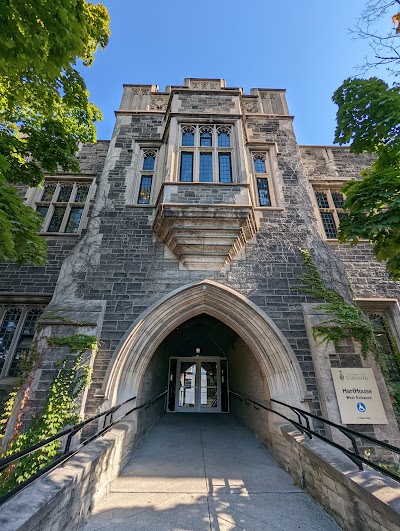
Hart House Building
View on map
9
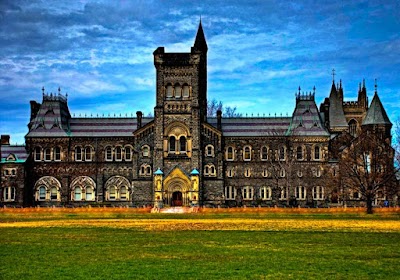
University of Toronto
View on map
10
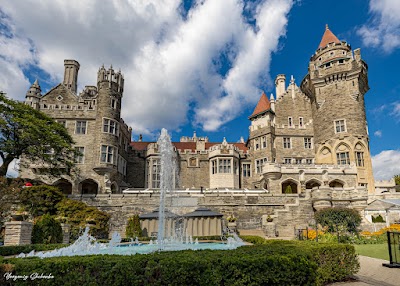
Casa Loma
View on map
Audio Narrations
English
Introduction
Casa Loma, a magnificent Gothic Revival castle in Toronto, Ontario, stands as a testament to the grandeur of the early 20th century. Built between 1911 and 1914 as the opulent residence of financier Sir Henry Pellatt, it boasts 98 rooms spread across 200,000 square feet, making it the largest private home in Canada at the time. Its striking architectural features include a grand hall, elegant suites, and intricate carvings in the Oak Room, a masterpiece of Grinling Gibbons-style craftsmanship. Beyond its architectural splendor, Casa Loma offers a glimpse into the lavish lifestyle of its former owner. Visitors can explore the stables, potting shed, and Hunting Lodge, which served as Pellatt's residence during the mansion's construction. The estate's five acres of gardens showcase seasonal flora, while the vintage car exhibition in the carriage room transports visitors back to the early 1900s. Casa Loma has also played a significant role in popular culture, serving as a filming location for numerous movies and television shows, including "X-Men," "Chicago," and "Scott Pilgrim vs. the World." Its unique ambiance has also made it a popular venue for weddings and special events, offering a touch of historical grandeur to any occasion.Haunted History
Nestled atop a hill in Toronto, Casa Loma stands as a Gothic Revival mansion steeped in an intriguing haunted history. Despite the absence of documented deaths within its walls, the castle-like structure has captivated ghost enthusiasts for decades. Visitors and staff alike have reported a range of unexplained phenomena, including disembodied voices, footsteps echoing through empty corridors, and doors opening and closing on their own accord. One of the most prominent spirits said to haunt Casa Loma is the "Lady in White." Often seen in the basement or wandering the halls, her identity remains a mystery. Some speculate she may be the ghost of a former maid who succumbed to the influenza pandemic that ravaged Toronto in the early 1900s. Sir Henry Pellatt, the original owner of Casa Loma, is also believed to haunt his former abode. Forced to abandon his beloved castle due to financial ruin, his spirit is said to linger, filled with anger and resentment. A young boy once witnessed an elderly man glaring down from a second-floor window, matching Sir Henry's description. The tunnel connecting the mansion to the stables is another hotspot for paranormal activity. A grumpy entity known as "Mr. Happy" is said to reside there, grabbing people in the darkness and tugging at their hair. Psychics believe he was a close friend of Sir Henry, hired to care for his prized horses. Casa Loma's haunted reputation has made it a popular destination for ghost tours and paranormal investigations. While the veracity of the hauntings remains a matter of debate, the mansion's eerie atmosphere and the numerous reported encounters with the supernatural continue to fascinate and intrigue visitors seeking a glimpse into the realm of the unknown.Conservation Efforts
Nestled amidst the vibrant metropolis of Toronto, Casa Loma stands as a testament to architectural grandeur and a beacon of conservation efforts. Designated as a National Historic Site, this iconic castle has undergone meticulous restoration and preservation initiatives to safeguard its architectural integrity and historical significance. The Casa Loma Foundation, a non-profit organization, plays a pivotal role in these endeavors, working tirelessly to maintain the estate's pristine condition. Through fundraising, advocacy, and educational programs, the foundation ensures that future generations can continue to marvel at this architectural masterpiece. Moreover, Casa Loma's lush gardens and surrounding parklands have been carefully preserved, providing a tranquil oasis amidst the urban landscape. These conservation efforts not only protect the physical structure of Casa Loma but also preserve its rich history and cultural heritage, ensuring that this beloved landmark remains a source of pride and inspiration for generations to come.
Experience the Full Tour
Download the DocentPro app to access all tour stops, complete audio narrations in multiple languages, offline maps, and interactive features.