
Hanoi's Cultural Tapestry: A Journey Through History and Heritage

Walking Tour

10.5 km (6.5 miles)

2h 25min travel time

17 Stops

Hanoi, Vietnam
Hanoi's Cultural Tapestry: A Journey Through History and Heritage
Tour Stops
1
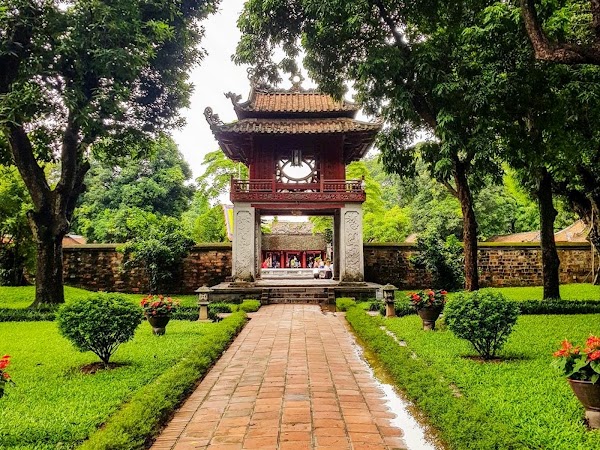
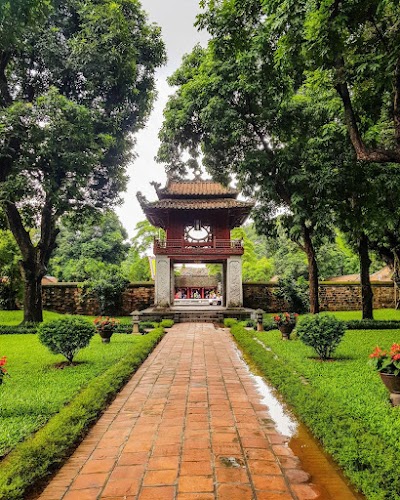
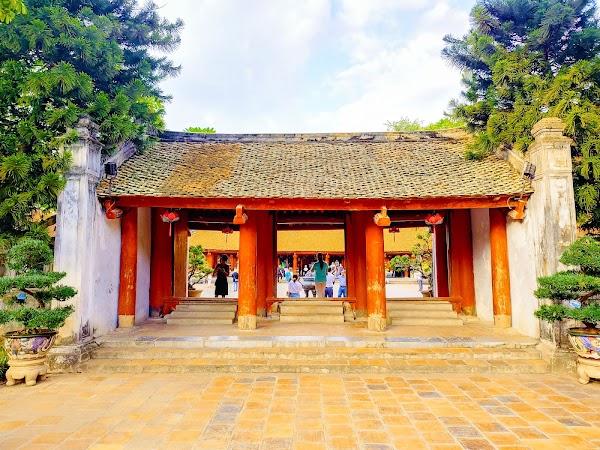
Temple Of Literature
View on map
Audio Narrations
导论 (Dǎo lùn)
河内文庙,位于越南河内,始建于1070年,是一颗历史文化瑰宝,曾是越南的第一所大学。文庙供奉孔子,由五个庭院组成,每个庭院都具有独特的建筑特色。大中门通往第一个庭院,庭院装饰有象征学生抱负的鱼形图案。第二个庭院拥有标志性的奎文阁,是河内的象征。第三个庭院则有天光井和一系列石龟,石龟背负着纪念学者的石碑。第四个庭院设有礼堂和供奉孔子的圣殿。第五个庭院于2000年重建,旨在纪念文庙的历史和教育遗产。文庙仍然是越南丰富文化遗产及其对教育的持久承诺的见证。国子监 (Guó zǐ jiān)
河内文庙是越南历史上的一个独特场所,它是越南第一所国立大学——国子监的所在地。国子监始建于1076年,最初只为皇室和精英阶层保留,提供儒家哲学教育,并为政府部门培养人才。随着时间的推移,它扩大到包括所有社会阶层的学生,成为知识和学术成就的灯塔。 国子监的课程以儒家经典为中心,强调道德行为、社会和谐和对国家的忠诚。学生们进行严格的学习,掌握儒家思想的原则,并为决定他们未来职业生涯的严格考试做准备。国子监以卓越著称,吸引了来自全国各地的学者,为越南丰富的文学和学术遗产做出了贡献。 在文庙建筑群内,国子监占据了第五个庭院,学生们在这里聚集听课和考试。庭院里有一尊朱文安的雕像,他是一位著名的儒家学者,也是国子监的第一任祭酒。他对教学的奉献和对儒家价值观的坚定承诺,为越南教育留下了持久的遗产。 国子监在塑造越南的文化和政治格局方面发挥了关键作用。它的毕业生在政府、学术界和社会中担任重要职位,影响了越南思想和制度的发展。国子监对精英制度和学术严谨性的强调,培养了一种卓越的传统,至今仍在激励着越南学者。 通过国子监的视角探索文庙,可以一窥越南丰富的教育历史,以及儒家思想在塑造国家认同方面所产生的持久影响。建筑遗产 (Jiànzhú yíchǎn)
河内文庙是越南的一座文化丰碑,见证了该国丰富的建筑遗产。文庙建于1070年,这座儒家寺庙建筑群融合了传统的越南和中国建筑风格,和谐统一。文庙的布局遵循中轴线,五个庭院通向主圣殿。每个庭院都由砖墙围合,并设有精美的门楼和亭阁。装饰着复杂雕刻的大中门标志着通往第三个庭院的入口,那里有天光井,一个大型矩形池塘,倒映着周围的建筑。再往前是奎文阁,通往第四个庭院,即文庙的中心。在这里,大成殿供奉着孔子像,两侧是他的四位最杰出的弟子。第五个庭院曾经是国子监的所在地,现在展出有关越南教育历史的展览。在整个寺庙建筑群中,游客可以欣赏到木制结构的精湛工艺、精美的瓷砖以及体现越南建筑遗产的装饰元素。
2
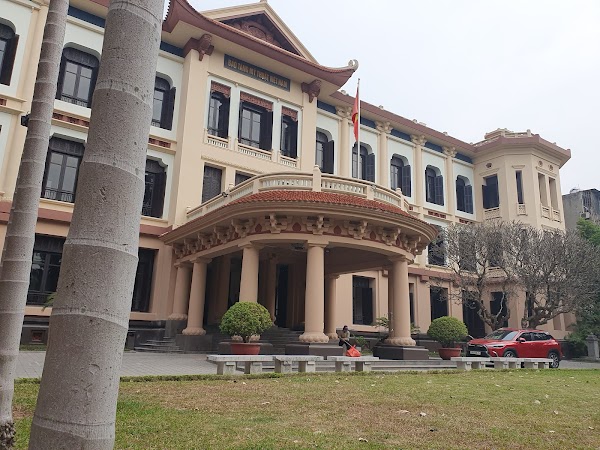
Vietnam National Fine Arts Museum
View on map
Audio Narrations
Introduction
The Vietnam National Fine Arts Museum, a treasure trove of Vietnamese art, sits majestically in the heart of Hanoi. Its French colonial architecture, a testament to the city's rich history, houses an extensive collection spanning centuries. From ancient Đông Sơn bronze drums to contemporary installations, the museum offers a captivating journey through Vietnam's artistic heritage. One of the museum's highlights is its collection of Đông Sơn bronze drums, dating back to the 1st millennium BC. These intricately decorated drums, often depicting scenes of daily life and rituals, offer a glimpse into the lives of Vietnam's early inhabitants. The museum also boasts an impressive collection of ceramics, including delicate porcelain from the Lý and Trần dynasties and vibrant stoneware from the Lê dynasty. Beyond its historical artifacts, the Vietnam National Fine Arts Museum showcases the works of renowned Vietnamese artists. Paintings by masters like Nguyễn Gia Trí and Bùi Xuân Phái offer insights into the country's tumultuous 20th century, while contemporary installations by emerging artists explore modern Vietnamese society. The museum's rotating exhibitions provide a platform for new talent and keep the collection fresh and engaging. A visit to the Vietnam National Fine Arts Museum is an enriching experience for anyone interested in Vietnamese culture and art. Its diverse collection, spanning centuries and artistic styles, offers a unique window into the country's rich history and vibrant artistic spirit. From ancient bronze drums to contemporary installations, the museum provides a captivating journey through the world of Vietnamese art.Southeast Asian Art Collection
A Journey Through Southeast Asian Art at the Vietnam National Fine Arts Museum Nestled in the heart of Hanoi, the Vietnam National Fine Arts Museum unveils a captivating journey through Southeast Asian art. Its Southeast Asian Art Collection, housed within the museum's expansive halls, offers a unique lens to explore the region's rich artistic heritage. Step into a world where ancient Cham sculptures whisper tales of forgotten kingdoms, their intricate carvings echoing the myths and legends of a bygone era. Marvel at the vibrant hues of Vietnamese silk paintings, each brushstroke imbued with the essence of daily life and spiritual beliefs. Be captivated by the intricate details of Khmer bronzes, their graceful forms reflecting the enduring influence of Hinduism and Buddhism. The museum's collection transcends national boundaries, showcasing the artistic tapestry woven across Southeast Asia. Explore the delicate beauty of Thai ceramics, their intricate patterns and vibrant colors reflecting the country's unique cultural identity. Immerse yourself in the dynamic world of Indonesian batik, where intricate wax-resist techniques create mesmerizing patterns that tell stories of tradition and folklore. Beyond the individual masterpieces, the Southeast Asian Art Collection offers a deeper understanding of the region's shared history and cultural exchange. Juxtapose the serene elegance of Burmese lacquerware with the bold expressiveness of Laotian woodcarvings, revealing the subtle nuances and influences that have shaped the artistic landscape of Southeast Asia. As you navigate through the museum's halls, let the art transport you to ancient temples, bustling marketplaces, and serene landscapes. Each piece whispers a story, inviting you to delve deeper into the soul of Southeast Asia and its artistic legacy. The Vietnam National Fine Arts Museum, through its Southeast Asian Art Collection, becomes a portal to a world of cultural richness and artistic expression, waiting to be explored and cherished.Vietnamese Art History
A Journey Through Vietnamese Art History at the National Fine Arts Museum Step into the National Fine Arts Museum in Hanoi, and embark on a captivating journey through the vibrant tapestry of Vietnamese art history. This treasure trove houses a comprehensive collection spanning centuries, offering a unique lens to explore the nation's artistic evolution. The museum's collection boasts masterpieces from各个朝代, showcasing the diverse styles and techniques that have shaped Vietnamese art. From the delicate brushstrokes of traditional Đông Sơn drums to the bold, expressive works of contemporary artists, each piece whispers stories of cultural heritage and artistic innovation. One of the museum's highlights is its impressive collection of Đông Hồ folk paintings. These vibrant woodblock prints, dating back to the 17th century, depict scenes from everyday life, folklore, and mythology, offering a glimpse into the soul of Vietnamese culture. For those seeking a deeper understanding of Vietnam's artistic heritage, the museum's collection of Cham sculptures is a must-see. These intricate sandstone carvings, dating back to the 7th century, showcase the artistic mastery of the ancient Champa civilization. The museum also houses a significant collection of lacquerware, a traditional Vietnamese art form renowned for its intricate designs and rich colors. Visitors can marvel at the exquisite craftsmanship of these objects, ranging from delicate jewelry to elaborate furniture. Beyond its permanent collection, the National Fine Arts Museum regularly hosts temporary exhibitions that delve into specific periods or themes in Vietnamese art history. These exhibitions provide a platform for emerging artists and offer fresh perspectives on the country's artistic landscape. A visit to the National Fine Arts Museum is not merely an encounter with art; it's a journey through the soul of Vietnam. As you wander through the galleries, you'll witness the evolution of a nation's artistic spirit, its resilience, and its unwavering pursuit of beauty.
3
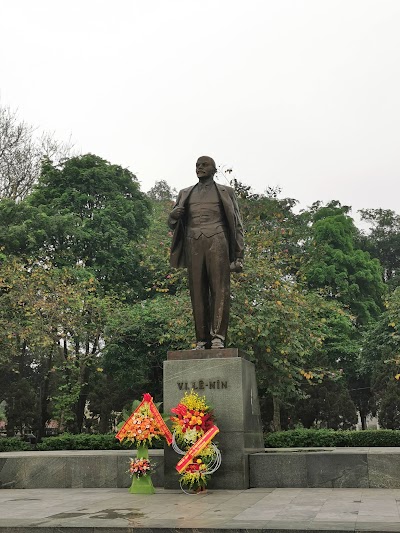
Lenin Park
View on map
4
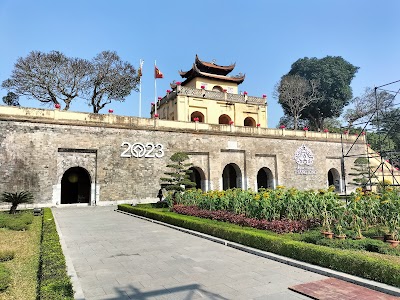
Imperial Citadel of Thang Long
View on map
Audio Narrations
Introduction
The Imperial Citadel of Thang Long, a UNESCO World Heritage Site, stands as a testament to the rich history of Hanoi, Vietnam. Built in the 11th century by the Ly Dynasty, it served as the political and military center of the Dai Viet kingdom for nearly 13 centuries. The Citadel's architectural marvels include the imposing Doan Mon gate, the ceremonial Kinh Thien Palace, and the elegant Hau Lau, once reserved for princesses and queens. Beneath the Citadel lies a secret network of bunkers, including the D67 House and tunnel, which served as the headquarters of the Vietnamese People's Army during the Vietnam War. Visitors can explore these hidden chambers, gaining insights into the country's resilience and determination. The Citadel's grounds are adorned with beautiful bonsai trees, manicured gardens, and ancient stone dragons, creating a serene atmosphere amidst the bustling city. It offers a unique glimpse into the cultural heritage of Vietnam, showcasing the influences of China, Champa, and French colonial rule.UNESCO World Heritage Site
The Imperial Citadel of Thang Long, a UNESCO World Heritage Site, stands as a testament to Vietnam's rich history and cultural heritage. Built in the 11th century, it served as the political and cultural center of the Ly Dynasty and subsequent dynasties for over 13 centuries. The citadel's architectural brilliance blends Chinese, Southeast Asian, and Vietnamese styles, showcasing the influences of different eras. Its imposing South Gate, Hanoi Flag Tower, and archaeological sites of ancient palaces offer a glimpse into the grandeur and opulence of Vietnam's imperial past. The citadel's significance lies not only in its architectural marvels but also in its role as a witness to pivotal events in Vietnamese history. Its walls have stood through wars, invasions, and colonial occupation, making it a symbol of resilience and national pride. Today, the Imperial Citadel of Thang Long remains a vibrant cultural hub, hosting traditional performances, exhibitions, and educational programs that bring its rich history to life for visitors from around the world.Architectural Masterpiece
The Imperial Citadel of Thang Long in Hanoi, Vietnam, stands as a testament to the architectural prowess of its creators. Its design incorporates elements from both Chinese and Vietnamese traditions, resulting in a unique and harmonious blend of styles. The citadel's layout follows the principles of feng shui, with its buildings arranged to create a balance between nature and human intervention. One of the most striking features of the citadel is its massive stone walls, which were built to protect the royal palace and other important structures within. The walls are adorned with intricate carvings and sculptures, depicting scenes from Vietnamese history and mythology. The main gate of the citadel, the Doan Mon Gate, is a particularly impressive example of Vietnamese architecture, with its three arched entrances and elaborate roof. Inside the citadel, visitors can explore the ruins of the royal palace, the throne room, and other administrative buildings. These structures provide a glimpse into the lives of the Vietnamese emperors and their court. The citadel also houses a number of museums, which display artifacts from the citadel's long history. The Imperial Citadel of Thang Long is a UNESCO World Heritage Site, and it is considered one of the most important architectural landmarks in Vietnam. Its unique design and historical significance make it a must-see for anyone interested in Vietnamese history and culture.
5
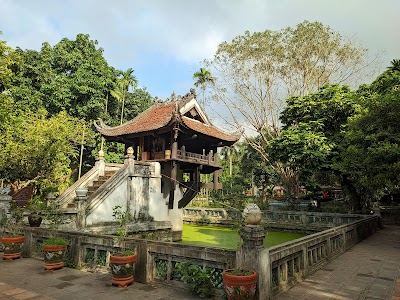
One Pillar Pagoda
View on map
6
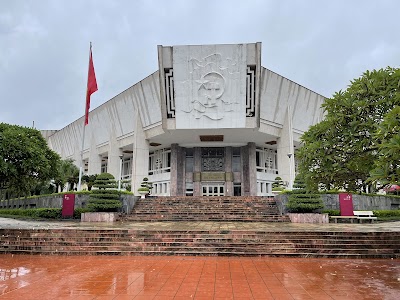
Ho Chi Minh Museum
View on map
7
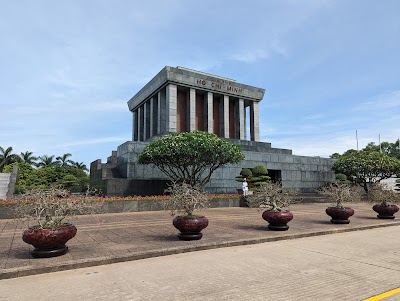
Ho Chi Minh's Mausoleum
View on map
Audio Narrations
Introduction
The Ho Chi Minh Mausoleum in Hanoi, Vietnam, is a monumental granite edifice that houses the embalmed body of Ho Chi Minh, the revered leader of Vietnam's independence movement. Inspired by Lenin's Mausoleum in Moscow, it incorporates Vietnamese architectural elements like a sloping roof. Flanked by platforms for parade viewing, the mausoleum stands amidst lush gardens featuring 250 plant species from across Vietnam. Inside, Ho Chi Minh's body lies in a glass case, guarded by a military honor guard. The mausoleum is a pilgrimage site for Vietnamese and a testament to Ho Chi Minh's enduring legacy as a national hero.Public Mourning Site
Ho Chi Minh's Mausoleum in Hanoi, Vietnam, stands as a poignant public mourning site, a testament to the profound reverence for the nation's beloved leader. The mausoleum's imposing architecture, adorned with intricate carvings and inscriptions, evokes a sense of solemnity and respect. Inside, visitors are greeted by a hushed silence, broken only by the soft footsteps of mourners paying their respects. The central hall houses Ho Chi Minh's embalmed body, preserved in a glass casket, allowing visitors to witness the enduring legacy of the man who led Vietnam to independence. The mausoleum's design incorporates elements of traditional Vietnamese architecture, blending seamlessly with the surrounding Ba Dinh Square, where Ho Chi Minh proclaimed Vietnam's independence in 1945. The site serves as a constant reminder of Ho Chi Minh's unwavering dedication to his people and his vision for a unified and prosperous Vietnam.Political Symbolism
Ho Chi Minh's Mausoleum in Hanoi, Vietnam, stands as a potent symbol of political ideology and national identity. Constructed from 1973 to 1975, the mausoleum houses the embalmed body of Ho Chi Minh, the revered revolutionary leader and founding father of the Socialist Republic of Vietnam. The mausoleum's design and architecture are imbued with political symbolism, reflecting the communist ideology and the cult of personality surrounding Ho Chi Minh. The mausoleum's imposing granite structure, reminiscent of Lenin's Mausoleum in Moscow, evokes a sense of reverence and authority. The square shape and sharp angles symbolize the strength and stability of the communist regime, while the red granite represents the blood shed during Vietnam's struggle for independence. The mausoleum's interior is equally symbolic, with a large statue of Ho Chi Minh at its center, flanked by flags and banners bearing communist slogans. The embalmed body of Ho Chi Minh, preserved in a glass sarcophagus, serves as a constant reminder of his legacy and the sacrifices made in the name of the revolution. Beyond its physical structure, the mausoleum's political symbolism extends to its function as a pilgrimage site for Vietnamese citizens and international visitors. The daily queues of people waiting to pay their respects to Ho Chi Minh underscore his enduring status as a national icon and the embodiment of the communist ideals of unity, sacrifice, and progress. The mausoleum has become a focal point for political rallies, demonstrations, and official ceremonies, further solidifying its role as a symbol of the Vietnamese state and its political ideology.
8
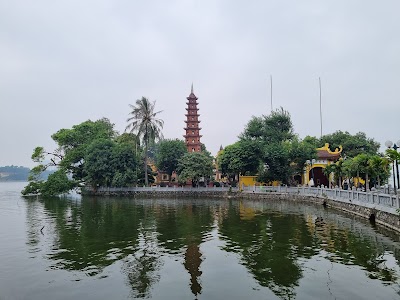
Tran Quoc Pagoda
View on map
Audio Narrations
Introduction
Tran Quoc Pagoda, the oldest in Hanoi, stands majestically on a small island in West Lake. Built in 541, it has witnessed over 1500 years of Vietnamese history. Its architecture is a blend of traditional Vietnamese and Buddhist styles, featuring curved roofs, lotus flower motifs, and an 11-story stupa adorned with intricate carvings. The pagoda houses a sacred Bodhi tree, a cutting from the original tree under which Buddha attained enlightenment. Tran Quoc Pagoda is not only a religious site but also a cultural treasure, preserving priceless antiques like the statue of "Thich ca thap niet ban," considered the most beautiful in Vietnam. Its serene ambiance and stunning views of the lake make it a popular destination for both pilgrims and tourists.Tran Quoc Pagoda History
Tran Quoc Pagoda, a beacon of Vietnamese Buddhism for over 15 centuries, stands as a testament to the country's rich spiritual heritage. Founded in 541 under the reign of King Ly Nam De, it was initially known as Khai Quoc Pagoda, meaning "National Founder," reflecting its significance in the establishment of the nation. In the 17th century, the pagoda underwent a pivotal relocation to Kim Ngu Island, now known as Thanh Nien Road, to escape the erosion of the Red River bank. This move marked a change not only in its physical location but also in its name, becoming Tran Quoc Pagoda, symbolizing "Protecting the Nation." Throughout its long history, Tran Quoc Pagoda has witnessed the rise and fall of dynasties, serving as a spiritual sanctuary for the people of Hanoi. It was once the center of Buddhism during the Tran dynasty and a favored destination for royal visits and ceremonies. Today, Tran Quoc Pagoda stands as a national monument, recognized for its architectural beauty and historical significance. Its unique features include an 11-story stupa offering panoramic views of West Lake, a Bodhi tree descended from the one under which Buddha attained enlightenment, and a collection of 14 steles chronicling its restoration and significance. Tran Quoc Pagoda's enduring legacy lies in its ability to connect the past with the present, offering visitors a glimpse into the rich tapestry of Vietnamese history and spirituality.Buddhist Architecture
Tran Quoc Pagoda, a beacon of Buddhist architecture in Hanoi, Vietnam, stands as a testament to the rich history and spiritual significance of the faith. Its origins can be traced back to the 6th century, making it one of the oldest pagodas in the country. The pagoda's design adheres to the principles of Theravada Buddhism, with its three main layers representing the three realms of existence: the human realm, the celestial realm, and the realm of enlightenment. The pagoda's front house, known as Tiền Đường, features intricate carvings and sculptures depicting scenes from the life of Buddha. The upper hall, Thượng Viện, houses a large bronze statue of Amitabha Buddha, the central figure of Mahayana Buddhism. The incense crematorium, Nhà Thiêu Hương, is a unique architectural element that symbolizes the purification of the mind and body through the burning of incense. One of the most striking features of Tran Quoc Pagoda is its hexagonal lotus-shaped tower, Bảo Tháp. Completed in 2003, the tower rises 11 stories high and is adorned with white precious stone statues of Amitabha Buddha on each level. The tower represents the path to enlightenment, with each story symbolizing a different stage of spiritual development. The pagoda's serene atmosphere is further enhanced by the presence of a Bodhi tree, a sapling from the very tree under which the Buddha attained enlightenment. The tree, a symbol of wisdom and compassion, adds to the pagoda's spiritual significance and provides a tranquil space for meditation and reflection. Tran Quoc Pagoda is not only a place of worship but also a repository of priceless Buddhist artifacts. The pagoda houses a collection of ancient statues, including the renowned "Thích ca thập niết bàn," which is considered one of the most beautiful statues of Vietnam. These artifacts provide a glimpse into the rich artistic traditions of Vietnamese Buddhism and offer insights into the beliefs and practices of the faith.
9
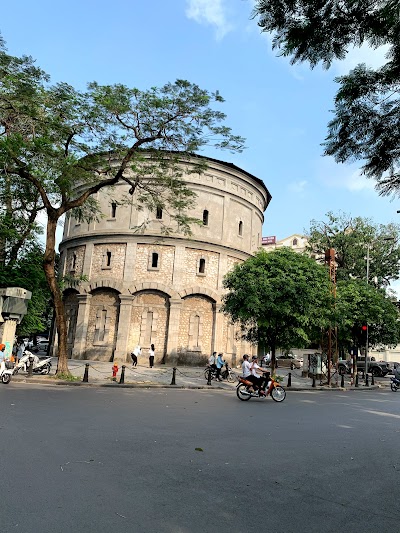
Hang Dau Water Tank
View on map
10
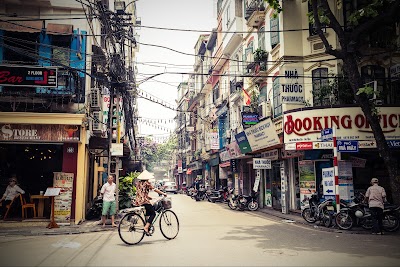
Hanoi Old Quarter
View on map
Audio Narrations
Introduction
Hanoi's Old Quarter, a mesmerizing labyrinth of narrow streets, isn't merely a historical district; it's a living, breathing organism. Each street was traditionally dedicated to a specific trade, a legacy still visible today. Hàng Gai, for instance, remains the silk street, overflowing with vibrant textiles. The architecture, a captivating blend of French colonial and traditional Vietnamese styles, reveals the area's complex history. Look closely, and you'll notice the "tube houses," narrow facades stretching deep to avoid high taxes based on street frontage. These slender dwellings often conceal hidden courtyards and intricate family shrines. Beyond the bustling commerce, the Old Quarter holds secrets. Hidden within its warren of alleys are centuries-old temples, often overlooked by tourists, offering glimpses into the spiritual heart of the community. The aroma of street food, from phở to bánh mì, permeates the air, a constant reminder of the district's culinary heritage.36 Guild Streets
Hanoi's Old Quarter, often called "36 streets," embodies a historical guild system where specific streets were dedicated to particular trades. Despite the name, the area includes over 70 streets, a number that evolved from a symbolic representation of plenty rather than a literal count. The concept of "36" may originate from the 15th century, referring to workshop areas rather than actual streets, with guild names later applied to the streets themselves. Historically, the Old Quarter emerged as a commercial hub during the Lý and Trần dynasties, east of the Imperial Citadel of Thăng Long. Streets like Hang Gai, known for silk, and To Tich, specializing in woodworking, reflect this heritage. While some streets have adapted to modern commerce, others retain their traditional crafts. Lan Ong Street, with its traditional medicinal products, offers a sensory experience reminiscent of classical times. Hang Ma glimmers with paper products, while Hang Quat, once selling silk fans, now offers festival and religious items. The guild system in the Old Quarter mirrors Europe's Guilded Age, with artisans sharing resources and honing their crafts. The term "Hang" before a street name signifies a store or series of stores specializing in a particular product. This area remains a focal point for those seeking to experience Hanoi's cultural roots and explore its unique urban landscape.Historical Architecture
Hanoi's Old Quarter showcases a rich tapestry of historical architecture, reflecting its evolution over centuries. Established in the 11th century, the area's original street layout is largely maintained, offering a glimpse into old Hanoi. The architecture is characterized by traditional tube houses, narrow in frontage yet deep, designed to optimize living space and reflect Vietnamese cultural values. A distinctive feature is the fusion of Vietnamese and French architectural styles, evident in details like high windows, airy balconies, and tiled roofs, a legacy of French colonization that began in 1888. This Franco-Chinese hybrid style is visible in the coexistence of French-styled columns alongside Confucian scrolls and Buddhist sculptures on building facades. The Old Quarter also houses significant historical sites such as Ngoc Son Temple, located on Hoan Kiem Lake, and the One Pillar Pagoda, dating back to 1049, each representing unique architectural and cultural symbols. The Heritage House at 87 Ma May Street, a late 19th-century trader's house, exemplifies classic Vietnamese architecture and provides insight into the area's residential history. This building, once partitioned for multiple families, now stands as a preserved example of traditional design, complete with courtyards and antique furnishings, offering visitors a tangible connection to Hanoi's architectural past.
11
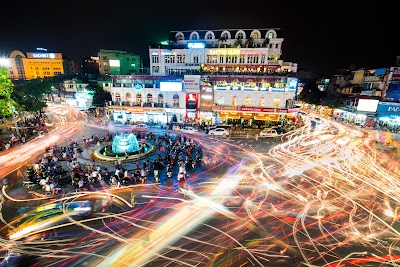
Dong Kinh Nghia Thuc Square
View on map
Audio Narrations
导言
董京义塾广场,一个相对紧凑的空间,坐落在河内老城区的中心地带,是城市充满活力的街头生活的汇聚点。它的意义不仅仅是一个聚集地;它还是即兴表演的舞台,当地艺术家的画布,以及河内不断演变的城市叙事的沉默见证者。广场的铺路石,被无数的脚步磨得光滑,回荡着小贩叫卖商品的声音和孩子们玩传统游戏的笑声。与更大、更正式的广场不同,董京义塾广场拥有一种亲密、几乎是家庭般的氛围。在这里,几代人融合在一起,分享故事,并在殖民时代建筑的背景下创造新的回忆。有趣的是,广场的名字是为了纪念20世纪初一场短暂但具有影响力的教育运动,反映了河内的知识遗产。街头小吃的淡淡香味永久地弥漫在空气中,为广场的感官体验增添了另一层色彩。公共空间改造
东京义塾广场是河内一个具有重要历史意义的地标,经过了一项重大的城市更新项目,旨在将其改造成为一个更易于进入和多功能的公共空间。 改造的关键要素是拆除“鲨鱼嘴”建筑,以创建一个与还剑湖和谐相融的开放式设计。 此次改造旨在将现代美学与历史尊重融为一体,将广场重塑为一个服务于居民和游客的文化空间。 该项目的设计包括用一个朝向还剑湖的缓坡重新铺设广场地面,以实现有效的排水和无缝的外观。 石凳、花坛和调整后的交通模式已被纳入,以提高安全性、可达性和行人舒适度。 改造还包括升级基础设施、绿化和公共设施,以及重新铺设广场地面。 该项目分两个阶段实施。 第一阶段包括拆除“鲨鱼嘴”建筑、改造 Hapro 大楼、立面升级、修复水榭餐厅以及交通重组。 第二阶段将进一步扩大公共空间,翻新面向广场的建筑物,升级技术基础设施,并安装额外的公共设施。 安装了一块 12 米 x 17 米的 LED 屏幕,以表达现代感,同时与老城区和还剑湖的传统环境相协调。 该项目旨在创建一个反映城市特征的文化空间,同时拥抱现代发展并尊重国家历史。文化活动场所
河内市的东京义塾广场是文化活动的中心,尤其是在周末,它与河内步行街融为一体。它位于还剑郡主要街道的交汇处,使其成为举办重要城市活动的黄金场所。该广场是新年倒计时和其他重大文化庆祝活动的常见场所,使其成为当地人和游客寻求河内夜生活的热门地点。 在拆除“鲨鱼嘴”建筑后,广场作为文化空间的重要性将进一步扩大,此举旨在扩大广场并增强其举办社区活动的能力。此次重建旨在为文化艺术活动提供更好的服务,加强还剑湖与老城区之间的联系。在周末,人们可以找到各种民间游戏,例如拔河和跳房子,增加了广场作为文化中心的吸引力。改造项目强调了广场在突出该地区历史和文化价值方面的作用,确保它仍然是文化表达和社区参与的重要场所。
12
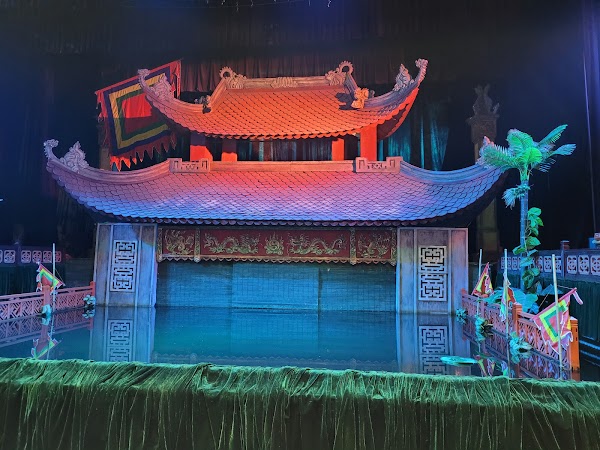
Thang Long Water Puppet Theatre
View on map
Audio Narrations
Introduction
Thang Long Water Puppet Theatre, nestled in the heart of Hanoi's Old Quarter, is a renowned cultural institution showcasing the captivating art of Vietnamese water puppetry. This ancient tradition, dating back to the 11th century, originated in the rice paddies of the Red River Delta. Water puppetry is a unique blend of artistry and storytelling, where lacquered wooden puppets dance gracefully on a waist-deep pool. Skilled puppeteers, hidden behind a bamboo screen, manipulate the puppets with long bamboo rods, creating the illusion of movement over water. The performances at Thang Long Water Puppet Theatre are a vibrant tapestry of Vietnamese folklore, history, and daily life. Audiences are captivated by scenes depicting rice planting, fishing, and even royal processions. The accompanying live music, performed by a traditional Vietnamese orchestra, adds to the immersive experience. One of the most beloved characters in water puppetry is Tễu, a mischievous jester who provides witty commentary on social and political issues. His humorous antics and infectious laughter have made him an enduring icon of the art form. Thang Long Water Puppet Theatre has played a pivotal role in preserving and promoting this intangible cultural heritage of Vietnam. Its performances continue to enchant visitors from around the world, offering a glimpse into the rich traditions and vibrant storytelling of the Vietnamese people.Puppetry
Thang Long Water Puppet Theatre, nestled in the heart of Hanoi, is a captivating showcase of Vietnam's unique water puppetry tradition. This ancient art form, originating in the 11th century, has been meticulously preserved and refined by the theatre's skilled puppeteers. The puppets, crafted from lightweight wood and adorned with vibrant lacquer, are manipulated with intricate rods and strings submerged beneath the water's surface. This ingenious technique allows the puppets to glide effortlessly across the stage, creating an enchanting illusion of movement and grace. Each performance at Thang Long Water Puppet Theatre is a mesmerizing spectacle, featuring a repertoire of traditional Vietnamese folktales and legends. The puppeteers, concealed behind a bamboo screen, bring these stories to life with remarkable dexterity and artistry. The puppets dance, fight, and interact with each other, their movements synchronized with the accompanying live music. Beyond its captivating performances, Thang Long Water Puppet Theatre also offers a glimpse into the history and cultural significance of this art form. Visitors can explore the theatre's museum, which houses a collection of antique puppets and provides insights into the techniques and traditions of water puppetry. For those seeking an authentic and immersive experience of Vietnamese puppetry, Thang Long Water Puppet Theatre is an unmissable destination. Its unique blend of artistry, tradition, and cultural heritage makes it a captivating showcase of this ancient and enchanting art form.Vietnamese Culture
Thang Long Water Puppet Theatre, a cultural gem in the heart of Hanoi, offers a captivating glimpse into the rich tapestry of Vietnamese heritage. This traditional art form, dating back to the 11th century, has been meticulously preserved and showcased at this renowned theatre. The performances, set against a backdrop of shimmering water, bring to life enchanting tales from Vietnamese folklore, history, and daily life. The puppets, crafted with intricate detail and vibrant colors, are manipulated with remarkable skill by skilled puppeteers hidden beneath the stage. The movements are fluid and graceful, creating an illusion of life and motion that captivates audiences of all ages. The accompanying live music, performed on traditional Vietnamese instruments, adds an authentic and immersive touch to the experience. Beyond the captivating performances, Thang Long Water Puppet Theatre also serves as a repository of Vietnamese culture. The theatre's repertoire includes not only traditional water puppetry but also other forms of Vietnamese performing arts, such as folk music and dance. Visitors can delve deeper into the history and techniques of water puppetry through guided tours and workshops offered by the theatre. Attending a performance at Thang Long Water Puppet Theatre is not merely a form of entertainment but a profound cultural experience. It is an opportunity to witness the enduring legacy of Vietnamese artistry and to gain a deeper appreciation for the vibrant and multifaceted nature of Vietnamese culture.
13
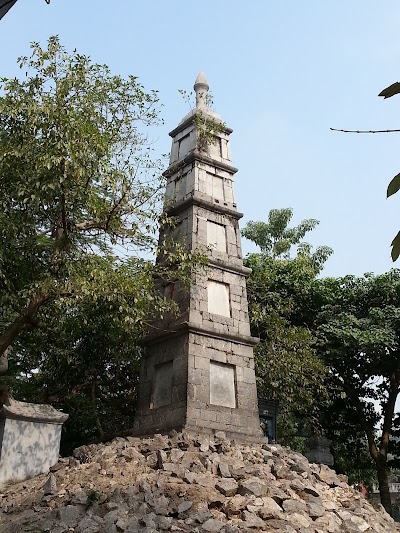
The Pen Tower
View on map
14
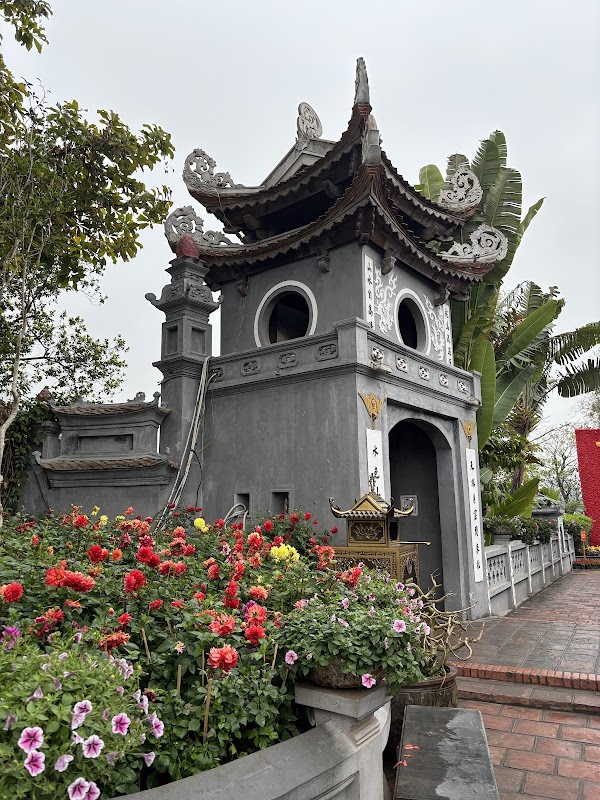
Ngoc Son Temple
View on map
15
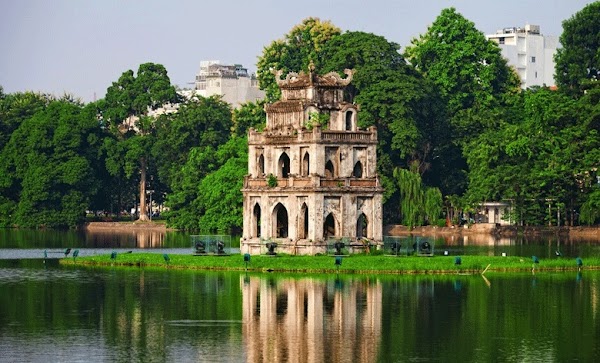
Hoàn Kiếm Lake
View on map
16
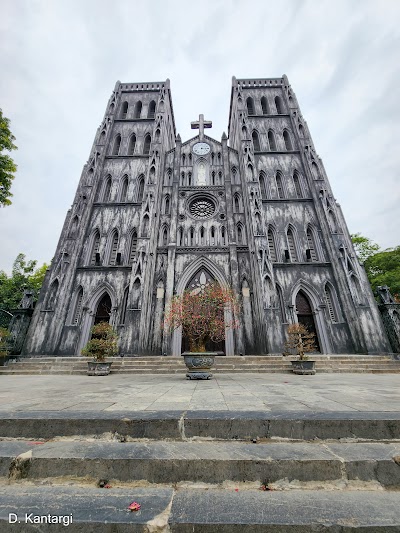
St. Joseph Cathedral
View on map
17
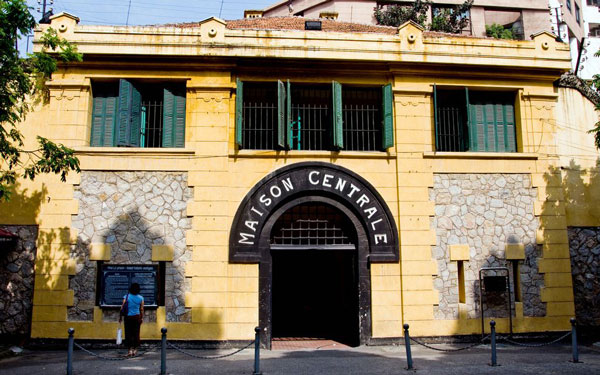
Hoa Lo Prison Relic
View on map
Audio Narrations
Introduction
Hoa Lo Prison Relic, a historical site in Hanoi, Vietnam, stands as a testament to the resilience of the Vietnamese people and the horrors of war. Built by the French in the late 19th century, Hoa Lo, meaning "fiery furnace," was used to incarcerate Vietnamese political prisoners. During the Vietnam War, it became known as the "Hanoi Hilton" to American POWs, who endured inhumane conditions and torture within its walls. The prison's grim history is evident in its architecture. High walls topped with broken glass and barbed wire, along with watchtowers at each corner, created an inescapable atmosphere. Inside, prisoners were subjected to brutal treatment, including electric shock, upside-down hanging, and starvation. The infamous guillotine, used to execute Vietnamese revolutionaries, remains on display as a chilling reminder of the prison's dark past. Today, Hoa Lo Prison Relic serves as a museum, preserving the memory of those who suffered within its walls. Visitors can explore the prison's cells, torture chambers, and execution room, gaining a firsthand account of the horrors that transpired here. The museum also highlights the resilience of the Vietnamese people, who overcame adversity and emerged victorious from the war.Hanoi Hilton
Hoa Lo Prison Relic, also known as the "Hanoi Hilton" during the Vietnam War, stands as a haunting testament to the resilience of the Vietnamese people and the horrors of war. Its infamous moniker, coined by American POWs, belies the grim reality that unfolded within its walls. The prison's exhibits poignantly depict the harsh conditions endured by Vietnamese political prisoners under French colonial rule, including the chilling guillotine room. However, the focus shifts to the American POW experience during the Vietnam War, with displays showcasing Senator John McCain's flight suit and parachute, remnants of his harrowing ordeal. Visitors can delve into the harrowing accounts of torture, starvation, and medical neglect suffered by American POWs, as documented in the writings of McCain and other survivors. The prison's somber atmosphere evokes the anguish and suffering that permeated its corridors, leaving an indelible mark on those who visit. Today, Hoa Lo Prison Relic serves as a poignant reminder of the human cost of war and the indomitable spirit of those who endured its horrors. Its transformation into a museum ensures that the legacy of the "Hanoi Hilton" will continue to resonate, fostering understanding and reconciliation.Vietnamese Culture
Hoa Lo Prison Relic, a poignant vestige of Vietnam's arduous struggle for independence, offers a profound insight into the resilience and indomitable spirit of the Vietnamese people. Constructed by French colonialists in the late 19th century, Hoa Lo, meaning "fiery furnace," was a notorious prison that incarcerated countless Vietnamese revolutionaries. Within its grim walls, prisoners endured unimaginable hardships, shackled in cramped cells and subjected to brutal torture. Yet, their resolve remained unyielding. The prison became a crucible where the seeds of Vietnamese nationalism were sown, fostering a sense of unity and determination among its inmates. Today, Hoa Lo stands as a testament to the sacrifices made by those who fought for Vietnam's freedom. Visitors can explore the prison's haunting cells, solitary confinement chambers, and execution yard, gaining a visceral understanding of the horrors endured by its inmates. The preserved French guillotine serves as a chilling reminder of the brutality of colonial rule. Beyond its historical significance, Hoa Lo also holds cultural importance. The prison's architecture reflects the fusion of French and Vietnamese influences, with its imposing stone walls and intricate ironwork. The tropical almond tree within the courtyard, from which prisoners carved flutes and chopsticks, symbolizes the resilience and creativity that flourished even in the darkest of times. Hoa Lo Prison Relic is not merely a historical site but a living embodiment of Vietnamese culture. It is a place where the past and present intertwine, where the sacrifices of the past inspire the present generation to strive for a better future.
Experience the Full Tour
Download the DocentPro app to access all tour stops, complete audio narrations in multiple languages, offline maps, and interactive features.