
Montreal's Historic Heart: A Journey Through Time and Beauty

Walking Tour

12.6 km (7.8 miles)

3h 5min travel time

8 Stops

Montreal, Canada
Montreal's Historic Heart: A Journey Through Time and Beauty
Tour Stops
1
Notre-Dame Basilica of Montreal
View on map
Audio Narrations
English
Introduction
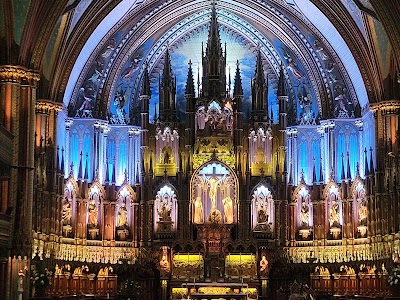
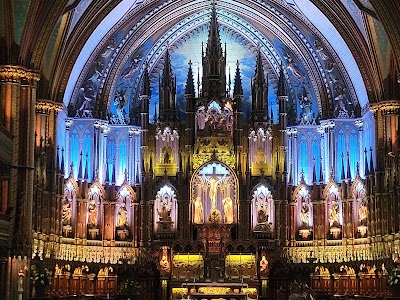
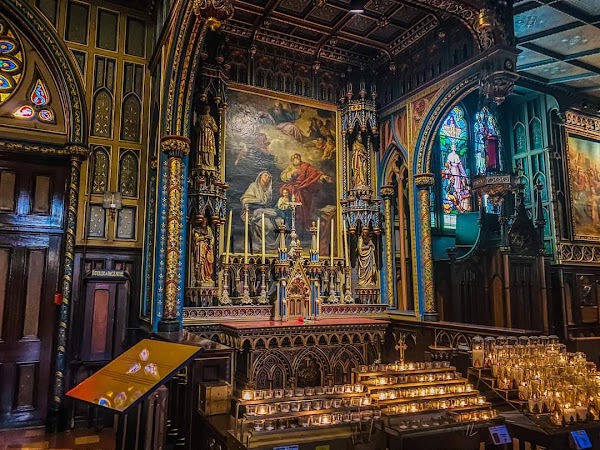
Notre-Dame Basilica, a minor basilica in Montreal, Canada, is a masterpiece of Gothic Revival architecture. Its deep blue vaults adorned with golden stars and intricate wooden carvings create a dramatic interior. The sanctuary features stained glass windows depicting Montreal's religious history, a departure from traditional biblical scenes. The Casavant Frères pipe organ, dating back to 1891, boasts 7,000 pipes and adjustable combination pedals. Over 11 million visitors annually marvel at the basilica's grandeur, making it one of North America's most visited monuments. In 2023, it was ranked the 6th most beautiful building globally by Angi, a home service publication.Inspirational Setting
Notre-Dame Basilica, a Gothic Revival masterpiece, stands as a testament to architectural grandeur and spiritual inspiration. Its vaulted ceilings, adorned with intricate carvings and shimmering with 24-karat gold stars, create an awe-inspiring atmosphere. The deep blue hue of the ceiling evokes a celestial ambiance, inviting contemplation and a connection to the divine. The stained glass windows, depicting scenes from Montreal's religious history, narrate tales of faith and resilience, offering solace and encouragement to visitors. The basilica's acoustics, renowned for their clarity and resonance, have hosted countless concerts and performances, elevating the human voice and inspiring a sense of unity and transcendence. The sheer scale and opulence of Notre-Dame Basilica create an environment that fosters introspection, reflection, and a profound connection to the spiritual realm.Cultural Landmark
Notre-Dame Basilica of Montreal stands as a testament to the city's rich cultural heritage, captivating visitors with its awe-inspiring Gothic Revival architecture. Designated a National Historic Site of Canada, the basilica boasts an opulent interior adorned with intricate carvings, vibrant stained-glass windows, and a magnificent vaulted ceiling painted in deep blue and gold. Its grandeur has made it a popular venue for significant religious ceremonies, including the funeral of former Prime Minister Pierre Elliott Trudeau. Beyond its religious significance, the basilica has played a pivotal role in Montreal's cultural landscape. It has hosted countless concerts, featuring renowned orchestras and organists, showcasing its exceptional acoustics. The basilica's cultural impact extends to its role as a backdrop for major events, such as the annual festivities commemorating the city's founding. The basilica's cultural significance is further enhanced by its association with notable figures. Pope John Paul II celebrated a Mass here in 1984, and the wedding of renowned singer Celine Dion took place within its hallowed halls. Its enduring legacy as a cultural landmark is cemented by its inclusion in the Site patrimonial de Montréal, a provincially designated heritage site encompassing Old Montreal.
2
Montreal Museum of Archaeology and History
View on map
Audio Narrations
Korean
소개
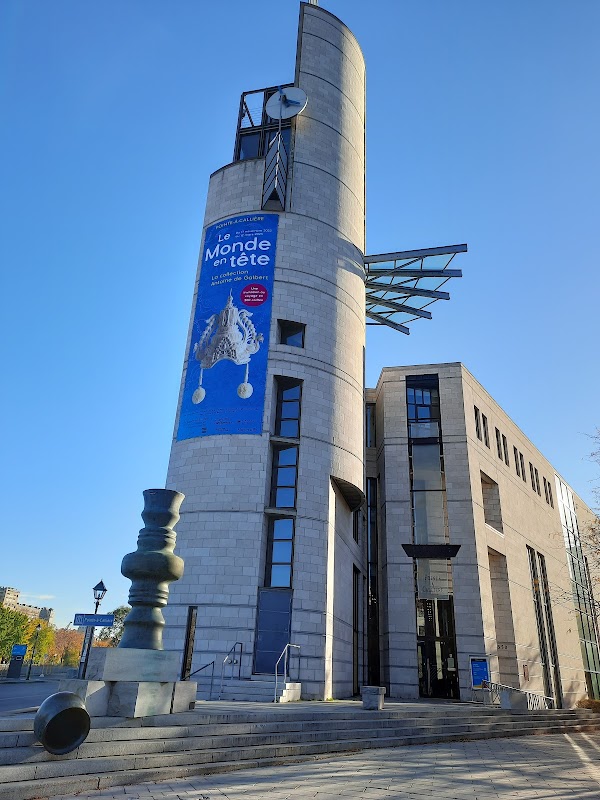
몬트리올 고고학 및 역사 박물관은 푸앵트아칼리에르라고도 알려져 있으며, 몬트리올의 풍부한 과거를 보관한 보물 창고입니다. 1642년에 도시가 건설된 바로 그 자리에 위치한 이 박물관은 시간 여행을 즐길 수 있는 매력적인 장소로, 몬트리올의 역사를 생생하게 보여주는 유물과 전시물을 소장하고 있습니다. 박물관의 하이라이트 중 하나는 "몬트리올의 시작" 전시회로, 방문객을 도시의 초기 시절로 안내하는 몰입적인 탐험을 제공합니다. 여기에서 첫 정착민들의 삶을 탐구하고, 도시 요새 건설을 목격하고, 심지어 1701년의 몬트리올 대평화를 경험할 수 있습니다. 푸앵트아칼리에는 영구 전시회 외에도 역사, 고고학, 문화의 다양한 측면을 탐구하는 다양한 임시 전시회를 선보입니다. 올멕 문명의 고대 유적 탐험부터 이스터 섬의 비밀을 밝히는 것까지, 이러한 전시회는 세계의 다양하고 매력적인 과거를 보여줍니다. 더 깊이 알아보고 싶은 분들을 위해 영어와 프랑스어로 진행되는 가이드 투어가 제공되며, 박물관 내의 고고학적 유적과 숨겨진 보석에 대한 통찰력을 제공합니다. 이 투어는 지식이 풍부한 가이드로부터 배우고 몬트리올의 역사에 대한 더 깊은 이해를 얻을 수 있는 독특한 기회를 제공합니다. 역사 애호가든, 고고학 애호가든, 아니면 단순히 몬트리올의 과거에 대해 궁금하든, 푸앵트아칼리에는 꼭 방문해야 할 곳입니다. 매력적인 전시물, 대화형 디스플레이, 지식이 풍부한 직원을 갖춘 이 박물관은 시간 여행을 즐길 수 있는 매력적인 장소로, 도시의 풍부하고 생생한 역사에 대한 새로운 이해를 남겨줍니다.고고학 유적지
몬트리올 중심부에 자리 잡은 몬트리올 고고학 및 역사 박물관은 이 도시의 풍부한 고고학적 유산에 대한 독특한 관점을 제공합니다. 전통적인 박물관과는 달리, 이 박물관은 더 깊이 파고들어 퀘벡 주 전역의 다양한 유적지에서 발굴된 유물을 전시합니다. 수천 년에 걸친 이러한 유물은 이 지역에 거주했던 원주민, 이누이트, 유럽 정착민들의 삶과 문화에 대한 생생한 그림을 그려냅니다. 박물관의 하이라이트 중 하나는 박물관 자체 내에 위치한 빌 마리 요새 고고학 유적지입니다. 이 17세기 요새화된 무역소는 몬트리올 정착 초기 시절을 엿볼 수 있는 기회를 제공합니다. 방문객은 성벽, 병사 숙소, 작업장을 포함한 요새의 재건된 기초를 탐험할 수 있으며, 이는 도시의 과거와 실질적인 연결을 제공합니다. 빌 마리 요새를 넘어서, 박물관은 퀘벡의 다른 중요한 고고학 유적지에서 발굴한 유물을 전시합니다. 여기에는 16세기 이로쿼이족 마을의 존재를 보여주는 드룰러-치온히아콰타 고고학 유적지와 500년 전에 그곳에 살았던 세인트 로렌스 이로쿼이족의 삶에 대한 통찰력을 제공하는 푸앵트 뒤 부아송 유적지가 포함됩니다. 박물관 컬렉션에는 또한 한때 저명한 몬트리올 가족이 거주했던 19세기 저택인 매코드 박물관의 고고학적 유물을 포함한 최근 시기의 유물도 있습니다. 이러한 유물은 그 시대 도시 엘리트의 가정 생활과 사회적 관습을 엿볼 수 있는 기회를 제공합니다. 몬트리올 고고학 및 역사 박물관은 광범위한 고고학적 유물 컬렉션과 몰입적인 전시를 통해 몬트리올과 퀘벡 주의 풍부한 역사를 탐험할 수 있는 독특한 기회를 제공합니다. 이 박물관은 우리 이전에 살았던 사람들의 삶을 들여다보고 그들의 문화, 전통, 일상 생활에 빛을 비추는 창문 역할을 합니다.캐나다 역사
몬트리올 고고학 및 역사 박물관: 캐나다의 과거를 들여다보는 창 몬트리올 중심부에 자리한 몬트리올 고고학 및 역사 박물관은 캐나다의 풍부한 과거를 탐험하는 매력적인 여정을 제공합니다. 이 박물관은 단순한 유물과 전시품을 넘어서서 원주민에서 유럽 정착민에 이르기까지 이 나라를 형성한 사람들의 이야기를 깊이 파헤칩니다. 이 박물관의 독특한 강점 중 하나는 캐나다 역사에서 몬트리올의 역할에 초점을 맞춘 것입니다. 방문객들은 모피 무역의 잔해와 항구 개발을 포함하여 도시의 초기 유물을 탐험할 수 있습니다. 이 박물관은 또한 이민, 종교 공동체, 사회 운동의 역사에 대한 전시를 통해 도시의 활기찬 문화적 태피스트리를 보여줍니다. 몬트리올을 넘어서 이 박물관은 캐나다 역사에 대한 더 넓은 관점을 제공합니다. 방대한 원주민 유물 컬렉션은 그들의 다양한 문화, 전통, 예술적 표현에 대한 통찰력을 제공합니다. 방문객들은 또한 원주민과 신규 이주민 간의 복잡한 관계를 조사하면서 유럽 탐험과 식민지화의 역사를 탐구할 수 있습니다. 이 박물관은 연구와 교육에 전념하여 전시가 유익할 뿐만 아니라 매력적이도록 합니다. 대화형 디스플레이, 멀티미디어 프레젠테이션, 교육 프로그램은 모든 연령대의 방문객에게 역사를 생생하게 전달합니다. 역사 애호가이든 캐나다의 과거에 대해 단순히 호기심이 많든, 몬트리올 고고학 및 역사 박물관은 독특하고 풍부한 경험을 제공합니다.
3
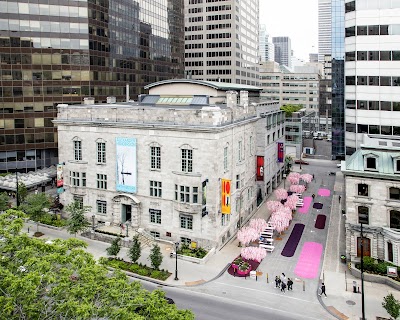
McCord Stewart Museum
View on map
4
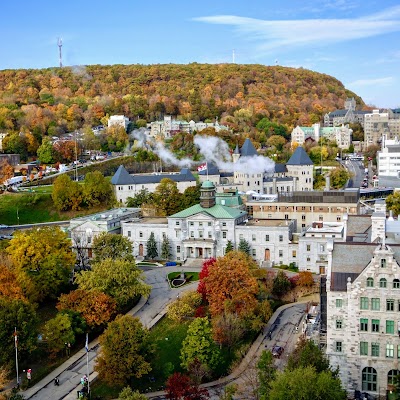
McGill University
View on map
5
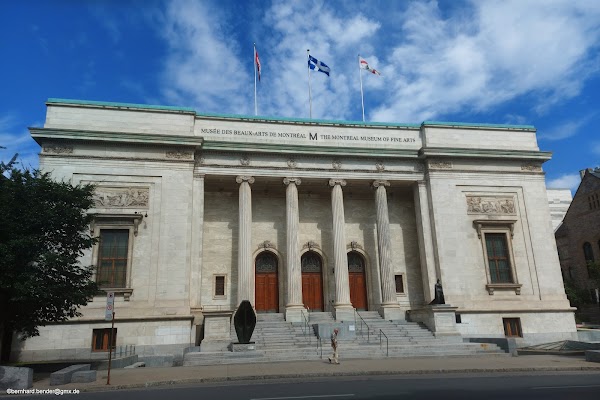
The Montreal Museum of Fine Arts
View on map
Audio Narrations
English
Introduction
The Montreal Museum of Fine Arts (MMFA), established in 1860, is a renowned art institution in Montréal, Québec, Canada. It boasts a vast collection of over 47,000 artworks spanning various periods and cultures. The MMFA's holdings include a notable collection of indigenous prints, carvings, and Northwest Coast Indian art, as well as an impressive array of prints and drawings. The museum's neoclassical building, designed by Edward and W.S. Maxwell, has been its home since 1912. In 1976, a new wing was added, and in 2016, the Michal and Renata Hornstein Pavilion for Peace was inaugurated, making the MMFA the 18th largest art museum in North America. Over the years, the MMFA has benefited from generous donations from prominent Montrealers. The museum's mission is to acquire, preserve, study, interpret, and present significant works of art from around the world, fostering a transformative experience for visitors.Contemporary Art
The Montreal Museum of Fine Arts (MMFA) stands as a beacon of contemporary art in Canada, housing a remarkable collection that spans diverse mediums and artistic expressions. Its contemporary art holdings encompass thought-provoking works by renowned artists, including Pablo Picasso, Andy Warhol, and Jean-Michel Basquiat. The museum's commitment to showcasing emerging and established contemporary artists is evident in its dynamic exhibition program, which features solo exhibitions, thematic group shows, and large-scale installations. Beyond its collection, the MMFA actively engages with contemporary art through innovative initiatives. The museum's Education and Outreach programs offer workshops, lectures, and guided tours tailored to contemporary art enthusiasts. The MMFA also collaborates with local and international institutions to present cutting-edge exhibitions and foster dialogue on contemporary art practices. The museum's physical spaces are designed to enhance the visitor experience of contemporary art. The Michal and Renata Hornstein Pavilion for Peace, inaugurated in 2016, provides a dedicated space for contemporary exhibitions and installations. Its soaring ceilings and natural light create an immersive environment that complements the bold and often experimental works on display. The MMFA's commitment to contemporary art extends to its acquisitions policy, which prioritizes the collection and preservation of significant works by contemporary artists. Through its acquisitions, the museum ensures that future generations can engage with and appreciate the transformative power of contemporary art.Educational Programs
The Montreal Museum of Fine Arts (MMFA) in Montréal, Québec, Canada, offers a robust suite of educational programs designed to foster artistic appreciation, critical thinking, and cultural engagement. Through its innovative platform, EducArt, the MMFA provides educators with a wealth of online resources, including lesson plans, interactive activities, and virtual tours. These resources are aligned with the Quebec curriculum and cover a diverse range of themes, from art history to social issues, making them an invaluable tool for teachers seeking to incorporate art into their lessons. Beyond its digital offerings, the MMFA also hosts a variety of in-person educational programs, including workshops, lectures, and guided tours. These programs are tailored to students of all ages and abilities, from young children to adults. The MMFA's team of experienced educators leads these programs, ensuring that participants gain a deep understanding of the museum's collection and the broader context of art history. One of the unique aspects of the MMFA's educational programs is its emphasis on interdisciplinary learning. The museum's collection spans a wide range of cultures and time periods, providing a rich resource for exploring connections between art and other disciplines, such as history, literature, and science. This approach encourages students to develop a holistic understanding of the world around them and to appreciate the interconnectedness of human creativity. The MMFA's educational programs are not only informative but also highly engaging. The museum's educators employ a variety of interactive and hands-on activities to make learning fun and accessible. Students are encouraged to explore the museum's galleries, participate in discussions, and create their own artwork, fostering a deep appreciation for the creative process. Whether through its online resources or in-person programs, the MMFA is committed to providing exceptional educational experiences that inspire and empower learners of all ages. Its dedication to fostering artistic literacy and cultural understanding makes it a vital resource for educators and students alike.
6
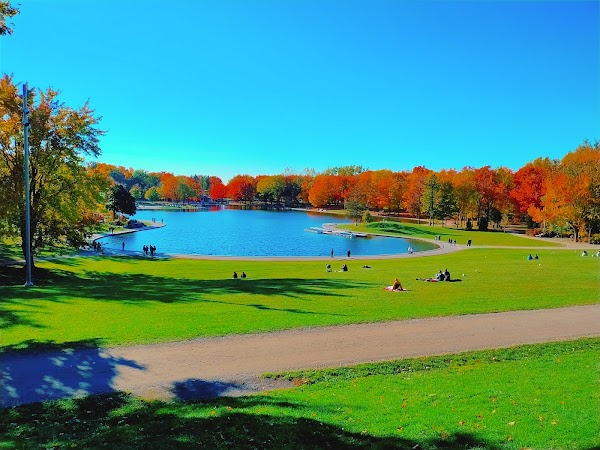
Mount Royal Park
View on map
Audio Narrations
English
Introduction
Mount Royal Park, a verdant oasis in the heart of Montréal, is a testament to the city's rich history and natural beauty. Designed by renowned landscape architect Frederick Law Olmsted, the park was inaugurated in 1876 and has since become a beloved destination for locals and visitors alike. At the summit of Mount Royal, the Kondiaronk Belvedere offers breathtaking panoramic views of the city skyline and the surrounding area. The park also features Beaver Lake, a picturesque body of water that invites visitors to enjoy boating, skating, or simply relaxing by its shores. Beyond its natural beauty, Mount Royal Park is also home to several cultural and historical landmarks. The Mount Royal Cross, a towering illuminated beacon, has stood proudly on the mountain since 1643. The park also boasts two cemeteries, the Mount Royal Cemetery and the Notre-Dame-des-Neiges Cemetery, which are notable for their serene ambiance and architectural significance. In the summer months, the park comes alive with the vibrant Tam-Tam Jams, a weekly gathering of drummers and dancers that attracts a diverse crowd. The park's many trails offer opportunities for hiking, cycling, and cross-country skiing, making it a year-round destination for outdoor enthusiasts.Recreational Paradise
Nestled in the heart of Montréal, Mount Royal Park is an urban oasis that offers a myriad of recreational opportunities for nature enthusiasts and adventure seekers alike. Spanning over 692 acres, the park boasts a vast network of hiking trails, winding through lush forests and offering breathtaking panoramic views of the city skyline. Whether you prefer a leisurely stroll or a challenging trek, Mount Royal Park has something for every fitness level. Beyond hiking, the park also features scenic bike paths, perfect for exploring the park's diverse landscapes. Rent a bike and embark on a leisurely ride along the scenic paths, taking in the sights and sounds of nature. For a more adventurous experience, tackle the challenging mountain bike trails that traverse the park's rugged terrain. In the winter months, Mount Royal Park transforms into a winter wonderland, offering a range of snow-filled activities. Cross-country skiing and snowshoeing trails wind through the snow-covered forests, providing a serene and picturesque escape from the city. Tobogganing enthusiasts can race down the park's designated slopes, experiencing the thrill of gliding through the snow. The park also features several tranquil lakes, ideal for kayaking, canoeing, and paddleboarding during the warmer months. Cast a line and try your luck at fishing in Beaver Lake, or simply relax on the shores and soak up the tranquil ambiance. With its diverse recreational offerings, Mount Royal Park is a true recreational paradise, providing endless opportunities for outdoor enthusiasts to explore, exercise, and connect with nature in the heart of the city.Cultural Hub
Mount Royal Park, a vibrant cultural hub nestled in the heart of Montréal, offers a captivating tapestry of artistic expression and historical significance. Its verdant landscapes have inspired countless artists, writers, and musicians, leaving an indelible mark on the city's cultural fabric. The park's iconic Smith House serves as a vibrant gathering place for art enthusiasts. Its permanent exhibition, "Mount Royal: A Legacy of Nature and Culture," delves into the park's rich history and its role as a muse for generations of creatives. The house also hosts a diverse array of workshops, exhibitions, and performances, showcasing the talents of local and international artists. Mount Royal Park is renowned for its stunning views, which have captivated artists throughout history. The Kondiaronk Belvedere, perched atop the park's highest point, offers breathtaking panoramas of the city skyline, inspiring countless paintings, photographs, and literary works. The park's winding trails and secluded nooks provide endless opportunities for artistic contemplation and inspiration. Beyond its natural beauty, Mount Royal Park is a stage for cultural events and festivals. The annual Tam-tams gathering, held every Sunday during the warmer months, transforms the park into a vibrant hub of music, dance, and community spirit. The park also hosts outdoor concerts, theater productions, and film screenings, showcasing the city's diverse artistic offerings. As a cultural hub, Mount Royal Park fosters a sense of community and belonging. Its open spaces and welcoming atmosphere encourage dialogue, collaboration, and the exchange of ideas. The park's rich history and artistic legacy continue to inspire and connect people from all walks of life, making it a cherished destination for cultural exploration and enrichment.
7
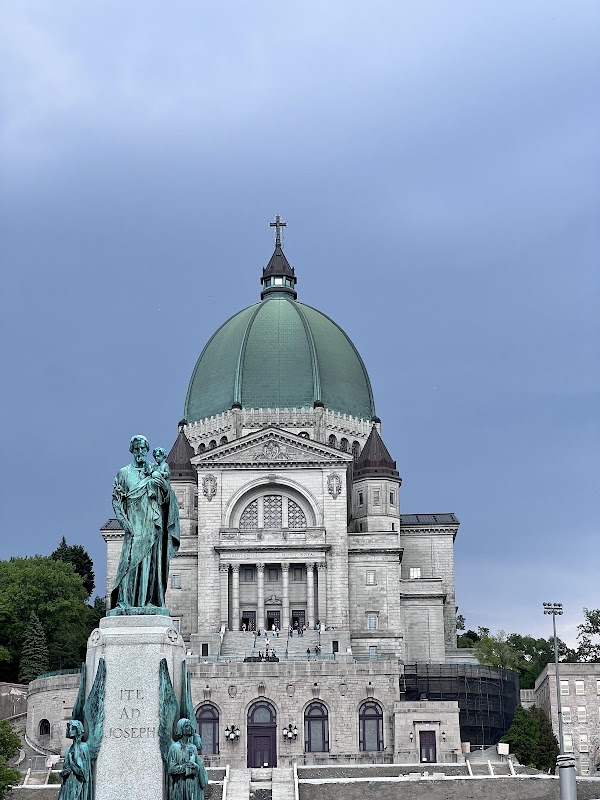
Saint Joseph's Oratory of Mount Royal
View on map
Audio Narrations
English
Introduction
Saint Joseph's Oratory of Mount Royal, a National Historic Site of Canada, is a prominent Roman Catholic minor basilica and national shrine in Montréal, Québec. Founded in 1904, it is Canada's largest church and boasts one of the world's most extensive church domes. The basilica's monumental scale, Renaissance Revival facade, and contrasting Art Deco interior make it an architectural marvel. Its dome, inspired by Florence Cathedral, is a double-shell design with an outer dome measuring 39 meters in diameter and rising 97 meters high. The inner dome, 26 meters in diameter, rises 60 meters from the nave floor. The Oratory's interior features a majestic basilica, a crypt church, a votive chapel, and the tomb of Saint André Bessette, the founder. The basilica's nave can accommodate 2,028 people, while the maximum capacity reaches 10,000. The exterior is constructed from granite blocks, and the front façade features four 18-meter-tall Corinthian columns supporting the entablature of the front portico. The staircase leading to the basilica has 283 concrete steps and 99 wooden steps reserved for pilgrims who wish to climb on their knees.Pilgrimage Site
Saint Joseph's Oratory of Mount Royal stands as a beacon of pilgrimage in Montréal, Québec, Canada. Founded by Saint Brother André in 1904, this vast Roman Catholic pilgrimage site draws over 2 million visitors annually. Its origins lie in a modest chapel built by André, who attributed miraculous healings to Saint Joseph. As pilgrims flocked to the site, a grand basilica was constructed, taking shape over five decades. The oratory's imposing presence is defined by its massive domed basilica, visible for miles around. Pilgrims embark on a sacred journey through the gated entrance, traversing a path adorned with a Way of the Cross and a serene garden. The basilica's interior, adorned with intricate artwork, offers a sanctuary for prayer and reflection. Beyond the basilica, the oratory complex encompasses a votive chapel, crypt, and subsidiary structures. The crypt houses the remains of Saint Brother André, canonized in 2010. The Museum of Saint Joseph's Oratory showcases sacred art from Québec and beyond. Pilgrims seeking respite can find solace in the Garden of the Way of the Cross, an outdoor oasis featuring 17 splendid sculptures. The oratory also provides accommodations at the cozy John XXIII Pavilion Hotel, allowing pilgrims to fully immerse themselves in the spiritual ambiance. Saint Joseph's Oratory of Mount Royal is not merely a pilgrimage destination but a testament to the enduring power of faith. Its exceptional architecture, sacred path, and inspiring atmosphere create a profound experience for pilgrims seeking spiritual renewal and connection with Saint Joseph.Votive Chapel
Nestled within the heart of Saint Joseph's Oratory of Mount Royal, the Votive Chapel stands as a testament to the countless graces and healings attributed to Saint Joseph's intercession. Constructed between 1946 and 1949, this grand aisle seamlessly connects the Crypt Church to the upper floors, providing a sacred space for the tomb of Saint Brother André. The Votive Chapel is a captivating blend of Art Deco and Renaissance Revival styles, featuring over 10,000 flickering vigil lamps that cast a warm glow upon the interior. These lamps, along with the suspended ex-votos—canes, crutches, and other objects left by grateful pilgrims—serve as poignant reminders of the miraculous interventions experienced through Saint Joseph's patronage. One of the most striking features of the Votive Chapel is its unique vantage point. Narrow passageways behind the chapel walls offer visitors a glimpse into the sanctuary, revealing the intricate details of the altar and the towering statue of Saint Joseph. The play of light and shadow creates an ethereal atmosphere, inviting contemplation and a sense of awe. The Votive Chapel is not merely a place of prayer but also a repository of stories and testimonies. The ex-votos, each with its own tale of healing or gratitude, provide a tangible connection to the countless lives touched by Saint Joseph's intercession. The tomb of Saint Brother André, located in an alcove within the chapel, serves as a constant reminder of the humble monk whose unwavering faith inspired the construction of this magnificent shrine.
8
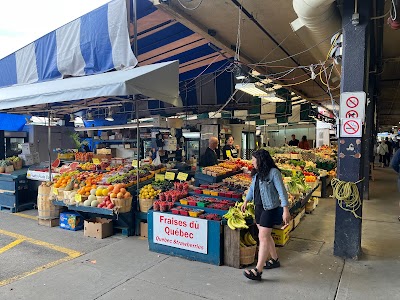
Marché Atwater
View on map
Audio Narrations
English
Introduction
Marché Atwater, an architectural gem in Montréal's Southwest borough, has been a culinary and cultural hub since 1933. Its Art Deco facade and clock tower stand out amidst the vibrant neighborhood, inviting visitors to explore its diverse offerings. Inside, an array of butchers, cheesemongers, and horticulturalists showcase their finest products, while specialty shops offer a wide selection of gourmet and artisanal goods. During the summer months, the market transforms into a lively outdoor space, with food stalls and the Pôle des saveurs offering innovative and delectable street food. The market's commitment to local and sustainable practices ensures that visitors can indulge in the freshest and highest quality ingredients. Whether seeking rare cheeses, artisanal bread, or seasonal produce, Marché Atwater is a culinary paradise that celebrates the rich flavors and traditions of Montréal.Urban Oasis
Nestled amidst the vibrant cityscape of Montréal, Marché Atwater stands as an urban oasis, a haven for those seeking respite and rejuvenation. Its iconic art deco structure, adorned with a white-and-green clock tower, has become a symbol of the city's culinary heritage. Step inside the bustling market hall, where the air is filled with the tantalizing aromas of fresh produce, artisanal cheeses, and gourmet delicacies. Vendors proudly display their wares, from vibrant fruits and vegetables to succulent meats and seafood. The market's specialty shops offer a curated selection of local and international treats, inviting visitors to indulge in culinary adventures. Beyond the market's walls, the surrounding neighborhood transforms into a verdant sanctuary. The Lachine Canal, a picturesque waterway, meanders alongside the market, offering a tranquil escape from the urban hustle. Lush parks and gardens provide respite, with benches nestled amidst blooming flowers and towering trees. The market's proximity to the canal and green spaces creates a unique urban oasis, where the vibrant energy of the city seamlessly blends with the tranquility of nature. Visitors can stroll along the canal path, enjoying the gentle breeze and the sights of boats gliding by. Or they can retreat to the nearby parks, finding solace in the shade of majestic trees and the sound of birdsong. Marché Atwater is not merely a market; it is a testament to Montréal's vibrant urban fabric. It is a place where the city's culinary and cultural heritage intertwines with the tranquility of nature, creating an oasis of rejuvenation and delight for all who visit.Seasonal Offerings
Marché Atwater, a vibrant public market in the heart of Montréal, transforms into a seasonal haven during the warmer months. From spring's tender shoots to autumn's bountiful harvest, the market bursts with an array of fresh, local produce. In the spring, the market's perimeter transforms into a kaleidoscope of colors as farmers showcase their first harvests. Tart cerises de terre, or ground cherries, offer a unique burst of flavor, while fragrant flowers add a touch of springtime beauty. As summer approaches, the market overflows with juicy berries, crisp apples, and sweet nectarines. Les Vergers Alain Dauphinais enchants with its selection of fresh-picked fruits, while Le Coin Gourmand by Serge Bourcier tempts with jars of honey, jams, and chutneys, perfect for preserving the season's flavors. As autumn arrives, the market's offerings shift towards hearty and comforting fare. Pumpkins, gourds, and vibrant fall foliage adorn the stalls, signaling the arrival of root vegetables, squashes, and apples perfect for baking. The air fills with the aroma of freshly baked goods as vendors offer seasonal treats like apple pies and pumpkin spice lattes. Throughout the year, Marché Atwater remains a culinary destination, offering a glimpse into the vibrant tapestry of Montréal's food culture. Its seasonal offerings celebrate the bounty of Québec's terroir, providing a unique and immersive experience for visitors seeking authentic and locally sourced ingredients.
Experience the Full Tour
Download the DocentPro app to access all tour stops, complete audio narrations in multiple languages, offline maps, and interactive features.