
Seoul's Historical Splendors: A Journey Through Dynasties and Heritage

Walking Tour

0.0 km (0.0 miles)

8 Stops

Seoul, South Korea
Seoul's Historical Splendors: A Journey Through Dynasties and Heritage
Tour Stops
1
Gyeongbokgung Palace
View on map
Audio Narrations
Introducción
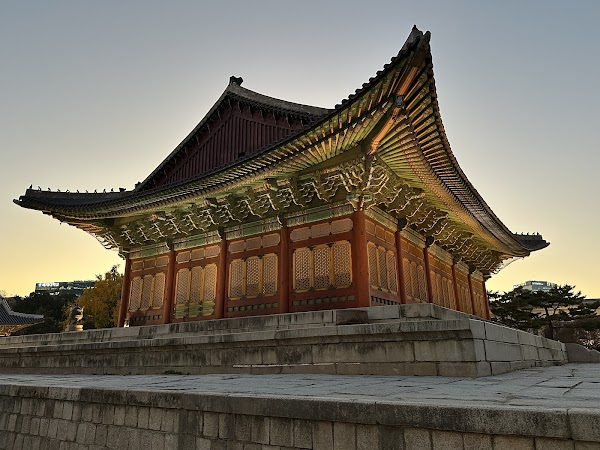
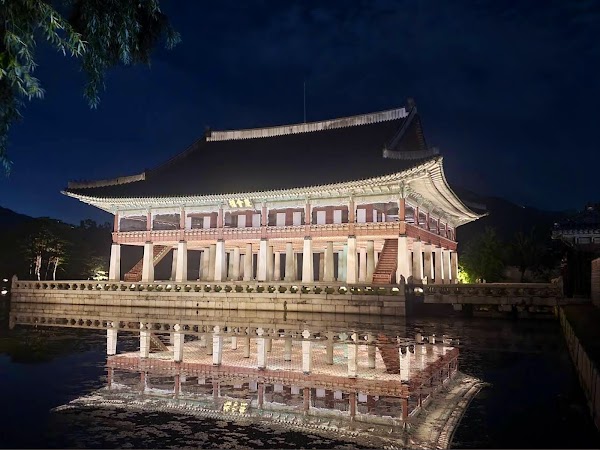
El Palacio Gyeongbokgung, una majestuosa maravilla arquitectónica en Seúl, Corea del Sur, es un testimonio de la grandeza de la dinastía Joseon. Construido en 1395, fue el principal palacio real y el corazón de la capital, Hanyang. Los extensos terrenos de Gyeongbokgung abarcan más de 330 edificios, cada uno una obra maestra de la arquitectura tradicional coreana. Entre las estructuras notables dentro del complejo del palacio se encuentran el Salón Gangnyeongjeon, las dependencias del rey, y la Residencia Geoncheonggung, construida para la independencia política del Rey Gojong. El palacio también alberga el Museo Nacional Folclórico de Corea, que muestra el rico patrimonio cultural del país, y el Museo Nacional del Palacio de Corea, que conserva reliquias de la era Joseon. El Palacio Gyeongbokgung ha sido testigo tanto de triunfos como de tragedias. Fue destruido por un incendio en 1592 durante la invasión japonesa y permaneció en ruinas durante siglos. En el siglo XIX, fue reconstruido y ampliado, solo para ser desmantelado por los japoneses durante su ocupación. Los esfuerzos de restauración comenzaron en la década de 1990, y el palacio continúa siendo meticulosamente restaurado a su antigua gloria. Hoy, el Palacio Gyeongbokgung es un sitio del Patrimonio Mundial de la UNESCO y un destino turístico popular. Los visitantes pueden maravillarse con su intrincada arquitectura, explorar sus museos y presenciar la tradicional ceremonia del Cambio de Guardia. El palacio es un símbolo de la historia, la resistencia y el patrimonio cultural de Corea.Puente Yeongjegyo
El puente Yeongjegyo, un elegante arco de piedra, se erige como una puerta simbólica al majestuoso palacio Gyeongbokgung en Seúl, Corea del Sur. Este puente, con sus intrincadas tallas y sus míticas esculturas Sanye que custodian el curso de agua, invita a los visitantes a adentrarse en un reino de grandeza real. Al cruzar el Yeongjegyo, el palacio se despliega ante ti, con sus vibrantes colores y su elegante arquitectura, un testimonio del arte de la dinastía Joseon. El puente sirve como un límite físico y metafórico, separando la bulliciosa ciudad del sereno santuario del palacio. Bajo el puente fluye el arroyo Geumcheon, un símbolo de purificación y renovación. En el pasado, los funcionarios de la corte hacían una pausa aquí, reconociendo la naturaleza sagrada de los terrenos del palacio. La ubicación estratégica del puente permitía al rey mantener una distancia respetuosa de sus súbditos, reforzando la estructura jerárquica de la corte. El significado histórico del Yeongjegyo va más allá de su belleza arquitectónica. Fue testigo de momentos cruciales en la historia de Corea, incluida la ocupación japonesa y la posterior restauración del palacio. Hoy en día, se erige como un recordatorio de la resistencia y el patrimonio cultural del pueblo coreano.Museo Nacional de Folklore
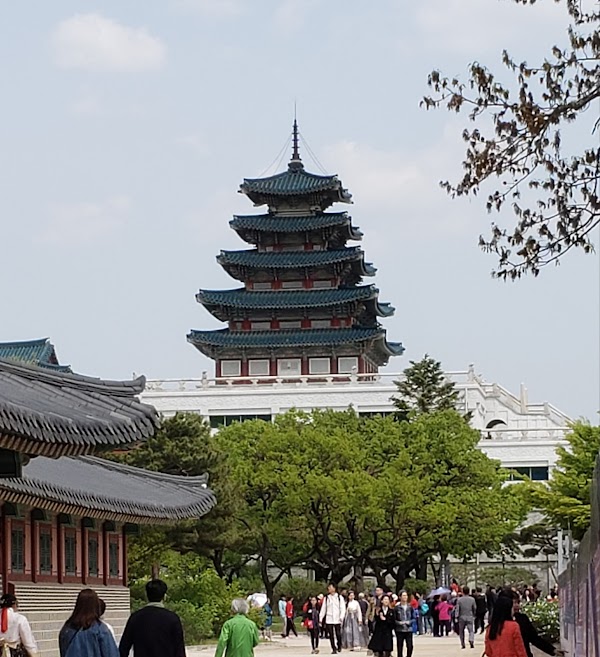
Ubicado dentro de los extensos terrenos del Palacio Gyeongbokgung, el Museo Nacional de Folklore de Corea ofrece una cautivadora visión del rico tapiz de la vida cotidiana coreana de épocas pasadas. A través de sus exhibiciones meticulosamente curadas, el museo transporta a los visitantes a una época en la que la tradición y las costumbres daban forma al estilo de vida coreano. Uno de los aspectos más destacados del museo es su exhibición integral de artefactos que muestran las prácticas domésticas y agrícolas del pueblo coreano. Desde herramientas agrícolas hasta utensilios domésticos, estas exhibiciones brindan una mirada íntima a las rutinas diarias y los medios de vida de los coreanos comunes. Otro aspecto cautivador del museo es su exploración de las creencias culturales coreanas. Los visitantes pueden profundizar en la arraigada influencia del confucianismo en la sociedad coreana, obteniendo información sobre las costumbres y rituales que han dado forma a la identidad de la nación. La colección del museo se extiende más allá de los artefactos, abarcando una vasta biblioteca y una tienda de recuerdos donde los visitantes pueden adquirir recuerdos únicos de su viaje a través de la historia coreana. Ya sea que seas un aficionado a la historia, un entusiasta de la cultura o simplemente busques una comprensión más profunda del pasado de Corea, el Museo Nacional de Folklore dentro del Palacio Gyeongbokgung promete una experiencia enriquecedora e inolvidable.
2
The National Folk Museum of Korea
View on map
Audio Narrations
Introducción
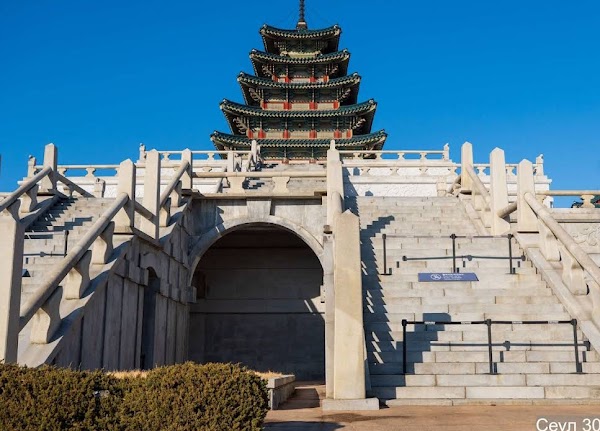
El Museo Folclórico Nacional de Corea, ubicado en los terrenos del majestuoso Palacio Gyeongbokgung en Seúl, ofrece un viaje cautivador a través del rico tapiz de la vida coreana. Fundado en 1946, el museo alberga más de 98.000 artefactos, meticulosamente seleccionados para mostrar la vida cotidiana de los coreanos desde tiempos prehistóricos hasta la era moderna. Tres salas de exposición principales transportan a los visitantes a través del tiempo. La sala "Historia del Pueblo Coreano" desvela la evolución de la sociedad coreana, desde la Edad Paleolítica hasta la actualidad. La sala "Estilo de Vida Coreano" sumerge a los visitantes en las prácticas agrícolas y tradiciones que moldearon las comunidades rurales de Corea. La sala "Ciclo de Vida de los Coreanos" profundiza en las costumbres y rituales asociados con el nacimiento, la educación, el matrimonio y la muerte, ofreciendo una visión de los valores confucianos profundamente arraigados que impregnaron la cultura coreana. Más allá de las salas, una exposición al aire libre exhibe una fascinante variedad de artefactos, incluyendo un tótem coreano, estatuas de basalto de la Isla de Jeju y un molino de piedra. La Aldea Tradicional, una escena callejera meticulosamente recreada, transporta a los visitantes a finales del siglo XIX, ofreciendo una visión de la vida antes del advenimiento de la tecnología moderna. El Museo Folclórico Nacional de Corea es un tesoro del patrimonio coreano, ofreciendo una oportunidad única para experimentar la rica historia, tradiciones y valores culturales del país. Desde los intrincados detalles de la vida cotidiana hasta las grandes narrativas de la historia coreana, el museo ofrece un viaje cautivador para todos aquellos que buscan adentrarse en el corazón de Corea.Confucianismo en la Cultura Coreana
Confucianismo en la Cultura Coreana: Una Mirada a Través del Museo Folclórico Nacional Ubicado en el corazón de Seúl, el Museo Folclórico Nacional de Corea ofrece una perspectiva única sobre la profunda influencia del confucianismo en la cultura coreana. Entrar por sus puertas es como embarcarse en un viaje a través del tiempo, donde los artefactos y las exhibiciones susurran historias de una sociedad moldeada por esta antigua filosofía. El confucianismo, con su énfasis en la piedad filial, la armonía social y el respeto por la autoridad, impregna cada aspecto de la vida coreana. La colección del museo refleja esto, mostrando objetos cotidianos impregnados de valores confucianos. Desde muebles intrincadamente tallados que simbolizan la unidad familiar hasta hanbok (vestimenta tradicional) meticulosamente elaborados que reflejan el estatus social, cada artefacto cuenta una historia de cómo los ideales confucianos se tejieron en el tejido de la sociedad coreana. Una exhibición particularmente impactante es el santuario ancestral, un microcosmos de la importancia que se le da a honrar el linaje de uno. Las ofrendas y objetos rituales meticulosamente dispuestos dicen mucho sobre la profunda reverencia que los coreanos sentían por sus ancestros, una piedra angular de la piedad filial confuciana. Más allá de los objetos tangibles, el museo también profundiza en los aspectos intangibles de la influencia del confucianismo. Las exhibiciones interactivas exploran el impacto del confucianismo en la educación, los rituales familiares e incluso la medicina tradicional coreana. Los visitantes pueden sumergirse en el mundo de los eruditos confucianos a través de réplicas de sus espacios de estudio, completos con utensilios de escritura y textos académicos. El Museo Folclórico Nacional de Corea no es solo un repositorio de artefactos; es un testimonio vivo del legado perdurable del confucianismo en la cultura coreana. Al ofrecer una mirada a las vidas diarias y las tradiciones moldeadas por esta filosofía, el museo permite a los visitantes apreciar el profundo impacto que ha tenido en el pasado, presente y futuro de Corea.Cultura Coreana Tradicional
El Museo Folclórico Nacional de Corea: Una Ventana a la Cultura Tradicional Coreana Entrar en el Museo Folclórico Nacional de Corea en Seúl es como adentrarse en una máquina del tiempo, que te transporta al corazón de la cultura tradicional coreana. Este tesoro alberga más de 4.000 artefactos, ofreciendo una visión de las vidas y costumbres de los coreanos a lo largo de la historia. Las exposiciones del museo muestran el rico tapiz de las tradiciones coreanas, desde antiguas herramientas agrícolas y aparejos de pesca hasta elaborados hanbok (vestimenta tradicional) y artesanías intrincadas. Los visitantes pueden maravillarse con el arte del mobiliario de la Dinastía Joseon, admirar el delicado bordado en prendas de seda y aprender sobre la importancia de los rituales chamánicos a través de artefactos fascinantes. Más allá de los objetos tangibles, el museo da vida a la cultura tradicional coreana a través de exposiciones interactivas y experiencias inmersivas. Los visitantes pueden probar suerte en juegos tradicionales, aprender sobre el arte de la caligrafía coreana e incluso participar en una prueba virtual de hanbok. El museo también profundiza en las vidas de los coreanos comunes, mostrando sus rutinas diarias, creencias y costumbres. Los visitantes pueden explorar casas tradicionales recreadas, aprender sobre la importancia de la familia y la comunidad, y obtener una visión de las prácticas culturales únicas que han moldeado la sociedad coreana durante siglos. Una visita al Museo Folclórico Nacional de Corea no es solo un viaje a través de la historia; es un viaje al alma de Corea. Es una oportunidad para conectar con el pasado, comprender el presente y apreciar el legado perdurable de la cultura coreana.
3
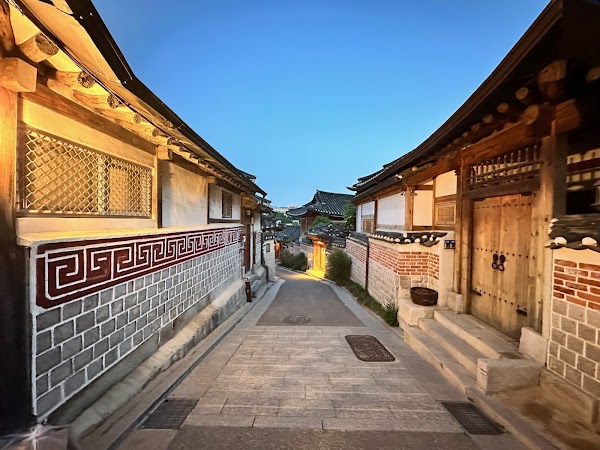
Bukchon Hanok Village
View on map
Audio Narrations
Introduction
Bukchon Hanok Village, nestled between Gyeongbokgung and Changdeokgung Palaces, is a charming residential neighborhood in Seoul that has preserved its traditional Korean architecture. The village's narrow streets are lined with over 900 hanoks, traditional Korean houses with tiled roofs and wooden structures. Many of these hanoks have been restored and now house cultural centers, guesthouses, restaurants, and tea houses, offering visitors a glimpse into Korea's rich heritage. Bukchon Hanok Village is a popular destination for both tourists and locals alike, who come to admire the unique architecture, experience traditional Korean culture, and enjoy the vibrant atmosphere.Accessibility
Bukchon Hanok Village, a historical gem nestled in the heart of Seoul, offers a unique and accessible experience for visitors of all abilities. While the village is situated on a hill, its gently sloping paths and accessible restrooms ensure ease of navigation. The Gahoe-dong Community Service Center and Bukchon Binkwan provide accessible restrooms, while the latter also features a diaper changing station. Visitors can immerse themselves in the village's rich cultural heritage through traditional activities such as tea ceremonies, folk painting, and Korean paper crafts, all designed to be accessible to individuals with various needs. The village's commitment to inclusivity extends to its transportation options, with nearby Anguk Station providing accessible subway services. Bukchon Hanok Village stands as a testament to Seoul's dedication to accessibility, allowing visitors to fully experience its historical charm and cultural offerings without barriers.Cultural Heritage
Bukchon Hanok Village, nestled amidst the vibrant metropolis of Seoul, stands as a testament to Korea's rich cultural heritage. This charming neighborhood, with its labyrinthine alleys and traditional Korean houses, offers a glimpse into the country's bygone era. Designated as a historical preservation district, Bukchon has managed to retain its authenticity despite the surrounding modernization. The village's narrow streets, lined with over 900 meticulously restored hanok, transport visitors back in time. Each hanok, with its unique architectural features, reflects the lifestyle and traditions of the Joseon Dynasty. Beyond its architectural significance, Bukchon Hanok Village is a living, breathing community. Residents continue to inhabit these traditional homes, preserving the village's vibrant cultural heritage. Visitors can witness traditional Korean crafts being practiced in workshops and galleries, and savor authentic Korean cuisine in charming teahouses. The village also houses several cultural centers and museums, offering insights into the history, architecture, and customs of the Joseon era. The Bukchon Traditional Culture Center, for instance, showcases the village's rich heritage through interactive exhibits and educational programs. Bukchon Hanok Village is not merely a tourist attraction but a living embodiment of Korea's cultural legacy. Its preservation efforts have ensured that future generations can experience and appreciate the unique architectural and cultural heritage that defines this extraordinary neighborhood.
4
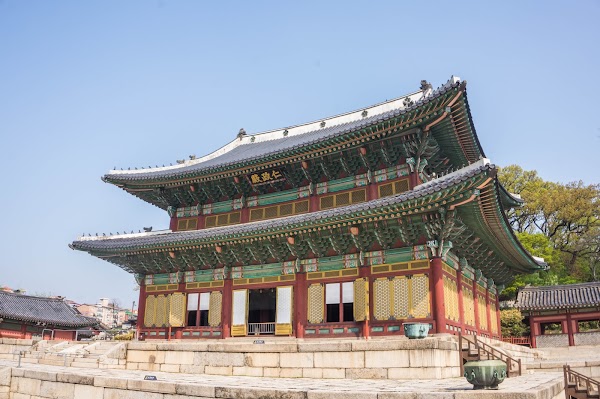
Changdeokgung
View on map
Audio Narrations
Introduction
Changdeokgung Palace, a UNESCO World Heritage site, is a captivating blend of architectural brilliance and natural beauty. Built in the 15th century, it was the second royal villa and later served as the main palace for 250 years. Its unique design harmoniously integrates buildings with the surrounding forested mountain landscape, reflecting Confucian principles and pungsu geomancy. The palace complex comprises official and residential buildings, including the Injeongjeon Hall, Seonjeongjeon Hall, and Huijeongdang Hall. The rear garden, known as the Secret Garden, is a serene oasis with a series of terraces adorned with lawns, flowering trees, a lotus pool, and pavilions. It was intended as a private retreat for the king and his family, offering a tranquil escape from the bustling city life. Changdeokgung has a rich history, having been destroyed and reconstructed several times due to fires and invasions. Despite these challenges, it has retained its original design and authenticity, showcasing the sophisticated architectural values of the Joseon Dynasty. The palace complex is a testament to the harmonious coexistence of human ingenuity and the natural environment, making it a must-visit destination for anyone seeking to delve into the cultural heritage of South Korea.UNESCO World Heritage Site
Changdeokgung Palace Complex, a UNESCO World Heritage Site since 1997, stands as an exceptional example of Far Eastern palace architecture and garden design. Built in the early 15th century, it served as a secondary palace before becoming the primary residence after a fire ravaged the main palace. Changdeokgung's unique charm lies in its harmonious integration with the surrounding landscape, adapting to the uneven topography and retaining indigenous tree cover. One of Changdeokgung's most captivating features is its Secret Garden, Huwon, a 78-acre oasis behind the palace. Originally reserved for the royal family, Huwon boasts a lotus pond, pavilions, and meticulously landscaped lawns, trees, and flowers. The garden's highlight is the Ongnyucheon stream, a U-shaped water channel carved in 1636 for floating wine cups, adorned with a small waterfall and an inscribed poem. Changdeokgung's architectural marvels include the Injeongjeon Hall, the throne room where the king conducted official business, and the Seonjeongjeon Hall, the king's private residence. The buildings showcase intricate woodwork, colorful paintings, and elegant furnishings, reflecting the grandeur of the Joseon dynasty. Beyond its architectural and aesthetic significance, Changdeokgung holds immense cultural and historical value. It served as the backdrop for significant events in Korean history, including military inspections, archery tournaments, and royal feasts. Today, Changdeokgung remains a vibrant cultural hub, hosting traditional ceremonies, performances, and exhibitions that bring its rich heritage to life.Architectural Masterpiece
Changdeokgung Palace, a UNESCO World Heritage Site, stands as a testament to the architectural brilliance of the Joseon Dynasty. Its unique blend of traditional Korean aesthetics and natural elements sets it apart as an architectural masterpiece. The palace's layout harmoniously integrates with the surrounding topography, creating a seamless connection between nature and structure. One of Changdeokgung's most striking features is its elegant wooden architecture. The buildings showcase intricate details, including painted beams, curved roofs, and delicate latticework. The use of natural materials, such as wood and stone, adds warmth and authenticity to the palace's ambiance. Beyond its aesthetic appeal, Changdeokgung's architectural design reflects profound philosophical principles. The placement of buildings and gardens follows the principles of geomancy, ensuring harmony with the surrounding environment. The palace's orientation and layout were carefully planned to maximize natural light and ventilation, creating a comfortable and sustainable living space. The Secret Garden, a hidden gem within Changdeokgung, is a prime example of Korean landscape architecture. Its meticulously manicured lawns, serene ponds, and picturesque pavilions create a tranquil oasis. The garden's design incorporates elements of nature, such as rocks, water, and plants, to evoke a sense of balance and tranquility. Changdeokgung's architectural legacy extends beyond its physical structures. It has served as a model for countless other palaces and buildings throughout Korea, influencing the development of Korean architecture for centuries. Its timeless beauty and enduring significance make it a must-visit destination for anyone interested in the architectural masterpieces of East Asia.
5
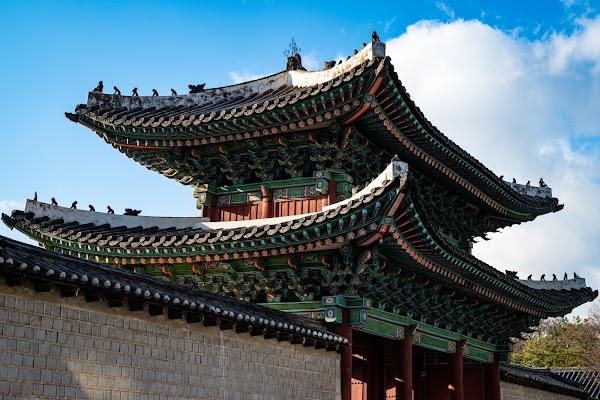
Changgyeonggung Palace
View on map
Audio Narrations
Introduction
Changgyeonggung Palace, nestled amidst the bustling metropolis of Seoul, stands as a testament to the Joseon Dynasty's architectural prowess and enduring legacy. Built in 1483 as a secondary palace to Gyeongbokgung, Changgyeonggung served as a tranquil retreat for the royal family and a venue for significant state ceremonies. The palace's serene beauty lies in its harmonious blend of traditional Korean architecture and meticulously landscaped gardens. The Secret Garden, a hidden gem within the palace grounds, offers a glimpse into the Joseon era's horticultural artistry. This verdant oasis boasts a diverse collection of native plants, including ancient trees, fragrant flowers, and serene ponds, creating a tranquil sanctuary amidst the city's clamor. Beyond its aesthetic appeal, Changgyeonggung holds historical significance as the birthplace of King Gojong, the last monarch of the Joseon Dynasty. The palace also played a pivotal role during the Japanese occupation, serving as the temporary residence of the exiled Korean emperor, Sunjong. Today, Changgyeonggung stands as a living museum, offering visitors a captivating journey through Korea's rich history and cultural heritage. Its intricate architecture, serene gardens, and historical significance make it a must-visit destination for anyone seeking to delve into the heart of Seoul's cultural tapestry.Traditional Architecture
Changgyeonggung Palace: A Journey Through Traditional Korean Architecture Nestled amidst the bustling metropolis of Seoul, Changgyeonggung Palace stands as a testament to the enduring legacy of Korean architecture. Built in 1483, this UNESCO World Heritage Site offers a glimpse into the intricate artistry and philosophical underpinnings that shaped the Joseon Dynasty's architectural landscape. Unlike its grander counterpart, Gyeongbokgung Palace, Changgyeonggung embodies a more intimate and understated elegance. Its layout adheres to the principles of "pungsu," a Korean interpretation of feng shui, seamlessly integrating the palace structures with the surrounding topography. The buildings are positioned to harmonize with the natural flow of energy, creating a sense of tranquility and balance. The architectural style of Changgyeonggung reflects the Neo-Confucian ideals prevalent during the Joseon era. The emphasis on simplicity and functionality is evident in the clean lines, muted colors, and absence of excessive ornamentation. The use of natural materials like wood, stone, and tile further reinforces the connection between the palace and its environment. One of the most striking features of Changgyeonggung is its intricate "dancheong," the traditional Korean decorative painting. The vibrant colors and intricate patterns adorning the palace buildings are not merely aesthetic embellishments; they hold symbolic significance, representing auspiciousness and harmony. The palace complex comprises several notable structures, each showcasing unique architectural elements. The main throne hall, Myeongjeongjeon, exemplifies the grandeur of Joseon court architecture with its imposing double-tiered roof and intricate carvings. The residential quarters, including the Sukjojeon and Huijeongdang Halls, offer a glimpse into the private lives of the royal family, showcasing traditional Korean living spaces with their characteristic ondol heating system and elegant simplicity. Beyond its architectural splendor, Changgyeonggung also boasts a serene Secret Garden, a haven of tranquility amidst the urban landscape. The meticulously designed garden incorporates elements of nature, including ponds, pavilions, and meticulously arranged trees and flowers, creating a harmonious microcosm of the natural world. A visit to Changgyeonggung Palace is a journey through time, offering a profound appreciation for the artistry and philosophical principles that shaped traditional Korean architecture. It is a place where history, culture, and nature converge, creating an experience that transcends the boundaries of time.Royal Residence
Changgyeonggung Palace: A Royal Residence Beyond the Throne While Gyeongbokgung and Changdeokgung bask in the spotlight as Seoul's grandest palaces, Changgyeonggung Palace offers a unique glimpse into the Joseon Dynasty's royal life beyond the official seat of power. This serene complex, nestled beside Changdeokgung, served as a tranquil haven for the royal family, offering a glimpse into their private lives and leisure pursuits. Unlike its grander counterparts, Changgyeonggung was primarily a residential palace, a place where queens and other family members resided, away from the formality of the main court. This intimate setting is reflected in the palace's layout, with its smaller scale and focus on gardens and natural beauty. The Honghwamun Gate, the main entrance, welcomes visitors with its symbolic name, meaning "promoting harmony." Stepping inside, one encounters the Sungmundang Hall, the king's private study, where he engaged in scholarly pursuits and even taught students. The intricate Binyangmun Gate, once the exclusive entrance to the king's private quarters, stands as a testament to the separation between official and personal life within the palace walls. Beyond the formal halls lies the Chundangji Pond, a tranquil oasis that served as a focal point for relaxation and reflection. Originally a rice paddy cultivated by the king himself, it was later transformed into a picturesque pond, now a haven for diverse birdlife. The Grand Greenhouse, a unique addition built in 1909, showcases a fascinating blend of Korean and Western influences. This beautiful structure, once part of a zoo, now houses a collection of rare and exotic plants, offering a glimpse into the royal family's interest in the natural world. Wandering through the palace grounds, one can't help but feel the sense of tranquility that permeates the atmosphere. The extensive gardens, with their winding paths and lush greenery, invite leisurely strolls and quiet contemplation, a stark contrast to the bustling city life just beyond the palace walls. Changgyeonggung Palace offers a unique perspective on the Joseon Dynasty, showcasing the royal family's private lives and interests beyond the confines of official duties. It is a place where history whispers through the rustling leaves, the gentle lapping of the pond, and the intricate details of the architecture, offering a glimpse into a world of serene beauty and quiet contemplation.
6
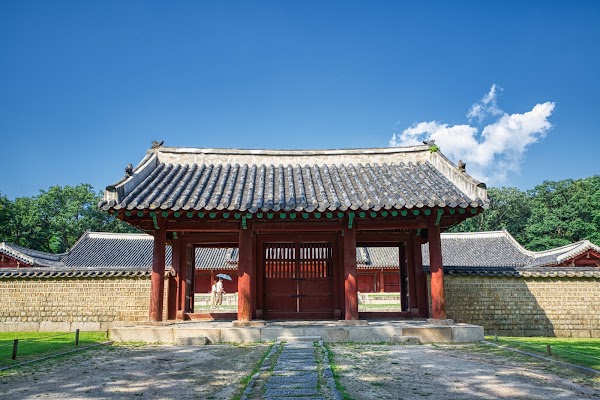
Jongmyo Shrine
View on map
Audio Narrations
Introduction
Nestled in the heart of Seoul, Jongmyo Shrine stands as a testament to Korea's rich cultural heritage and deep respect for its ancestors. This UNESCO World Heritage Site is not just a place of worship, but a living museum that whispers tales of the Joseon Dynasty. Unlike other grand temples adorned with vibrant colors, Jongmyo's beauty lies in its understated elegance. Its simple wooden architecture, devoid of ostentatious embellishments, reflects the Confucian values of humility and reverence. The shrine's layout, with its meticulously aligned buildings and serene courtyards, embodies the harmony between nature and human design. Jongmyo's true magic unfolds during the biannual royal ancestral rites, a spectacle that transports visitors back to the Joseon era. The elaborate ceremony, with its solemn music and graceful dancers, is a poignant reminder of the deep connection between the living and the departed. Beyond its historical significance, Jongmyo offers a unique glimpse into Korean music. The shrine houses the Jongmyo Jeryeak, a collection of ancient court music recognized by UNESCO as an Intangible Cultural Heritage. The haunting melodies and rhythmic beats of this music evoke a sense of timelessness, transporting listeners to a bygone era. A visit to Jongmyo is not just a journey through history, but an immersive experience that awakens the senses and stirs the soul. It is a place where the past whispers in the wind, where tradition meets modernity, and where the spirit of Korea's ancestors lives on.Confucian Royal Ancestral Shrine
Jongmyo Shrine: A Unique and Preserved Confucian Royal Ancestral Shrine Jongmyo Shrine in Seoul, South Korea, stands as a testament to the enduring legacy of Confucianism in Korea. It is the oldest and most authentic of all Confucian royal ancestral shrines, meticulously preserved in its original form since the 16th century. Unlike other royal shrines in East Asia, where spirit tablets were typically kept within palaces, Jongmyo was constructed as a separate entity, emphasizing its sacred purpose. The shrine houses the spirit tablets of the Joseon Dynasty's kings and queens, embodying the legitimacy of the royal family. The king regularly visited Jongmyo to participate in ancestral rites, seeking blessings for the nation's safety and prosperity. These rituals, known as Jongmyo Jerye, are still performed today, accompanied by traditional music and dance, perpetuating a centuries-old tradition. Jongmyo's architecture reflects the profound influence of Confucian ideology. The buildings are situated amidst valleys and hills, adhering to the principles of pungsu, which emphasizes harmony with nature. The main shrine, Jeongjeon, houses 19 spirit chambers containing 49 tablets, while the auxiliary shrine, Yeongnyeongjeon, holds 34 tablets in 16 chambers. The meticulous construction and management of Jongmyo, along with the detailed records of the Jongmyo Jerye rituals, are testaments to the Joseon Dynasty's commitment to Confucianism. These records, preserved in the royal protocols, offer invaluable insights into the dynasty's beliefs and practices. Jongmyo's unique status as a preserved and active Confucian royal ancestral shrine sets it apart from other similar sites in Asia. It offers visitors a glimpse into the heart of Joseon Dynasty's beliefs and rituals, providing a deeper understanding of Korean history and culture.Jongmyo Jerye Ritual
Nestled in the heart of Seoul, the Jongmyo Shrine stands as a testament to the rich cultural heritage of Korea. This sacred site is not only a UNESCO World Heritage Site but also the stage for the Jongmyo Jerye, a centuries-old ritual dedicated to honoring the deceased Joseon monarchs. Held annually on the first Sunday of May, this ceremony is a mesmerizing spectacle that transports visitors back in time. The Jongmyo Jerye is a meticulously choreographed performance, steeped in tradition and symbolism. The ritual begins with offerings of food and wine to the spirits of the ancestors, accompanied by the haunting melodies of the Jongmyo Jeryeak, a unique form of court music. The highlight of the ceremony is the Ilmu dance, performed by 64 dancers in eight lines, representing the harmonious balance of Yin and Yang. Their graceful movements, accompanied by the rhythmic beats of traditional instruments, create an atmosphere of reverence and awe. Beyond its visual splendor, the Jongmyo Jerye holds profound significance for Korean culture. It serves as a reminder of the importance of filial piety, a core Confucian value that emphasizes respect for one's ancestors. The ritual also embodies the deep-rooted connection between music, dance, and spirituality, showcasing the artistry and cultural refinement of the Joseon Dynasty. For visitors seeking a deeper understanding of Korean history and tradition, the Jongmyo Jerye offers an unparalleled experience. Witnessing this ancient ritual firsthand allows one to appreciate the intricate details of the ceremony, the profound respect for ancestors, and the enduring legacy of the Joseon Dynasty. The Jongmyo Shrine, with its serene atmosphere and historical significance, provides the perfect backdrop for this captivating performance, making it a must-visit destination for anyone interested in Korean culture.
7
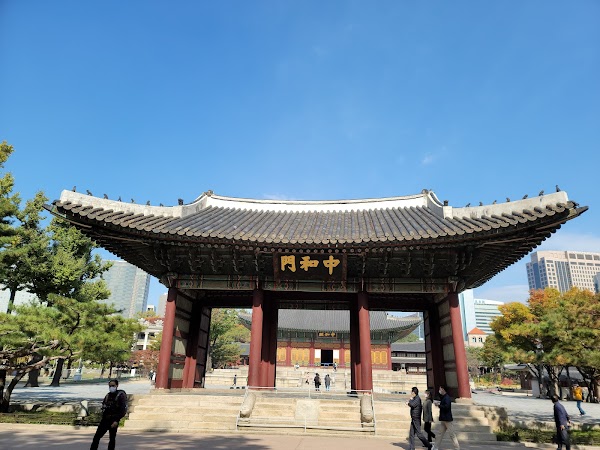
Deoksugung Palace
View on map
Audio Narrations
Introduction
Deoksugung Palace, nestled in Seoul's urban heart, stands as a testament to the grandeur of the Joseon Dynasty. Its main hall, Junghwajeon, exudes an aura of authority, while the elegant Junghwamun Gate serves as a stately entrance. Hamnyeongjeon Hall, once the royal bedchamber, evokes a sense of intimacy, while Deokhongjeon Hall whispers tales of diplomatic gatherings. The palace's unique blend of traditional Korean architecture and Western influences is evident in Jeonggwanheon Hall, a Russian-designed pavilion, and Seokjojeon Hall, a Neo-Renaissance masterpiece that now houses the Korean Empire History Museum. Deoksugung's charm extends beyond its architectural wonders to its picturesque garden, a harmonious fusion of Eastern and Western aesthetics. This oasis of tranquility features a Western-style fountain and a serene pond, offering a respite from the city's vibrant energy.Diverse Architectural Styles
Deoksugung Palace stands out amidst Seoul's royal palaces for its captivating blend of Eastern and Western architectural styles. This eclecticism reflects the transformative era when the Joseon Kingdom embraced modernity and evolved into the Korean Empire. Seokjojeon Hall, a prominent Western-style structure within the palace, exemplifies this fusion. Designed by a British architect, it boasts a stately facade adorned with a carved stone representation of the Imperial Seal of Korea. Its elegant interiors, accessible through guided tours, showcase a harmonious blend of Korean and European aesthetics. In contrast to the traditional Korean architecture prevalent in other palace sections, Seokjojeon's Western influence is evident in its symmetrical design, large windows, and intricate moldings. This juxtaposition creates a fascinating dialogue between the old and the new, highlighting the palace's unique position as a bridge between Joseon's past and Korea's modern aspirations. Deoksugung Palace thus serves as a testament to the architectural diversity that emerged during a pivotal period in Korean history, offering visitors a glimpse into the country's rich cultural heritage and its embrace of global influences.Autumn Foliage
Amidst the vibrant tapestry of Seoul's autumn foliage, Deoksugung Palace emerges as a captivating spectacle. Its meticulously manicured grounds transform into a kaleidoscope of colors as the leaves of ginkgo and maple trees ignite in hues of gold, crimson, and amber. The palace's traditional wooden structures, adorned with intricate dancheong paintings, harmonize with the surrounding foliage, creating a breathtaking canvas of architectural and natural beauty. Strolling along the Stonewall Walkway, visitors are enveloped in a symphony of colors. The ginkgo trees, their fan-shaped leaves shimmering like golden coins, cast a warm glow on the path. The maple trees, with their vibrant crimson foliage, add a touch of drama to the scene. The contrast between the vibrant hues of the leaves and the muted tones of the palace walls creates a captivating visual experience. Venture into the palace's inner courtyard, and you'll be greeted by the sight of Seokjojeon Hall, a modern European-style stone building that houses the National Museum of Contemporary Art. Its stark white facade provides a striking contrast to the surrounding autumn colors, adding a touch of modernity to the traditional setting. As the sun begins its descent, the palace takes on a new allure. The warm glow of the setting sun casts long shadows across the grounds, illuminating the foliage in a magical light. The reflection of the autumn colors in the palace's tranquil ponds adds an ethereal quality to the scene, creating a perfect backdrop for capturing unforgettable memories.
8
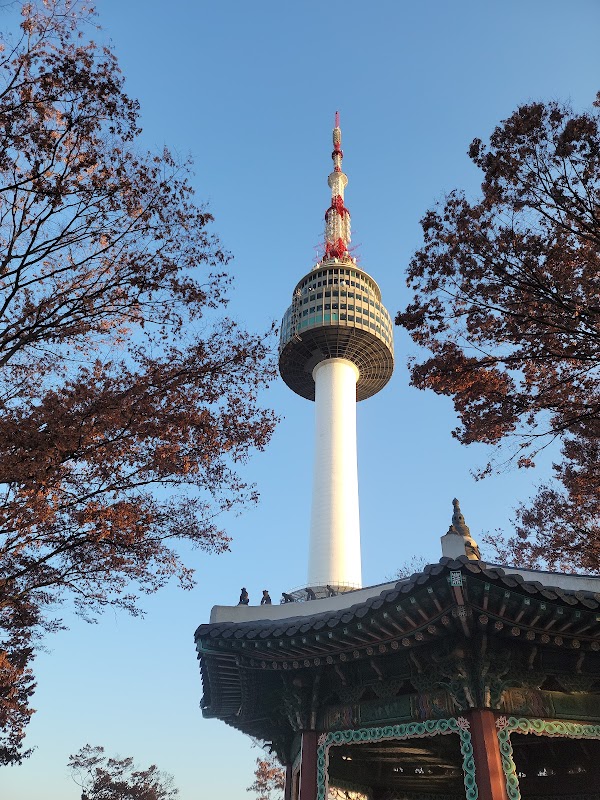
N Seoul Tower
View on map
Audio Narrations
Introducción
La Torre N de Seúl, un faro de romance y panoramas impresionantes, se alza majestuosamente en la cima de la montaña Namsan en Seúl, Corea del Sur. Su silueta de 236 metros de altura, adornada con una corona digital, se ha convertido en un símbolo icónico del horizonte de la ciudad. El mirador de la torre ofrece vistas inigualables de 360 grados de la extensa metrópolis, abarcando lugares emblemáticos como el majestuoso Palacio Gyeongbokgung, el moderno paisaje urbano de Gangnam y el serpenteante río Han. En un día despejado, se pueden vislumbrar las lejanas montañas de Corea del Norte en el horizonte. Más allá de sus vistas panorámicas, la Torre N de Seúl es un refugio para el amor y el romance. Las parejas acuden en masa al icónico muro de los "Candados del Amor" de la torre, donde colocan candados grabados con sus nombres, simbolizando su vínculo eterno. La torre también cuenta con un romántico restaurante francés, que ofrece un ambiente íntimo con impresionantes vistas de la ciudad. Para aquellos que buscan una experiencia cultural única, la Torre N de Seúl alberga una Aldea Hanok coreana tradicional, que exhibe la herencia arquitectónica de la Dinastía Joseon. Los visitantes pueden explorar casas tradicionales, admirar la intrincada artesanía e sumergirse en la rica historia de Corea. La Torre N de Seúl no es solo un destino turístico; es un símbolo del espíritu vibrante de Seúl y su inquebrantable búsqueda de la innovación. Su corona digital, una deslumbrante exhibición de luces LED, transforma el cielo nocturno con patrones y animaciones hipnotizantes, reflejando la energía dinámica de la ciudad. Ya sea que busques vistas impresionantes, momentos románticos o un vistazo a la cultura coreana, la Torre N de Seúl ofrece una experiencia inolvidable que dejará una impresión duradera en tus recuerdos.Paseo en teleférico
Elevándose sobre Seúl: Un viaje en teleférico a la Torre N de Seúl El viaje en teleférico a la Torre N de Seúl es una experiencia que trasciende el mero transporte. Es un ascenso panorámico, una escapada romántica y un portal a vistas impresionantes de Seúl. Mientras el teleférico se desliza por la montaña Namsan, el paisaje urbano se despliega bajo tus pies como un vibrante tapiz. Relucientes rascacielos perforan el cielo, aldeas tradicionales de hanok se anidan entre una exuberante vegetación, y el serpenteante río Han se abre paso a través del paisaje urbano. El viaje en sí es una delicia. Las espaciosas cabinas ofrecen vistas panorámicas, permitiéndote empaparte de la belleza de la ciudad desde todos los ángulos. El suave balanceo de la cabina crea una sensación de tranquilidad, invitándote a desconectar de la bulliciosa ciudad de abajo y a sumergirte en el momento. A medida que asciendes, la icónica Torre N de Seúl emerge gradualmente, su majestuosa silueta dominando el horizonte. La expectación aumenta a medida que te acercas a la cima. La torre, símbolo de amor y unidad, se alza imponente contra el telón de fondo de la extensa metrópolis. Al salir del teleférico, te recibe una refrescante brisa de montaña y unas impresionantes vistas de 360 grados. La ciudad se extiende ante ti, un deslumbrante espectáculo de luces y energía. El viaje en teleférico a la Torre N de Seúl es más que un simple medio para llegar a la cima. Es una parte integral de la experiencia, ofreciendo una perspectiva única de la ciudad y preparando el escenario para una visita inolvidable a uno de los monumentos más icónicos de Seúl.Importancia histórica
La Torre N de Seúl, un faro de romance y resiliencia, cuenta con una rica historia entrelazada con la evolución de Seúl. Construida originalmente en 1969 como torre de transmisión, rápidamente se convirtió en un símbolo de modernización y avance tecnológico en Corea del Sur. Durante la década de 1980, la torre fue testigo del auge de la democracia y la lucha por la libertad de expresión, convirtiéndose en un lugar popular para las manifestaciones prodemocráticas. En 1985, la torre fue designada como parque público, abriendo sus puertas al público y transformándose en un querido destino turístico. La Torre N de Seúl ha desempeñado un papel fundamental en la configuración del horizonte y el paisaje cultural de la ciudad, sirviendo como observador silencioso de la transformación de Seúl de una nación devastada por la guerra a una metrópolis global. Su importancia histórica radica no solo en su diseño arquitectónico, sino también en su encarnación del espíritu de resiliencia y progreso de la ciudad. La torre se erige como testimonio de la determinación inquebrantable del pueblo coreano y su capacidad para superar la adversidad. Hoy en día, la Torre N de Seúl sigue siendo un símbolo de esperanza e inspiración, atrayendo a visitantes de todo el mundo que buscan conectar con su rica historia y sus impresionantes vistas.
Experience the Full Tour
Download the DocentPro app to access all tour stops, complete audio narrations in multiple languages, offline maps, and interactive features.