
Buenos Aires: A Day of Iconic Sights and Cultural Immersion

Walking Tour

11.7 km (7.3 miles)

2h 42min travel time

15 Stops

Buenos Aires, Argentina
Buenos Aires: A Day of Iconic Sights and Cultural Immersion
Tour Stops
1
Plaza de Mayo
View on map
Audio Narrations
Chinese
导言
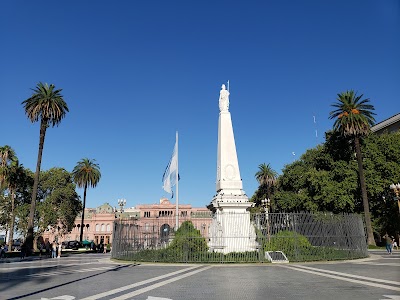
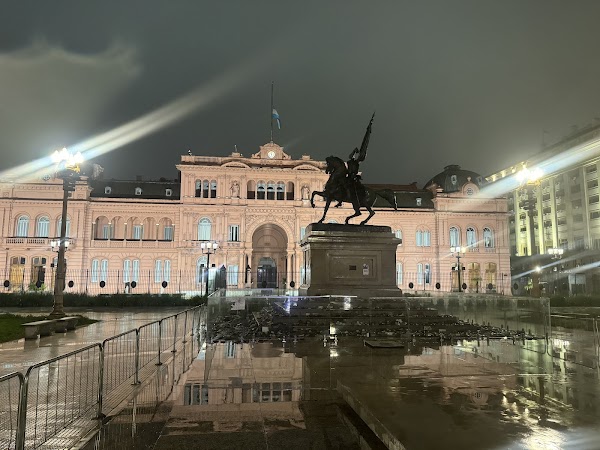
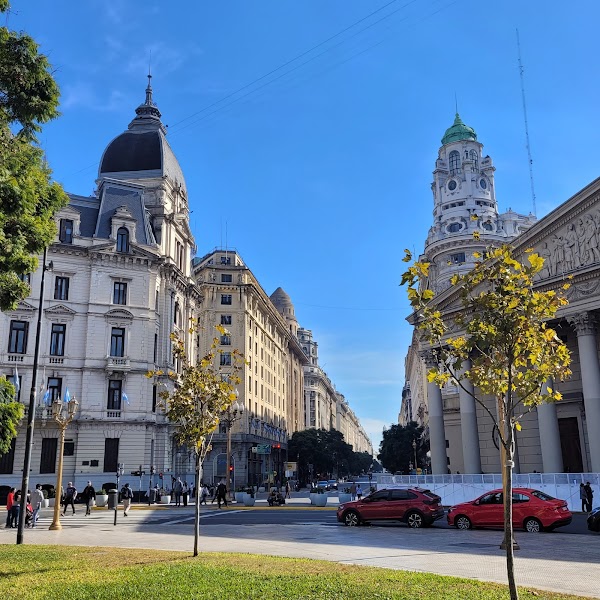
五月广场是阿根廷布宜诺斯艾利斯最古老的公共广场,见证了这座城市历史上的关键事件。它以 1810 年的五月革命命名,周围环绕着重要的建筑:卡比尔多、大都会大教堂、粉红宫(总统府)和国家银行。该广场一直是政治示威的焦点,从 1890 年的第一次政治集会到五月广场母亲的抗议活动,她们每周四聚集在一起要求提供有关其在军事独裁期间失踪的孩子的信息。1811 年竖立的五月金字塔是五月革命的纪念碑。一个有趣的事实是,斗牛在革命后不久就在广场上举行。如今,五月广场仍然是抗议和庆祝活动的活跃中心,体现了布宜诺斯艾利斯的政治和文化中心。斗牛
五月广场是布宜诺斯艾利斯最古老的公共广场,在斗牛史上占有独特的地位。在城市建立的早期,广场曾是这项惊险表演的举办地。五月广场的斗牛传统可以追溯到殖民时代,当时西班牙征服者将这项活动引入该地区。广场的广阔空间为公牛奔跑提供了充足的空间,而周围的建筑物和阳台则为观众提供了绝佳的观赏点。 斗牛是布宜诺斯艾利斯的一种流行娱乐形式,而五月广场是这些活动最著名的举办地之一。广场的中心位置和巨大容量使其成为举办盛大表演的理想场所。斗牛活动通常伴随着音乐、舞蹈和其他庆祝活动,营造出一种热闹而充满活力的氛围。 然而,在五月广场进行斗牛的做法并非没有反对者。随着城市的发展和变得更加国际化,人们对动物虐待和公共安全的担忧导致斗牛的受欢迎程度逐渐下降。到 20 世纪初,广场上的斗牛活动已基本被淘汰,这一传统最终被彻底废弃。 如今,五月广场见证了这座城市丰富而多方面的历史。虽然广场上不再进行斗牛活动,但它的遗产仍然铭刻在布宜诺斯艾利斯的集体记忆中。广场的历史意义和建筑美感继续吸引着来自世界各地的游客,他们前来欣赏其过去和现在的独特融合。历史示威
五月广场是布宜诺斯艾利斯的中心,见证了无数塑造阿根廷政治格局的历史性示威活动。五月广场母亲,一群在军政府统治期间“失踪”孩子的妇女,自 1977 年以来一直在此举行每周抗议活动,要求伸张正义并追究责任。她们标志性的白色头巾已成为抵抗的象征,并令人痛心地提醒着那个时代的恐怖。 该广场也曾是大型集会和示威活动的舞台,既支持也反对历届政府。1945 年,大规模抗议迫使胡安·多明戈·庇隆从监狱获释,而 1955 年,广场在他的一次集会上遭到轰炸,造成数百人死亡。在 20 世纪 70 年代和 80 年代,该广场成为反对军政府统治的抗议活动的焦点,数万人聚集在一起要求结束侵犯人权的行为。 如今,五月广场仍然是一个充满活力的公共空间,阿根廷人聚集在这里表达自己的观点并纪念自己的历史。广场上丰富的历史示威活动挂毯证明了它作为阿根廷斗争和希望象征的持久意义。
2
Buenos Aires Metropolitan Cathedral
View on map
3
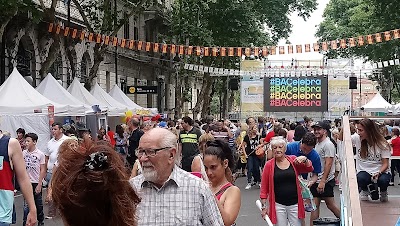
Buenos Aires Celebra Av De Mayo
View on map
4
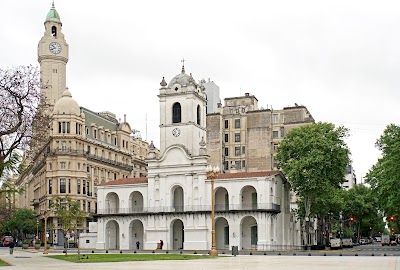
Museo Nacional del Cabildo de Buenos Aires y de la Revolución de Mayo
View on map
5
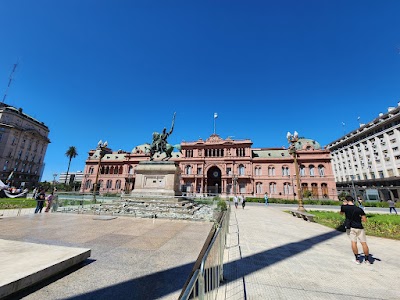
Casa Rosada
View on map
6
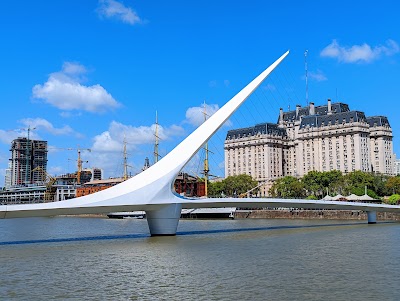
Woman's Bridge
View on map
Audio Narrations
English
Introduction
The Woman's Bridge, a rotating footbridge spanning 170 meters across Dique № 3 in Buenos Aires, Argentina, is a captivating architectural marvel designed by renowned Spanish architect Santiago Calatrava. Opened in 2001, this unique structure is a harmonious blend of a cantilever spar cable-stayed bridge and a swing bridge. Its asymmetrical arrangement features a single mast with cables suspending a portion of the bridge that rotates 90 degrees on a white concrete pylon, allowing vessels to pass in less than two minutes. The bridge's design is said to represent the image of a couple dancing the tango, with the white mast symbolizing the man and the curve of the bridge representing the woman. This iconic landmark, named after the many streets in the Puerto Madero district that bear women's names, is a testament to Calatrava's innovative vision and has become a beloved symbol of Buenos Aires.Iconic Landmark
The Woman's Bridge in Buenos Aires, Argentina, is a striking architectural marvel that stands as an iconic landmark in the city's vibrant Puerto Madero district. Designed by renowned architect Santiago Calatrava, this pedestrian bridge is a testament to his innovative vision and engineering prowess. Its unique design, inspired by the tango, features a single mast with cables suspending a portion of the bridge that rotates 90 degrees to allow water traffic to pass. This graceful movement, reminiscent of a couple dancing the tango, has earned the bridge its affectionate nickname, "The Tango Bridge." Beyond its aesthetic appeal, the Woman's Bridge holds cultural significance as a symbol of the city's embrace of women and their contributions to society. Its name pays homage to the numerous streets in Puerto Madero named after prominent women in Argentine history. The bridge's design, with its curved lines and flowing form, is said to represent the feminine form, further solidifying its status as a tribute to women's empowerment. As an iconic landmark, the Woman's Bridge attracts visitors from around the world who marvel at its architectural ingenuity and symbolic meaning. Its distinctive silhouette has become synonymous with Buenos Aires, gracing countless postcards and travelogues. The bridge serves as a gathering place for locals and tourists alike, offering breathtaking views of the city skyline and the bustling port below. Whether admired from afar or experienced firsthand, the Woman's Bridge stands as a testament to the power of architecture to inspire, connect, and celebrate the human spirit.Symbol of Modern Buenos Aires
Woman's Bridge, a striking architectural marvel in the heart of Buenos Aires, stands as a testament to the city's modern spirit. Designed by renowned architect Santiago Calatrava, the bridge embodies the essence of contemporary Buenos Aires, blending innovation with elegance. Its sleek lines and graceful curves evoke the dynamism and vibrancy of the city, while its white concrete pylon and steel needle symbolize the strength and resilience of the Argentine people. As a pedestrian bridge, Woman's Bridge connects the bustling Puerto Madero district with the historic San Telmo neighborhood, creating a physical and symbolic link between the city's past and present. Its unique rotating mechanism, allowing vessels to pass through, further underscores the bridge's adaptability and modernity, reflecting Buenos Aires' embrace of progress and change.
7
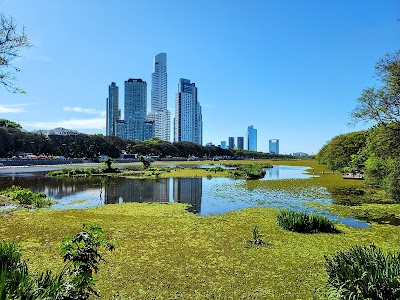
Costanera Sur
View on map
8
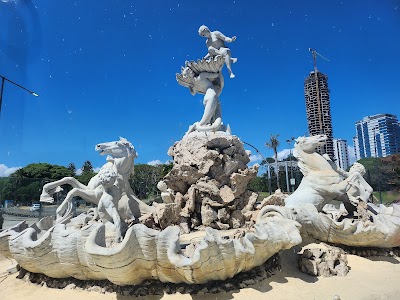
Fuente de las Nereidas (Lola Mora)
View on map
9
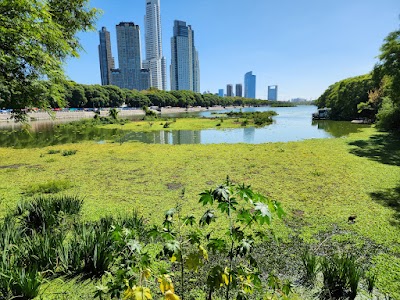
Reserva Ecológica Costanera Sur
View on map
Audio Narrations
English
Introduction
The Reserva Ecológica Costanera Sur, a sprawling 865-acre ecological reserve on the Río de la Plata riverbank in Buenos Aires, Argentina, is a haven for nature enthusiasts and urban dwellers alike. Once a bustling seaside promenade, the reserve was transformed in the 1970s when debris from urban highway construction was used to reclaim land from the river. Over time, a diverse ecosystem emerged, attracting over 300 species of birds, including the endangered sirirí pampa duck. Visitors can explore the reserve's four distinct ecosystems via a network of trails, encountering a variety of flora and fauna, including ceibo trees, the national flower of Argentina. The reserve also boasts several lagoons, providing a habitat for aquatic species like chajás and jacanas. Beyond its ecological significance, the reserve serves as an educational hub, offering programs for children and nature enthusiasts. Its visitor center features interactive exhibits showcasing the reserve's unique flora and fauna, while a native plant nursery contributes to the preservation and regeneration of the local ecosystem.Urban Oasis
Nestled amidst the bustling metropolis of Buenos Aires, the Reserva Ecológica Costanera Sur emerges as an unexpected oasis of tranquility. This urban sanctuary, once a landfill site, has been transformed into a verdant haven, offering respite from the city's relentless pace. Spanning over 350 hectares, the reserve is a testament to the resilience of nature. Its diverse habitats, including wetlands, grasslands, and forests, support a rich tapestry of flora and fauna. Over 2,000 species of plants and animals thrive within its boundaries, including native birds, reptiles, and mammals. As you venture into the reserve, the cacophony of urban life fades away, replaced by the soothing sounds of rustling leaves and bird song. The air is fresh and invigorating, carrying the scent of blooming flowers and the salty tang of the nearby Rio de la Plata. Meandering trails guide you through the reserve's varied landscapes, offering glimpses of hidden lagoons, towering trees, and vibrant wildflowers. Observation decks provide panoramic views of the surrounding wetlands, where you can witness the graceful flight of birds and the playful antics of turtles basking in the sun. The reserve is not only a haven for wildlife but also a sanctuary for human rejuvenation. Whether you seek solitude for meditation, a leisurely stroll, or an invigorating bike ride, the reserve offers a serene escape from the urban sprawl. Its tranquil atmosphere and abundant natural beauty provide a much-needed respite from the stresses of city life. As the sun begins its descent, the reserve transforms into a magical realm. The golden rays cast a warm glow on the landscape, creating a picturesque backdrop for evening picnics and stargazing. The reserve's proximity to the city skyline offers a unique juxtaposition of urban and natural beauty, reminding visitors of the delicate balance between human development and the preservation of nature.Coastal Ecosystem
Reserva Ecológica Costanera Sur, a coastal ecosystem in Buenos Aires, Argentina, stands as a testament to the resilience of nature amidst urban sprawl. Once a neglected landfill, it has been transformed into a thriving habitat for diverse flora and fauna. The reserve's wetlands, marshes, and grasslands provide critical breeding and feeding grounds for migratory birds, including the endangered Hudsonian Godwit. Its proximity to the Río de la Plata estuary creates a unique brackish environment that supports a rich array of aquatic species, including fish, crustaceans, and mollusks. The reserve's coastal location plays a vital role in regulating the city's microclimate, acting as a natural buffer against flooding and erosion. Its dense vegetation absorbs carbon dioxide and releases oxygen, contributing to air quality and mitigating the urban heat island effect. The reserve also serves as a natural water filtration system, improving the quality of water in the adjacent river. Beyond its ecological significance, the reserve offers a sanctuary for recreation and environmental education. Visitors can explore its trails, engage in birdwatching, and learn about the importance of coastal ecosystems through interactive exhibits and guided tours. The reserve's proximity to the city center makes it an easily accessible destination for residents and tourists alike, fostering a greater appreciation for the delicate balance between urban development and natural conservation.
10
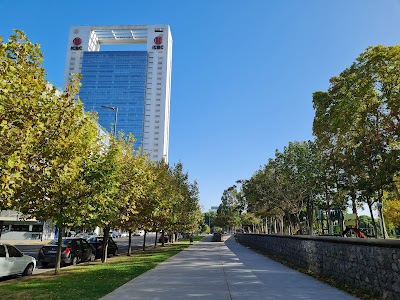
Raquel Forner Park
View on map
Audio Narrations
Chinese
导言
坐落在布宜诺斯艾利斯市中心,拉奎尔·福尔纳公园是一片绿洲,展现着它的美丽。这个城市绿洲以著名的阿根廷艺术家命名,邀请游客沉浸在它的宁静怀抱中。 进入公园后,映入眼帘的是色彩和纹理的交响曲。郁郁葱葱的草坪上点缀着鲜艳的花坛,创造出一幅如画的画布。高耸的树木,它们的树枝伸向天空,为繁忙的城市生活提供了一片阴凉。公园蜿蜒的小径两旁排列着长椅,为悠闲漫步或安静沉思提供了宁静的环境。 公园的中心是一个迷人的池塘,其平静的水面映衬着周围的绿意。一座装饰着复杂细节的优雅桥梁横跨池塘,邀请游客走过并探索这个城市绿洲的隐秘角落。 拉奎尔·福尔纳公园不仅仅是一个绿地;它是一个充满活力的文化和艺术表达中心。公园的露天圆形剧场举办各种活动,从音乐表演到戏剧制作。散布在公园各处的艺术装置为景观增添了一丝异想天开和灵感。 对于那些寻求片刻喘息的人来说,公园的图书馆提供了一个宁静的避风港。其藏书涵盖各种类型,让人们可以逃离日常的喧嚣。 拉奎尔·福尔纳公园证明了这座城市致力于保护绿地和促进文化丰富。这是一个自然与艺术交汇的地方,为各个年龄段的游客创造了难忘的体验。抽象表现主义
拉奎尔·福尔纳公园:混凝土与天空的画布 坐落在布宜诺斯艾利斯中心地带的拉奎尔·福尔纳公园超越了其作为一片绿地的角色。它成为了一幅生动的画布,通过其大胆的形式和不受约束的创造力,回荡着抽象表现主义的精神。 福尔纳是一位深受该运动影响的著名阿根廷艺术家,她在公园的设计上留下了不可磨灭的印记。高耸的混凝土结构让人联想到威廉·德·库宁的手势笔触,在蔚蓝的天空下拔地而起,创造出光影的动态 interplay。 公园的开放式布局邀请人们探索和解读,就像一幅抽象画一样。游客成为积极的参与者,在迷宫般的道路上漫步,发现隐藏的角落,揭示新的视角。几何形状和有机形式的 interplay 让人联想到马克·罗斯科的作品,引发沉思和内省。 让人联想到杰克逊·波洛克滴画的水景为景观增添了流动性和动感。层叠的瀑布和倒影池创造了一个令人着迷的奇观,模糊了现实和抽象之间的界限。 拉奎尔·福尔纳公园不仅仅是一个公园;它证明了定义抽象表现主义的无限想象力和原始情感。这是一个艺术超越其传统界限的地方,溢出到城市景观中,邀请每个人参与其大胆的形式和令人回味的 space 的对话。几何和谐
拉奎尔·福尔纳公园:几何和谐的交响曲 坐落在布宜诺斯艾利斯中心地带的拉奎尔·福尔纳公园超越了典型的绿地,转变为一幅几何和谐的画布。该公园由著名的阿根廷艺术家拉奎尔·福尔纳设计,是她独特愿景的证明,艺术与自然在这里交织成迷人的形式和功能之舞。 进入公园后,游客会看到迷人的几何形状相互作用。公园的布局是圆形、方形和三角形的杰作,每个元素都经过精心放置,营造出一种平衡和节奏感。小径本身成为设计的组成部分,蜿蜒穿过景观,宛如优雅的线条,邀请人们探索和沉思。 福尔纳的艺术风格在公园的雕塑中显而易见,这些雕塑被战略性地放置,以突出几何和谐。鲜艳色彩的抽象形式从绿叶中浮现,为景观增添了一抹趣味。这些雕塑不仅仅是装饰品;它们是公园叙述中不可或缺的组成部分,让观众参与到艺术与自然之间的对话中。 公园的几何精度延伸到其植物上。整齐修剪的树篱和战略性放置的树木营造出一种秩序和结构感。重复和对称的使用强化了公园几何和谐的整体主题,带来宁静感和视觉愉悦。 拉奎尔·福尔纳公园不仅仅是一个公园;它是一种沉浸式体验,是几何和谐力量的有力证明。这是一个艺术与自然交汇的地方,游客可以沉浸在形式之美中,在形状和色彩的节奏互动中找到慰藉。
11
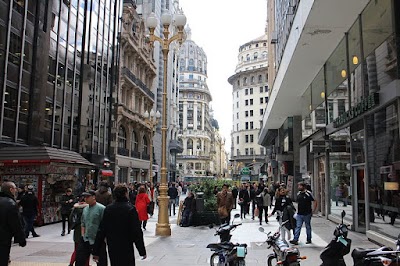
Florida y Lavalle
View on map
Audio Narrations
English
Introduction
Florida y Lavalle, a vibrant intersection in the heart of Buenos Aires, pulsates with the city's energy. The iconic Florida pedestrian street, a haven for shoppers and strollers, intersects with the bustling Lavalle, renowned for its theaters and cultural offerings. Here, history and modernity converge, creating a unique urban tapestry. The intersection is a gateway to the city's cultural scene. The magnificent Teatro Colón, a world-renowned opera house, stands majestically on the corner of Florida and Libertad, just steps away from Lavalle. Its opulent interiors and world-class performances captivate audiences from around the globe. Across the street, the Gran Rex cinema, a landmark of Art Deco architecture, offers a glimpse into the golden age of cinema. Beyond the theaters, Florida y Lavalle is a shopper's paradise. The Galerías Pacífico, a stunning shopping arcade with stained-glass ceilings and intricate mosaics, houses a diverse array of boutiques and department stores. Along Florida, street vendors offer everything from souvenirs to handcrafted leather goods, while sidewalk cafes provide a respite from the bustling crowds. The intersection is also a hub for transportation. The Florida and Lavalle subway stations connect passengers to various parts of the city, while numerous bus lines traverse the area. The iconic yellow taxis, a symbol of Buenos Aires, are readily available, offering a convenient way to explore the city's vibrant neighborhoods. Florida y Lavalle is a microcosm of Buenos Aires, where history, culture, and commerce intertwine. It is a place where locals and tourists alike come together to experience the city's unique charm and energy.Architectural Landmarks
Architectural Landmarks of Florida y Lavalle: A Fusion of Styles and Eras Florida y Lavalle, a vibrant intersection in the heart of Buenos Aires, Argentina, boasts a fascinating tapestry of architectural styles, reflecting the city's rich history and cultural influences. From the grandeur of the Art Deco Palacio Barolo to the Neoclassical elegance of the Teatro Colón, each landmark tells a unique story. The Palacio Barolo, a towering 100-meter behemoth, stands as a testament to Dante Alighieri's Divine Comedy. Its intricate details, including a lighthouse at the top symbolizing the ninth circle of Paradise, and the reddish-orange brickwork reminiscent of the Florentine Palazzo Vecchio, transport visitors to a bygone era. Across the street, the Teatro Colón, a majestic opera house, showcases a blend of Italian Renaissance and French Baroque styles. Its horseshoe-shaped auditorium, adorned with intricate carvings and gilded balconies, provides an opulent setting for world-renowned performances. Just a few steps away, the Galería Güemes, a commercial and residential complex, offers a glimpse into Art Nouveau architecture. Its curved lines, stained-glass windows, and ornate metalwork create a sense of whimsy and elegance. Further down Florida, the Edificio Otto Wulff, a former department store, stands as a prime example of Art Deco architecture. Its geometric shapes, bold colors, and streamlined design reflect the modern aesthetic of the 1930s. These architectural gems, along with numerous other landmarks in the area, showcase the diverse influences that have shaped Buenos Aires' cityscape. From the grandeur of European styles to the innovative spirit of Art Deco, Florida y Lavalle offers a captivating journey through the city's architectural history.Historical Commercial Hub
Florida y Lavalle: A Historical Commercial Hub in Buenos Aires The intersection of Florida and Lavalle streets in Buenos Aires holds a rich history as a commercial hub, dating back to the city's early days. In the 18th century, the area was a bustling marketplace, with merchants selling everything from food and textiles to furniture and tools. As the city grew, so did the importance of Florida and Lavalle, becoming a major shopping destination for both locals and visitors. In the early 20th century, the area underwent a major transformation. Grand department stores like Gath & Chaves and Harrods opened their doors, attracting shoppers from all over Argentina and beyond. These stores offered a wide variety of goods, from high-end fashion to everyday necessities, and helped to solidify Florida and Lavalle's reputation as a premier shopping destination. The mid-20th century saw the arrival of international brands and the construction of modern shopping malls, further enhancing the area's commercial appeal. Today, Florida and Lavalle remain a vibrant commercial hub, with a mix of traditional stores, modern shopping centers, and trendy boutiques. The area is also home to numerous restaurants, cafes, and bars, making it a popular destination for both shopping and leisure. Beyond its commercial significance, Florida and Lavalle also hold historical and cultural importance. The iconic Obelisco, a towering monument commemorating the 400th anniversary of the city's founding, stands at the intersection of the two streets. The Teatro Colón, one of the world's leading opera houses, is also located nearby. These landmarks, along with the area's rich architectural heritage, make Florida and Lavalle a fascinating place to explore. Whether you're a history buff, a shopping enthusiast, or simply looking for a vibrant and exciting place to visit, Florida and Lavalle in Buenos Aires offer a unique and unforgettable experience.
12
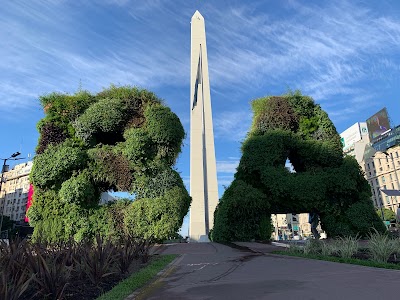
Cartel BA Verde
View on map
13
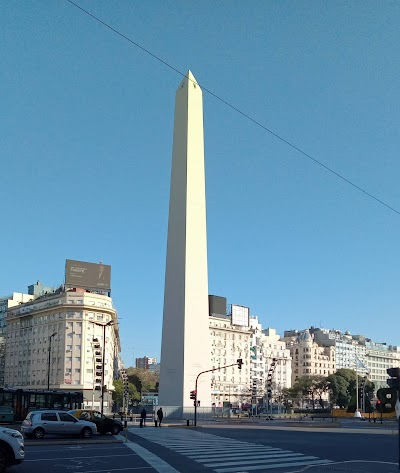
Obelisco
View on map
Audio Narrations
Chinese
简介
布宜诺斯艾利斯方尖碑,一座由科尔多瓦白石制成的 71.5 米高的方尖碑,矗立在科连特斯大道和 7 月 9 日大道交叉口。由阿根廷建筑师阿尔贝托·普雷维施设计,建于 1936 年,以纪念布宜诺斯艾利斯首次建城 400 周年。方尖碑的高度使其从城市的大部分地区都能看到,并已成为一个受欢迎的聚会场所。它曾举办过 2018 年夏季青年奥运会开幕式等活动。尽管最初受到批评,但方尖碑已成为布宜诺斯艾利斯的标志性象征,巴尔多梅罗·费尔南德斯·莫雷诺的一首十四行诗被永久铭刻在它的基座上。建筑符号
阿根廷布宜诺斯艾利斯的方尖碑是一座高耸的建筑象征,体现了这座城市丰富的历史和充满活力的精神。这座标志性纪念碑由阿尔贝托·普雷维奇设计,于 1936 年为纪念该市建城 400 周年而建。其光滑的极简主义形式没有装饰,反映了当时流行的现代主义建筑风格。方尖碑洁白的外部由科尔多瓦的奥莱恩石构成,与周围的城市景观形成鲜明对比,使其成为远处的焦点。它简单而威严的存在已成为布宜诺斯艾利斯的代名词,既是民族自豪感的灯塔,也是这座城市建筑遗产的象征。历史地标
阿根廷布宜诺斯艾利斯的方尖碑是一座高耸的纪念碑,见证了这座城市的悠久历史。方尖碑建于 1936 年,以纪念布宜诺斯艾利斯建城 400 周年,它矗立在该市两条最著名的干道 7 月 9 日大道和科连特斯大道的交汇处。其 67.5 米的雄伟高度使其在城市各处都能看到。 方尖碑的设计证明了阿尔贝托·普雷维施的建筑实力,他从古埃及方尖碑中汲取灵感。这座纪念碑由科尔多瓦白石建造,有四面,每面都装饰着描绘布宜诺斯艾利斯历史重要时刻的复杂雕刻。这些雕刻包括 1536 年建城、1580 年第二次建城、1812 年升起阿根廷国旗以及 1880 年宣布布宜诺斯艾利斯为国家首都。 多年来,方尖碑已成为布宜诺斯艾利斯的标志性象征,成为庆祝、抗议和文化活动的聚集点。它作为历史地标的重要性因其位于前圣尼古拉斯教堂的遗址上而进一步增强,阿根廷国旗于 1812 年首次在那里升起。如今,方尖碑矗立着,成为布宜诺斯艾利斯过去、现在和未来的灯塔,吸引着来自世界各地的游客,他们寻求深入了解这座城市迷人的历史。
14
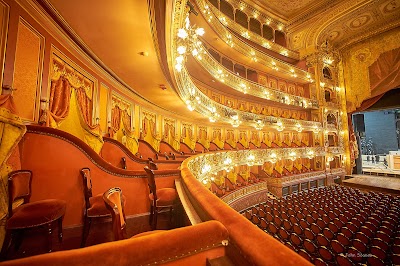
Teatro Colón
View on map
Audio Narrations
Chinese
简介
布宜诺斯艾利斯阿根廷举世闻名的歌剧院科隆剧院,是建筑宏伟和声学辉煌的见证。1908年落成,其马蹄形礼堂拥有2487个座位和一个以其广阔的尺寸而闻名的舞台。剧院内部装饰着华丽的猩红色和金色装饰,而穹顶则展示了劳尔·索尔迪令人惊叹的20世纪艺术品。除了美学上的辉煌之外,科隆剧院还因其卓越的声学效果而备受赞誉,始终被评为世界上最好的声学效果之一。剧院的声学效果归功于其马蹄形,它允许最佳的声波反射,以及硬质和软质材料的战略性使用。这个声学奇迹为包括恩里科·卡鲁索、卢西亚诺·帕瓦罗蒂和玛丽亚·卡拉斯在内的传奇艺术家的表演增光添彩,巩固了科隆剧院作为歌剧、芭蕾和古典音乐全球中心的声誉。旅游目的地
坐落在布宜诺斯艾利斯的中心地带,科隆剧院作为建筑宏伟和文化遗产的灯塔而屹立。这座富丽堂皇的歌剧院于 1908 年在历经二十年的建造后竣工,以其非凡的声学效果而闻名,一个多世纪以来一直吸引着观众。科隆剧院拥有 2500 个座位和 500 个站位,曾接待过传奇歌剧演唱家、芭蕾舞演员和古典音乐家。 除了演出之外,科隆剧院还提供导览游览,深入了解其丰富的历史和错综复杂的细节。游客可以探索装饰有著名作曲家雕塑的半身像大厅,以及凡尔赛镜厅的复制品——金色休息室。此次游览还展示了剧院令人印象深刻的技术特色,包括一个巨大的吊灯,可以降下以允许音乐家在内部演奏。 科隆剧院的意义超出了其艺术贡献。它在阿根廷社会中发挥了举足轻重的作用,成为精英阶层的聚集地和民族自豪感的象征。它在 21 世纪初的修复耗资高达 1 亿美元,突显了它作为文化地标的持久重要性。 对于寻求沉浸式文化体验的鉴赏型旅行者来说,科隆剧院是一个不容错过的目的地。其建筑宏伟、世界级的表演和历史意义使其成为欣赏美好事物的人们的迷人目的地。世界级表演
布宜诺斯艾利斯阿根廷的科隆剧院,是一座雄伟的建筑奇迹,见证了这座城市丰富的文化遗产。这座剧院以其世界级的表演而闻名,一个多世纪以来一直接待着传奇艺术家,并吸引着观众。 科隆剧院的音响效果堪称传奇,始终位居世界最顶尖之列。其马蹄形礼堂和精心挑选的材料创造了一个身临其境的音景,将听众带入另一个境界。剧院的舞台见证了著名歌剧演唱家、芭蕾舞演员和交响乐团的难忘表演。 科隆剧院对艺术卓越的承诺在其多样化的节目中显而易见。从盛大的歌剧到亲密的室内音乐会,剧院提供各种表演,以迎合挑剔的品味。其驻场公司,包括科隆剧院管弦乐团和芭蕾舞团,以其精湛的技艺和艺术性而闻名。 除了其表演之外,科隆剧院还是建筑和艺术奇观的宝库。导览提供了一个独家视角,可以一窥剧院富丽堂皇的内部,里面装饰着大理石楼梯、奢华的家具和精美的艺术品。游客们可以惊叹于金厅,这是一个令人惊叹的空间,灵感来自凡尔赛镜厅,以及半身像厅,向歌剧界最伟大的作曲家致敬。 对于那些寻求难忘文化体验的人来说,科隆剧院提供了一个独特的机会,可以在无与伦比的环境中欣赏世界级的表演。其丰富的历史、卓越的音响效果和对艺术卓越的承诺,使其成为任何有眼光的旅行者的必游之地。
15
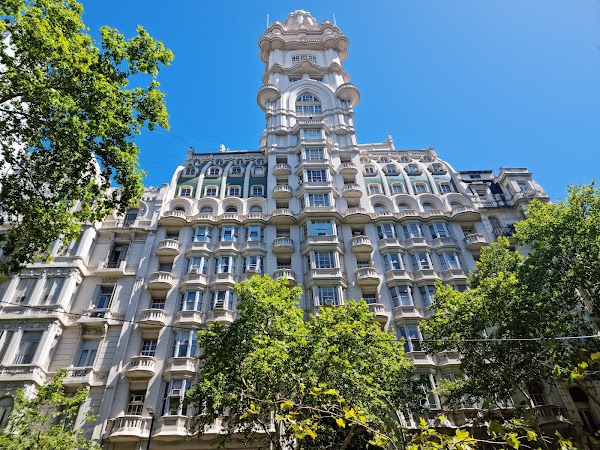
Palacio Barolo
View on map
Audio Narrations
English
Introduction
Palacio Barolo, a national historic monument in Buenos Aires, Argentina, stands as a testament to Dante Alighieri's Divine Comedy. Designed by Italian architect Mario Palanti, this eclectic skyscraper is a unique blend of neo-Romanesque and neo-Gothic styles. Its 22 floors represent the three realms of the Divine Comedy: hell, purgatory, and heaven. The building's height of 100 meters symbolizes the 100 cantos of the poem, while the lighthouse at its peak represents the nine choirs of angels. The lobby features inscriptions in Latin verse and monster statues, while the first three floors showcase alchemical symbols and Masonic iconography. The building's foundations adhere to the golden ratio, and its ornamental spire aligns with the Southern Cross constellation on Argentine Independence Day.National Monument
Palacio Barolo, a towering architectural marvel in Buenos Aires, Argentina, stands as a testament to the enduring legacy of Italian immigrant Luis Barolo and his admiration for Dante Alighieri's Divine Comedy. Designated a National Historic Monument in 1997, this 22-story office building is a masterpiece of eclectic design, blending elements of Art Nouveau, Gothic, and Renaissance styles. Barolo's vision was to create a sanctuary for Dante's remains, believing that Europe was on the brink of destruction. The building's intricate symbolism reflects the poet's epic journey through Hell, Purgatory, and Paradise. The basement and ground floor represent Hell, while floors 1-14 symbolize Purgatory. The upper floors, 15-22, represent Heaven, culminating in a lighthouse that once housed a powerful beam visible from Uruguay. Palacio Barolo's architectural details are a testament to Barolo's passion for Dante's work. Latin inscriptions adorn the facade, and the building's height of 100 meters corresponds to the 100 cantos of the Divine Comedy. The bronze dome, inspired by a Hindu temple, represents the union of Dante and his beloved Beatrice. Today, Palacio Barolo remains a vibrant hub of activity, housing offices and businesses. Guided tours offer visitors a glimpse into its architectural wonders and the fascinating story behind its creation. As a National Historic Monument, Palacio Barolo stands as a symbol of Buenos Aires' rich cultural heritage and a testament to the enduring power of art and architecture.Dante's Divine Comedy
Palacio Barolo, a majestic edifice in Buenos Aires, stands as a testament to the profound influence of Dante's Divine Comedy. Conceived by Italian immigrant Luis Barolo and architect Mario Palanti, the building's design meticulously mirrors the structure and themes of Dante's epic poem. The building's 100-meter height corresponds to the 100 cantos of the Divine Comedy, while its 22 floors reflect the 22 stanzas in each canto. The nine access points represent the nine circles of Hell, and the still-functioning lighthouse symbolizes the nine angelic choirs. The Southern Cross constellation, aligned with its actual position on Argentine Independence Day, adorns the top of the lighthouse. Throughout the building, intricate details evoke the Divine Comedy. The lobby's central dome radiates out into nine vaulted archways, representing the circles of Hell. Geometric figures and Masonic symbols adorn the walls and floors, hinting at the alchemical and esoteric themes of the poem. Visitors can ascend through the building, experiencing the journey from Hell through Purgatory to Paradise. The observation deck on the 21st floor offers breathtaking panoramic views of Buenos Aires, while the highest point, the lighthouse, provides a glimpse of the celestial realm. Palacio Barolo is not merely a building but a living testament to the enduring power of Dante's masterpiece. Its unique architectural features and symbolic details invite visitors to immerse themselves in the rich tapestry of the Divine Comedy, making it a must-visit destination for anyone seeking a deeper understanding of Dante's literary genius.
Experience the Full Tour
Download the DocentPro app to access all tour stops, complete audio narrations in multiple languages, offline maps, and interactive features.