
Eternal Enchantment: Unraveling the Grandeur of Rome in a Day

Walking Tour

5.7 km (3.5 miles)

1h 18min travel time

25 Stops

Rome, Italy
Eternal Enchantment: Unraveling the Grandeur of Rome in a Day
Tour Stops
1
Colosseum
View on map
Audio Narrations
서론
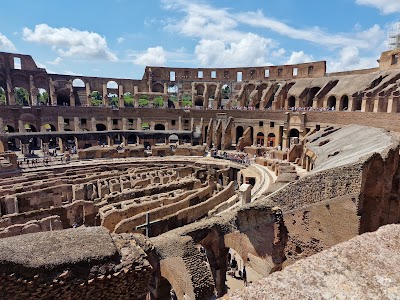
콜로세움은 이탈리아 로마에 있는 상징적인 원형 경기장으로, 로마 제국의 위대한 모습을 보여주는 곳입니다. 베스파시아누스 황제가 지었고 80년에 그의 아들 티투스가 개장한 이 거대한 구조물은 최대 7만 명의 관중을 수용할 수 있었습니다. 타원형 모양과 계단식 좌석은 모든 사람에게 최적의 전망을 제공했으며 사회적 지위에 따라 경기장에 가까운 좌석이 배정되었습니다. 콜로세움의 천재적인 개폐식 지붕인 "벨라리움"은 뜨거운 햇살로부터 그늘을 제공했습니다. 경기장 아래에는 검투사, 동물, 무대 장치를 수용하는 복잡한 터널과 방이 놓여 있습니다. 콜로세움은 검투 경기, 동물 사냥, 위장 해전 등 다양한 흥행을 열었습니다. 오락 이상의 의미를 가진 이곳은 제국 힘의 상징이자 대중 집회의 장소였습니다. 수세기 동안 방치되고 피해를 입었음에도 불구하고 콜로세움은 여전히 건축적 걸작으로 남아 매년 수백만 명의 관광객을 유치합니다.엔터테인먼트 특집
콜로세움으로 들어서면, 한때 로마 제국의 가장 장엄한 엔터테인먼트를 선보였던 건축적 경이로움을 만나실 수 있습니다. 성지의 땅을 거닐다 보면, 검투사들이 치열한 전투를 벌일 때 군중이 내는 엄청난 함성이 들리는 듯하며, 그들의 모든 움직임이 기술과 용기의 증거였습니다. 콜로세움의 설계는 층계형 좌석과 복잡한 지하 통로가 최적의 시야와 음향을 제공하여 관객을 액션의 중심으로 몰입시켰습니다. 검투사 대회 외에도 콜로세움에서는 숙련된 운전자의 기량과 웅장한 말들의 속도를 보여주는 정교한 전차 경주가 열렸습니다. 이러한 경주는 단순한 스포츠 이벤트가 아니라 음악, 화려함, 비교할 수 없는 흥분의 분위기와 함께하는 웅장한 광경이었습니다. 콜로세움은 오늘날에도 방문객들에게 경외감과 경이로움을 불어넣는 로마인의 엔터테인먼트 숙련도를 증명하는 증거로 남아 있습니다.건축 걸작
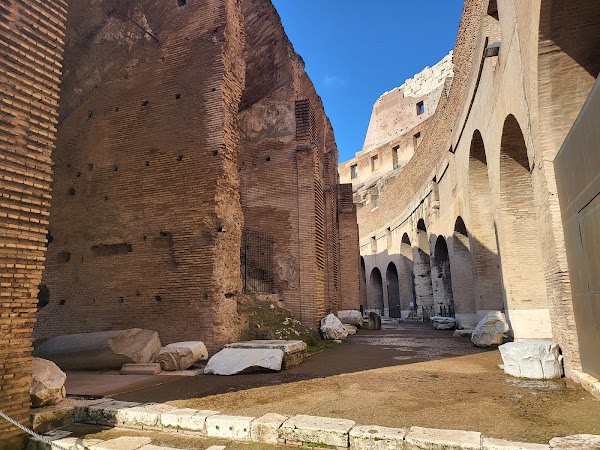
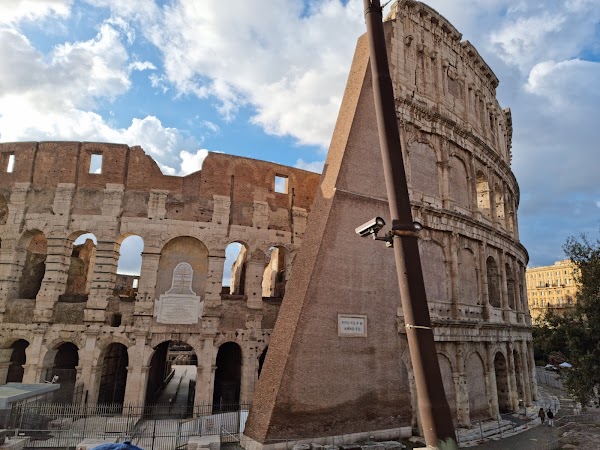
콜로세움은 고대 로마의 건축적 걸작으로 플라비우스 시대 공학 기술의 증거로 자리 잡고 있습니다. 길이 189미터, 폭 156미터에 걸친 거대한 구조물은 로마 건축의 웅장함을 보여줍니다. 50,000명 이상의 관객을 수용하는 원형 구조의 좌석 배치는 로마의 군중 관리 능력과 음향 공학의 탁월성을 보여줍니다. 콜로세움의 상징적인 정면에는 3층의 아치가 있는데, 각 층마다 정교한 몰딩과 조각으로 장식되어 있습니다. 티볼리에서 채석한 트라버틴 석재 블록은 모르타르를 사용하지 않고 세심하게 맞춰져 로마 건축업자의 탁월한 공예 기술을 보여줍니다. 건물 외부에는 아치형 입구가 80개 있어 관객이 편리하게 출입할 수 있고, 긴급 상황 시에는 신속하게 대피할 수 있습니다. 콜로세움 내부도 거대한 경기장 층과 지하 공간으로 인해 똑같이 인상적입니다. 경기장 밑에는 검투사, 동물, 연극 기계를 수용하는 터널과 방의 네트워크인 히포게움 が 있습니다. 아마포로 만든 수납식 천막인 벨라리움은 관중을 햇빛과 비에서 보호해 로마인들의 편안함과 화려한 효과에 대한 배려를 잘 보여줍니다. 콜로세움의 건축적 혁신은 웅장한 규모와 정교한 설계에만 국한되지 않았습니다. 아치와 보드를 사용하여 거대한 열린 공간을 마련할 수 있게 되었는데, 엄청난 기둥이 필요하지 않았습니다. 지하 수로와 저수조로 이루어진 이 원형 경기장의 독창적인 배수 시스템은 폭우가 내려도 경기장을 건조하게 유지했습니다. 건축의 걸작인 콜로세움은 로마 공학과 건축의 정점을 보여줍니다. 이것의 영속적인 유산은 수많은 건축가와 엔지니어에게 영감을 주어 인간의 지혜와 건축 기술의 시대를 초월한 상징으로 자리잡고 있습니다.
2
Arch of Constantine
View on map
Audio Narrations
Introduction
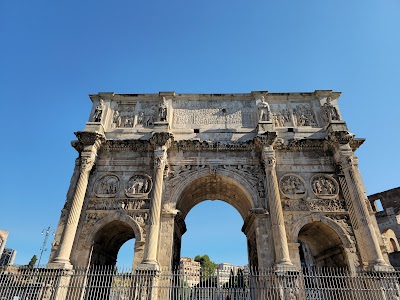
The Arch of Constantine, a majestic monument towering over the Roman Forum, stands as a testament to the triumphs of the ancient Roman Empire. Erected in 315 AD to commemorate Constantine's victory over Maxentius at the Battle of Milvian Bridge, the arch is a masterpiece of architectural grandeur and historical significance. Adorned with intricate carvings and sculptures, the arch narrates the tale of Constantine's rise to power. The reliefs depict scenes from his military campaigns, including the siege of Verona and the Battle of the Milvian Bridge. The arch also features statues of Constantine and his family, as well as personifications of Roma and the Senate. One of the most striking features of the Arch of Constantine is its spolia, or reused materials from earlier monuments. The arch incorporates sculptures and reliefs from the reigns of Trajan, Hadrian, and Marcus Aurelius, showcasing the continuity of Roman imperial power. The Arch of Constantine has stood as a symbol of Roman power and prestige for centuries. It has witnessed the rise and fall of empires, the passage of time, and the evolution of the city of Rome. Today, it remains a popular tourist destination, offering visitors a glimpse into the grandeur of the ancient Roman world.Commemorative Monument
The Arch of Constantine, towering over the bustling streets of Rome, stands as a testament to the enduring power of imperial ambition and the art of commemorative architecture. Erected in 315 AD by the Roman Senate to honor Emperor Constantine I's victory over Maxentius at the Battle of Milvian Bridge, the arch is a masterpiece of Roman engineering and artistry. Unlike its predecessors, the Arch of Constantine deviates from the traditional triumphal arch design. Instead of solely celebrating the emperor's military prowess, it incorporates elements of spolia, the reuse of older monuments and sculptures. This unique approach reflects Constantine's desire to legitimize his reign by linking himself to the glorious past of Rome. The arch's intricate carvings depict scenes from Constantine's campaigns, including the siege of Verona and the Battle of Milvian Bridge. These scenes are not merely decorative; they serve as a powerful visual narrative, extolling the emperor's virtues and portraying him as a divinely chosen leader. The arch's inscription further underscores its commemorative purpose. It proclaims Constantine's victory as a triumph over tyranny and credits his success to the favor of the gods. This inscription not only glorifies the emperor but also reinforces the legitimacy of his rule and the divine mandate he claimed. Beyond its commemorative function, the Arch of Constantine also served as a political statement. Its prominent location near the Colosseum and the Roman Forum placed it at the heart of the city's political and social life. By erecting such a magnificent monument, Constantine sought to demonstrate his power and authority to the citizens of Rome. The Arch of Constantine remains a powerful symbol of imperial ambition and the art of commemorative architecture. Its intricate carvings, inscriptions, and unique design offer a glimpse into the political and ideological landscape of the Roman Empire during the reign of Constantine I. As a testament to the enduring power of art and architecture, the arch continues to captivate and inspire visitors centuries after its construction.Spolia and Recycled Art
The Arch of Constantine: A Monument to Spolia and Recycled Art The Arch of Constantine in Rome stands as a testament to the Roman practice of spolia, the reuse of older sculptures and architectural elements in new constructions. Erected in 315 AD to commemorate Constantine's victory over Maxentius, the arch incorporates numerous spolia from earlier monuments, showcasing a fascinating blend of artistic styles and historical references. Prominent among the recycled elements are eight large roundels depicting scenes from Trajan's Dacian Wars. These originally adorned a monument dedicated to Trajan, but were incorporated into the Arch of Constantine to enhance its grandeur and associate Constantine with the earlier emperor's military achievements. The reuse of these roundels exemplifies the Roman approach to spolia, where older works were not simply seen as relics of the past, but as valuable resources that could be recontextualized to serve new purposes. Beyond the roundels, the arch features a rich collection of spolia, including statues, reliefs, and architectural fragments. These elements, originating from various periods and styles, create a visual tapestry that reflects the complex history of Rome. By incorporating spolia, the Arch of Constantine not only celebrates Constantine's victory but also becomes a repository of the city's artistic heritage. The extensive use of spolia in the Arch of Constantine highlights the Romans' pragmatic and resourceful approach to art and architecture. It demonstrates their ability to seamlessly integrate elements from different eras and styles, creating a unique and visually striking monument. The arch serves as a powerful reminder of the cyclical nature of art, where past creations are reinterpreted and given new life in the present.
3
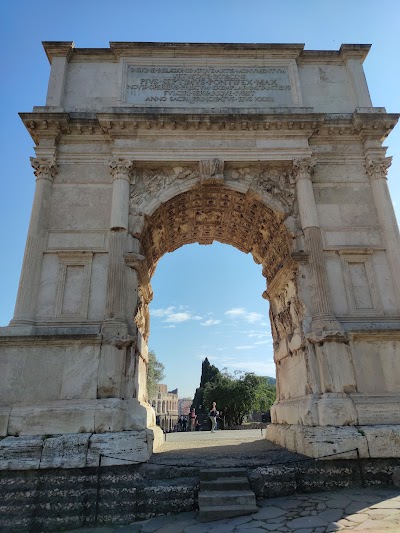
Arch of Titus
View on map
Audio Narrations
Introduction
The Arch of Titus, dominating a section of the Via Sacra in Rome, stands as a potent symbol of imperial triumph, specifically commemorating Titus's victory in the Jewish War. Its single archway, a departure from earlier Roman triumphal arches, showcases a sophisticated use of concrete faced with marble, a testament to Roman engineering prowess. The relief panels within the archway are particularly noteworthy, depicting the triumphal procession with spoils from the Temple in Jerusalem, including the iconic menorah. This menorah representation is considered one of the most accurate depictions of the artifact, making the arch a significant historical source. Interestingly, the arch served as a model for numerous triumphal arches built in later centuries, influencing architectural designs worldwide. The attic inscription originally bore bronze letters, now lost, but their imprint remains, a silent witness to the passage of time and the enduring power of Roman propaganda. The deification of Titus after his death is also subtly alluded to within the arch's sculptural program, blurring the lines between mortal achievement and divine status.Architectural Inspiration
The Arch of Titus, a symbolic monument of the Flavian period, stands as a testament to Roman architectural prowess and a source of enduring inspiration. Its construction commemorates Titus's victory in the Jewish-Roman War, specifically fought in Galilee. As an honorific arch from the Imperial period, it exemplifies the Roman mastery of arch construction, a technique adopted and refined from the Etruscans. Unlike the post-and-lintel systems of earlier civilizations, the arch distributes weight evenly, allowing for larger and more complex structures, a principle vividly demonstrated in the Arch of Titus. The arch's enduring influence is evident in subsequent Western architectural styles, including Romanesque, Gothic, Renaissance, Baroque, Rococo, and Neoclassical designs. Even after the fall of the Roman Empire, the arch remained a central feature, showcasing its lasting impact on architectural innovation. The Arch of Titus, with its detailed sculptures depicting the honored emperor and his deeds, served as a template for triumphal arches, influencing monumental architecture for centuries. Its location on the northern slope of the Palatine Hill, on the eastern side of the Roman Forum, further emphasizes its integration into the grand urban design of ancient Rome. The arch's continued presence inspires modern engineers and architects, demonstrating the timeless appeal and structural ingenuity of Roman architecture.Siege of Jerusalem Commemoration
The Arch of Titus, erected in Rome between 81-85 AD, serves as a significant commemoration of the Siege of Jerusalem. Commissioned by Emperor Domitian to honor his brother Titus, the arch specifically memorializes the Roman victory over the Jewish Zealots and the capture of Jerusalem in 70 AD. Its very construction was funded by Jewish money seized during the siege, a stark demonstration of Roman dominance. The arch's detailed reliefs vividly depict scenes from the siege and its aftermath. Most notably, one panel captures Roman soldiers parading triumphantly through Rome, carrying spoils from the Temple in Jerusalem, including the menorah. This representation of the menorah, a central symbol of the Jewish faith, underscores the Roman intention to humiliate the Jewish people and assert their power. The arch's imagery provides a visual narrative of the Roman perspective on the events, emphasizing their military success and the subjugation of the Jewish rebellion. Beyond its artistic depictions, the Arch of Titus stands as a lasting symbol of the Roman Empire's military achievements and its impact on the Jewish people. The monument's enduring presence in the Roman Forum ensures that the Siege of Jerusalem remains a visible part of Rome's historical narrative.
4
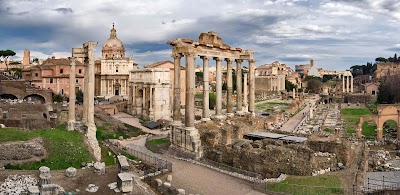
Parco archeologico del Colosseo
View on map
Audio Narrations
Introduction
The Parco archeologico del Colosseo in Rome, Lazio, Italy, encompasses far more than just the iconic amphitheater. It uniquely integrates the Colosseum, Roman Forum, and Palatine Hill into a single, cohesive archaeological experience. This unified approach allows visitors to trace the evolution of Roman power and daily life across centuries, from the Republic to the Empire. Unlike standalone archaeological sites, the Parco offers a narrative journey, revealing the interconnectedness of these monumental spaces. The Palatine Hill, often overlooked, holds the remains of imperial residences, offering intimate glimpses into the lives of emperors and their families. The Forum, once the bustling heart of Roman politics and commerce, displays the skeletal remains of temples, basilicas, and public spaces, providing a tangible connection to the city's vibrant past. The Colosseum, of course, stands as a testament to Roman engineering and spectacle, but within the Parco, its context is enriched by its proximity to the other sites, highlighting its role within the broader urban landscape and imperial ambitions.Ancient Roman Architecture
The Parco Archeologico del Colosseo showcases prime examples of Ancient Roman architecture, most notably the Colosseum itself, originally known as the Flavian Amphitheatre. This colossal structure, initiated by the Flavian dynasty in the 1st century CE, demonstrates advanced engineering for its time, capable of accommodating complex stage machinery and vast audiences. Its design reflects the Roman emphasis on public spectacle, hosting gladiatorial games and animal hunts. The Colosseum's architecture evolved over centuries, initially a symbol of imperial splendor, later repurposed as a source of building materials, even incorporated into St. Peter's Basilica. Nearby, the Domus Aurea, Emperor Nero's palace, exemplifies the opulence of Roman imperial residences. Designed by architects Severus and Celer and decorated by the painter Fabullus after the fire of 64 AD, it featured innovative architectural elements, including the coenatio rotunda, a rotating banqueting room. The palace's extensive use of gold, precious stones, and colored marbles reflects the Roman elite's taste for luxury. The rediscovery of its buried sections during the Renaissance influenced artistic movements, with artists like Raphael drawing inspiration from its "grotesque" wall decorations. Today, visitors can explore these subterranean spaces, gaining insight into Roman decorative styles and architectural techniques.Roman Forum's Political Significance
The Roman Forum, now part of the Parco archeologico del Colosseo, served as the epicenter of ancient Rome's political life for over a millennium. Originally a marshy area, it was transformed into the city's central hub for political, religious, and commercial activities starting in the 7th century BC. Key political structures within the Forum included the Curia Iulia, the Senate House, which accommodated up to 300 senators and was the site of crucial debates and decisions. The Rostra, a speaker's platform, was where orators addressed the Roman populace, influencing public opinion and shaping political discourse. Basilicas, such as the Basilica Emilia, played a vital role in administering justice. The Forum's political significance evolved over centuries, witnessing the rise and fall of the Republic and the Empire. Emperors added monuments like the Arch of Septimius Severus to commemorate their victories and reinforce their power. Even after the Western Roman Empire's decline, the Forum remained a symbolic space, with subsequent transformations into churches reflecting the shifting power dynamics. The rediscovery and excavation of the Forum in the 19th century brought to light the tangible remains of Rome's political heart, allowing us to understand the physical layout and architectural grandeur that once framed the city's governance. The Plutei of Trajan, now exhibited in the Curia, depict the Forum's layout during Trajan's reign, offering insights into its political organization.
5
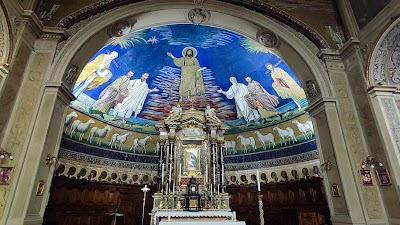
Santi Cosma e Damiano
View on map
Audio Narrations
Introduction
The Basilica dei Santi Cosma e Damiano in Rome, Lazio, Italy, uniquely incorporates elements of both the Roman Forum and the Temple of Romulus. Its circular plan, a striking departure from typical basilica designs, is directly attributable to its adaptation of the temple's existing structure. The apse mosaic, a masterpiece of Byzantine art from the 6th century, depicts Christ's second coming flanked by Saints Cosmas and Damian, Pope Felix IV, and Saint Theodore. Notably, the mosaic's vibrant colors and intricate details are achieved through the use of tesserae, tiny pieces of glass and stone, arranged to reflect light in a captivating manner. The basilica's dedication to Cosmas and Damian, twin brothers and physicians martyred in the 3rd century, reflects the early Christian veneration of healers and their association with divine intervention. The site's transformation from pagan temple to Christian basilica underscores the complex layering of history within Rome itself, a tangible representation of the city's evolving religious landscape. The basilica's undercroft reveals remnants of the original Roman structures, offering a glimpse into the city's ancient foundations.Basilica Mosaics
The Basilica dei Santi Cosma e Damiano is renowned for its stunning 6th- and 7th-century mosaics, considered masterpieces of early Christian art. The apse mosaic, in particular, depicts the Second Coming of Christ in a Roman-Byzantine style and is remarkably well-preserved. In the mosaic, Christ is positioned in the center, flanked by Saint Peter presenting Saint Cosmas and Saint Theodorus, and Saint Paul presenting Saint Damian and Pope Felix IV, who holds a model of the church. This mosaic offers a glimpse into the artistic and religious sentiments of the era. The basilica's mosaics hold historical significance beyond their artistic merit. The church itself was created by uniting the library of the Forum of Peace and a portion of the Temple of Romulus in 527 by Pope Felix IV, who dedicated it to the Arabian Christian brothers Cosmas and Damian. The mosaics, therefore, reflect the transition from pagan Rome to Christian Rome. The basilica's dedication to Saints Cosmas and Damian, both physicians, further connects the mosaics to the history of medicine, as the saints were venerated as patrons of physicians, surgeons, pharmacists, and veterinarians. The mosaics serve as a visual representation of this veneration and the basilica's importance in the history of medicine.Temple of Romulus Integration
Santi Cosma e Damiano uniquely integrates the ancient Temple of Romulus, a key element that defines its historical and architectural significance. Originally, the church's entrance faced the Roman Forum, highlighting the direct incorporation of the temple into the church's structure. Today, while the entrance is from Via dei Fori Imperiali, the exterior of the Temple of Romulus, featuring its original bronze doors, remains visible, a tangible link to Rome's pagan past. The Temple of Romulus, initially dedicated by Emperor Maxentius to his son, is believed to have been built upon an even earlier Temple of Jupiter Stator from the 2nd-3rd century BCE. This makes it the second best-preserved round pagan temple in Rome after the Pantheon. Inside the church, visitors can view the pagan temple of Jupiter Stator through glass, offering a glimpse into the basilica's foundations. This integration marks Santi Cosma e Damiano as the first church built within the Roman Forum, a significant event demonstrating the rise of Christianity amidst prevailing pagan beliefs. The seamless blend of pagan and Christian elements within Santi Cosma e Damiano provides a unique historical perspective, illustrating the transition of religious power in ancient Rome.
6
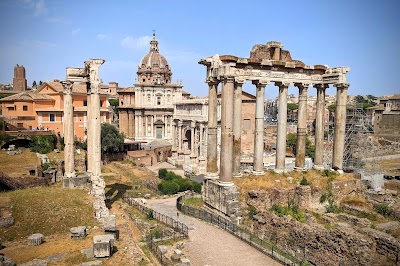
Roman Forum
View on map
Audio Narrations
Introduction
The Roman Forum, situated in the heart of Rome, is an awe-inspiring expanse of ruins that once served as the bustling center of the ancient Roman Empire. This rectangular plaza, surrounded by the ruins of significant government buildings, was the stage for triumphal processions, elections, public speeches, criminal trials, and gladiatorial matches. It was the nucleus of commercial affairs, where statues and monuments commemorated the city's leaders. Over the centuries, the Forum has undergone significant transformations. The earliest shrines and temples, dating back to the 8th century BC, were located on its southeastern edge. The archaic Comitium, where the Senate and Republican government originated, gradually gave way to the larger Forum. Julius Caesar's construction of the Basilica Julia and the Curia Julia further expanded the judicial and political functions of the Forum. The reign of Constantine the Great witnessed the construction of the Basilica of Maxentius, marking the last major expansion of the Forum complex. This basilica restored the political focus to the Forum until the fall of the Western Roman Empire. Today, the Roman Forum stands as a testament to the grandeur and complexity of ancient Rome. Its excavated sequences of remains, including layers of paving, reveal the gradual rise in ground level over centuries. The Forum's final travertine paving, dating from the reign of Augustus, is still visible. One of the most fascinating discoveries in recent years is a tuff wall near the Lapis Niger, used to channel water from nearby aquifers. Pottery remains and food scraps surrounding the wall suggest its construction dates back to the 8th or 9th century BC, over a century before the traditional date of Rome's founding.Political Center
The Roman Forum, the heart of ancient Rome, was the epicenter of political life in the Roman Republic and Empire. It served as the stage for countless speeches, debates, and decisions that shaped the course of Roman history. The Forum was a place where politicians, orators, and citizens alike gathered to discuss and determine the fate of the city and its vast empire. Within the Forum, the Senate House, or Curia, stood as the central meeting place for the Roman Senate, the governing body of the Republic. Here, senators engaged in heated debates and passed laws that affected the lives of millions. The Rostra, a raised platform adorned with the beaks of captured ships, served as the stage for famous orators like Cicero and Julius Caesar, who swayed the masses with their eloquence and political prowess. The Forum witnessed the rise and fall of emperors, the birth of laws, and the forging of alliances that shaped the destiny of the Roman world. It was a place where power was wielded, decisions were made, and the fate of nations was determined.Triumphal Processions
The Roman Forum, the heart of ancient Rome, played a pivotal role in the city's triumphal processions, grand spectacles that celebrated military victories. These processions, led by victorious generals, began at the Campus Martius, where the army assembled. From there, they proceeded along the Via Triumphalis, passing through the Arch of Titus and the Arch of Constantine, before reaching the Roman Forum. The Forum was adorned with elaborate decorations for these occasions, with temples, basilicas, and other structures draped in colorful tapestries and garlands. The procession would enter the Forum through the Arch of Titus, dedicated to the emperor who conquered Jerusalem in 70 AD. The arch's reliefs depict scenes from Titus's triumph, including the spoils of war and the captive Jewish people. As the procession moved through the Forum, it passed the Temple of Saturn, where the Roman treasury was housed. The temple's steps served as a platform for orators to address the crowd. The procession would then continue to the Temple of Castor and Pollux, where the victorious general would offer sacrifices to the gods. The final destination of the procession was the Rostra, a platform in front of the Temple of Saturn. Here, the general would deliver a speech to the assembled crowd, recounting his victories and extolling the virtues of Rome. The procession would then disband, with the general and his troops returning to their barracks. Triumphal processions were not merely displays of military might; they were also political and religious events. They served to glorify the victorious general, reinforce the power of Rome, and give thanks to the gods for their favor. The Roman Forum, with its rich history and symbolic significance, provided a fitting backdrop for these grand spectacles.
7
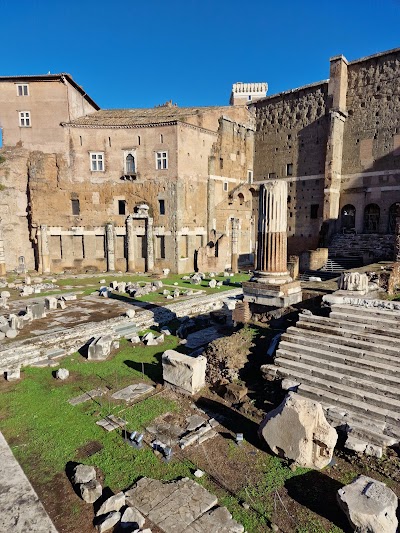
Foro di Augusto
View on map
Audio Narrations
Introduction
The Foro di Augusto in Roma, Lazio, Italy, distinguishes itself through its overt propagandistic function, meticulously designed to glorify Augustus and his lineage. Unlike earlier fora, its construction was directly linked to Augustus's military victories, particularly his avenging of Caesar's assassination. The Temple of Mars Ultor, the forum's centerpiece, served not only as a religious structure but also as a stage for Senate meetings concerning war and peace, effectively intertwining religious authority with imperial power. Statues of Augustus's ancestors, including Aeneas and Romulus, lined the porticoes, visually establishing his divine right to rule and connecting him to Rome's mythical origins. A lesser-known aspect is the forum's role in legal proceedings; certain court cases were deliberately moved here to subtly reinforce Augustus's control over the judicial system. The towering fire wall, built to separate the forum from the Suburra district, speaks volumes about the deliberate creation of an idealized, controlled space distinct from the bustling, less-desirable areas of Rome.Temple of Mars Ultor
The Temple of Mars Ultor, or Mars the Avenger, was the dominant feature within the Forum of Augustus, its construction spanning nearly 40 years and concluding in 2 CE. This temple served as a sacred space for magistrates offering sacrifices before provincial service, victorious generals displaying military honors, and young noblemen donning their first adult toga, symbolizing readiness for military duty. Measuring 30 by 40 meters, the temple stood atop a 3.55-meter-high podium of tuff blocks faced with white marble. A grand staircase with 17 steps led to the entrance, featuring an altar flanked by fountains. Surrounding the temple were 26 Corinthian columns, each approximately 15 meters tall; only three remain on the southern side. The pediment showcased colossal statues, with Mars at the center, armed and referencing Augustus's victories. Statues of Palatine, Romulus, Venus with Eros, Fortuna, the goddess Roma, and the Tiber River adorned either side. Inside, the temple featured side columns and an apse, housing statues of Mars, Venus, and the deified Julius Caesar on a 9-meter platform, along with Caesar’s sword as a sacred relic. In the northeastern corner stood the Hall of the Colossus, named for the statue of the Genius of Augustus, serving as a sanctuary of justice where the emperor’s image guaranteed fair rulings. The hall, approximately 24 meters high, featured a floor paved with colorful marble slabs and a backdrop of blue fabric with golden and red stripes. Octavian, before the Battle of Philippi, vowed to build the temple to Mars Ultor if victorious over Caesar's assassins, fulfilling this promise and glorifying his lineage.Imperial Forums History
The Forum of Augustus, integral to Rome's Imperial Fora, was constructed by Emperor Augustus following his vow to build a temple to Mars Ultor (Mars the Avenger) if victorious at the Battle of Philippi in 42 BC. Inaugurated forty years later, this forum stands perpendicular to the Forum of Caesar, marking a significant expansion of Rome's political and public spaces. The Temple of Mars Ultor dominates the forum's north edge, set against a high wall that separated the forum from the Suburra district, demonstrating the architectural planning to manage Rome's growing complexity. Emperor Augustus embellished the area with statues representing key figures in Roman history, including members of the gens Julia, Aeneas, and Romulus, reinforcing the forum's role in promoting imperial ideology and lineage. The forum served as a venue for legal proceedings and public events, further solidifying its importance in Roman civic life. Over time, the exploitation and stripping of ruins within the Forum complex, including areas near the Forum of Augustus, occurred due to papal licenses granted for quarrying stone and marble. Despite this, the Forum of Augustus, along with other Imperial Fora, underwent excavation and restoration efforts, revealing its historical layers and architectural significance. These efforts aimed to restore fragmented pieces to their original locations and identify half-excavated structures, contributing to our understanding of the forum's evolution and its place within the broader context of Rome's imperial history.
8
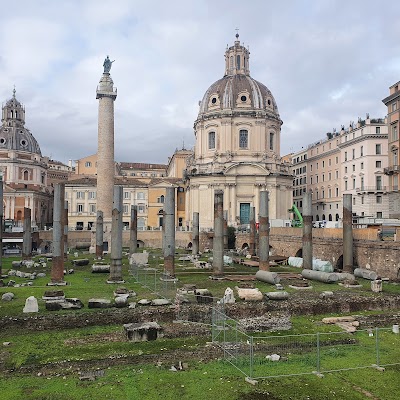
Trajan Forum
View on map
9
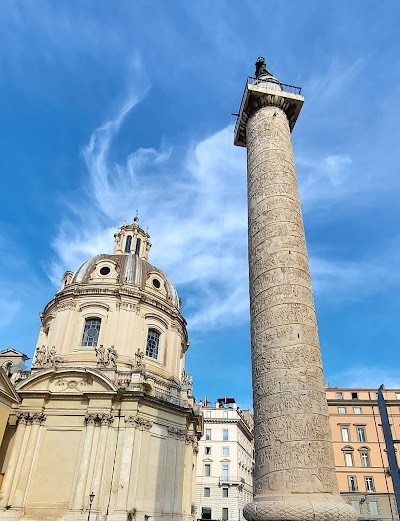
Trajan's Column
View on map
10
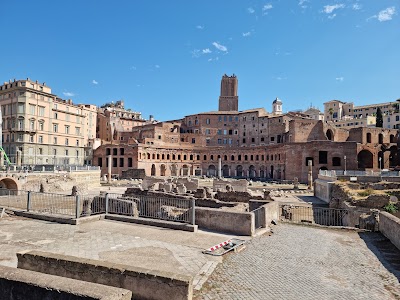
Mercati di Traiano Museo dei Fori Imperiali
View on map
11
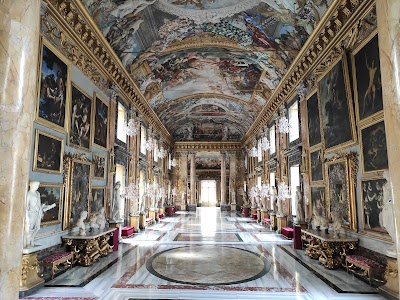
Galleria Colonna Museo e Pinacoteca
View on map
12
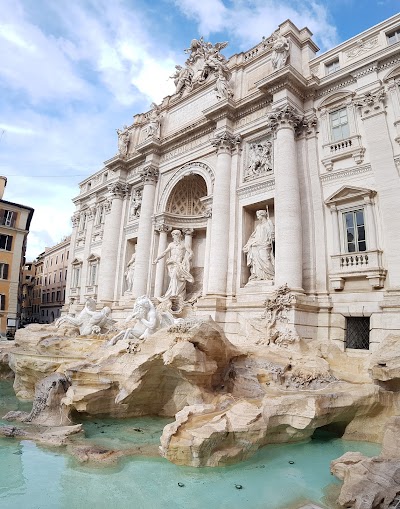
Trevi Fountain
View on map
Audio Narrations
서론
트레비 분수는 로마의 트레비 지구에 있는 바로크 양식의 걸작으로 도시의 상징으로 유명합니다. 니콜라 살비가 설계하여 1762년에 완공되었으며, 기원전 19년에 건설된 아콰 비르고 수로의 끝점을 나타냅니다. 분수의 중심에는 바다의 신 오케아누스를 웅장하게 묘사한 조각상이 있으며, 두 날개 달린 말이 끄는 전차에 타고 두 트리톤이 이끌고 있습니다. 오케아누스 양쪽에는 풍요와 건강을 상징하는 우화적 인물이 서 있습니다. 코린트 양식의 기둥과 얕은 돋을새김으로 장식된 분수의 정면에는 수로의 역사를 묘사한 장면이 새겨져 있습니다. 전설에 따르면, 왼쪽 어깨 너머로 분수에 동전을 던지면 로마로 돌아올 수 있다고 합니다. 이 분수는 펠리니의 "라 돌체 비타"를 포함한 수많은 영화에 등장했고, 매년 수백만 명의 관광객을 끌어들이는 인기 있는 관광지로 남아 있습니다.해양 상징주의
로마에 위치한 트레비 분수는 18세기 당시 유행했던 해양적 상징주의를 구현한 바로크풍의 걸작이다. 트레비 분수의 중심인물인 오케아누스는 분수 위에 서서 바다의 길들여지지 않는 힘과 무한한 본질을 나타낸다. 그가 몰고 있는 장엄한 전차는 두 마리의 해마에 의해 끌리는데, 이는 바다의 주기적인 유동성과 예측 불가한 기질을 상징한다. 오케아누스를 둘러싼 풍요와 건강의 조각상은 틈새에 놓여 있으며, 각각 상징적인 속성을 가지고 있다. 풍요는 넘쳐나는 단지에서 물을 쏟아내며, 바다의 생명을 주고 보살피는 특성을 나타낸다. 반면에 건강은 뱀이 마시는 그릇을 들고 있으며, 바다와 관련된 치유와 정화의 힘을 상징한다. 분수의 폭포수는 해양적 상징주의를 더욱 강조하며, 끊임없이 흐르는 조수의 움직임을 반영한다. 쏟아지는 물의 소리는 차분하고 명상적인 분위기를 조성하여 방문객이 바다의 광활함과 신비로움을 생각하게 한다. 트레비 분수의 복잡한 도상학과 우화적 인물은 바로크 시대 당시 바다에 대한 매혹을 엿볼 수 있게 해준다. 이것은 바다의 끝없는 넓음에서 영감을 얻은 경외심과 놀라움을 담아내는 해양적 상징주의의 지속적인 힘을 증명하는 작품이다.코인 전설
로마, 이탈리아에 있는 트레비 분수는 그 매력적인 아름다움과 동전 전설로 유명합니다. 이 전설은 수세기 동안 많은 사람들의 마음을 사로잡았으며, 분수의 반짝이는 물 속에 동전을 던지면 로마로 다시 돌아올 수 있을 것이라고 약속합니다. 전통에 따르면 한 개의 동전을 넣으면 로마로 다시 돌아오고, 두 개의 동전을 넣으면 새로운 연애가 시작되고, 세 개의 동전을 넣으면 결혼이 보장된다고 합니다. 이런 주장의 진위는 믿음의 문제에 불과하지만, 분수의 매력은 변함이 없습니다. 오랜 세월 동안 분수에는 하루 평균 3,000유로에 달하는 방대한 양의 동전이 모였습니다. 이러한 동전들은 그냥 버려지는 것이 아니라 고귀한 목적에 사용됩니다. 수집된 금액은 로마에서 가장 가난한 주민들에게 음식과 지원을 제공하는 자선 단체인 카리타스에 기부됩니다. 이 분수의 매력은 단지 로맨틱한 연관성을 넘어섭니다. 웅장한 조각상과 폭포수를 특징으로 하는 복잡한 디자인은 예술가와 영화 제작자들을 사로잡았습니다. 페데리코 펠리니의 상징적인 영화 "라 돌체 비타"는 분수의 아름다움을 영원히 남겼으며, 그 시대를 초월한 우아함을 보여주었습니다. 트레비 분수의 동전 전설은 그 분수를 희망, 로맨스, 관대함의 상징으로 만들었습니다. 로마로 다시 돌아오든, 꽃이 필 듯한 연애를 원하든, 단순히 가치 있는 대의에 기여하는 기쁨을 원하든, 분수에 동전을 던지는 것은 분수의 풍부한 역사와 지속적인 매력에 연결되는 소중한 의식입니다.
13
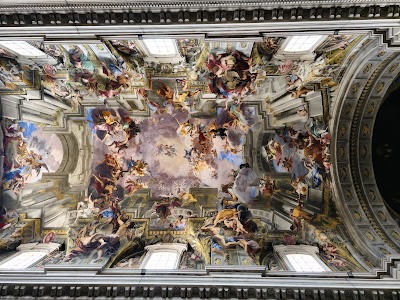
Chiesa di Sant'Ignazio di Loyola
View on map
14
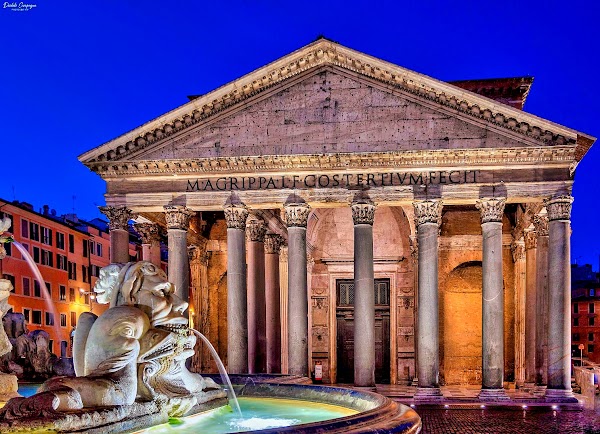
Obelisco del Pantheon
View on map
15
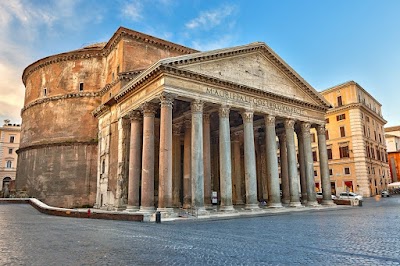
Pantheon
View on map
Audio Narrations
Introduction
The Pantheon, an architectural marvel in Rome, Italy, stands as the largest unreinforced concrete dome ever constructed. Built in 27 BC, it was initially a temple dedicated to all Roman gods. Its present structure, commissioned by Emperor Hadrian, features a cylindrical shape with a magnificent outer colonnade of Greek inspiration. The dome, a testament to Roman engineering, is 43.3 meters in diameter and height, creating a perfect sphere within. Its oculus, a 9-meter opening at the dome's center, allows natural light to flood the interior, creating a breathtaking effect. The Pantheon's interior is adorned with sunken panels and concentric circles, showcasing the harmonious interplay of geometry and design. Over the centuries, it has served as a church, a burial place for Italian royalty, and an inspiration for countless architects, leaving an enduring legacy in Western architecture.Architectural Marvel
The Pantheon, an architectural marvel in the heart of Rome, stands as a testament to the ingenuity and engineering prowess of ancient Rome. Its iconic dome, the largest unreinforced concrete dome in the world, has captivated architects and engineers for centuries. Constructed in the 2nd century AD, the Pantheon's dome measures an astonishing 43 meters in diameter and rises to a height of 43 meters, a feat of engineering that remained unmatched for over 1,300 years. The oculus, a circular opening at the apex of the dome, allows natural light to flood the interior, creating an ethereal and awe-inspiring atmosphere. The Pantheon's innovative use of concrete, a material typically associated with utilitarian structures, showcases the Romans' mastery of construction techniques. The concrete walls, up to 6 meters thick, provide exceptional structural stability, while the use of lightweight pumice in the upper layers of the dome reduces its weight without compromising its strength. The Pantheon's design also incorporates advanced acoustics, with the curved interior surfaces reflecting sound to create an optimal environment for public speaking and musical performances. Beyond its architectural significance, the Pantheon holds immense historical and cultural value. It has served as a temple to various deities, a Christian church, and a burial site for Italian kings. Its well-preserved state offers a glimpse into the grandeur and sophistication of ancient Roman architecture, making it a must-see destination for anyone interested in architectural marvels and the history of construction.Engineering Feat
The Pantheon in Rome, Italy, stands as a testament to the unparalleled engineering prowess of the ancient Romans. Its iconic dome, the largest unreinforced concrete dome in the world, is a marvel of structural ingenuity. Constructed in 126 AD, the dome's innovative design features a series of concentric rings, each lighter than the one below, reducing the weight on the supporting walls. The dome's oculus, a circular opening at its apex, not only provides natural light but also reduces the dome's overall weight. The Pantheon's foundation, built on unstable marshy ground, is another engineering marvel. To ensure stability, the Romans constructed a massive concrete ring foundation, which was later reinforced with a second ring after cracks appeared during construction. The Pantheon's walls, made of thick layers of brick and concrete, are designed to withstand the immense weight of the dome. The use of arches and vaults throughout the structure further distributes the load, ensuring its stability. The Pantheon's engineering brilliance is evident in its longevity. Despite centuries of earthquakes, fires, and wars, the Pantheon remains largely intact, a testament to the exceptional craftsmanship and engineering skills of the ancient Romans. Its enduring legacy as an architectural and engineering masterpiece continues to inspire awe and admiration in visitors from around the world.
16
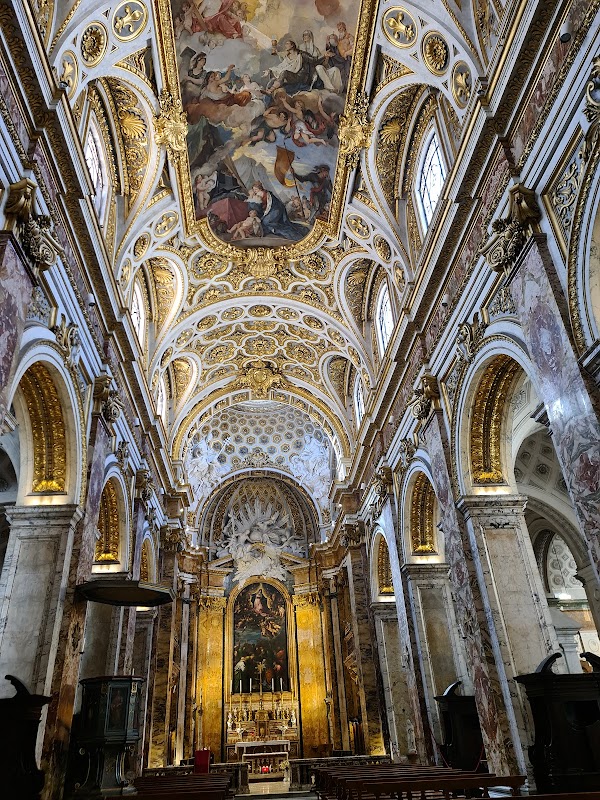
Church of St. Louis of the French
View on map
17
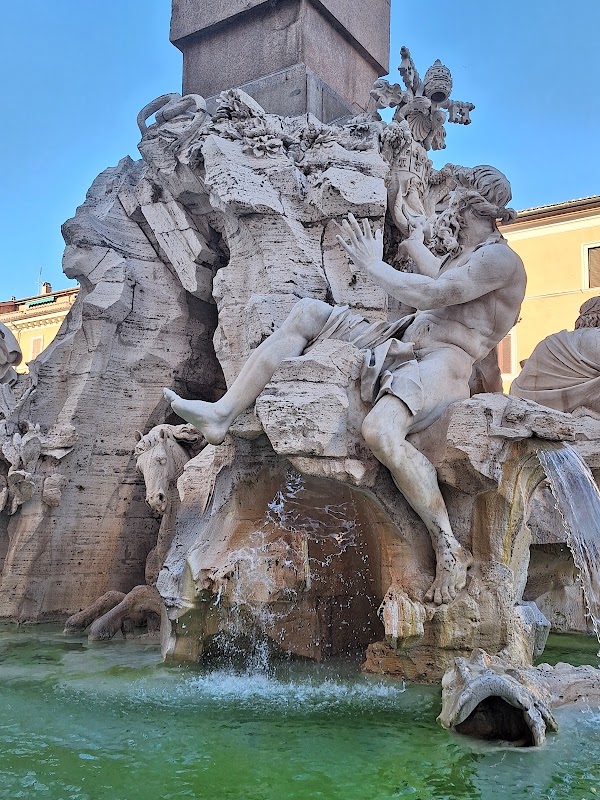
Fiumi Fountain
View on map
18
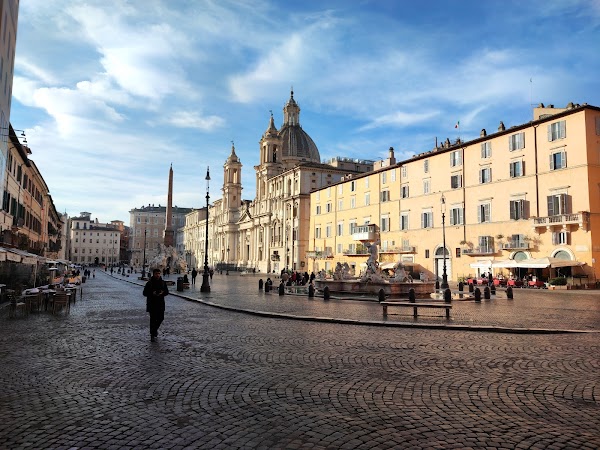
Piazza Navona
View on map
Audio Narrations
Introduction
Piazza Navona, an elongated oval in the heart of Rome, stands on the site of the ancient Stadium of Domitian. Transformed into a Baroque masterpiece in the 17th century, it boasts Bernini's iconic Fountain of the Four Rivers, adorned with the Obelisk of Domitian. The piazza is further graced by Borromini's Sant'Agnese in Agone church and the Pamphili palace, featuring Borromini's gallery and Cortona's frescoes. Two additional fountains, the Fontana del Moro and the Fountain of Neptune, complete the ensemble. Once the site of theatrical events and flooded festivities, Piazza Navona now hosts a lively Christmas market annually. Its rich history and artistic treasures make it a captivating destination for art enthusiasts and history buffs alike.Baroque Design
Piazza Navona, a captivating square in Rome, epitomizes the grandeur of Baroque design. Its transformation in the 17th century under Pope Innocent X showcased the artistic prowess of Gian Lorenzo Bernini and Francesco Borromini. Bernini's masterpiece, the Fountain of the Four Rivers, dominates the center, its allegorical figures representing the major rivers of the world. The obelisk atop the fountain, originally from the Circus of Maxentius, adds to its imposing presence. Borromini's Sant'Agnese in Agone, with its undulating facade and intricate interior, stands as a testament to the Baroque's theatrical style. The Palazzo Pamphili, designed by Girolamo Rainaldi, completes the ensemble, its long gallery adorned with frescoes by Pietro da Cortona. Piazza Navona's Baroque splendor extends to its other fountains: the Fountain of the Moor, with its dramatic figure wrestling a dolphin, and the Fountain of Neptune, depicting the sea god battling a sea monster. These elements coalesce to create a harmonious and visually stunning urban space, a testament to the Baroque era's artistic and architectural achievements.Innocent X
Innocent X's reign left an indelible mark on Piazza Navona, transforming it into a testament to his grandeur. The centerpiece of his vision, the Fontana dei Quattro Fiumi, stands as a symbol of papal authority, its towering obelisk reaching towards the heavens. Bernini's masterpiece depicts the four major rivers of the world, each represented by a colossal figure symbolizing the continents they represent. The Nile, with its veiled head, hints at the mystery surrounding its source, while the Danube, Ganges, and Rio de la Plata embody the far-reaching influence of the Church. Innocent X's embellishments extended beyond the fountain. He commissioned the reconstruction of his family palace and the church of Sant'Agnese in Agone, ensuring that his legacy would be forever intertwined with the piazza. The expulsion of market vendors, who had long occupied the square, further cemented his vision of a grand and uncluttered space. Despite the public outcry over the excessive spending and new taxes imposed to fund these projects, Innocent X remained steadfast in his pursuit of magnificence. The piazza became a stage for his power and piety, a testament to his unwavering belief in the authority of the papacy.
19
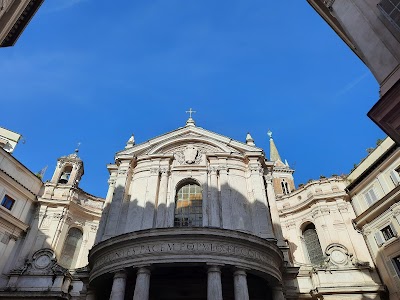
Chiesa di Santa Maria della Pace
View on map
20
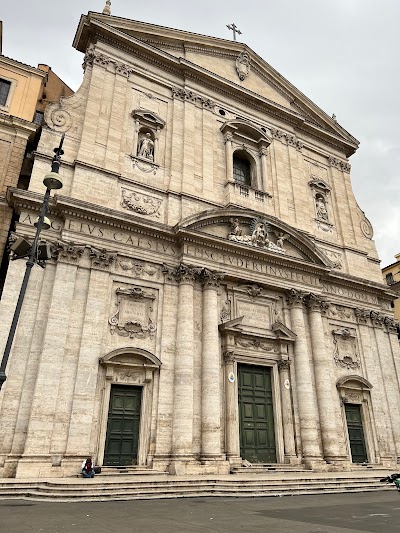
S. Maria in Vallicella
View on map
21
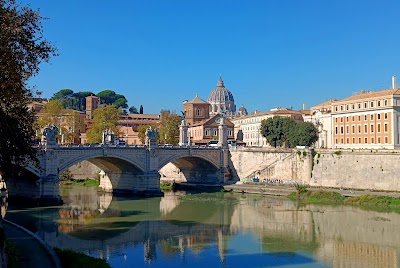
Ponte Vittorio Emanuele II
View on map
22
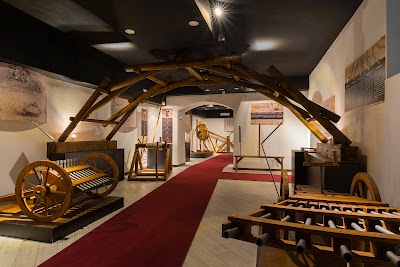
Museum Leonardo Da Vinci Experience
View on map
23
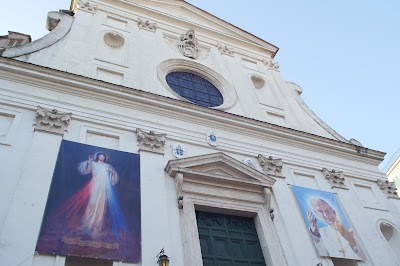
Church Holy Spirit in Sassia
View on map
24
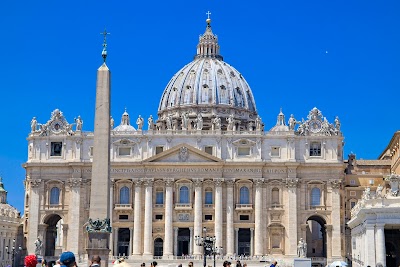
St. Peter's Basilica
View on map
Audio Narrations
Introduction
St. Peter's Basilica, a colossal architectural marvel in Vatican City, stands as a testament to the grandeur of the Catholic Church. Its origins trace back to the 4th century, when Emperor Constantine commissioned a basilica over the burial site of Saint Peter, the first pope. The present basilica, a masterpiece of Renaissance and Baroque architecture, was constructed over several centuries, with contributions from renowned artists like Bramante, Michelangelo, and Bernini. The basilica's colossal dome, designed by Michelangelo, dominates the skyline of Rome. Its interior is adorned with intricate mosaics, sculptures, and paintings, including Michelangelo's iconic Pietà. The massive bronze baldachin by Bernini, towering over the papal altar, is a testament to the basilica's opulence. Beneath the basilica lies the Vatican Grottoes, where the tombs of numerous popes and saints are interred. The basilica's significance extends beyond its architectural splendor; it is a pilgrimage site for millions of Catholics worldwide and a symbol of the Vatican's spiritual authority.Holy Door
The Holy Door of St. Peter's Basilica holds immense significance in Catholic tradition. It is a symbol of redemption and forgiveness, opened only during Jubilee Years, which occur every 25 years. The door is located on the right side of the basilica's façade and is sealed with bricks at the end of each Jubilee. During the opening ceremony, the Pope symbolically pushes open the door, marking the beginning of the Holy Year. Pilgrims from around the world flock to Rome to pass through the Holy Door, seeking spiritual renewal and the remission of sins. The door remains open throughout the Jubilee Year, allowing pilgrims to experience the grace and mercy of God. The tradition of the Holy Door dates back to the 15th century, when Pope Nicholas V designated a door in the old St. Peter's Basilica as the Holy Door. The current door was designed by Vico Consorti and installed in 1950. It depicts scenes from the life of Christ, including his resurrection and ascension. Passing through the Holy Door is a profound spiritual experience for many Catholics. It symbolizes a new beginning, a chance to leave behind the past and embrace the future with faith and hope. The door serves as a reminder of God's boundless love and the opportunity for redemption that is always available to those who seek it.Sistine Chapel
St. Peter's Basilica, the heart of Vatican City, stands as a testament to the grandeur of the Catholic Church and the artistic genius of the Renaissance. While the basilica itself is a masterpiece of architecture, its true treasure lies within – the Sistine Chapel. Commissioned by Pope Julius II, Michelangelo spent four years adorning the chapel's ceiling with breathtaking frescoes. The central panel, "The Creation of Adam," depicts the iconic moment when God breathes life into the first man. The intricate details and vibrant colors of the frescoes have captivated visitors for centuries. Beyond the ceiling, the chapel's walls are adorned with equally impressive works by Renaissance masters such as Botticelli, Perugino, and Ghirlandaio. These frescoes depict scenes from the lives of Moses and Christ, adding to the chapel's rich iconography. The Sistine Chapel is not merely a work of art; it is a sacred space where the College of Cardinals gathers to elect a new pope. The "Tears Room," located to the left of the altar, is where the newly elected pope traditionally sheds tears of joy and relief. Visiting the Sistine Chapel is a pilgrimage for art enthusiasts and believers alike. Its stunning frescoes and profound religious significance make it a must-see destination for anyone seeking an encounter with the divine and the sublime.
25
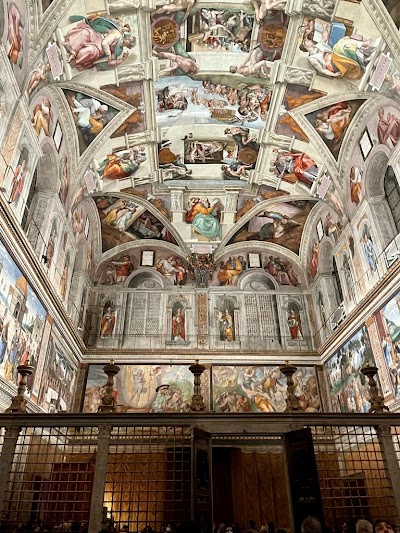
Sistine Chapel
View on map
Audio Narrations
Introduction
The Sistine Chapel, a masterpiece of Renaissance art, is located within the Vatican Museums in Vatican City. Its fame stems from the breathtaking frescoes adorning its interior, most notably Michelangelo's iconic ceiling and "The Last Judgment" on the altar wall. The ceiling frescoes depict scenes from Genesis, including the Creation of Adam, while the lunettes and pendentives feature prophets, sibyls, and the ancestors of Christ. The chapel also boasts a series of 15th-century frescoes by renowned artists such as Botticelli, Perugino, and Ghirlandaio, depicting scenes from the lives of Moses and Christ. The Sistine Chapel serves as the site of papal conclaves, where cardinals gather to elect a new pope. Its grandeur and artistic significance have made it a must-see destination for art enthusiasts and pilgrims alike.Renaissance Masterpiece
The Sistine Chapel, a testament to the Renaissance era's artistic zenith, is a masterpiece that transcends time. Michelangelo's genius is evident in the chapel's iconic ceiling frescoes, a breathtaking depiction of the Book of Genesis. The central panel, "The Creation of Adam," showcases God's life-giving touch, while the surrounding scenes narrate the creation of the world and humanity's fall from grace. The chapel's walls are adorned with vibrant frescoes by Botticelli, Perugino, and other masters, depicting the lives of Moses and Christ. Beyond its religious significance, the Sistine Chapel is a testament to the Renaissance's emphasis on humanism and classical ideals. Michelangelo's figures are imbued with a profound understanding of anatomy and movement, capturing the essence of the human form. The chapel's architecture, with its barrel-vaulted ceiling and intricate lunettes, provides a harmonious backdrop for the frescoes. The Sistine Chapel's enduring legacy lies in its ability to inspire awe and contemplation. Its frescoes have influenced countless artists and continue to captivate visitors with their beauty, complexity, and timeless appeal. As a Renaissance masterpiece, the Sistine Chapel stands as a testament to the human spirit's capacity for artistic brilliance and the enduring power of the human imagination.Vatican City Landmark
The Sistine Chapel, a hallowed chamber within the Vatican City, stands as a testament to the convergence of art and spirituality. Its walls and ceiling are adorned with breathtaking frescoes, the most renowned of which are Michelangelo's masterpieces. The ceiling, a symphony of vibrant colors and intricate details, depicts scenes from Genesis, culminating in the iconic "Creation of Adam." The "Last Judgment," painted on the altar wall, is a powerful and awe-inspiring portrayal of Christ's second coming. Beyond its artistic splendor, the Sistine Chapel holds immense significance as the site of papal conclaves, where cardinals gather to elect a new pope. The chapel's history is intertwined with the Vatican's political and religious power, making it a potent symbol of the Vatican's influence. The chapel's unique acoustics enhance its grandeur, creating an immersive experience for visitors. The soft whispers and hushed footsteps of pilgrims add to the chapel's sacred atmosphere, fostering a sense of reverence and contemplation. Exploring the Sistine Chapel is an unforgettable journey through art, history, and faith. It is a place where the divine and the human intertwine, leaving an enduring impression on all who behold its beauty and significance.
Experience the Full Tour
Download the DocentPro app to access all tour stops, complete audio narrations in multiple languages, offline maps, and interactive features.