
Seoul City Symphony: An Adventure Through Seoul's Iconic Landmarks

Walking Tour

0.0 km (0.0 miles)

11 Stops

Seoul, South Korea
Seoul City Symphony: An Adventure Through Seoul's Iconic Landmarks
Tour Stops
1
Namdaemun Market
View on map
Audio Narrations
Introduction
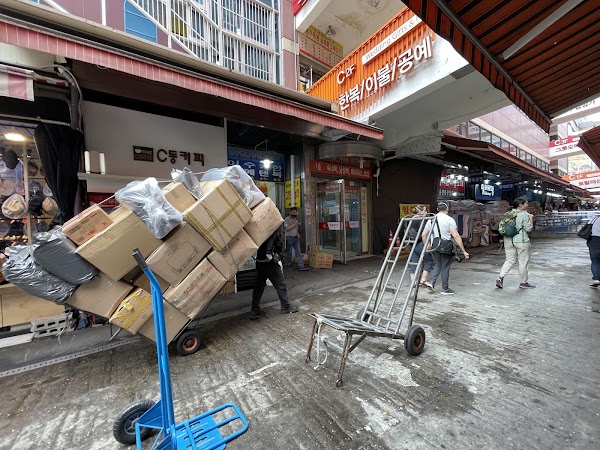
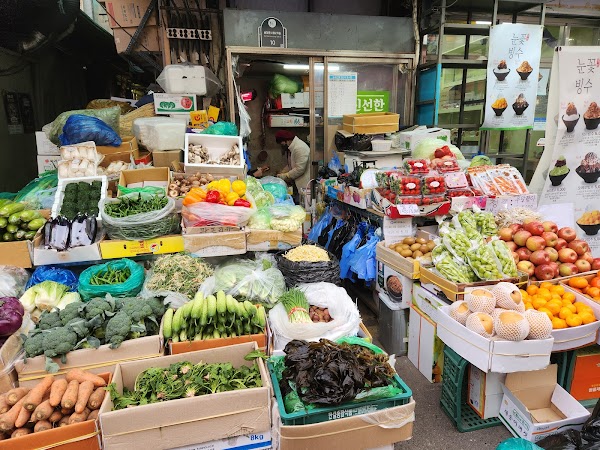
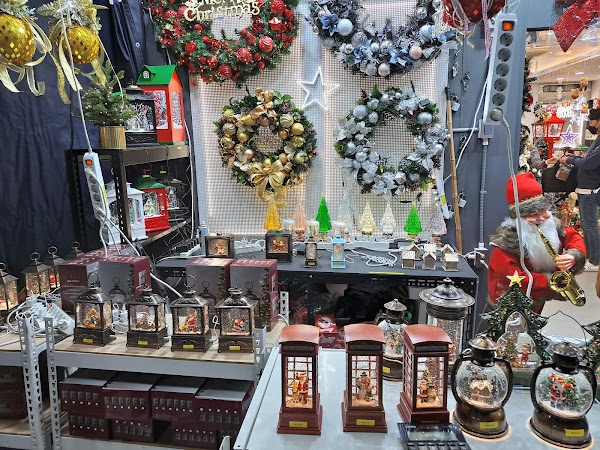
Namdaemun Market, established in 1414, is South Korea's oldest and largest traditional market, boasting over 10,000 vendors and retailers. Located near the historic Namdaemun Gate, the market is a labyrinth of stalls and shops, offering an eclectic array of merchandise. From traditional Korean costumes to modern electronics, Namdaemun Market has something for every taste and budget. One of its unique features is the wholesale market, which operates overnight, attracting retailers from across the country. The market is also renowned for its vast selection of used camera equipment, making it a haven for photography enthusiasts. Visitors can also find streets dedicated to children's clothing, hanbok (traditional Korean dress), and eyeglasses. Beyond shopping, Namdaemun Market is a vibrant hub for street food. Stalls line the alleys, offering a tantalizing array of Korean delicacies, including dumplings, noodles, and pan-fried treats. The market's vibrant atmosphere and endless discoveries make it a must-visit destination for anyone seeking an authentic Korean shopping experience.Nighttime Shopping Experience
Namdaemun Market, a bustling hub of activity in Seoul, transforms into a vibrant shopping paradise as night falls. Open 24 hours a day, this traditional market offers a unique and immersive experience for those seeking a nocturnal shopping adventure. As darkness envelops the city, Namdaemun Market awakens, its narrow alleys illuminated by a myriad of neon lights and lanterns. The air fills with the tantalizing aromas of street food vendors grilling delectable treats, from crispy tteokbokki to savory odeng. Shoppers browse an eclectic array of goods, from traditional Korean handicrafts and souvenirs to trendy fashion accessories and electronics. The market's labyrinthine streets are a treasure trove for bargain hunters and collectors alike. Vendors display their wares in makeshift stalls, offering everything from vintage clothing and antique jewelry to handmade ceramics and unique artwork. As the night wears on, the atmosphere becomes more lively, with impromptu performances by street musicians and the chatter of locals and tourists alike. Namdaemun Market is not just a shopping destination; it's a cultural immersion. Visitors can witness the vibrant energy of Seoul's nightlife, interact with friendly locals, and savor the authentic flavors of Korean street food. Whether you're seeking one-of-a-kind souvenirs, trendy fashion finds, or simply a glimpse into the heart of Seoul's shopping culture, Namdaemun Market's nighttime experience is an unforgettable adventure.Wholesale Market for Retailers
Namdaemun Market, the largest wholesale market in South Korea, is a bustling hub for retailers seeking a vast array of merchandise. With over 10,000 wholesalers operating through ND Market's platform, retailers can access a comprehensive selection of products, ranging from accessories and children's wear to pet supplies and homeware. ND Market's innovative platform streamlines the wholesale process, allowing retailers to manage customer orders, process payments, and arrange efficient delivery without the need for physical visits. This digitization has empowered Namdaemun merchants to prioritize product development and expand their reach. Namdaemun Market's global aspirations are evident in its participation in international trade fairs like "SEASONS Hong Kong: Fashion Jewellery & Accessories Fair." The market's success in exporting 60% of its transactions underscores its significance in the global wholesale market. One unique service offered by ND Market is its professional photography studio, which provides high-quality product images for wholesalers. This eliminates the inconvenience and expense of individual sample purchases and photography for retailers. ND Market's commitment to innovation extends to its cost-effective delivery solutions. By consolidating products from multiple suppliers into a single shipping box, retailers can minimize delivery charges. Additionally, the market offers direct delivery to end consumers, reducing delivery time and enhancing customer satisfaction. Namdaemun Market's strategic location in Seoul, adjacent to the historic Namdaemun gate, provides easy access for retailers and tourists alike. Its proximity to Seoul Station and Hoehyeon subway station ensures convenient transportation. In conclusion, Namdaemun Market, through ND Market's platform, offers retailers an unparalleled wholesale experience. Its vast product selection, streamlined processes, innovative services, and global reach make it an essential destination for businesses seeking a competitive edge in the retail industry.
2
Deoksugung Palace
View on map
Audio Narrations
Einführung
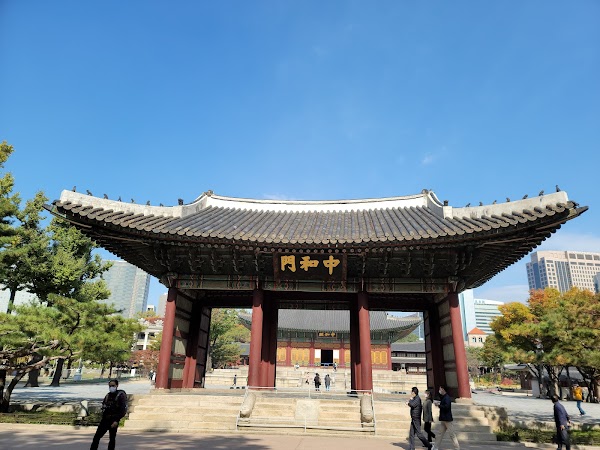
Deoksugung Palast, eingebettet im Herzen von Seoul, ist eine fesselnde Mischung aus traditioneller koreanischer Architektur und westlichen Einflüssen. Im 15. Jahrhundert als königliche Residenz erbaut, wurde er später von Kaiser Gojong im frühen 20. Jahrhundert erweitert und renoviert. Der Palast bietet eine vielfältige Auswahl an Bauwerken, darunter die prachtvolle Junghwajeon Halle, die elegante Seokjojeon Halle, entworfen vom britischen Architekten John Reginald Harding, und die malerische Jeonggwanheon Halle, ein Pavillon im westlichen Stil mit einer einzigartigen Verschmelzung koreanischer und europäischer Elemente. Der Deoksugung Palast ist auch bekannt für seinen ruhigen Garten, der traditionelle koreanische Landschaftsgestaltung harmonisch mit modernen Springbrunnen und Skulpturen verbindet. Das Palastgelände ist im Herbst mit leuchtendem Herbstlaub geschmückt, was es zu einem beliebten Ziel für Naturliebhaber macht.Westlicher Einfluss in der koreanischen Architektur
Der Deoksugung Palast ist ein Beweis für die faszinierende Verschmelzung koreanischer und westlicher Architekturstile. Er wurde im 15. Jahrhundert erbaut und erfuhr im frühen 20. Jahrhundert unter Kaiser Gojong, der westliche Einflüsse annahm, bedeutende Renovierungen. Der Jeonggwanheon Pavillon des Palastes, erbaut im Jahr 1900, ist ein Beispiel für diese Mischung. Sein westliches Design, komplett mit einer Backsteinfassade und Bogenfenstern, steht im Kontrast zu den traditionellen koreanischen Dächern der umliegenden Gebäude. Das Seokjojeon, ein weiteres Gebäude im westlichen Stil, war ursprünglich für eine britische Firma gedacht, wurde aber später von Japan erworben und wurde zu einer japanischen Kunstgalerie. Seine europäisch inspirierte Fassade mit ihrem symmetrischen Design und den filigranen Details sticht inmitten der traditionelleren Strukturen des Palastes hervor. Diese westlichen Einflüsse beschränken sich nicht auf einzelne Gebäude; sie durchdringen das gesamte Design des Palastes. Die Verwendung von Backsteinarkaden und Veranden, die an chinesische Kompradorarchitektur erinnern, ist in mehreren Palaststrukturen zu sehen, darunter das Jungmyeongjeon-Gebäude und die Gebäude des kaiserlichen Gästehauses. Diese Verschmelzung östlicher und westlicher Elemente schafft eine einzigartige architektonische Landschaft, die den kulturellen Austausch und die Modernisierung widerspiegelt, die während der späten Joseon-Zeit Koreas stattfanden.Historisches Wahrzeichen
Der Deoksugung-Palast, eingebettet im Herzen von Seoul, ist ein Zeugnis für Koreas reiche Geschichte und architektonisches Können. Im Gegensatz zu anderen prunkvollen Palästen in Seoul besticht Deoksugung durch eine fesselnde Mischung aus traditionellen koreanischen und westlichen Einflüssen, die die transformative Ära der späten Joseon-Dynastie widerspiegelt. Ursprünglich eine königliche Residenz, entwickelte sich Deoksugung im frühen 20. Jahrhundert zu einem Symbol für Koreas Modernisierungsbestrebungen. Kaiser Gojong, der die Beziehungen zum Westen stärken wollte, beauftragte den Bau von Seokjojeon, einem prächtigen Neo-Renaissance-Palast, der vom britischen Architekten John Reginald Harding entworfen wurde. Dieses architektonische Wunderwerk, in dem sich heute die Korean Empire History Hall befindet, zeigt die Verschmelzung europäischer Pracht mit koreanischer Ästhetik. Der einzigartige Charme von Deoksugung geht über seine architektonischen Wunder hinaus. Das Palastgelände ist mit ruhigen Gärten, einem malerischen Steinmauerweg und dem National Museum of Art geschmückt, das eine vielfältige Sammlung koreanischer und internationaler Meisterwerke zeigt. Die Zeremonie der Wachablösung der königlichen Garde, die täglich vor dem Daehanmun-Tor stattfindet, bietet einen Einblick in die königliche Vergangenheit des Palastes. Eine Tragödie ereignete sich in Deoksugung im Jahr 1904, als ein verdächtiges Feuer die Hamnyengjeon-Halle, die Privatresidenz von Kaiser Gojong, verwüstete. Die Ursache des Feuers ist bis heute geheimnisumwittert, wobei einige eine japanische Beteiligung vermuten. Trotz dieses Rückschlags wurden in Deoksugung umfangreiche Restaurierungsarbeiten durchgeführt, um seine historische Bedeutung für kommende Generationen zu bewahren. Heute steht der Deoksugung-Palast als lebendiges Zeugnis für Koreas Widerstandsfähigkeit und kulturelle Entwicklung. Seine einzigartige Mischung aus architektonischen Stilen, historischer Bedeutung und kulturellen Angeboten macht ihn zu einem Muss für jeden, der eine eingehende Erkundung von Koreas reicher Vergangenheit sucht.
3
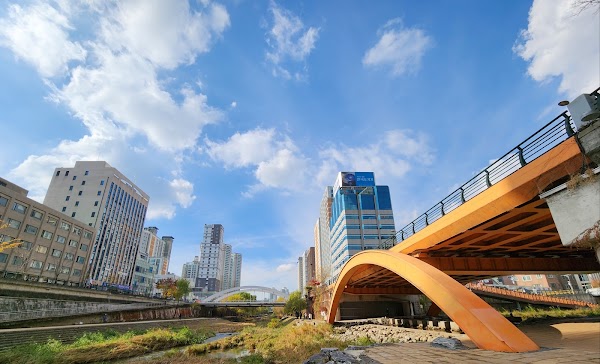
Cheonggyecheon
View on map
Audio Narrations
Introduction
The Cheonggyecheon, a 10.9-kilometer stream flowing through downtown Seoul, South Korea, offers a captivating glimpse into the city's past and present. Once a natural stream, it served as part of Seoul's early sewerage system until the mid-20th century. However, rapid economic development and deteriorating conditions led to the stream being covered with concrete and replaced with an elevated freeway, the Cheonggye Expressway, in 1976. In 2003, Mayor Lee Myung-bak initiated a project to restore the stream, dismantling the expressway and uncovering the buried waterway. This ambitious undertaking, completed in 2005 at a cost of over ₩386 billion (approximately US$281 million), transformed the urban landscape, replacing the concrete jungle with a vibrant green oasis. The Cheonggyecheon restoration project has been lauded as a major success in urban renewal and beautification. The stream, now teeming with fish, birds, and insects, has become a popular destination for residents and tourists alike. The project has also contributed to a decrease in traffic congestion and an increase in the use of public transportation. Beyond its environmental and aesthetic benefits, the Cheonggyecheon restoration project holds historical significance. The stream's name, meaning "clear stream creek," reflects its role as a vital water source for the city. The restoration project unearthed ancient pillars, remnants of the former highway, serving as reminders of the city's evolution. The Cheonggyecheon restoration project stands as a testament to Seoul's commitment to environmental sustainability and urban renewal. It has transformed a once-neglected waterway into a thriving ecosystem and a beloved public space, offering a glimpse into the city's rich history and its vision for a greener future.Sustainable Design
Cheonggyecheon: A Model of Sustainable Urban Design in Seoul Cheonggyecheon, a 5.8km-long stream flowing through the heart of Seoul, South Korea, stands as a testament to the power of sustainable urban design. Once a concrete-encased highway, the stream was restored in 2005, transforming the city and showcasing innovative approaches to environmental, social, and economic sustainability. Environmental Sustainability: * Urban Heat Island Effect Mitigation: Replacing asphalt with water and greenery significantly reduced the urban heat island effect, lowering temperatures by an average of 3.6°C. * Water Management: The stream's design incorporates natural filtration systems, improving water quality and reducing the burden on the city's sewage system. * Biodiversity Enhancement: The restoration project created a haven for diverse flora and fauna, increasing biodiversity within the urban landscape. Social Sustainability: * Public Space Creation: Cheonggyecheon transformed a congested highway into a vibrant public space, offering recreational opportunities and fostering community interaction. * Improved Air Quality: Replacing traffic with green spaces significantly reduced air pollution, leading to improved public health and well-being. * Cultural Heritage Preservation: The restoration uncovered historical artifacts and revitalized the area's cultural heritage, connecting residents to their past. Economic Sustainability: * Tourism Boost: Cheonggyecheon has become a major tourist attraction, generating revenue and supporting local businesses. * Property Value Increase: The revitalized area has witnessed a rise in property values, contributing to the city's economic growth. * Reduced Transportation Costs: The pedestrian-friendly environment encourages walking and cycling, reducing reliance on cars and associated costs. Cheonggyecheon's success demonstrates the potential of sustainable design to transform urban environments, promoting environmental health, social well-being, and economic prosperity. It serves as an inspiration for cities worldwide seeking to create more livable and sustainable urban spaces.Economic Development
Cheonggyecheon: A Catalyst for Economic Development in Seoul The Cheonggyecheon restoration project in Seoul, South Korea, stands as a remarkable example of how urban renewal can drive economic development. Once a neglected concrete channel, the Cheonggyecheon has been transformed into a vibrant green corridor, attracting visitors and businesses alike. This transformation has had a significant impact on the surrounding area, boosting property values, increasing tourism, and creating new jobs. Prior to the restoration, the Cheonggyecheon was a polluted eyesore, dividing the city and hindering economic activity. The project, completed in 2005, involved removing an elevated highway and restoring the stream to its natural state. This created a 5.8-kilometer-long linear park, complete with walking paths, bike lanes, and lush greenery. The economic impact of the Cheonggyecheon restoration has been substantial. Property values in the surrounding area have increased by an average of 30%, with some areas experiencing increases of over 100%. The project has also attracted new businesses, including hotels, restaurants, and shops, creating thousands of new jobs. Additionally, the Cheonggyecheon has become a major tourist destination, attracting millions of visitors each year. The success of the Cheonggyecheon project demonstrates the power of urban renewal to revitalize cities and drive economic growth. By transforming a neglected space into a vibrant public amenity, the project has created a more attractive and livable environment, attracting investment and boosting the local economy. The Cheonggyecheon serves as a model for other cities around the world looking to revitalize their urban spaces and promote economic development.
4
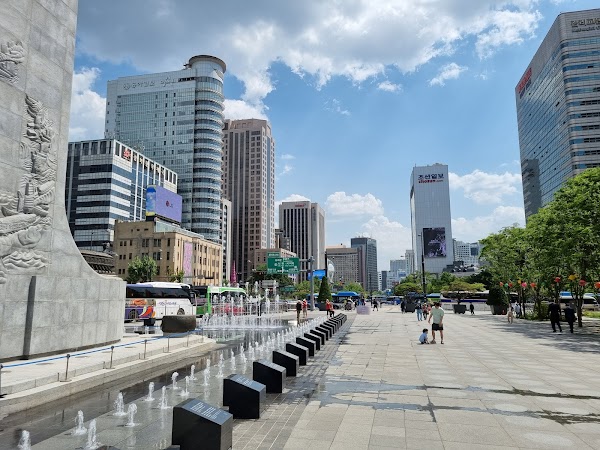
Gwanghwamun Square
View on map
Audio Narrations
Introduction
Gwanghwamun Square, a vibrant public space in Seoul, South Korea, stands as a testament to the city's rich history and modern transformation. Once a bustling 16-lane roadway, the square was transformed in 2009 into a pedestrian-friendly plaza, offering a serene oasis amidst the urban landscape. At the heart of the square stands a majestic statue of King Sejong the Great, revered for his contributions to Korean culture and the creation of the Korean alphabet, Hangeul. His seated figure, inscribed with his title in the Hangeul script, serves as a poignant reminder of his lasting legacy. Nearby, the statue of Admiral Yi Sun-sin commemorates the legendary naval commander's victories against Japanese invaders. A replica of his innovative turtle ship, a formidable warship, rests alongside his pedestal, paying homage to his strategic brilliance. Beneath the statues, an exhibition hall and museum delve into the lives and achievements of these historical figures. The square also features a 12.23 Fountain, symbolizing Admiral Yi's 23 battles with 12 warships during the Japanese invasions. Gwanghwamun Square is not just a historical site but also a vibrant cultural hub. A photo booth offers free traditional Korean attire rentals, allowing visitors to capture memorable moments. The square has hosted numerous events, including the annual Seoul International Marathon and open-air ice-skating during winter. As the sun sets, the square transforms into a magical spectacle. The statues and fountains are illuminated, casting an ethereal glow over the surroundings. Gwanghwamun Square becomes a popular gathering spot for locals and tourists alike, offering a glimpse into Seoul's harmonious blend of tradition and modernity.King Sejong Statue
The King Sejong Statue stands majestically in Gwanghwamun Square, a testament to the revered monarch's legacy. Unveiled in 2009, this golden effigy depicts Sejong seated, his benevolent gaze cast upon the square. The statue's pedestal bears the inscription "Sejong Daewang," a testament to his greatness, inscribed in the Korean alphabet, Hangul, which he himself invented. Flanking the statue are replicas of Sejong's ingenious creations: a celestial globe, a rain gauge, and a sundial. These artifacts symbolize his contributions to science and technology. Visitors can also explore the nearby "Sejong's Story" exhibition hall, which delves into the life and achievements of this extraordinary king. The statue's location in Gwanghwamun Square holds great significance. It stands near Gyeongbokgung Palace, the grandest of Seoul's five grand palaces, and faces the imposing Gwanghwamun Gate, the main entrance to the palace complex. This placement underscores Sejong's pivotal role in Korean history and his enduring legacy as a symbol of national pride.Tourist Destination
Gwanghwamun Square, a bustling hub in the heart of Seoul, beckons tourists with its rich history and cultural significance. As you approach the square, the towering statue of King Sejong the Great, revered for his invention of the Korean alphabet, greets you. Across from him stands Admiral Yi Sun-sin, a legendary naval commander celebrated for his victories against Japanese invaders. Beyond the statues, the square unfolds as a vibrant tapestry of Korean heritage. The 12.23 Fountain, named after Admiral Yi's 23 naval battles, offers a mesmerizing spectacle with its cascading jets. The square's eastern edge features a waterway adorned with 617 stones, each inscribed with a significant event from Korea's past. Gwanghwamun Square is not merely a historical site but also a vibrant gathering place. Its spacious pedestrian zones invite leisurely strolls, while the surrounding buildings house museums, art galleries, and traditional Korean restaurants. As night falls, the square transforms into a captivating spectacle, illuminated by colorful lights and the glow of the surrounding skyscrapers. Whether you seek historical immersion, cultural exploration, or simply a vibrant urban experience, Gwanghwamun Square offers a captivating destination that will leave a lasting impression on your journey through Seoul.
5
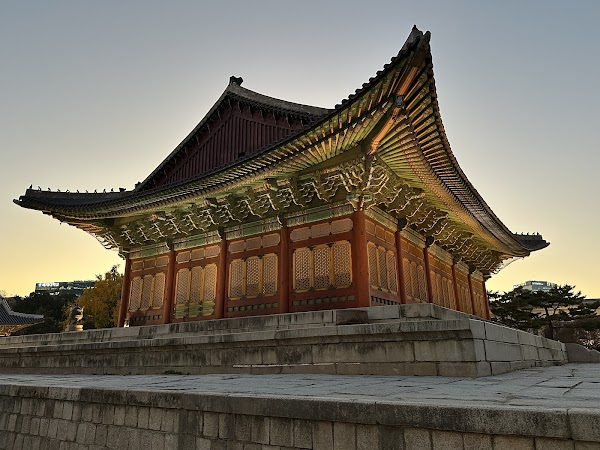
Gyeongbokgung Palace
View on map
Audio Narrations
Introduction
Gyeongbokgung Palace, a UNESCO World Heritage Site, stands as a testament to the grandeur of the Joseon Dynasty. Built in 1395, it was the main royal palace of the dynasty for over 500 years. The palace complex encompasses over 330 buildings, including the majestic Geunjeongjeon Hall, where the king held formal audiences and coronations. Despite being destroyed during the Japanese invasion in 1592, Gyeongbokgung was meticulously rebuilt in 1867. However, during the Japanese occupation from 1910 to 1945, most of the palace was dismantled. In 1990, the South Korean government embarked on a massive restoration project, which continues to this day. Today, Gyeongbokgung Palace is a popular tourist destination, attracting visitors with its stunning architecture, serene gardens, and historical significance. Visitors can witness the Changing of the Guard ceremony, which takes place every hour from 10:00 to 15:00. The palace also houses two museums: the National Folk Museum of Korea and the National Palace Museum of Korea.Historical Landmark
Gyeongbokgung Palace, the grandest and most significant of Seoul's Five Grand Palaces, stands as a testament to the architectural prowess and cultural heritage of the Joseon Dynasty. Built in 1395, this sprawling complex served as the royal residence for over 500 years and played a pivotal role in shaping Korea's history. Beyond its architectural splendor, Gyeongbokgung Palace is renowned for its historical significance. It witnessed the enthronement of numerous Joseon kings, hosted countless diplomatic missions, and served as the backdrop for major political events. The palace's intricate throne hall, Geunjeongjeon, remains a symbol of royal authority, while the elegant Gyeonghoeru Pavilion, perched on an artificial lake, evokes the grandeur of bygone eras. The palace grounds are a treasure trove of historical artifacts and cultural relics. The National Palace Museum of Korea, housed within the palace complex, showcases a vast collection of royal treasures, including intricate ceramics, opulent jewelry, and ancient manuscripts. The National Folk Museum of Korea, also located on the grounds, provides a glimpse into the everyday lives and customs of the Joseon people. Gyeongbokgung Palace is not merely a historical relic but a vibrant cultural hub. Traditional ceremonies, such as the changing of the royal guard, bring the palace's past to life, while special exhibitions and performances showcase the enduring legacy of Korean art and culture. Visitors can wander through the palace's serene gardens, admire its intricate architecture, and immerse themselves in the rich history that permeates every corner of this iconic landmark.National Folk Museum
Nestled within the sprawling grounds of Gyeongbokgung Palace, the National Folk Museum of Korea offers a captivating glimpse into the rich tapestry of Korean traditions and daily life. As you step through the museum's doors, you'll embark on a journey through time, exploring the customs, beliefs, and material culture that have shaped Korean society for centuries. Through meticulously curated exhibits, the museum showcases an array of artifacts that provide insights into the lives of ordinary Koreans. From humble farming tools to intricate ceremonial garments, each object tells a story of the people who used them. You'll learn about the agricultural practices that sustained generations of Koreans, the rituals and festivals that marked the passage of time, and the beliefs that guided their daily lives. One of the museum's highlights is its collection of traditional Korean houses. These structures, meticulously reconstructed, offer a glimpse into the architectural styles and living spaces of different social classes. You'll see the simple yet functional homes of farmers, the elegant residences of aristocrats, and the communal dwellings of extended families. The National Folk Museum is not merely a repository of artifacts; it's a living testament to the enduring spirit of the Korean people. Through its exhibits, you'll gain a profound appreciation for the traditions that have shaped Korea's past and continue to influence its present.
6
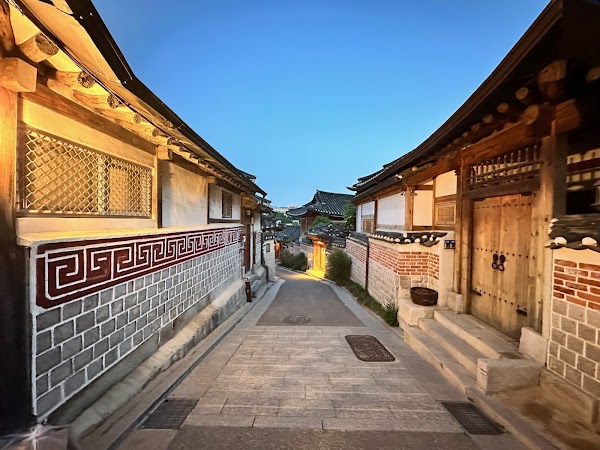
Bukchon Hanok Village
View on map
Audio Narrations
Introduction
Bukchon Hanok Village, nestled between Gyeongbokgung and Changdeokgung Palaces in Seoul, is a captivating neighborhood that transports visitors to the heart of traditional Korean culture. Its narrow, winding streets are lined with over 900 meticulously preserved hanok, or Korean traditional houses, dating back to the Joseon Dynasty. These charming abodes, with their tiled roofs and intricate wooden architecture, offer a glimpse into the lifestyle of Seoul's elite during that era. Today, many of these hanok have been transformed into cultural centers, guesthouses, restaurants, and tea houses, providing visitors with an immersive experience. Strolling through the village, one can admire the intricate craftsmanship of the hanok, adorned with traditional lanterns and vibrant colors. The neighborhood is also home to art galleries, workshops, and boutiques, showcasing the vibrant contemporary art scene of Seoul. Bukchon Hanok Village is a living, breathing community, where residents still reside amidst the historical charm. Visitors are encouraged to respect the privacy of the locals and observe the designated quiet zones to preserve the tranquility of the neighborhood. Despite its popularity as a tourist destination, Bukchon Hanok Village remains an authentic and captivating representation of Seoul's rich cultural heritage, offering a unique opportunity to experience the beauty and traditions of Korea's past.Hanok Homes
Bukchon Hanok Village, nestled in the heart of Seoul, South Korea, is a captivating enclave that transports visitors to the bygone era of the Joseon Dynasty. This enchanting neighborhood is renowned for its meticulously preserved hanok homes, traditional Korean houses that embody the essence of Korean architecture and culture. Hanok homes in Bukchon Hanok Village are architectural marvels, showcasing the harmony between nature and human ingenuity. Their unique design features include ondol, a radiant floor heating system that provides warmth during the cold winter months, and giwa, intricately crafted roof tiles that adorn the rooftops, adding to the village's picturesque charm. Beyond their aesthetic appeal, hanok homes in Bukchon Hanok Village offer a glimpse into the lifestyles and customs of the Joseon era. Visitors can explore the village's narrow alleys, lined with these charming abodes, and admire their intricate details, such as the traditional wooden doors and latticed windows. Some hanok homes have been transformed into guesthouses, allowing visitors to experience the ambiance of these historic structures firsthand. Bukchon Hanok Village is not merely a tourist destination; it is a vibrant community where the past and present intertwine. Residents continue to live in these hanok homes, preserving the village's authenticity and offering visitors a glimpse into the daily life of a bygone era. The village is also home to numerous traditional craft shops, art galleries, and teahouses, providing visitors with an opportunity to immerse themselves in Korean culture. As the sun sets, Bukchon Hanok Village transforms into a magical realm, with the soft glow of lanterns illuminating the streets and casting an ethereal glow on the hanok homes. It is a perfect time to wander through the village, soaking in its tranquil atmosphere and capturing the essence of traditional Korean architecture.Tourist Attraction
Bukchon Hanok Village, nestled amidst Seoul's modern cityscape, is a captivating tourist attraction that transports visitors to a bygone era. This charming neighborhood, with its labyrinthine alleys and traditional Korean houses called hanoks, offers a glimpse into the rich cultural heritage of South Korea. Strolling through Bukchon Hanok Village is like stepping back in time. The hanoks, meticulously restored and preserved, showcase the architectural ingenuity of the Joseon Dynasty. Each hanok is unique, adorned with intricate carvings, tiled roofs, and traditional courtyards. Visitors can explore these historic homes, some of which have been converted into museums, guesthouses, and tea houses, providing an immersive experience of Korean culture. Beyond its architectural allure, Bukchon Hanok Village is a vibrant hub of activity. Traditional craft shops, art galleries, and charming cafes line the narrow streets, inviting visitors to delve into the local art and culinary scene. The village also hosts cultural events and workshops, offering opportunities to learn about Korean calligraphy, traditional dance, and other aspects of Korean heritage. Despite its popularity as a tourist destination, Bukchon Hanok Village remains a residential neighborhood. Visitors are encouraged to respect the privacy of the residents and adhere to the village's etiquette guidelines, which include minimizing noise levels and refraining from littering. Whether you're a history buff, architecture enthusiast, or simply seeking a unique cultural experience, Bukchon Hanok Village is an unmissable destination in Seoul. Its blend of traditional charm and modern amenities creates an unforgettable journey into the heart of Korean culture.
7
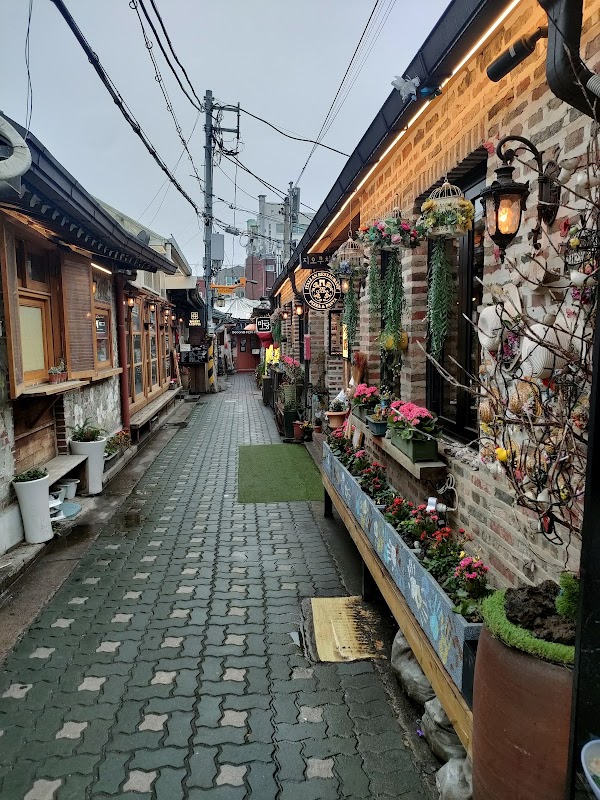
Ikseon-dong Hanok Village
View on map
Audio Narrations
Introduction
Ikseon-dong Hanok Village distinguishes itself from other hanok villages in Seoul through its unique blend of traditional architecture and modern, often quirky, businesses. Unlike the grander, more historically preserved Bukchon, Ikseon-dong offers a more intimate and experimental atmosphere. Many of its hanoks, dating back to the 1920s, have been transformed into trendy cafes, restaurants, and craft shops, retaining their original structures while incorporating contemporary design elements. This juxtaposition creates a captivating visual experience, where exposed wooden beams meet sleek, minimalist interiors. A fun fact is that Ikseon-dong was one of the first urban hanok villages developed during the Japanese colonial period, intended as a modern housing solution. The narrow alleyways, barely wide enough for two people to pass, contribute to its charm and create a sense of discovery around every corner. Look closely, and you might find hidden courtyards transformed into miniature gardens or vintage shops tucked away behind unassuming doors. The village's appeal lies in its ability to offer a glimpse into Seoul's past while simultaneously showcasing its vibrant present.Urban Revitalization
Ikseon-dong Hanok Village exemplifies urban revitalization through its transformation from a declining residential area into a thriving cultural and commercial hub. Originally developed in the 1920s during the Japanese occupation, the village faced demolition in the 1990s and early 2000s to make way for modern apartment complexes, a common fate for older urban neighborhoods. However, efforts to preserve Korean history led to a public art-themed revitalization project, successfully rebranding the area as a cultural attraction. The area's revitalization involved renovating traditional hanoks into trendy cafes, restaurants, galleries, and fashion stores, attracting both tourists and local entrepreneurs. This adaptive reuse preserved key hanok characteristics while accommodating new commercial functions. In 2004, Ikseon-dong was designated as an Urban Environment Improvement Zone, but initial redevelopment plans were halted in 2010 to prioritize hanok preservation. By 2014, the Redevelopment Promotion Committee voluntarily disbanded, paving the way for young entrepreneurs to revitalize the area with retro-themed establishments. In 2015, the Seoul Metropolitan Government implemented a District Unit Plan focused on tourism and regional revitalization. By March 2018, Ikseon-dong was officially designated as a hanok village, managed under the District Unit Plan to revitalize the area, manage hanoks, and boost the local economy. The plan emphasizes preserving existing hanoks, providing financial support for their repair, and limiting building heights to maintain the village's unique character.Café Culture
Ikseon-dong Hanok Village distinguishes itself within Seoul's vibrant café scene through its unique blend of traditional architecture and innovative café concepts. Cheongsudang Bakery, known for its souffle cakes, exemplifies this with its magical ambiance. The café's entrance, adorned with lush greenery, traditional lanterns, and a stone path over a pond, creates a photogenic and calming atmosphere. While the matcha souffle cake may vary in taste, the overall experience makes it a worthwhile visit. Soha Salt Pond is another notable café in Ikseon-dong, famous for its salt bread and picturesque setting that reflects the salt harvesting process. The café's popularity often results in queues, particularly during peak hours. Ikseon-dong's cafés contribute significantly to the village's charm, offering visitors a chance to experience traditional Korean architecture while enjoying contemporary café culture. These establishments often blend seamlessly with the historic surroundings, enhancing the overall appeal of Ikseon-dong as a cultural and culinary destination. The combination of unique themes, artistic desserts, and traditional settings makes Ikseon-dong a must-visit for café enthusiasts exploring Seoul.
8
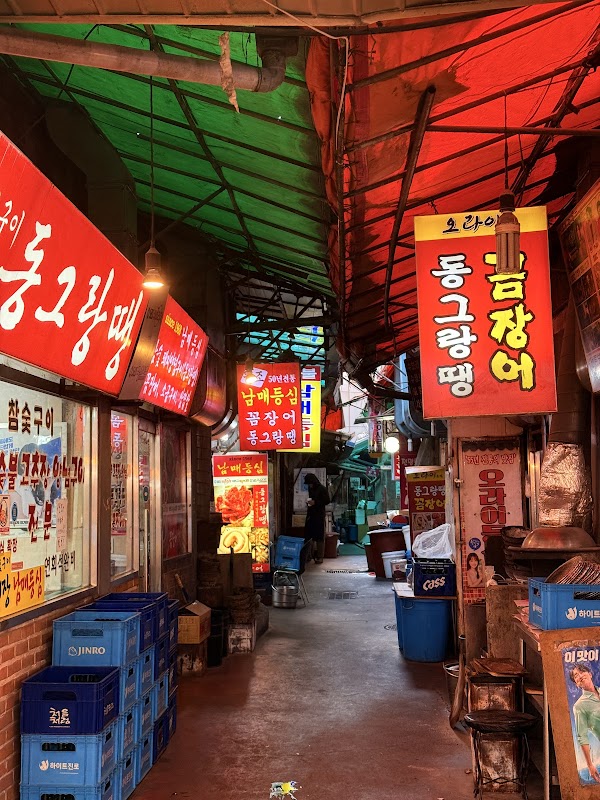
Gwangjang Market
View on map
Audio Narrations
Introduction
Gwangjang Market, nestled in the heart of Seoul, is a vibrant tapestry of Korean culinary traditions and a must-visit for food enthusiasts. Established in 1905, it's the oldest and largest traditional market in South Korea, renowned for its street food and authentic Korean ambiance. The market is a labyrinth of stalls, each offering a tantalizing array of delicacies. From the addictive "mayak gimbap" (narcotic rice rolls) to the spicy "tteokbokki" (rice cakes), there's a culinary adventure at every turn. Don't miss the "bindaetteok" (mung bean pancakes), a Gwangjang Market specialty, or the "soondae" (blood sausage), a unique and flavorful treat. Beyond the food, Gwangjang Market is a cultural immersion. The bustling atmosphere, the friendly vendors, and the vibrant colors create an unforgettable experience. It's a place where locals and tourists alike come together to savor the flavors and traditions of Korean cuisine. One hidden gem within the market is Buchon Yukhoe, a Michelin-starred restaurant specializing in "yukhoe" (raw beef). Despite its accolades, it remains affordable, offering a chance to indulge in culinary excellence without breaking the bank. Gwangjang Market has also gained international fame through its appearances in Netflix's "Street Food Asia" and "Somebody Feed Phil." These shows have showcased the market's vibrant energy and the passion of its vendors, inspiring food lovers worldwide to embark on a culinary pilgrimage to this extraordinary destination.Michelin-Starred Restaurant
Nestled amidst the vibrant alleys of Gwangjang Market, Buchon Yukhoe stands out as a culinary gem, having earned a coveted Michelin star for its exceptional yukhoe, a traditional Korean dish of raw beef. This unassuming eatery has been a beloved destination for locals and discerning foodies alike since 1965. Buchon Yukhoe's fame rests upon its unwavering commitment to freshness and authenticity. The restaurant sources its beef from the finest local farms, ensuring the highest quality and flavor. The yukhoe is meticulously prepared, with each slice cut to perfection and seasoned with a delicate blend of spices. The result is a dish that tantalizes the taste buds with its rich, umami-laden flavor and melt-in-your-mouth texture. Beyond its signature yukhoe, Buchon Yukhoe offers a delectable array of Korean delicacies. The yukhoe bibimbap, a colorful medley of rice, vegetables, and raw beef, is a must-try for those seeking a hearty and flavorful meal. The restaurant's kimchi, made in-house with the finest ingredients, is a testament to the chef's culinary prowess and adds a vibrant kick to any dish. To fully experience the magic of Buchon Yukhoe, plan your visit carefully. The restaurant opens daily from 10:00 am to 4:00 pm and again from 5:00 pm to 9:00 pm. Arrive early to avoid the inevitable queues, as the restaurant's reputation draws a steady stream of patrons eager to savor its culinary delights.Must-Visit Food Destination
Nestled in the heart of Seoul, Gwangjang Market stands as a culinary paradise, a must-visit destination for food enthusiasts seeking an authentic Korean gastronomic experience. This bustling market, established in 1905, is a vibrant tapestry of flavors, aromas, and local culture. Gwangjang Market is renowned for its vast array of street food stalls, offering an eclectic mix of traditional Korean delicacies and modern culinary creations. From the iconic tteokbokki (spicy rice cakes) to the savory bindae-tteok (mung bean pancakes), each dish tantalizes the taste buds with its unique blend of spices and textures. Beyond its street food offerings, Gwangjang Market is also a treasure trove of traditional Korean cuisine. Visitors can indulge in hearty bowls of mandu (dumplings) and guksu (noodles), or savor the delicate flavors of bibimbap (mixed rice with vegetables and meat). The market's vibrant atmosphere, with its friendly vendors and lively crowds, adds to the overall dining experience. For those seeking a deeper culinary immersion, guided food tours are available, led by knowledgeable locals who provide insights into the market's history, food culture, and hidden gems. Whether you're a seasoned foodie or a curious traveler, Gwangjang Market promises an unforgettable gastronomic adventure, showcasing the rich culinary heritage of Korea.
9
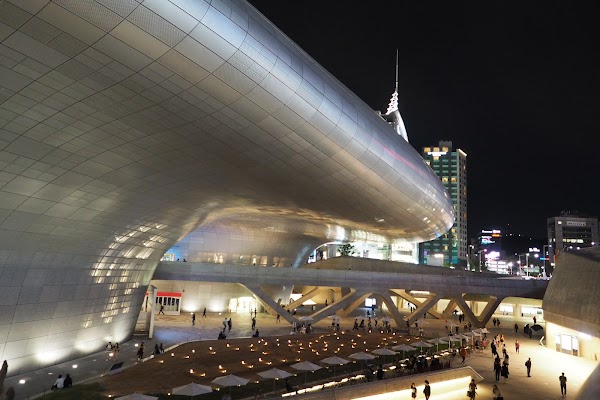
DDP │ Dongdaemun Design Plaza
View on map
Audio Narrations
Introduction
Dongdaemun Design Plaza (DDP) in Seoul, South Korea, is an architectural marvel designed by the late Zaha Hadid. Its exterior boasts over 40,000 aluminum panels, each unique in shape and size. DDP is a cultural hub hosting exhibitions, fashion shows, and conferences. It features art halls, a design museum, and a design lab that supports emerging designers. The plaza is also home to the Igansumun Floodgate, a preserved remnant of Seoul's ancient city wall. DDP's iconic LED Rose Garden, once a popular selfie spot, has been replaced by an equally captivating light garden that illuminates the plaza at night. The building's unique design has made it a popular filming location for Korean dramas, including "You Who Came from the Stars" and "She Was Pretty.Photography Destination
For photography enthusiasts, the DDP │ Dongdaemun Design Plaza in Seoul, South Korea, presents a captivating canvas of architectural wonders and artistic expressions. Its iconic, futuristic silhouette, designed by the renowned Zaha Hadid, offers a striking backdrop for capturing unique and dynamic shots. The interplay of light and shadow across its curved surfaces creates a mesmerizing spectacle, especially during the golden hour. Venture inside to discover a treasure trove of photographic opportunities. The Formative Stairs, with their sinuous, ever-changing shape, provide an abstract and visually arresting subject. The LED Rose Garden, adorned with thousands of twinkling lights, transforms into a magical wonderland after sunset, inviting photographers to capture its ethereal beauty. Beyond its architectural marvels, DDP │ Dongdaemun Design Plaza hosts a diverse range of exhibitions that cater to photography enthusiasts. From cutting-edge contemporary art installations to immersive multimedia displays, there's always something new and inspiring to photograph. The Design Museum within the complex showcases the latest trends in Korean design, offering insights into the country's vibrant creative scene. Whether you're an aspiring photographer seeking inspiration or a seasoned professional looking to expand your portfolio, DDP │ Dongdaemun Design Plaza is a must-visit destination. Its unique blend of architecture, art, and innovation provides endless opportunities to capture stunning and memorable images.Zaha Hadid
Zaha Hadid's architectural prowess shines through in the DDP, a testament to her visionary designs. The structure's fluid curves and geometric shapes, a hallmark of Hadid's style, create an otherworldly presence in the heart of Seoul. The DDP's facade is a symphony of 45,133 aluminum panels, each meticulously crafted and unique, a testament to Hadid's attention to detail and her ability to push the boundaries of construction. The building's interior is equally captivating, with its seamless flow of spaces and abundance of natural light. Hadid's mastery of light and shadow is evident in the DDP's ever-changing appearance, which transforms with the movement of the sun and the city's vibrant energy. The DDP stands as a testament to Hadid's unwavering commitment to innovation and her ability to create structures that transcend mere functionality, becoming iconic landmarks that inspire and captivate.
10
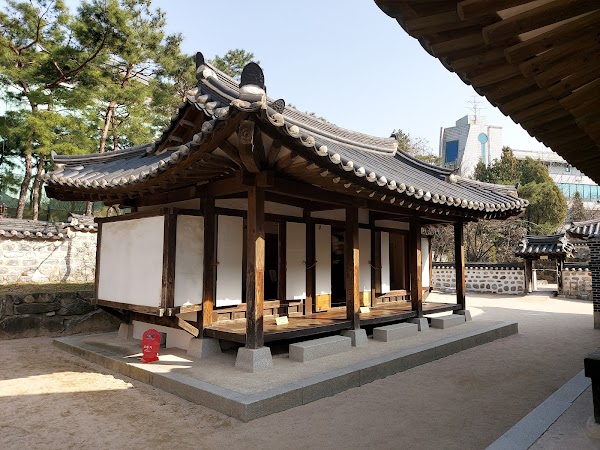
Namsangol Hanok Village
View on map
Audio Narrations
Introduction
Namsangol Hanok Village, nestled in the heart of Seoul, South Korea, transports visitors back to the Joseon Dynasty era. This meticulously recreated village showcases five traditional Korean houses, known as hanoks, each reflecting the unique characteristics of their former owners, from high-ranking officials to royalty. Stroll through the village and admire the intricate architecture, with its sloping roofs, delicate latticework, and serene courtyards. Immerse yourself in the cultural heritage by participating in traditional activities like hanbok fitting, falconry demonstrations, and calligraphy lessons. Explore the Time Capsule Plaza, where a treasure trove of 600 items representing Seoul's essence awaits discovery in 2394. As you wander through the village, be captivated by the picturesque landscape, with its traditional garden, pavilions, and a serene pond. Namsangol Hanok Village offers a glimpse into the rich history and cultural tapestry of Korea, providing a unique and unforgettable experience for visitors of all ages.Urban Oasis
Nestled amidst the bustling metropolis of Seoul, Namsangol Hanok Village emerges as a tranquil oasis, transporting visitors to a bygone era of serenity and cultural immersion. This meticulously preserved traditional Korean village, with its charming hanok houses, offers a unique glimpse into the architectural heritage and lifestyle of the Joseon Dynasty. As you step through the village's gates, the cacophony of the city fades away, replaced by the gentle rustling of leaves and the soft chirping of birds. The narrow alleys, lined with quaint hanok houses, invite you to explore their intricate details, from the gracefully curved roofs to the delicate latticework windows. Each house whispers stories of a simpler time, where families gathered around communal hearths and life unfolded at a slower pace. Beyond the architectural marvels, Namsangol Hanok Village provides a haven for nature lovers. Lush gardens, adorned with vibrant blooms and tranquil ponds, offer a respite from the urban jungle. The village's central pavilion, with its traditional Korean teahouse, invites you to savor a cup of aromatic tea while soaking in the serene atmosphere. As the sun begins its descent, the village transforms into a magical realm. The soft glow of lanterns illuminates the hanok houses, casting intricate shadows on the cobblestone paths. The sound of traditional Korean music fills the air, creating an ambiance of timeless beauty. Namsangol Hanok Village is not merely a historical site; it is a living testament to Korea's rich cultural heritage. Visitors can participate in traditional activities such as calligraphy, papermaking, and folk games, gaining firsthand experience of the Joseon Dynasty's customs and traditions. Whether you seek a tranquil escape from the city's hustle and bustle or a deeper understanding of Korean culture, Namsangol Hanok Village offers an unparalleled urban oasis experience. Its unique blend of history, architecture, and nature creates a sanctuary where time seems to stand still, allowing visitors to connect with the essence of Korea's past and present.Time Capsule
Namsangol Hanok Village in Seoul, South Korea, transcends its role as a historical landmark and transforms into a captivating time capsule, transporting visitors to a bygone era. Nestled amidst towering skyscrapers, this meticulously preserved village offers a glimpse into the architectural heritage and traditional way of life that defined Korea's past. Step through the village's gates, and you'll be greeted by an array of meticulously restored hanok houses, each whispering tales of a simpler time. These traditional Korean dwellings, with their sloping roofs and intricate wooden structures, embody the essence of Korean architecture. As you wander through the narrow alleyways, imagine the daily lives of the families who once called these houses home. Venture into the Time Capsule Exhibition Hall, where a treasure trove of artifacts awaits. Unearth centuries-old pottery, marvel at intricate embroidery, and discover the tools and implements that shaped daily life in ancient Korea. Each object serves as a tangible link to the past, offering insights into the customs, beliefs, and traditions that defined Korean society. Delve deeper into the time capsule experience by participating in a traditional Korean tea ceremony. As you savor the delicate flavors of the tea, imagine the generations who have gathered in similar settings, sharing stories and forging bonds over steaming cups. The ceremony becomes a portal to the past, allowing you to connect with the spirit of Korean hospitality and cultural heritage. Namsangol Hanok Village is not merely a collection of buildings; it's a living, breathing time capsule that invites you to step back in time and experience the essence of Korea's rich history and cultural heritage. From the architectural marvels to the everyday objects, every element whispers tales of a bygone era, offering a profound appreciation for the nation's traditions and the resilience of its people.
11
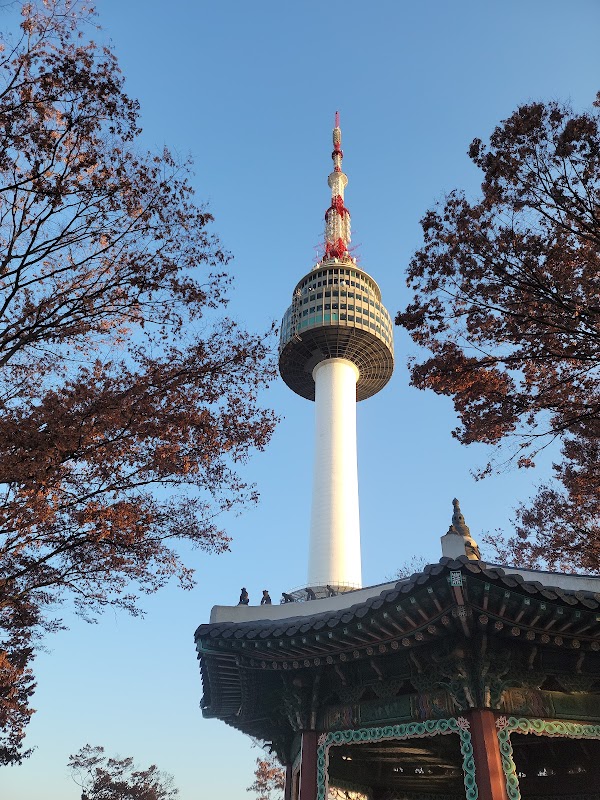
N Seoul Tower
View on map
Audio Narrations
Einführung
Der N Seoul Tower, auch bekannt als der Namsan Tower, ist ein Wahrzeichen von Seoul, Südkorea. Er ist ein Kommunikations- und Aussichtsturm auf dem Gipfel des Namsan Berges und bietet einen atemberaubenden 360-Grad-Blick auf die Stadt. Mit einer Höhe von 236 Metern wurde der N Seoul Tower im Jahr 1969 erbaut und ist der zweithöchste Punkt in Seoul. Er ist ein beliebtes Touristenziel und zieht jährlich über 8,4 Millionen Besucher an. Der Turm verfügt über eine Aussichtsplattform, ein digitales Observatorium, ein Restaurant und einen Souvenirladen. Eine der beliebtesten Attraktionen des N Seoul Towers ist der "Liebesschlösser"-Zaun. Paare gravieren ihre Namen oder Botschaften auf Vorhängeschlösser und befestigen sie als Symbol ihrer ewigen Liebe am Zaun. Der Turm bietet auch eine Vielzahl von gastronomischen Angeboten, darunter ein Drehrestaurant mit Panoramablick auf die Stadt. Der N Seoul Tower ist leicht mit der Seilbahn, dem Shuttlebus oder dem Stadtrundfahrtbus erreichbar. Er ist ein Muss für jeden Seoul-Besucher und bietet atemberaubende Ausblicke, kulturelle Erlebnisse und ein romantisches Ambiente.Namsan Berg
Eingebettet auf dem Namsan Berg thront der ikonische N Seoul Tower als ein Leuchtfeuer der Romantik und atemberaubender Panoramen. Mit einer Höhe von 236 Metern bietet der Turm unvergleichliche Ausblicke auf die geschäftige Metropole darunter, wobei sich der Han-Fluss durch das Stadtbild schlängelt. Die einzigartige Lage des Turms auf dem Namsan Berg bietet eine besondere Perspektive auf Seoul. Von seiner Aussichtsplattform aus können Besucher die Transformation der Stadt von einer historischen Hauptstadt zu einer modernen Metropole erleben. Die umliegenden Berghänge bieten eine ruhige Flucht vor der Hektik der Stadt, mit Wanderwegen, die sich durch üppiges Grün schlängeln. Der N Seoul Tower ist mehr als nur ein Touristenziel; er ist ein Symbol für Liebe und Hingabe. Paare strömen zum Turm, um ihre Liebe am ikonischen "Locks of Love"-Zaun zu verewigen, ein Beweis für ihre ewige Bindung. Das romantische Ambiente des Turms wird durch das Namsan Hanok Village, ein traditionelles koreanisches Dorf am Fuße des Berges, noch verstärkt und bietet einen Einblick in das reiche kulturelle Erbe der Stadt. Der N Seoul Tower ist ein Beweis für die harmonische Verbindung von Natur und Moderne, die Seoul auszeichnet. Seine einzigartige Lage auf dem Namsan Berg bietet einen Aussichtspunkt, um die Vergangenheit, Gegenwart und Zukunft der Stadt zu würdigen, was ihn zu einem unvergesslichen Erlebnis für Besucher macht, die ein tieferes Verständnis der koreanischen Hauptstadt suchen.Namsan Seilbahn
N Seoul Tower: Ein atemberaubender Aufstieg mit der Namsan Seilbahn Hoch über der pulsierenden Stadt thront der N Seoul Tower als Leuchtfeuer der Romantik und des Panoramablicks. Während zahlreiche Wege zu seinem Gipfel führen, bietet die Namsan Seilbahn einen einzigartig aufregenden Aufstieg, der die Reise in ein unvergessliches Erlebnis verwandelt. Mühelos den Namsan Berg hinaufgleitend, enthüllt die Seilbahn atemberaubende Ausblicke auf die weitläufige Metropole unter Ihnen. Glänzende Wolkenkratzer durchbohren den Himmel, während sich der Han-Fluss seinen Weg durch die urbane Landschaft schlängelt und die pulsierende Energie der Stadt widerspiegelt. Während Sie aufsteigen, tauchen ikonische Wahrzeichen wie der Gyeongbokgung Palast und das Bukchon Hanok Dorf auf und bieten Einblicke in Seouls reiche Geschichte und kulturelles Erbe. Die Seilbahn selbst wird zu einer Oase der Ruhe inmitten der geschäftigen Stadt. Die geräumigen Kabinen bieten ausreichend Platz zum Entspannen, sodass Sie die faszinierenden Ausblicke genießen und perfekte Momente festhalten können. Während Sie sich dem Gipfel nähern, steigt die Vorfreude und gipfelt in einer grandiosen Ankunft am Fuße des ikonischen N Seoul Tower. Von diesem Aussichtspunkt aus erweitert sich das Panorama noch weiter und umfasst die gesamte Stadt Seoul und die umliegenden Berge. Der lebendige Teppich der Stadt entfaltet sich vor Ihnen und enthüllt verborgene Schätze und ikonische Wahrzeichen in atemberaubender Detailgenauigkeit. Das Erlebnis der Namsan Seilbahn geht über den bloßen Transport hinaus und wird zu einem integralen Bestandteil des N Seoul Tower-Erlebnisses, das eine Geschichte von Romantik, Abenteuer und atemberaubender Schönheit webt.
Experience the Full Tour
Download the DocentPro app to access all tour stops, complete audio narrations in multiple languages, offline maps, and interactive features.