
Busan's Cultural Tapestry: A Journey Through History and Tradition

Walking Tour

0.0 km (0.0 miles)

6 Stops

Busan, South Korea
Busan's Cultural Tapestry: A Journey Through History and Tradition
Tour Stops
1
Jagalchi Market
View on map
Audio Narrations
English
Introduction
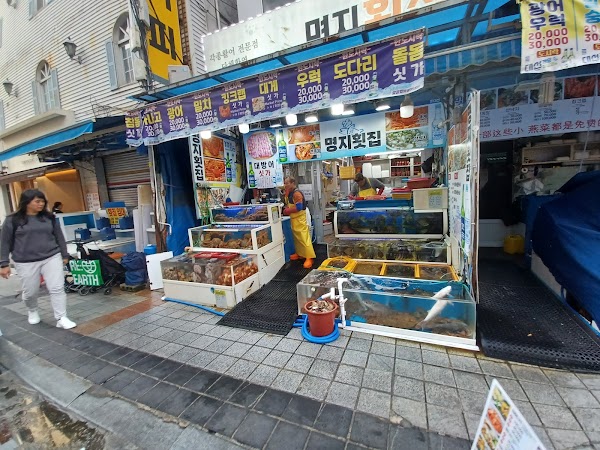
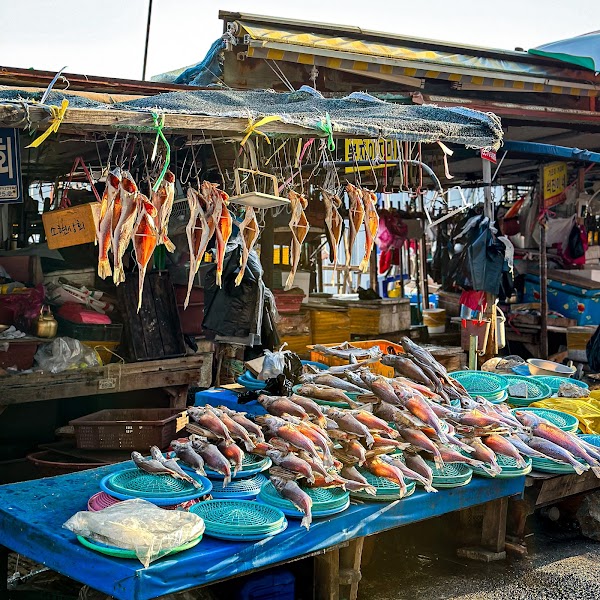
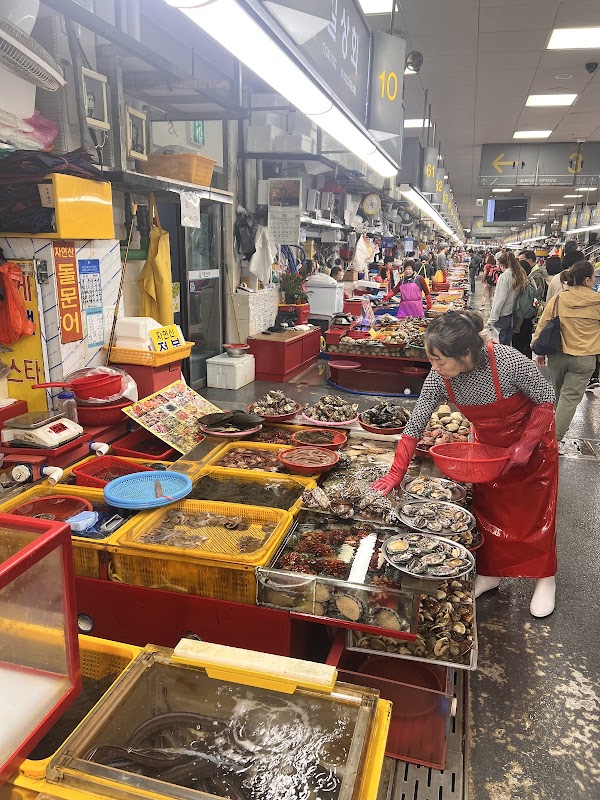
Jagalchi Market, nestled in the heart of Busan, South Korea, is a vibrant and bustling seafood market that ranks among the largest in the country. Its name, derived from the words "jagal" (gravel) and "chi" (place by the sea), reflects its historical location surrounded by gravel. Today, the market is a modern architectural marvel, with an indoor section housing live fish and shellfish on the ground floor and restaurants serving freshly prepared seafood on the second floor. The outdoor section offers a diverse array of dried seafood products. Jagalchi Market is renowned for its "Jagalchi Ajumma," the female vendors who have played a vital role in the market's success since the post-Korean War era. These women, known for their spirited personalities and sharp business acumen, are a testament to the market's resilience and the strength of female entrepreneurship in South Korea. One of the market's unique attractions is the opportunity to purchase live seafood and have it prepared to your liking at one of the many restaurants upstairs. This immersive experience allows visitors to witness the culinary artistry of skilled chefs and savor the freshest seafood delicacies. Jagalchi Market is not only a culinary paradise but also a cultural hub. It hosts the annual Busan Jagalchi Festival, a vibrant celebration featuring traditional performances, food competitions, and the iconic "Oiso! Boiso! Saiso!" (Come! See! Buy!) slogan. For those seeking an authentic and unforgettable seafood experience in South Korea, Jagalchi Market is an unmissable destination. Its vibrant atmosphere, diverse offerings, and historical significance make it a must-visit for both locals and tourists alike.Marine Life Diversity
Jagalchi Market, a bustling hub of marine life diversity, beckons enthusiasts with its unparalleled array of aquatic wonders. Nestled in the heart of Busan, South Korea, this vibrant market showcases a breathtaking spectrum of marine species, from the familiar to the extraordinary. Strolling through the labyrinthine alleys, visitors are greeted by a symphony of colors and textures. Live tanks teem with an astonishing variety of fish, their scales shimmering like iridescent jewels. Giant crabs, their claws poised menacingly, tower over smaller specimens. Eels slither gracefully through the water, their serpentine bodies a testament to the market's diverse offerings. Beyond the tanks, vendors display an array of dried and preserved marine life. Sea urchins, their spiny exteriors a testament to their adaptability, share space with dried fish larvae, their delicate forms suspended like ethereal mobiles. The pungent aroma of dried squid fills the air, mingling with the salty tang of the sea. Jagalchi Market is not merely a marketplace; it is a living testament to the richness of Busan's marine ecosystem. Here, visitors can witness the daily rituals of local fishermen and seafood enthusiasts, gaining a glimpse into the intricate web of life that sustains this vibrant coastal city.Tourist Attraction
Jagalchi Market, nestled in Busan's vibrant Nampo-dong neighborhood, is a culinary paradise and a must-visit destination for tourists seeking an authentic Korean market experience. As the largest fish market in South Korea, Jagalchi boasts an astounding array of fresh and dried seafood, from live crabs and lobsters to exotic delicacies like sea cucumbers and hagfish. The market's lively atmosphere is palpable, with vendors enthusiastically hawking their wares and the constant hum of bargaining. Beyond its seafood offerings, Jagalchi Market is renowned for its female vendors, known as "Jagalchi Ajumma." These women, who have traditionally dominated the market since the post-Korean War era, are known for their sharp business acumen and friendly banter. They add a unique charm to the market, offering insights into local culture and culinary traditions. For tourists, Jagalchi Market presents a captivating blend of culinary exploration and cultural immersion. Visitors can witness the morning setup, where vendors prepare their stalls with an array of fresh catches, or browse the dried seafood section for unique souvenirs. The market also hosts the Busan Jagalchi Festival in autumn, a vibrant celebration featuring singing, dancing, and the opportunity to sample fresh seafood delicacies. Whether you're a seasoned foodie or simply curious about Korean culture, Jagalchi Market is an unmissable destination. Its vibrant atmosphere, diverse seafood offerings, and friendly vendors make it a truly unforgettable experience for tourists seeking an authentic and immersive market adventure.
2
BIFF Square
View on map
Audio Narrations
English
Introduction
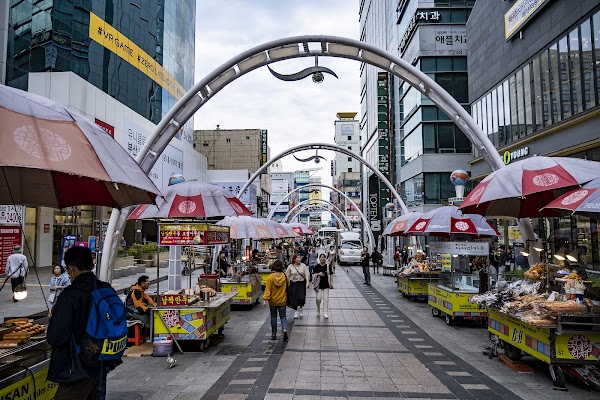
BIFF Square, a vibrant hub in Busan, South Korea, emerged from the ashes of two cinemas built after Korea's liberation from Japanese rule. Renamed in 1996, it became a cultural tourist attraction, contributing to Busan's status as an international cultural destination. The 428-meter-long street, stretching from Buyeong Theater to Chungmu-dong, is divided into "Star Street" and "Festival Street." During the annual Busan International Film Festival, the square hosts events such as hand printing ceremonies and Nunggot Jeomdeung (snow-flower lighting). BIFF Square is a unique district, not only in Asia but also in Europe, boasting a concentration of first-run theaters, shops, and leisure facilities. In recent years, it has evolved into a complex area, attracting a growing number of young visitors and tourists.Diverse Events
BIFF Square, the heart of Busan's cinema district, is a vibrant hub for diverse events throughout the year. During the annual Busan International Film Festival (BIFF), the square transforms into a bustling epicenter of cinematic celebration. Film enthusiasts gather to witness premieres, attend workshops, and catch a glimpse of renowned actors and directors. Beyond the festival, BIFF Square hosts a myriad of cultural events. The Busan Cinema Center, located within the square, showcases local and international films, while the outdoor auditorium hosts screenings and live performances. The square also features art installations, sculptures, and handprints of celebrated filmmakers, inviting visitors to explore the intersection of cinema and art. Furthermore, BIFF Square is a popular destination for street food enthusiasts. Vendors line the streets, offering a tantalizing array of Korean delicacies, from traditional favorites like tteokbokki and gimbap to unique creations inspired by the film industry. The square's vibrant atmosphere and diverse offerings make it a must-visit destination for those seeking a unique and immersive cultural experience in Busan.Modern Movie District
BIFF Square in Busan, South Korea, is a vibrant hub for film enthusiasts, showcasing the country's thriving movie industry. Originally a modest cinema district, it was transformed in 1996 ahead of the inaugural Busan International Film Festival (BIFF). The square's centerpiece is the 428-meter-long Star Street and Festival Street, adorned with handprints of renowned movie celebrities. These imprints immortalize the likes of Wayne Wang, Jeremy Irons, and Zhang Yimou, paying homage to the stars who have graced BIFF's red carpets. Beyond its cinematic allure, BIFF Square has evolved into a bustling entertainment complex. It boasts an array of movie theaters screening the latest releases, along with shops, restaurants, and leisure facilities. The square's vibrant atmosphere attracts a diverse crowd, including young visitors and tourists eager to experience the heart of Busan's film culture. During the annual BIFF, the square transforms into a cinematic wonderland. Red carpet events, film screenings, and industry gatherings draw international stars and cinephiles alike. The festival's opening ceremony features the "Ground Opening the BIFF Square," a spectacle that includes handprint ceremonies and traditional Korean performances. BIFF Square stands as a testament to Busan's status as a major player in the global film industry. Its unique blend of cinematic heritage, modern amenities, and vibrant atmosphere makes it a must-visit destination for anyone seeking an immersive experience in the world of cinema.
3
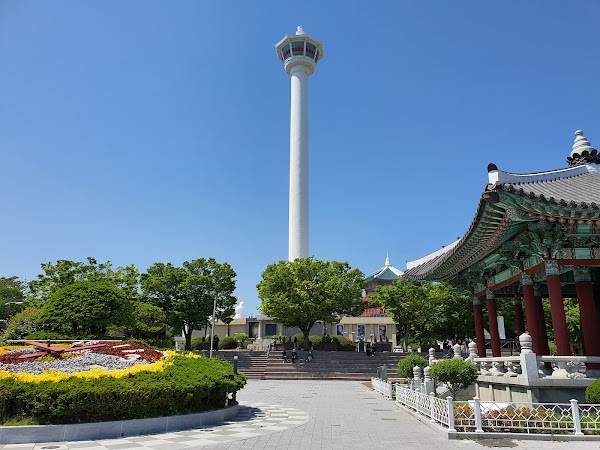
Yongdusan Park
View on map
4
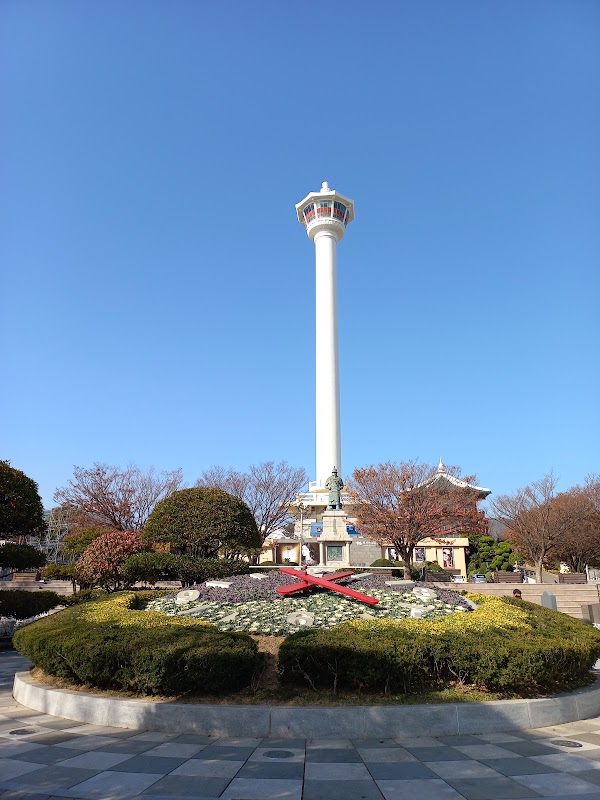
Diamond Tower (Busan Tower)
View on map
5
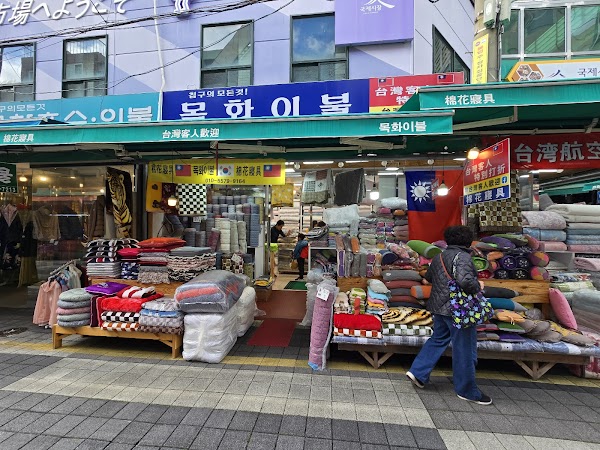
Gukje Market
View on map
Audio Narrations
English
Introduction
Gukje Market, also known as Nampodong International Market, is a bustling hub of commerce in Busan, South Korea. Established during the Korean War, it has grown into a sprawling complex of 12 buildings and countless vendors. The market is renowned for its diverse array of goods, including machinery, kitchenware, clothing, and electronics. Gukje Market is a treasure trove for bargain hunters, with wholesale prices and a vibrant atmosphere. Its narrow alleyways are lined with stalls selling everything from traditional Korean crafts to imported goods. The market is also home to specialized sections, such as Bupyeong Kkangtong Market, a haven for street food enthusiasts. Beyond its commercial offerings, Gukje Market holds cultural significance. It was featured in the 2014 film "Ode to My Father," which depicted the market's role as a refuge for refugees during the Korean War. The market's unique character and historical significance make it a must-visit destination for anyone exploring Busan.Fashion Hub
Gukje Market, a labyrinthine maze of narrow alleyways in Busan's Jung District, is a haven for fashion enthusiasts seeking unique and affordable finds. Known as the "Nampodong International Market," it has evolved from its humble origins as a refugee market during the Korean War to become a bustling hub for wholesale and retail fashion. Within its labyrinthine alleys, shoppers can discover a treasure trove of fashion items, from trendy clothing and accessories to traditional Korean hanbok. The market is particularly renowned for its vast selection of textiles, including bolts of fabric, intricate laces, and vibrant prints. Tailors and seamstresses are also present, offering custom-made garments at competitive prices. Beyond its wholesale offerings, Gukje Market is also a haven for vintage and secondhand fashion. Hidden among the stalls are small boutiques and thrift stores showcasing unique pieces, from retro sunglasses to designer handbags. The market's vibrant atmosphere and friendly vendors create an ideal environment for fashion exploration and bargain hunting.Street Food Paradise
Gukje Market, a bustling labyrinth of stalls and eateries, is a culinary paradise for street food enthusiasts in Busan, South Korea. This vibrant market is a haven for those seeking authentic and affordable Korean flavors. One of Gukje Market's highlights is its vast array of street food vendors, each offering a unique culinary experience. From sizzling tteokbokki, chewy rice cakes smothered in a spicy gochujang sauce, to crispy hotteok, sweet pancakes filled with nuts and cinnamon, the market is a symphony of flavors. Venture deeper into the market, and you'll discover hidden gems like mandu, delicate Korean dumplings filled with savory meats and vegetables, and gimbap, colorful rice rolls packed with fresh ingredients. The market's atmosphere is electric, with the constant chatter of vendors and the tantalizing aromas of grilling meats and bubbling soups. Gukje Market is not just a place to satisfy your cravings; it's a cultural immersion. The market is a microcosm of Korean society, where locals and tourists alike come together to share in the joy of street food. Whether you're a seasoned foodie or a curious traveler, Gukje Market offers an unforgettable culinary adventure that will leave you craving for more.
6
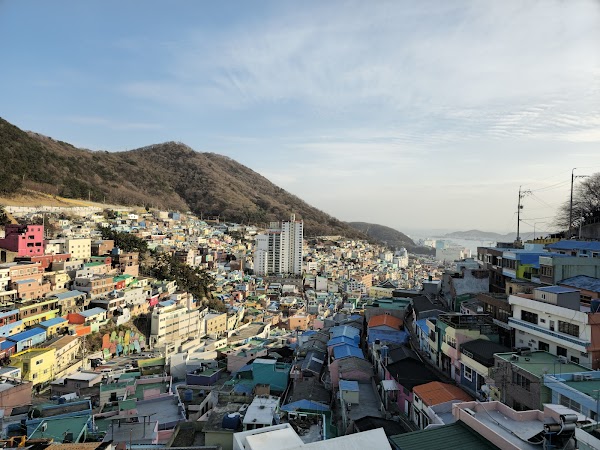
Gamcheon Culture Village, Busan
View on map
Audio Narrations
English
Introduction
Nestled amidst the hills of Busan, Gamcheon Culture Village is a vibrant tapestry of colorful houses, whimsical street art, and breathtaking views. Once a humble fishing village, it has been transformed into a vibrant artistic hub, attracting visitors from around the world. Strolling through its labyrinthine alleys, one encounters a kaleidoscope of murals, sculptures, and installations that reflect the village's unique character. The iconic "Little Prince" statue and his fox companion offer a charming photo opportunity, while the "Mural Village" showcases the talents of local artists. From rooftop terraces, visitors can marvel at panoramic vistas of the village and the shimmering Bay of Busan. The village is also home to quirky cafes and shops, each with its own distinctive ambiance. From the "Crazy Cafe" with its eccentric decor to the "Coffee IT House Cafe" with its panoramic windows, there's a perfect spot for every taste. Beyond its artistic allure, Gamcheon Culture Village offers a glimpse into the lives of its residents. Laundry hangs from balconies, locals go about their daily routines, and the aroma of street food fills the air. Visitors are encouraged to respect the privacy of the villagers and support the local businesses that contribute to the village's vibrant atmosphere.Photogenic Destination
Nestled amidst the vibrant tapestry of Busan, Gamcheon Culture Village emerges as a kaleidoscope of colors, a haven for photography enthusiasts. Its labyrinthine alleys, adorned with vibrant murals and whimsical sculptures, transform into a canvas for capturing Instagram-worthy moments. The village's unique architecture, with its cascading hillside houses and narrow, winding streets, provides endless opportunities for picturesque compositions. Ascend to the village's peak for panoramic vistas that encompass the colorful rooftops and the shimmering sea beyond. Don't miss the iconic Little Prince Street, where the beloved literary character comes to life in vibrant street art, offering a charming backdrop for your photographs. With its eclectic mix of art galleries, cafes, and shops, Gamcheon Culture Village is not just a feast for the eyes but also a treasure trove of photogenic experiences, inviting you to capture the essence of Busan's vibrant spirit through your lens.Unique Architecture
Gamcheon Culture Village, nestled in the heart of Busan, South Korea, is an architectural marvel that defies convention. Once a humble hillside slum, it has been transformed into a vibrant canvas of unique and captivating structures. The village's labyrinthine alleys are adorned with an eclectic mix of brightly painted houses, each boasting a distinct character. The buildings are stacked precariously upon one another, creating a surreal cityscape that resembles a living jigsaw puzzle. At every turn, visitors are greeted by unexpected architectural delights. Murals and sculptures seamlessly blend with the buildings, creating an immersive art experience. The village's narrow staircases and winding pathways lead to hidden nooks and secret gardens, offering a sense of discovery and wonder. One of the most striking features of Gamcheon Culture Village is its use of recycled materials. Many of the houses were constructed from scrap wood, metal, and other discarded items, giving them a charmingly eclectic aesthetic. The result is a vibrant tapestry of colors, textures, and shapes that defies easy categorization. The village's unique architecture has not only transformed its physical appearance but has also breathed new life into the community. Local artists have found a canvas for their creativity, and the village has become a hub for cultural events and exhibitions. Gamcheon Culture Village stands as a testament to the power of imagination and the transformative potential of art and architecture.
Experience the Full Tour
Download the DocentPro app to access all tour stops, complete audio narrations in multiple languages, offline maps, and interactive features.