
Central Park Delights: A Journey Through the Heart of Manhattan's Green Oasis

Walking Tour

5.8 km (3.6 miles)

1h 20min travel time

13 Stops

New York City, United States
Central Park Delights: A Journey Through the Heart of Manhattan's Green Oasis
Tour Stops
1
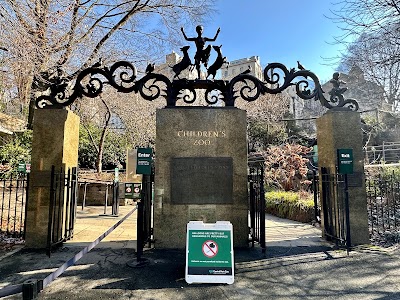
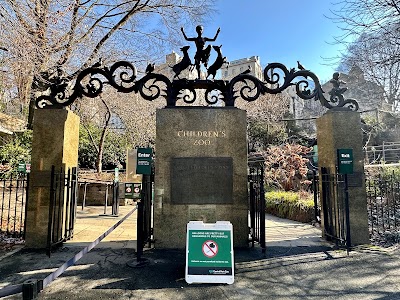
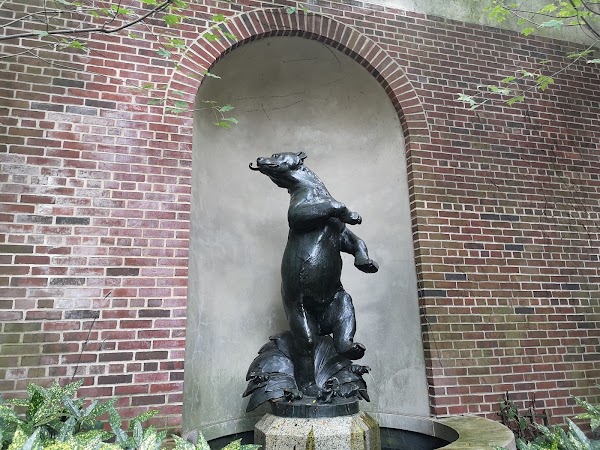
Central Park Zoo
View on map
Audio Narrations
English
Introduction
Nestled within the verdant expanse of Central Park, the Central Park Zoo is a vibrant sanctuary for over 130 species of animals. Its meticulously designed habitats immerse visitors in diverse ecosystems, from the lush rainforests to the icy polar regions. The zoo's centerpiece is a central garden adorned with a sea lion pool, surrounded by three distinct biomes: the Tropic Zone, Temperate Territory, and Penguins and Sea Birds section. The Tropic Zone transports visitors to a vibrant jungle, teeming with exotic birds, reptiles, and mammals. The Temperate Territory showcases animals adapted to temperate climates, including red pandas, snow monkeys, and snow leopards. The Penguins and Sea Birds section features a chilled penguin house and an outdoor pool with harbor seals. Beyond the main exhibits, the zoo boasts a Children's Zoo, home to a petting zoo and the Acorn Theatre. The zoo's commitment to conservation extends beyond its animal care, with programs dedicated to breeding endangered species and educating the public about wildlife preservation. Its rich history, dating back to the 1860s, is evident in the preserved animal-themed friezes and statues that adorn its structures.Animal Welfare
Central Park Zoo, nestled amidst the bustling metropolis of New York City, has been a beacon of animal welfare for over a century. Its commitment to providing exceptional care for its diverse animal population is evident in its state-of-the-art facilities and dedicated staff. The zoo's focus on animal enrichment programs ensures that the animals engage in natural behaviors and thrive in their captive environment. Central Park Zoo has played a pivotal role in conservation efforts, participating in breeding programs for endangered species and supporting research initiatives that contribute to the well-being of animals worldwide. Its educational programs foster a deep appreciation for wildlife and inspire visitors to become advocates for animal welfare. By prioritizing the physical, mental, and emotional health of its animals, Central Park Zoo sets an exemplary standard for zoos and animal care institutions globally.Wildlife Sanctuary
Nestled within the verdant expanse of Central Park, the Central Park Zoo stands as a haven for wildlife amidst the urban jungle. As a Wildlife Sanctuary, it is dedicated to the preservation and well-being of its diverse animal inhabitants. The zoo's commitment to conservation is evident in its participation in the Species Survival Plan, a collaborative effort to protect endangered species. Among its notable successes is the hatching of critically endangered scaly-sided merganser ducklings, a first for North American zoos. Beyond its conservation efforts, the Central Park Zoo offers unique educational experiences. Visitors can witness the fascinating behavior of tamarin monkeys, known for their ability to whisper to each other. The zoo also boasts a state-of-the-art 4D theater, providing an immersive journey into the lives of its animals. The zoo's design seamlessly blends nature and architecture. Trellised pergolas adorned with vines connect the exhibit areas, creating a serene and naturalistic ambiance. The central garden, anchored by a sea lion pool, serves as a gathering place for visitors to observe the playful antics of these marine mammals. The Central Park Zoo's dedication to wildlife extends to its art program. Preserved from the original 1934 zoo, animal-themed limestone friezes grace the structures, while bronze statues of dancing animals flank the southern entrance. These artistic touches add a touch of whimsy and historical charm to the sanctuary. As a Wildlife Sanctuary, the Central Park Zoo offers a unique blend of conservation, education, and artistic appreciation. Its commitment to the well-being of its animals and its innovative programs make it a must-visit destination for anyone passionate about wildlife and the natural world.
2
Balto Statue
View on map
Audio Narrations
English
Introduction
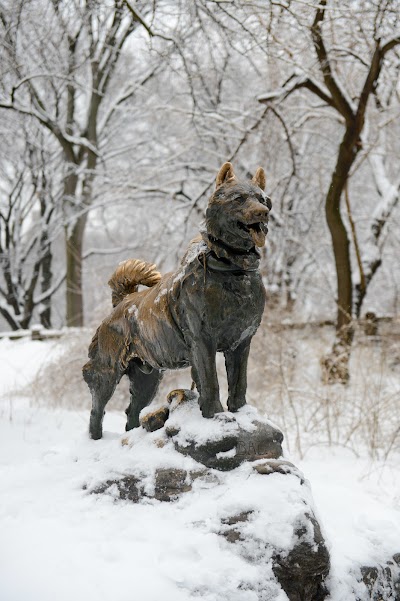
The Balto statue, a bronze tribute to the heroic Siberian husky, stands proudly on a rocky outcrop near the East Drive at 67th Street in Central Park. Its gleaming surface reflects the countless pats of children and adults who recall the heartwarming story of the dog who saved countless lives. In 1925, the city of Nome, Alaska, faced a dire situation as a diphtheria outbreak threatened its population. With limited antitoxin serum available and harsh weather conditions preventing air and sea transportation, a relay of dog-sled teams embarked on a perilous journey to deliver the life-saving medicine. Balto, a black and white Alaskan malamute, led the final leg of this grueling 674-mile trek, braving blizzard conditions and temperatures of 50 degrees below zero. His unwavering determination and courage ensured the timely delivery of the serum, effectively ending the epidemic and saving countless lives. The Balto statue, unveiled in 1925, stands as a testament to the incredible bond between humans and animals and the remarkable feats that can be achieved through teamwork and unwavering spirit. It serves as a reminder of Balto's heroism and the vital role played by sled dogs in the history of Alaska. Today, the statue remains a popular destination for visitors to Central Park, particularly children who climb atop the beloved canine hero, immortalized in books, films, and the hearts of many. Balto's story continues to inspire generations, reminding us of the power of courage, loyalty, and the unwavering spirit of adventure.Heroic Dog
In the heart of New York City's Central Park, amidst the verdant foliage and bustling urban life, stands a poignant tribute to a heroic canine: the Balto Statue. This bronze monument immortalizes the extraordinary tale of Balto, a Siberian husky who played a pivotal role in the 1925 serum run to Nome, Alaska. Balto's statue captures the essence of his unwavering determination and unwavering loyalty. His piercing gaze seems to convey the intensity of his focus as he led his team through treacherous blizzards and sub-zero temperatures. The statue's inscription, "Dedicated to the indomitable spirit of the sled dogs that relayed antitoxin six hundred miles over rough ice, across treacherous waters, through Arctic blizzards from Nenana to the relief of stricken Nome in the winter of 1925," eloquently summarizes Balto's heroic feat. The statue's location in Central Park is particularly fitting, as it serves as a reminder of the profound bond between humans and animals. Balto's story embodies the extraordinary courage and resilience that dogs possess, and his statue stands as a testament to their unwavering loyalty and unwavering devotion. As visitors approach the statue, they are transported back to the Alaskan wilderness, where Balto and his team braved the elements to deliver the life-saving serum. The statue's intricate details, from the texture of Balto's fur to the determined expression on his face, evoke a sense of awe and admiration. Balto's statue is not merely a monument to a heroic dog; it is a symbol of hope, perseverance, and the indomitable spirit that resides within all living creatures. It serves as an inspiration to overcome adversity and to strive for the greater good, just as Balto did on that fateful journey to Nome.Diphtheria Serum Delivery
The Balto statue in New York City stands as a poignant reminder of the heroic efforts of sled dogs during the 1925 diphtheria outbreak in Nome, Alaska. Balto, a Siberian Husky, led the final leg of the treacherous 674-mile serum delivery, braving blizzards and sub-zero temperatures to bring life-saving medication to the stricken town. The statue, erected in Central Park in 1925, depicts Balto in mid-stride, his powerful muscles rippling beneath his thick fur. His determined gaze reflects the unwavering spirit that propelled him and his team through the unforgiving Alaskan wilderness. The inscription on the statue reads, "Dedicated to the indomitable spirit of the sled dogs that relayed antitoxin six hundred miles over rough ice, across treacherous waters, through Arctic blizzards from Nenana to the relief of stricken Nome in the winter of 1925." Balto's statue serves as a tribute not only to his individual bravery but also to the collective heroism of all the sled dogs involved in the serum delivery. These remarkable animals, often overlooked in historical accounts, played a crucial role in saving countless lives. Their endurance, loyalty, and unwavering determination in the face of adversity remain an inspiration to this day. The statue's location in Central Park, a bustling urban oasis, offers a stark contrast to the desolate Alaskan landscape where Balto and his team made their legendary journey. Yet, amidst the towering skyscrapers and the hustle and bustle of city life, the statue stands as a powerful reminder of the extraordinary bond between humans and animals, and the remarkable feats that can be accomplished through courage, collaboration, and unwavering determination.
3
The Mall and Literary Walk
View on map
Audio Narrations
English
Introduction
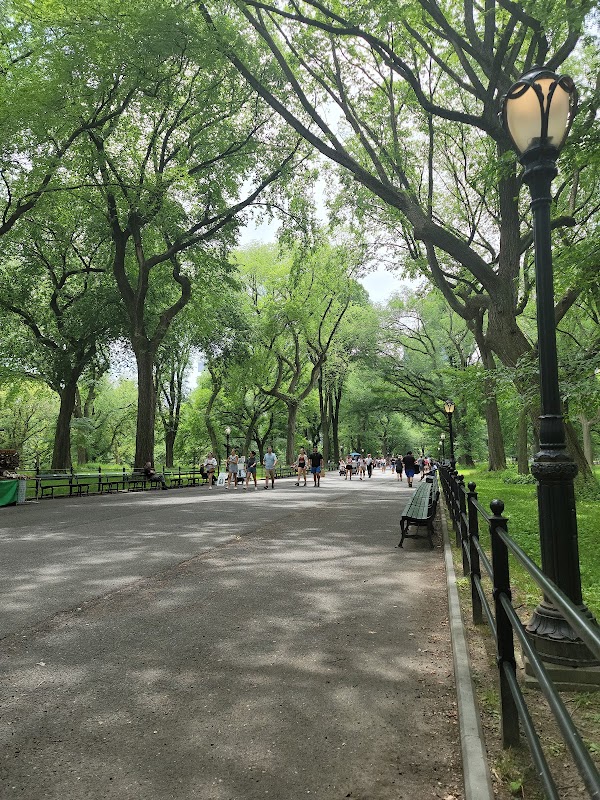
Nestled in the heart of Manhattan, the Mall and Literary Walk is a haven for bibliophiles and nature enthusiasts alike. This verdant oasis, stretching from 51st to 57th Street between Fifth and Sixth Avenues, offers a tranquil escape from the bustling city life. As you stroll along the tree-lined paths, you'll be greeted by a symphony of birdsong and the gentle rustle of leaves. The air is filled with the scent of blooming flowers, creating a truly immersive experience. The Mall is adorned with sculptures and monuments dedicated to literary giants like Shakespeare, Sir Walter Scott, and Robert Burns. These tributes pay homage to the power of words and their enduring impact on our lives. Among the hidden gems of the Literary Walk is the Shakespeare Garden, a charming oasis inspired by the Bard's works. Here, you can find plants and flowers mentioned in his plays, such as rosemary, thyme, and pansies. The Mall and Literary Walk is a testament to the city's rich cultural heritage and its enduring love for literature. It's a place where you can lose yourself in the written word, surrounded by the beauty of nature.Architectural Heritage
The Mall and Literary Walk: A Tapestry of Architectural Heritage Nestled in the heart of Central Park, The Mall and Literary Walk stands as a testament to New York City's rich architectural heritage. This picturesque promenade, designed by Frederick Law Olmsted and Calvert Vaux in the 19th century, boasts a unique blend of architectural styles that reflect the city's evolving history. The Mall itself is a grand, tree-lined avenue reminiscent of the European boulevards of the time. Its graceful curves and symmetrical layout are punctuated by a series of ornate lampposts and benches, each crafted from cast iron and adorned with intricate floral motifs. These elements, along with the surrounding American Elm trees, create a harmonious ensemble that evokes a sense of timeless elegance. As visitors stroll along The Mall, they encounter a series of statues dedicated to literary giants like Shakespeare, Sir Walter Scott, and Robert Burns. These bronze figures, sculpted by renowned artists like John Quincy Adams Ward and Augustus Saint-Gaudens, stand as silent guardians of the literary legacy that The Mall embodies. Beyond the statues, the Literary Walk unfolds, featuring plaques embedded in the pavement that commemorate prominent American authors. From Washington Irving and Edgar Allan Poe to Walt Whitman and Langston Hughes, these plaques offer a tangible connection to the literary giants who shaped American literature. The architectural heritage of The Mall and Literary Walk extends beyond its individual elements. The promenade's overall design reflects the principles of the City Beautiful movement, which emphasized the importance of creating aesthetically pleasing public spaces that foster civic pride and cultural enrichment. This philosophy is evident in the harmonious arrangement of the statues, benches, and walkways, creating a cohesive and visually appealing environment. In conclusion, The Mall and Literary Walk stands as a unique and captivating example of architectural heritage in New York City. Its blend of historical styles, literary tributes, and adherence to the City Beautiful movement offers visitors a glimpse into the city's rich cultural tapestry. As they stroll along its paths, they are transported to a bygone era, where art, literature, and urban design intertwined to create a lasting legacy.Urban Oasis
Nestled in the heart of Manhattan, The Mall and Literary Walk in New York City offers a unique urban oasis experience. This verdant haven, located between 5th and 7th Avenues from 48th to 52nd Streets, provides a tranquil escape from the bustling city life. The Mall, a pedestrian promenade, is adorned with lush greenery, including American elms, honey locusts, and London plane trees. These towering trees create a canopy of shade, offering respite from the summer heat. The meandering pathways invite leisurely strolls, while benches provide opportunities for quiet contemplation or people-watching. The Literary Walk, a hidden gem within The Mall, pays homage to the city's rich literary heritage. Bronze plaques embedded in the pavement feature excerpts from the works of renowned authors who have called New York City home, including Walt Whitman, Langston Hughes, and Maya Angelou. As visitors stroll along the walk, they are immersed in the city's literary legacy, discovering the voices that have shaped its cultural landscape. The Mall and Literary Walk offer a unique blend of nature and culture, creating an urban oasis that nourishes both the body and soul. The verdant surroundings provide a sense of tranquility, while the literary tributes inspire reflection and appreciation for the city's artistic contributions. Whether seeking a quiet escape or a dose of literary inspiration, The Mall and Literary Walk offer a sanctuary in the heart of the urban jungle.
4
Bethesda Terrace
View on map
Audio Narrations
English
Introduction
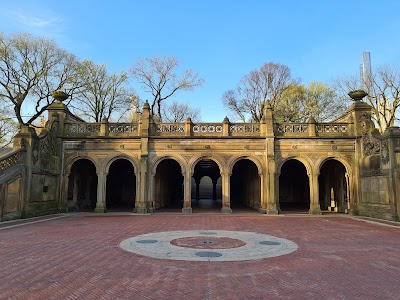
Bethesda Terrace, a crown jewel of Central Park, is a two-tiered architectural masterpiece overlooking the serene waters of the Lake. Its upper level, adorned with intricate carvings depicting night and day, offers a grand view of the bustling city beyond. Descending the majestic staircases, adorned with sculptures of birds and plants, one enters the lower level, a haven of tranquility. Here, the centerpiece is the iconic Bethesda Fountain, a bronze angel gracing the top of a cascading waterfall, symbolizing the healing power of pure water. The fountain's base, adorned with carvings inspired by the seasons and the ages of mankind, whispers tales of time and nature's cycle. The intricate Minton encaustic tile ceiling of the arcade beneath the terrace, a hidden gem, adds a touch of elegance and artistry to this architectural marvel. Bethesda Terrace, a testament to the vision of Calvert Vaux and Jacob Wrey Mould, stands as a timeless oasis amidst the urban landscape, offering a space for reflection, relaxation, and appreciation of art and nature.Architectural Design
Bethesda Terrace: A Masterpiece of Architectural Design Bethesda Terrace, a crown jewel of Central Park, is more than just a picturesque landmark. It's a testament to the ingenuity and artistry of its architect, Jacob Wrey Mould. Completed in 1864, the Terrace embodies a unique blend of architectural styles, drawing inspiration from Italian Renaissance palazzos and Moorish pavilions. The Terrace's most striking feature is its intricate cast-iron framework. This innovative material, rarely used in such large-scale structures at the time, allowed for the creation of delicate arches, slender columns, and intricate ornamentation. The design is a masterpiece of engineering, showcasing the strength and versatility of cast iron while maintaining an airy and elegant aesthetic. The Terrace's layout is equally impressive. Its central arcade, adorned with decorative tiles and sculptures, leads to a series of smaller chambers and alcoves, each offering unique perspectives of the surrounding landscape. The cascading waterfalls and the picturesque lake below create a sense of tranquility and natural beauty, further enhanced by the Terrace's intricate details. Mould's design incorporates subtle symbolism throughout the Terrace. The central fountain, adorned with the Angel of Bethesda, alludes to the healing waters mentioned in the Gospel of John. The intricate carvings on the columns and arches depict scenes from nature and mythology, adding depth and meaning to the structure. Bethesda Terrace stands as a testament to the transformative power of architectural design. It's a place where form and function seamlessly blend, creating a space that is both aesthetically pleasing and deeply meaningful. Its innovative use of materials, intricate details, and symbolic elements make it a masterpiece of 19th-century architecture, captivating visitors with its beauty and artistry for over a century.Central Park
Nestled within the heart of Central Park, Bethesda Terrace stands as a magnificent architectural gem, its intricate details and rich history intertwining seamlessly with the park's natural beauty. As you approach the terrace, the iconic Minton Tiles, adorned with vibrant colors and intricate patterns, captivate your attention, transporting you to a bygone era of artistry. The Bethesda Fountain, a centerpiece of the terrace, mesmerizes with its cascading waters and angelic sculptures, symbolizing purity and renewal. As you ascend the terrace's graceful staircase, the surrounding landscape unfolds before you, offering breathtaking vistas of the park's verdant expanse. The intricate carvings and sculptures that adorn the terrace's balustrade whisper tales of mythology and nature, inviting you to delve into their hidden meanings. The Bethesda Arcade, with its vaulted arches and mosaic floors, provides a tranquil respite from the bustling city, offering a space for contemplation and reflection. Bethesda Terrace has witnessed countless moments of joy, sorrow, and inspiration throughout its existence. From impromptu picnics and romantic strolls to impromptu concerts and lively gatherings, the terrace has served as a stage for the human drama that unfolds within Central Park. Its enduring presence has inspired countless artists, writers, and musicians, who have found solace and creativity within its embrace. As you depart from Bethesda Terrace, you carry with you a newfound appreciation for its unique charm and its profound connection to the spirit of Central Park. The terrace stands as a testament to the enduring power of human creativity and the transformative beauty of nature, reminding us of the importance of preserving these precious spaces for generations to come.
5
Bow Bridge
View on map
6
Imagine Mosaic
View on map
7
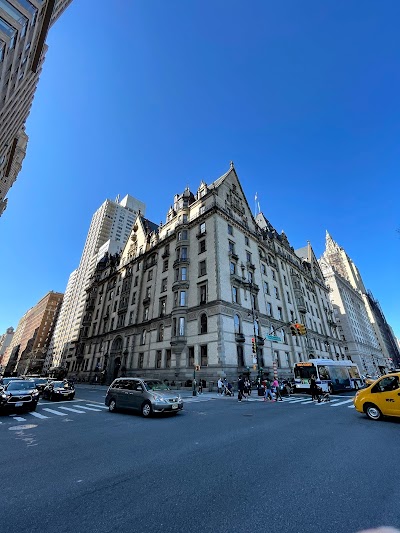
The Dakota
View on map
8
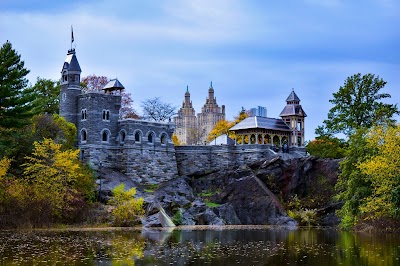
Belvedere Castle
View on map
9
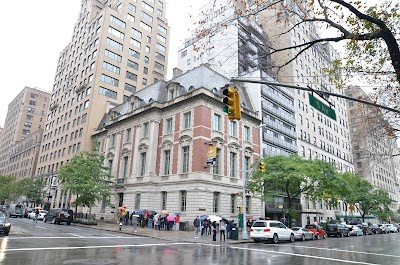
Neue Galerie New York
View on map
10
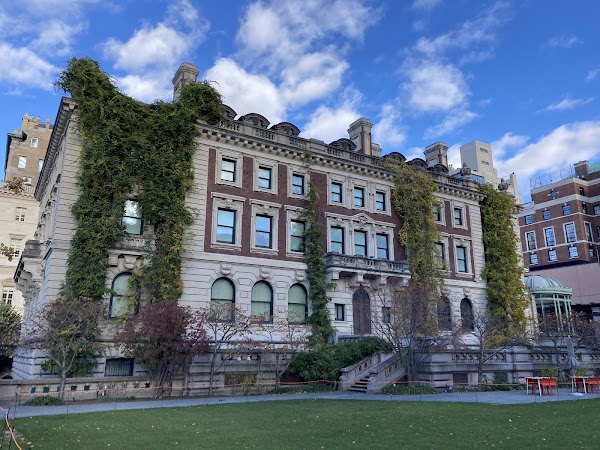
Cooper Hewitt, Smithsonian Design Museum
View on map
11
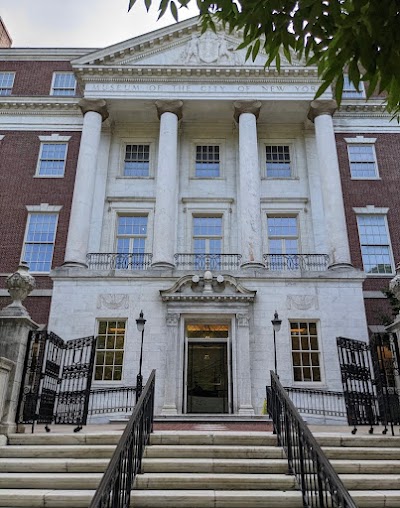
Museum of the City of New York
View on map
12
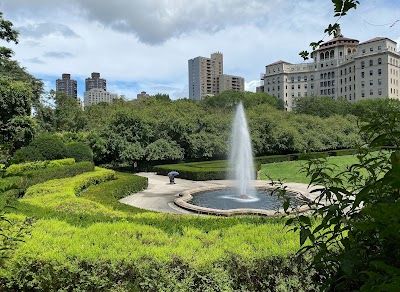
Conservatory Garden
View on map
13
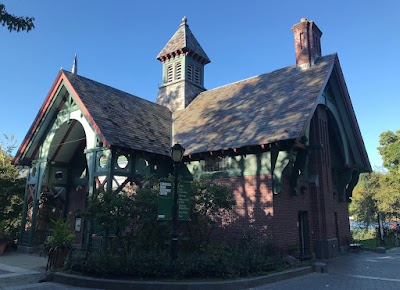
Charles A. Dana Discovery Center
View on map
Experience the Full Tour
Download the DocentPro app to access all tour stops, complete audio narrations in multiple languages, offline maps, and interactive features.