
Jeju's Coastal Splendor: A Day of Scenic Delights

Walking Tour

0.0 km (0.0 miles)

12 Stops

Jeju, South Korea
Jeju's Coastal Splendor: A Day of Scenic Delights


Tour Stops
1
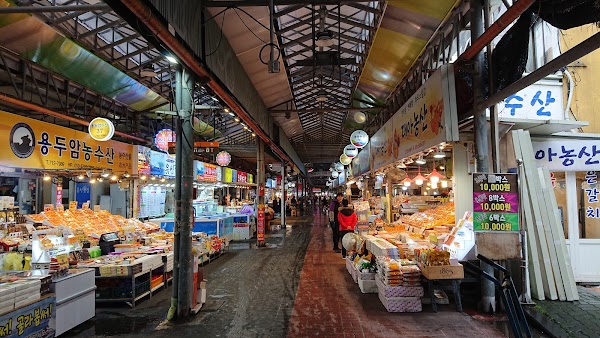
Dongmun Traditional Market
View on map
Audio Narrations
Introduction
Dongmun Traditional Market, established in 1945, is Jeju City's oldest and largest permanent outdoor market. It offers a vibrant blend of street market, night market, traditional market, and seafood market, catering to locals and tourists alike. The market's diverse offerings include fresh agricultural produce, fisheries products, livestock products, textiles, imported goods, medicinal herbs, and crops. Its reputation for quality and affordability has made it a popular destination for locals and visitors seeking authentic Jeju experiences. Notably, the market gained international recognition when renowned British chef Jamie Oliver visited in search of fresh ingredients for his TV series. Dongmun Traditional Market remains a bustling hub of commerce and a testament to Jeju's rich culinary and cultural heritage.Shopping Destination
Nestled in the heart of Jeju City, Dongmun Traditional Market is a vibrant shopping destination that offers a unique blend of local flavors and cultural experiences. Established after the liberation in 1945, the market has become a beloved hub for both locals and tourists alike. One of the market's main attractions is its diverse selection of fresh seafood. From succulent abalones to plump oysters, the market offers a wide variety of marine delicacies that are sure to tantalize seafood enthusiasts. Visitors can also indulge in traditional Jeju specialties such as hallabong (a type of mandarin orange) and omegi tteok (rice cake). Beyond its culinary offerings, Dongmun Traditional Market is also a treasure trove of unique souvenirs and handicrafts. Shoppers can browse through an array of locally made pottery, traditional clothing, and intricate stone carvings. The market is particularly renowned for its dol hareubang (stone grandpa) goods, which are believed to bring good luck and prosperity. For those seeking a more immersive experience, the market hosts a variety of cultural events and performances throughout the year. Visitors can witness traditional Korean music and dance, or participate in hands-on workshops that showcase the region's rich heritage. With its vibrant atmosphere, delectable cuisine, and unique cultural offerings, Dongmun Traditional Market is a must-visit destination for anyone seeking an authentic shopping experience in Jeju City.Local Goods
Dongmun Traditional Market, nestled in the heart of Jeju City, is a bustling hub for local goods. This vibrant market offers a diverse array of products, from fresh produce to handcrafted souvenirs, reflecting the rich agricultural and cultural heritage of Jeju Island. Strolling through the market's lively streets, visitors are greeted by stalls brimming with an array of local agricultural products. Freshly harvested fruits and vegetables, vibrant in color and bursting with flavor, are a testament to Jeju's fertile volcanic soil. Local farmers proudly display their seasonal bounty, including sweet tangerines, juicy strawberries, and crisp cabbages. Beyond the produce stalls, Dongmun Traditional Market showcases a wide selection of handcrafted goods. Artisans from across the island gather here to sell their unique creations, ranging from intricate pottery and woven textiles to delicate jewelry and traditional wooden crafts. Each item carries a story, embodying the skills and traditions passed down through generations. For those seeking culinary delights, the market offers an abundance of local specialties. Vendors prepare mouthwatering street food, such as crispy tteokbokki (spicy rice cakes) and savory bungeo-ppang (fish-shaped pastries). The aroma of freshly brewed coffee fills the air, inviting visitors to indulge in a cup of locally roasted beans. Dongmun Traditional Market is not just a place to shop but also a vibrant cultural experience. The market's lively atmosphere, friendly vendors, and the opportunity to engage with locals provide a glimpse into the authentic spirit of Jeju Island. Whether seeking unique souvenirs, fresh produce, or a taste of local cuisine, Dongmun Traditional Market offers an immersive journey into the heart of Jeju's local goods and cultural heritage.
2
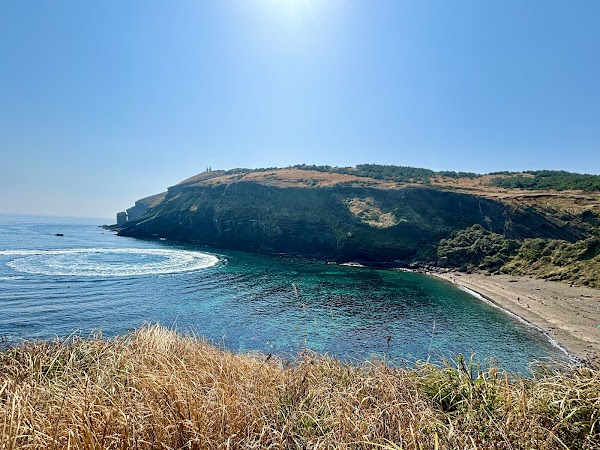
Udo
View on map
Audio Narrations
Introduction
Nestled amidst the volcanic landscape of Jeju Island, Udo, also known as "Cow Island," emerges as a tranquil haven. Its verdant hills, sculpted by centuries of volcanic activity, offer breathtaking panoramas of the surrounding azure waters. The island's unique charm lies in its harmonious blend of nature's artistry and human ingenuity. Udo's coastline is a tapestry of dramatic cliffs, secluded coves, and pristine beaches. The iconic Seongsan Ilchulbong Peak, a UNESCO World Heritage Site, stands as a testament to the island's volcanic origins. Its crater, adorned with lush vegetation, offers panoramic views of the coastline. Beyond its natural beauty, Udo boasts a rich cultural heritage. The islanders have carefully preserved their traditions, evident in the unique dialect, folk songs, and traditional dances. The island's cuisine, featuring fresh seafood and locally grown produce, is a culinary delight. A visit to Udo is an immersive experience, offering a glimpse into a slower pace of life. Visitors can explore the island's network of walking trails, cycle along scenic coastal roads, or simply relax on the pristine beaches. The island's serene atmosphere and stunning scenery provide a welcome respite from the hustle and bustle of modern life.Scenic Beauty
Udo, a small island off the coast of Jeju, is a hidden gem boasting breathtaking natural beauty. Its stunning landscapes offer a unique perspective on the scenic wonders of South Korea. One of Udo's most captivating features is its coastline. The island is adorned with pristine beaches, each offering a distinct charm. Seobinbaeksa Beach, also known as Sanho Beach, is a picturesque stretch of white sand and turquoise waters, perfect for swimming and sunbathing. On the eastern coast, the dramatic cliffs of Cheongjin Gwansa provide breathtaking views of the surrounding ocean. Beyond the beaches, Udo's interior is a tapestry of rolling hills, lush rice paddies, and volcanic formations. The island's highest point, the Seongsan Ilchulbong Peak, offers panoramic views of the island and the Jeju Strait. The peak's unique crater, formed by a volcanic eruption centuries ago, is a testament to the island's geological history. Udo's hidden coves and sea caves add an element of mystery and adventure to the island's scenic beauty. The Dongan Gyeong-gul Cave, accessible during low tide, is a natural wonder with towering rock formations and echoing waves. The Jugan Myeongweol Cave, with its cathedral-like interior, has hosted symphonic orchestra concerts, showcasing the island's unique acoustics. The island's natural beauty is further enhanced by its cultural heritage. The traditional farming villages, with their stone houses and narrow alleys, offer a glimpse into the island's rural charm. The Haenyeo, the female divers of Udo, are a symbol of the island's resilience and connection to the sea. Their colorful diving suits and traditional methods of harvesting seafood add a vibrant touch to the island's landscape. Udo's scenic beauty is not limited to its natural features. The island's sunsets are legendary, with the fiery orb sinking into the horizon, painting the sky in a myriad of colors. The sunrises, equally captivating, offer a sense of tranquility and renewal. Whether exploring the island's beaches, hiking its hills, or discovering its hidden caves, Udo provides a unique and unforgettable experience for those seeking scenic beauty. Its natural wonders, cultural heritage, and breathtaking sunsets make it a true paradise between heaven and sea.Unique Culture
Udo Island: A Slice of Traditional Life in Jeju Udo Island, a small gem nestled off the northeast coast of Jeju, offers a glimpse into a unique cultural tapestry. This volcanic island, shaped like a slumbering cow, boasts a rich history and traditions distinct from mainland Korea. Life on Udo revolves around the sea. The haenyeo, the legendary female divers of Jeju, have for centuries braved the waves to harvest seafood, a practice recognized by UNESCO as an Intangible Cultural Heritage. Witnessing these women, clad in traditional diving suits, gracefully navigate the depths is a testament to their resilience and connection to the ocean. Udo's cultural landscape is dotted with bangsataps, small stone towers believed to ward off evil spirits. These enigmatic structures, often found near houses and fields, reflect the islanders' deep-rooted beliefs and connection to the natural world. The island's isolation has fostered a distinct dialect and customs. The Jeju stone grandfather statues, carved from volcanic rock, are ubiquitous symbols of the island's unique heritage. These statues, often depicting deities or ancestors, stand as silent guardians of the island's traditions. Udo's culinary scene is a celebration of local ingredients. The peanut ice cream, a beloved treat, is a testament to the island's fertile soil, while the Udo Soboro Peanut Latte offers a unique twist on a classic beverage. Visiting Udo is a journey into a slower pace of life, where traditions are cherished and nature reigns supreme. From witnessing the haenyeo's prowess to exploring the enigmatic bangsataps, Udo offers a captivating glimpse into a unique cultural haven within Jeju Island.
3
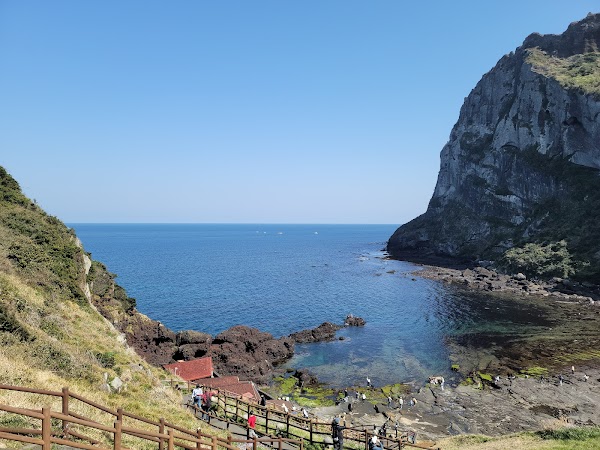
Seongsan Ilchulbong
View on map
Audio Narrations
Introduction
Seongsan Ilchulbong, also known as Sunrise Peak, is a stunning volcanic cone located on Jeju Island, South Korea. This UNESCO World Heritage Site is a geological marvel, formed by a massive underwater eruption approximately 5,000 years ago. The peak rises 182 meters above sea level, offering breathtaking panoramic views of the surrounding coastline and the vast expanse of the Pacific Ocean. The unique shape of Seongsan Ilchulbong, resembling a giant bowl with a flat top, is a testament to its explosive origins. The crater rim is adorned with lush green vegetation, creating a vibrant contrast against the deep blue waters below. Visitors can ascend the peak via a winding path, enjoying the scenic beauty and the refreshing sea breeze. Atop the crater, a magnificent view awaits. The vastness of the ocean stretches as far as the eye can see, while the rugged coastline of Jeju Island unfolds in all its glory. The interplay of light and shadow on the volcanic slopes creates a mesmerizing spectacle, especially during sunrise and sunset. Seongsan Ilchulbong is not just a geological wonder; it also holds cultural significance. The peak is believed to be the birthplace of the goddess Seolmundae Halmang, a revered figure in Korean mythology. The surrounding area is dotted with historical sites, including the Seongsan Ilchulbong Folk Village, which showcases the traditional lifestyle of Jeju Island's inhabitants. A visit to Seongsan Ilchulbong is an unforgettable experience, offering a glimpse into the island's rich history, breathtaking natural beauty, and unique geological formations. Whether you are a nature enthusiast, a history buff, or simply seeking a scenic escape, this volcanic wonder is sure to leave a lasting impression.Tourist Destination
Seongsan Ilchulbong: A Journey Through Time and Beauty Seongsan Ilchulbong, also known as Sunrise Peak, is a captivating volcanic cone on Jeju Island, South Korea. This UNESCO World Heritage Site boasts a unique geological history, breathtaking views, and a rich cultural heritage, making it an unforgettable destination for any traveler. Formed by volcanic activity over 5,000 years ago, Seongsan Ilchulbong offers a glimpse into the island's fiery past. The peak's crater, a bowl-shaped depression surrounded by lush greenery, is a testament to the power of nature. Visitors can climb to the crater rim and enjoy panoramic views of the surrounding landscape, including the sparkling ocean, verdant hills, and the iconic Hallasan Mountain. Beyond its natural beauty, Seongsan Ilchulbong is steeped in cultural significance. The peak's name, meaning "Sunrise Peak," reflects its importance as a place to witness the first rays of dawn. Locals have long believed that the sunrise from Seongsan Ilchulbong brings good fortune, making it a popular spot for watching the new year's first sunrise. The surrounding area offers a glimpse into Jeju's traditional way of life. Quaint villages, charming cafes, and authentic restaurants line the streets, providing a taste of the island's unique culture. Visitors can also explore the nearby Seongsan Ilchulbong Museum, which showcases the peak's geological history and cultural significance. Whether you're an avid hiker, a nature enthusiast, or a history buff, Seongsan Ilchulbong offers something for everyone. Its unique combination of natural beauty, cultural heritage, and breathtaking views makes it a truly unforgettable destination. So, pack your bags, grab your camera, and prepare to embark on a journey through time and beauty at Seongsan Ilchulbong.Sunrise Peak
Sunrise Peak, also known as Seongsan Ilchulbong, is a breathtaking volcanic cone on Jeju Island, South Korea. This 182-meter-tall peak boasts a unique history and geological significance, making it a must-visit destination for nature enthusiasts and photographers alike. Emerging from the ocean depths over 100,000 years ago, Sunrise Peak's distinctive shape resembles a crown, earning it a UNESCO World Heritage designation. Its perfectly preserved 600-meter-diameter crater offers stunning views of the surrounding landscape, including the sparkling ocean, lush greenery, and majestic Hallasan Mountain. The name "Sunrise Peak" aptly describes its allure. Witnessing the sunrise from the summit is an unforgettable experience, as the sky transforms into a canvas of vibrant hues, painting the volcanic landscape in a golden glow. The panoramic vistas encompass the eastern coastline, nearby islets, and the vast expanse of the sea, creating a truly awe-inspiring spectacle. Beyond its scenic beauty, Sunrise Peak holds geological significance. It is one of the best-preserved tuff cones in the world, formed by a unique type of volcanic eruption. The peak's structure, with its intricate inner layers exposed by erosion, provides valuable insights into the island's volcanic history. The ascent to the summit is a moderately challenging hike, taking approximately 30 minutes. The well-maintained trail offers stunning views along the way, making it a rewarding experience for hikers of all levels. The peak itself features a spacious viewing area, allowing visitors to soak in the panoramic vistas and capture breathtaking photos. Sunrise Peak is a testament to Jeju Island's natural wonders, offering a unique blend of history, geology, and breathtaking scenery. Whether you're an avid hiker, a photography enthusiast, or simply seeking a tranquil escape, Sunrise Peak promises an unforgettable experience.
4
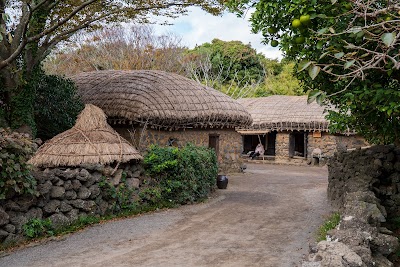
Jeju Folk Village
View on map
5
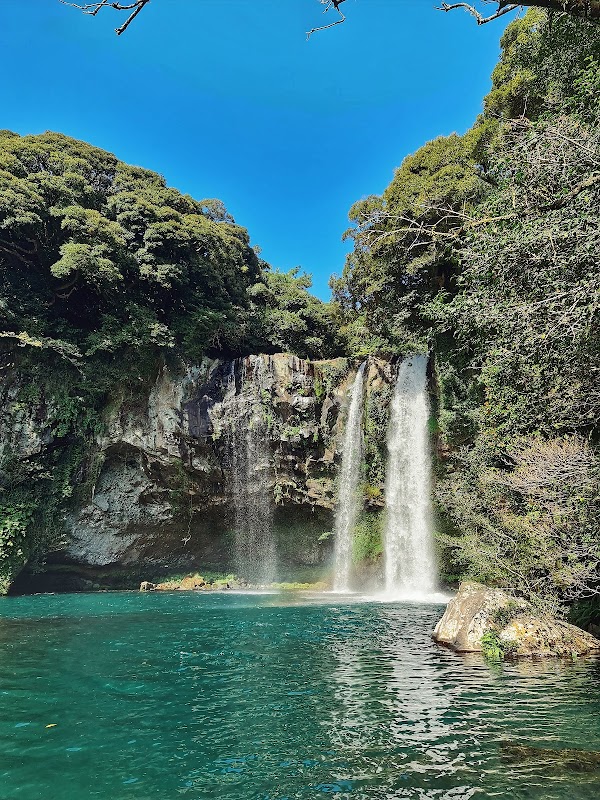
Cheonjiyeon Waterfall
View on map
6
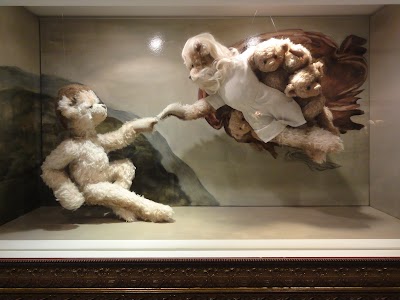
Teddy Bear Museum
View on map
Audio Narrations
Introduction
The Teddy Bear Museum in Seogwipo, Jeju-do, captivates visitors with its imaginative and elaborate thematic displays, transforming the beloved plush toy into a sophisticated medium for historical and artistic storytelling. Within its halls, meticulously crafted dioramas feature teddy bears reenacting pivotal 20th-century events, from the moon landing to the fall of the Berlin Wall, offering a whimsical yet insightful perspective on human history. Beyond these historical narratives, the museum showcases bears interpreting iconic artworks, such as a charming teddy bear rendition of Leonardo da Vinci's Mona Lisa, demonstrating a unique blend of pop culture and classical art. The extensive collection includes rare and antique teddy bears, some dating back over a century, alongside contemporary designer creations, highlighting the evolution of the teddy bear as both a cherished companion and a collectible art piece. An engaging outdoor sculpture park further extends the experience, integrating large-scale teddy bear figures into Jeju's natural landscape, providing a delightful contrast between the whimsical and the serene. This institution transcends a simple display of toys, presenting a rich and thoughtfully curated narrative through its diverse exhibits.Interactive Themed Displays
The Teddy Bear Museum in Seogwipo, Jeju-do, immerses visitors in a world of interactive themed displays, beginning with the History Hall where teddy bears meticulously recreate pivotal global events. From the dramatic sinking of the Titanic to the historic moon landing and the symbolic fall of the Berlin Wall, these detailed dioramas offer a unique perspective on historical narratives. The Art Gallery further engages with teddy bears embodying luxury and pop culture, showcasing designs inspired by Korean dramas and iconic art pieces, enhanced by braille labels and audio guides for an inclusive experience. A dynamic Project Exhibit Room ensures a fresh thematic encounter with its rotating displays. Outdoors, the Teddy Lin Theme Park extends the narrative with vintage-style setups, charming picnic scenes, and hourly clock tower performances, creating an immersive environment where teddy bears partake in various adventures. The Teddy Bear Garden complements this with whimsical outdoor displays. Throughout the museum, both indoors and outdoors, numerous photo spots are strategically designed with creative storytelling and themed setups, encouraging visitors to actively participate in the narrative and capture their own memories within these unique, interactive settings.Historical Narratives in Plush
The Teddy Bear Museum in Seogwipo, Jeju-do, South Korea, offers a distinctive exploration of historical narratives through the medium of plush toys. Opened in 2001, its primary focus, beyond a vast global collection, lies in chronicling significant historical events and cultural developments using teddy bears as central figures. Within its "History exhibit," visitors encounter meticulously arranged vignettes that depict pivotal moments, both grand and intimate. These include detailed recreations of the Titanic's fateful voyage, scenes from the First World War, and the iconic Apollo 11 lunar landing. Even cultural figures like Charlie Chaplin and ancient wonders such as China’s terra-cotta soldiers are brought to life through these gentle figurines. Beyond global history, the museum dedicates substantial space to the historical tapestry of South Korea itself. Teddy bears are artfully employed to illustrate various facets of Korean history and culture, including portrayals of "Historic figures in Eastern history" and the renowned "Jeju’s famous female divers (haenyeo)." The influence of popular culture is also woven into this narrative, with teddy bears featured in scenes from the drama “Goong.” Furthermore, the "The Art" exhibit extends this plush storytelling to art history, recasting seminal works like the Mona Lisa, The Thinker, and The Kiss into teddy bear form, offering a unique perspective on artistic heritage. The museum also subtly integrates the very origin of the teddy bear, stemming from Theodore Roosevelt's 1902 hunting incident, as an intrinsic part of its historical framework. This comprehensive approach transforms the plush toy into a compelling vehicle for understanding diverse historical and cultural narratives.
7
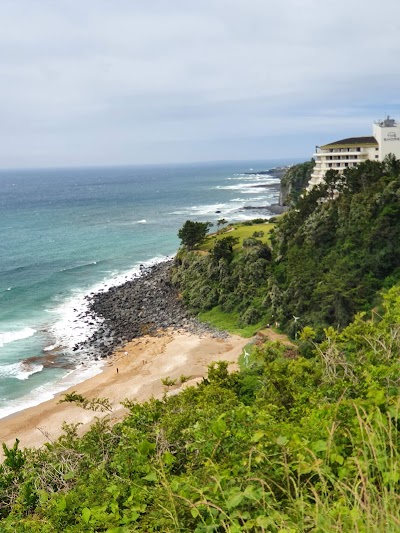
Jungmun Saekdal Beach
View on map
Audio Narrations
Introduction
Nestled amidst the volcanic landscape of Seogwipo-si, Jungmun Saekdal Beach unveils a captivating tapestry of nature's artistry. Black sand, a testament to the island's volcanic origins, shimmers under the sun, contrasting vividly with the turquoise waters of the East China Sea. The beach's unique charm lies in its duality – a serene haven for relaxation and an adventure playground for the intrepid. For those seeking tranquility, the gentle lapping of waves against the shore creates a symphony of serenity. The soft, yielding sand invites leisurely strolls, while the crystal-clear waters beckon for refreshing dips. As the sun dips below the horizon, the sky transforms into a canvas of fiery hues, painting an unforgettable masterpiece. For the adventurous, Jungmun Saekdal Beach offers a plethora of activities. Kayaking and paddleboarding provide a unique perspective of the coastline, while snorkeling unveils a vibrant underwater world teeming with marine life. The nearby Seongsan Ilchulbong Peak, a UNESCO World Heritage Site, offers breathtaking panoramic views of the surrounding area. Jungmun Saekdal Beach is more than just a beach; it's an experience that awakens the senses and nourishes the soul. Whether seeking solace or adventure, this hidden gem promises an unforgettable encounter with the raw beauty of Jeju Island.Surfing Destination
Jungmun Saekdal Beach: A Surfer's Paradise on Jeju Island Nestled on the southern coast of Jeju Island, Jungmun Saekdal Beach is a haven for surfers of all levels. Renowned for its consistent waves, vibrant surf scene, and stunning natural beauty, it's a must-visit for anyone seeking an unforgettable surfing experience. The beach boasts a unique black sand coastline, a stark contrast to the turquoise waters that offer a variety of breaks. The consistent swells, ranging from gentle rollers to powerful barrels, provide ample opportunities for both beginners and seasoned surfers to hone their skills. Jungmun Saekdal Beach is home to the first surfing club in Korea, established in 1995, and has hosted the annual Jeju Surfing Competition since 2005. This vibrant surf community welcomes newcomers with open arms, offering lessons, board rentals, and a friendly atmosphere. Beyond the waves, the beach offers a range of amenities for surfers and non-surfers alike. Relax on the soft sand, explore the nearby Yeomigi Botanical Garden, or indulge in delicious seafood at the beachfront restaurants. Whether you're a seasoned surfer seeking challenging waves or a novice eager to learn, Jungmun Saekdal Beach offers an unparalleled surfing experience. With its consistent swells, vibrant community, and stunning natural beauty, it's a true surfer's paradise on Jeju Island.Multicolored Sand Beach
Jungmun Saekdal Beach: A Multicolored Gem in Jeju Jungmun Saekdal Beach, nestled in Seogwipo-si on Jeju Island, is a captivating spectacle of nature's artistry. Unlike the typical white or golden sands, this beach boasts a mesmerizing tapestry of colors, a unique characteristic that sets it apart from other beaches in Jeju. The sand at Jungmun Saekdal Beach is a kaleidoscope of hues, ranging from deep black to vibrant red, interspersed with shades of brown, yellow, and even green. This mesmerizing display is attributed to the volcanic origins of the island. The black sand originates from solidified lava, while the other colors are a result of various minerals and elements present in the volcanic rock. Each grain of sand at Jungmun Saekdal Beach is a miniature masterpiece, telling a story of the island's fiery past. As you walk along the shore, the sand crunches under your feet, creating a symphony of sound that complements the visual feast. The multicolored sand adds a unique dimension to the beach experience, making it a photographer's paradise. Beyond its visual appeal, Jungmun Saekdal Beach offers a range of activities for visitors. The calm waters are ideal for swimming and paddling, while the nearby cliffs provide opportunities for hiking and exploring. The beach also boasts a vibrant atmosphere, with numerous restaurants and bars lining the coast, offering a taste of local cuisine and refreshing drinks. Whether you're seeking a unique beach experience, a chance to connect with nature's artistry, or simply a relaxing day by the sea, Jungmun Saekdal Beach is a must-visit destination in Jeju. The multicolored sand, the volcanic history, and the vibrant atmosphere combine to create an unforgettable experience that will stay with you long after your visit.
8
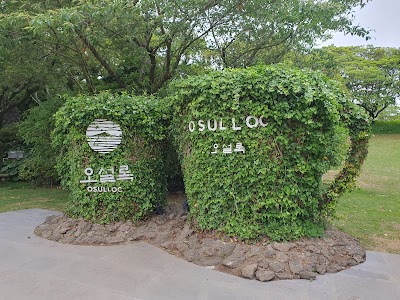
Osulloc Tea Museum
View on map
Audio Narrations
Introduction
Nestled amidst the verdant slopes of Seogwang Tea Garden, Osulloc Tea Museum stands as a testament to the rich tea culture of Jeju Island. This architectural marvel, shaped like a teacup, houses a museum showcasing the history of tea in Korea and around the world. Visitors can marvel at hundreds of teacups from diverse nations and gain insights into the art of tea preparation. Beyond the museum, the sprawling tea fields invite exploration. Stroll through the rows of vibrant green tea shrubs, inhaling the invigorating aroma. The museum's café offers a delectable array of tea-infused treats, from lattes to rolls, while the gift shop tempts with a wide selection of teas and souvenirs. Adjacent to the museum, the Tea Stone offers immersive tea-making classes, where visitors can learn the intricacies of brewing the perfect cup. The Innisfree Jeju House, renowned for its natural skincare products, features a café with organic beverages and desserts, all while offering breathtaking views of the tea fields. Osulloc Tea Museum is not just a destination for tea enthusiasts but also a haven for nature lovers. The surrounding gardens burst with vibrant blooms, creating a picturesque backdrop for leisurely walks. The museum's commitment to sustainability, evident in its organic farming practices, adds to its allure as a responsible tourism destination.Korean Tea Culture
Nestled amidst the verdant slopes of Seogwipo, Jeju-do, Osulloc Tea Museum stands as a testament to the rich tapestry of Korean tea culture. Founded in 2001, the museum offers a captivating journey into the history, cultivation, and artistry of Korean tea. Osulloc Tea Museum is renowned for its stunning architecture, designed to resemble a traditional Korean teacup. Its minimalist interior is adorned with large windows, allowing visitors to immerse themselves in the surrounding tea fields. The museum houses a collection of artifacts and exhibits that trace the evolution of Korean tea culture, from its humble beginnings to its present-day prominence. Beyond its historical significance, Osulloc Tea Museum is also a haven for tea enthusiasts. Visitors can participate in hands-on workshops, learning the art of tea brewing and blending. The museum's Tea Stone offers a unique opportunity to witness tea masters performing traditional tea ceremonies, showcasing the intricate rituals and etiquette that define Korean tea culture. The museum's surrounding tea fields, stretching across 1,600 acres, are a testament to the dedication and expertise of Korean tea farmers. The volcanic soil and subtropical climate of Jeju-do create ideal conditions for cultivating high-quality tea leaves, renowned for their vibrant green color and delicate flavor. Osulloc Tea Museum is not merely a museum but a living testament to the enduring legacy of Korean tea culture. It is a place where visitors can delve into the history, artistry, and flavors that have shaped this beloved beverage for centuries.Relaxing Retreat
Nestled amidst the verdant landscapes of Jeju Island, the Osulloc Tea Museum invites you to embark on a tranquil retreat. Immerse yourself in the serene ambiance of this tea haven, where the aroma of freshly brewed tea permeates the air. Stroll through the meticulously manicured tea fields, marveling at the vibrant hues of green that stretch out before you. The gentle breeze carries the delicate fragrance of tea blossoms, creating a symphony of scents that soothes the senses. Indulge in a rejuvenating tea ceremony, where you can sip on exquisite teas while learning about their rich history and cultural significance. The museum's knowledgeable guides will lead you through the intricate process of tea preparation, allowing you to appreciate the art and tradition behind each cup. Take a moment to relax in the museum's tranquil tea garden, where you can savor the flavors of freshly brewed tea while surrounded by the beauty of nature. The sound of birdsong and the rustling of leaves creates a serene atmosphere, perfect for reflection and rejuvenation. Whether you're a tea enthusiast or simply seeking a relaxing escape, the Osulloc Tea Museum offers a sanctuary for the mind, body, and soul. Let the tranquility of this tea haven envelop you as you experience the restorative power of nature and the exquisite flavors of Jeju's finest teas.
9
Jeju Glass Castle
View on map
Audio Narrations
Introduction
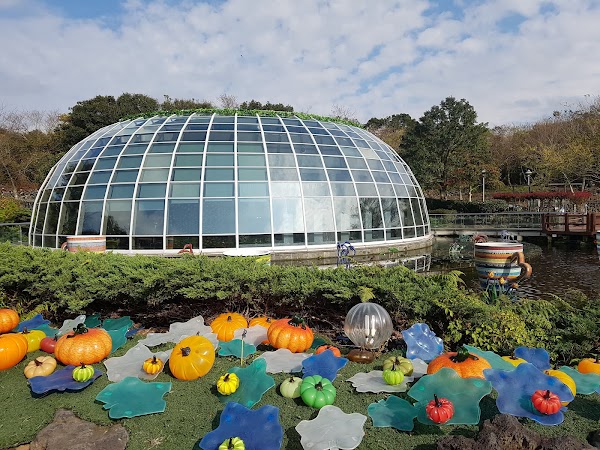
Jeju Glass Castle, nestled in the heart of Jeju Island, South Korea, is a whimsical wonderland of glass sculptures and stained-glass artistry. This unique museum, housed in a stunning glass pyramid, showcases the breathtaking works of renowned glass artist, Yang Dong-seung. Upon entering the castle, visitors are greeted by a kaleidoscope of colors and textures. Intricate glass sculptures, ranging from delicate butterflies to majestic dragons, adorn every corner. The stained-glass windows, bathed in natural light, cast vibrant hues across the interior, creating an ethereal atmosphere. One of the highlights of the castle is the Glass Tunnel, a mesmerizing passageway lined with illuminated glass panels. As visitors stroll through the tunnel, they are enveloped in a symphony of light and color, creating an unforgettable sensory experience. Beyond its artistic splendor, Jeju Glass Castle offers a glimpse into the fascinating world of glassblowing. Visitors can witness skilled artisans transform molten glass into intricate masterpieces, using traditional techniques passed down through generations. For those seeking a unique souvenir, the castle's gift shop offers a wide array of handcrafted glass items, from delicate ornaments to exquisite jewelry. Jeju Glass Castle is a testament to the transformative power of glass, showcasing its versatility as an art form and highlighting the artistry of Korean glassblowing. It is a must-visit destination for art enthusiasts, families, and anyone seeking a captivating and inspiring experience.Korean Culture
Jeju Glass Castle: A Unique Blend of Korean Tradition and Modernity Nestled on the volcanic island of Jeju, the Jeju Glass Castle is more than just a tourist attraction; it's a vibrant tapestry woven with threads of Korean culture and contemporary art. This unique theme park showcases the intricate relationship between Korean artistry and the natural beauty of Jeju Island. Stepping into the Glass Castle is like entering a world of shimmering dreams. Over 250 glass works, crafted by renowned Korean and international artists, adorn six themed pavilions. The intricate glass maze, reminiscent of traditional Korean gardens, invites visitors to lose themselves in a world of light and reflection. The world's largest glass ball, a symbol of Korean resilience and unity, stands as a testament to the country's innovative spirit. Beyond the awe-inspiring displays, the Jeju Glass Castle offers a glimpse into the heart of Korean culture. Visitors can participate in hands-on workshops, learning the ancient art of glassblowing and creating their own unique souvenirs. This immersive experience allows them to connect with the rich tradition of Korean craftsmanship, passed down through generations. The Glass Castle also celebrates the island's volcanic heritage. The use of volcanic rock in the architecture and landscaping echoes the island's dramatic natural beauty. This harmonious blend of nature and art reflects the Korean philosophy of living in balance with the environment. A visit to the Jeju Glass Castle is not just a journey through stunning glass creations; it's a journey into the heart of Korean culture. It's a place where tradition meets modernity, where artistry meets nature, and where visitors can experience the unique spirit of Jeju Island.Glass Art
Jeju Glass Castle: A Kaleidoscope of Glass Art in South Korea Nestled amidst the volcanic landscape of Jeju Island, the Jeju Glass Castle is a haven for glass art enthusiasts. This unique theme park showcases a mesmerizing collection of over 250 glass works, housed in six themed pavilions. Each pavilion offers a distinct experience, from the intricate glass maze and the world's largest glass ball to the captivating glass drill and the shimmering mirror lake. The castle's collection boasts works by renowned international artists, including Italian, Czech, and Japanese masters. Visitors can marvel at the delicate glass sculptures, intricate mosaics, and vibrant stained-glass panels, each piece a testament to the boundless creativity and technical skill of the artists. Beyond the static displays, the Jeju Glass Castle offers interactive experiences for visitors to engage with the art form. The hands-on workshops allow guests to create their own glass souvenirs, choosing from glass shaping, painting, and blowing techniques. These workshops provide a unique opportunity to learn from experienced glass artists and bring home a personalized piece of art. The castle's outdoor "magical forest" is a whimsical wonderland where glass sculptures and installations blend seamlessly with nature. Visitors can wander through the forest, discovering hidden treasures and marveling at the interplay of light and glass. For those seeking a deeper understanding of glass art, the Jeju Glass Castle offers guided tours led by knowledgeable experts. These tours delve into the history and techniques of glassmaking, providing insights into the creative process and the cultural significance of this art form. Whether you are a seasoned art collector or simply appreciate the beauty of glass, the Jeju Glass Castle offers an unforgettable experience. It is a place to be inspired by the artistry of glass, to learn about its rich history, and to create your own unique piece of art.
10
Jeju Museum of Contemporary Art
View on map
Audio Narrations
Introduction
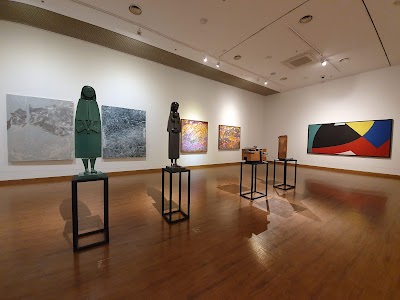
The Jeju Museum of Contemporary Art, nestled in the volcanic landscape of Jeju Island, is a haven for art enthusiasts seeking a unique experience. Its striking architecture, resembling a volcanic crater, blends seamlessly with the surrounding environment. The museum's collection boasts a diverse range of contemporary Korean and international art, including installations, sculptures, and paintings. One of the museum's highlights is the "Stone Garden," an outdoor exhibition featuring sculptures by renowned artists like Lee Ufan and Kim Whanki. The interplay of natural elements and contemporary art creates a thought-provoking dialogue, inviting visitors to contemplate the relationship between art and nature. The museum also houses a dedicated space for showcasing the works of Jeju-based artists, providing a platform for local talent and fostering a vibrant art scene on the island. Visitors can immerse themselves in the rich cultural heritage of Jeju through exhibitions that explore the island's unique history and traditions. Beyond its impressive collection, the Jeju Museum of Contemporary Art offers a variety of educational programs and workshops, making it an ideal destination for families and art lovers of all ages. The museum's commitment to promoting art appreciation and fostering creativity extends to its stunning architecture, which provides a backdrop for outdoor concerts and cultural events. A visit to the Jeju Museum of Contemporary Art is an unforgettable experience, offering a glimpse into the vibrant art scene of South Korea and the captivating beauty of Jeju Island.Unique Architecture
Jeju Museum of Contemporary Art: A Fusion of Nature and Modernity The Jeju Museum of Contemporary Art, nestled amidst the volcanic landscape of Jeju Island, is a testament to the harmonious blend of nature and modern architecture. Designed by renowned architect Tadao Ando, the museum seamlessly integrates into the surrounding environment, echoing the island's unique geological features. The museum's exterior is characterized by its stark, minimalist lines and the use of local black basalt, a volcanic rock that reflects the island's fiery origins. The building's low-lying profile hugs the contours of the land, creating a sense of organic unity with the surrounding terrain. Upon entering the museum, visitors are greeted by a spacious, light-filled atrium that serves as the central axis of the building. Natural light floods the space through strategically placed skylights, creating a sense of openness and connection with the outdoors. The atrium's curved walls, reminiscent of volcanic formations, guide visitors through the various exhibition spaces. The museum's galleries are designed to showcase contemporary art in a unique and immersive setting. Ando's signature use of concrete and natural materials creates a neutral backdrop for the artworks, allowing them to take center stage. The galleries are interconnected by a series of ramps and walkways, encouraging visitors to explore the space at their own pace and discover hidden corners. One of the museum's most striking features is the "Land Art Park," an outdoor exhibition space that seamlessly blends art and nature. Here, sculptures and installations by renowned artists are integrated into the surrounding landscape, creating a dialogue between human creativity and the natural world. The Jeju Museum of Contemporary Art is not just a repository of art; it is a living testament to the island's rich cultural heritage and its embrace of innovative architecture. The museum's unique design and its harmonious relationship with the environment make it a must-visit destination for anyone interested in contemporary art and architectural innovation.Contemporary Art Scene
Jeju Museum of Contemporary Art: A Haven for Artistic Exploration Nestled within the vibrant Jeoji Art Village, the Jeju Museum of Contemporary Art (JMOCA) stands as a beacon of artistic innovation and exploration. This expansive museum, boasting two floors of exhibition space, offers a unique platform for both established and emerging Korean artists. JMOCA's commitment to showcasing the dynamic contemporary art scene is evident in its diverse collection. From the captivating renditions of Jeju's natural beauty by Kim Bohie to the thought-provoking abstract works of Kim Tschang-Yeul, the museum provides a window into the creative minds shaping Korea's artistic landscape. Beyond its permanent collection, JMOCA regularly hosts temporary exhibitions that push the boundaries of contemporary art. These exhibitions delve into a wide range of themes, from social commentary to environmental concerns, sparking dialogue and challenging conventional perspectives. The museum's commitment to accessibility extends beyond its exhibitions. Its spacious outdoor area, adorned with intriguing sculptures, invites visitors to engage with art in a natural setting. Additionally, JMOCA actively fosters community engagement through educational programs and workshops, nurturing a deeper appreciation for contemporary art among all audiences. For those seeking a deeper immersion in the contemporary art scene, JMOCA offers a unique opportunity to explore the vibrant Jeoji Art Village. This artistic hub houses numerous galleries, studios, and artist residences, providing a glimpse into the creative process and fostering a sense of community among artists and art enthusiasts alike. Whether you're an avid art collector or simply curious about the latest trends in contemporary art, the Jeju Museum of Contemporary Art offers an enriching and engaging experience. Its diverse collection, thought-provoking exhibitions, and commitment to community engagement make it a must-visit destination for anyone seeking to delve into the heart of Korea's contemporary art scene.
11
Hallim Park
View on map
12
Hyeopjae Beach
View on map
Audio Narrations
Introduction
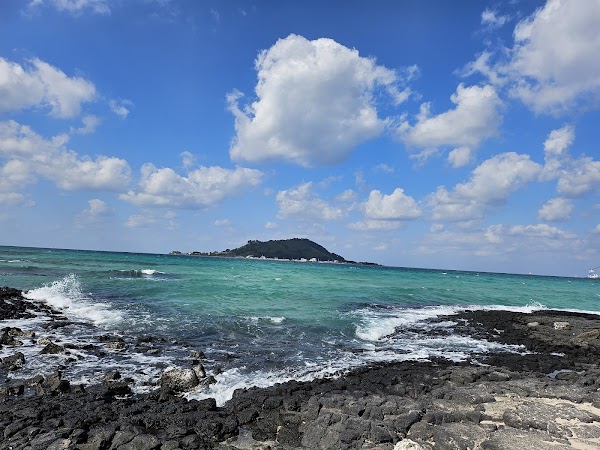
Hyeopjae Beach: A Gem on Jeju Island's Western Coast Hyeopjae Beach, nestled on Jeju Island's western coast, is a haven for those seeking tranquility and breathtaking scenery. Its emerald waters, contrasting beautifully with the black volcanic sand, create a mesmerizing visual spectacle. The beach's calm atmosphere makes it ideal for families with children and couples seeking a romantic getaway. Beyond its natural beauty, Hyeopjae Beach offers a unique culinary experience. The renowned Byeoldonbyeol Hyeopjae Beach Branch, perched on the cliff overlooking the ocean, serves delectable Korean BBQ. The restaurant's open-air setting allows diners to savor the panoramic views while enjoying the authentic flavors of Jeju's black pork. For those seeking accommodation, a plethora of options await near Hyeopjae Beach. From luxurious private villas with rooftop pools to cozy guesthouses offering traditional Korean hospitality, there's something for every taste and budget. Many of these accommodations boast stunning ocean views, allowing guests to wake up to the mesmerizing sunrise over the emerald waters. Hyeopjae Beach is also a gateway to exploring Jeju's natural wonders. The nearby Hyeopjaegul Cave, formed by volcanic activity, offers a glimpse into the island's geological history. For those seeking adventure, the Olle Trail 15, a scenic coastal path, winds its way along the coastline, offering breathtaking views of the ocean and surrounding cliffs. Whether you're seeking relaxation, culinary delights, or exploration, Hyeopjae Beach promises an unforgettable experience on Jeju Island. Its pristine beauty, coupled with its diverse offerings, makes it a perfect destination for a memorable vacation.Family-Friendly Activities
Hyeopjae Beach: A Family Paradise in Jeju Island Hyeopjae Beach, nestled on the southern coast of Jeju Island, is a haven for families seeking a perfect blend of relaxation and adventure. This stunning beach boasts calm, shallow waters, making it ideal for children to splash and play safely. The soft, white sand provides a comfortable playground for building sandcastles and burying toes. Beyond the water's edge, Hyeopjae Beach offers a plethora of family-friendly activities. The nearby Hyeopjae Village, a traditional Korean fishing village, provides a glimpse into the island's rich cultural heritage. Families can explore the charming streets, visit the quaint shops, and savor delicious seafood at local restaurants. For those seeking adventure, Hyeopjae Beach is a gateway to exploring the wonders of Jeju Island. Hike up Seongsan Ilchulbong Peak, a UNESCO World Heritage Site, for breathtaking panoramic views. Explore the lava tubes at Manjanggul Cave, one of the longest lava tubes in the world. Or, embark on a thrilling horseback riding adventure through the scenic countryside. Hyeopjae Beach also caters to families with young children. The beach features a dedicated children's play area with swings, slides, and climbing structures. Additionally, lifeguards are present throughout the day, ensuring a safe and secure environment for families to enjoy. Whether building sandcastles on the beach, exploring the nearby village, or venturing out to discover the island's natural wonders, Hyeopjae Beach offers an unforgettable family experience. Its combination of stunning scenery, diverse activities, and child-friendly amenities makes it the perfect destination for a memorable family vacation.Jeju Island
Hyeopjae Beach, nestled on the southern coast of Jeju Island, South Korea, stands as a hidden gem, offering a unique and serene escape from the bustling island life. Unlike the popular white-sand beaches of Jeju, Hyeopjae boasts a captivating black-sand shoreline, a result of volcanic activity that shaped the island's landscape. This distinct feature sets Hyeopjae apart, inviting visitors to experience the island's raw beauty. Beyond its unique sand, Hyeopjae Beach unveils a tranquil atmosphere, a stark contrast to the vibrant beaches of the north. The gentle waves lap against the shore, creating a soothing symphony that invites relaxation and reflection. The absence of crowds adds to the allure, allowing visitors to immerse themselves in the tranquility of the surroundings. Hyeopjae Beach also holds historical significance, serving as a filming location for the popular Korean drama "All In." This association has drawn fans seeking to retrace the steps of their favorite characters, adding another layer to the beach's allure. Moreover, Hyeopjae Beach offers a glimpse into the island's rich marine life. The clear waters provide a haven for diverse fish species, making it a popular spot for snorkeling and diving enthusiasts. Exploring the underwater world reveals the vibrant ecosystem that thrives beneath the surface, showcasing the island's natural wonders. As the sun begins its descent, Hyeopjae Beach transforms into a breathtaking spectacle. The sky ignites with vibrant hues of orange, pink, and purple, reflecting off the black sand, creating a mesmerizing display of nature's artistry. This moment of tranquility serves as a perfect ending to a day spent exploring the hidden gem of Jeju Island. Hyeopjae Beach stands as a testament to Jeju Island's diverse landscape, offering a unique experience that goes beyond the typical beach getaway. Its black-sand shores, serene atmosphere, historical significance, and abundant marine life make it a destination for those seeking a secluded escape and a deeper connection with the island's natural beauty.
Experience the Full Tour
Download the DocentPro app to access all tour stops, complete audio narrations in multiple languages, offline maps, and interactive features.