
Prague's Grand Panorama: A Journey Through History and Enchantment

Walking Tour

3.5 km (2.1 miles)

50 min travel time

14 Stops

Prague, Czech Republic
Prague's Grand Panorama: A Journey Through History and Enchantment
Tour Stops
1
Charles Bridge
View on map
Audio Narrations
Introduction
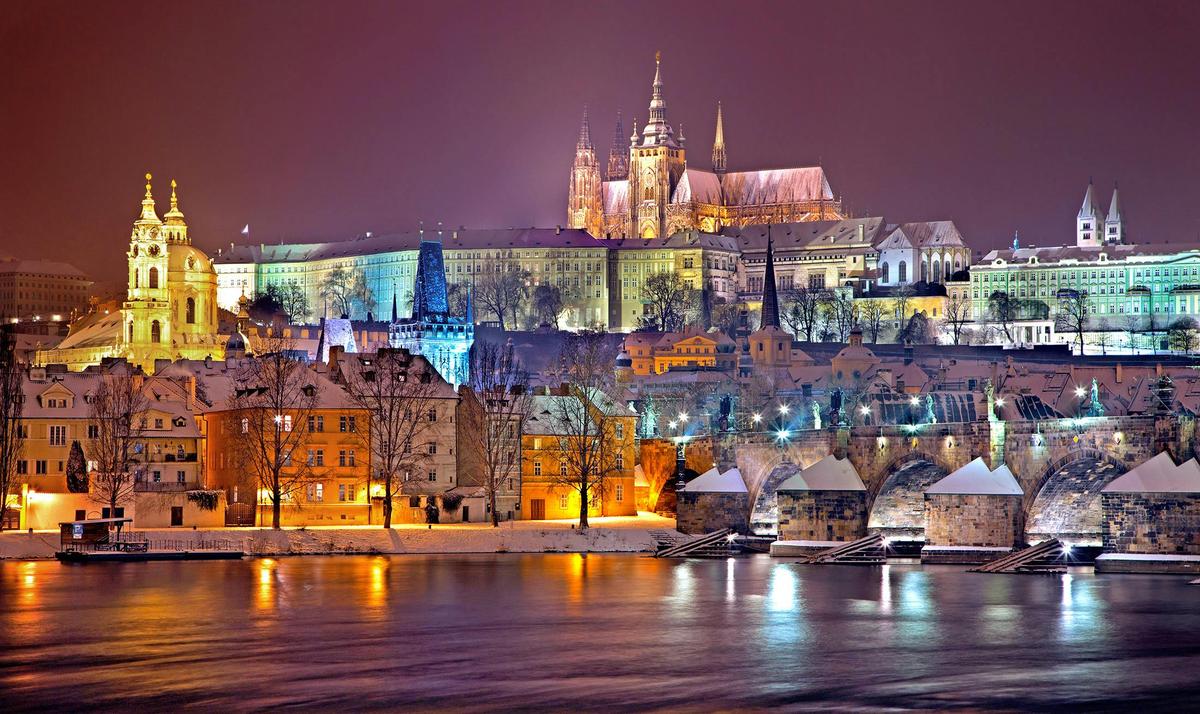
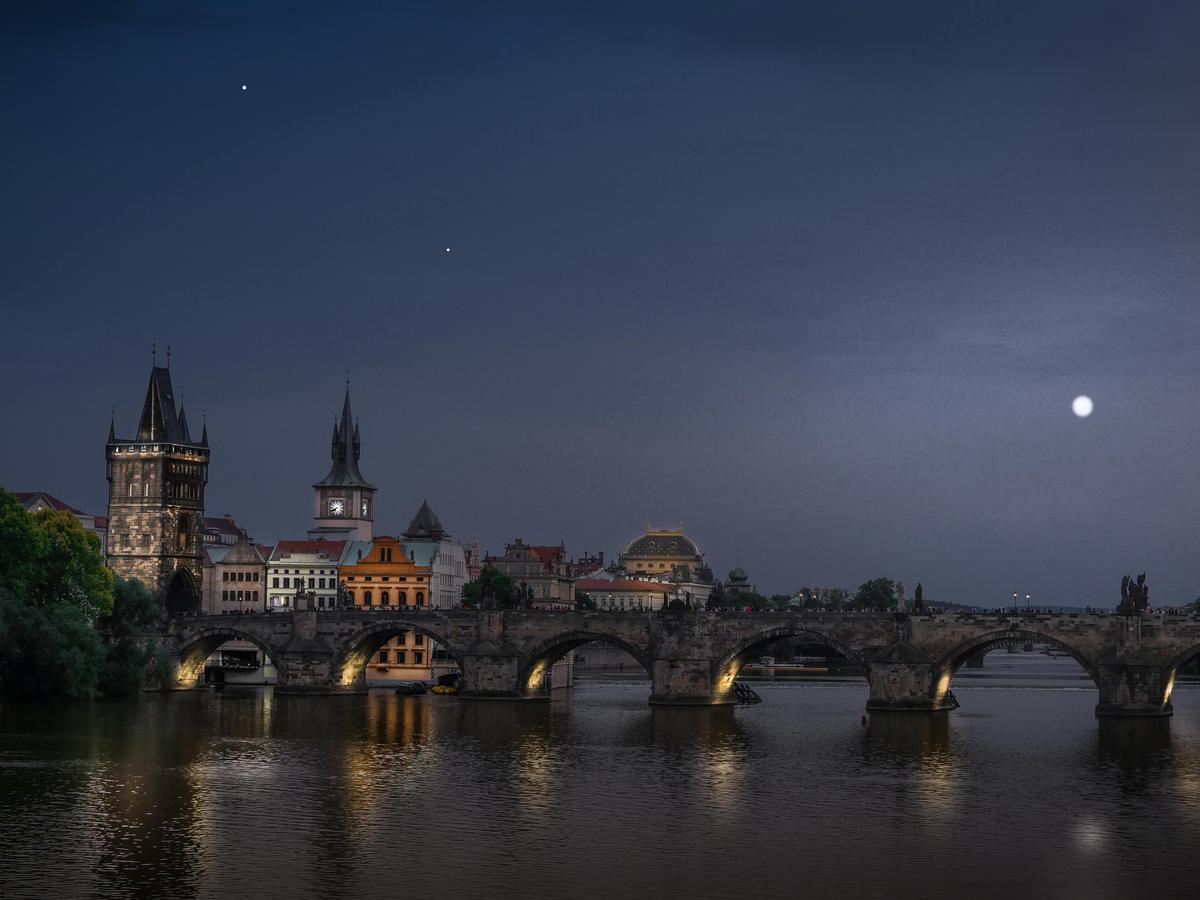
Charles Bridge, a medieval stone arch bridge in Prague, Czechia, spans the Vltava River, connecting the Old Town with the Lesser Town (Mala Strana). Commissioned by King Charles IV in 1357, the bridge features 16 arches and is protected by towers on either end. Its most striking feature is the continuous alley of 30 large statues and statuaries, dating from the Baroque era to the present day. The bridge has witnessed numerous historical events, including the execution of 27 anti-Habsburg leaders in 1621 and the heavy fighting during the Thirty Years' War in 1648. Despite several floods and disasters, Charles Bridge has undergone extensive restoration and remains a testament to the city's rich history and architectural prowess.Historical Significance
Charles Bridge, a medieval stone arch bridge spanning the Vltava River in Prague, holds immense historical significance as a testament to architectural prowess and a stage for pivotal events. Commissioned by King Charles IV in 1357, its construction marked a new era for Prague, solidifying its status as a prominent trade route and cultural hub. The bridge's strategic location connected the Old Town to the Lesser Town, facilitating the flow of goods and ideas. Throughout its existence, Charles Bridge witnessed numerous historical milestones. In 1432, a flood damaged three of its pillars, leaving lasting scars that serve as reminders of nature's fury. The bridge also played a somber role during the Thirty Years' War, bearing witness to fierce battles and the gruesome display of severed heads on its Old Town bridge tower. These grim events imbued the bridge with a haunting aura, forever etching them into its historical tapestry. Beyond its architectural and military significance, Charles Bridge became a stage for cultural and religious expression. In the 17th and 18th centuries, its parapets were adorned with a series of Baroque statues depicting saints and patron saints. These intricate sculptures transformed the bridge into an open-air gallery, attracting pilgrims and art enthusiasts alike. The most renowned statue, that of St. John of Nepomuk, became a symbol of Czech resistance against Habsburg rule. Legend has it that touching the statue's base brings good fortune and ensures a return to Prague. Today, Charles Bridge stands as a testament to the enduring spirit of Prague and its people. Its historical significance continues to captivate visitors, who marvel at its architectural grandeur and immerse themselves in its rich past. Each stone bears witness to centuries of triumphs, tragedies, and cultural transformations, making Charles Bridge an invaluable repository of Czech history and a symbol of the nation's resilience.Iconic Bridge
Charles Bridge, an iconic medieval masterpiece spanning the Vltava River in Prague, Czechia, stands as a testament to architectural prowess and historical significance. Commissioned by King Charles IV in 1357, this half-kilometer-long stone arch bridge boasts 16 arches and has withstood the test of time, enduring floods, wars, and the passage of millions of footsteps. Its tapered pier heads, reminiscent of medieval towers, lend it a distinct character. Beyond its structural grandeur, Charles Bridge is adorned with 30 Baroque statues, each narrating a chapter in Prague's rich history. The most renowned among them is the statue of St. John of Nepomuk, a symbol of resilience and a popular pilgrimage site. Legends abound about the bridge, including the tale of eggs being mixed into the mortar for added strength. As an iconic bridge, Charles Bridge has played a pivotal role in Prague's development. It served as the sole crossing over the Vltava for centuries, facilitating trade and connecting the Old Town with the Lesser Town. Its strategic importance made it a target during conflicts, with the Habsburgs displaying the heads of revolutionaries from its tower in 1621. Today, Charles Bridge is a pedestrian-only zone, allowing visitors to immerse themselves in its beauty and soak in the vibrant atmosphere. Its timeless charm and historical significance continue to captivate travelers, making it an enduring symbol of Prague and a must-visit destination for those seeking to delve into the heart of the city's architectural and cultural heritage.
2
Karel Zeman Museum
View on map
Audio Narrations
Introduction
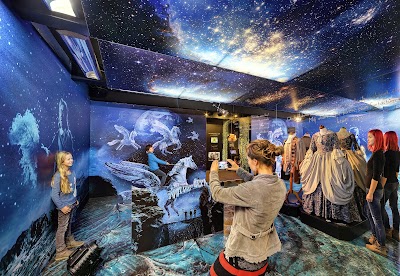
The Karel Zeman Museum, nestled in the heart of Prague, is a whimsical portal into the world of the visionary filmmaker. Stepping inside is akin to entering a dreamlike realm where animation and reality intertwine. The museum's centerpiece is a meticulously recreated workshop, where visitors can marvel at Zeman's ingenious contraptions and miniature sets. These intricate creations, crafted with meticulous detail, offer a glimpse into the filmmaker's boundless imagination and technical prowess. Beyond the workshop, the museum showcases Zeman's cinematic masterpieces through interactive exhibits and immersive displays. Visitors can explore the secrets behind his groundbreaking special effects, from the pioneering use of stop-motion animation to the innovative camera techniques that brought his fantastical worlds to life. The museum also delves into Zeman's life and inspirations, revealing the influences that shaped his unique artistic vision. One of the museum's hidden gems is the "Black Cabinet," a darkened room where visitors can experience the magic of Zeman's films firsthand. Here, projected images dance across the walls, transporting viewers into the heart of his enchanting stories. The museum's collection also includes original storyboards, sketches, and personal belongings, offering a rare glimpse into the mind of a cinematic genius. A visit to the Karel Zeman Museum is not merely a journey through film history; it's an invitation to rediscover the power of imagination and the boundless possibilities of the cinematic medium. It's a place where adults can recapture the wonder of childhood and children can embark on their own fantastical adventures.The Enchanting World of Karel Zeman's Films
Step into the Enchanting World of Karel Zeman's Films at the Dedicated Museum in Prague Nestled in the heart of Prague, the Karel Zeman Museum offers a captivating journey into the imaginative world of the renowned Czech filmmaker. This unique museum, housed in a charming 17th-century building, immerses visitors in the whimsical universe of Zeman's films, showcasing his innovative techniques, intricate sets, and captivating stories. As you enter the museum, you'll be greeted by a collection of Zeman's original puppets, models, and props, each meticulously crafted and brimming with the director's signature blend of fantasy and reality. Interactive exhibits allow you to delve deeper into his creative process, exploring the secrets behind his groundbreaking special effects and animation techniques. The museum's highlight is undoubtedly the "Magic Cabinet," a recreation of Zeman's personal workshop. Here, you can witness the tools and materials he used to bring his fantastical visions to life, gaining a deeper appreciation for his artistry and ingenuity. Throughout the museum, you'll find fascinating displays dedicated to Zeman's most celebrated films, including "The Fabulous World of Jules Verne," "The Fabulous Baron Munchausen," and "Journey to the Beginning of Time." These exhibits showcase the director's ability to blend historical settings with fantastical elements, creating timeless stories that continue to enchant audiences of all ages. The Karel Zeman Museum is more than just a repository of artifacts; it's a portal into the imaginative world of a cinematic visionary. It's a place where you can rediscover the magic of Zeman's films, appreciate his technical mastery, and be inspired by his boundless creativity. Whether you're a longtime admirer of Zeman's work or a curious newcomer, this museum offers a truly immersive and unforgettable experience.Karel Zeman's Innovative Filmmaking Techniques
Karel Zeman Museum: A Dive into the World of Innovative Filmmaking Techniques Nestled in the heart of Prague, the Karel Zeman Museum offers a unique journey into the world of this pioneering filmmaker. More than just a museum, it's a treasure trove of Zeman's innovative techniques, showcasing his ingenious methods and the secrets behind his captivating films. Step into the museum and be transported to Zeman's creative workshop. Explore original sets, props, and costumes from his iconic movies like "The Fabulous World of Jules Verne" and "The Fabulous Baron Munchausen." Witness firsthand the intricate models, matte paintings, and special effects that brought his fantastical visions to life. The museum delves deep into Zeman's groundbreaking techniques, revealing his mastery of combining live-action with animation. Discover how he seamlessly integrated actors into meticulously crafted miniature worlds, creating a captivating blend of reality and fantasy. Learn about his pioneering use of forced perspective, compositing, and other innovative methods that pushed the boundaries of filmmaking. Through interactive exhibits and engaging displays, the museum invites you to experiment with Zeman's techniques. Try your hand at creating your own miniature sets, manipulating perspectives, and exploring the magic of stop-motion animation. This interactive experience allows you to truly grasp the ingenuity and artistry behind Zeman's filmmaking process. Whether you're a seasoned film enthusiast or simply curious about the art of filmmaking, the Karel Zeman Museum offers a captivating exploration of innovation and creativity. It's a place where you can delve into the mind of a visionary artist and discover the secrets behind his timeless cinematic masterpieces.
3
St. Vitus Cathedral
View on map
Audio Narrations
Introduction
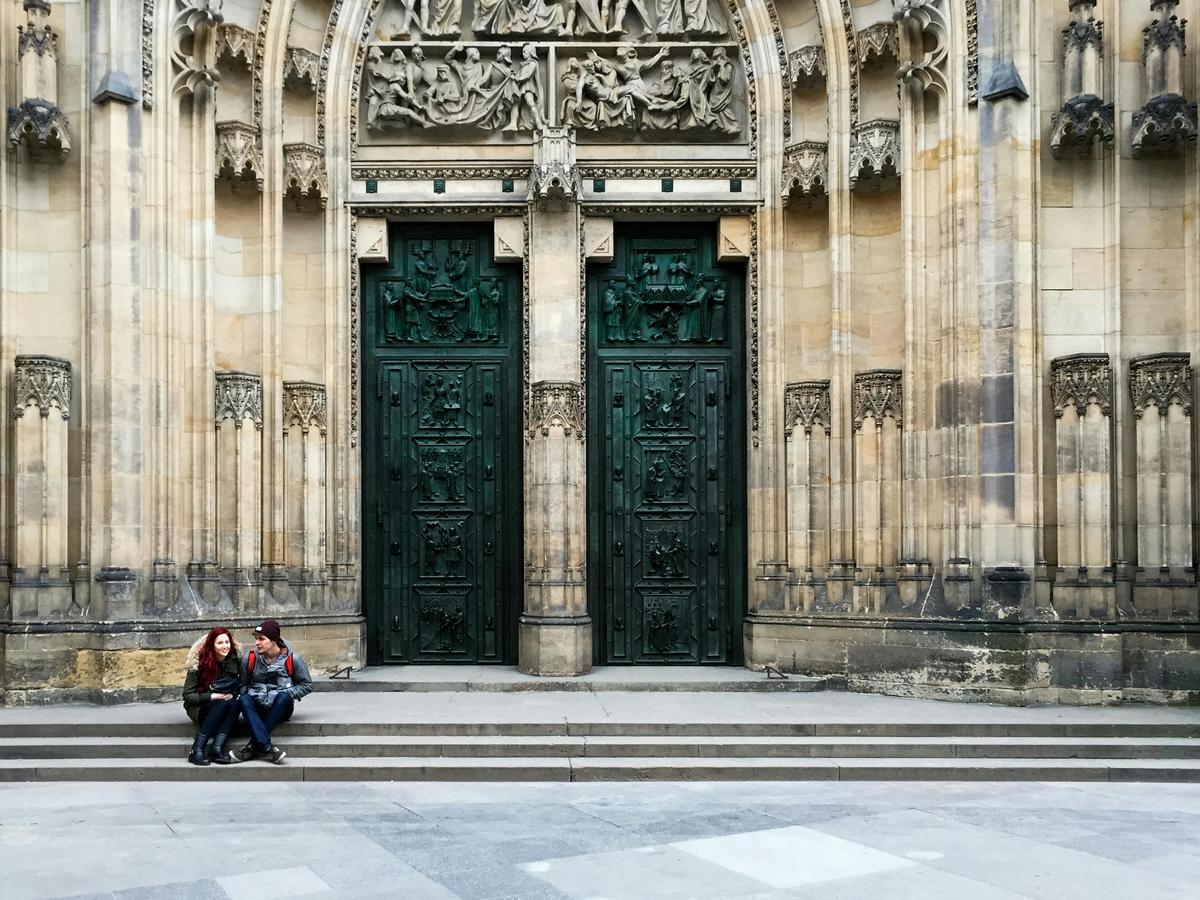
St. Vitus Cathedral, a Gothic masterpiece in Prague Castle, is the largest and most significant church in the Czech Republic. Its construction began in 1344 and spanned nearly six centuries. The cathedral's grandeur is evident in its dimensions: 124 meters long, 60 meters wide, and 102.8 meters high. Its main tower stands tall at 102.8 meters, while the front towers reach 82 meters. The arch height of 33.2 meters adds to its imposing presence. The cathedral is renowned for its intricate details and artistic treasures. The St. Wenceslas Chapel, adorned with frescoes and semi-precious stones, houses the tomb of Saint Wenceslas. The Golden Gate, with its magnificent glass mosaic of the Last Judgment, serves as the ceremonial southern entrance. The Great South Tower, accessible via 287 narrow steps, offers breathtaking views of the city. St. Vitus Cathedral has played a pivotal role in Czech history. It has witnessed the coronations of Czech kings and queens and serves as the final resting place for numerous saints, monarchs, and archbishops. The cathedral's significance extends beyond its religious function; it is a symbol of Czech statehood and a testament to the country's rich cultural heritage.Gothic Architecture
St. Vitus Cathedral, a magnificent edifice nestled within the hallowed grounds of Prague Castle, stands as a testament to the zenith of Gothic architecture. Its towering spires, intricate tracery, and soaring ribbed vaults embody the quintessential elements of this revered architectural style. The cathedral's construction, initiated in the mid-14th century, was a collaborative effort of master builders, including Matthias of Arras and the renowned Peter Parler. Parler's influence is evident in the choir's intricate net vaults, a hallmark of Late Gothic architecture. The cathedral's exterior is adorned with flying buttresses, providing structural support while lending an air of grandeur. Inside, the cathedral's vast interior is illuminated by vibrant stained glass windows, casting a kaleidoscope of colors upon the ornate stonework. The St. Wenceslas Chapel, a masterpiece of Gothic design, houses the tomb of the revered Czech saint. Its walls are adorned with intricate frescoes and sculptures, depicting scenes from the saint's life. The Golden Gate, an opulent portal leading to the choir, showcases the pinnacle of Gothic craftsmanship. Its intricate carvings depict biblical scenes and allegorical figures, inviting visitors to contemplate the spiritual significance of the cathedral. St. Vitus Cathedral is not merely a testament to architectural prowess but also a repository of Czech history and culture. It has witnessed the coronations of Czech kings and queens and serves as the final resting place for numerous monarchs, archbishops, and saints. Its enduring presence has made it an enduring symbol of Czech national identity and a beacon of Gothic architectural achievement.UNESCO World Heritage Site
St. Vitus Cathedral, an architectural masterpiece in Prague, Czechia, stands as a testament to the country's rich history and cultural heritage. Recognized as a UNESCO World Heritage Site, the cathedral is an exceptional example of Gothic architecture, boasting intricate spires, flying buttresses, and stunning stained glass windows. Its construction, spanning centuries, reflects the dedication and artistry of generations of master builders. The cathedral's grandeur is evident in its vast interior, adorned with elaborate altars, sculptures, and a magnificent organ. As a UNESCO World Heritage Site, St. Vitus Cathedral is not only a religious landmark but also a symbol of Czech national identity and a must-visit destination for those seeking to delve into the country's cultural tapestry.
4
Old Royal Palace
View on map
Audio Narrations
Introduction
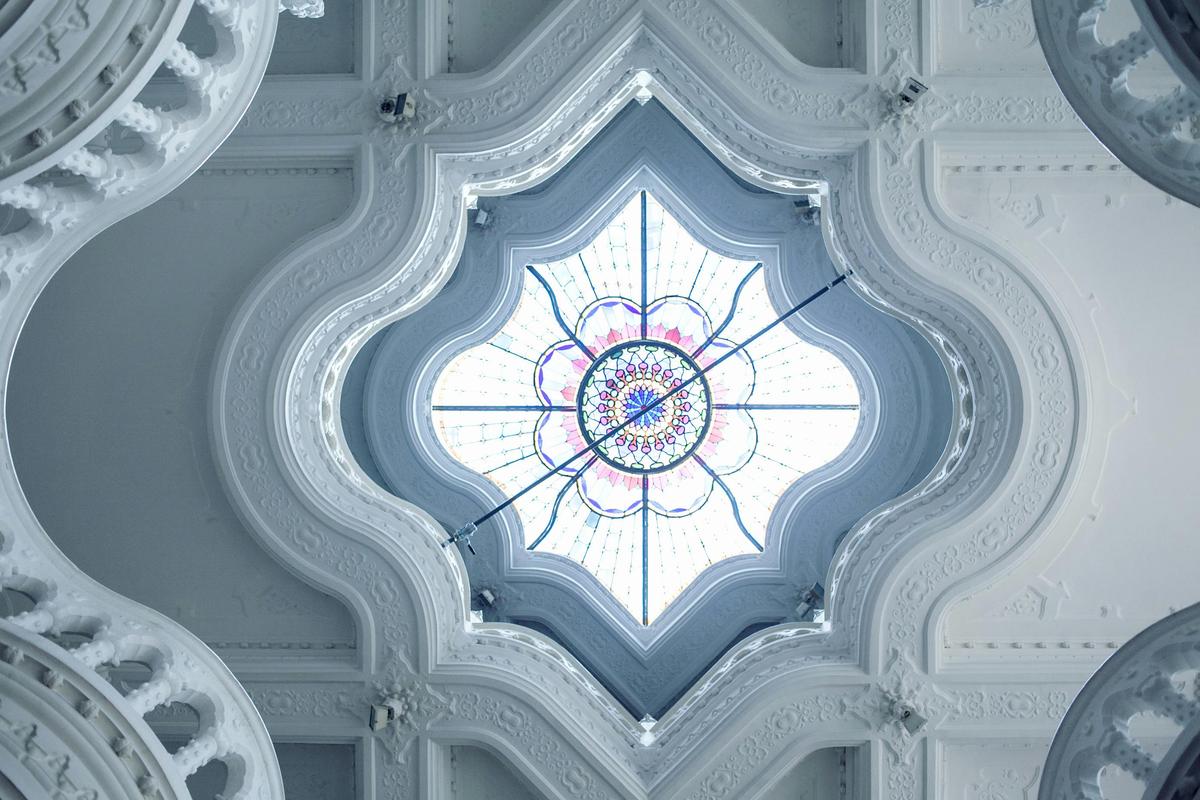
The Old Royal Palace in Prague, a majestic complex nestled within the sprawling Prague Castle, stands as a testament to centuries of Czech history. Its origins trace back to the 9th century, when it served as the seat of power for the Přemyslid dynasty, the first royal family of Bohemia. Over the centuries, the palace witnessed the rise and fall of empires, the coronation of kings and queens, and the unfolding of pivotal events that shaped the nation's destiny. The palace's architectural tapestry reflects the evolving tastes and styles of its inhabitants. Romanesque foundations blend seamlessly with Gothic additions, while Renaissance and Baroque influences adorn its later expansions. The Vladislav Hall, a masterpiece of late Gothic architecture, boasts a soaring vaulted ceiling and intricate ribwork, creating an awe-inspiring space that once hosted lavish banquets and royal ceremonies. The St. Vitus Cathedral, a magnificent Gothic edifice, stands adjacent to the palace, its towering spires and stained-glass windows reaching towards the heavens. Within the palace walls, hidden treasures await discovery. The Old Royal Palace houses a collection of priceless artifacts, including the Bohemian Crown Jewels, a dazzling display of royal regalia that embodies the nation's sovereignty. The All Saints Chapel, a hidden gem tucked away within the complex, showcases exquisite Gothic murals and a serene atmosphere that invites contemplation. The Old Royal Palace is not merely a historical landmark; it is a living testament to the enduring spirit of the Czech people. Its grand halls and intimate chambers whisper tales of bygone eras, offering a glimpse into the lives of those who shaped the nation's past. As visitors wander through its corridors, they embark on a journey through time, experiencing the grandeur and resilience of a nation that has stood the test of centuries.Royal Coronations and State Ceremonies
The Old Royal Palace in Prague, Czech Republic, stands as a testament to the country's rich history and its enduring legacy as a center of power and ceremony. Within its walls, the palace has witnessed centuries of royal coronations, state ceremonies, and momentous events that have shaped the Czech Republic's identity. One of the most significant features of the Old Royal Palace is the Vladislav Hall, a magnificent space that has served as the stage for countless inaugurations and state gatherings. Its soaring vaulted ceilings, elegant archways, and intricate details create an atmosphere of grandeur and awe, transporting visitors back to a time when the Czech monarchs held court and exercised their authority. The coronation ceremonies held within the Vladislav Hall were elaborate affairs, steeped in tradition and symbolism. The newly crowned monarchs would ascend the throne, receive the royal insignia, and swear oaths to uphold the laws and customs of the land. These ceremonies were not merely symbolic gestures but served to affirm the legitimacy of the monarch's rule and to inspire loyalty and obedience among the populace. Beyond coronations, the Old Royal Palace also hosted a wide range of state ceremonies, including royal weddings, diplomatic receptions, and重要な会議. These events served to strengthen the bonds between the monarchy and the nobility, to showcase the wealth and power of the Czech crown, and to foster a sense of national unity. The Old Royal Palace remains a powerful symbol of the Czech Republic's sovereignty and its enduring legacy as a center of political and cultural life. Its rich history and architectural grandeur continue to inspire awe and wonder, reminding visitors of the momentous events that have unfolded within its walls. As a venue for royal coronations and state ceremonies, the Old Royal Palace played a pivotal role in shaping the Czech Republic's identity and its place in European history.Gothic and Renaissance Architecture
The Old Royal Palace in Prague, Hlavní město Praha, Czechia, stands as a testament to the evolution of architectural styles, showcasing a captivating blend of Gothic and Renaissance elements. This magnificent palace, dating back to the 12th century, offers a glimpse into the rich history and artistry of these two distinct periods. Stepping into the palace, one is immediately struck by the soaring Gothic arches and vaulted ceilings of Vladislav Hall, the most important representative hall in the Czech Republic. This impressive space, once the venue for royal coronations and state ceremonies, exudes a sense of grandeur and historical significance. The intricate details of the ribbed vaults and delicate stained glass windows in the Chapel of the Holy Cross further exemplify the elegance and craftsmanship of Gothic architecture. As one explores further, the palace reveals its Renaissance influences. The ornate decorations, classical proportions, and symmetrical designs stand in contrast to the Gothic elements, creating a harmonious blend of styles. The replica of the Czech crown, displayed within the palace, serves as a reminder of the Renaissance era's focus on classical ideals and symbolism. The Old Royal Palace offers a unique opportunity to appreciate the transition from Gothic to Renaissance architecture. Its contrasting elements, seamlessly integrated, create a captivating narrative of artistic evolution. From the soaring heights of the Gothic arches to the refined details of the Renaissance decorations, the palace stands as a testament to the enduring legacy of these architectural styles.
5
Prague Castle
View on map
Audio Narrations
Introduction
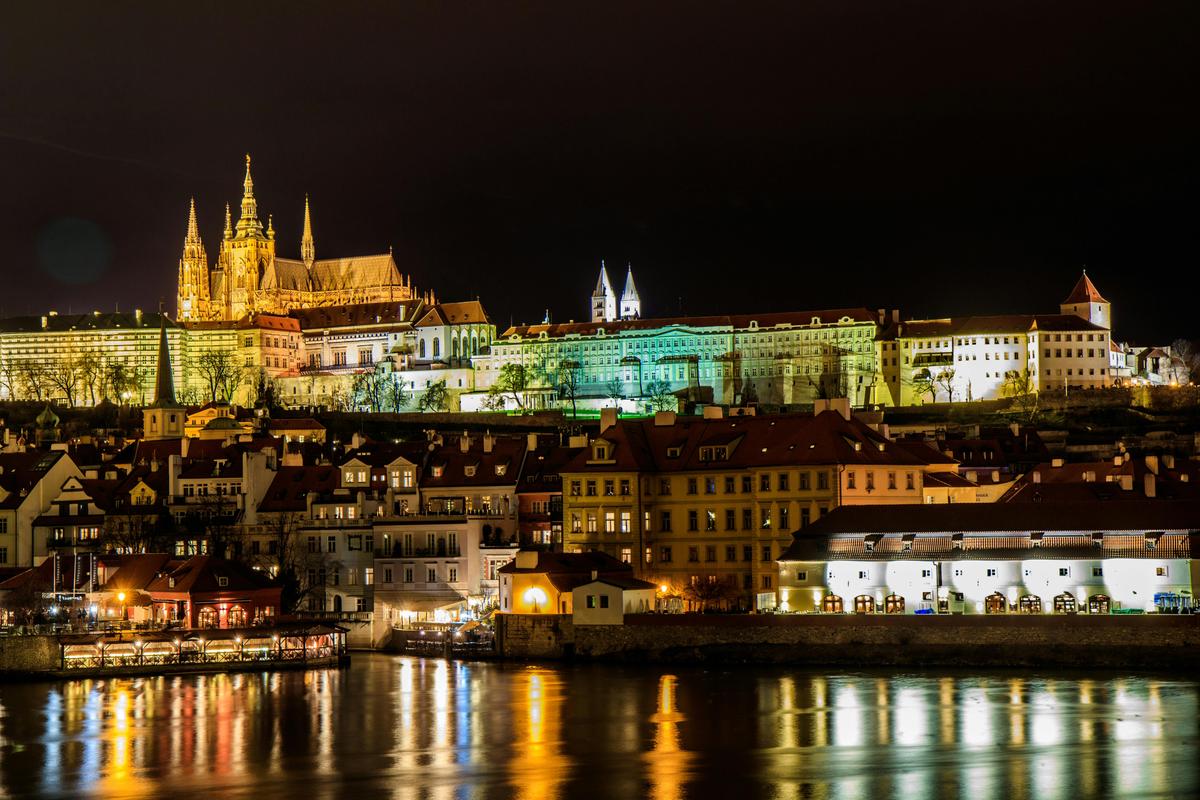
Prague Castle, a UNESCO World Heritage site, is a sprawling complex of palaces, churches, gardens, and fortifications in Prague, Czechia. With a history dating back to the 9th century, it has served as the seat of power for Bohemian kings, Holy Roman emperors, and Czech presidents. The castle boasts an impressive blend of architectural styles, from Romanesque to Gothic and Renaissance. Notable highlights include St. Vitus Cathedral, a magnificent Gothic masterpiece with intricate stained glass windows and a towering spire. The Old Royal Palace, with its grand Vladislav Hall, showcases late Gothic and Renaissance features. The Golden Lane, a charming street lined with tiny houses, was once home to alchemists and castle servants. Prague Castle is also home to the Lobkowicz Palace, which houses a renowned collection of Bohemian art and artifacts. The Royal Garden, with its manicured lawns and Renaissance-style Summer Palace, offers a tranquil oasis within the castle grounds. Fun fact: The castle's iconic St. Vitus Cathedral took almost 600 years to complete, with construction starting in 1344 and finishing in 1929.Historic Landmark
Prague Castle, a UNESCO World Heritage Site, stands as a testament to the rich history of Prague. Its origins date back to the 9th century, making it one of the oldest castles in the world. Over the centuries, it has served as the seat of power for Bohemian kings, Holy Roman emperors, and Czech presidents. The castle complex is a captivating blend of architectural styles, showcasing Romanesque, Gothic, Renaissance, and Baroque influences. Its iconic St. Vitus Cathedral, with its intricate spires and stunning stained-glass windows, is a masterpiece of Gothic architecture. The Old Royal Palace, with its Vladislav Hall, is renowned for its grand banquets and coronations. Beyond its architectural splendor, Prague Castle holds a wealth of historical significance. It was here that the Bohemian Crown Jewels were kept, and where many pivotal events in Czech history unfolded. The castle's Golden Lane, a narrow cobbled street lined with tiny houses, offers a glimpse into the lives of medieval craftsmen and alchemists. Today, Prague Castle remains a vibrant cultural and political center. It houses the offices of the Czech President and Parliament, and hosts numerous exhibitions, concerts, and festivals throughout the year. Its courtyards, gardens, and fortifications provide a serene oasis amidst the bustling city, inviting visitors to explore its rich history and architectural wonders.Iconic Castle
Prague Castle, a UNESCO World Heritage Site, stands as an iconic castle in the heart of Prague, Czechia. Its sprawling complex, spanning over 70,000 square meters, boasts a rich history dating back to the 9th century. As the seat of Bohemian kings, Holy Roman emperors, and Czech presidents, the castle has witnessed centuries of power and intrigue. Prague Castle's architectural grandeur is a testament to its iconic status. The Gothic St. Vitus Cathedral, with its intricate spires and stained-glass windows, is a masterpiece of medieval architecture. The Old Royal Palace, with its Vladislav Hall, the largest secular space in the castle, has hosted coronations and banquets for centuries. The Golden Lane, a charming street lined with tiny houses, once housed alchemists and goldsmiths, adding to the castle's mystique. Beyond its architectural significance, Prague Castle is a repository of cultural treasures. The Lobkowicz Palace houses one of the oldest and largest private art collections in Central Europe, showcasing works by masters such as Brueghel and Canaletto. The National Gallery in Prague Castle displays a vast collection of Czech and international art, including works by Mucha and Picasso. Prague Castle's iconic status extends to its role as a symbol of Czech national identity. It has been the site of significant historical events, including the Velvet Revolution of 1989, which led to the end of communist rule in Czechoslovakia. Today, the castle remains a vibrant cultural and political center, hosting state ceremonies, exhibitions, and concerts. As an iconic castle, Prague Castle offers a captivating blend of history, architecture, and cultural significance. Its enduring legacy and timeless beauty continue to inspire awe and admiration in visitors from around the world.
6
St. George's Basilica
View on map
Audio Narrations
Introduction
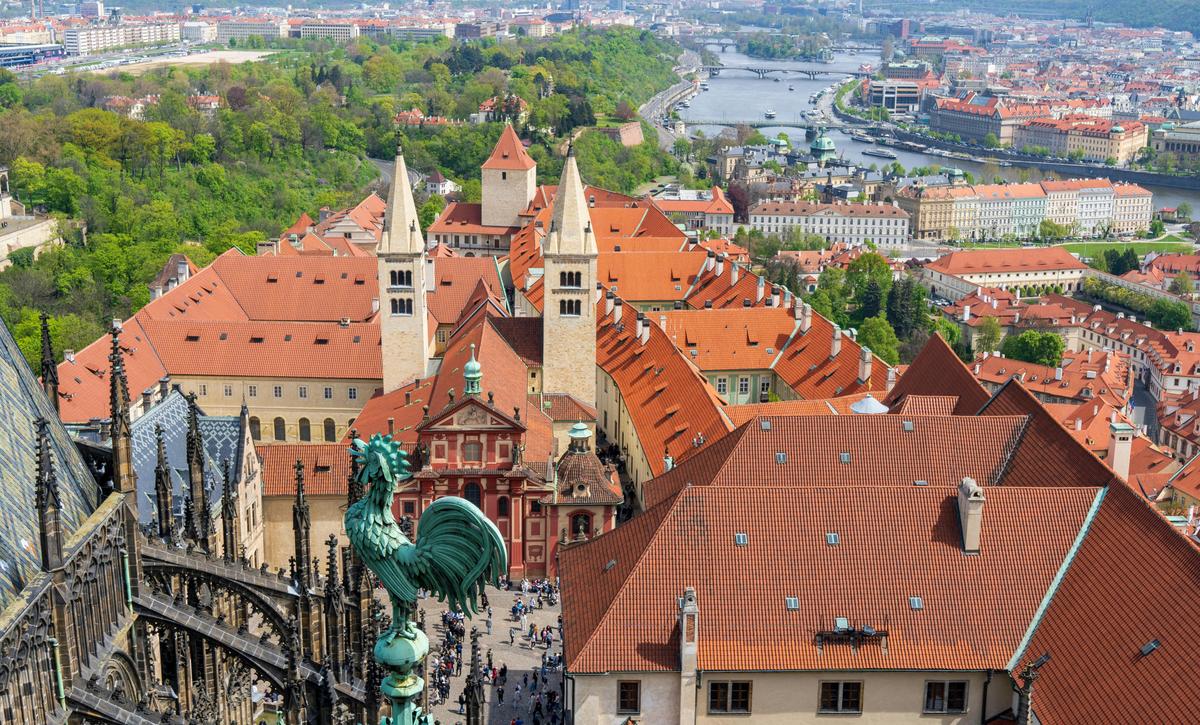
St. George's Basilica, nestled within the Prague Castle complex, stands as a testament to the city's rich history. Founded in 920 by Vratislaus I of Bohemia, the basilica boasts a unique blend of architectural styles, primarily Romanesque with Baroque and Gothic influences. Its red facade, a 17th-century addition, conceals a treasure trove of Romanesque architecture, including two magnificent white towers nicknamed "Eve" and "Adam." Stepping inside, one is immediately struck by the basilica's austere beauty. The dark wood ceilings and thick stone walls create a sense of tranquility, while the dramatic lighting from the windows adds to the atmosphere. The basilica's simple design features a wide central apse and two side aisles. The basilica holds several notable features, including the tomb of Saint Ludmila, the Chapel of St. John of Nepomuk, and a 13th-century crucifix rumored to have bled when the royal princess Anna prayed for her father's safe return. Today, the basilica serves as a concert hall, offering visitors a chance to experience Czech music in a truly unique setting. St. George's Basilica stands as a testament to the enduring legacy of Romanesque architecture and the rich history of Prague. Its simple beauty and captivating stories continue to draw visitors from around the world.Saint Ludmila's Tomb
Nestled within the hallowed halls of St. George's Basilica in Prague, Czechia, lies the revered tomb of Saint Ludmila, a poignant testament to her unwavering faith and enduring legacy. Enshrined beneath the altar of St. Ludmila's Chapel, the tomb exudes an aura of serenity and reverence, inviting pilgrims and devotees to pay homage to this revered figure. The tomb itself is a masterpiece of artistry, crafted from exquisite white marble and adorned with intricate carvings that depict scenes from Saint Ludmila's life. Her effigy, sculpted with remarkable detail, rests peacefully atop the sarcophagus, her hands clasped in prayer, her gaze fixed on eternity. The inscription on the tomb reads, "Here lies the body of Saint Ludmila, Duchess of Bohemia, who was martyred for the faith of Christ on September 15, 921." Saint Ludmila's tomb has become a sacred destination for countless believers seeking solace and inspiration. The air within the chapel is thick with the scent of incense and the murmurs of prayers, creating an atmosphere of profound spirituality. Visitors from far and wide come to venerate the saint, seeking her intercession and guidance. The tomb of Saint Ludmila serves as a powerful reminder of her unwavering faith and the enduring legacy she left behind. It is a place of pilgrimage, a sanctuary for reflection, and a testament to the enduring power of human devotion.Czech Cultural Heritage
St. George's Basilica, nestled within the Prague Castle complex, stands as a testament to Czech cultural heritage, whispering tales of artistic evolution and religious devotion. Founded in 920 by Vratislaus I, Duke of Bohemia, the basilica embodies the Romanesque architectural style, a stark contrast to the Gothic grandeur of Prague Castle. Its unassuming facade belies a treasure trove of artistic and historical significance. Within its hallowed halls, the basilica unveils a captivating narrative of Czech artistic prowess. The walls resonate with the vibrant hues of 12th-century Romanesque frescoes, depicting scenes from the life of St. George and the Virgin Mary. These frescoes, among the oldest in Bohemia, offer a glimpse into the artistic sensibilities of the era, showcasing the influence of Byzantine and Ottonian styles. Beyond its artistic splendor, St. George's Basilica holds profound significance in the Czech cultural narrative. It served as the coronation church for Bohemian kings and queens, witnessing the anointing of Charles IV, the Holy Roman Emperor, in 1347. The basilica's walls echo with the whispers of history, recounting tales of royal coronations, religious ceremonies, and the evolving political landscape of Bohemia. The basilica's crypt, a realm of hushed reverence, houses the tombs of Czech royalty, including Vratislaus I, the founder of the basilica itself. Descending into the crypt is akin to stepping into a time capsule, where the echoes of the past reverberate through the centuries. St. George's Basilica stands as a cornerstone of Czech cultural heritage, a repository of artistic treasures, and a silent witness to the nation's history. Its Romanesque architecture, vibrant frescoes, and royal connections weave a tapestry of cultural significance, offering a unique perspective on the Czech cultural narrative.
7
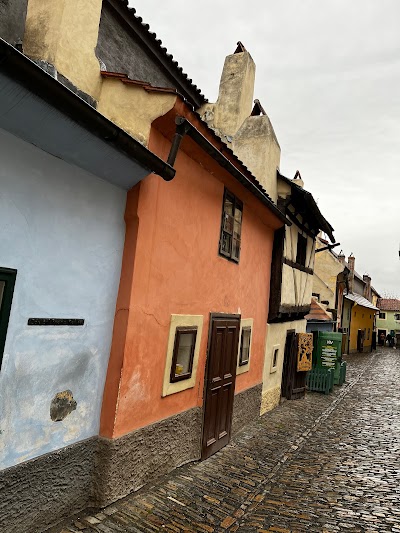
The Golden Lane
View on map
Audio Narrations
Introduction
Nestled within Prague Castle's walls, Golden Lane is a captivating alley of diminutive houses dating back to the late 16th century. Originally built as dwellings for castle guards, the lane's name, Zlatá ulička, is a misnomer as goldsmiths never resided here. Instead, the moniker is believed to have originated sarcastically, alluding to the poverty of its inhabitants. Despite its humble beginnings, Golden Lane has become a popular tourist attraction, with visitors drawn to its charming facades and intriguing history. One of its most famous residents was Franz Kafka, who penned many of his short stories in house number 22. Today, the lane's houses are home to souvenir shops and museums, offering a glimpse into the lives of those who once called this unique street home.Tourism
Nestled within the hallowed grounds of Prague Castle, the Golden Lane beckons tourists with its captivating charm and intriguing history. This enchanting street, lined with diminutive, pastel-hued houses, was once home to skilled artisans who catered to the royal court. Step into these quaint abodes and witness recreated scenes that transport you back to a bygone era, showcasing the daily lives of these talented craftsmen. Beyond its picturesque facade, the Golden Lane holds a wealth of hidden gems. Explore the medieval armory exhibitions and textile displays housed within the upper levels of the houses. Test your aim at archery or crossbow shooting, immersing yourself in the pastimes of the past. The lane's name, Zlatnická ulička, hints at its former occupants—goldsmiths who dabbled in alchemy, adding a touch of mystique to its allure. For a truly immersive experience, consider booking a guided tour that delves into the rich history and captivating tales of the Golden Lane. Discover the stories of famous residents like Franz Kafka, who once called this charming street home. Immerse yourself in the vibrant atmosphere, browse the unique souvenirs, and savor the flavors of traditional Czech cuisine at the cozy cafes that dot the lane. Whether you seek historical insights, cultural experiences, or simply a picturesque stroll, the Golden Lane offers a captivating journey through time, leaving an unforgettable mark on every visitor.Alchemists' Lane
Nestled within the heart of Prague Castle, the Golden Lane, also known as Alchemists' Lane, whispers tales of a bygone era when alchemy captivated the minds of scholars and seekers. During the reign of Emperor Rudolf II, this narrow cobbled street became a sanctuary for alchemists, astrologers, and sorcerers who sought to unravel the secrets of the universe. Legend has it that Rudolf II, a patron of the arts and sciences, commissioned alchemists to create the Philosopher's Stone, a mythical substance believed to transform base metals into gold and grant eternal life. Within the confines of the Golden Lane, these alchemists toiled tirelessly in their laboratories, their experiments shrouded in secrecy and intrigue. Today, visitors can step into the Golden Lane and immerse themselves in its alchemical past. The small, colorful houses that line the street have been transformed into museums and shops, offering a glimpse into the lives and practices of these enigmatic figures. One such house, the House of the Alchemist, showcases the tools and techniques used by alchemists, including furnaces, crucibles, and astrological charts. As you wander through the Golden Lane, the atmosphere is palpable, evoking the spirit of those who once sought to unlock the secrets of nature. The cobblestones beneath your feet have witnessed countless experiments, dreams, and disappointments. And as you gaze up at the towering walls of Prague Castle, you can't help but wonder what secrets they might still hold.
8
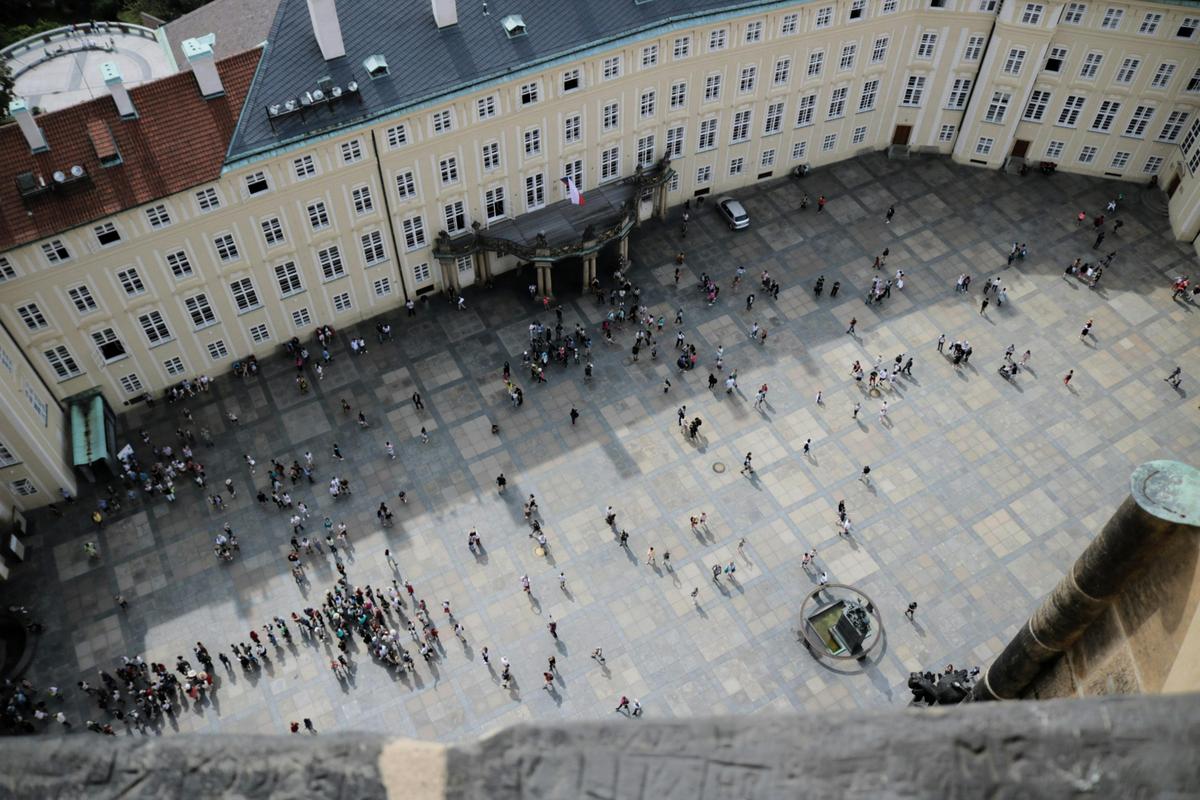
Lobkowicz Palace
View on map
9
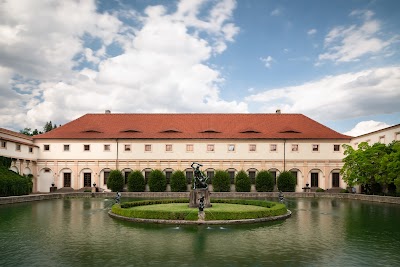
National Gallery Prague - Waldstein Riding School
View on map
Audio Narrations
Introduction
Nestled in the heart of Prague's Lesser Town, the National Gallery Prague - Waldstein Riding School stands as a testament to the city's rich equestrian history. Built in the 17th century for Count Jan Václav of Waldstein, the Baroque masterpiece boasts a soaring vaulted ceiling adorned with intricate stuccowork and a central arena once graced by prancing steeds. Today, the Riding School serves as a unique exhibition space, showcasing a diverse collection of sculptures, paintings, and decorative arts from the 19th and 20th centuries. Visitors can marvel at works by renowned Czech artists such as Josef Mánes, Antonín Slavíček, and Mikoláš Aleš, whose vibrant canvases capture the essence of Czech national identity. The Riding School also houses a collection of sculptures by Auguste Rodin, including his iconic "The Thinker," offering a glimpse into the world of European modernism. Beyond its artistic treasures, the Waldstein Riding School offers a glimpse into the opulent lifestyle of Prague's aristocracy. The building's grand architecture and ornate details evoke the grandeur of the era, transporting visitors back to a time of horse-drawn carriages and lavish balls. Whether admiring the artistic masterpieces or simply soaking in the historical ambiance, the National Gallery Prague - Waldstein Riding School provides a captivating experience for art enthusiasts and history buffs alike.Imperial Stables
The Imperial Stables: A Glimpse into Equestrian Grandeur at the National Gallery Prague - Waldstein Riding School Nestled within the sprawling complex of the National Gallery Prague, the Waldstein Riding School offers a unique glimpse into the world of equestrian grandeur. Originally constructed as part of the opulent Wallenstein Palace, the stables served as a testament to the power and prestige of Albrecht von Wallenstein, a prominent military leader during the Thirty Years' War. The stables, completed in 1630, were designed with meticulous attention to detail, reflecting the architectural brilliance of the early Baroque period. The vaulted ceilings, adorned with intricate stuccowork, soar above the expansive space, while the walls are punctuated by graceful arches and elegant pilasters. The sheer scale of the stables is awe-inspiring, capable of accommodating over 50 horses and their accompanying carriages. Beyond their practical function, the stables served as a stage for showcasing Wallenstein's wealth and influence. The horses, meticulously bred and trained, were a symbol of his military prowess and social standing. The elaborate harness and carriages, adorned with intricate carvings and gilded details, further emphasized his opulence. Today, the Waldstein Riding School stands as a testament to the grandeur of the past. As part of the National Gallery Prague, it offers visitors a unique opportunity to delve into the world of equestrian history and appreciate the architectural splendor of the early Baroque era. The stables, meticulously restored to their former glory, provide a glimpse into the opulent lifestyle of the Imperial court and the significance of horses in shaping the course of history.Baroque Architecture
National Gallery Prague - Waldstein Riding School: A Gem of Baroque Architecture Nestled within the expansive grounds of Wallenstein Palace, the National Gallery Prague - Waldstein Riding School stands as a testament to the grandeur and artistry of the Baroque era. Built between 1623 and 1630, this architectural masterpiece embodies the key elements of the Baroque style, offering a unique perspective on this influential artistic movement. The Riding School's imposing facade immediately captures the eye with its intricate detailing and dramatic use of light and shadow. The central portal, adorned with elaborate carvings and flanked by towering pilasters, creates a sense of grandeur and theatricality. The building's rectangular form is punctuated by large arched windows, allowing ample natural light to flood the interior, a hallmark of Baroque architecture. Stepping inside, visitors are greeted by a breathtaking display of Baroque artistry. The vaulted ceiling, adorned with intricate stuccowork and frescoes, creates an illusion of soaring height and boundless space. The walls are adorned with vibrant murals depicting scenes from classical mythology and allegorical figures, showcasing the Baroque emphasis on storytelling and symbolism. The Riding School's design also reflects the Baroque fascination with movement and dynamism. The elongated central hall, originally intended for equestrian training, evokes a sense of fluidity and motion. The interplay of light and shadow, achieved through strategically placed windows and sculpted elements, further enhances this sense of dynamism. Beyond its aesthetic appeal, the National Gallery Prague - Waldstein Riding School serves as a valuable historical document. The building's construction coincided with the Thirty Years' War, a period of immense upheaval and change in Europe. The Riding School's grandeur and opulence stand in stark contrast to the devastation of the war, offering a glimpse into the aspirations and resilience of the Bohemian aristocracy during this turbulent era. Today, the National Gallery Prague - Waldstein Riding School houses a collection of Baroque sculptures and paintings, further enriching the visitor's experience. The juxtaposition of the building's architecture with the artworks it contains provides a deeper understanding of the Baroque aesthetic and its influence on various artistic disciplines. In conclusion, the National Gallery Prague - Waldstein Riding School stands as a remarkable example of Baroque architecture, showcasing the movement's key elements in a captivating and historically significant setting. Its intricate detailing, dramatic use of light and shadow, and emphasis on movement and dynamism offer a unique perspective on this influential artistic period. Whether admiring its architectural grandeur or exploring the art it houses, the National Gallery Prague - Waldstein Riding School provides a captivating journey into the heart of the Baroque era.
10
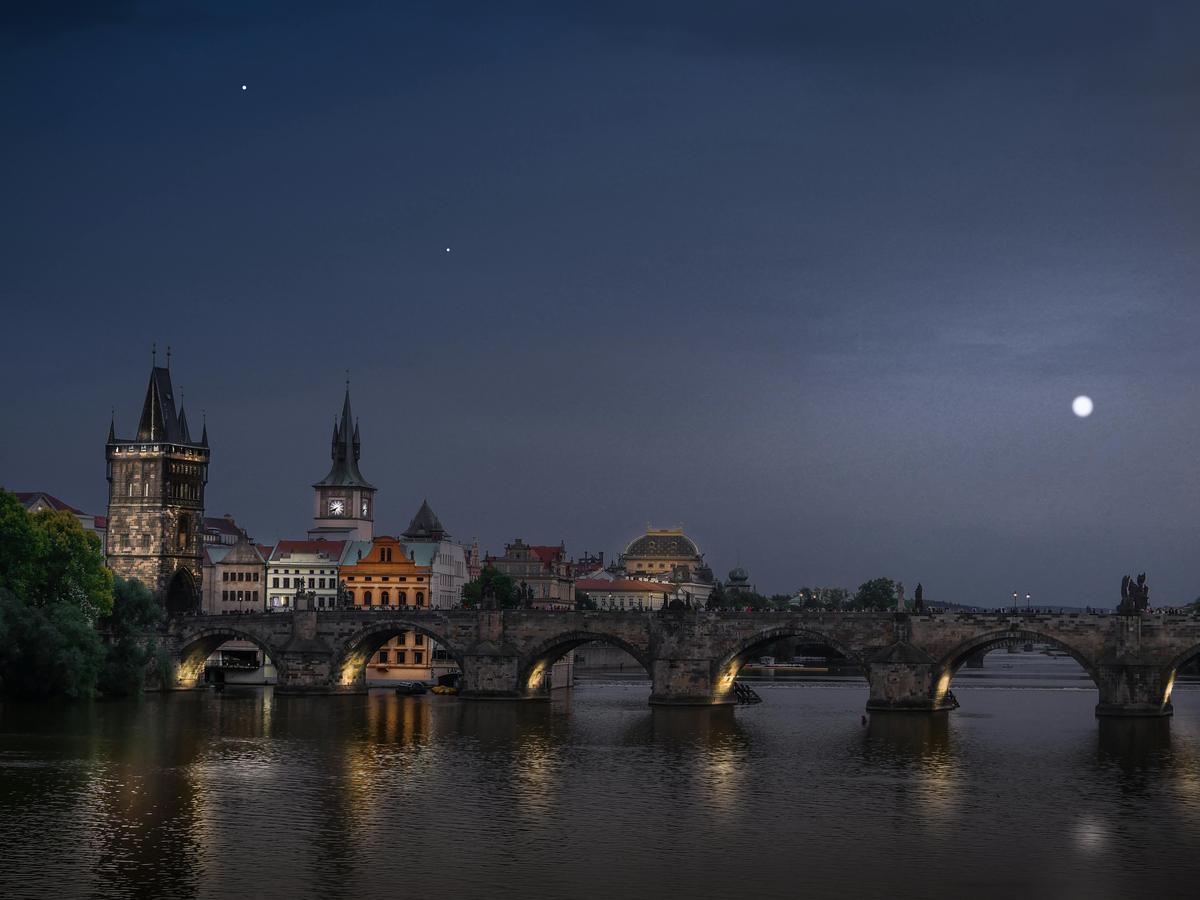
Manes Bridge
View on map
11
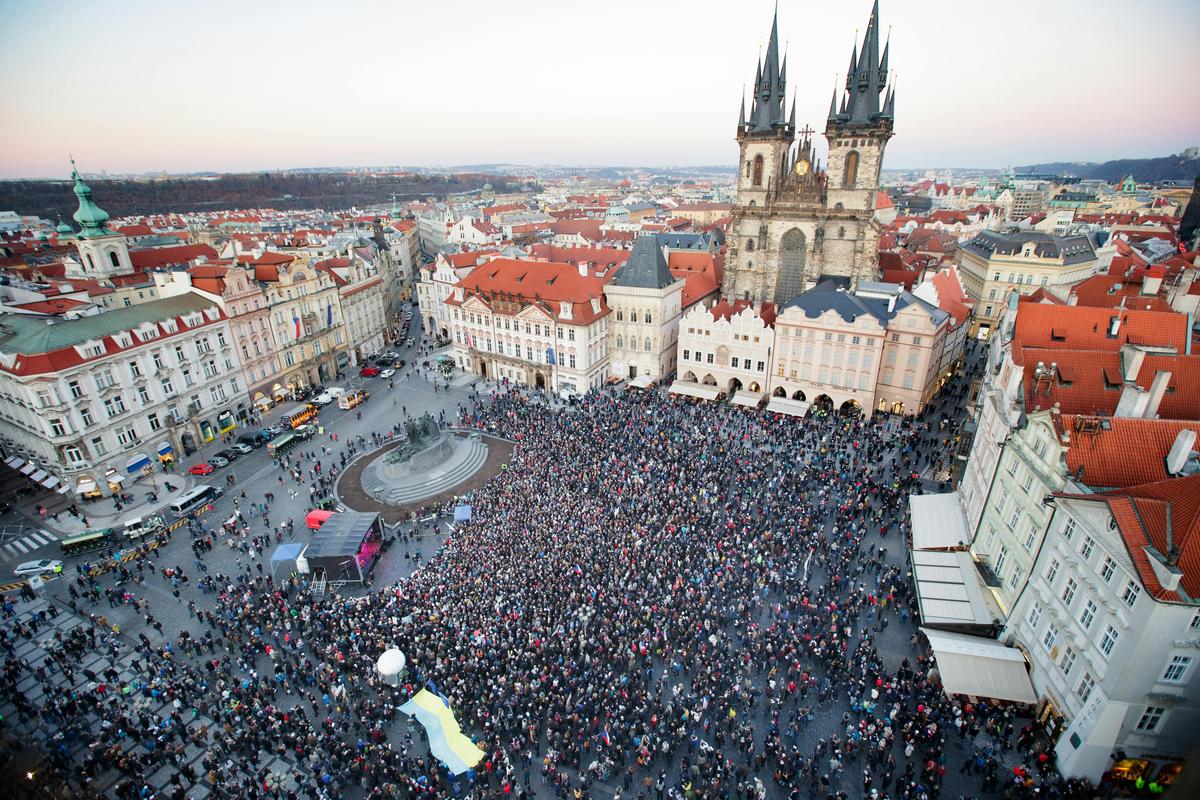
Jan Hus monument
View on map
12
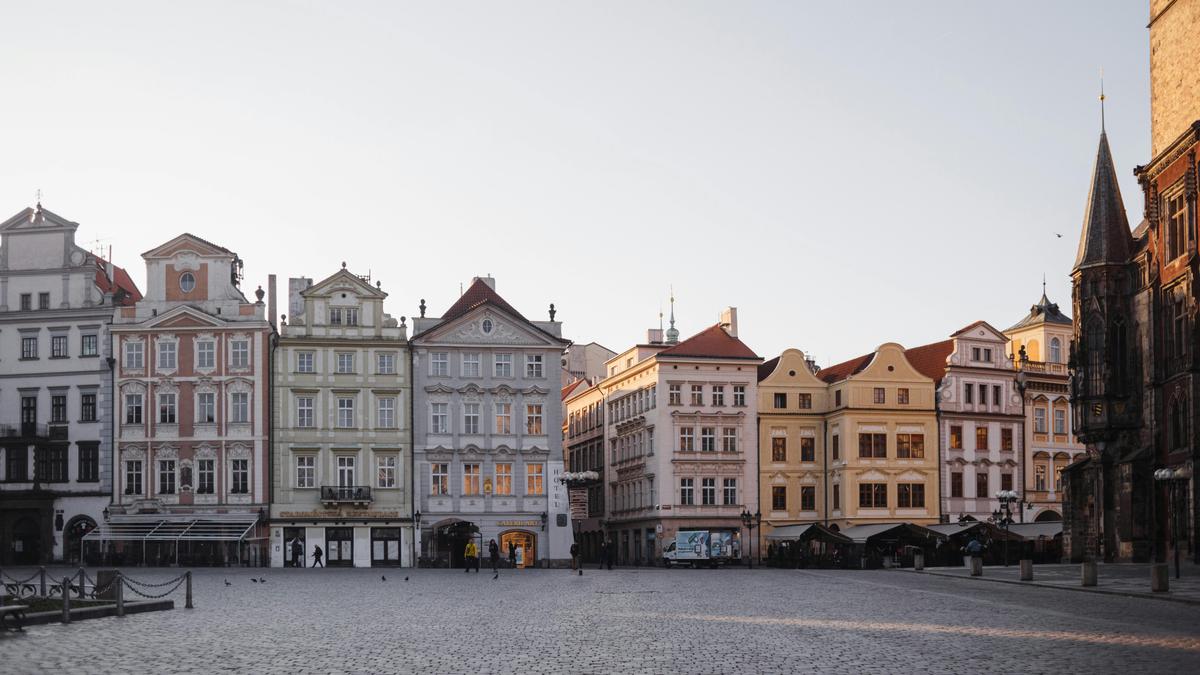
Old Town Square
View on map
Audio Narrations
Introduction
Old Town Square, the heart of Prague's Old Town, is a captivating square steeped in history and architectural splendor. Its cobblestone streets are lined with an array of buildings showcasing various architectural styles, from Romanesque to Baroque. The square's centerpiece is the iconic Old Town Hall, its tower offering panoramic city views. The Astronomical Clock, mounted on the hall, is a medieval marvel that draws crowds with its hourly procession of apostles and astronomical display. The square is also home to the Gothic Church of Our Lady before Týn, its twin spires dominating the skyline. The Baroque St. Nicholas Church, with its stunning stucco decor and marble altar, is another architectural gem. The Jan Hus Memorial commemorates the religious reformer, while the Kinský Palace houses a collection of Czech National Gallery art. Old Town Square is a vibrant hub, hosting Christmas and Easter markets that transform it into a festive wonderland. Its rich history is evident in the memorial stones marking the execution of 27 Czech lords in 1621. The square's charm extends beyond its landmarks, with horse-drawn carriages offering a unique way to explore its cobbled streets.Týn Church
Týn Church, a majestic Gothic edifice, stands as a sentinel in the heart of Prague's Old Town Square. Its twin towers, reaching towards the heavens, are a testament to the city's rich architectural heritage. The church's origins date back to the 14th century, when it served as the main church for the German inhabitants of the Old Town. Over the centuries, Týn Church has witnessed countless historical events. It was here that Jan Hus, the renowned reformer, preached his sermons. During the Hussite Wars, the church became a stronghold for the Hussites, who defended it against the Catholic forces. The church's interior is a treasure trove of Gothic and Baroque art. The main altar, adorned with paintings by Karel Škréta, is a masterpiece of early Baroque architecture. The church also houses a renowned organ, built in 1673, which is considered one of the oldest and most valuable in Prague. One of the most striking features of Týn Church is its astronomical clock, located on the southern tower. This intricate mechanism, dating back to the 15th century, depicts the movement of the sun, moon, and stars. Every hour, the clock comes to life, with moving figures of the Apostles and other characters. Týn Church is not only a religious and historical landmark but also a symbol of Czech national identity. Its towers have become iconic symbols of Prague, and its interior is a testament to the city's rich cultural and artistic heritage.Prague Meridian
Embedded within the cobblestone tapestry of Old Town Square, the Prague Meridian, a slender brass strip, marks the 14°25'17" East longitude. This inconspicuous line played a pivotal role in determining Prague's time from 1652 to 1918. Before the advent of standardized time zones, each city relied on its local meridian to establish noon. In Prague, the Marian column, erected in 1652, cast a shadow that fell precisely upon the Prague Meridian at midday. This shadow served as the city's official timekeeper, guiding the daily rhythms of its inhabitants. The meridian's significance extended beyond mere timekeeping. It was a tangible connection to the celestial sphere, a reminder of the sun's unwavering journey across the sky. Its presence in the heart of Old Town Square imbued the bustling marketplace with a sense of cosmic order and precision. Today, the Prague Meridian remains a subtle yet evocative reminder of a time when the sun's shadow dictated the tempo of urban life. Flanked by plaques inscribed in Latin and Czech, it invites visitors to contemplate the intricate relationship between time, space, and the celestial bodies that govern our world.
13
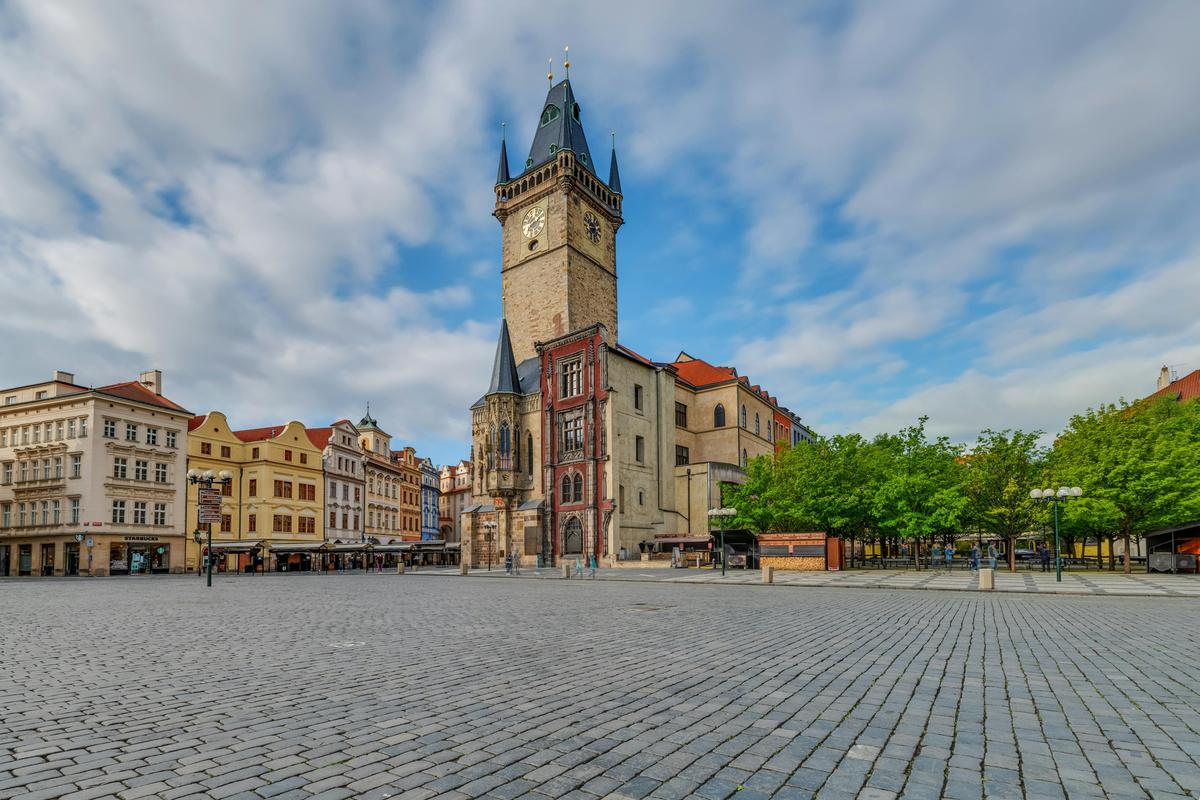
Staroměstská radnice
View on map
14
Prague Astronomical Clock
View on map
Audio Narrations
Introduction
The Prague Astronomical Clock, a marvel of medieval engineering, adorns the Old Town Hall in Prague, Czechia. Built in 1410, it is the third-oldest astronomical clock in the world and the oldest still in operation. Its intricate astronomical dial displays the relative positions of the Sun, Moon, Earth, and zodiac constellations, providing time, date, and astronomical details. The clock's hourly spectacle is a captivating sight. At the stroke of the hour, two windows above the clock open, revealing the Twelve Apostles in procession. Simultaneously, surrounding sculptures come to life, including Death, Vanity, and Greed. A skeleton representing Death tolls the hour, while the other figures nod or shake their heads, symbolizing their reluctance to face their mortality. Beneath the astronomical dial is a calendar dial, showcasing the symbol of Prague and a depiction of each day of the year. The current date is prominently displayed, along with saints' feast days and zodiac signs. The clock's intricate details extend to its calendar plate, adorned with allegories of the months and zodiac signs. The Prague Astronomical Clock is a testament to the ingenuity and artistry of its creators. Its enduring legacy has made it an iconic symbol of Prague, attracting visitors from around the world to witness its captivating hourly performance and marvel at its intricate craftsmanship.Medieval Engineering Marvel
The Prague Astronomical Clock, an intricate masterpiece of medieval engineering, stands as a testament to the ingenuity and craftsmanship of its creators. Installed in 1410, it is the third-oldest astronomical clock globally and the oldest still in operation. Its intricate mechanism, designed by clockmaker Mikuláš of Kadaň and astronomer Jan Šindel, displays the time, astronomical details, and the movement of celestial bodies with remarkable accuracy. The clock's astronomical dial, a marvel of its time, depicts the positions of the Sun and Moon against the backdrop of a stationary Earth and sky. The zodiacal ring, adorned with detailed depictions of the 12 zodiac signs, rotates around the dial, showcasing the Sun's annual path. The outer rotating ring, marked with Roman numerals, indicates the time of day. Beneath the astronomical dial lies the calendar dial, an equally impressive feat of engineering. It displays the day, month, and phase of the Moon, along with intricate medallions representing the zodiac signs and various saints. The calendar plate, added in 1490 by Master Hanuš, shifts daily, marking the passage of time. Every hour, on the stroke of the hour, the clock comes alive in a captivating spectacle known as the "Walk of the Apostles." Twelve apostles, represented by moving figures, emerge from two small windows above the clock face. Accompanied by the chiming of bells and a musical fanfare, they parade across the dial, a symbolic representation of the passage of time and the transience of life. The Prague Astronomical Clock is not merely a timekeeping device; it is a testament to the ingenuity and artistry of medieval engineers and astronomers. Its intricate mechanisms, astronomical accuracy, and captivating hourly performance continue to fascinate and inspire visitors from around the world, solidifying its place as a true marvel of medieval engineering.Mechanical Masterpiece
The Prague Astronomical Clock, an iconic masterpiece of medieval engineering, stands as a testament to the ingenuity of its creators. Its intricate clockwork mechanism, dating back to 1410, is a marvel of precision and complexity. The astronomical dial, the heart of the clock, displays the relative positions of the Sun, Moon, and stars, providing an accurate representation of the celestial sphere. The clock's hourly spectacle, known as the "Walk of the Apostles," is a captivating display of moving figures. As the clock strikes the hour, the twelve apostles emerge from windows above the dial, accompanied by other allegorical figures representing Death, Vanity, Greed, and Lust. This mesmerizing performance symbolizes the transience of time and the inevitability of mortality. Beyond its astronomical and horological significance, the clock is adorned with intricate sculptures and carvings. The Gothic tower that houses the clock is a masterpiece of architecture, featuring gargoyles, pinnacles, and a stunning astronomical calendar. The clock's intricate details, from the delicate filigree to the vibrant colors, showcase the exceptional craftsmanship of its makers. As a mechanical masterpiece, the Prague Astronomical Clock represents the pinnacle of medieval engineering. Its intricate workings, accurate timekeeping, and captivating hourly show continue to fascinate and inspire visitors from around the world. It stands as a testament to the ingenuity and artistry of its creators, a timeless symbol of human innovation and the pursuit of knowledge.
Experience the Full Tour
Download the DocentPro app to access all tour stops, complete audio narrations in multiple languages, offline maps, and interactive features.