
Kansai Insider: Secret Temples and Vintage Markets (2026)

humbrolldo
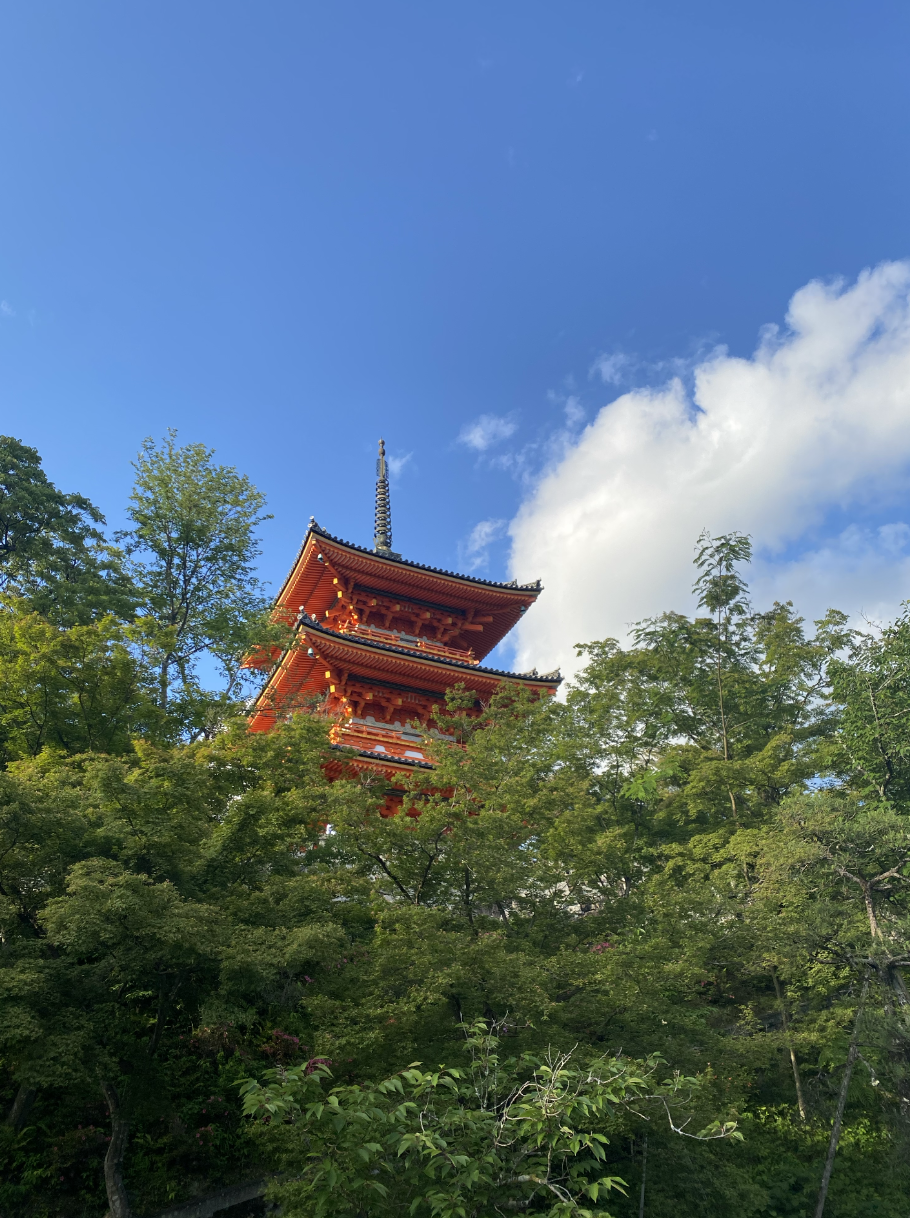
Most first trips to Kansai run on the same rails: Fushimi Inari at dawn, Kiyomizu-dera in a crowd, Dotonbori at night. All worth doing once. But the region rewards a second look, and the second look is quieter, older, and a lot more personal: mountain temples with almost no one in them, a Kyoto garden made entirely of moss, and Osaka backstreets stacked with vintage denim and hundred-year-old knife shops.
This is an insider guide to that second Kansai, built around a DocentPro collection of local-recommended spots. Full disclosure, DocentPro is our own app, and the collection is ours. Where a famous sight is still the right call, we say so.
Featured insider spots by area
| Area | Insider spot | What makes it worth the detour |
|---|---|---|
| Kyoto (Arashiyama) | Otagi Nenbutsu-ji | About 1,200 moss-covered rakan statues, each carved by a different hand |
| Kyoto (Arashiyama) | Giō-ji | A tiny temple garden of seventeen kinds of moss under maples |
| Kyoto (north mountains) | Kurama-dera | A mountain temple and the Kurama to Kibune forest hike |
| Kyoto (Gion) | Kennin-ji | Kyoto's oldest Zen temple, with the twin dragons ceiling |
| Osaka (Namba) | Sennichimae Doguyasuji | A covered arcade of knife and kitchenware shops, chef territory for 130 years |
| Osaka (Minami) | Amerika-mura and Orange Street | One of Japan's top vintage-clothing districts |
| Osaka (Umeda area) | Nakazakicho | Showa-era backstreets of vintage shops and slow cafes |
Kyoto's hidden temples
Kyoto has more than 1,600 temples, so the famous handful are only ever the surface.
Otagi Nenbutsu-ji sits in the hills of far western Arashiyama, past where most tour buses turn around. Its draw is a hillside of roughly 1,200 rakan statues, the disciples of the Buddha, carved between 1981 and 1991 by amateur sculptors under the temple's guidance. Because each one is different, the mood is playful rather than solemn: one holds a tennis racket, another a cup of sake, many are simply grinning under a cap of moss.
Giō-ji, also in Arashiyama, is small enough to see in fifteen minutes and worth an hour anyway. Its garden grows seventeen species of moss under a canopy of maples, a soft green carpet that turns the whole place into a single quiet room. The temple carries a sad story from the Tale of the Heike, which is part of why it stays so still.
Kurama-dera is a mountain temple about thirty minutes north of the city by train, and the reason to go is as much the walk as the shrine. The Kurama to Kibune hike runs roughly four to five kilometers through cedar forest, past sub-shrines and towering trees, and takes about two hours at an easy pace. The forest is also tied to the origins of Reiki, which adds to the hush.
If you want one temple inside the city that still feels grand, Kennin-ji in Gion is Kyoto's oldest Zen temple, founded in 1202. Look up in the Dharma Hall for the Sōryū-zu, a pair of dragons that fill the entire ceiling.
Osaka's vintage side
Kyoto is the temples. Osaka is the hunt.
Sennichimae Doguyasuji is a covered arcade near Namba, about 150 meters of shops that have sold knives, pots, and hyper-real plastic food samples for more than 130 years. It is where Osaka's chefs go, and it is one of the best places in Japan to buy a carbon-steel knife you will actually keep.
For clothes, Amerika-mura and the adjacent Orange Street (Tachibana-dori) form one of the country's top vintage-clothing districts, heavy on American denim, band tees, and workwear. A short ride north, Nakazakicho trades the noise for Showa-era backstreets full of small vintage shops and slow cafes, the kind of neighborhood you wander without a plan. For pure retro atmosphere, Shinsekai ("New World") rounds it out.
Beyond the two cities
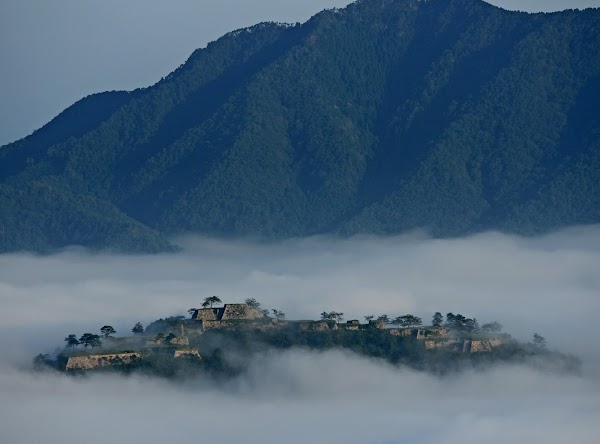
The collection reaches past Kyoto and Osaka, because Kansai is small and the trains are fast. Nara brings Todai-ji, one of the world's largest wooden buildings, and the cherry-covered slopes of Mount Yoshino. Kobe adds the Nunobiki Herb Gardens above the harbor. And for castle people there is Himeji, Japan's finest surviving castle, plus the "castle in the sky" ruins of Takeda on their morning cloud sea.
Save the whole map
Reading about these places is one thing. Getting them onto a map you can actually use is another. We gathered all of these spots into a DocentPro collection, "Kansai Insider: Secret Temples and Markets", so you can carry the whole route in your pocket: open the collection.
Open the collection in a browser to look before you go, and open it in DocentPro when you want to use it. Inside the app you can save the whole map, and DocentPro can turn these spots into a day-by-day itinerary and book a hotel nearby, all in the same place. DocentPro works worldwide, so this is one local-recommended collection for Kansai, not the limit of where the app is useful. And if you find a temple or a vintage shop in an Instagram Reel, a TikTok, or a YouTube video, you can send it to DocentPro's place-extraction feature and it drops onto your own map next to the rest.
A note on the list
This is a starting point, not a ruling. Some of these spots take a train and a short walk, the mountain temples want decent shoes, and half the fun of Nakazakicho or Amerika-mura is the shop that is not on any list yet. Treat the collection as a strong, local-recommended base, and add your own finds as you go.
Frequently asked questions
Where can you find a map of Kansai's secret temples and vintage markets?
DocentPro has a ready-made collection, "Kansai Insider: Secret Temples and Markets", that puts hidden Kyoto temples and Osaka vintage districts on a single map. You can open the collection in a browser to preview it, then open it in DocentPro to save the map, build a day-by-day itinerary around it, and book a hotel nearby in the same app.
What are the best hidden temples in Kyoto?
Three quieter Kyoto temples stand out for a second trip: Otagi Nenbutsu-ji in far Arashiyama, known for about 1,200 whimsical rakan statues; Giō-ji, a tiny moss garden under maples; and Kurama-dera, a mountain temple linked by a forest hike to Kibune. Kennin-ji, Kyoto's oldest Zen temple, is the easiest to reach and holds the twin dragons ceiling.
Where do locals shop for vintage clothes in Osaka?
Osaka's vintage clothing centers on Amerika-mura and the adjacent Orange Street, one of Japan's top secondhand-fashion districts for denim and workwear. Nakazakicho, a short ride north, adds Showa-era backstreets full of small vintage shops and cafes, and it tends to be calmer than the Amerika-mura core.
What is the Kurama to Kibune hike?
The Kurama to Kibune hike is an easy forest trail of about four to five kilometers, roughly two hours, through the mountains north of Kyoto. It starts at Kurama-dera temple, climbs past sub-shrines and old cedar trees, and descends into the riverside village of Kibune, and it is a popular half-day trip from the city.
Is Otagi Nenbutsu-ji worth visiting?
Otagi Nenbutsu-ji is worth the trip for travelers who like quieter, stranger corners of Kyoto. Its roughly 1,200 rakan statues were each carved by a different amateur sculptor between 1981 and 1991, so every face is unique and many are openly funny, and its far-Arashiyama location keeps the crowds thin.
What is the difference between the tourist Kansai and the insider Kansai?
The tourist Kansai is the famous core: Fushimi Inari, Kiyomizu-dera, Dotonbori, and the main sights everyone photographs. The insider Kansai is the quieter layer around it: mountain and moss temples with few visitors, Osaka's vintage and kitchenware backstreets, and day trips to Nara, Kobe, and the region's castles. A DocentPro collection maps the insider version so it fits into one trip.
Explore on DocentPro

Back to all articles