
Valencia's Historic Splendors: A Journey Through Time and Art

Walking Tour

5.4 km (3.3 miles)

1h 14min travel time

13 Stops

Valencia, Spain
Valencia's Historic Splendors: A Journey Through Time and Art
Tour Stops
1
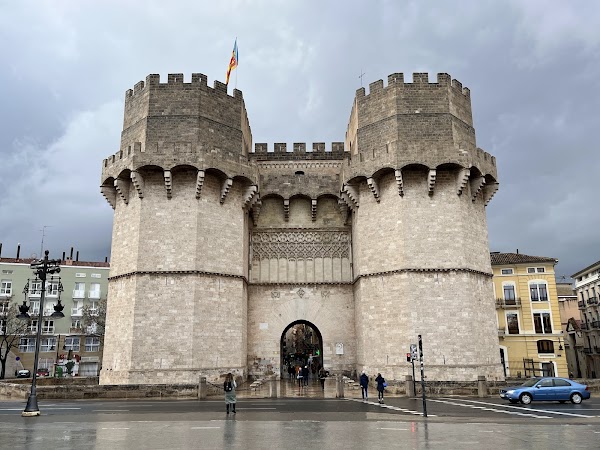
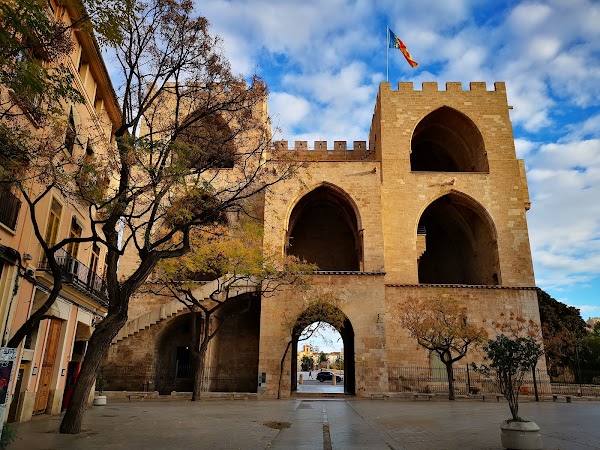
Serranos Towers (Valencia)
View on map
Audio Narrations
Chinese
导言
建于 14 世纪末的塞拉诺斯塔楼,见证了瓦伦西亚的悠久历史。这些由佩雷·巴拉格尔设计的宏伟哥特式建筑,曾作为城市的主要入口和节日庆典的凯旋门。它们五边形的形状,由一个公共画廊连接,展示了精美的哥特式设计和胸墙。塔楼的宏伟壮观,因曾经环绕它们的护城河遗迹而进一步得到提升。从它们的露台上,游客可以尽情欣赏瓦伦西亚和图里亚河的全景。塞拉诺斯塔楼
塞拉诺斯塔,西班牙瓦伦西亚的一座建筑奇迹,见证了这座城市丰富的历史和哥特式宏伟。这些令人印象深刻的城门塔建于 14 世纪末,曾经是进入这座围城的城市的主要入口,欢迎来自远方的旅客。它们呈五边形,由一个中央画廊连接,散发着力量和韧性的气息。这些塔楼装饰着精美的哥特式设计,展示了当时非凡的工艺。 除了防御目的之外,塞拉诺斯塔还曾作为贵族监狱和西班牙内战期间无价艺术品的藏身之处。如今,它们为游客提供了一瞥瓦伦西亚的过去和现在。登上塔顶,游客可以欣赏到城市、图里亚河和周围乡村的壮丽全景。 塞拉诺斯塔不仅仅是历史遗迹;它们是瓦伦西亚文化遗产的鲜活象征。它们出现在无数的艺术、文学和音乐作品中,激发了代代瓦伦西亚人和游客的灵感。它们在城市中心的存在提醒着人们,几个世纪以来,韧性和美丽塑造了瓦伦西亚。历史名城门户
塞拉诺斯塔楼,是通往历史名城瓦伦西亚的雄伟门户,见证了这座城市的悠久历史。这些令人印象深刻的双塔建于 14 世纪,守卫着有围墙的城市最繁忙的入口之一。它们的五边形结构与半圆形拱门相邻,形成了一道坚固的防御屏障。 除了军事意义之外,塞拉诺斯塔楼还见证了几个世纪的历史。在 16 世纪,它们被改建为贵族监狱,一直扮演着这个角色,直到 19 世纪末。在此期间,这些塔楼的阴郁外观引发了民众的抗议,最终导致囚犯被转移到更人道的地方。 在西班牙内战期间,塞拉诺斯塔楼在保护马德里普拉多博物馆的无价艺术品方面发挥了至关重要的作用。人们采取了巧妙的措施来保护这些画作,包括建造钢筋混凝土拱顶以及使用稻壳和土壤进行隔热。 如今,塞拉诺斯塔楼已成为瓦伦西亚的韧性和建筑遗产的象征。它们向公众开放,让游客得以一窥这座城市的过去,并从其上层欣赏全景。这些塔楼还作为一年一度的 Fallas 节的官方起点,这是瓦伦西亚文化的一场充满活力的盛会。
2
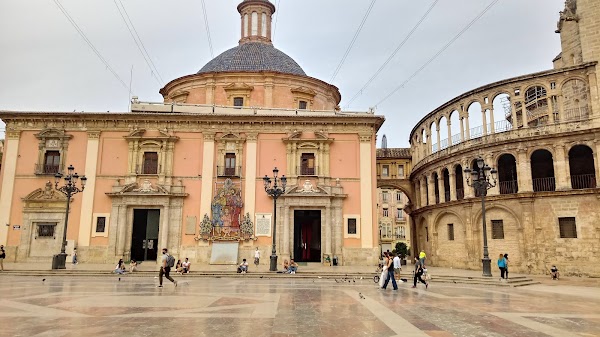
Basílica de la Mare de Déu dels Desemparats
View on map
Audio Narrations
Chinese
导言
瓦伦西亚的守护神广场上矗立着宏伟的圣母无助者大教堂,它见证了这座城市丰富的历史和对守护神虔诚的信仰。大教堂建于 1652 年至 1667 年间,拥有令人印象深刻的椭圆形平面图,装饰有大理石壁柱和何塞·贝加拉绘制的奖章。其圆顶是艺术杰作,上面有国王查理二世的宫廷画家安东尼奥·帕洛米诺绘制的非凡壁画。 大教堂最受尊敬的珍宝是守护神瓦伦西亚的圣母无助者金制哥特式雕塑。信徒们经常在她注视的目光下寻求她的祝福,尤其是在婚礼上,夫妇们希望得到她对他们结合的保护。大教堂的丰富历史因卡萨·维斯图阿里而更加丰富,这是一座庄严的豪宅,里面设有卡莱斯·罗斯市立图书馆。其入口大厅有一个壮观的现代主义楼梯,通向一个装饰有维森特·洛佩斯壁画的房间。 除了其建筑辉煌之外,大教堂在瓦伦西亚人的心中占有特殊的地位。每年五月第二个星期日举行的圣母无助者节日是信仰和传统的生动庆祝活动。庆祝活动的高潮是一场游行,圣母雕像从大教堂被抬到教堂,伴随着信徒们热切的祈祷和情感。 参观圣母无助者大教堂是一次充实的经历,让人们得以一窥瓦伦西亚的文化遗产和对守护神的持久信仰。大教堂的美丽、历史和精神意义使其成为任何想要了解这座充满活力的城市的心灵和灵魂的人的必游之地。巴洛克建筑
圣母无依大教堂是巴伦西亚巴洛克建筑的杰作,见证了这座城市的艺术和宗教遗产。大教堂建于 1652 年至 1667 年间,体现了巴洛克风格的繁荣和活力。其宏伟的立面装饰着所罗门柱和精美的雕塑,营造出一种敬畏和宏伟的感觉。内部是一个光线和空间的交响曲,拥有高耸的拱顶、装饰华丽的小教堂和描绘圣母玛利亚的令人惊叹的祭坛画。 大教堂最引人注目的特点之一是它对光线的运用。大窗户和天窗为内部空间带来了温暖的光芒,突出了装饰的复杂细节。光影的交错营造出一种戏剧性的效果,增强了灵性和超凡脱俗的感觉。大教堂的平面图,其椭圆形中殿和辐射状的小教堂,证明了巴洛克风格对运动和活力的强调。穹顶上使用错视画进一步增强了连续空间的错觉,营造出无限广阔的感觉。 大教堂丰富的装饰是巴洛克风格的标志。墙壁和天花板装饰着精美的灰泥制品、雕塑和绘画。主祭坛是巴伦西亚艺术家何塞·贝加拉的杰作,描绘了被天使和圣徒包围的圣母玛利亚。祭坛画的复杂细节和鲜艳的色彩证明了巴洛克风格对奢华和宏伟的热爱。 圣母无依大教堂是巴伦西亚巴洛克建筑的杰作,见证了这座城市的艺术和宗教遗产。其令人惊叹的立面、光线充足的内部和丰富的装饰使其成为任何对巴洛克风格感兴趣的人的必游之地。奇迹圣像
圣母无依大教堂,又称圣母无原罪大教堂,是西班牙瓦伦西亚的一座罗马天主教大教堂。大教堂供奉圣母玛利亚,以无依圣母为名,她是该市的守护神。大教堂位于圣母广场,在该市历史中心的中心地带。 大教堂建在一个前清真寺的遗址上。大教堂的建造始于 1652 年,于 1667 年完工。大教堂是一座巴洛克式建筑,内部装饰华丽。大教堂的主祭坛上供奉着无依圣母雕像。据说这座雕像是由一位名叫尼古拉斯·博拉斯的瓦伦西亚雕塑家在 15 世纪雕刻的。雕像由木头制成,身穿一件刺绣精美的长袍。雕像还戴着皇冠和权杖。 据说无依圣母雕像显现了许多奇迹。最著名的奇迹据说发生在 1604 年。一个年轻女孩在大教堂附近玩耍时掉进了一口井里。女孩的父母向无依圣母祈祷她的安全。女孩奇迹般地从井里获救。据说无依圣母雕像还在 1647 年保护了瓦伦西亚市免受瘟疫侵袭。 大教堂是来自世界各地的天主教徒的热门朝圣地。大教堂也是一个受欢迎的旅游目的地。大教堂每天对公众开放。大教堂免费入场,但欢迎捐赠。大教堂是一个美丽而鼓舞人心的地方。无依圣母雕像有力地提醒着圣母玛利亚的爱与同情。
3
Plaça de la Verge
View on map
Audio Narrations
English
Introduction
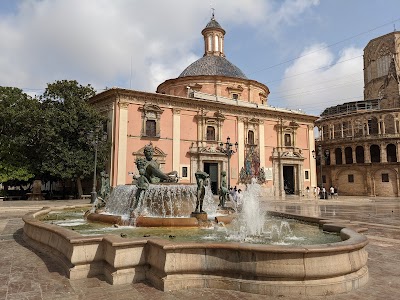
Plaça de la Verge, a captivating square in the heart of Valencia, Spain, is a testament to the city's rich architectural heritage. Situated in the Ciutat Vella district, it is surrounded by iconic landmarks that embody the essence of Valencia's past and present. The square's centerpiece is the Turia Fountain, an allegorical representation of the Turia River adorned with eight bronze statues symbolizing the region's irrigation canals. Flanking the square is the majestic Valencia Cathedral, a Gothic masterpiece with an octagonal bell tower that dominates the skyline. Its intricate facade, known as the "Door of the Irons," showcases the city's Baroque influence. Across from the cathedral stands the Basílica de la Mare de Déu dels Desemparats, a Baroque church renowned for its elliptical interior and elaborate ceiling frescoes. The square is also home to the Palau de la Generalitat, the seat of the Valencian government. Its Renaissance architecture and ornate courtyard reflect the city's golden age. The Casa Vestuario, where the Tribunal de las Aguas (Water Tribunal) meets, adds a touch of tradition to the square. This ancient institution, dating back to the Moorish era, continues to resolve water disputes in the region. Plaça de la Verge is not just a historical landmark but also a vibrant hub of activity. Its lively atmosphere is enhanced by outdoor cafes and restaurants, making it a popular gathering spot for locals and tourists alike. The square's charm extends beyond its architectural wonders, offering a glimpse into Valencia's cultural and social fabric.Historic Significance
Plaça de la Verge, nestled in the heart of Valencia's historic center, is a square steeped in centuries of rich history. Its significance unfolds through the architectural tapestry that surrounds it. The square's centerpiece, the Valencia Cathedral, stands as a testament to the city's religious heritage. Its Gothic architecture, with its intricate carvings and soaring spires, transports visitors back to a time of ecclesiastical grandeur. Adjacent to the cathedral, the Basilica de la Virgen de los Desamparados, with its Baroque opulence, reflects the city's devotion to its patron saint. The Water Tribunal, an ancient institution dating back to the 10th century, continues to meet weekly in front of the basilica, upholding a tradition of water management that has shaped Valencia's agricultural landscape. The square's history is further enriched by the presence of the Torres de Serranos and Torres de Quart, imposing medieval gate towers that once guarded the city's entrance. These towers, with their robust stonework and crenellated battlements, evoke the city's resilience and its role as a strategic stronghold. Plaça de la Verge is not merely a historical backdrop but a living testament to Valencia's enduring spirit. It is a place where the past and present intertwine, where the echoes of history resonate in the cobblestone streets and the vibrant atmosphere of a city that has embraced its heritage while forging ahead into the future.Cathedral of Valencia
Plaça de la Verge, a captivating square in the heart of Valencia, holds a profound connection to the Cathedral of Valencia. The square's significance unfolds as one explores its intricate relationship with the cathedral, revealing a tapestry of history, art, and cultural traditions. The square's proximity to the cathedral's Apostle Doors, an ornate entrance adorned with intricate carvings of the 12 apostles, invites visitors to delve into the cathedral's sacred realm. Every Thursday at noon, the Water Tribunal, an ancient judicial institution, gathers at these doors, adding a touch of solemnity to the square. Beyond the doors, the cathedral's majestic tower, El Miguelete, ascends towards the heavens, offering breathtaking panoramic views of the city. The square's lively atmosphere contrasts with the cathedral's serene grandeur, creating a harmonious blend of the sacred and the secular. Plaça de la Verge is not merely a backdrop to the cathedral; it is an integral part of its story. During the festival of Las Fallas, the square transforms into a vibrant stage, where the Virgin Mary's statue is adorned with an elaborate floral offering, symbolizing the city's deep-rooted devotion. As visitors stroll through the square, they can immerse themselves in the rich history and cultural traditions that intertwine with the Cathedral of Valencia. The square's charm lies in its ability to transport visitors to a bygone era, where the sacred and the profane coexist in perfect harmony.
4
Valencia Cathedral
View on map
Audio Narrations
English
Introduction
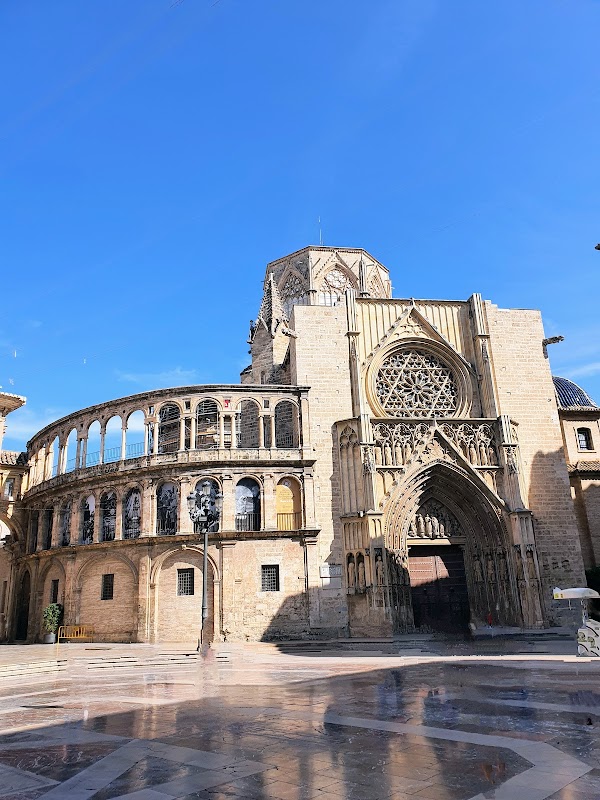
Valencia Cathedral, a Gothic masterpiece in the heart of València, Spain, boasts a rich history and architectural splendor. Its construction, spanning from the 13th to the 15th centuries, showcases a blend of Romanesque, Gothic, Renaissance, Baroque, and Neoclassical elements. The cathedral's most revered relic is the Holy Chalice, believed by many to be the true Holy Grail. This 1st-century cup, adorned with Arabic inscriptions, was gifted to the cathedral by King Alfonso V of Aragon in 1436. The cathedral's interior is adorned with exquisite Renaissance frescoes, rediscovered after being hidden for centuries. These paintings, commissioned by Cardinal Rodrigo de Borja, depict angels playing musical instruments and are considered one of the most significant pictorial works of the early Spanish Renaissance. The cathedral's museum houses a collection of Gothic, Renaissance, and Mannerist art, including works by Maella and Goya. For panoramic city views, visitors can ascend the Miguelete Tower, a 207-step climb rewarded with breathtaking vistas. The cathedral's exterior features the Puerta del Palau, its oldest entrance, and the Puerta de los Apóstoles, where the Water Tribunal, an ancient institution dating back to the Middle Ages, holds its weekly sessions. This tribunal, recognized by UNESCO as an Intangible Cultural Heritage, dispenses justice on irrigation matters and water distribution from the Turia River.Religious Significance
Valencia Cathedral holds immense religious significance, attracting pilgrims and history enthusiasts alike. Its origins trace back to the 13th century, when it replaced a mosque on the site. The cathedral is a testament to the city's rich religious heritage, boasting a blend of architectural styles that reflect its diverse past. One of the most revered relics housed within the cathedral is the Holy Chalice, believed by many to be the true Holy Grail used by Christ at the Last Supper. This sacred artifact draws countless visitors seeking spiritual connection and a glimpse of history. The cathedral also contains numerous 15th-century paintings, some by local artists and others by renowned masters engaged by Pope Alexander VI. Beyond its architectural and artistic splendor, Valencia Cathedral serves as a vibrant center of worship and religious ceremonies. Its grand interior, with soaring ceilings and intricate details, creates an awe-inspiring atmosphere for prayer and contemplation. The cathedral's significance extends beyond its physical presence, as it remains a symbol of faith and a testament to the enduring power of religion in the lives of Valencians.Valencian Gothic
Valencia Cathedral, a magnificent edifice in the heart of València, stands as a testament to the exquisite Valencian Gothic style. Its construction commenced in the 13th century and spanned several centuries, resulting in a harmonious blend of architectural elements. The cathedral's exterior boasts intricate stone carvings, pointed arches, and delicate tracery, showcasing the skill and artistry of Valencian Gothic masters. Inside, the cathedral's vast interior is adorned with soaring ribbed vaults, supported by slender columns. The stained-glass windows, with their vibrant hues and intricate designs, bathe the space in a kaleidoscope of colors. The high altar, a masterpiece of Valencian Gothic, features elaborate carvings and a stunning altarpiece depicting scenes from the life of Christ. The Puerta de los Apostoles (Apostles' Doorway) is a particularly noteworthy feature of the cathedral. Its intricate sculptures depict the twelve apostles, each with their own unique attributes and expressions. The Miguelete, the cathedral's bell tower, offers panoramic views of the city and the surrounding countryside. Its octagonal shape and ornate spire are characteristic of Valencian Gothic architecture. Valencia Cathedral is not merely a religious edifice but also a repository of artistic and historical treasures. Its Valencian Gothic elements, from the grand facade to the intricate details within, make it a captivating destination for those seeking to delve into the rich architectural heritage of Spain.
5
Plaza de la Reina
View on map
Audio Narrations
English
Introduction
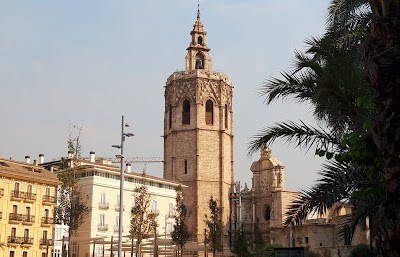
Plaza de la Reina, a bustling square in Valencia, Spain, is a vibrant hub of activity. Its central location, adjacent to the iconic Valencia Cathedral, makes it a popular gathering spot for locals and tourists alike. The square is renowned for its architectural beauty, featuring the ornate Puerta de los Hierros, an elaborate Baroque gateway leading into the Cathedral. In 2022, Plaza de la Reina underwent a comprehensive renovation, transforming it into a pedestrian-friendly oasis. The square now boasts over 115 trees, creating an urban forest that provides shade and greenery. It also features numerous benches, kiosks, a children's play area, public restrooms, drinking fountains, a Valenbisi station, and underground garbage containers. The most striking addition is the installation of massive awnings that protect visitors from the sun, making it an ideal spot for outdoor dining and relaxation. Plaza de la Reina is a testament to Valencia's commitment to urban renewal and its rich cultural heritage. It serves as a vibrant gathering place, a showcase for architectural beauty, and a symbol of the city's ongoing transformation.Artistic Inspiration
Plaza de la Reina, a vibrant square in the heart of Valencia, has long been a muse for artists, captivating them with its architectural grandeur and cultural significance. The square's centerpiece, the 13th-century Valencia Cathedral, boasts an awe-inspiring Gothic facade adorned with intricate carvings and towering spires. Its interior is a treasure trove of artistic masterpieces, including frescoes by renowned Valencian painter Francisco Ribalta. Surrounding the cathedral, a harmonious blend of architectural styles creates a picturesque canvas. The Baroque fountain, Fuente del Turia, depicts the mythical river god presiding over the city's water sources. The neoclassical Palacio de la Generalitat, seat of the regional government, adds a touch of elegance with its stately columns and ornate balconies. Plaza de la Reina has witnessed countless artistic gatherings and performances. Street musicians fill the air with melodies, while artists display their works along the square's perimeter. The nearby La Lonja de la Seda, a UNESCO World Heritage Site, showcases the city's rich mercantile past and provides further inspiration with its intricate Gothic architecture. The square's vibrant atmosphere and artistic heritage continue to attract creatives from around the world. Its unique blend of architectural styles, cultural events, and historical significance make Plaza de la Reina an inexhaustible source of inspiration for artists seeking to capture the essence of Valencia's artistic soul.Archaeological Discoveries
Plaza de la Reina in València, Comunidad Valenciana, Spain, holds significant archaeological importance due to the discovery of Roman ruins beneath its surface. Excavations in the area have unearthed remnants of a Roman forum, including a basilica, a temple, and a market, providing valuable insights into the city's ancient past. These ruins are now preserved and showcased in the L'Almoina Archaeological Museum, offering visitors a glimpse into the rich history of this central square.
6
La Lonja de la Seda de Valencia
View on map
Audio Narrations
English
Introduction
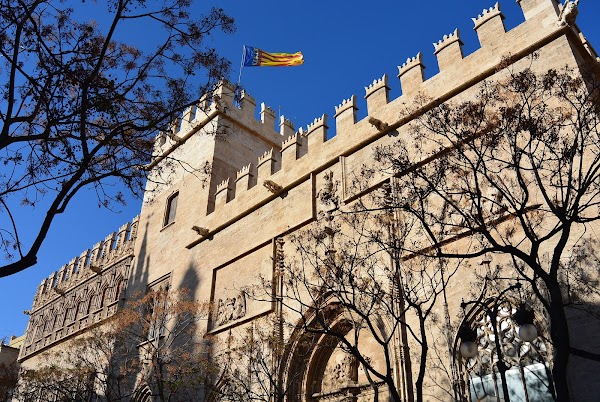
La Lonja de la Seda de Valencia, a masterpiece of late Gothic architecture, stands as a testament to the city's prosperous past as a major Mediterranean mercantile hub. Built between 1482 and 1533, this UNESCO World Heritage Site comprises three distinct sections: the Sala de Contratación, the Torreón, and the Consulado del Mar. The Sala de Contratación, with its soaring columns and intricate vaulted ceiling, served as the bustling trading hall where merchants negotiated contracts. The Torreón, housing a chapel and a prison for debtors, adds an element of intrigue to the complex. The Consulado del Mar, with its ornate coffered ceiling and maritime-themed paintings, was the seat of the city's maritime tribunal. The Lonja's grandeur reflects the wealth and power of Valencia's merchant class during the 15th and 16th centuries, making it an enduring symbol of the city's commercial heritage.Silk Trade
La Lonja de la Seda de Valencia, a UNESCO World Heritage Site, stands as a testament to the city's pivotal role in the global silk trade. Built in the late 15th century, this architectural masterpiece was the epicenter of Valencia's thriving silk industry. Its grandeur reflects the city's prosperity during the golden age of the silk trade. The Sala de Contratación, with its soaring columns and intricate vaulted ceiling, served as the main trading hall where merchants from across Europe and the Mediterranean gathered to negotiate deals. The Consulado del Mar, with its opulent coffered ceiling and exquisite paintings, housed the maritime court that regulated trade disputes. The Torreón Central, a fortified tower, provided security and housed a chapel and a prison for merchants who defaulted on their debts. The Patio de los Naranjos, a serene courtyard adorned with orange trees, offered a respite from the bustling trade within. La Lonja's intricate carvings and sculptures depict scenes of daily life and the importance of the silk trade to Valencia's economy and culture. Its enduring legacy as a center of commerce and artistry makes it a must-visit destination for anyone seeking to delve into the rich history of the Silk Trade.Tourist Attraction
Step into the heart of Valencia's rich history at La Lonja de la Seda, a UNESCO World Heritage Site and a testament to the city's golden age. This architectural masterpiece, built in the late 15th century, served as the hub of the prosperous silk trade, a testament to Valencia's economic prowess. Explore the Sala de Contratación, the heart of the exchange, where merchants gathered to negotiate deals under the watchful eyes of eight towering columns. Marvel at the intricate vaulted ceiling, supported by these columns, dividing the space into three distinct areas. Admire the Torreón Central, a tower that once housed a chapel and a prison for merchants who failed to honor their debts. Ascend to the upper floors to discover the Consulado del Mar, a hall adorned with an exquisite wooden coffered ceiling and a painting by Espinosa. Stroll through the serene Patio de los Naranjos, a walled courtyard that completes the site. Take a moment to appreciate the intricate sculptures and decorative elements that adorn the building's exterior, each a testament to the skill of Valencian artisans. La Lonja de la Seda is not just a historical monument but a living testament to Valencia's vibrant past. It offers a glimpse into the city's commercial and cultural heritage, making it a must-visit destination for any traveler seeking an authentic and immersive experience.
7
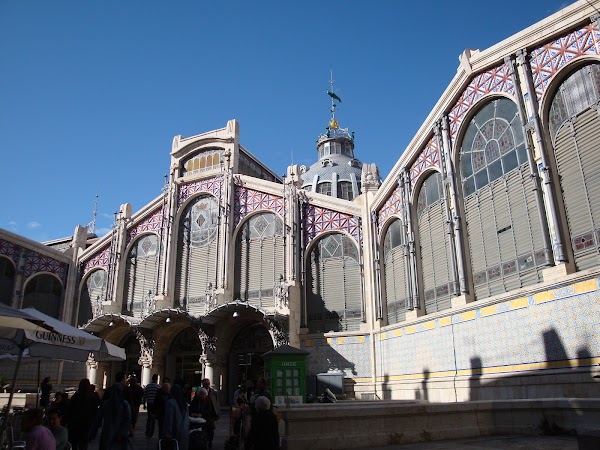
Mercado Central de Valencia
View on map
Audio Narrations
Chinese
导言
瓦伦西亚中央市场是西班牙瓦伦西亚市中心一个熙熙攘攘的市场,证明了这座城市丰富的烹饪传统和建筑实力。这座新艺术风格的杰作建于 20 世纪初,拥有令人惊叹的铁和玻璃结构,装饰着错综复杂的陶瓷瓷砖和描绘鹦鹉和鱼类的风向标。其宽敞的内部设有 1,200 多个摊位,提供各种新鲜农产品、肉类、奶酪、香料和海鲜。市场的热闹氛围因地中海的鲜艳色彩和香气而更加突出,使其成为感官盛宴。除了其烹饪产品外,中央市场也是瓦伦西亚传统文化的中心,当地人和游客聚集在这里体验这个充满活力的地区的正宗风味和传统。市场建筑
瓦伦西亚中央市场是建筑风格融合的见证,融合了瓦伦西亚新艺术风格与哥特式和巴洛克式的影响。其宏伟壮观体现在错综复杂的铁艺和玻璃穹顶上,这些穹顶高达 30 米,并饰有以鹦鹉和鱼为特色的风向标。这些材料的使用创造了广阔的开放空间,这是新艺术风格建筑的一个标志。市场的内部是材料的交响曲,铁、木、陶瓷和彩釉瓷砖和谐地结合在一起。屋顶和彩色窗格的光线变化为市场增添了迷人的氛围。该建筑的设计向附近的哥特式杰作丝绸交易所和折衷主义的圣胡安教堂致敬,反映了瓦伦西亚的建筑遗产。瓦伦西亚中央市场不仅仅是一个市场;它是这座城市丰富文化底蕴的见证,在这里,建筑影响力汇聚在一起,创造了一个充满活力且经久不衰的地标。新鲜农产品天堂
漫步在瓦伦西亚中央市场,那里色彩缤纷,香气四溢,是新鲜农产品爱好者的美食天堂。这座建筑奇迹拥有高耸的铁柱和彩绘玻璃穹顶,容纳了 1200 多个摊位,里面摆满了来自瓦伦西亚肥沃乡村的优质水果、蔬菜和美食。 在迷宫般的摊位中尽情探索,每个摊位都证明了该地区的农业丰收。瓦伦西亚的象征——橙子闪耀着鲜艳的色调,它们的甜味与番茄的泥土气息和生菜的清脆新鲜味混合在一起。发现各种豆类、豆科植物和坚果,它们的质地和风味证明了该地区多样化的风土。 但中央市场不仅仅是一个市场;它是瓦伦西亚文化的一幅生动的挂毯。见证商贩们生动的玩笑,他们展示的艺术性,以及他们分享当地农产品知识的热情。品尝鲜榨果汁的风味,在中央酒吧享用传统的西班牙小吃,或只是沉浸在使这个市场成为感官盛宴的充满活力的氛围中。 无论您是一位寻求灵感的经验丰富的厨师,还是一位渴望体验瓦伦西亚美食核心的好奇旅行者,瓦伦西亚中央市场都是一个天堂,它将点燃您的感官,让您渴望更多。
8
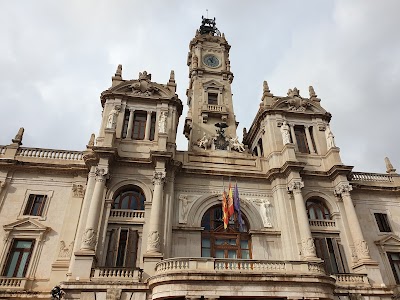
Plaça de l'Ajuntament
View on map
9
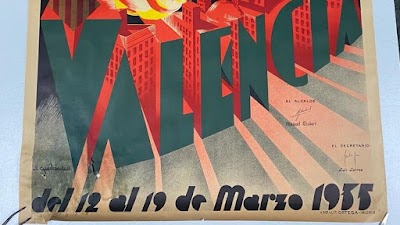
Museu Faller de València
View on map
10
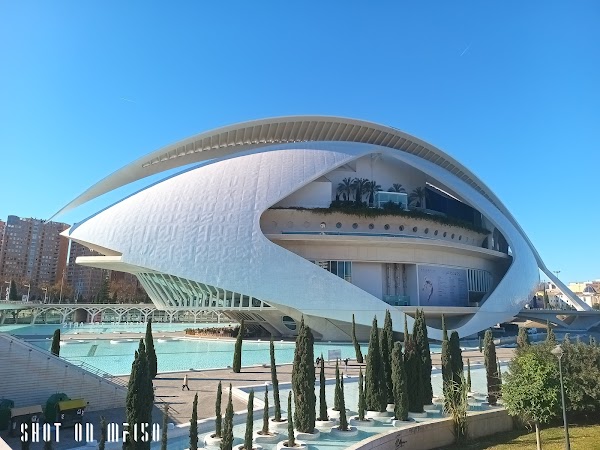
Queen Sofia Palace of Arts
View on map
11
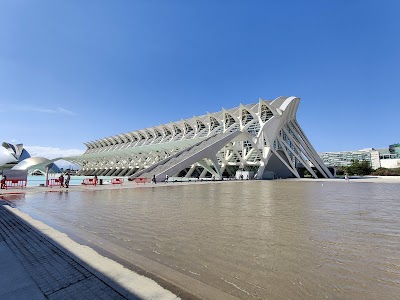
Museu de les Ciències Príncipe Felipe
View on map
Audio Narrations
Chinese
导言
由圣地亚哥·卡拉特拉瓦设计的菲利普王子科学博物馆是西班牙瓦伦西亚著名的科学博物馆。其引人注目的建筑形似鲸鱼骨架,内部设有互动展览,让参观者领略科学和技术的奇妙之处。博物馆拥有“染色体森林”,即大规模的人类染色体模型,以及世界上最长的福柯摆之一。它还展出有关太空探索、气候变化和诺贝尔奖获得者遗产的展品。该博物馆致力于科学传播,其引人入胜的展示使其成为寻求沉浸式和教育体验的人们的必游之地。旅游
沉浸在瓦伦西亚著名的普林西比·费利佩科学博物馆引人入胜的科学和创新世界中。这座由著名建筑师圣地亚哥·卡拉特拉瓦设计的建筑奇迹是寻求非凡体验的游客的必游之地。走进去,踏上科学、技术和自然世界的奇观之旅。探索广阔的海洋馆,那里是欧洲最大的水族馆,并惊叹于来自全球各地的多样海洋生物。在半球形建筑中深入了解宇宙的奥秘,这是一个最先进的天文馆,将您带到太空深处。在科学博物馆参与动手展览,在那里您可以见证科学原理的诞生。不要错过对索菲亚王后艺术宫的导览,这是一座建筑杰作,举办世界著名的歌剧和音乐表演。沉浸在普林西比·费利佩科学博物馆充满活力的氛围中,在那里科学、艺术和娱乐融合在一起,创造出难忘的体验。圣地亚哥·卡拉特拉瓦
圣地亚哥·卡拉特拉瓦的建筑才华在普林西比·费利佩科学博物馆中得到了充分体现,这座迷人的建筑结构类似于鲸鱼的骨骼形态。它的设计体现了卡拉特拉瓦的标志性风格,无缝地融合了结构和运动。这座建筑物占地面积超过 40,000 平方米,由五棵混凝土“树”支撑,这些“树”分叉连接屋顶和外墙。这些庞大的结构不仅提供支撑,还容纳了服务核心和电梯。南立面的白色混凝土框架饰有玻璃,而北立面则拥有一个连续的玻璃和钢幕墙,延伸至建筑物的长度。卡拉特拉瓦对光线和空间的掌握体现在自然光和人工照明的相互作用中,为参观者创造了动态且身临其境的体验。
12

L'Àgora
View on map
13
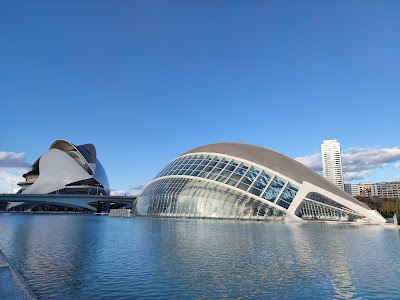
Ciudad de las Artes y las Ciencias
View on map
Audio Narrations
Chinese
导言
西班牙瓦伦西亚的艺术与科学城是一座引人入胜的建筑群,由著名建筑师圣地亚哥·卡拉特拉瓦和菲利克斯·坎德拉设计。该建筑群于 1998 年落成,由六座引人注目的建筑和一座桥梁组成,每一座都展示了受自然和人体解剖学启发的独特设计。中心建筑 L'Hemisfèric 形似一只巨眼,带有可伸缩的眼睑状屋顶,内部设有 IMAX 影院和天文馆。科学博物馆 Príncipe Felipe 形似鲸鱼骨架,展出有关科学和技术的互动展品。L'Umbracle 是一座绿意盎然的园林,为建筑群提供了一片宁静的绿洲。Palau de les Arts Reina Sofía 是一座歌剧院,拥有独特的帆状屋顶。L'Oceanogràfic 是欧洲最大的水族馆,在七个不同的海洋环境中展示了各种各样的海洋生物。Ágora 是一个多功能空间,举办展览和活动。该建筑群由卡拉特拉瓦设计的 L'Assut de l'Or 桥连接,设有行人道和车道。建筑创新
艺术与科学之城是西班牙瓦伦西亚的一座未来主义建筑群,是建筑创新的见证。该建筑群由著名建筑师圣地亚哥·卡拉特拉瓦设计,展示了一系列大胆的形式和尖端的技术。 卡拉特拉瓦对该建筑群的愿景是创造艺术、科学和自然的和谐融合。每座建筑都是一件杰作,其特点是流畅的有机形状以及广泛使用玻璃和白色混凝土。帕劳德莱斯艺术雷纳索菲亚是一座歌剧院,它就像一个巨大的头盔悬浮在波光粼粼的水池上,而半球形建筑是一个IMAX影院,模仿了巨型眼睛的形状。 除了美学吸引力之外,该建筑群还采用了创新的结构解决方案。例如,帕劳德莱斯艺术采用了一个巨大的钢框架,可以形成无柱的内部空间,最大限度地提高了灵活性并改善了声学效果。海洋公园是欧洲最大的水族馆,展示了精心重建的生态系统中的各种海洋生物。 该建筑群与其周围环境的融合是其建筑辉煌的另一个证明。这些建筑被巧妙地布置在中央湖泊周围,营造出一种宁静而沉思的氛围。水的使用作为反射元素增强了建筑的视觉冲击力,模糊了建筑与自然之间的界限。 艺术与科学之城不仅仅是一组建筑物;它是建筑创新变革力量的活生生的证明。其大胆的设计、创新的工程技术以及与环境的和谐融合使其成为建筑卓越的全球标志。城市更新
瓦伦西亚艺术科学城位于西班牙巴伦西亚自治区,是城市更新变革力量的见证。这个建筑奇迹从一个曾经被忽视的工业区中诞生,为这座城市的城市肌理注入了新的活力。该项目的起源在于建筑师圣地亚哥·卡拉特拉瓦的愿景,他试图创建一个文化和科学中心,以振兴这座城市的形象。 该综合体由一系列引人注目的建筑组成,每个建筑都致力于艺术、科学和自然的特定方面。半球影院是一个 IMAX 影院和天文馆,提供身临其境的体验,激发好奇心和惊叹。科学博物馆是一个互动科学博物馆,通过动手展品吸引游客,培养对学习的热爱。海洋公园是一个庞大的海洋公园,展示了多样化的海洋生态系统,提高了人们对海洋保护的认识。 除了其建筑和文化意义之外,艺术科学城在城市更新中也发挥了关键作用。该项目吸引了投资,刺激了经济增长,并创造了就业机会。它还改造了周边地区,使其成为一个充满活力且令人向往的目的地。该综合体已成为市中心复兴的催化剂,吸引了游客和居民。 艺术科学城的成功在于它将文化和科学追求与城市更新相结合的能力。它不仅丰富了瓦伦西亚的文化景观,还成为可持续城市更新的典范,展示了富有远见的建筑如何将被忽视的地区转变为繁荣的城市中心。
Experience the Full Tour
Download the DocentPro app to access all tour stops, complete audio narrations in multiple languages, offline maps, and interactive features.