
Naples: A Journey Through Ancient Wonders

Walking Tour

4.2 km (2.6 miles)

1h 0min travel time

9 Stops

Naples, Italy
Naples: A Journey Through Ancient Wonders
Tour Stops
1
Piazza del Plebiscito
View on map
Audio Narrations
English
Introduction
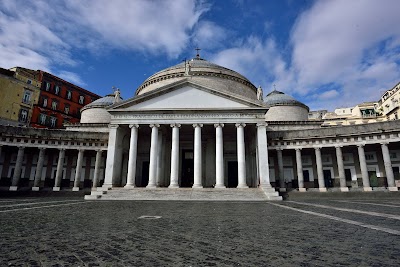
Piazza del Plebiscito, the grandest piazza in Naples, is a vast, airy expanse in the heart of the city. Its elegant design features a curving colonnade reminiscent of St. Peter's Square in Rome, creating an intimate ambiance within the spacious square. The piazza is home to notable monuments, including the domed Basilica of San Francesco da Paola, modeled after the Pantheon in Rome. Two pastel-hued palaces, Palazzo della Prefettura and Palazzo Salerno, anchor the square, while equestrian statues of Charles III of Spain and Ferdinand I stand guard. The renowned Gran Caffe Gambrinus occupies a corner of Palazzo della Prefettura. Piazza del Plebiscito has served as a gathering spot, playground, and central focal point for the city since its inception. It is a must-see destination for any visit to Naples, offering a glimpse into the city's rich history and vibrant culture.Basilica of San Francesco da Paola
Basilica of San Francesco da Paola, a magnificent Pantheon-style basilica, stands proudly in Piazza del Plebiscito, the heart of Naples. Built between 1816 and 1836, it was inspired by the grandeur of St. Peter's Basilica in Rome. Its imposing dome and elegant portal echo the architectural marvel of the Pantheon. The basilica's semi-circular colonnade, reminiscent of its Roman counterpart, was designed by Joachim Murat, who envisioned the piazza as a grand court for the city. Inside, the basilica's interior is a testament to Neapolitan artistry. The bright and airy space is adorned with white marble, while the altar features exquisite lapis lazuli inlay. The walls are adorned with stunning paintings by Luca Giordano and other renowned Neapolitan artists, depicting scenes from the lives of saints and gospel themes. The basilica's dome, a masterpiece of engineering, mimics the form of the Pantheon, creating an awe-inspiring sense of space and light. The basilica's construction holds historical significance. It was built to honor Saint Francis of Paola, a Calabrian saint, and to atone for Murat's destruction of the monastery that once stood on the site. The Bourbon king Ferdinand IV dedicated the basilica to the saint and marked the return of his family to the throne of the Kingdom of the Two Sicilies. Today, the Basilica of San Francesco da Paola remains a beloved landmark in Naples, a testament to the city's rich history, architectural prowess, and enduring faith.Legends and Stories, Piazza del Plebiscito
Piazza del Plebiscito, the grand square in Naples, is steeped in legends and stories that have captivated locals and visitors alike for centuries. One enduring tale is that of Queen Margherita, who is said to have granted pardons to prisoners who could successfully cross the square blindfolded. However, a curse she cast upon the square is believed to have prevented anyone from completing the challenge, ensuring that the prisoners remained incarcerated. Another legend revolves around the statues of the Neapolitan kings that adorn the Royal Palace. It is said that Charles of Hapsburg once asked who was urinating on the wall, to which Charles III replied that he did not know, while Joachim Murat admitted his guilt. Victor Emmanuel II, known for his stern demeanor, is depicted as keeping the peace by threatening to punish the culprit. The peculiar shape of the square, with its half-semicircular and half-rectangular structure, has also given rise to a unique tradition. Locals and tourists alike attempt to cross the square blindfolded, starting from the Royal Palace and aiming for the two horse statues in the center. Despite the seemingly straightforward path, the slight slope and irregular paving stones make it nearly impossible to walk in a straight line, leading to amusing and often unsuccessful attempts.
2
Royal Palace of Naples
View on map
Audio Narrations
Korean
소개
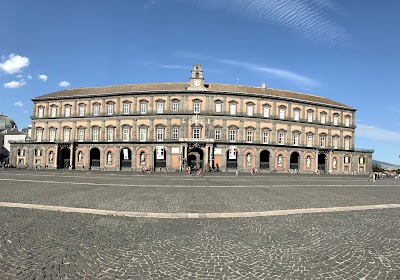
나폴리 중심부에 자리 잡은 장엄한 건물인 나폴리 왕궁은 이 도시의 풍부한 역사와 예술적 유산을 증명하는 건축물입니다. 17세기에 스페인 총독을 위해 지어진 이 궁전은 스페인 바로크 양식의 엄숙한 웅장함에서부터 로코코 양식의 유쾌한 우아함에 이르기까지 매력적인 건축적 스타일이 조화를 이룹니다. 프레스코화, 치장, 정교한 태피스트리로 장식된 호화로운 실내는 방문객을 왕실의 화려했던 과거 시대로 안내합니다. 이 궁전에서 가장 눈에 띄는 특징 중 하나는 바로크 건축의 걸작인 그 웅장한 계단입니다. 난간의 곡선과 정교한 디테일은 경외감과 웅장함을 자아내는 반면, 벽을 장식한 생생한 프레스코화는 나폴리의 역사와 신화의 장면을 묘사합니다. 한때 부르봉 왕조의 거처였던 왕실 아파트는 지배 계급의 호화로운 생활 방식을 엿볼 수 있는 창입니다. 금박 장식과 호화로운 장식이 있는 왕좌의 방은 공식 의식과 리셉션의 배경이 되었습니다. 높은 천장과 크리스털 샹들리에가 있는 인접한 볼룸은 사치스러운 무도회와 사교 모임을 주최했습니다. 건축적, 예술적 보물 외에도 나폴리 왕궁에는 주목할 만한 역사적 유물 컬렉션도 있습니다. 궁전 박물관에는 고대 로마 조각품에서 18세기 도자기까지 다양한 물건이 전시되어 있습니다. 궁전 부지 내에 위치한 카포디몬테 갤러리는 티티안, 라파엘, 카라바조를 포함한 이탈리아 거장들의 인상적인 그림 컬렉션을 자랑합니다. 나폴리 왕궁을 방문하는 것은 시간 여행과도 같으며, 이 도시의 풍부한 문화적 유산과 이전 통치자들의 호화로운 생활 방식을 엿볼 수 있는 기회입니다. 경외감을 불러일으키는 건축물에서부터 절묘한 예술 컬렉션에 이르기까지 이 궁전은 예술, 문화, 권력의 중심지로서 나폴리의 지속적인 유산을 상징합니다.예술과 문화의 중심
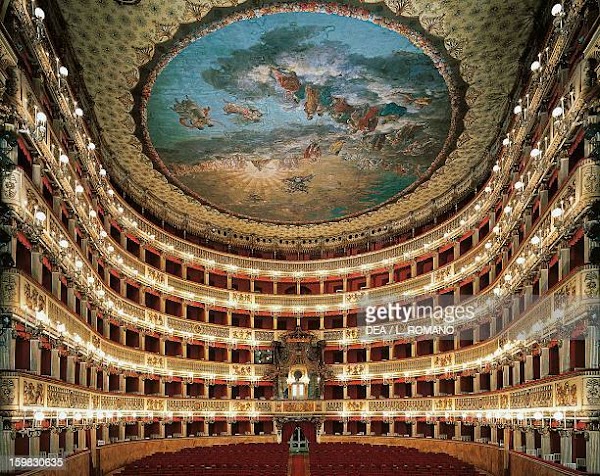
나폴리의 중심부에 자리 잡은 왕궁은 이 도시의 풍부한 예술적, 문화적 유산을 증명하는 건축물입니다. 호화로운 홀과 웅장한 건축물 너머로, 이 궁전은 예술적 경이로움의 보물 창고를 공개하여 예술과 문화 애호가를 위한 활기찬 허브로 변모시켰습니다. 나폴리 문화계의 보석인 호화로운 산 카를로 극장에 들어서보세요. 금박 발코니, 호화로운 좌석, 정교한 음향은 로시니의 작품에서 베르디 오페라의 초연에 이르기까지 수세기 동안의 오페라 걸작을 목격했습니다. 산 카를로 극장에 인접한 박물관은 의상, 무대 디자인, 원본 악보를 전시하여 극장의 매력적인 역사를 엿볼 수 있도록 합니다. 왕실 아파트로 모험을 떠나보세요. 이곳의 벽은 왕실 생활과 예술적 후원에 대한 이야기를 속삭입니다. 바티스텔로 카라치올로의 정교한 프레스코화와 신화와 역사의 장면으로 짜여진 복잡한 태피스트리를 감상하세요. 이 궁전의 컬렉션은 티치아노, 귀도 레니, 루카 조르다노의 걸작을 자랑하며, 이탈리아 예술의 진화를 통한 매력적인 여정을 제공합니다. 궁전 건설 중에 발굴된 로마 극장의 유적이 숨겨진 감동적인 지하 공간으로 내려가보세요. 이 고대 유적은 나폴리의 겹겹이 쌓인 역사와 예술에 대한 지속적인 연결을 엿볼 수 있도록 합니다. 나폴리 왕궁은 단순한 역사적 기념물이 아니라 이 도시의 예술적 정신에 대한 살아있는 증거입니다. 진행 중인 전시회, 콘서트, 문화 행사는 그 이야기가 담긴 벽에 생명을 불어넣어 예술과 문화 애호가를 위한 역동적인 허브로 만들었습니다. 오페라의 웅장함, 르네상스 걸작의 매력, 고대 로마 극장의 메아리에 매료되었든, 나폴리 왕궁은 나폴리 예술과 문화의 중심부를 통한 잊지 못할 여정을 약속합니다.건축적 걸작
나폴리 왕궁은 장엄한 건축 걸작으로, 이 도시의 풍부한 역사와 예술적 유산을 증명하는 건물입니다. 그 웅장함과 정교한 디테일은 수세기 동안 방문객들을 사로잡아 건축 애호가들에게 꼭 방문해야 할 명소가 되었습니다. 궁전에서 가장 눈에 띄는 특징 중 하나는 정교한 조각, 조형물, 기둥으로 장식된 인상적인 외관입니다. 웅장한 아치형 입구는 우뚝 솟은 조각상으로 둘러싸여 있으며, 경외감과 웅장함을 자아냅니다. 궁전의 내부도 마찬가지로 인상적이며, 호화로운 홀, 화려하게 장식된 방, 멋진 프레스코화로 구성되어 있습니다. 궁전의 디자인은 당시 건축적 천재성을 증명합니다. 대칭, 균형, 비율을 사용하여 조화와 질서감을 조성했습니다. 칸막이 천장, 대리석 바닥, 금박 몰딩과 같은 정교한 디테일은 궁전의 호화로움과 세련미를 더합니다. 나폴리 왕궁은 건축적 걸작일 뿐만 아니라 예술과 역사의 보고이기도 합니다. 티티안, 라파엘, 카라바조를 포함한 유명한 예술가들의 그림이 벽을 장식합니다. 궁전에는 또한 나폴리 궁정의 취향과 스타일을 반영하는 조각품, 태피스트리, 가구 컬렉션이 있습니다. 결론적으로, 나폴리 왕궁은 이 도시의 풍부한 역사와 예술적 유산을 구현한 진정한 건축적 걸작입니다. 그 웅장함, 정교한 디테일, 호화로운 내부는 건축 애호가와 예술 애호가 모두에게 꼭 방문해야 할 명소입니다.
3
San Carlo Theatre
View on map
4
Galleria Umberto I
View on map
5
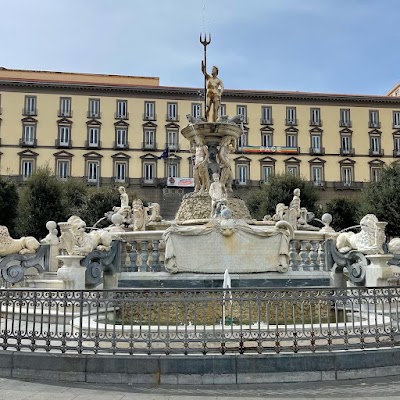
Fountain of Neptune
View on map
6
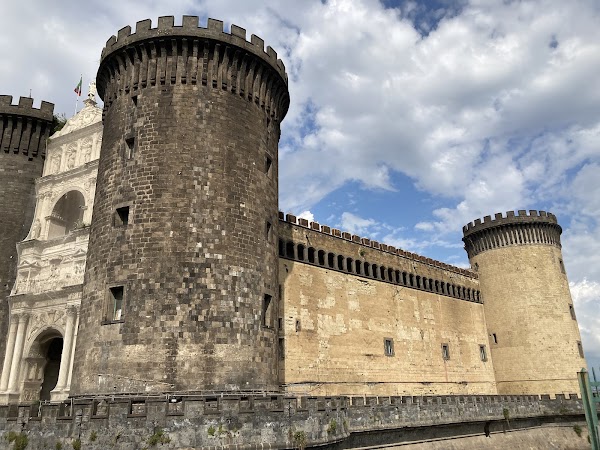
Castel Nuovo
View on map
Audio Narrations
English
Introduction
Castel Nuovo, also known as Maschio Angioino, is a medieval castle in Naples, Italy. Built in 1279 by Charles I of Anjou, it served as a royal seat for kings of Naples, Aragon, and Spain until 1815. The castle's imposing size and strategic location made it a significant architectural landmark. It features five cylindrical towers, a moat, and a triumphal arch designed by Francesco Laurana. Inside, visitors can explore the Palatine Chapel, adorned with frescoes by Maso di Banco and sculptures by Domenico Gagini. The Hall of the Barons, once the main hall, is known for its octagonal vault and frescoed ceiling. The castle also houses a civic museum with a collection of paintings, sculptures, and archaeological artifacts.Neapolitan Society of Homeland History
Castel Nuovo, also known as Maschio Angioino, stands as a testament to Naples' rich history and the Neapolitan Society of Homeland History's dedication to preserving it. The society, headquartered within the castle's walls, plays a pivotal role in safeguarding the legacy of this architectural marvel. Neapolitan Society of Homeland History members have meticulously chronicled the castle's evolution from its inception in 1279 as a royal residence and fortress to its current status as a cultural hub. They have unearthed fascinating tales of the monarchs, artists, and scholars who graced its halls, including Giotto, Petrarca, and Boccaccio. The society's research has shed light on the castle's architectural significance, highlighting the blend of Gothic and Renaissance elements that make it a masterpiece. They have documented the intricate details of its towers, courtyards, and grand halls, each imbued with historical significance. Furthermore, the society has played a crucial role in preserving the castle's priceless collection of artifacts and artwork. The civic museum housed within the complex showcases sculptures, paintings, and objects spanning centuries, offering a glimpse into Naples' artistic heritage. Through its unwavering commitment to preserving and promoting Castel Nuovo, the Neapolitan Society of Homeland History ensures that this iconic landmark remains a source of pride and inspiration for generations to come.Gothic Architecture
Castel Nuovo, a majestic fortress in Naples, stands as a testament to the grandeur of Gothic architecture. Its imposing cylindrical towers, each adorned with intricate merlons, soar towards the heavens, their rugged surfaces hinting at the castle's rich history. The imposing triumphal arch, a later addition by Alfonso V of Aragon, is a masterpiece of Renaissance architecture, yet it harmoniously complements the Gothic elements, creating a captivating blend of styles. The castle's interior reveals an equally captivating spectacle. The Sala dei Baroni, or Baron's Hall, is a breathtaking example of Gothic grandeur. Its vaulted ceiling, supported by slender columns, creates an ethereal atmosphere, while the walls are adorned with exquisite frescoes, some attributed to Giotto himself. The intricate details and vibrant colors of these frescoes transport visitors back to the vibrant era of the Angevin dynasty. Castel Nuovo's Gothic heritage is further evident in its numerous pointed arches, ribbed vaults, and stained-glass windows. These elements, combined with the castle's strategic location overlooking the Bay of Naples, create a sense of awe and wonder that has captivated visitors for centuries. As a testament to its enduring legacy, Castel Nuovo remains a beloved landmark, offering a glimpse into the architectural brilliance of the Gothic era.
7
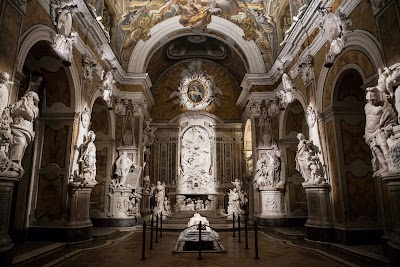
Museo Cappella Sansevero
View on map
Audio Narrations
English
Introduction
Museo Cappella Sansevero, a captivating chapel-museum in Naples, Italy, is renowned for its exquisite marble sculptures and Baroque splendor. The chapel's patron, Raimondo di Sangro, commissioned leading 18th-century Italian artists to create a masterpiece that reflects his dynastic pride and fascination with science and the occult. Among the chapel's highlights is Giuseppe Sanmartino's "Veiled Christ," a breathtakingly realistic sculpture that depicts the crucified Christ covered in a delicate veil. Other notable works include Francesco Queirolo's "Disillusion," Antonio Corradini's "Modesty," and the elaborate High Altar by Francesco Celebrano and Paolo Persico. The chapel's intriguing atmosphere is further enhanced by its anatomical machines, which showcase di Sangro's scientific interests. Visitors can marvel at the intricate details and symbolism embedded in these sculptures, making Museo Cappella Sansevero a must-see destination for art enthusiasts and those seeking a glimpse into Naples' rich cultural heritage.Death and Mortality
Museo Cappella Sansevero in Napoli, Campania, Italy, is an extraordinary chapel renowned for its captivating collection of anatomical sculptures and artworks that delve into the mysteries of death and mortality. The centerpiece of the chapel is the breathtaking Veiled Christ, a marble masterpiece by Giuseppe Sanmartino, where the delicate veil draped over the body of Christ appears as if it were woven from the finest silk, capturing the essence of mortality with exquisite detail. Another highlight is the Anatomical Machines, a series of life-size human figures with their circulatory and nervous systems meticulously preserved through a groundbreaking technique invented by Dr. Giuseppe Salerno. These figures offer a glimpse into the intricate workings of the human body and the fragility of life. The chapel also houses the enigmatic Christ with a Crown of Thorns, a sculpture that depicts the suffering of Christ with haunting realism. Museo Cappella Sansevero is a testament to the Neapolitan fascination with death and the afterlife. Its collection invites visitors to confront the inevitability of mortality while marveling at the beauty and complexity of the human form. It is a place where art and science converge to explore the profound mysteries of life and death.Marble Sculptures
Museo Cappella Sansevero, a chapel in Naples, Italy, houses an extraordinary collection of marble sculptures that have captivated art enthusiasts for centuries. The chapel's most renowned masterpiece is the Veiled Christ by Giuseppe Sanmartino, a life-size depiction of the crucified Christ shrouded in a delicate marble veil. The veil's intricate folds and the lifelike details of the body beneath create an illusion of transparency, leaving visitors in awe of the sculptor's mastery. Other notable sculptures include Modesty by Antonio Corradini, a graceful figure draped in a flowing marble robe that seems to billow in the wind, and Disillusion by Francesco Queirolo, a poignant representation of a woman's despair. The chapel also features an anatomical machine, a display of preserved human bodies with their vascular systems intact, showcasing the scientific curiosity of Raimondo di Sangro, the chapel's patron. The chapel's unique blend of art and science, coupled with the exquisite craftsmanship of its marble sculptures, makes it a must-visit destination for those seeking an immersive experience in the realm of artistic excellence.
8
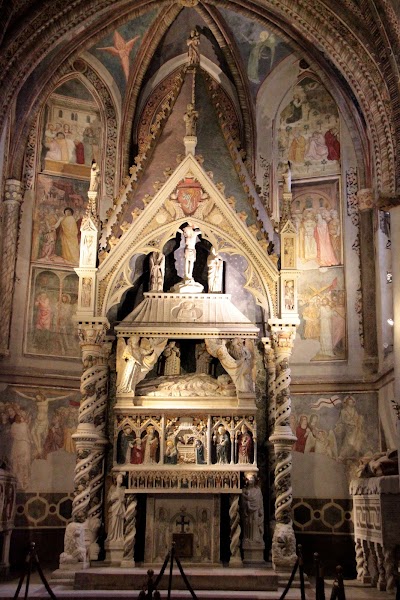
Duomo di Napoli
View on map
Audio Narrations
English
Introduction
The Duomo di Napoli, also known as the Cathedral of Santa Maria Assunta, is a magnificent example of Gothic architecture and a symbol of Naples' history. Its origins date back to the 4th century AD, with the construction of the Basilica of Santa Restituta and the Baptistery of San Giovanni in Fonte. The current structure was largely completed under the reign of Roberto d'Angiò in 1314, incorporating elements of French and Italian craftsmanship. The Duomo's interior boasts a Latin cross plan with a central nave adorned with a 17th-century coffered ceiling. The transept, rebuilt in the 19th century, showcases a blend of neo-Gothic and Baroque styles. The Cappella del Succorpo, added in the 15th century, houses the relics of Saint Gennaro, Naples' patron saint. The Basilica of Santa Restituta, accessible from the Duomo, is an early Christian basilica featuring the oldest baptistery in the Western world. The Duomo's significance extends beyond its architectural beauty. It is the site of the annual miracle of the liquefaction of Saint Gennaro's blood, which occurs three times a year. This phenomenon, attributed to the saint's intercession, attracts countless pilgrims and devotees. The Duomo di Napoli stands as a testament to the city's rich history, religious fervor, and enduring cultural heritage.Cultural Symbol
Duomo di Napoli, a majestic cathedral in the heart of Naples, stands as a testament to the city's rich history and cultural heritage. Its grand facade, adorned with intricate sculptures and mosaics, reflects the fusion of Gothic, Renaissance, and Baroque architectural styles. The interior is equally awe-inspiring, boasting a vast nave, soaring columns, and a stunning dome adorned with vibrant frescoes. Beyond its architectural splendor, the Duomo holds immense cultural significance for the Neapolitan people. It is the seat of the Archbishop of Naples and a focal point for religious ceremonies and festivals. The most renowned of these is the annual Miracle of Saint Januarius, where the dried blood of the city's patron saint is said to liquefy in a solemn ritual. This event draws thousands of pilgrims and spectators, solidifying the Duomo's status as a symbol of Neapolitan faith and tradition. Moreover, the Duomo has played a pivotal role in shaping Naples' cultural identity. Its presence has fostered a vibrant artistic community, with renowned painters and sculptors contributing to its decoration throughout the centuries. The cathedral's vast collection of religious artifacts, including relics and precious objects, provides a glimpse into the city's spiritual and artistic heritage. In essence, Duomo di Napoli is not merely a religious edifice but an embodiment of Naples' cultural soul. It is a living testament to the city's enduring spirit, a symbol of its faith, and a source of pride for its people.Basilica di Santa Restituta
Nestled within the grand Duomo di Napoli, the Basilica di Santa Restituta stands as a testament to the city's rich Christian heritage. Originally dedicated to the Savior, this ancient basilica dates back to the 4th century, making it the oldest in Naples. Once a standalone structure with an independent facade and multiple entrances, it was incorporated into the Duomo during the 13th century, becoming a significant chapel within the larger cathedral. Despite its reduced size, Santa Restituta retains its architectural grandeur. Its interior boasts a series of stunning mosaics, including a 14th-century depiction of the Virgin Mary enthroned between Saint Januarius and Saint Restituta. The apse mosaic, created by the Italian artist Lello da Orvieto, is a masterpiece of medieval art. The basilica also houses the Battistero di San Giovanni in Fonte, considered the oldest baptistery in the Western world. Built between 364 and 410, it features remnants of its original 4th-century mosaic decoration. The baptismal font, supported by deer symbolizing purity, is a poignant reminder of the basilica's early Christian origins. Santa Restituta's significance extends beyond its artistic treasures. It was once the primary cathedral of Naples, serving as the seat of the bishop until the 9th century. Its rich history is intertwined with the city's own, making it a captivating destination for those seeking to delve into the spiritual and cultural heritage of Naples.
9
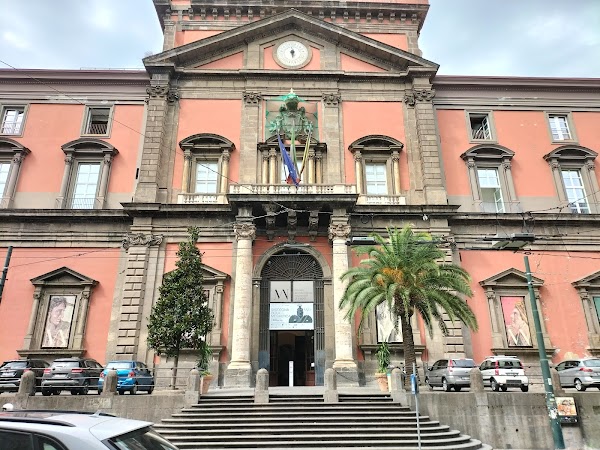
National Archaeological Museum of Naples
View on map
Audio Narrations
Korean
서론
나폴리 국립고고학박물관은 고대의 보물창고로, 그 홀은 오래전에 사라진 제국의 이야기를 속삭입니다. 그 벽 안에는 유물뿐만 아니라 시간 속에 얼어붙은 삶의 조각들이 있어 로마 세계를 비할 데 없이 엿볼 수 있습니다. 이 박물관은 헤라클레스 파르네세와 엄청난 아름다움의 불 파르네세를 포함한 유명한 로마 조각품 모음인 파르네세 컬렉션을 자랑합니다. 더 깊숙이 들어가면 한때 폼페이의 스캔들적인 에로틱 아트를 소장했던 가비네토 세그레토를 발견할 수 있습니다. 이제는 과거의 복잡한 도덕성을 증명하는 곳입니다. 로마 조각품의 웅장함을 넘어서 이 박물관은 폼페이와 헤르쿨라네움에서 발굴한 모자이크 컬렉션을 보호하고 있으며, 그 생생한 색상은 수세기의 세월을 거부합니다. 이 복잡한 작품은 일상생활, 신화적 이야기, 심지어 검투사 전투 장면을 묘사하며, 각 테세라는 과거의 생생한 장면의 픽셀입니다. 기름등에서부터 섬세한 유리제품에 이르기까지 박물관의 일상용품 컬렉션은 이들이 단순한 역사적 인물이 아니라 베수비오 화산의 그림자 아래에서 살고, 사랑하고, 궁극적으로 죽은 개인이었다는 것을 가슴 아프게 상기시켜줍니다.비문 수집
나폴리 국립고고학박물관에는 엄청난 폭과 깊이를 가진 비문 컬렉션이 소장되어 있으며, 고대 세계를 들여다볼 수 있는 독특한 창을 제공합니다. 2,000개가 넘는 그리스 비문과 10,000개가 넘는 라틴어 사례를 소장한 이 컬렉션은 고대 로마와 그 주변 문명의 일상생활, 언어, 법에 대한 비교할 수 없는 통찰력을 제공합니다. 이러한 비문 중 다수는 서기 79년 베수비오산 분화로 묻힌 베수비오 도시에서 발견되었으며, 시간 속에 얼어붙은 삶의 스냅샷을 제공합니다. 방문객은 사회적 계층과 가족 관계를 보여주는 장례 비문, 법률 규정과 건설 프로젝트를 설명하는 공고, 심지어 일상적인 물건에 새겨진 개인적인 메시지까지 탐구할 수 있습니다. 이 컬렉션은 선거 선전과 그래피티의 사례로 특히 유명하며, 폼페이 사람들의 유머, 관심사, 일상생활을 엿볼 수 있습니다. 박물관은 이러한 연약한 유물을 세심하게 보존하고 전시하며, 번역과 맥락적 정보를 제공하여 비문 컬렉션을 학자와 애호가 모두에게 귀중한 자료로 만들고 과거의 목소리를 되살립니다.고고학적 보존
나폴리 국립고고학박물관은 과거의 보물뿐만 아니라 복잡한 고고학적 보존 기술의 증거로 자리 잡고 있습니다. 이 박물관에는 대부분의 방문객이 보지 못하는 전용 연구실이 있으며, 전문가들이 섬세한 유물을 세심하게 보존합니다. 이러한 보존자들은 최첨단 기술과 전통적인 복원 기술을 함께 사용하여 수천 년에 걸친 방대한 컬렉션에 시간의 흐름이 미치는 피해에 맞서 싸웁니다. 폼페이와 헤르쿨라네움의 생생한 로마 프레스코화 보존은 주목할 만한 사례 중 하나입니다. 수세기 동안 화산재에 묻혀 있던 이러한 섬세한 예술품은 원래의 화려함을 되찾기 위해 세심한 세척, 안정화, 틈 메우기가 필요합니다. 이 박물관은 투명성에 대한 의지를 전시에 분명히 드러내며, 종종 유물과 함께 보존 과정의 사진과 설명을 함께 보여줍니다. 이러한 접근 방식은 방문객에게 고대 유물에 새로운 생명을 불어넣는 세심한 작업을 엿볼 수 있는 희귀한 기회를 제공하며, 고고학적 보존 분야에서 이 박물관이 선도적인 역할을 하고 있음을 강조합니다.
Experience the Full Tour
Download the DocentPro app to access all tour stops, complete audio narrations in multiple languages, offline maps, and interactive features.