
Vienna's Imperial Splendor: A Journey Through History and Grandeur

Walking Tour

6.8 km (4.2 miles)

1h 33min travel time

12 Stops

Vienna, Austria
Vienna's Imperial Splendor: A Journey Through History and Grandeur
Tour Stops
1
Belvedere Palace
View on map
Audio Narrations
English
Introduction
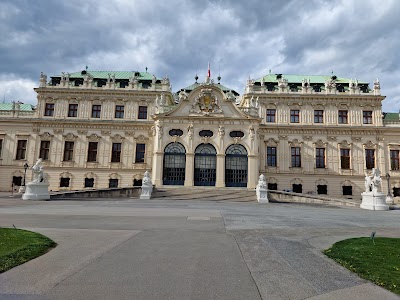
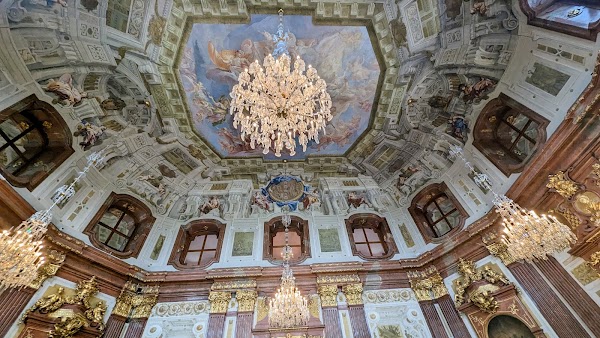
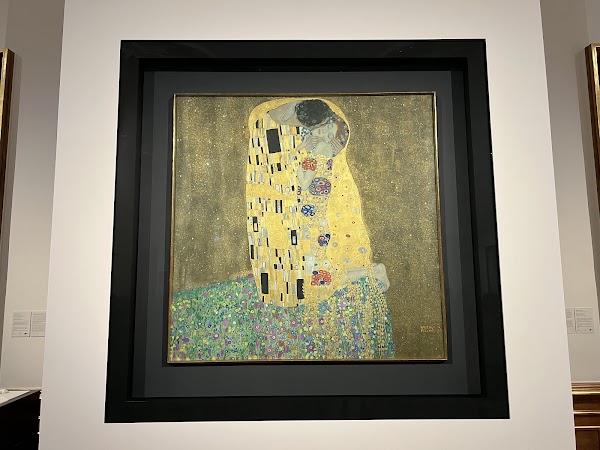
Belvedere Palace, a Baroque masterpiece in Vienna, Austria, is a captivating complex comprising two palaces, the Upper and Lower Belvedere, connected by exquisite gardens. Built as a summer residence for Prince Eugene of Savoy, the palace showcases a stunning collection of Austrian art from the Middle Ages to the present day. The Upper Belvedere houses the world's largest collection of Gustav Klimt's works, including his iconic "The Kiss." The palace's Marble Hall, adorned with intricate frescoes, is a testament to Baroque grandeur. The Lower Belvedere, once the prince's residential palace, boasts the opulent Groteskensaal (Hall of the Grotesque) and the Marble Gallery. Special exhibitions are held in both palaces, offering a glimpse into various artistic movements. The Belvedere Gardens, designed in the formal French style, are a masterpiece of landscape architecture. A reflecting pool mirrors the palace's façade, while cascading fountains and mythological sculptures create a serene and enchanting atmosphere. The Kammergarten, once reserved for the prince and his close associates, is now open to the public, offering a tranquil retreat amidst the palace's grandeur.Upper and Lower Belvedere
The Upper and Lower Belvedere palaces, nestled within the verdant Baroque park landscape of Vienna's third district, form the heart of the Belvedere complex. Built as a summer residence for Prince Eugene of Savoy, these architectural masterpieces showcase the grandeur of the Baroque era. The Upper Belvedere, perched atop a gentle slope, houses the renowned Belvedere Museum. Its collection boasts masterpieces from the Middle Ages to the present day, including Gustav Klimt's iconic "The Kiss." The palace's opulent Marble Hall, with its illusionist ceiling paintings, served as the setting for the signing of the Austrian Independence Treaty in 1955. In contrast, the Lower Belvedere, situated at the foot of the slope, offers a more intimate experience. Its temporary exhibitions showcase a diverse range of art, from contemporary installations to historical retrospectives. The palace's Privy Garden, a serene oasis, provides respite from the bustling city. Both palaces feature impressive architecture. The Upper Belvedere's grand staircase, adorned with martial reliefs, leads to the Marble Hall, while the Lower Belvedere's Sala Terrena, with its white stucco ceiling and sculpted pillars, creates a dramatic entrance. Throughout the complex, visitors can admire the intricate frescoes, statues, and paintings that pay homage to Prince Eugene's illustrious life. The Belvedere's gardens, with their tiered fountains, Baroque sculptures, and wrought iron gates, complement the architectural splendor, creating a harmonious ensemble that transports visitors to the opulent world of 18th-century Vienna.Klimt Paintings
Belvedere Palace in Vienna houses the world's largest collection of Gustav Klimt's oil paintings, offering an unparalleled opportunity to delve into the artist's creative genius. Among the highlights is "The Kiss," an iconic masterpiece that epitomizes Klimt's Golden Period. This captivating work showcases Klimt's signature use of gold leaf and intricate symbolism, capturing the essence of love and desire. Another must-see is "Judith I," a powerful and enigmatic portrait that depicts the biblical heroine as a femme fatale. Klimt's bold brushstrokes and unconventional composition challenge traditional representations of women, revealing his fascination with female empowerment. The palace also boasts a collection of Klimt's landscapes, including "Birch Forest," which demonstrates his ability to capture the beauty and tranquility of nature. For a deeper understanding of Klimt's artistic process, visitors can explore the exhibition "Klimt: Pigment & Pixel," which uses modern imaging technologies to reveal the hidden layers and techniques behind his paintings. This exhibition provides a unique glimpse into the mind of a master, showcasing the evolution of his ideas and the meticulous craftsmanship that went into his creations.
2
Wien Museum Karlsplatz
View on map
Audio Narrations
English
Introduction
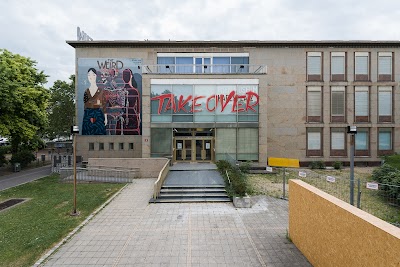
The Wien Museum Karlsplatz in Vienna, Austria, is a treasure trove of the city's rich history and culture. This state-of-the-art museum, reopened in 2023 after a multi-year renovation, offers a captivating journey through Vienna's past, from the Neolithic Age to the present day. The museum's permanent exhibition, "Vienna. My History," is a must-see for any visitor. Spanning three floors and 3,300 square meters, it showcases over 1,700 objects, including paintings by Gustav Klimt, Egon Schiele, and Richard Gerstl. The exhibition is free of charge, making it accessible to all. One of the highlights of the museum is the spacious central hall, which houses larger exhibits like the ten-meter-long whale sculpture "Poldi," a stately mayoral carriage, and the original sculptures from the Donnerbrunnen fountain. The museum also boasts a café, an event center, and educational studios, providing a well-rounded experience for visitors of all ages. For those seeking a deeper dive into specific periods, the museum offers a variety of special exhibitions. These exhibitions often focus on prominent figures or movements in Viennese history, offering unique insights into the city's cultural landscape. Beyond the main building, the Wien Museum encompasses several other locations, including the Hermesvilla, the Otto Wagner Pavilion, and the Kirche am Steinhof. These sites offer a glimpse into the lives and works of renowned artists and composers, providing a broader perspective on Vienna's artistic heritage. Whether you're an art enthusiast, a history buff, or simply curious about Vienna's past, the Wien Museum Karlsplatz is an exceptional destination. With its captivating exhibits, engaging programs, and stunning architecture, it offers a truly immersive experience that will leave you with a deeper understanding and appreciation for this vibrant city.Art and Culture
A Journey Through Time: Art and Culture at Wien Museum Karlsplatz Wien Museum Karlsplatz, nestled in the heart of Vienna, Austria, is a treasure trove for art and culture enthusiasts. This museum, housed in the magnificent Baroque building of the former Technical Museum, takes visitors on a captivating journey through the city's rich history, showcasing its artistic and cultural evolution. Step inside and be greeted by a diverse collection spanning centuries, from prehistoric artifacts to contemporary art installations. Explore the fascinating world of Viennese Biedermeier, with its elegant furniture, intricate porcelain, and captivating portraits. Immerse yourself in the vibrant Art Nouveau movement, characterized by flowing lines, floral motifs, and innovative designs. Delve deeper into the city's artistic heritage through the museum's impressive collection of paintings, sculptures, and graphic works. Admire masterpieces by renowned Viennese artists like Gustav Klimt, Egon Schiele, and Oskar Kokoschka. Be captivated by the intricate details of medieval sculptures and the expressive brushstrokes of 19th-century landscapes. Wien Museum Karlsplatz also offers a unique perspective on Vienna's cultural landscape. Discover the stories behind iconic Viennese traditions, from the waltz to the coffeehouse culture. Explore the city's diverse communities and their contributions to its vibrant cultural tapestry. This museum is not just a repository of artifacts; it's a dynamic platform for exploring the complex relationship between art, culture, and society. Through interactive exhibits, educational programs, and engaging events, Wien Museum Karlsplatz fosters a deeper understanding and appreciation of Vienna's artistic and cultural legacy. Whether you're an art aficionado, a history buff, or simply curious about Vienna's cultural landscape, Wien Museum Karlsplatz promises an enriching and unforgettable experience. So, embark on this journey through time and discover the heart and soul of Vienna through the lens of art and culture.History of Vienna
Nestled in the heart of Vienna's vibrant Karlsplatz, the Wien Museum Karlsplatz stands as a testament to the city's rich and multifaceted history. This architectural gem, housed within the magnificent Baroque building of the former Technical Museum, offers a unique perspective on Vienna's evolution from its ancient Roman roots to its modern-day metropolis. As you step inside the museum, you embark on a captivating journey through time. The permanent exhibition, "Vienna. A City's History," unveils the city's fascinating narrative, showcasing artifacts, documents, and multimedia displays that bring Vienna's past to life. From the grandeur of the Habsburg Empire to the tumultuous years of the 20th century, the museum delves into the social, political, and cultural forces that have shaped Vienna into the city it is today. One of the museum's highlights is the "Model of Historic Vienna," a meticulously crafted miniature replica of the city as it appeared in 1873. This intricate model provides a glimpse into Vienna's urban landscape during a pivotal era of transformation, offering insights into its architectural marvels, infrastructure, and daily life. The Wien Museum Karlsplatz also sheds light on Vienna's lesser-known stories, exploring the lives of ordinary people who have contributed to the city's tapestry. Through personal accounts, photographs, and everyday objects, the museum reveals the human experiences that have shaped Vienna's character. As you explore the museum's exhibits, you'll gain a deeper understanding of Vienna's historical significance, its cultural richness, and its enduring legacy. The Wien Museum Karlsplatz serves as a portal to the past, offering a unique and immersive experience for those seeking to delve into the heart and soul of this captivating city.
3
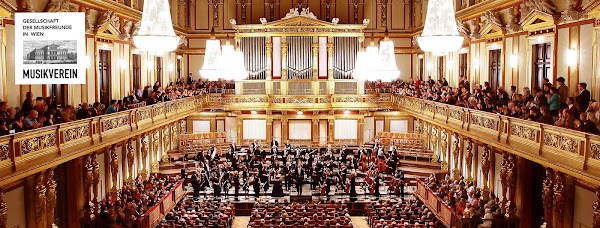
Vienna Music Society
View on map
4
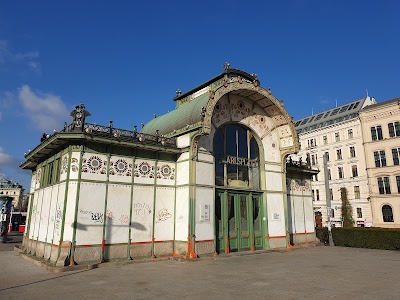
Karlsplatz Metro Station
View on map
5
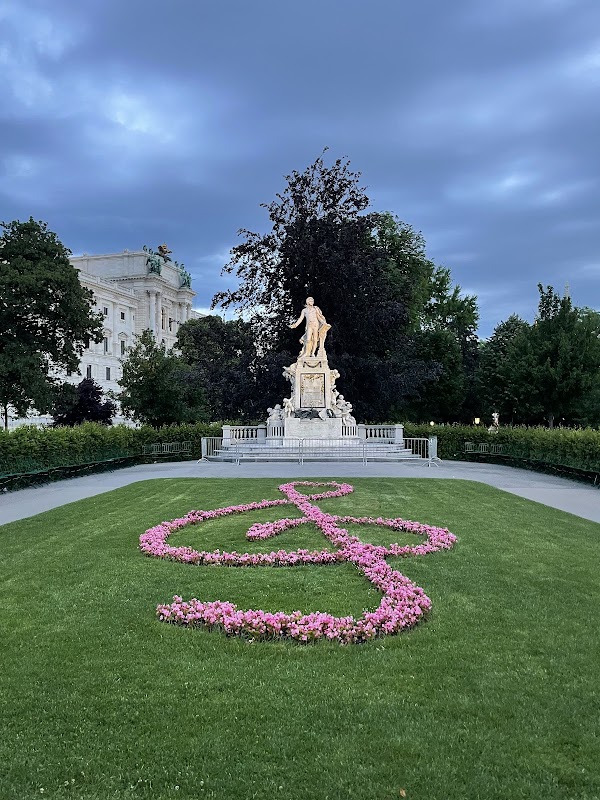
Mozart Monument
View on map
6
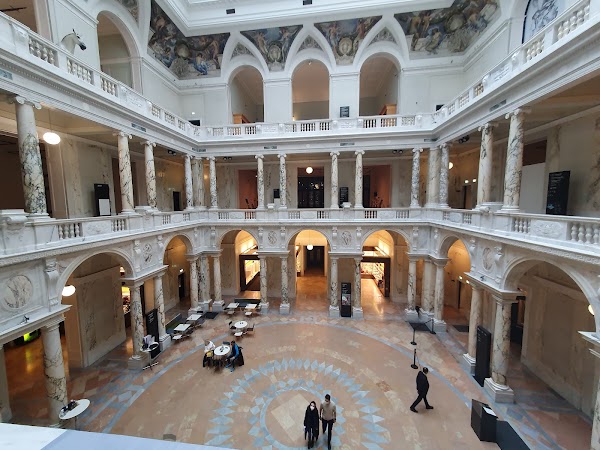
Weltmuseum Wien
View on map
7
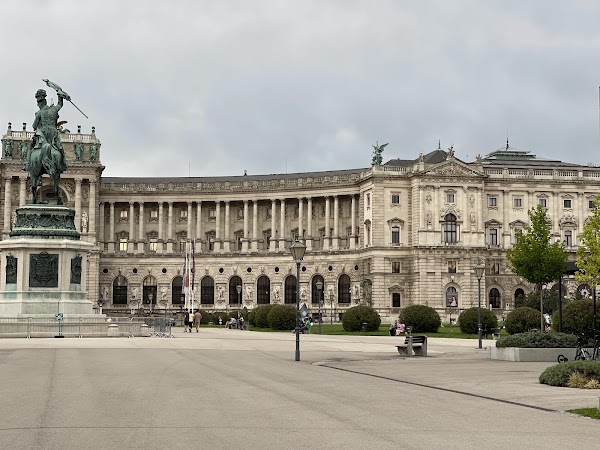
Neue Burg - Teil der Wiener Hofburg
View on map
8
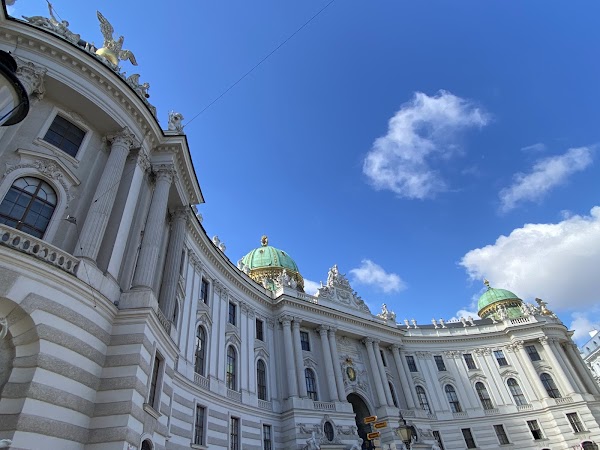
Hofburg
View on map
Audio Narrations
English
Introduction
The Hofburg, a sprawling palace complex in Vienna, Austria, stands as a testament to the grandeur of the Habsburg dynasty. Its origins trace back to the 13th century, with subsequent expansions over the centuries. Today, it houses the official residence of the Austrian President and numerous cultural institutions. Among its highlights is the Sisi Museum, dedicated to Empress Elisabeth, known for her beauty and tragic life. Visitors can explore her personal belongings, including her gowns and jewelry. The Imperial Apartments offer a glimpse into the private lives of Emperor Franz Joseph and Empress Elisabeth, showcasing their opulent living quarters. The Hofburg also boasts the Spanish Riding School, renowned for its Lipizzaner stallions and equestrian performances. The Imperial Treasury houses an impressive collection of crown jewels, regalia, and other treasures amassed by the Habsburgs. The complex is adorned with stunning courtyards, gardens, and monuments. The Heldenplatz, a vast square in front of the Neue Burg, features equestrian statues of Prince Eugene of Savoy and Archduke Charles. The Burggarten, a serene park, is home to the iconic Mozart monument. The Hofburg is a captivating blend of history, art, and culture, offering visitors a glimpse into the opulent world of the Habsburg monarchy and the rich heritage of Vienna.Imperial Residence
The Hofburg in Vienna, Austria, stands as a majestic testament to the grandeur of the Habsburg dynasty. As the imperial residence for centuries, it offers a glimpse into the opulent lifestyle and political machinations of one of Europe's most powerful families. The Schweizerhof, or Swiss Wing, is the oldest part of the complex, dating back to the 13th century. It was here that Duke Albert, the first Habsburg ruler of Austria, established his court. Over the ensuing centuries, the palace expanded to encompass 18 wings and some 2,600 rooms, reflecting the growing power and influence of the Habsburgs. The Imperial Apartments, once the private living quarters of Emperor Franz Joseph and Empress Elisabeth, are now open to the public. Visitors can marvel at the lavishly decorated rooms, including the Emperor's Study, the Empress's Salon, and the Mirror Room. The apartments provide a fascinating insight into the daily lives of the imperial family. The Hofburg also houses the Imperial Treasury, which contains a dazzling collection of crowns, scepters, and other regalia. Among the highlights are the Habsburg Imperial Crown, the coronation robes of the Holy Roman Emperor, and the Burgundian Cross. The treasury offers a glimpse into the immense wealth and power of the Habsburgs. In addition to its imperial significance, the Hofburg is also a vibrant cultural center. The Spanish Riding School, renowned for its performances by the famous Lipizzaner stallions, is located within the complex. The Hofburg also houses the Austrian National Library, one of the largest and most important libraries in the world. Today, the Hofburg remains a symbol of Austria's imperial past and a testament to the grandeur of the Habsburg dynasty. It is a must-visit destination for anyone interested in history, architecture, or the arts.Baroque Architecture
Delving into the heart of Vienna's Baroque legacy, the Hofburg Palace stands as a testament to the grandeur of the era. Its sprawling complex, once the imperial residence of the Habsburg dynasty, is a symphony of Baroque artistry. The Schweizerhof, the oldest section, showcases the intricate Gothic chapel and the opulent Schatzkammer, housing the imperial regalia. The Leopoldine Wing, a Baroque masterpiece, boasts the magnificent state rooms once occupied by Empress Maria Theresa. Its opulent interiors are adorned with intricate stuccowork, gilded ornaments, and vibrant frescoes. The Imperial Chancellery Wing, designed by Lukas von Hildebrandt, exhibits a harmonious blend of Baroque and Rococo elements. Its imposing facade features allegorical sculptures and the grand Kaisertor, leading to the imperial apartments. The Winter Riding School, a Baroque marvel, is renowned for its stunning equestrian performances by the Spanish Riding School. The Redoutensäle, once hosting lavish balls and receptions, now serves as a congress center, its elegant halls echoing the grandeur of the Baroque era. The Hall of Ceremonies, built by Ludwig Montoyer, is a masterpiece of Baroque architecture, adorned with marble columns, crystal chandeliers, and intricate ceiling paintings. Exploring the Hofburg through the lens of Baroque architecture unveils a world of artistic mastery, where every detail whispers tales of imperial splendor and the enduring legacy of the Baroque period.
9
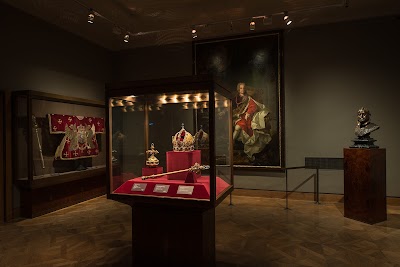
Imperial Treasury Vienna
View on map
10
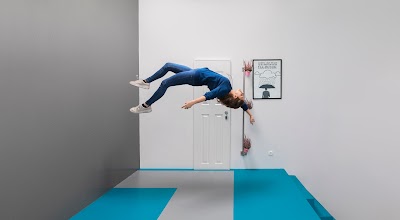
Museum der Illusionen
View on map
11
St. Stephen's Cathedral
View on map
Audio Narrations
English
Introduction
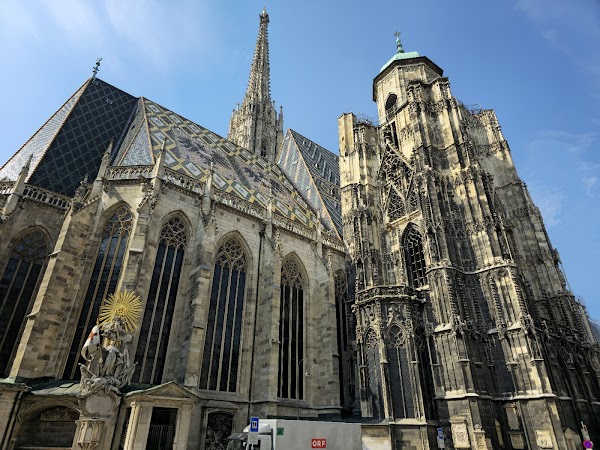
St. Stephen's Cathedral, the iconic symbol of Vienna, is a magnificent Gothic masterpiece that has witnessed centuries of history. Its towering south tower, known affectionately as "Steffl," dominates the city's skyline at 136 meters, while the colorful tiled roof, featuring the Austrian double-headed eagle, is a captivating sight. Inside, the cathedral boasts an impressive nave, adorned with 18 altars and intricate columns adorned with statues of saints. The Gothic pulpit, a masterpiece of stonework, is a testament to the skill of medieval artisans. The cathedral also houses the Pummerin, one of Europe's largest free-swinging bells, and the tomb of Emperor Frederick III, an impressive marble sarcophagus weighing eight tonnes. St. Stephen's Cathedral is not only a religious landmark but also a symbol of Vienna's resilience, having survived fires, wars, and the passage of time.Historical Significance
St. Stephen's Cathedral, a majestic edifice in the heart of Vienna, Austria, stands as a testament to the city's rich history and architectural prowess. Its historical significance is deeply intertwined with the Habsburg dynasty, who ruled Austria for centuries and left an indelible mark on the cathedral's grandeur. The cathedral's origins date back to the 12th century, when it was a modest Romanesque church. However, in the 14th century, Duke Rudolf IV embarked on an ambitious expansion project, transforming it into a Gothic masterpiece. The towering south tower, known affectionately as "Steffl," became a symbol of Viennese pride and the tallest structure in Europe for nearly 50 years. Throughout the centuries, St. Stephen's Cathedral witnessed pivotal events in Austrian history. It served as the setting for imperial coronations, royal weddings, and solemn funerals. The Habsburg emperors, including Frederick III and Maximilian I, were interred within its hallowed halls, their elaborate tombs adorned with intricate sculptures and heraldic symbols. During the tumultuous period of World War II, the cathedral suffered significant damage. In 1945, a fire caused by retreating German troops destroyed the roof and much of the interior. However, thanks to the tireless efforts of Viennese citizens and international aid, it was meticulously restored to its former glory. Today, St. Stephen's Cathedral remains a beloved landmark and a symbol of Vienna's resilience. Its historical significance is not only reflected in its architectural splendor but also in the countless stories and events that have unfolded within its walls, making it an enduring testament to the city's rich past.Mozart's Funeral
St. Stephen's Cathedral, a magnificent Gothic masterpiece in the heart of Vienna, played a pivotal role in the final chapter of Wolfgang Amadeus Mozart's life. On December 5, 1791, following a simple funeral service, Mozart's body was laid to rest in an unmarked pauper's grave in the nearby St. Marx Cemetery. However, the cathedral's connection to Mozart extends beyond his burial. Years before his untimely demise, Mozart had a profound relationship with St. Stephen's. He married his beloved Constanze Weber within its hallowed halls in 1782. The cathedral also holds the baptismal records of two of their children. Mozart's deep faith and his affiliation with the Freemasons, an organization banned by the Catholic Church, did not diminish his connection to the cathedral. On the day of his death, Mozart was reportedly working feverishly on his Requiem, a haunting masterpiece that would become synonymous with his passing. The unfinished work was premiered in the cathedral on December 10, 1791, a poignant tribute to the departed genius. The event marked the first public performance of any part of the Requiem, adding to the cathedral's significance in Mozart's legacy. Today, visitors to St. Stephen's can pay their respects at the memorial plaque commemorating Mozart's marriage and baptisms. The cathedral's rich history and its association with one of music's greatest icons make it a pilgrimage site for countless Mozart enthusiasts worldwide.
12
Prater
View on map
Audio Narrations
German
Einführung
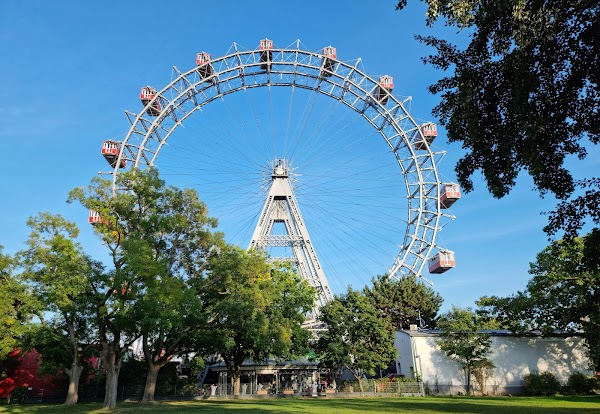
Der Prater, ein berühmter öffentlicher Park in Wien, Österreich, ist ein pulsierendes Zentrum für Unterhaltung und Erholung. Sein weitläufiges Gelände umfasst üppige Alleen, historische Attraktionen und Imbissstände und bietet ein fesselndes Erlebnis für Besucher jeden Alters. Das ikonische Wiener Riesenrad, ein hoch aufragendes Riesenrad aus dem Jahr 1897, ist ein Wahrzeichen der Stadt und bietet atemberaubende Panoramablicke. Neben seinem Vergnügungspark verfügt der Prater über eine reiche Geschichte. Einst kaiserliches Jagdrevier, wurde er 1766 der Öffentlichkeit zugänglich gemacht. Der Wurstelprater, ein 1895 gegründeter Vergnügungspark, hat viele seiner ursprünglichen Attraktionen bewahrt und trägt zum charmanten Ambiente des Parks bei. Im Prater befindet sich auch das Pratermuseum, das die faszinierende Geschichte und Entwicklung des Parks zeigt. Für diejenigen, die ein luxuriöseres Erlebnis suchen, können Candlelight-Dinner in einer der Gondeln des Riesenrads arrangiert werden. Die Nähe des Parks zum Stadtzentrum, der mit der U-Bahn oder der Straßenbahn erreichbar ist, macht ihn zu einem leicht zugänglichen Ziel.Historische Bedeutung
Der Prater, ein weitläufiger öffentlicher Park in Wien, Österreich, ist von immenser historischer Bedeutung. Einst ein kaiserliches Jagdrevier, wurde er 1766 von Kaiser Joseph II. der Öffentlichkeit geschenkt, was eine bedeutende Veränderung seiner Bestimmung darstellte. Die Umwandlung des Parks in einen Erholungsraum für alle Bürger war ein Beweis für die fortschrittliche Vision des Kaisers. Die reiche Geschichte des Praters ist eng mit der Entwicklung Wiens verbunden. Im 19. Jahrhundert wurde er zu einem beliebten Ziel für Unterhaltung und Freizeit, mit der Errichtung des Vergnügungsparks Wurstelprater. Das Wahrzeichen des Parks, das Wiener Riesenrad, das 1897 erbaut wurde, ist zu einem beliebten Wahrzeichen und einem Symbol für Wiens goldenes Zeitalter geworden. Während des Zweiten Weltkriegs erlitt der Prater erhebliche Schäden, darunter die Zerstörung des Riesenrads. Der Park wurde jedoch nach dem Krieg sorgfältig restauriert, wobei sein historischer Charme erhalten blieb. Heute ist der Prater nach wie vor ein lebendiger Mittelpunkt für Aktivitäten und beherbergt das ganze Jahr über kulturelle Veranstaltungen, Konzerte und Festivals. Seine historische Bedeutung wird weiterhin gefeiert, mit Führungen und Ausstellungen, die seine reiche Vergangenheit zeigen.Nostalgische Atmosphäre
Tauchen Sie ein in den Prater, Wiens beliebten Vergnügungspark, und lassen Sie sich von einer nostalgischen Umarmung einhüllen. Das ikonische Riesenrad, ein Symbol der Skyline der Stadt, lädt Besucher zu einer zeitlosen Reise ein. Seine antiken Gondeln, geschmückt mit kunstvollen Holzarbeiten und plüschigen Samtsitzen, entführen Sie in eine vergangene Ära von Eleganz und Charme. Während Sie durch die grünen Pfade des Parks schlendern, erfüllt der Duft von frisch gepopptem Popcorn und gerösteten Mandeln die Luft und weckt Erinnerungen an Kindheitssommer. Vintage-Karussells mit ihren leuchtenden Farben und fröhlichen Melodien laden Sie ein, die einfachen Freuden der Vergangenheit wieder aufleben zu lassen. Inmitten der lebhaften Atmosphäre finden sich Oasen der Ruhe. Suchen Sie Zuflucht in den abgelegenen Ecken des Parks, wo hoch aufragende Bäume lange Schatten werfen und der Klang von Vogelgezwitscher ein ruhiges Ambiente schafft. Hier können Sie dem Trubel entfliehen und sich ruhiger Kontemplation oder nostalgischen Träumereien hingeben. Die reiche Geschichte des Praters trägt zu seinem nostalgischen Reiz bei. Einst das exklusive Jagdrevier der Habsburger Kaiser, wurde er im 19. Jahrhundert in einen öffentlichen Park umgewandelt. Seine prächtigen Alleen und stattlichen Gebäude, Überreste seiner kaiserlichen Vergangenheit, verleihen der Umgebung einen Hauch von Erhabenheit. Wenn die Sonne untergeht, verwandelt sich der Prater in ein magisches Reich. Die Lichter des Riesenrads funkeln wie Sterne und tauchen den Park in ein warmes Licht. Paare schlendern Hand in Hand über die beleuchteten Wege und schaffen eine Atmosphäre von Romantik und Nostalgie. Ob Sie einen nostalgischen Rückzugsort oder einen Einblick in Wiens reiche Vergangenheit suchen, der Prater bietet ein fesselndes Erlebnis, das Ihnen noch lange nach Ihrem Besuch in Erinnerung bleiben wird.
Experience the Full Tour
Download the DocentPro app to access all tour stops, complete audio narrations in multiple languages, offline maps, and interactive features.