
Golden Gate Park Delights: A Family Adventure in Nature's Embrace

Walking Tour

2.0 km (1.2 miles)

28 min travel time

5 Stops

San Francisco, United States
Golden Gate Park Delights: A Family Adventure in Nature's Embrace
Tour Stops
1
Stow Lake
View on map
Audio Narrations
Korean
서론
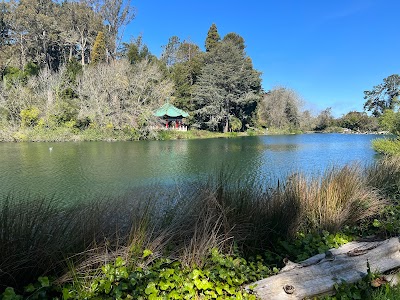
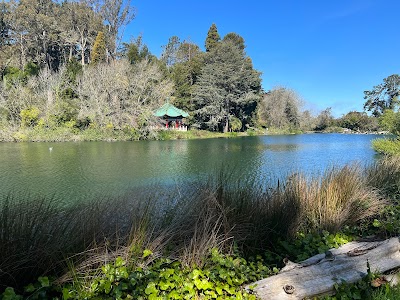
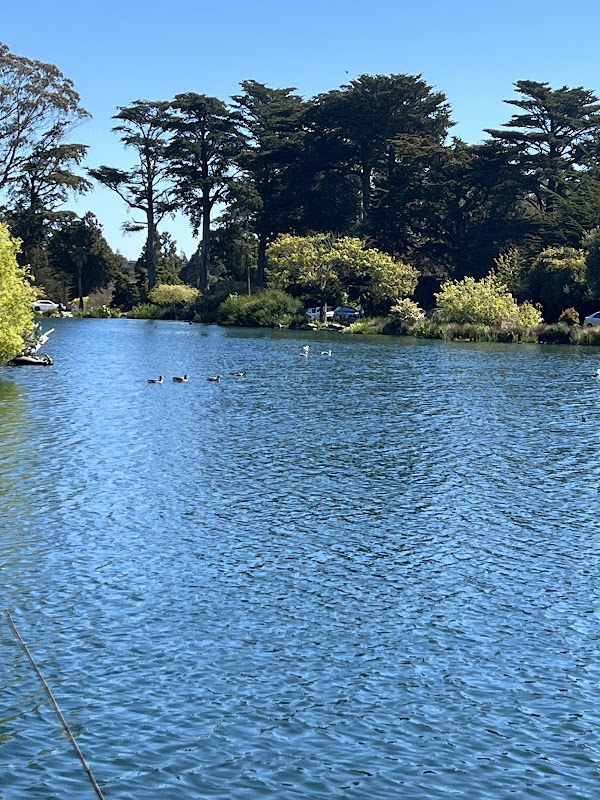
골든 게이트 공원에 자리한 스토우 호수는 번잡한 도시에서 고요한 휴식처를 제공합니다. 12에이커가 넘는 이 인공 호수는 그림 같은 전망 그 이상입니다. 다리나 여유로운 보트를 타고 갈 수 있는 독특한 섬인 스트로베리 힐이 있습니다. 언덕 꼭대기로 올라가면 샌프란시스코의 자매 도시인 타이베이에서 선물한 매력적인 100년 된 중국식 돌 파빌리온을 발견할 수 있습니다. 호수 자체는 장난기 있는 오리와 거위에서 통나무에 몸을 맡긴 우아한 거북이에 이르기까지 생명으로 가득 차 있습니다. 노 젓는 보트나 페달 보트를 빌려 느긋하게 탐험하며 울창한 버드나무 아래와 숨겨진 만을 지나세요. 통나무나 바위에서 햇볕을 쬐는 모습이 자주 보이는 거북이를 주시하세요. 덜 알려진 사실은 스토우 호수가 19세기 후반에 변모하기 전에는 자연적으로 샘물이 흐르는 습지였다는 것입니다.보트 역사
스토우 호수의 보트 역사는 번화한 도시로서의 샌프란시스코의 발전과 얽혀 있습니다. 자연적인 석호는 오래전부터 존재했지만, 골든 게이트 공원이 개발되던 19세기 후반에 보트 타기가 주요 명소가 되었습니다. 1893년에는 여가용 대여를 위한 노 젓는 보트가 도입되었고, 이 전통은 오늘날까지 이어져 호수의 오락적 과거와의 시대를 초월한 연결 고리를 제공합니다. 1940년에 화려한 Electric Boat Company가 등장하면서 독특한 장이 펼쳐졌습니다. 혁신적인 전기 모터로 구동되는 백조 모양의 패들 보트 함대는 빠르게 대중의 상상력을 사로잡았고 스토우 호수의 상징이 되었습니다. 이러한 기발한 선박은 1980년대에 퇴역했지만 많은 샌프란시스코 주민들에게 소중한 추억으로 남아 있으며 오락용 보트와 호수의 관계가 진화해온 증거입니다. 오늘날에는 고전적인 노 젓는 보트와 함께 페달 보트가 현대적인 변화를 제공하여 스토우 호수가 여가용 보트 타기의 안식처로 계속 남아 과거의 정신을 되살리면서 현재를 받아들이고 있습니다.빅토리아 풍경 건축
스토우 호수의 디자인은 빅토리아 시대 조경 건축의 핵심 원칙을 구현하고 있으며, 자연과 그림 같은 아름다움에 대한 당시의 매력을 반영합니다. 프레데릭 로 올름스테드의 낭만적인 풍경에서 영감을 받은 건축가 윌리엄 해먼드 홀은 번잡한 도시에서 벗어날 수 있는 휴식처를 구상했습니다. 1893년에 완공된 호수의 구불구불한 해안선은 빅토리아 시대 디자인의 특징으로, 신중하게 조성된 풍경을 따라 구불구불하게 이어집니다. 이러한 의도적인 불규칙성은 이전 스타일의 엄격한 기하학적 구조에서 벗어나 자연스러움과 놀라움을 불러일으키는 것을 목표로 합니다. 딸기 언덕을 비롯한 섬을 전략적으로 배치하면 이러한 그림 같은 특성을 더욱 향상시킵니다. 진정한 빅토리아 시대 방식으로 종종 어리석은 행위나 정자로 꼭대기를 장식한 이 섬들은 물 위로 신중하게 구성된 전망을 제공하며, 디자인된 풍경의 발견과 시각적 즐거움에 기여합니다. 빅토리아 시대 디자인의 또 다른 특징적인 요소인 다양하고 이국적인 식물을 사용한 것은 호수 주변에서 발견되는 다양한 식물에서 분명하게 나타납니다. 토종 및 비토종 종을 의도적으로 혼합하여 경이로움을 불러일으키고 방문객을 먼 나라로 데려가는 것을 목표로 했으며, 이는 빅토리아 시대의 탐험과 더 넓은 세계에 대한 수용을 반영합니다.
2
Japanese Tea Garden
View on map
Audio Narrations
English
Introduction
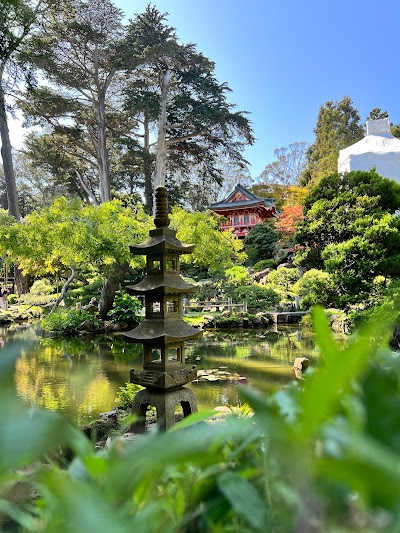
Nestled within the sprawling Golden Gate Park, the Japanese Tea Garden in San Francisco, California, is the oldest public Japanese garden outside of Japan. Established in 1894, this tranquil oasis transports visitors to the heart of Japanese culture and aesthetics. The garden's intricate design showcases traditional elements such as a five-story pagoda, arched drum bridges, and serene koi ponds. Its meticulously manicured landscape features graceful Japanese maples, twisting pines, and vibrant azaleas that bloom in a kaleidoscope of colors during spring. Beyond its visual beauty, the Japanese Tea Garden holds deep cultural significance. Its design reflects the principles of Shinto and Buddhism, emphasizing harmony with nature and the transience of life. The dry Zen garden, with its raked gravel and carefully placed rocks, invites contemplation and meditation. The Tea House, nestled amidst the garden's lush greenery, offers a respite for visitors to savor traditional Japanese tea and refreshments. Its custom-designed "irori" table fosters a sense of community and warmth. Throughout the year, the Japanese Tea Garden hosts cultural events and workshops, providing an immersive experience of Japanese arts and traditions. From taiko drumming to bonsai demonstrations, these events celebrate the rich heritage of Japan and foster a deeper understanding of its culture.Buddhist Influence
The Japanese Tea Garden in San Francisco, California, United States, is a serene oasis that reflects the profound influence of Buddhism. The garden's design embodies the principles of wabi-sabi, emphasizing the beauty of imperfection and impermanence. The placement of rocks, water features, and winding paths mimics the natural flow of nature, inviting visitors to find tranquility and mindfulness. The steep stairs within the garden symbolize the Buddhist belief that enlightenment can be achieved through physical exertion and mental focus. The stone lanterns, representing the five elements of Buddhism, serve as reminders of the harmony between nature and spirituality. The garden's overall aesthetic encourages visitors to slow down, appreciate the present moment, and cultivate a sense of inner peace. Beyond its physical elements, the Japanese Tea Garden also hosts various events and programs that promote Buddhist teachings. Meditation classes, tea ceremonies, and cultural performances provide opportunities for visitors to deepen their understanding of Buddhist philosophy and practice. The garden has become a sanctuary for those seeking spiritual growth and a connection to the natural world.Shinto Principles
The Japanese Tea Garden in San Francisco, California, United States, is a captivating fusion of nature and spirituality, where Shinto principles are subtly woven into its design. The garden's serene atmosphere echoes the Shinto belief in the sacredness of nature, with water playing a central role. Ponds and waterfalls are strategically placed to create reflections and evoke a sense of purity and tranquility. Rocks, revered in Shinto as dwelling places of gods, are carefully arranged to represent mountains and bodies of water. They guide the eyes, leading visitors along paths and towards focal points, mirroring the Shinto concept of harmony between humans and the natural world. The garden's architecture also reflects Shinto influences. The Lantern of Peace, a gift from Japan after World War II, symbolizes the five elements of Buddhism, which are also revered in Shinto. Its base represents earth, the next section water, the light fire, and the following two sections air and spirit. The Japanese Tea Garden is a testament to the profound influence of Shinto principles on Japanese culture and aesthetics. It offers visitors a unique opportunity to immerse themselves in the spiritual and natural beauty that is central to Shinto beliefs.
3
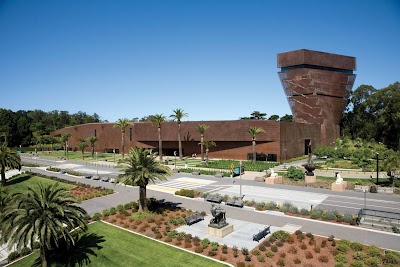
de Young Museum
View on map
Audio Narrations
Korean
소개
샌프란시스코 문화계의 저명한 명소인 드 영 미술관은 눈에 띄는 구리로 덮인 건물에 자리잡고 있습니다. 현대적이고 역사적인 영향이 조화를 이룬 독특한 건축 양식은 골든 게이트 공원의 상징적인 랜드마크가 되었습니다. 이 미술관은 수세기와 대륙을 아우르는 다양한 컬렉션을 자랑하며, 특히 17세기부터 21세기까지의 미국 미술, 직물 미술, 아프리카, 오세아니아, 아메리카 미술에 강점이 있습니다. 많은 방문객에게 하이라이트는 도시, 공원, 만의 탁 트인 전경을 제공하는 미술관의 탑입니다. 드 영은 영구 컬렉션 외에도 획기적인 순회 전시회를 개최하는 것으로 유명하며, 종종 국제적으로 유명한 예술가와 드물게 볼 수 있는 작품을 선보입니다. 매력을 더하는 것은 미술관 주변의 조각 정원으로, 예술과 자연이 어우러진 고요한 오아시스입니다. 드 영은 혁신적인 전시회를 선보이기 위해 노력하는 동시에 예술에 대한 글로벌한 관점을 보여주는 데 전념하고 있어 예술 애호가와 일반 방문객 모두에게 역동적이고 매력적인 명소가 되었습니다.해몬 전망대
디 영 박물관의 해몬 전망대의 나선형 계단을 오르면 숨 막히는 샌프란시스코의 파노라마가 눈앞에 펼쳐집니다. 박물관 지붕 위로 9층 높이 솟은 이 무료 전망대는 360도의 비교할 수 없는 전망을 제공합니다. 종종 몽환적인 안개에 싸인 골든 게이트 브릿지의 상징적인 실루엣을 향해 동쪽을 바라보거나, 태평양으로 뻗어 있는 푸른 녹지가 있는 골든 게이트 공원의 생생한 태피스트리를 향해 남쪽을 바라보세요. 이 높은 망대에서 헤이트-애시베리 지구의 빅토리아풍 매력에서 금융 지구의 세련된 고층 빌딩에 이르기까지 도시의 다양한 건축적 풍경이 드러납니다. 자세히 보면 "세계에서 가장 구불구불한 거리"인 롬바드 거리의 물결 모양 윤곽이나 피셔맨스 와프의 번화한 부두를 볼 수 있습니다. 탑의 야외 디자인은 샌프란시스코 바람의 부드러운 애무와 도시 소리의 교향곡이 시각적 향연을 동반하는 몰입적인 감각적 경험을 제공합니다. 해몬 전망대를 방문하는 것은 단순한 전망대를 넘어서는 것입니다. 샌프란시스코의 영혼과 연결될 수 있는 기회입니다.구리 외벽
샌프란시스코의 드 영 미술관은 시간이 지남에 따라 끊임없이 진화하는 살아있는 피부인 눈에 띄는 구리 외관으로 둘러싸여 있습니다. 160,000파운드의 미리 녹이 슨 구리로 구성된 이 역동적인 클래딩은 노출된 요소에 따라 색상이 변하는 보호층인 독특한 녹청을 개발할 수 있는 능력 때문에 선택되었습니다. 건축가들은 수천 개의 작은 구멍으로 외관을 세심하게 자세히 묘사하여 주변 나무를 통해 여과되는 얼룩덜룩한 빛을 모방하는 미묘한 패턴을 만들었습니다. 시간이 지남에 따라 구리색은 처음의 붉은 갈색 색조에서 풍부하고 다양한 녹색과 갈색의 태피스트리로 변하여 미술관을 골든 게이트 공원의 푸른 풍경에 완벽하게 어우러지게 했습니다. 이 끊임없이 변화하는 외관은 시간의 흐름과 자연의 강력한 힘을 증명하며, 미술관이 예술과 환경에 대한 헌신을 반영합니다. 구리의 자연적인 산화 과정은 앞으로도 수년간 계속되어 드 영의 외관이 그 자체로 역동적이고 매력적인 예술 작품으로 남게 될 것입니다.
4
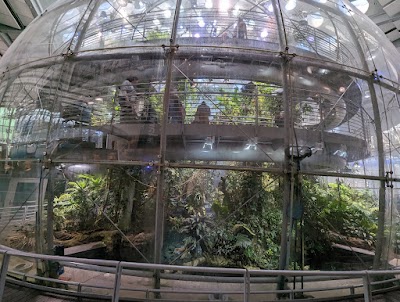
California Academy of Sciences
View on map
Audio Narrations
English
Introduction
The California Academy of Sciences in San Francisco is more than just a natural history museum—it's an architectural marvel housing a rainforest, aquarium, and planetarium all under one living roof. This iconic building, with its undulating green roof mimicking the seven hills of San Francisco, seamlessly blends into Golden Gate Park while showcasing cutting-edge sustainable design. Inside, visitors can wander through a four-story rainforest teeming with exotic birds and butterflies, descend into the depths of a Philippine coral reef, or experience the cosmos in the planetarium's immersive digital dome. A highlight for many is the living roof itself, accessible to the public and home to native California plants, providing a haven for local insects and birds. The Academy's commitment to research is evident throughout, with scientists often working in view of the public, offering a glimpse into the forefront of biodiversity and conservation efforts.Scientific Education
The California Academy of Sciences in San Francisco stands as a testament to the power of experiential scientific education. What truly sets it apart is its immersive approach to learning, seamlessly blending cutting-edge research with innovative exhibits. Visitors don't just observe science; they engage with it firsthand. The Academy's citizen science programs, for instance, empower individuals to contribute to real scientific research, from documenting local biodiversity to analyzing astronomical data. This hands-on approach extends to its educational programs, which cater to learners of all ages, from curious toddlers to seasoned professionals. The Academy's unique location within Golden Gate Park further enhances its educational impact. Its proximity to diverse ecosystems, from coastal dunes to redwood forests, provides a living laboratory for scientific exploration. This integration of natural surroundings with world-class exhibits makes the California Academy of Sciences an unparalleled destination for those seeking an immersive and inspiring scientific education.Biodiversity Research
The California Academy of Sciences stands as a global leader in biodiversity research, housing millions of scientific specimens within its walls. The institution's research initiatives extend far beyond specimen collection, encompassing a dynamic range of fieldwork, lab analysis, and digital data aggregation. Scientists at the Academy are actively engaged in documenting new species, deciphering complex evolutionary relationships, and understanding the impact of climate change on ecosystems worldwide. A key aspect of their work involves utilizing cutting-edge technology, such as DNA barcoding and remote sensing, to study life in even the most extreme environments, from the depths of the ocean to the rainforests' canopies. The Academy's commitment to open-access data sharing further amplifies its impact, allowing researchers globally to collaborate and build upon their findings. This collaborative spirit extends to the Academy's citizen science programs, engaging the public in data collection and analysis to further biodiversity research. Through these multifaceted approaches, the California Academy of Sciences remains at the forefront of understanding and protecting our planet's biodiversity.
5
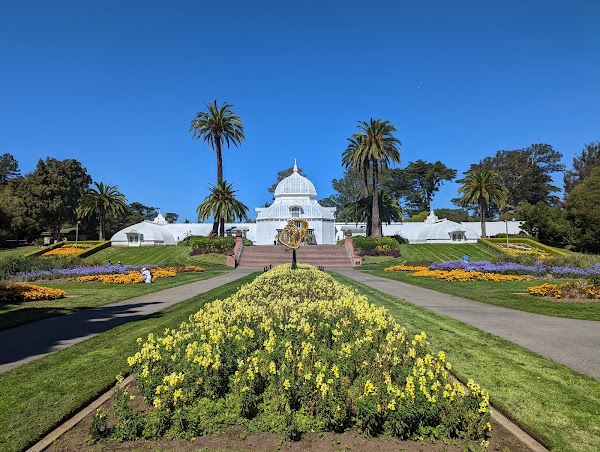
Conservatory of Flowers
View on map
Audio Narrations
English
Introduction
Nestled within San Francisco's Golden Gate Park, the Conservatory of Flowers is a Victorian-era marvel constructed entirely of glass and wood. This architectural gem, with its ornate white dome and finials, houses a captivating collection of rare and unusual plants from around the world. Within its climate-controlled pavilions, visitors encounter a diverse range of ecosystems, from the humid tropics to the arid deserts. The Conservatory's collection boasts a captivating array of carnivorous plants, their intricate traps designed to lure unsuspecting insects. Look closely for the Amorphophallus titanum, more commonly known as the "corpse flower," which emits a pungent odor reminiscent of rotting flesh during its infrequent bloom, attracting hordes of fascinated onlookers. The Conservatory's commitment to conservation is evident in its propagation programs, which help preserve endangered plant species for future generations. The building itself, having survived both the 1906 earthquake and a devastating storm in the 1990s, stands as a testament to the enduring power of restoration and the captivating allure of the natural world.Rare Plants
The Conservatory of Flowers in San Francisco is more than just a beautiful Victorian greenhouse; it's a sanctuary for botanical rarities. Within its climate-controlled galleries, you'll encounter a captivating collection of rare and endangered plants from around the world. Seek out the enigmatic Corpse Flower, known for its colossal bloom and pungent odor, a rare spectacle the Conservatory has hosted multiple times. Marvel at the intricate beauty of carnivorous pitcher plants, with their alluring traps and digestive enzymes. The Conservatory is also home to a diverse collection of orchids, including some so rare they exist only in cultivation. These delicate beauties, with their intricate patterns and vibrant colors, are a testament to the Conservatory's dedication to conservation. Beyond these highlights, you'll discover a treasure trove of unusual flora, from ancient ferns to delicate air plants, each with a unique story to tell.Botanical Collections
The Conservatory of Flowers in San Francisco houses a living collection that extends far beyond the commonplace. Within its climate-controlled galleries thrive botanical rarities, many with fascinating backstories. The collection boasts a remarkable diversity of orchids, including a number of rare and endangered species. Look for the vibrant blooms of the "Monkey Face Orchid," aptly named for its uncanny resemblance to a primate's visage. The Conservatory's collection of carnivorous plants is equally intriguing, featuring an array of pitcher plants and sundews that lure, trap, and digest unsuspecting insects. For those with a penchant for the unusual, the collection of primitive plants, some dating back millions of years, offers a glimpse into the prehistoric world. These ancient ferns and cycads, with their prehistoric forms, provide a living link to the Earth's botanical past. The Conservatory's commitment to conservation is evident in its efforts to propagate and protect endangered species, ensuring that these botanical treasures endure for generations to come.
Experience the Full Tour
Download the DocentPro app to access all tour stops, complete audio narrations in multiple languages, offline maps, and interactive features.